Unprocessed Supplements
(0 Results)
Unprocessed supplements offer a straightforward approach to supporting your wellness routine. By focusing on ingredients that are closer to their natural state, unprocessed supplements may appeal to those seeking simplicity and transparency in their daily nutrition. Explore options that could fit seamlessly into your lifestyle, whether you're looking to enhance your current regimen or start fresh with mindful choices. Discover how unprocessed supplements might complement your journey toward balanced well-being.



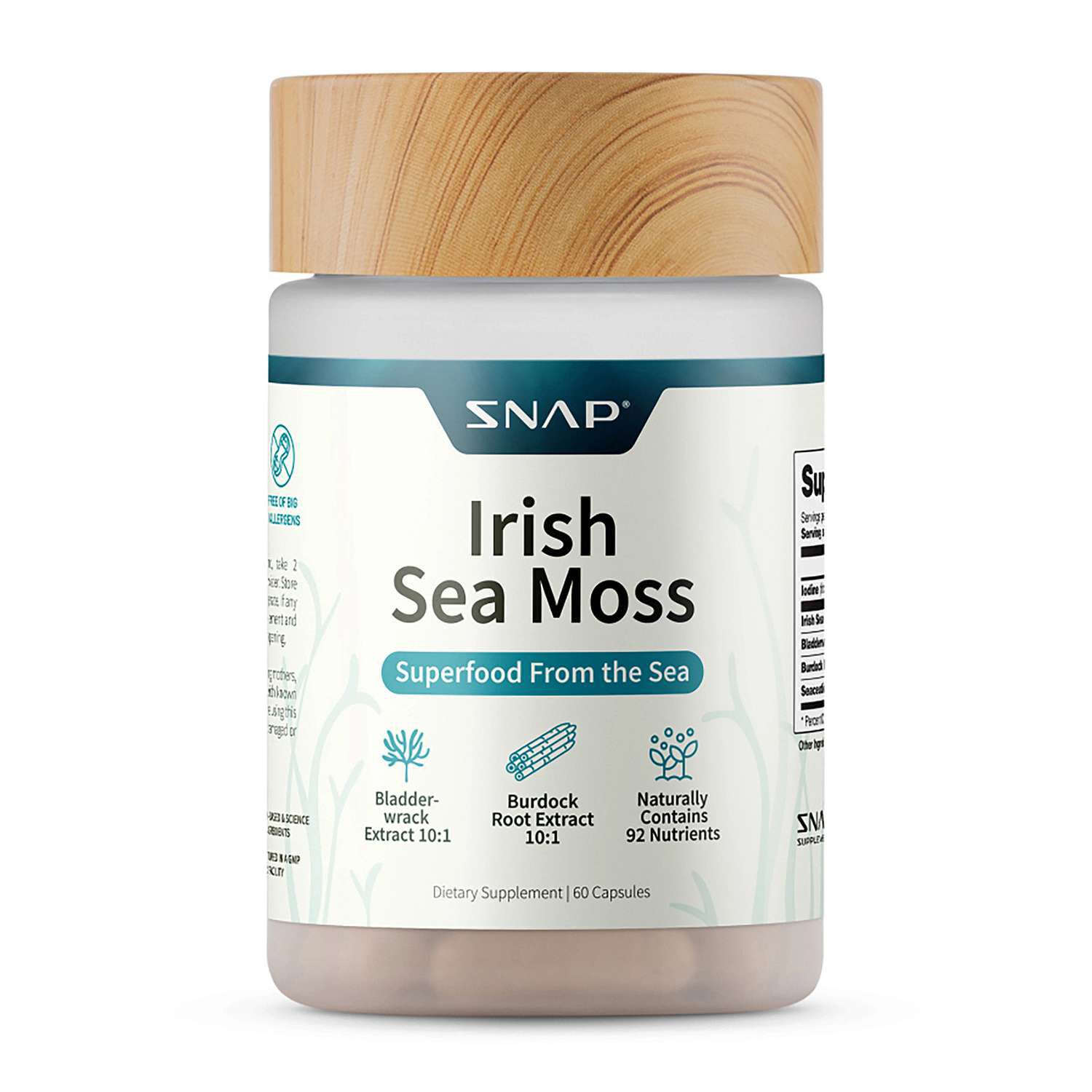


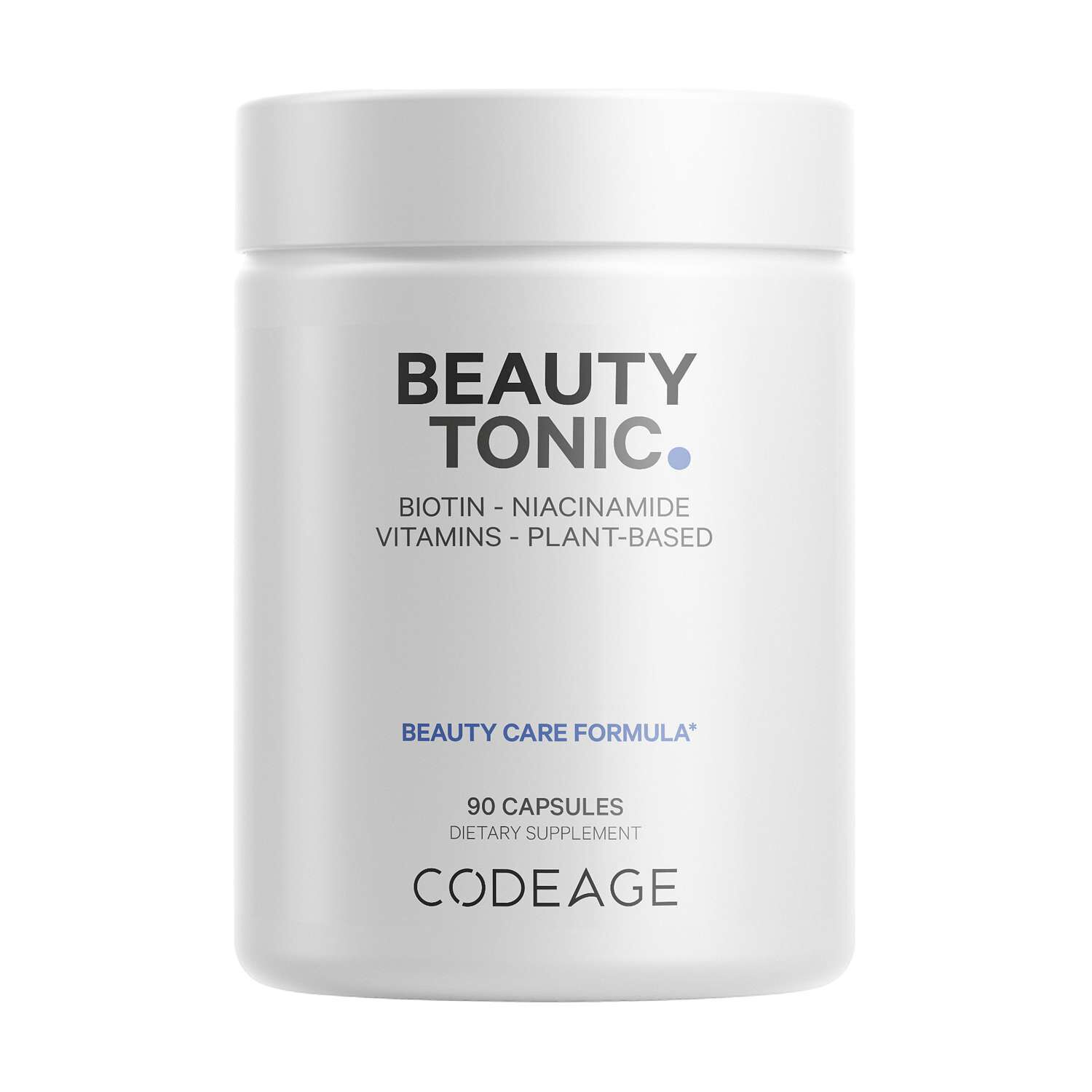
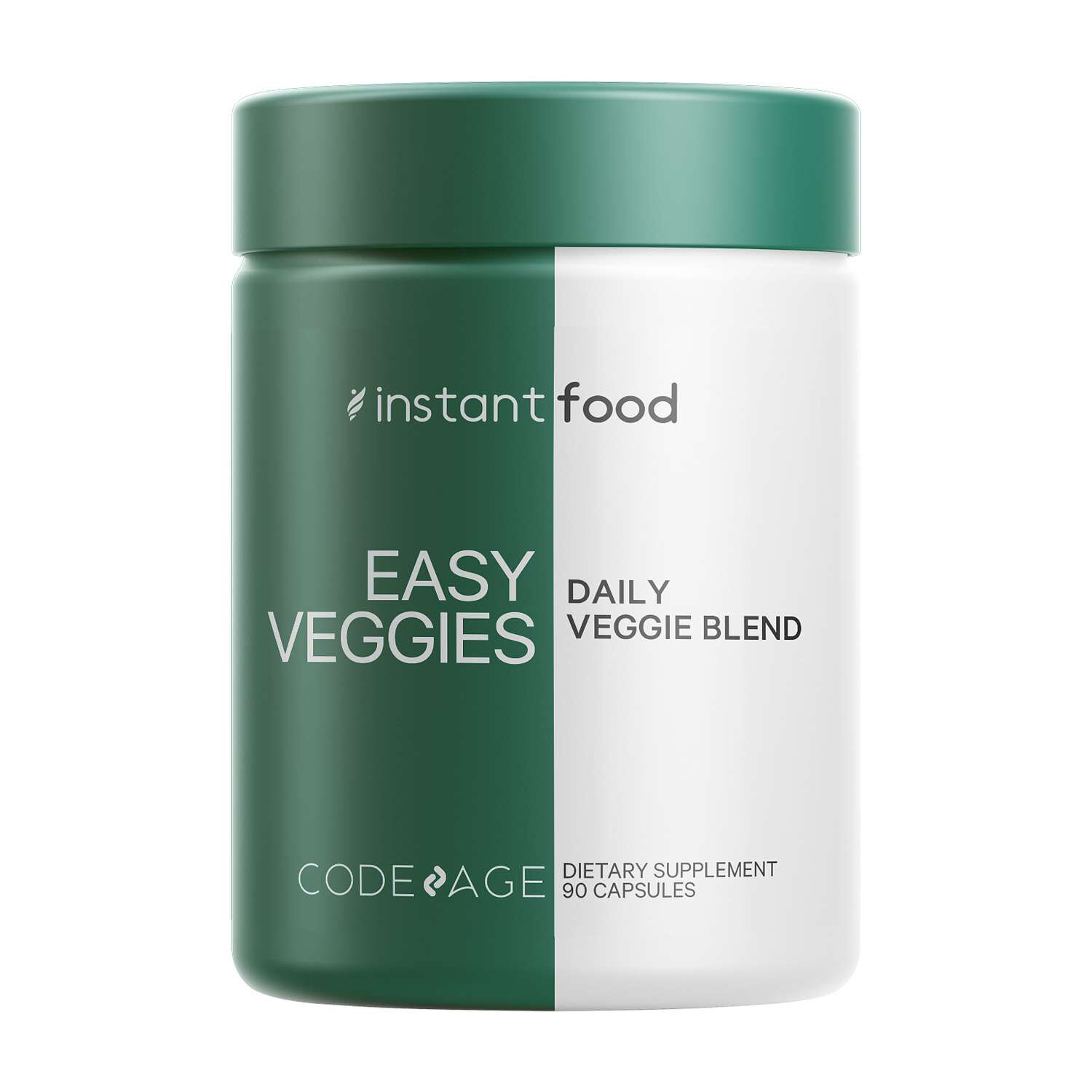


Unprocessed supplements generally refer to dietary supplements made with minimally refined ingredients, often with an emphasis on whole-food sources, recognizable components, and relatively short ingredient lists. The term describes a shopping preference more than a single manufacturing standard: even a simple powder or capsule typically involves steps such as drying, grinding, filtering, or encapsulation. For that reason, “minimally processed supplements” is often a more accurate description than products that have undergone no processing at all. This category can encompass whole-food powders, plant-based ingredients, mushroom preparations, algae powders, and other formulas selected for their ingredient source or straightforward composition. Not every formula described as raw, natural, or whole-food has the same characteristics, and those words alone do not establish purity, nutritional value, or manufacturing quality. The useful details are on the label, including the ingredient name, serving size, amount per serving, and any additional ingredients used for flavor, texture, or capsule construction. A single-ingredient formula offers a different experience from a blend containing several food sources, even when both appeal to someone seeking a simpler supplement routine. Likewise, a whole-food ingredient is not necessarily nutritionally equivalent to a serving of the original food. Drying removes moisture, while extraction can concentrate selected components and leave others behind. Unprocessed supplements are best understood through these distinctions rather than through the assumption that fewer manufacturing steps always mean a better product. They may appeal to shoppers who prefer an unflavored addition to a smoothie, a capsule without a long list of added ingredients, or a clearly identified source that fits their dietary preferences. As dietary supplements, these products are intended to supplement the diet, not replace varied meals. Their relevance comes from the match between the formula, its labeled purpose, and the way someone plans to use it. A transparent description of the source and preparation method offers more meaningful context than rustic packaging or a broad claim about being natural.
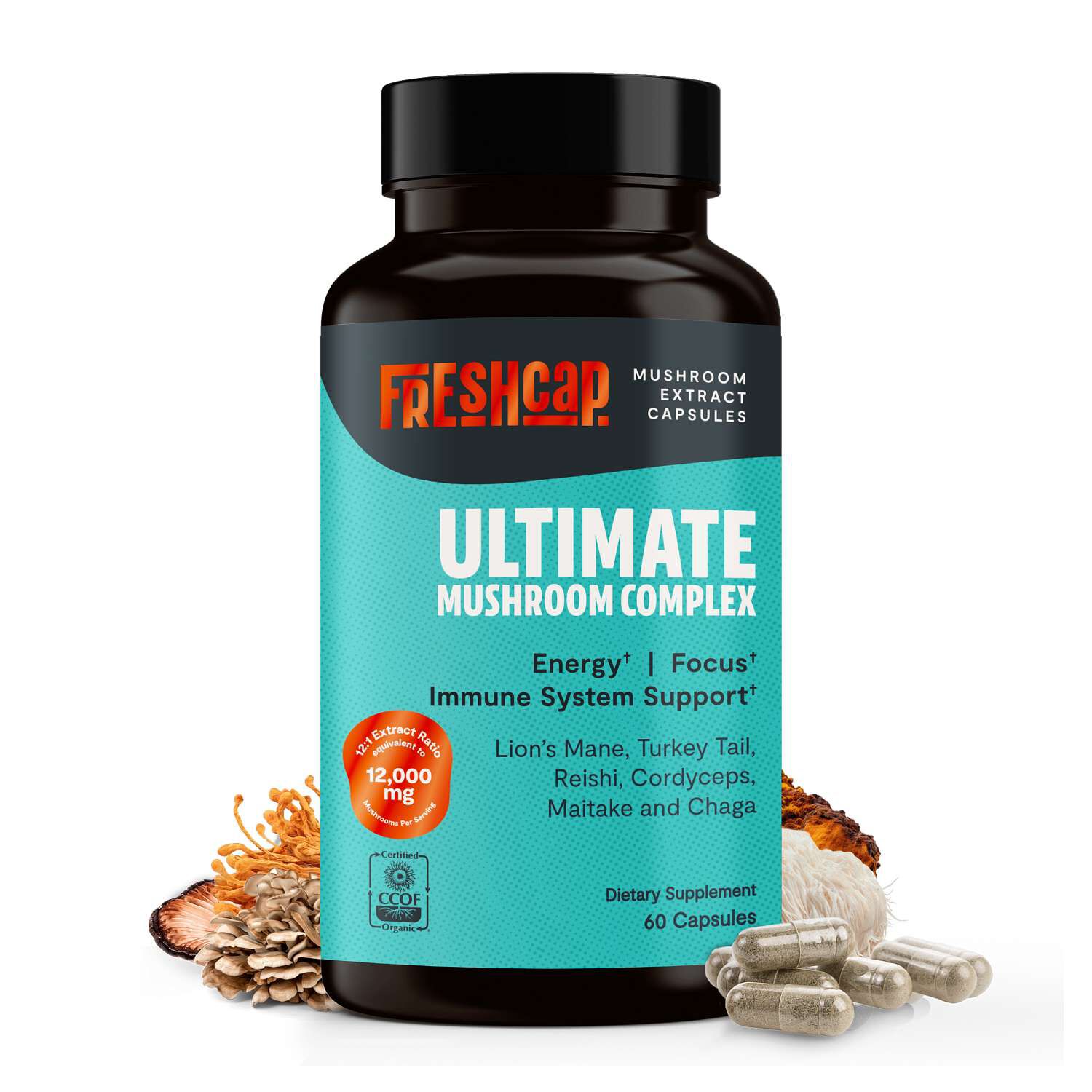
Ingredient selection gives minimally processed supplements much of their character, but the details extend beyond the number of ingredients listed. For a plant-derived powder, the species and plant part can help distinguish a leaf preparation from a root, seed, or fruit preparation. Mushroom labels may identify the species and whether the material comes from the fruiting body or mycelium. Animal-derived ingredients can carry information about the source animal, the tissue used, and how the material was dried or prepared. These distinctions describe what is in the container; they do not, on their own, establish how a product will perform. Sourcing terms also answer different questions. Organic certification concerns specified production practices, while a description such as grass-fed refers to an aspect of animal feeding. Neither term means that an ingredient has never been processed. For shoppers exploring marine-derived ingredients, Wild Caught Supplements provides a related category centered on sourcing rather than the degree of refinement. Across these categories, a clearly stated origin, a readable Supplement Facts panel, and an explanation of preparation can make comparisons more concrete. The “Other Ingredients” section matters as well: a capsule shell, an ingredient used to help powder flow during production, or an added flavor serves a different role from the featured dietary ingredient. A shorter list may suit a particular preference, but length alone is not a measure of quality. Manufacturing controls and documented testing provide separate information about identity and composition. Any testing statement is most informative when it specifies what was evaluated rather than relying on an unexplained seal. Dietary fit deserves the same attention to detail. A plant-based powder can have a different ingredient profile from the capsule surrounding another formula, and an unflavored blend can still contain more than one component. Allergen declarations, capsule materials, and serving information help clarify those differences without relying on the category name to answer every question.
Format shapes the everyday experience of using unprocessed supplements just as much as sourcing does. Powders offer flexibility within their labeled directions, particularly for someone who already prepares a smoothie or mixes ingredients into an appropriate food. Their flavor and texture can be noticeable: a leafy powder may taste grassy, a mushroom preparation may have an earthy character, and a finely ground food ingredient may leave sediment rather than dissolve. These sensory qualities are not reliable measures of purity, but they are practical considerations for someone choosing between a powder and a capsule. Unflavored does not mean tasteless, and a formula without added sweeteners may taste quite different from a flavored drink mix. Capsules avoid the need to mix a powder, although capsule size and the number required for a labeled serving can affect personal preference. Package size also tells only part of the story; the stated serving amount determines how many uses a container is designed to provide. A person with a regular breakfast routine may prefer a powder kept alongside other smoothie ingredients, while someone carrying a supplement to work may value a securely closed container that preserves the original label. Storage and handling help protect the product’s condition over time. The package directions take priority, and keeping lids properly closed, using dry utensils, and retaining the original container can help limit exposure to moisture and preserve access to ingredient and lot information. A powder that settles during storage does not necessarily have the same volume it had when first packed, so the labeled measuring directions matter more than the apparent fullness of the jar. Shelf life depends on the formulation, packaging, and storage conditions, not simply on whether the ingredient is described as raw. For shoppers drawn to a simpler approach, the strongest fit is a supplement with understandable ingredients, clearly described preparation, suitable packaging, and a format that makes sense within an established routine. Those concrete qualities give the unprocessed supplement category its practical meaning beyond the wording on the front of the container.