





Chewable Creatine For Lean Muscle Building
(0 Results)
Chewing your way to your fitness goals may be more convenient than ever with chewable creatine for lean muscle building. These easy-to-take options could fit seamlessly into your daily routine, offering an alternative to traditional powders and capsules. Whether you're looking to support your workout performance or complement your active lifestyle, chewable creatine for lean muscle building might be a simple addition to consider on your wellness journey. Explore a range of chewable creatine supplements that could align with your personal preferences and fitness aspirations.
-
-
 4,336$24.99
 -
-
 4,336$24.99
 -

-
-
-
-
 Universal Nutrition237$36.99
 -
 Universal Nutrition237$36.99
 -

-
 144$34.99
 -
-
-

-
-

-
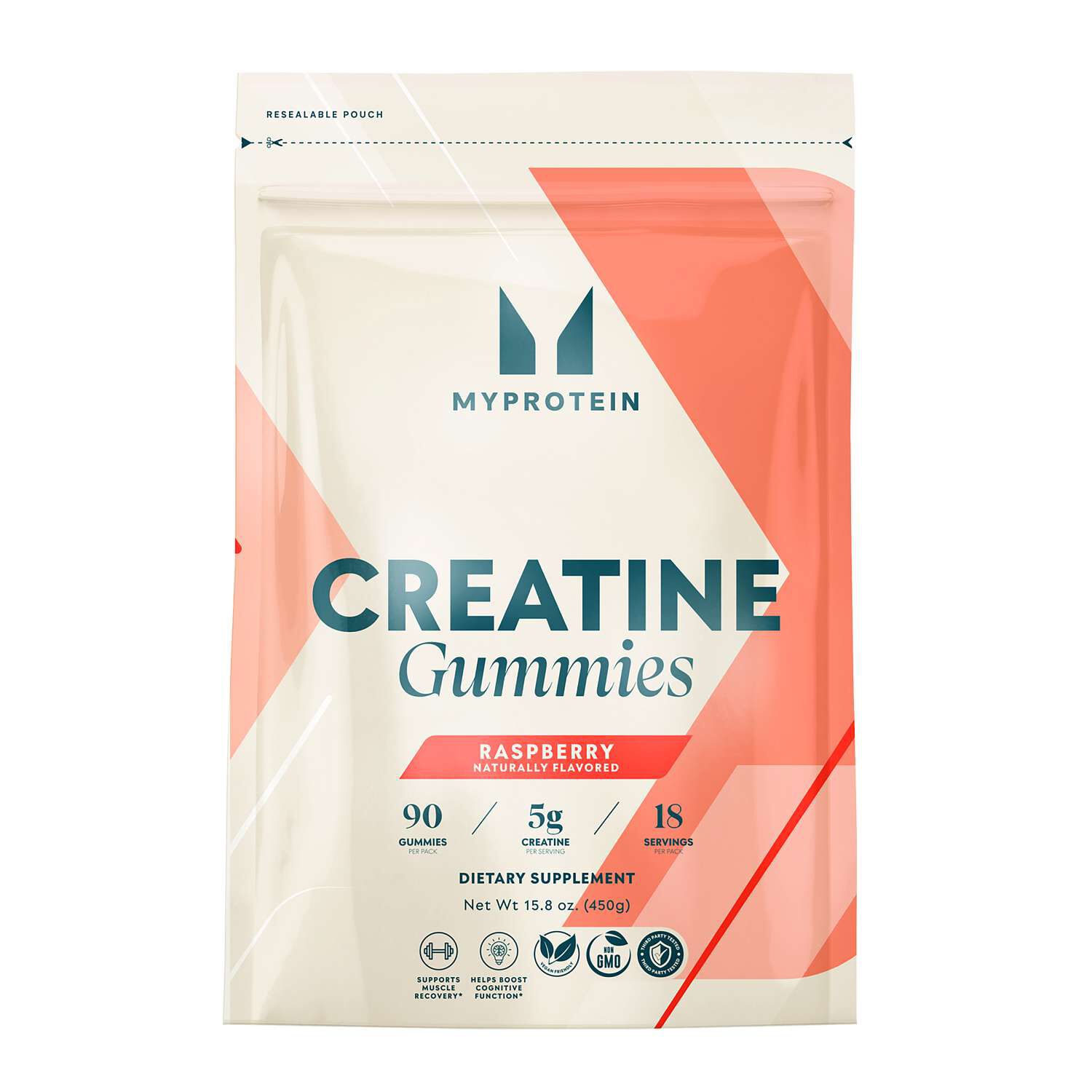
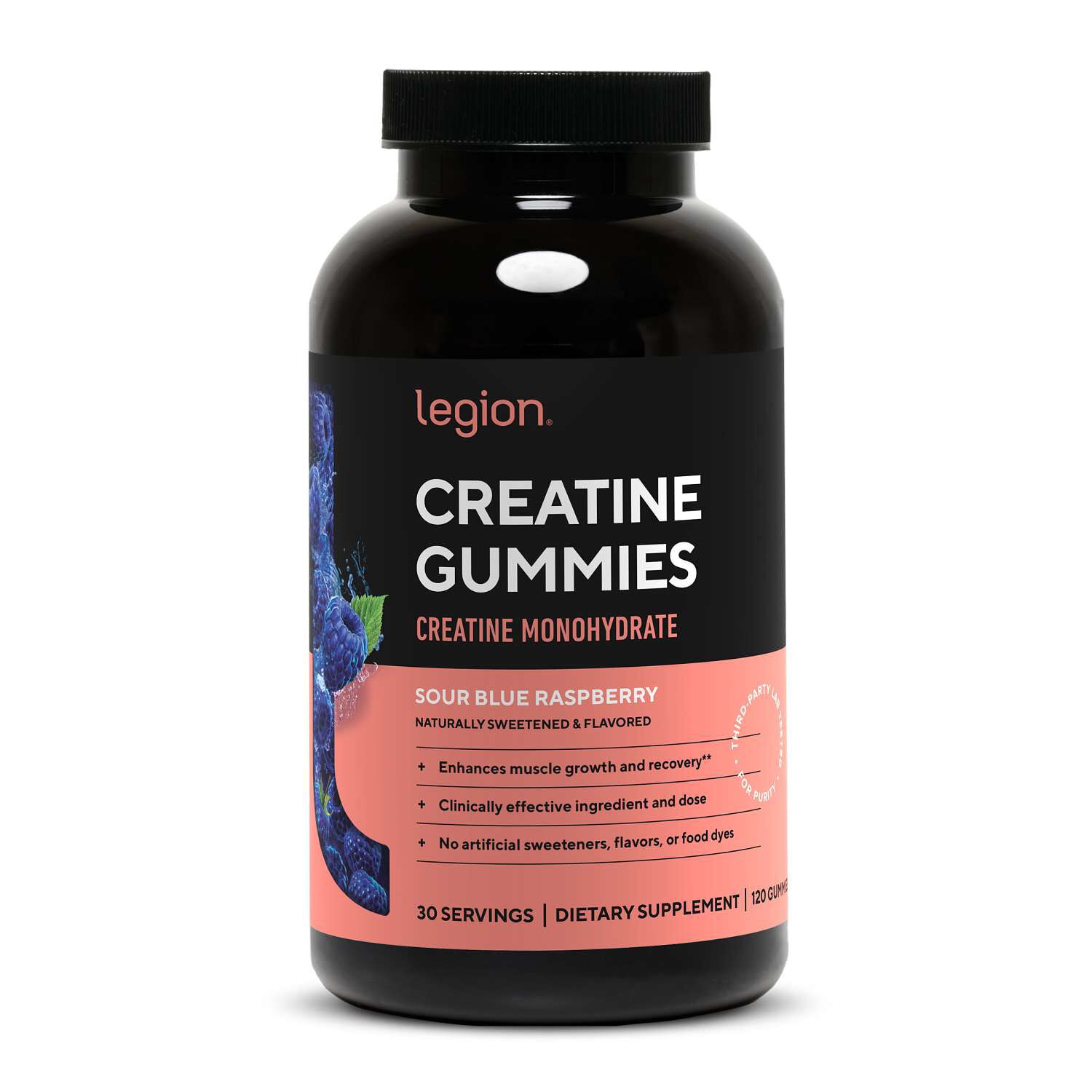
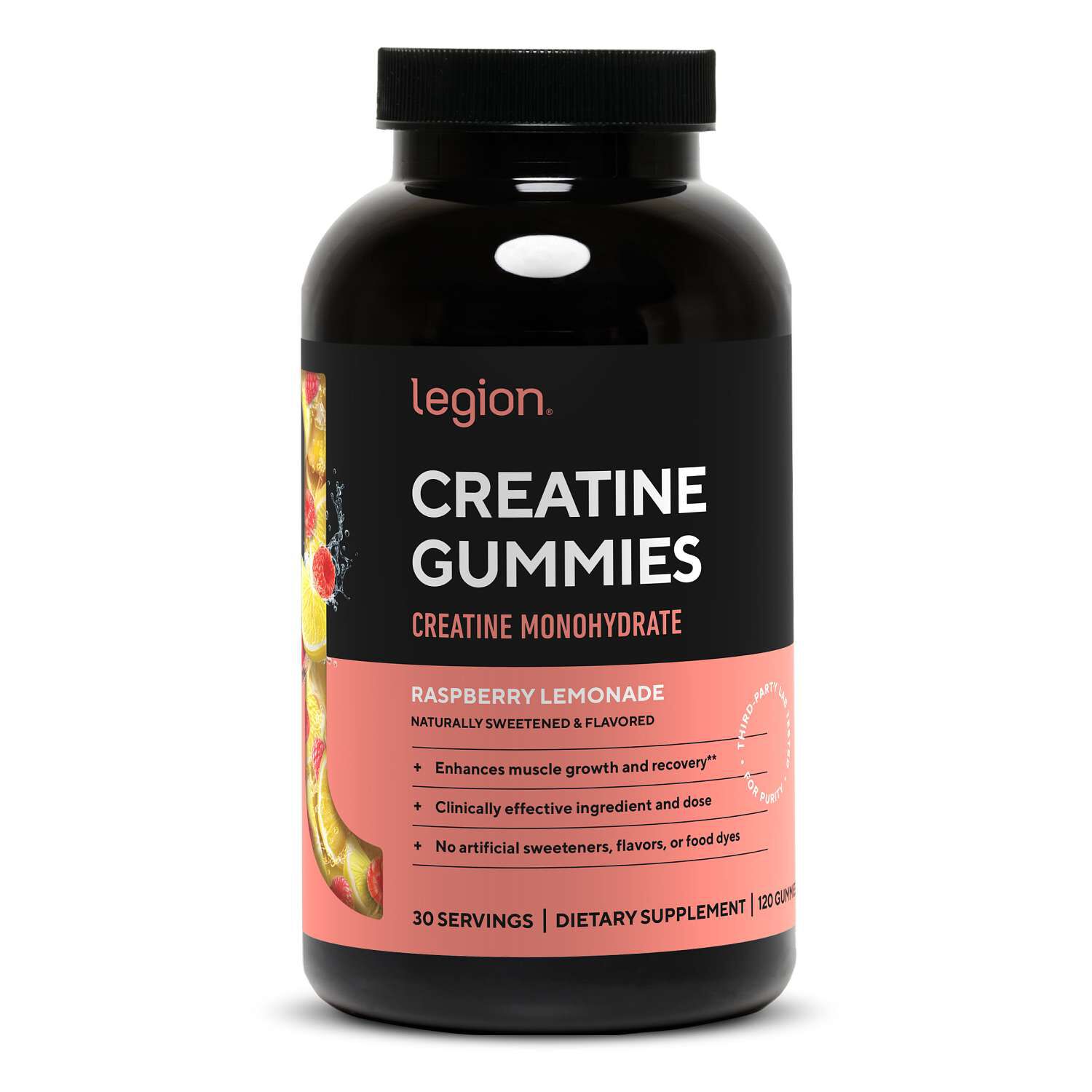
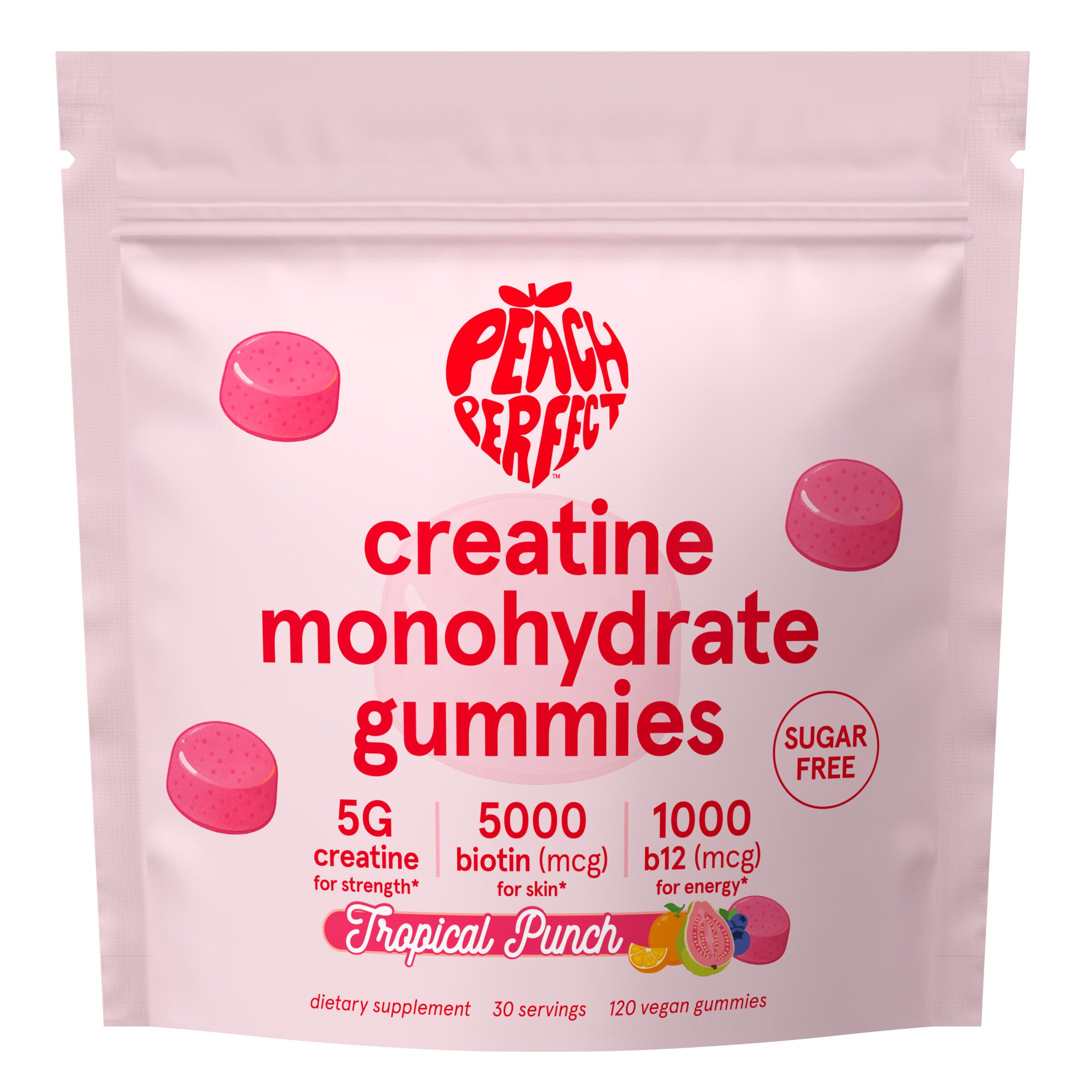
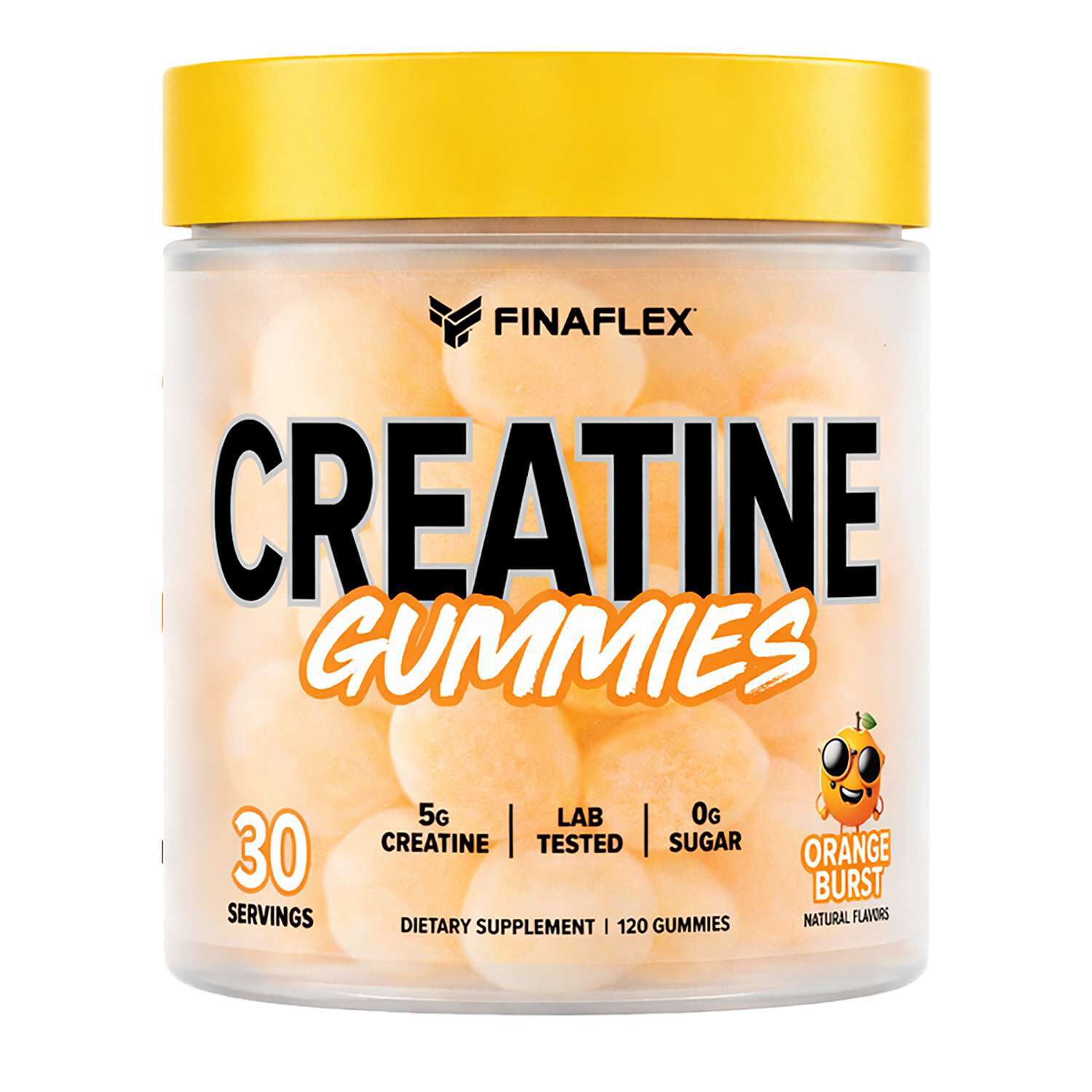
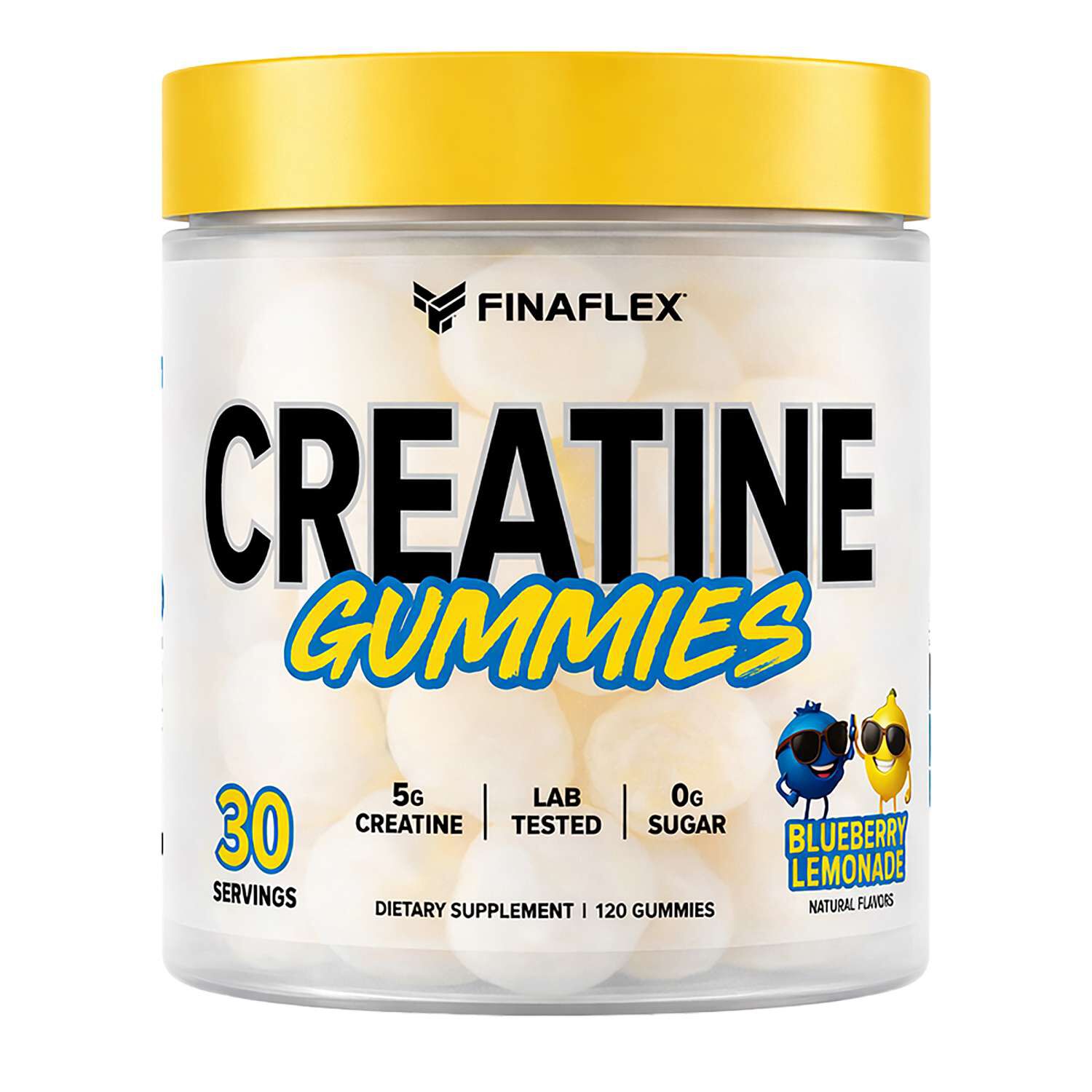
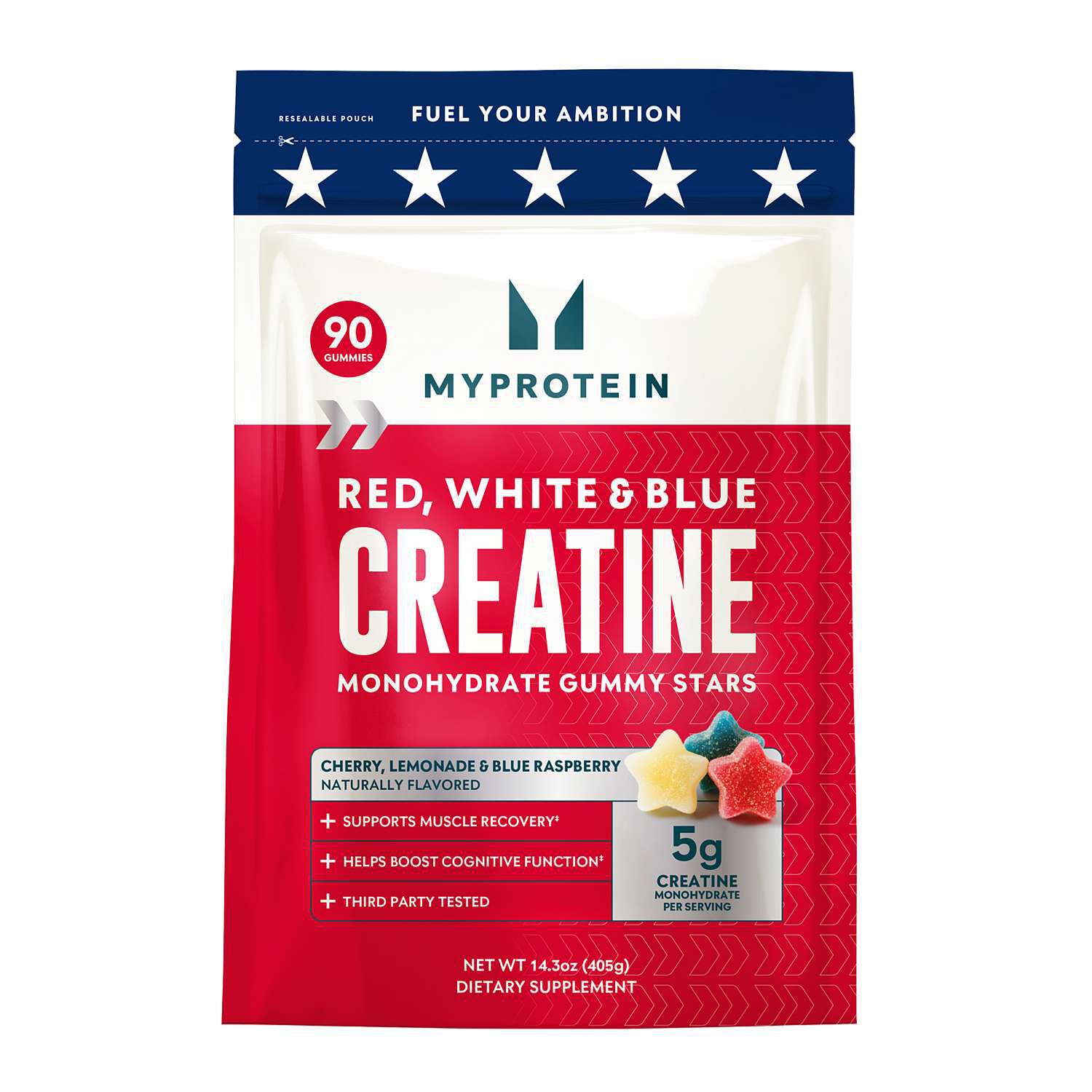
Chewable creatine for lean muscle building brings a familiar strength-training supplement into a format that does not require scooping powder or preparing a drink. The category includes compressed chewable tablets, softer chews, and gummy-style formats, with differences in texture, flavor, ingredients, and serving size. For adults who pair resistance training with balanced meals and adequate rest, creatine may support performance during repeated, short bursts of high-intensity exercise. Alongside consistent training, it may also support lean muscle development over time. Those potential benefits depend on more than the choice between a chew and a powder, however; the amount of creatine in a serving and the overall training routine deserve attention, too. Creatine monohydrate is a well-studied form commonly used in sports nutrition, and the ingredient panel identifies whether a chew contains this form or another type. A chewable format is primarily a different way to take creatine, not a reason to assume greater results. Its appeal often comes down to the details of an ordinary day: an early workout followed by a commute, a lunch-hour lifting session, or an evening at the gym when another drink is not appealing. Someone who already enjoys a protein shake might prefer to keep creatine separate rather than add another ingredient to the blender. Someone else might simply prefer a fruit-flavored chew to a capsule or a glass of mixed powder. Taste and convenience may make a supplement routine feel more manageable, but neither establishes how much creatine a formula contains. When comparing chewable creatine supplements, the most useful starting point is the stated creatine amount per serving, followed by the number of pieces that make up that serving. A larger package or a larger-looking chew does not necessarily mean more creatine. Clear labeling makes it easier to compare formats on meaningful details rather than appearance alone, especially when tablets, gummies, and soft chews sit within the same category.
The differences between chewable creatine formats become clearer when texture and formulation enter the picture. Compressed tablets often have a firm bite and a drier, sometimes chalky finish, while gummies generally have a springier texture. Soft chews can fall somewhere between the two, depending on their ingredients. These distinctions matter for a product intended for regular use: a flavor that sounds appealing on the label still needs to suit personal preferences, and a serving made up of several pieces offers a different experience from a single chew. Fruit flavors may be tart, sweet, or a combination of both, and sweeteners can leave different aftertastes. Beyond flavor, ingredient lists may include sugars, sugar alcohols, colors, flavorings, and ingredients used to create the finished texture. Gummy formulations may use gelatin or pectin, a relevant distinction for shoppers following vegetarian or vegan eating patterns. The actual label, rather than the shape or appearance of the chew, is the place to confirm dietary suitability and allergen information. Added sugar, carbohydrates, and calories also belong in the comparison, particularly for people who track their meals as part of a lean muscle building routine. A chew can contain creatine alongside ingredients that contribute to its taste and structure, so the weight of the finished piece is not the same as its creatine content. For example, a serving listed as three chews should not be read as the amount supplied by one chew. Comparing the creatine amount per serving with the serving count helps clarify what each package represents. Any additional active ingredients deserve their own review, especially when a routine already includes other sports nutrition supplements. Straightforward formulas may appeal to shoppers who want fewer overlapping ingredients. Independent testing information, when provided, can add another point of comparison for ingredient identity and manufacturing quality. Testing statements are most useful when they clearly explain what was evaluated; they do not establish that every person will experience the same training results.
Packaging and storage are practical considerations for chewable creatine, particularly when a container moves between a kitchen cabinet, a work bag, and a gym locker. A secure closure and readable label matter more than decorative packaging for everyday handling. Keeping the original container also preserves access to serving directions, ingredient details, and the date printed on the package. Storage needs vary by formula, so the labeled directions should determine where the chews are kept. Heat and humidity can affect the texture of some gummies and soft chews, while moisture can change the condition of compressed tablets. A parked car, a steamy bathroom, or a bag left beside a heater may be a poor match for those storage requirements. For travel, packaging that remains closed and protected from crushing is worth considering, along with how much space the container occupies. Portability is useful only when the product can be stored as directed throughout the day. Adults building a home-gym routine, returning to structured strength training, or balancing regular lifting with a busy work schedule may appreciate a chewable option, though personal preference should guide the format. Following the package directions keeps intended use tied to the actual formula rather than to assumptions about how other creatine products are used. Chewable creatine is not a substitute for meals, sufficient dietary protein, or a training plan with room for rest, and it should not be viewed as a shortcut to a particular physique. For shoppers whose interests also include a dedicated muscle-gain phase, Creatine Chews for Bulking Season offers a related category to explore. Whether the goal is a lean muscle focused routine or a broader strength-training program, a thoughtful comparison comes back to a few concrete details: the form and amount of creatine, the number of chews per serving, the ingredient profile, and a texture that suits everyday preferences. Those details give chewable creatine its place in a well-considered sports nutrition routine.
Best Sellers
-
Create Wellness
Related Pages

Top Collections
- Daily Collagen Supplements | Top Brands & Deals | GNC
- Natural Collagen Supplements | Top Brands & Deals | GNC
- Top Rated Collagen | Shop Customer Favorites | GNC
- Cortisol Supplements
- Vitamins For Hair Loss
- Spirulina Tablets
- NAD+ Supplement Tablets
- Peptide Supplements
- Best Brand of Magnesium Glycinate
- Vitamins That Help Support Weight Gain