





Creatine Peptide Powders For Lean Muscle Gain
(0 Results)
Explore creatine peptide powders for lean muscle gain and discover a convenient option for supporting your fitness journey. These powders may fit seamlessly into your daily routine, offering a versatile addition to various training styles and nutrition plans. Whether you’re looking to complement your workout regimen or seeking new ways to support your goals, creatine peptide powders for lean muscle gain could be just what you need to take the next step in your wellness routine.
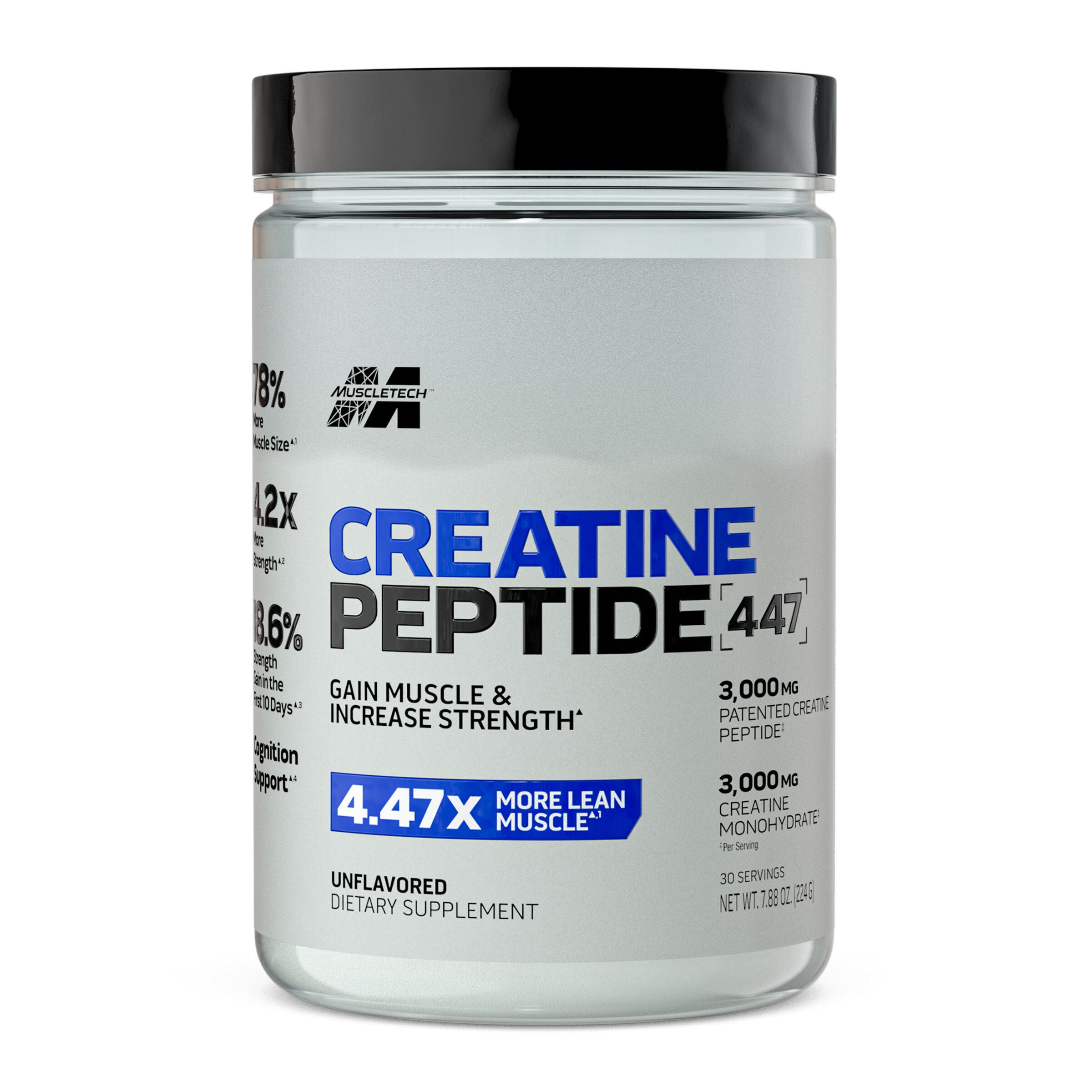
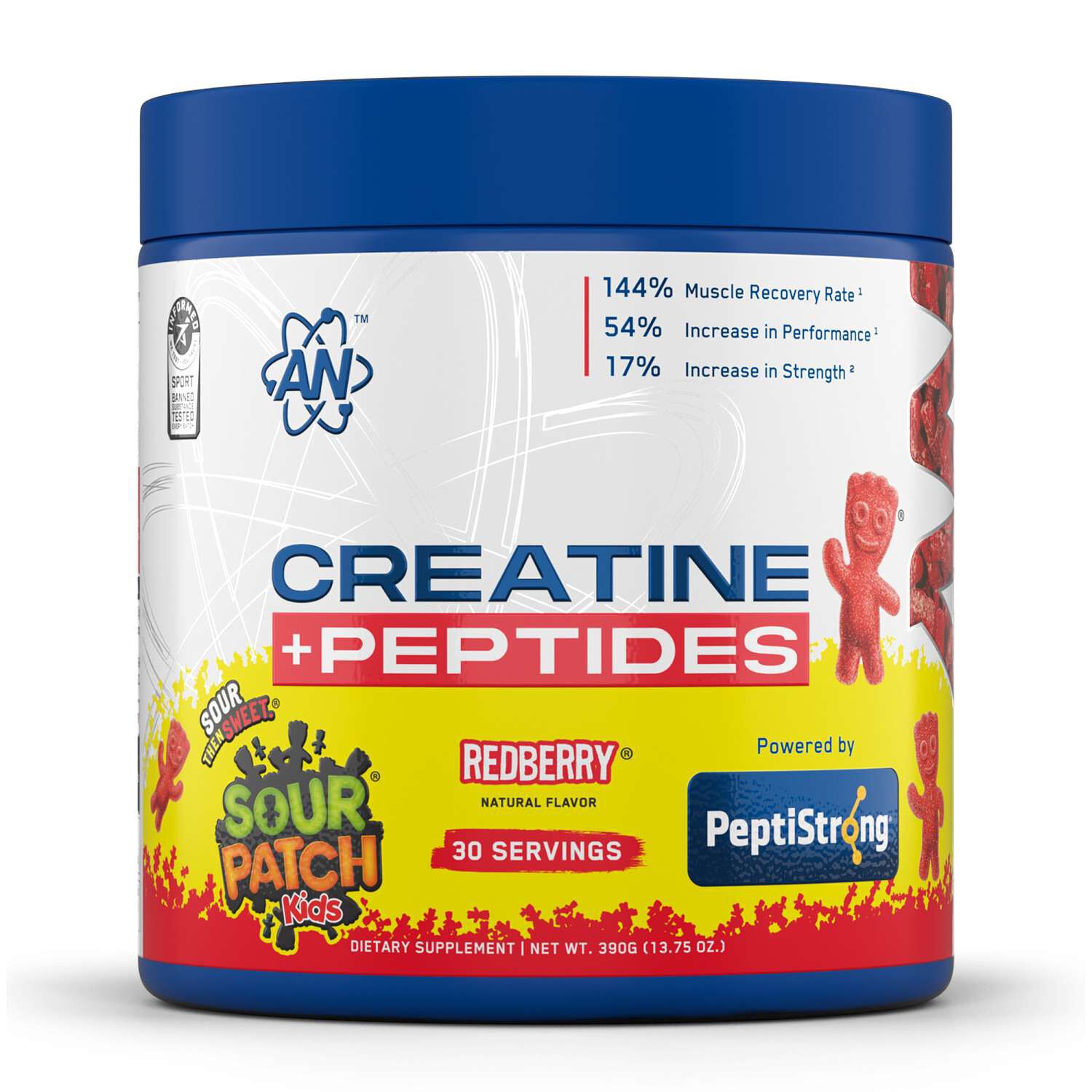

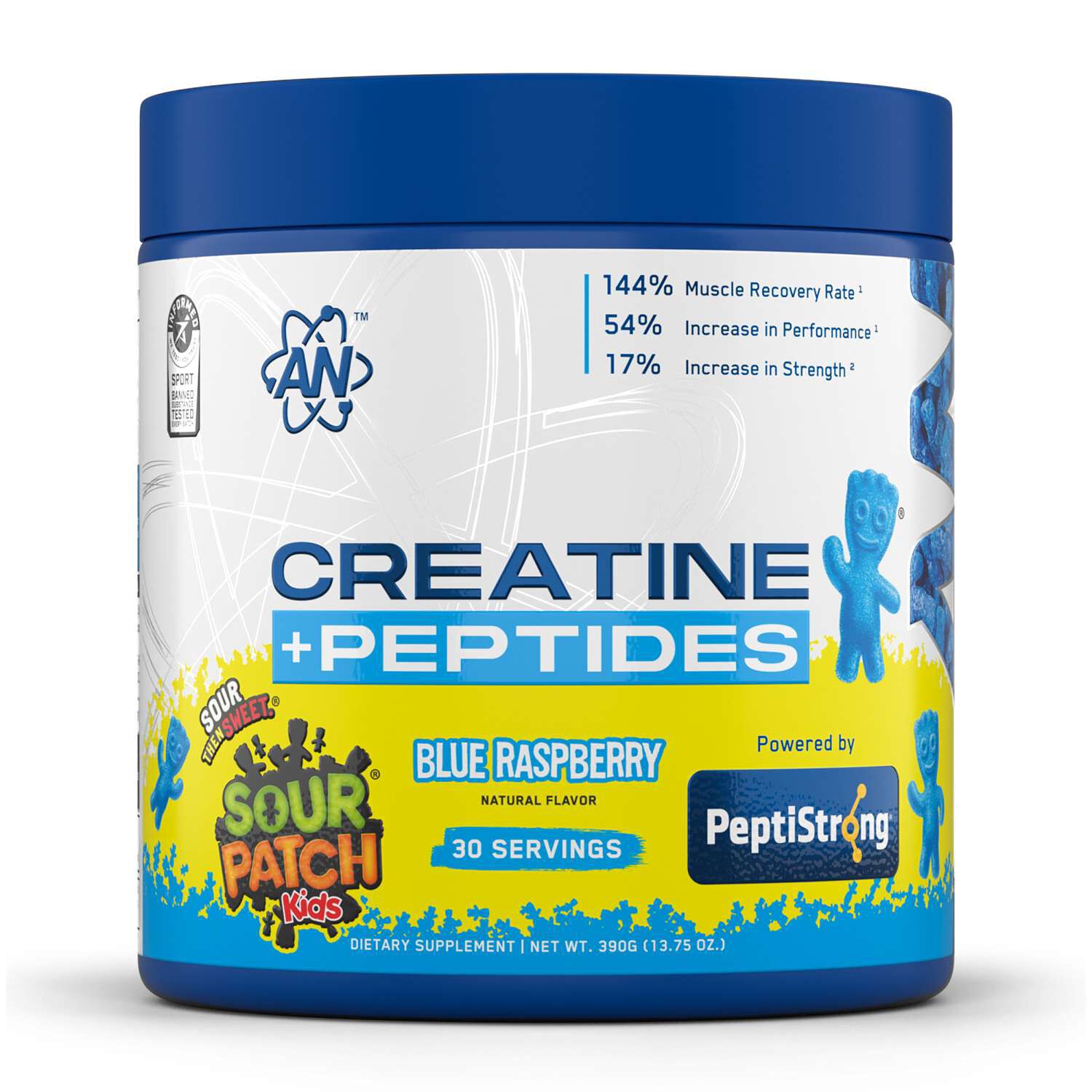
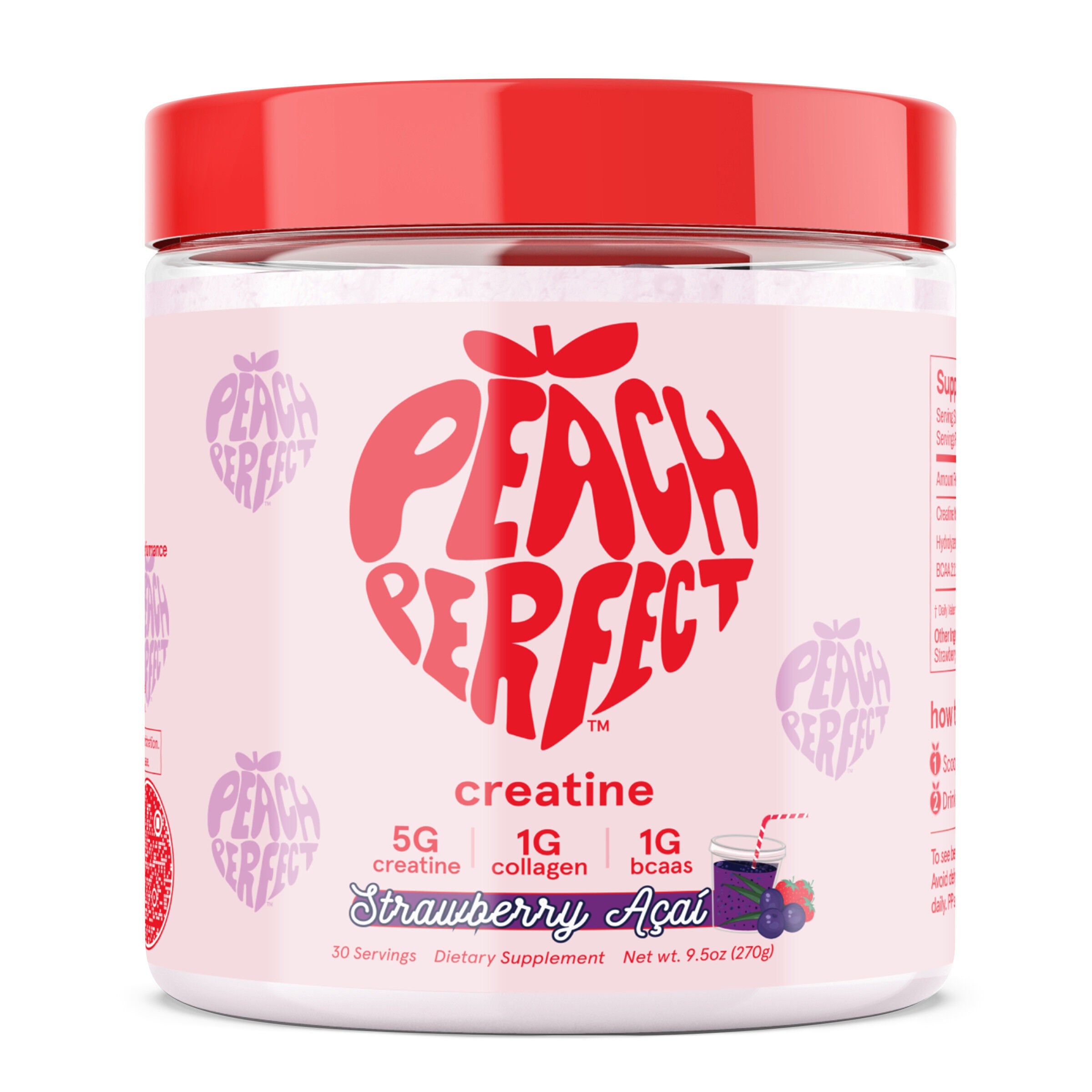
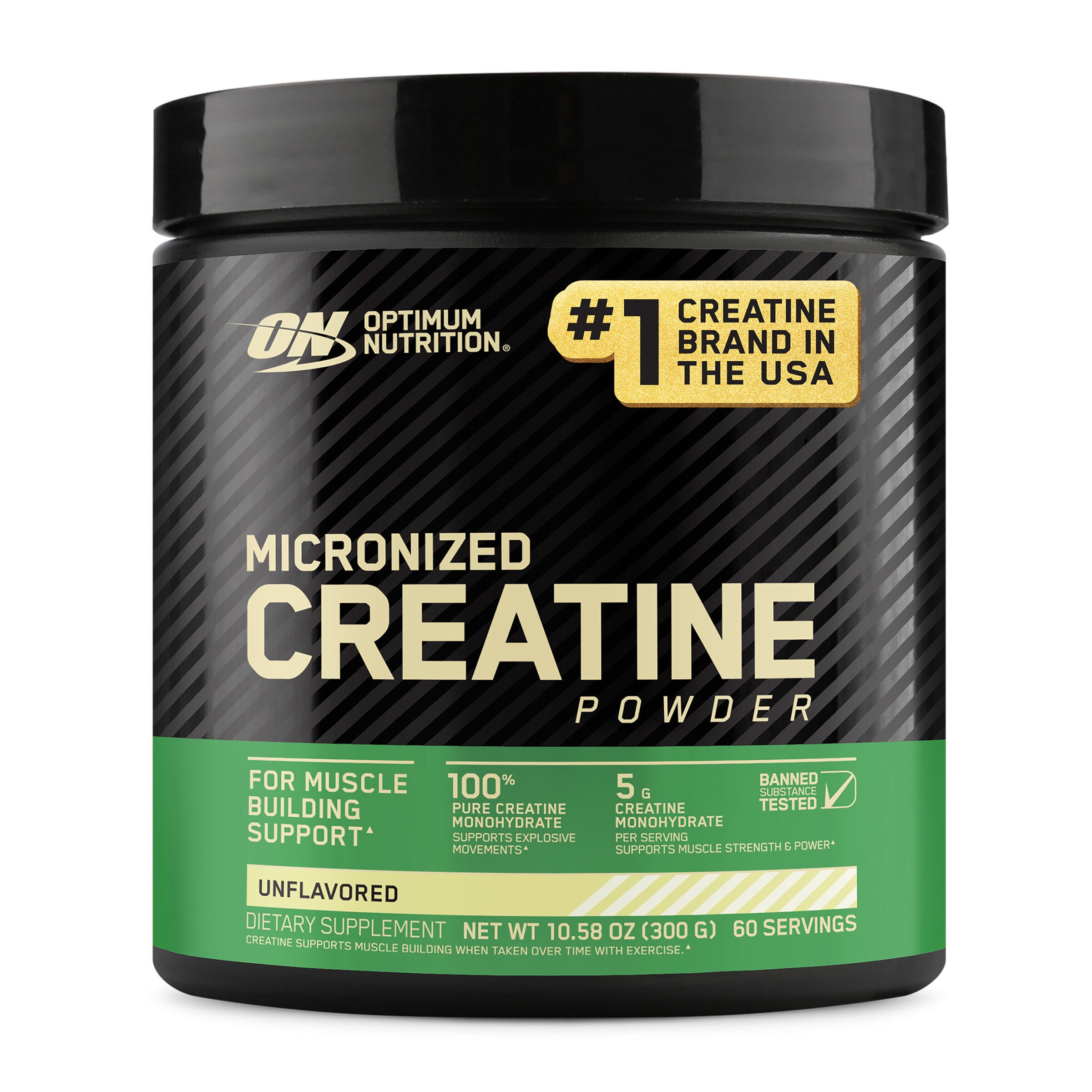
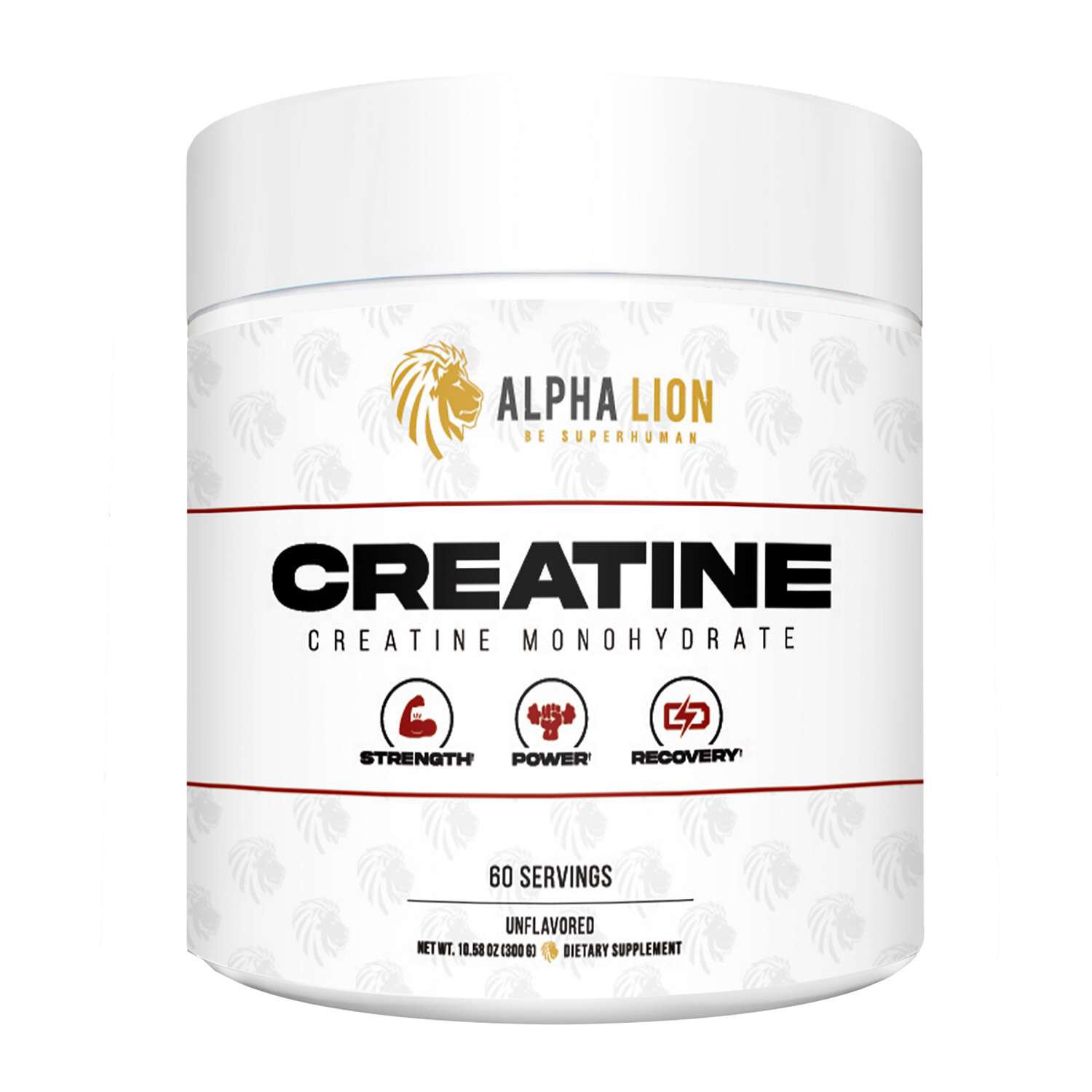
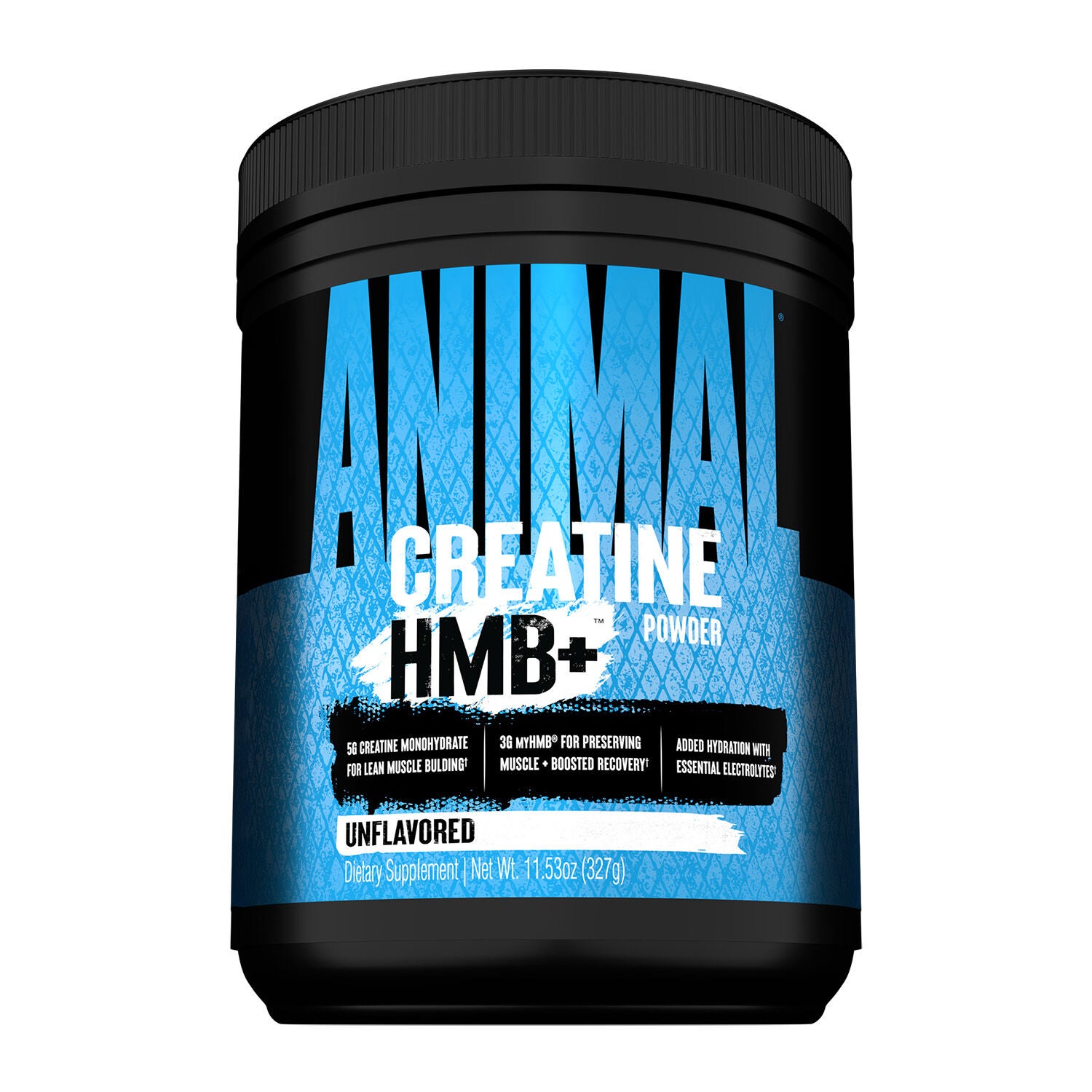
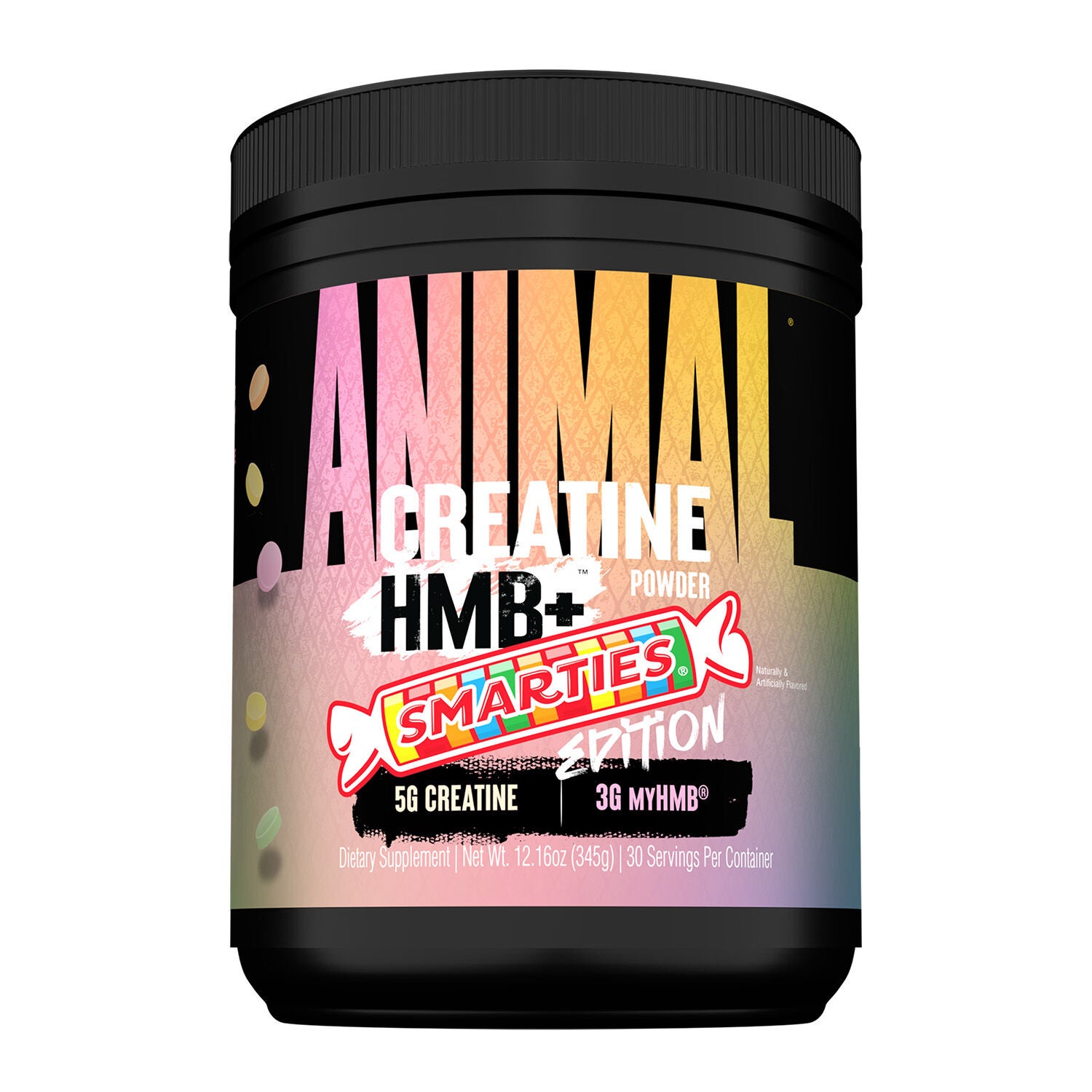

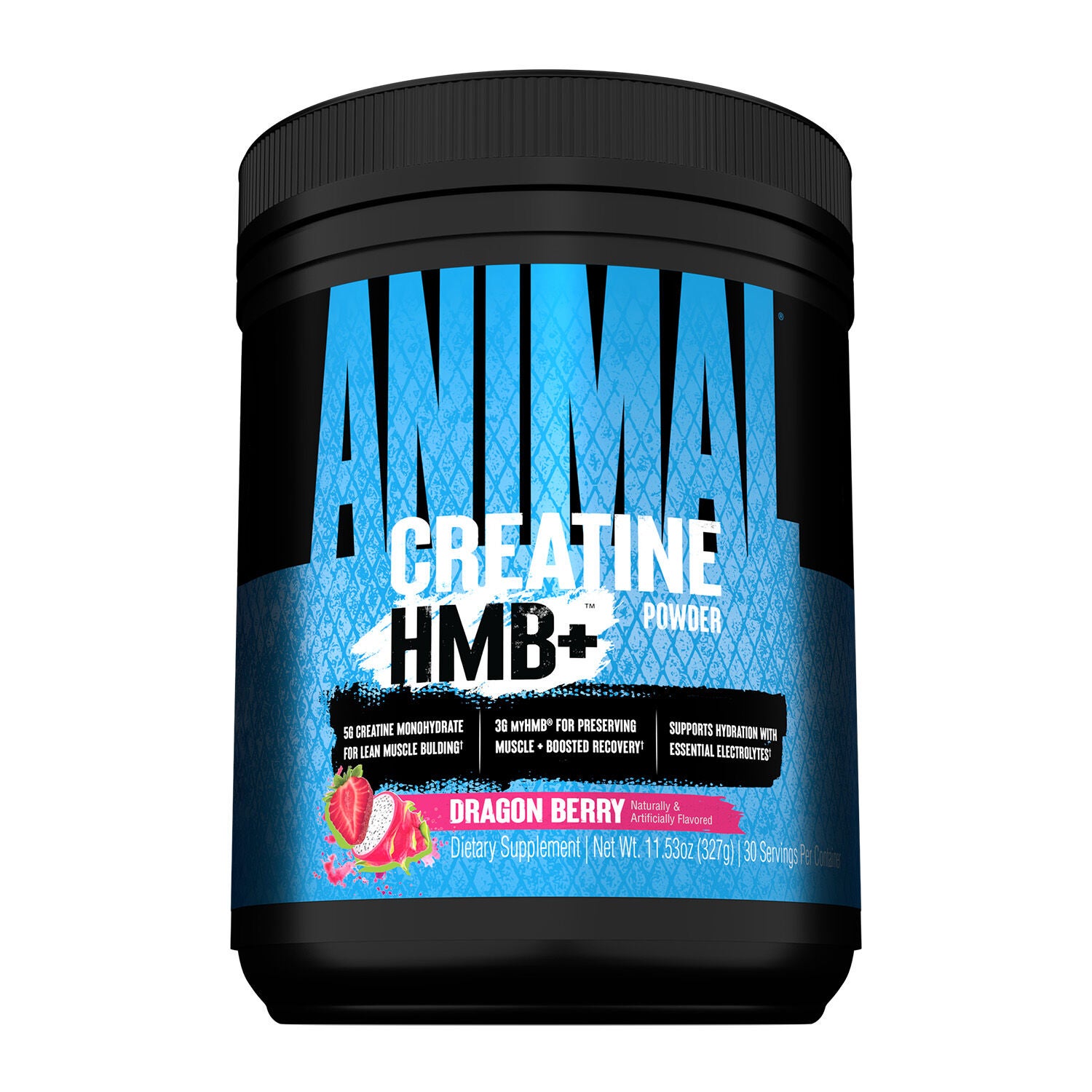

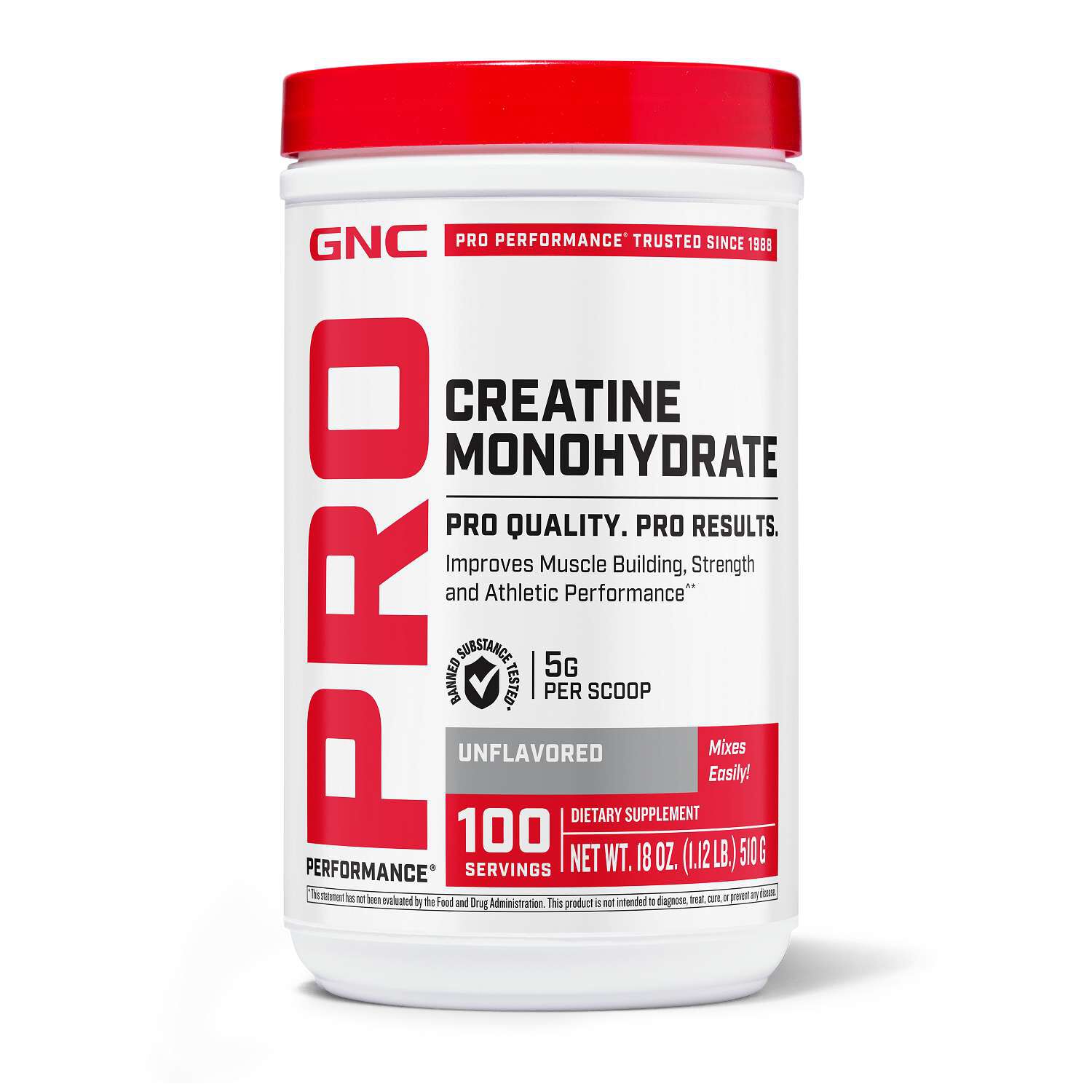
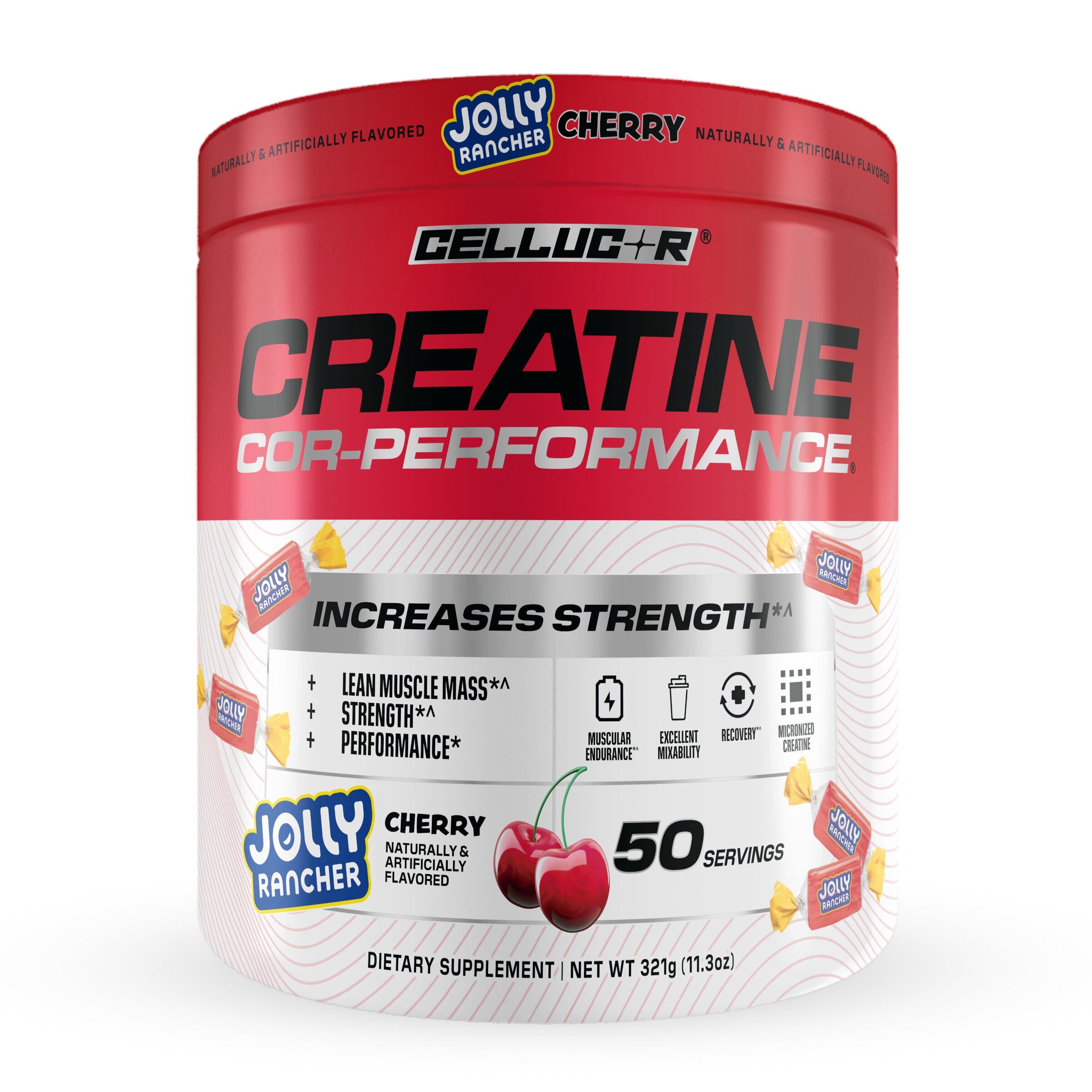


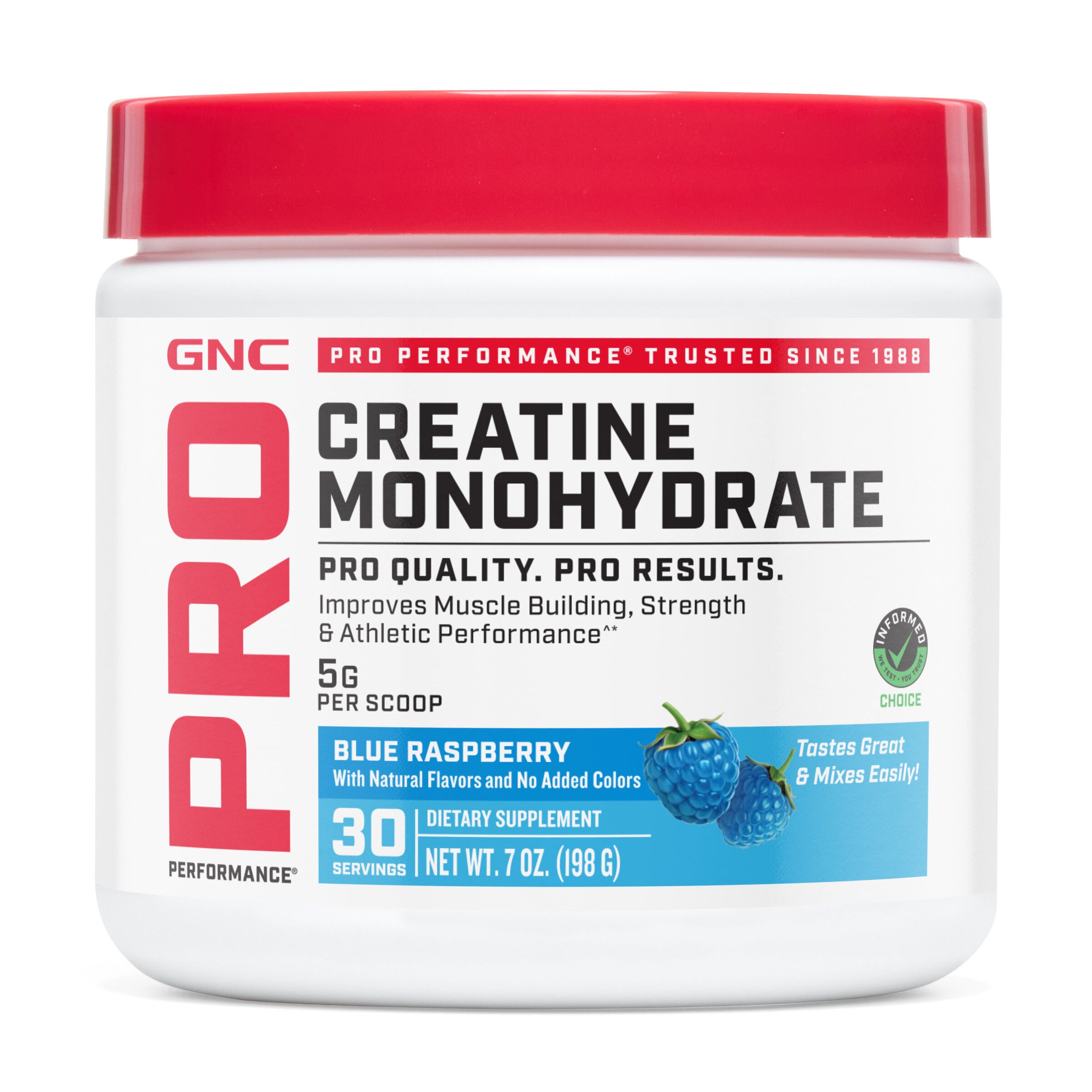
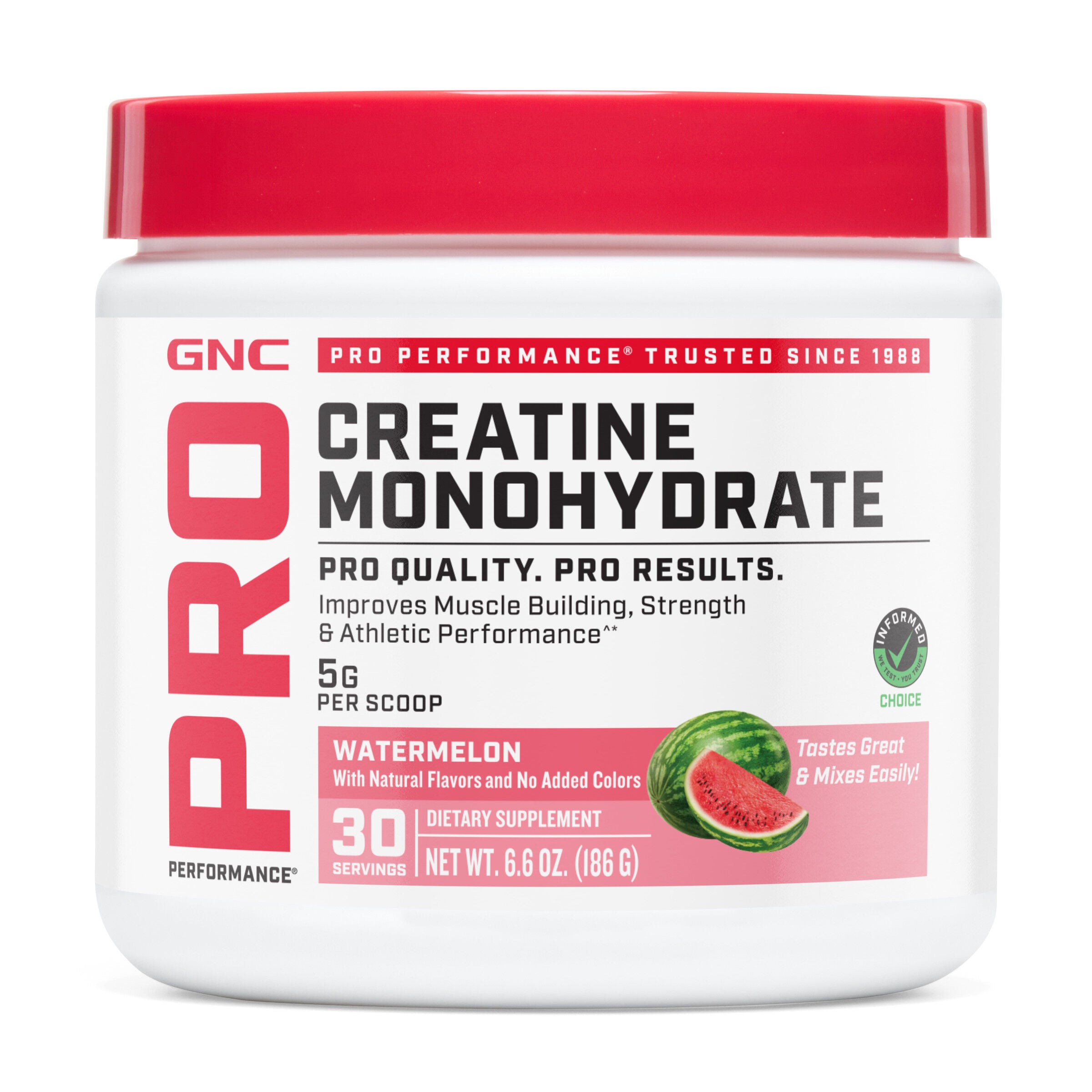
Creatine peptide powders for lean muscle gain sit at the intersection of creatine supplementation and peptide-based sports nutrition. Peptides are short chains of amino acids, and some formulas pair creatine with hydrolyzed protein ingredients that contain these smaller protein fragments. Depending on their composition, these powders may support resistance-training performance, protein intake, or muscle recovery after exercise. The category name alone does not explain every ingredient, so the ingredient list and nutrition information are important parts of the product’s identity. A blend containing creatine and hydrolyzed whey is different from a creatine-focused powder with a small amount of an amino acid ingredient. Creatine is not dietary protein, and the grams of creatine in a serving are separate from the grams of protein listed on a nutrition panel. Hydrolyzed protein is protein that has undergone processing to break some of its longer chains into smaller pieces; its source might be milk or another clearly identified protein ingredient. These distinctions matter when comparing powders intended for a lifting routine, a post-workout shake, or another place in an established eating pattern. Creatine may support the rapid energy demands of short, repeated bouts of high-intensity exercise, such as challenging sets of resistance training. Protein-containing formulas may also contribute amino acids used in muscle protein synthesis. Neither ingredient changes the importance of consistent training, adequate food intake, and rest. Lean muscle gain describes a training goal, not a special form of muscle or a result established by a product name. For someone progressing through squats, rows, presses, or other resistance exercises, a creatine and peptide blend may fit into the nutrition side of that routine. The most meaningful comparison is therefore between clearly described formulas, with attention to what each serving contains and how that composition relates to the shopper’s existing meals and supplements. A short ingredient list and a longer blend represent different formulation approaches, rather than an automatic ranking of quality.
The experience of using a powder also includes flavor, texture, portion size, and the amount of preparation involved. An unflavored formula may suit someone who already enjoys a particular smoothie, while a flavored blend may be a better match for a simple shaker-and-water routine. Hydrolyzed protein ingredients may have a noticeable taste, and sweeteners, cocoa, fruit flavors, or other ingredients may influence the finished drink. A creamy shake and a lighter beverage are different preferences, even when both contain creatine. Mixing directions provide useful context for the intended liquid amount and preparation method, while the serving size shows how much powder belongs to the labeled portion. A larger scoop does not necessarily mean more creatine or more protein; carbohydrates, flavoring ingredients, and other components also contribute to the serving’s weight. Some formulas emphasize creatine with relatively little additional nutrition, while others include meaningful amounts of protein, carbohydrates, or both. That difference may matter to someone pairing a shake with breakfast versus someone drinking it alongside an already protein-rich meal. The source of the peptides deserves similar attention. Whey-derived ingredients come from milk, and shoppers with ingredient restrictions have a reason to examine the allergen statement rather than rely on the product’s flavor name or front-label description. Plant-derived ingredients also vary by source, so a general reference to peptides is not a substitute for a named ingredient. Labels may additionally identify sweeteners, sodium, and other details that distinguish otherwise similar powders. For shoppers who already use a separate creatine or protein supplement, overlapping ingredients are another useful comparison point. Packaging and storage are part of everyday practicality as well. A container with a secure closure may suit a kitchen cabinet, while a smaller package may fit more easily into a gym bag. The package’s storage directions remain relevant after opening, particularly around moisture and the condition of the powder. A dry measuring utensil and a firmly closed container may help limit moisture exposure between servings without adding complexity to an established routine.
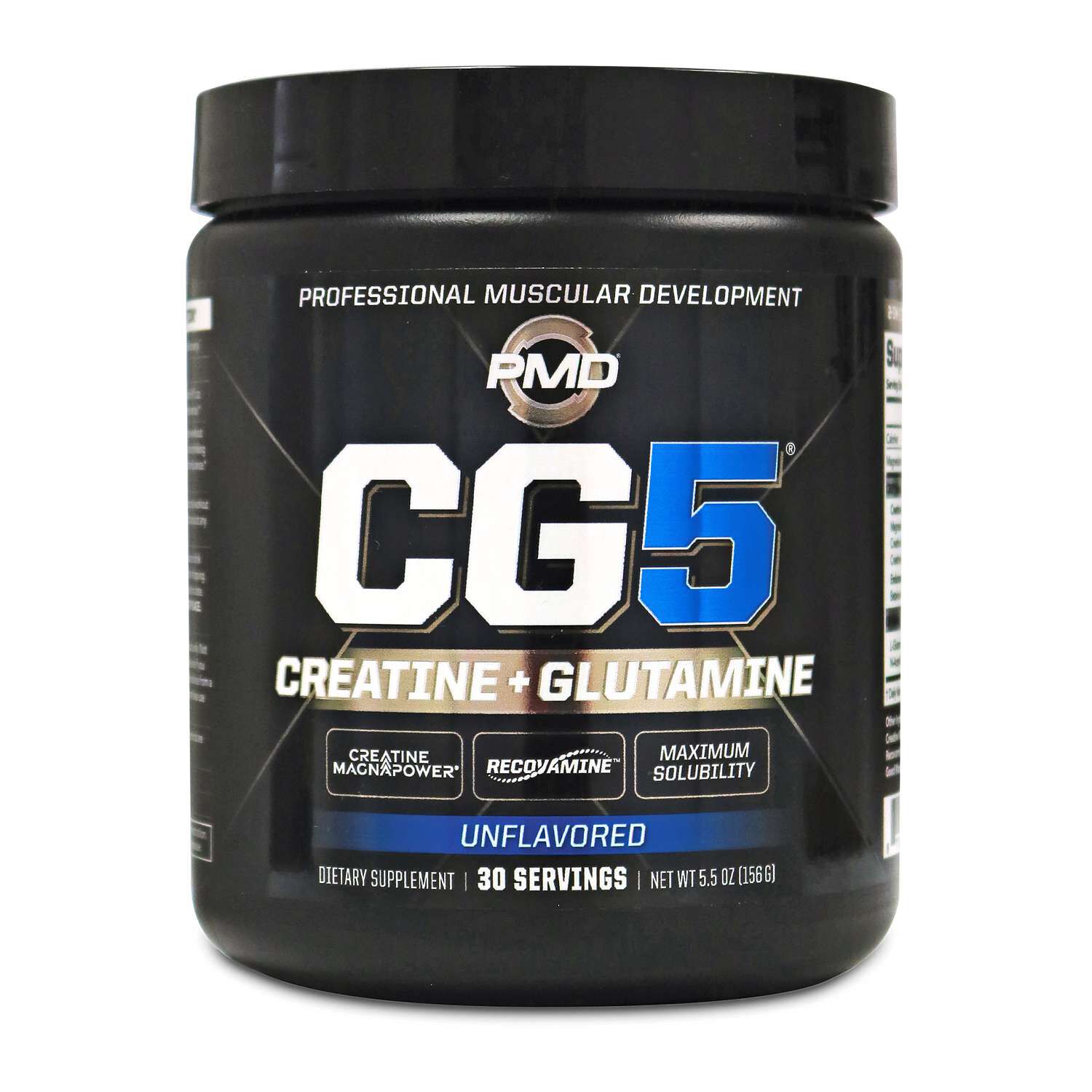
These powders may appeal to adults who enjoy structured resistance training and prefer a drinkable supplement format. A recreational lifter returning home after an evening session may appreciate a formula that mixes into a familiar shake, while someone training before work may prefer a powder with straightforward preparation and a flavor that pairs with breakfast. The appeal is not limited to experienced athletes, but the intended use should still match the label and the person’s established nutrition habits. A combined formula may offer convenience for someone who already wants both creatine and a peptide-containing protein ingredient; a simpler formula may suit someone who prefers to keep those ingredients separate. Convenience, however, is different from evidence that a combination performs better than its individual ingredients. Descriptions such as hydrolyzed, peptide-based, or advanced identify aspects of formulation or marketing, not a universal standard for results. Clear ingredient amounts provide a more concrete basis for comparison than dramatic language about physical changes. For anyone participating in organized competition, information about independent product testing and the standards named on the package may also be relevant. Related categories, including Creatine Glutamine Powders For Lean Muscle, offer another way to explore creatine paired with other sports nutrition ingredients. Glutamine is an amino acid, whereas peptides are chains of amino acids, so those descriptions are not interchangeable. The distinction helps explain why two powders associated with similar training goals may have quite different ingredient panels. As a gift for an adult who already uses sports nutrition powders, a familiar ingredient profile and known flavor preference may matter more than an unfamiliar blend. For personal use, the same practical details shape the experience: a taste that fits the usual drink, a serving format that makes sense alongside meals, and ingredient information that is easy to interpret. Within a consistent resistance-training routine, creatine peptide powders may serve as one component of a broader approach to supporting lean muscle goals, rather than the defining feature of that approach.
Best Sellers
-
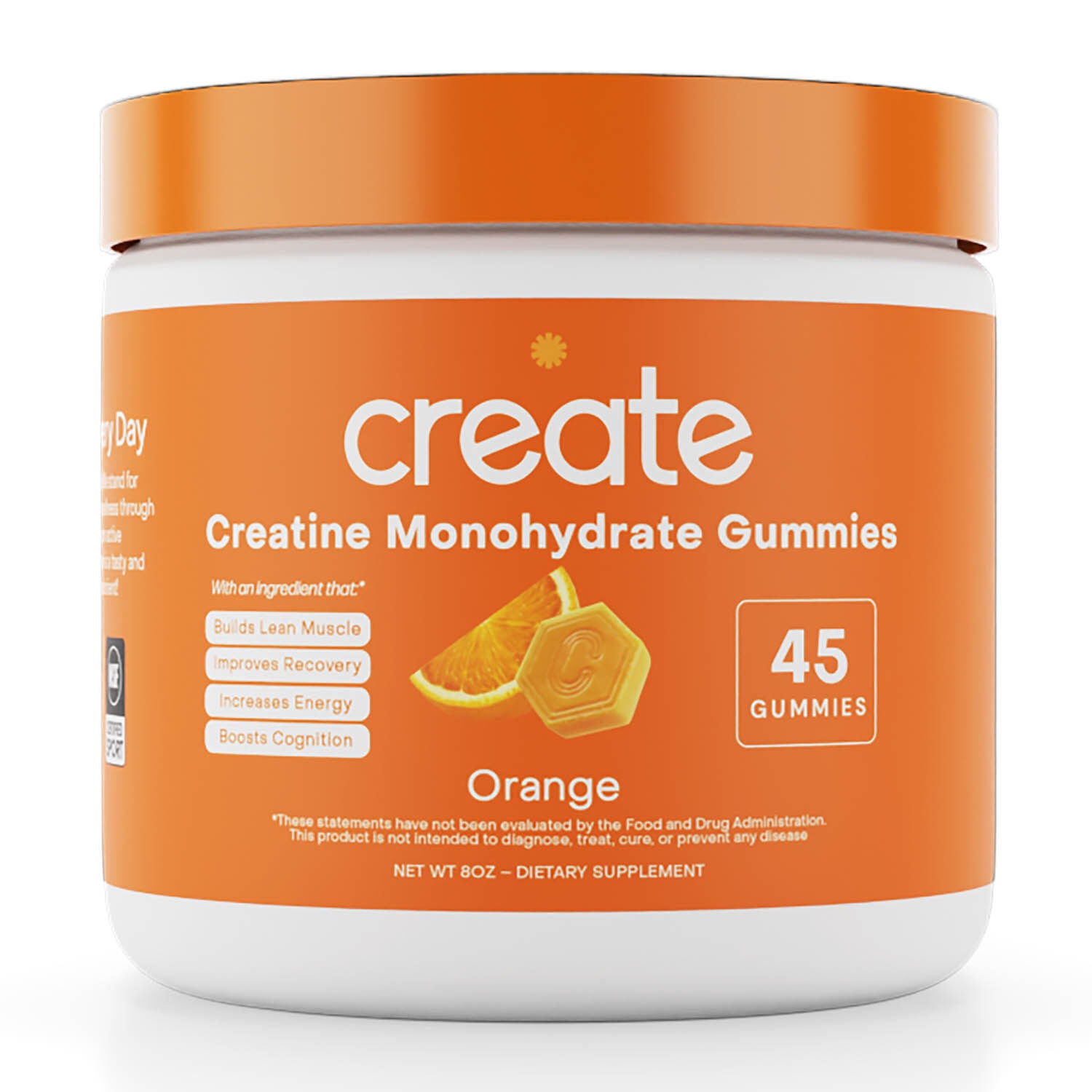 Create Wellness

Related Pages
.jpg?sw=305&sh=305&sm=fit "Creatine Peptide Powders for Women Athletes | GNC")
Top Collections
- Zinc Supplements For Men
- Daily Collagen Supplements | Top Brands & Deals | GNC
- Supplements For Yoga Joint Flexibility
- Chronic Fatigue Supplements
- Capsule Supplements For Energy And Stamina
- Adult Vitamins
- Supplements For Balance
- Vitamins For Hair Loss
- Burnout Support Supplements
- Metabolism Boost For Weight Loss