

Creatine Glutamine Powders For Lean Muscle
(0 Results)
Creatine glutamine powders for lean muscle offer a convenient way to support your fitness goals and daily nutrition routine. With options designed to fit a variety of training regimens, these supplements may help you stay on track with your performance objectives. Explore creatine glutamine powders for lean muscle that could complement your active lifestyle and help you get the most out of every workout.
-

-
-

-
 Angry Supplements$34.99
 -

-

-
-

-

-

-
-

-
-
-
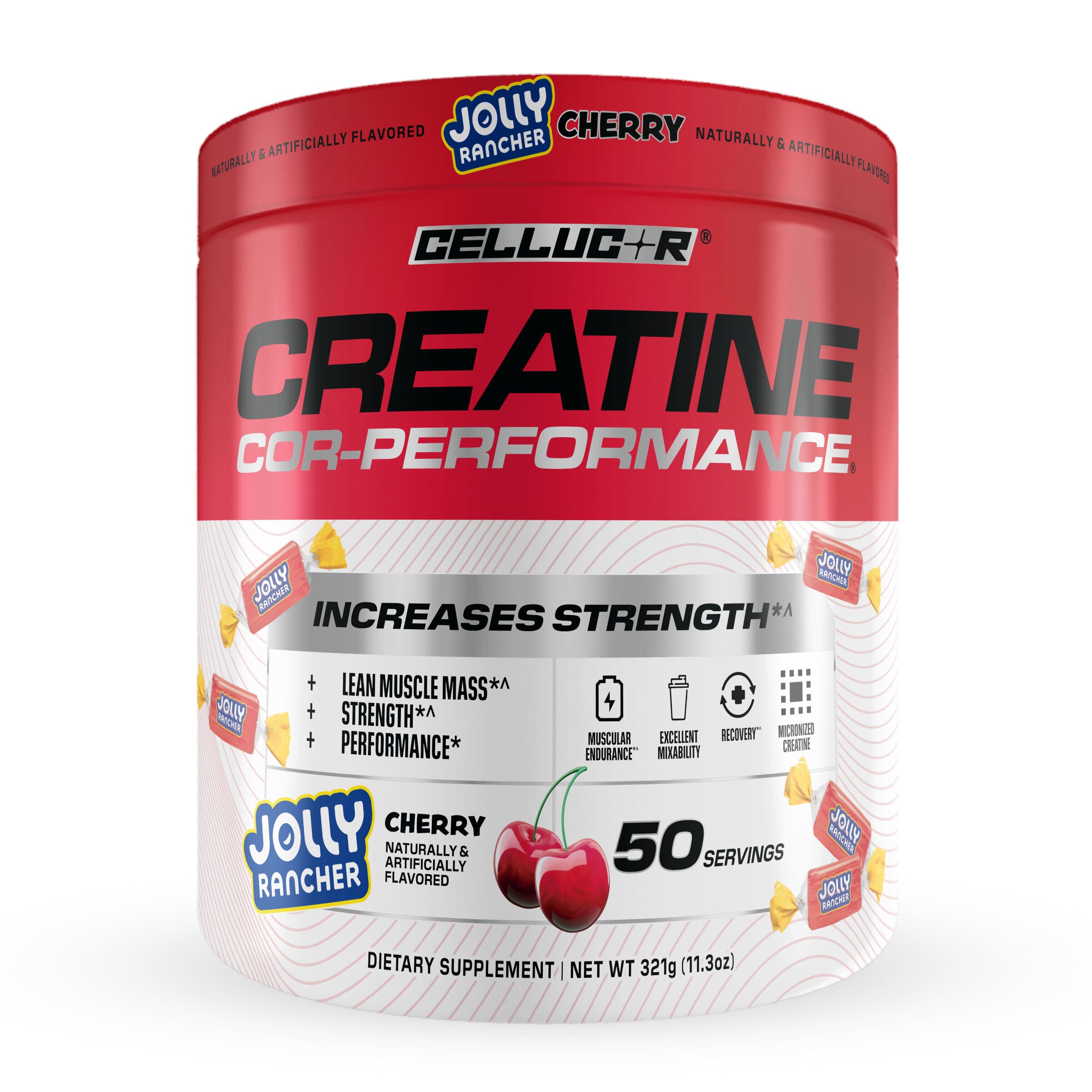
-

-

-

-

-
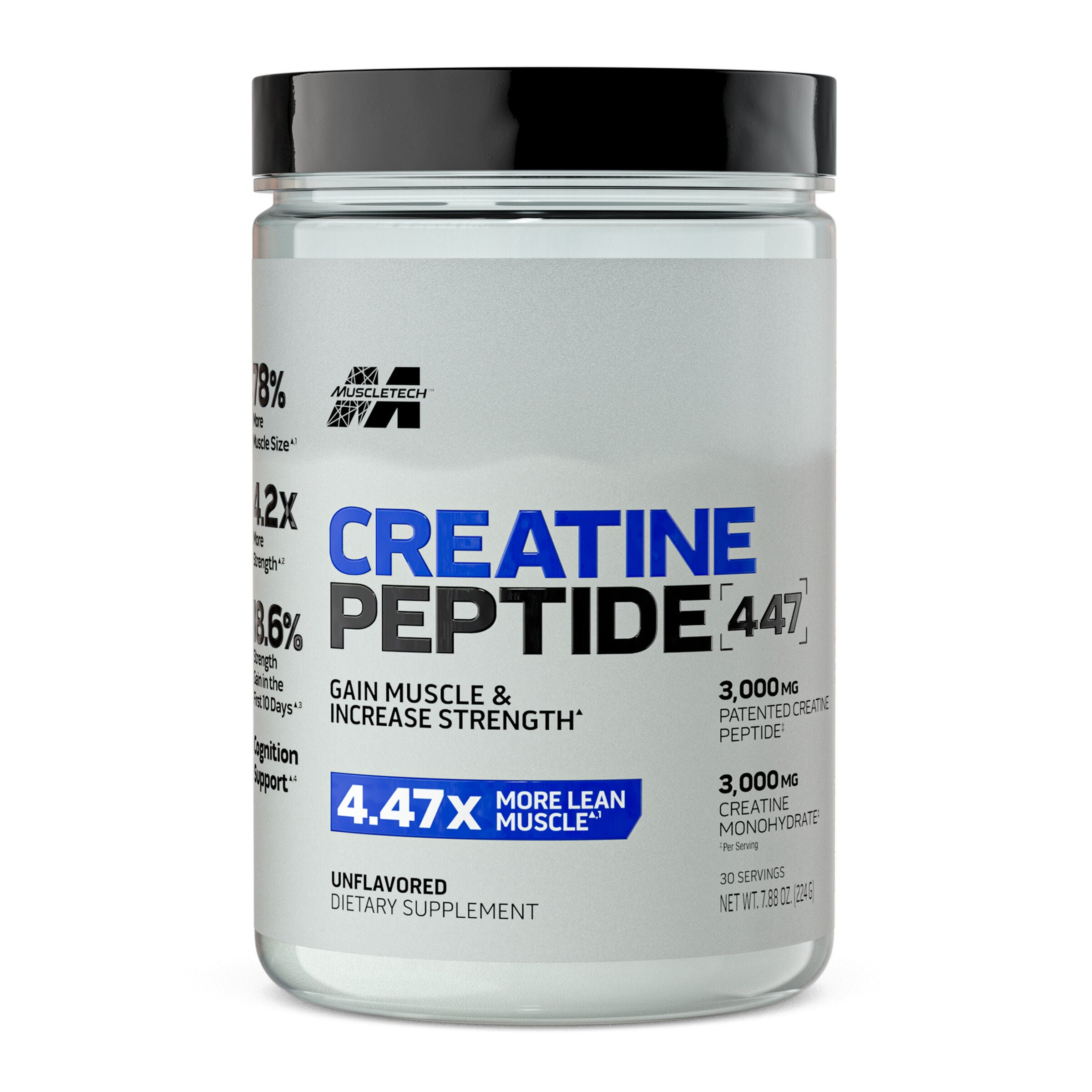


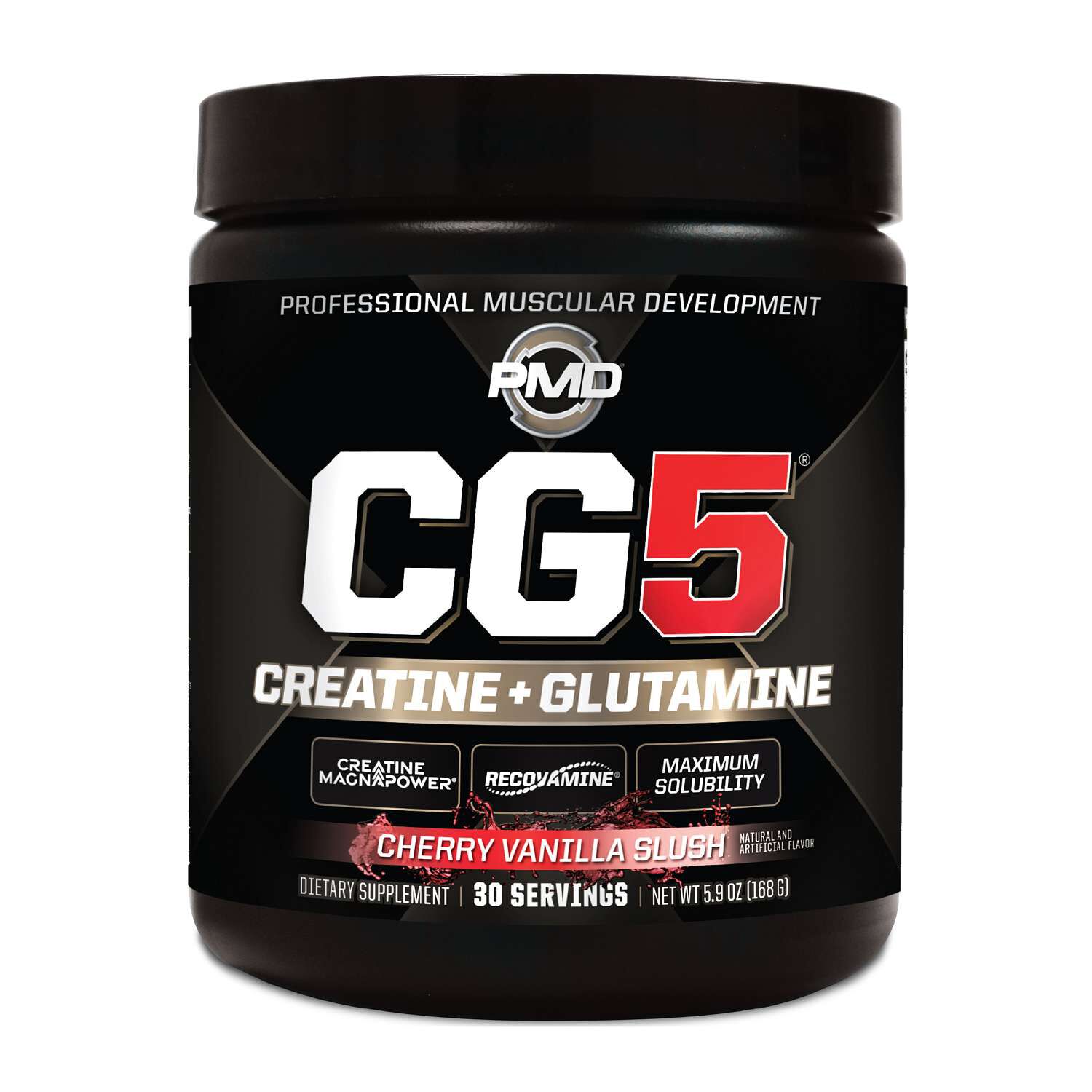
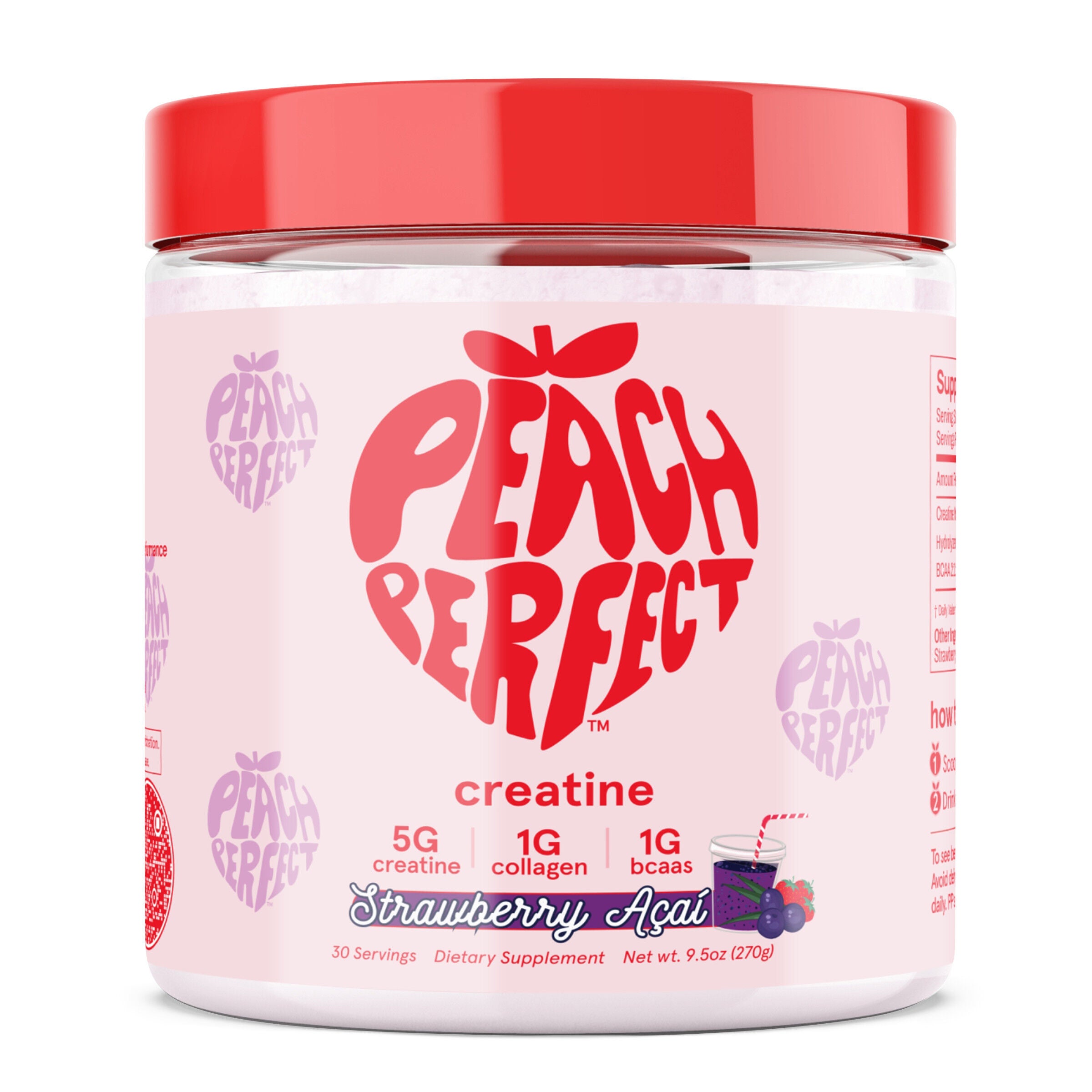
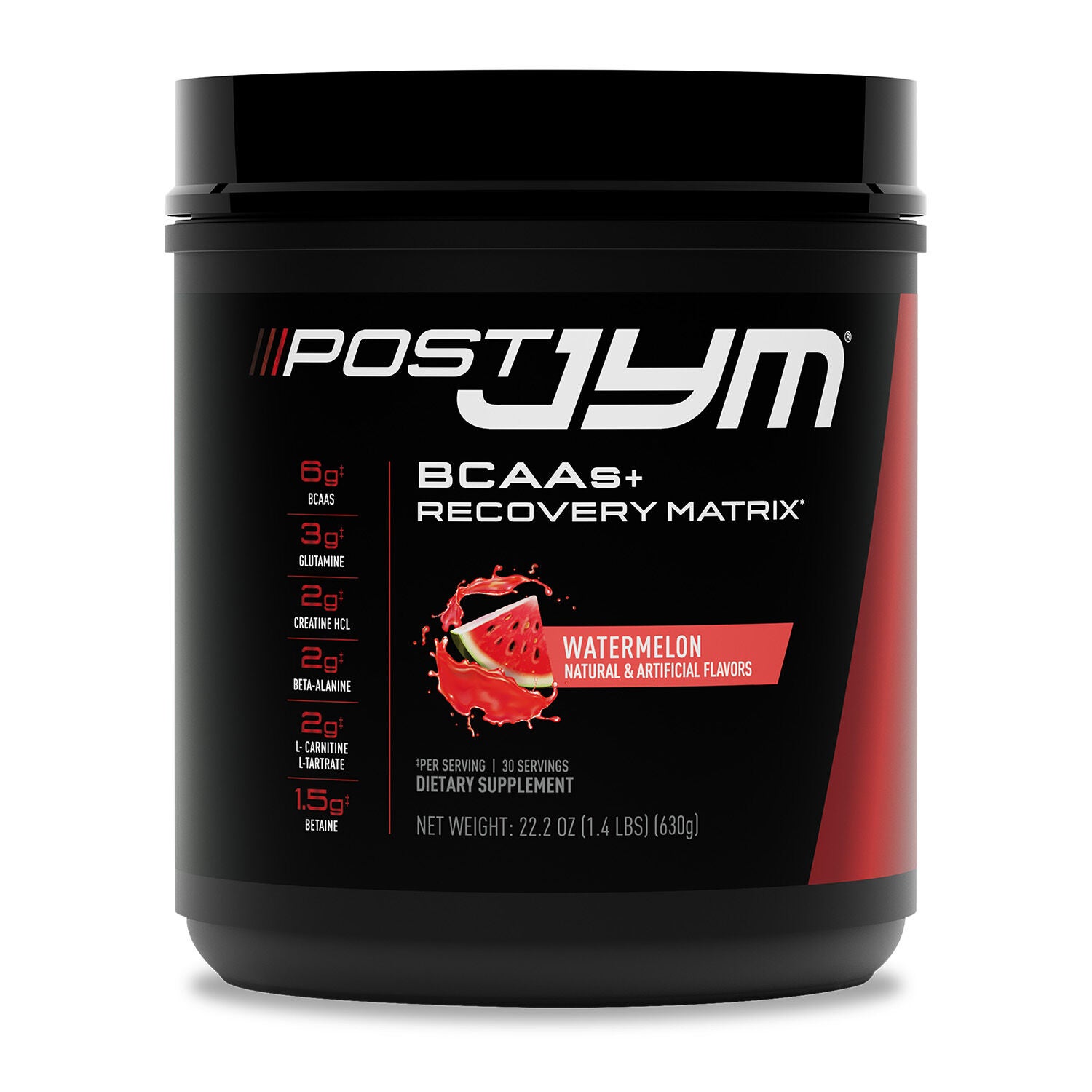
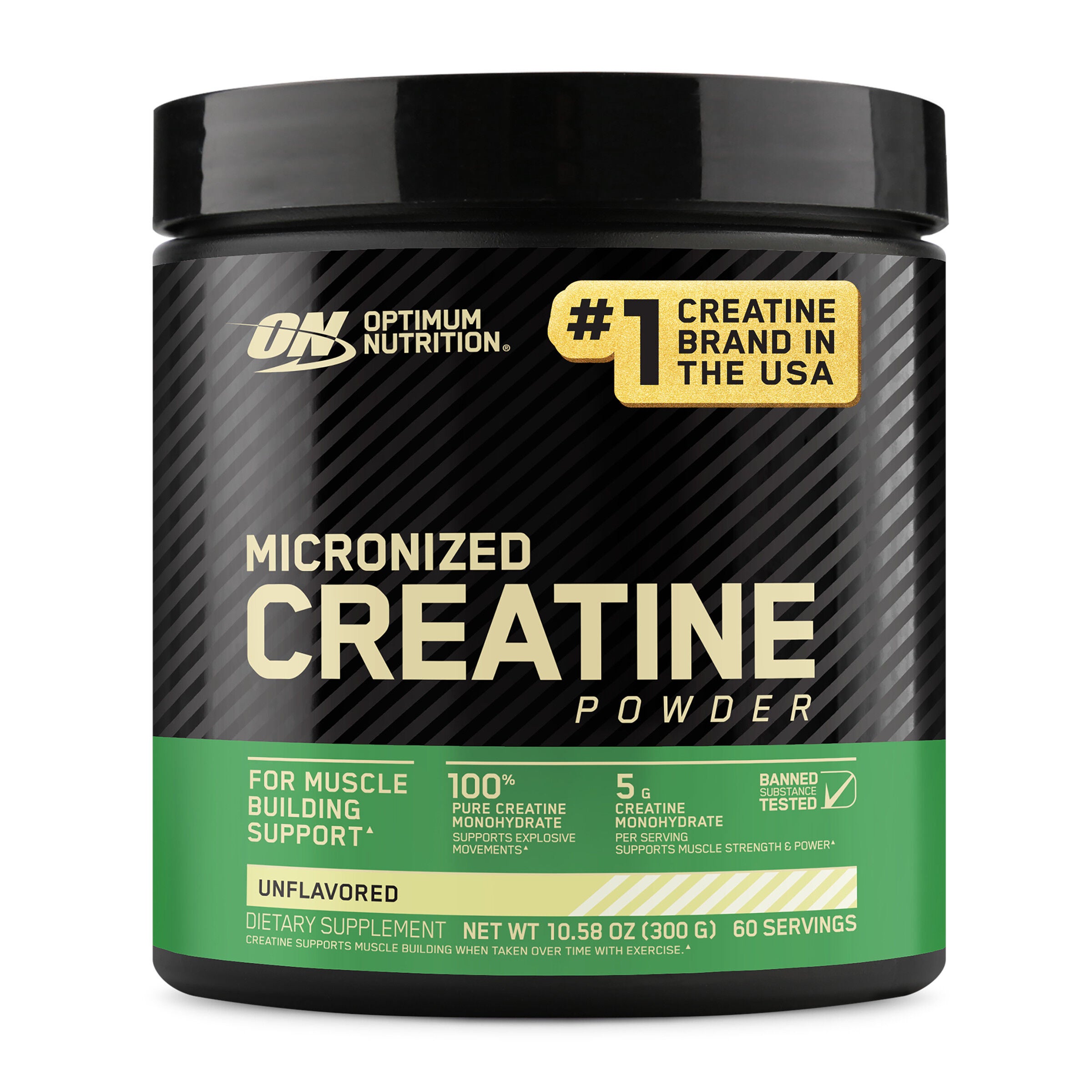
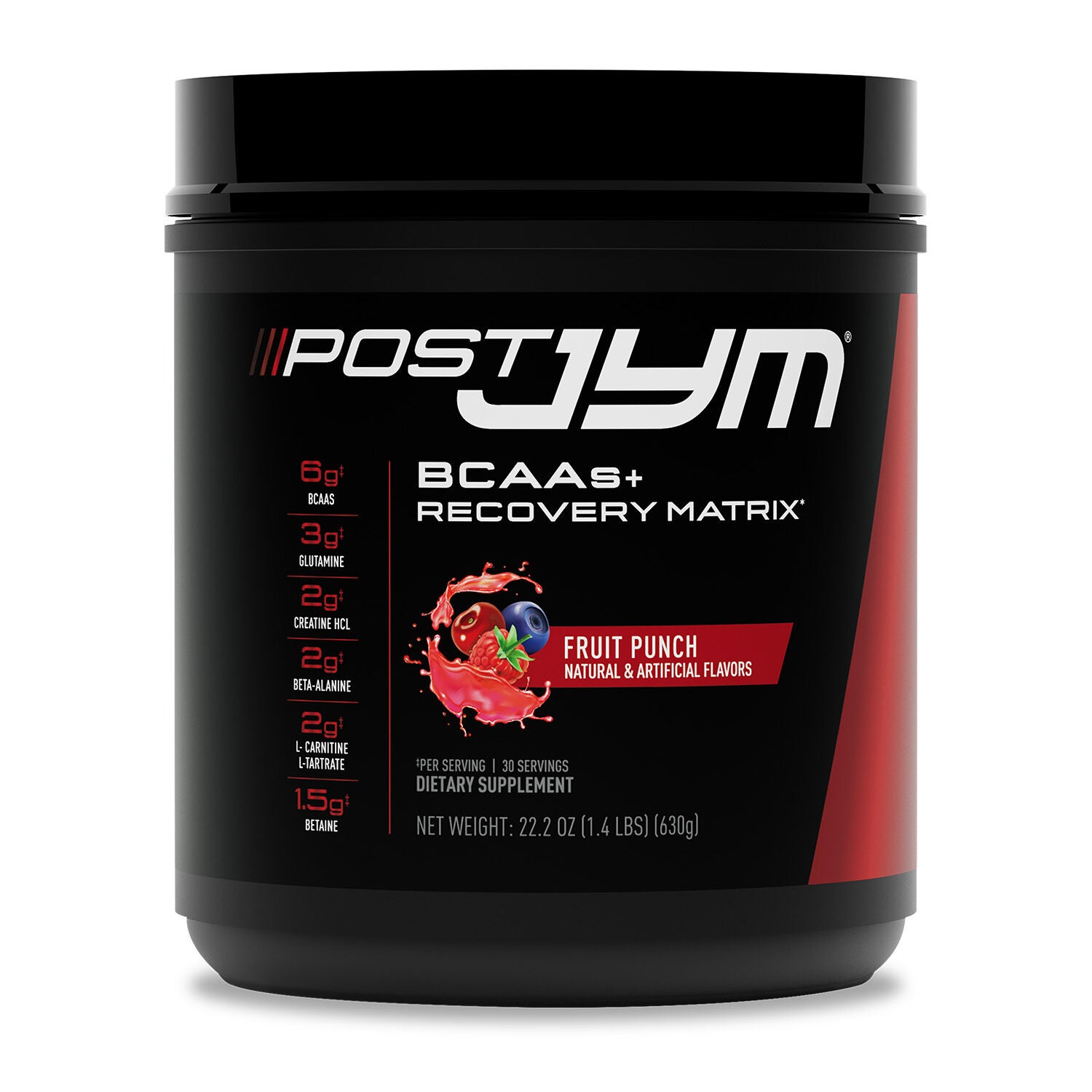
Creatine and glutamine powders for lean muscle bring two familiar sports nutrition ingredients into a format that fits alongside resistance training and everyday meals. Creatine is a compound naturally present in muscle, while glutamine is an amino acid found in the body and in protein-containing foods. They are distinct ingredients, not interchangeable names for the same supplement. Creatine may support strength and performance during repeated, short bursts of demanding exercise, such as lifting weights, and may support lean muscle development when paired with consistent resistance training. Glutamine powders offer a supplemental source of that amino acid, though adding glutamine should not be treated as a prediction of muscle growth or a substitute for dietary protein. For shoppers comparing these powders, the most useful distinctions often come down to ingredient form, serving size, flavor, and how the formula fits an existing nutrition routine. Creatine monohydrate is a common form, and glutamine often appears on labels as L-glutamine. Separate powders allow each ingredient to be measured according to its own label, while a combined formula places both into one serving with a fixed ratio. Neither format makes training, meals, or rest less important. Someone who regularly spends time at the squat rack may value a straightforward ingredient panel; another shopper may prefer a flavored blend that becomes part of a familiar post-workout drink. The term lean muscle describes the shopper’s goal rather than a special grade of creatine or glutamine, so the details on the package matter more than the category name alone. These powders belong within a broader sports nutrition routine, with their usefulness depending on individual goals, dietary context, and consistent use as directed. A powder selected for its clear labeling and practical serving format may be easier to incorporate into that routine than one chosen solely for a bold statement on the front of the container.
Ingredient transparency is a meaningful consideration when comparing creatine glutamine powders. A label that identifies the form and amount of each ingredient gives a clearer picture of the serving than a blend name without individual quantities. Scoop size and ingredient quantity are not necessarily the same: a flavored serving may also contain sweeteners, acids, coloring ingredients, or ingredients used to influence texture. Likewise, the amount of powder in a scoop can vary between formulas, so one container’s scoop is not a universal measure for another. Single-ingredient powders offer a simpler composition, while combination formulas may appeal to shoppers who prefer fewer containers on the counter. For someone already using a protein powder or another sports nutrition blend, overlapping ingredients are another practical detail to review. Protein powder, creatine, and glutamine have different compositions, even when they share a place in the same shaker bottle. Creatine is not protein, and an isolated amino acid does not provide the same assortment of amino acids as a serving of dietary protein. Flavor choice also deserves attention because the drink used for mixing can shape the everyday experience. An unflavored powder may suit a familiar vanilla shake, while a fruit-flavored formula might be more appealing mixed with water according to its directions. Unflavored does not necessarily mean undetectable; mild taste or texture differences can still be noticeable, especially in a small drink. A micronized description refers to smaller particles, not a different serving amount or an automatic advantage for muscle goals. Shoppers may also compare allergen statements, dietary suitability, and any independent testing information shown on the packaging. Those details help distinguish composition and quality practices without making the formula’s name stand in for the facts. The best match is less about the longest ingredient list and more about whether the contents, preparation requirements, and intended use align with the way someone actually eats and trains.
Powder format brings its own practical considerations, from mixing and measuring to storage between workouts. Preparation directions provide the appropriate starting point for liquid volume and serving size, rather than an assumption that a larger scoop is more useful. Some formulas mix with a spoon, while others call for more vigorous shaking; a little settling can occur, depending on the ingredients and the drink. A shaker with enough room for liquid movement is a practical companion for someone heading from an early gym session to the office, while a kitchen-based routine may make a tub and measuring scoop more convenient. Resealable pouches, screw-top containers, and individually portioned formats offer different storage and carrying options. Keeping the closure secure, the scoop dry, and the package stored as its label directs helps limit moisture exposure and preserve the powder’s intended condition. The printed date and storage instructions are more useful references for shelf life than the appearance of the container alone. Portability matters, too: a large tub may suit a home cupboard, whereas a smaller format can be easier to carry in a gym bag without transferring powder into an unlabeled container. Intended use should remain central to the comparison. An adult focused on progressive resistance training may approach these powders differently from someone whose routine centers on recreational walking or occasional fitness classes. A supplement does not replace a training plan suited to that person’s goals, varied meals, or time for rest. For a related selection organized around workout-focused goals, Creatine Glutamine Powders For Muscle Performance offers another way to explore this category. Across either selection, clear ingredient amounts, compatible flavors, manageable preparation, and appropriate storage make the differences between formulas easier to assess. Choosing around those tangible details keeps the focus on a powder that fits the routine already taking shape, whether that means a carefully packed gym bag or a shaker waiting beside breakfast.
Best Sellers
-
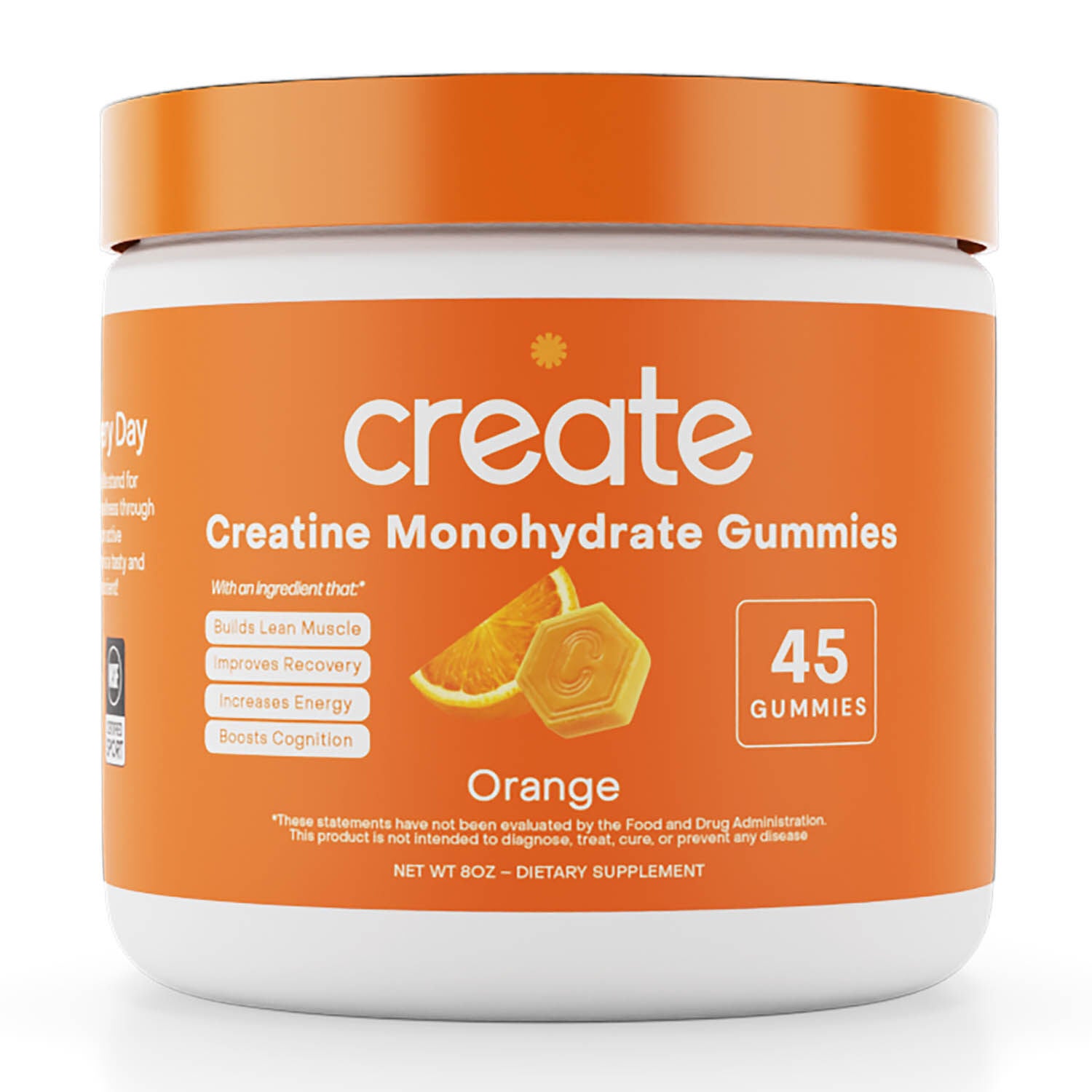 Create Wellness