





Chocolate Chip Protein
(0 Results)
Chocolate chip protein offers a delicious way to support your wellness journey while satisfying your sweet tooth. With a variety of options available, these products combine the classic flavor of chocolate chips with the benefits of added protein. Whether you’re looking for a convenient snack or an easy addition to your daily routine, chocolate chip protein may be just what you need to help meet your nutritional goals. Explore different forms and flavors to discover new favorites that could fit seamlessly into your lifestyle.
-
-

-
-

-

-
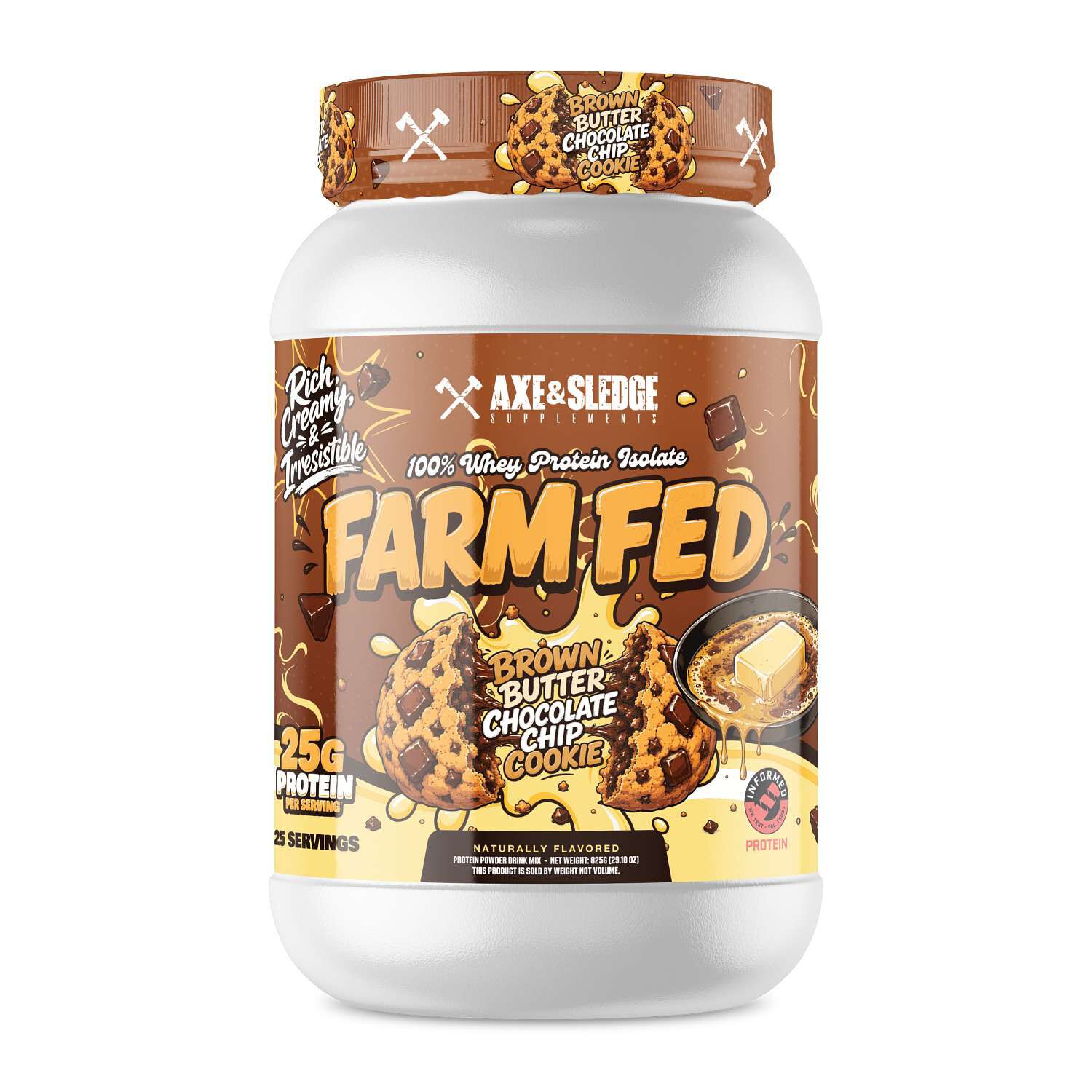 Axe & Sledge Supplements131$69.99
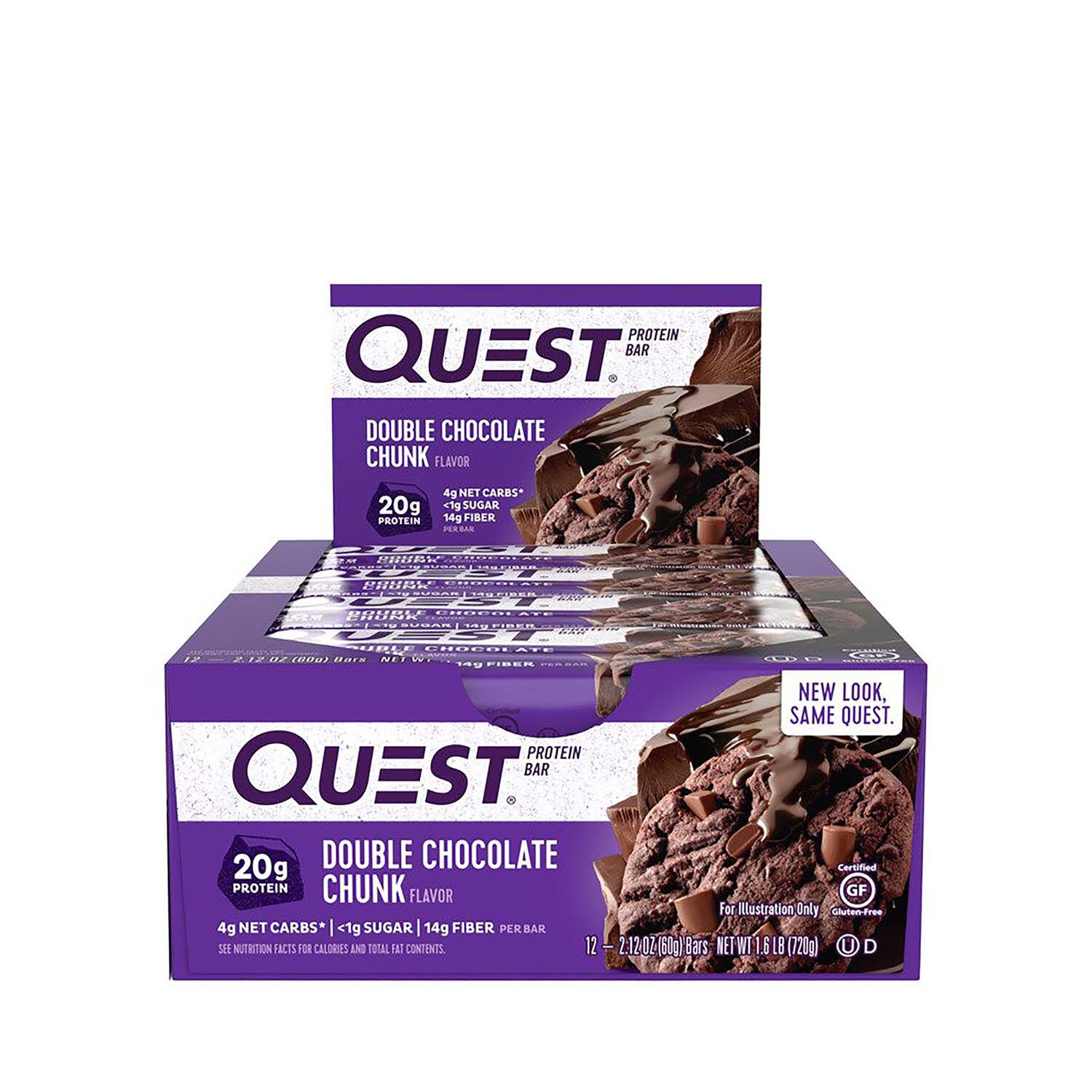
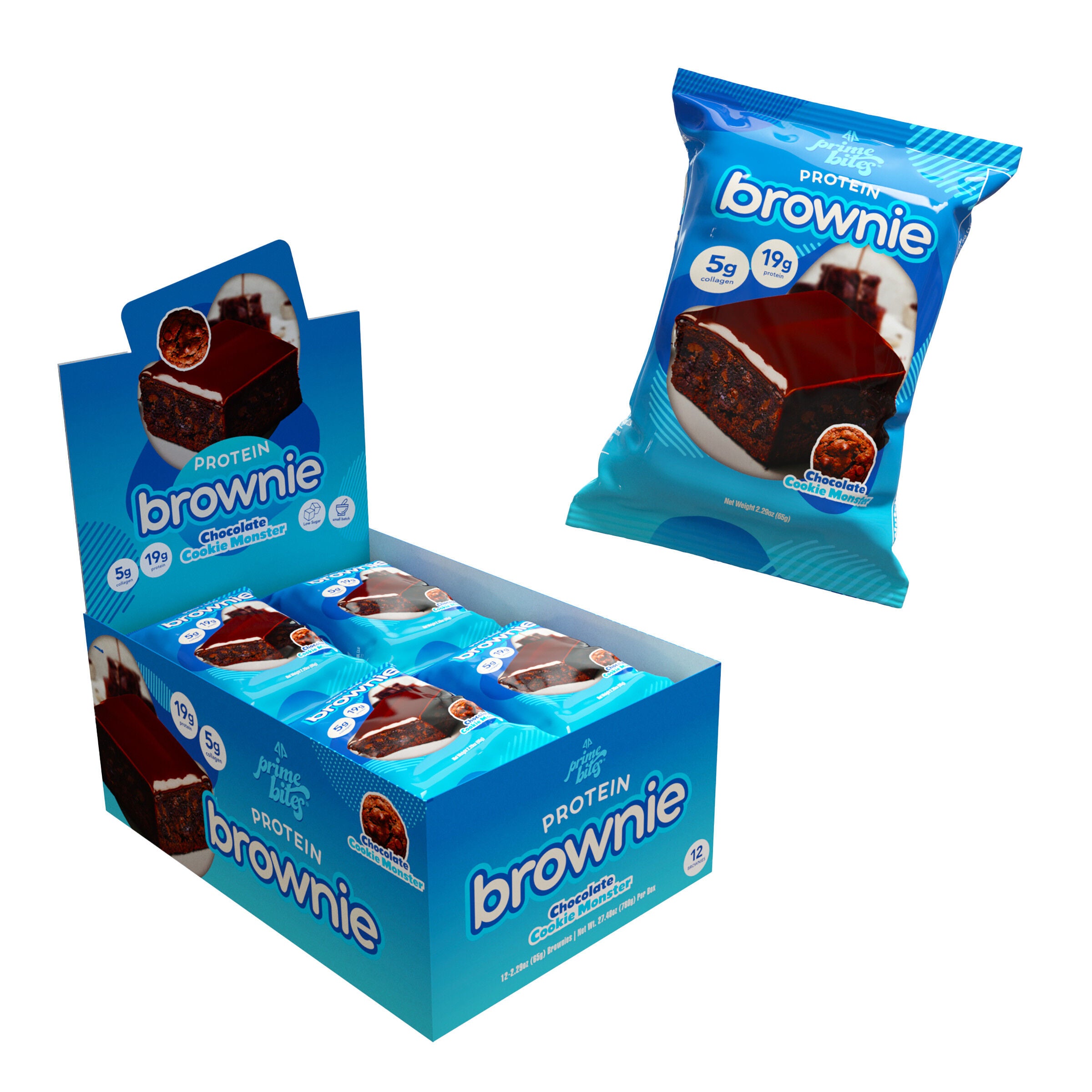
Chocolate chip protein describes a range of protein-containing foods built around the familiar combination of chocolate pieces and cookie-inspired flavor. The category may include soft-baked cookies, chewy bars, crisp snacks, baking mixes, and chocolate chips made with added protein. These formats are not interchangeable: a chocolate chip protein bar is a ready-to-eat snack, while protein baking chips are an ingredient intended for mixing into dough, batter, or other foods. Some recipes contain visible chocolate pieces; others lean more heavily on chocolate chip cookie flavor, with vanilla, cocoa, or brown sugar notes. That distinction matters for anyone looking forward to the bite of a chocolate morsel rather than a uniform chocolate taste. Texture is another defining feature. A cookie may have a tender center and lightly firm edges, while a bar might combine a dense, chewy base with scattered chips or a chocolate-flavored coating. Crisp formats offer a different eating experience, with smaller bites and a more pronounced crunch. Milk chocolate pieces generally bring a sweeter, creamier character, while darker chocolate pieces may introduce a deeper cocoa note. Related chocolate protein cookies may feature cocoa in the dough as well as chocolate pieces, creating a different flavor profile from a vanilla-style chocolate chip cookie. For someone who enjoys bakery flavors but prefers a packaged snack, the appeal is often as much about texture and portion format as the protein content. A wrapped bar tucked beside a notebook, a cookie packed with lunch, and baking chips folded into a weekend batch of muffins each serve a different purpose. The most useful distinction is whether the food is meant to be eaten directly, mixed into another food, or prepared before serving. Product descriptions and package directions help clarify those differences without assuming that every chocolate chip protein option has the same ingredients, taste, or intended use. Even within one format, the balance of chocolate, dough, sweetness, and chew can vary noticeably.
The ingredients behind chocolate chip protein foods help explain those differences. Protein sources may include whey, milk protein, casein, soy, pea, rice, or a blend of several sources. Cookie and bar recipes may also contain oats, wheat flour, nut butters, oils, fibers, sweeteners, or ingredients that help hold the mixture together. A recipe built around nut butter may have a different density and mouthfeel from one made with a flour-based dough, even when the two have similar protein amounts per serving. Chocolate chips themselves vary, too: cocoa content, milk ingredients, sweeteners, and chip size all influence the finished bite. Mini chips may distribute chocolate more evenly, while larger pieces may create distinct pockets of chocolate. For comparing nutrition, the serving size is the starting point. A package might contain one serving or several, and a serving of baking chips is not directly comparable to an entire cookie or bar. Protein grams, calories, carbohydrates, fiber, sugar, added sugar, and fat are separate details worth considering together rather than judging a snack by a single number on the front of the wrapper. Protein content alone does not establish whether a food matches a particular eating preference. Ingredient lists and allergen statements are especially relevant for recipes containing milk, soy, wheat, peanuts, or tree nuts. Plant-based ingredients also do not, by themselves, describe every aspect of how a food was made, so package statements remain important for specific dietary preferences. Storage and handling deserve similar attention. Individual wrappers may help protect a bar or cookie during transport, while a resealable pouch may suit foods eaten over several occasions. Chocolate pieces may soften near a sunny window or inside a parked car, and crisp snacks may lose their texture if the package is left open. Following the storage directions, closing opened packaging securely, and checking the package date are practical ways to care for foods with different textures and ingredient blends.
Chocolate chip protein snacks may suit a variety of everyday routines, from a desk drawer stocked for an afternoon break to a gym bag packed with a change of clothes and something to eat afterward. The right format depends on the setting. A firm bar in an individual wrapper may be easier to carry than a delicate cookie, while a softer baked option may be more enjoyable when there is time to sit down with coffee or milk. Crisp bites may work well for someone who prefers small pieces rather than one dense portion. For shared spaces, packaging also affects convenience: individual portions keep servings separate, while a larger pouch may make sense when the food will be divided into containers at home. Chocolate chip protein powders and baking ingredients have a different role from ready-to-eat snacks. A cookie-inspired powder may be intended for mixing into a drink, whereas a baking mix has directions for preparing a finished food. Neither should be assumed to behave like ordinary flour or standard chocolate chips in a recipe. Protein sources, sweeteners, and other ingredients may change how dough holds together, how a mixture browns, or how firm the finished texture becomes. Preparation directions offer a better starting point than substituting equal amounts without checking the intended use. Beyond personal routines, individually wrapped chocolate chip protein foods may fit into a snack assortment for a college student, a frequent traveler, or someone who already enjoys fitness-oriented foods. Familiarity with the recipient’s preferred textures, flavors, and dietary needs matters more than an eye-catching protein number. A person who enjoys a soft cookie may not want a crisp snack, and someone who prefers pronounced cocoa notes may find a sweet vanilla-style base less appealing. Across the category, the useful details are tangible: the type of chocolate, the texture of the base, the protein source, the serving size, the packaging, and whether preparation is required. Together, those characteristics distinguish an easy-to-carry snack from a baking ingredient and help make chocolate chip flavor part of an eating routine that feels familiar and enjoyable.
Best Sellers

Related Pages

Top Collections
- GLP 1 Support For Adults
- Supplements For Yoga Joint Flexibility
- Joint Mobility Supplement Packs
- Supplements For Balance
- Zinc Supplements For Men
- Chronic Fatigue Supplements
- Capsule Supplements For Energy And Stamina
- Zinc Supplements | Top Brands at Great Prices | GNC
- Supplements For Anxiety Relief Support
- Adult Mobility Supplements