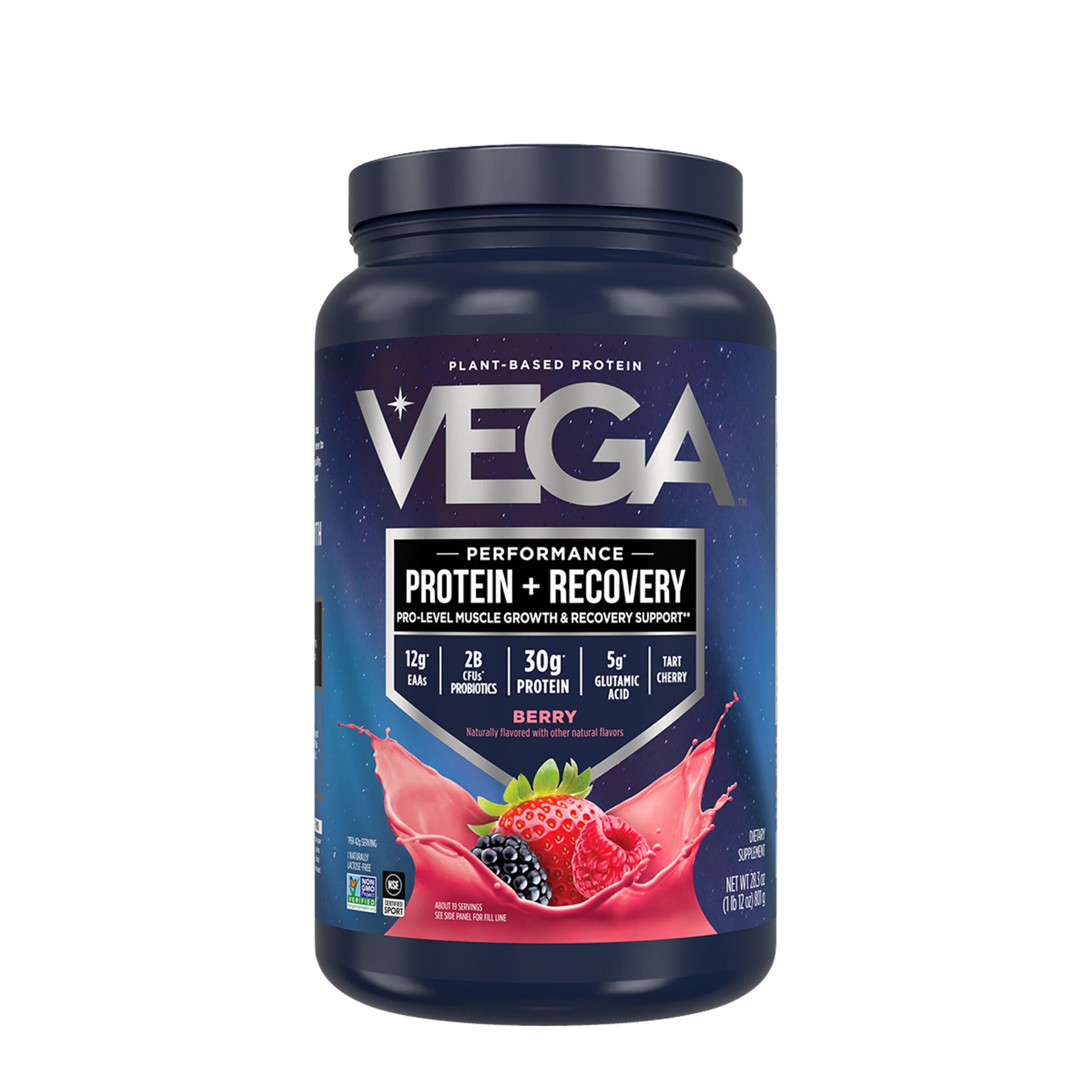
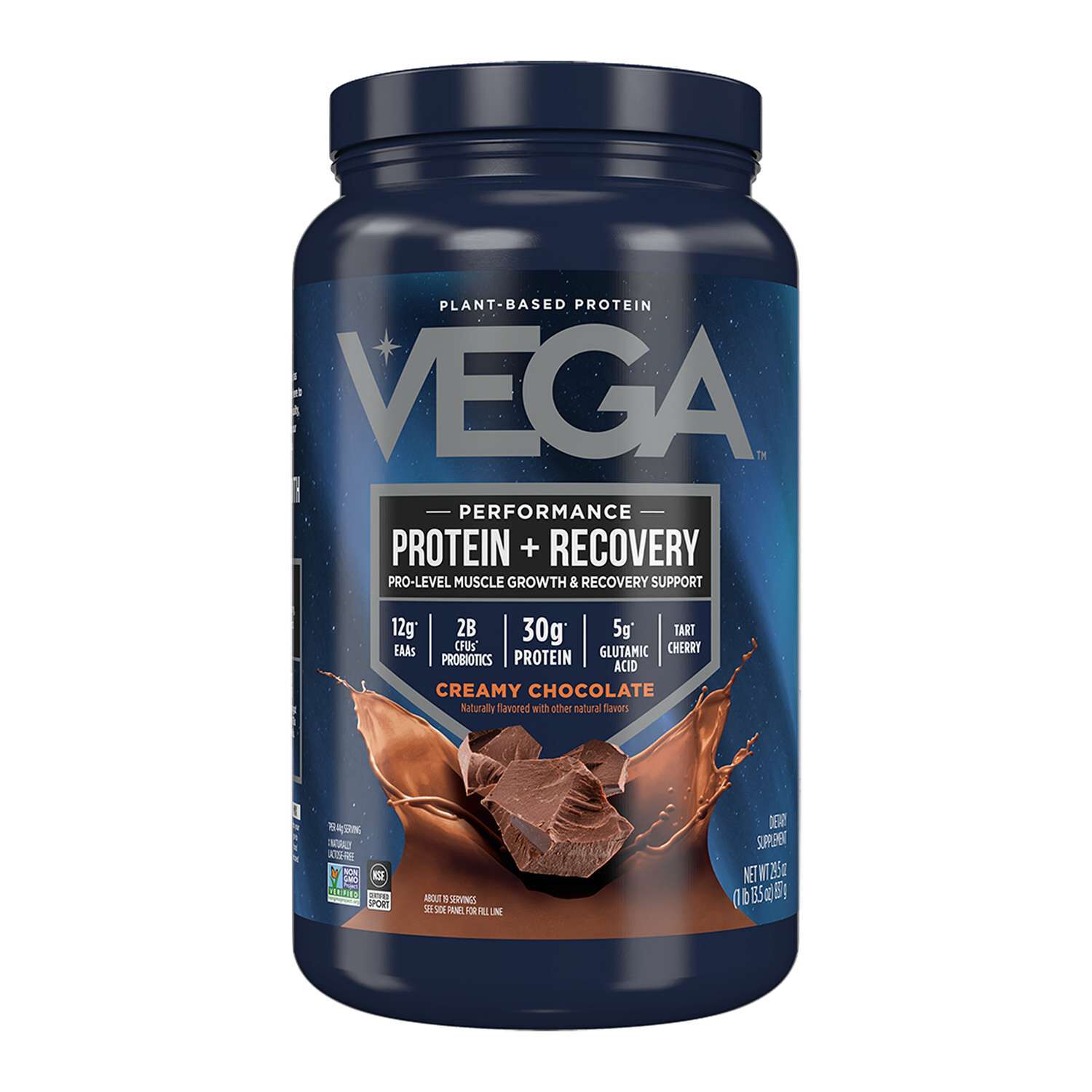
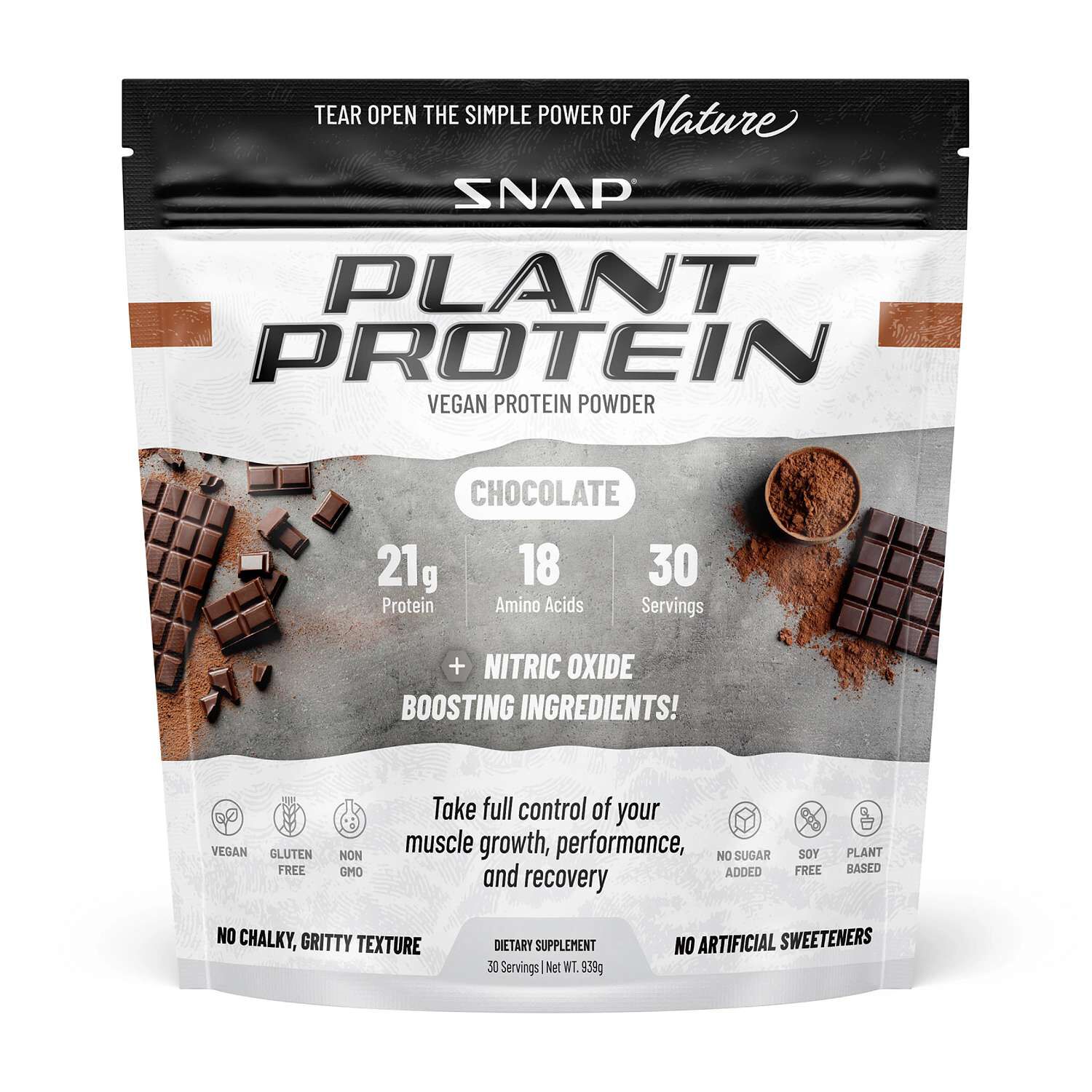
Chocolate Protein Powders With Greens
(0 Results)
Chocolate protein powders with greens offer a delicious way to support your nutrition goals. Combining the rich flavor of chocolate with the potential benefits of plant-based greens, these powders may fit easily into your daily routine. Whether you’re looking for a convenient option to mix into smoothies or a tasty addition to your favorite recipes, chocolate protein powders with greens could be a satisfying choice for those seeking variety in their supplement regimen. Explore options that might align with your taste preferences and wellness journey.
-

-
 Portions Master$49.99
-

-
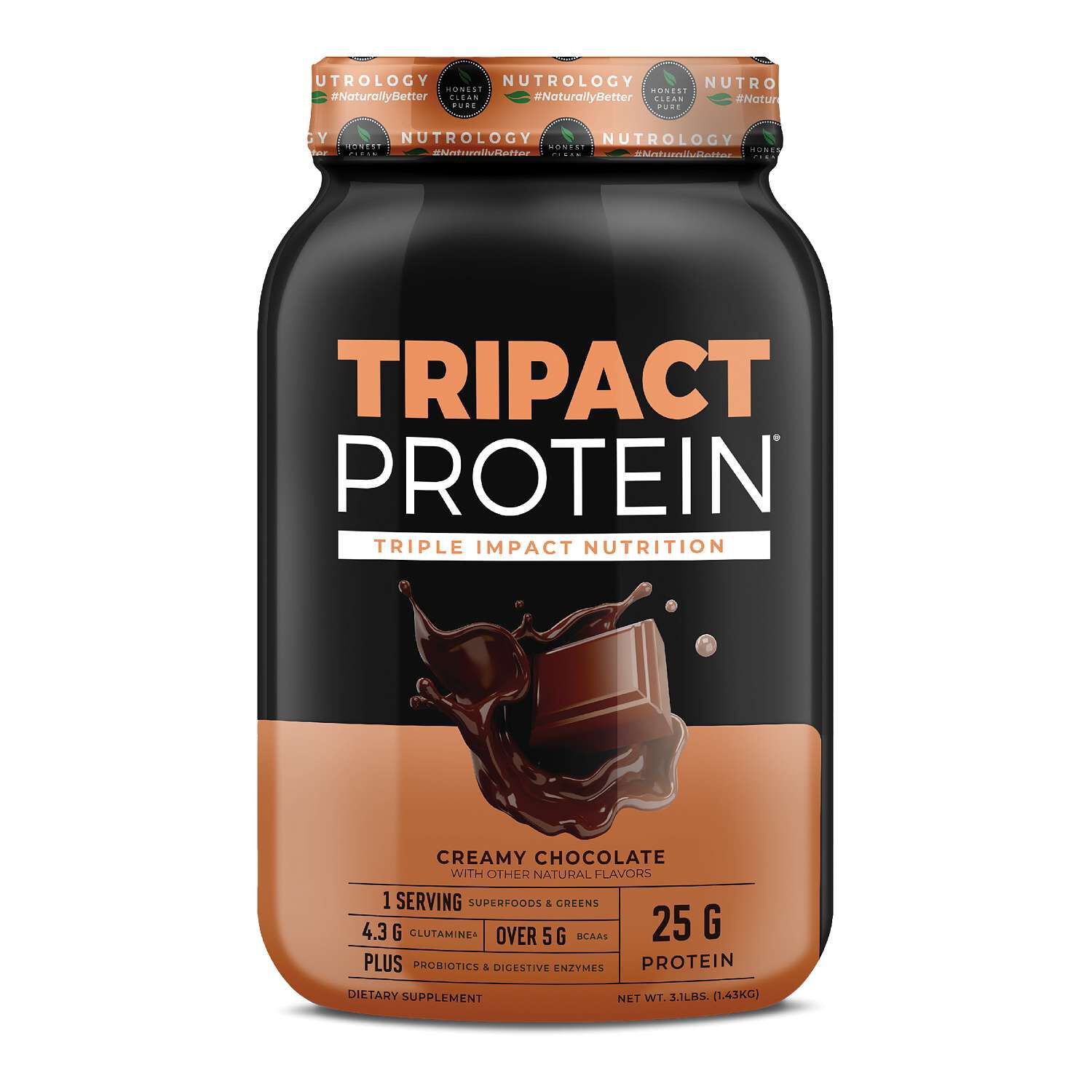
-
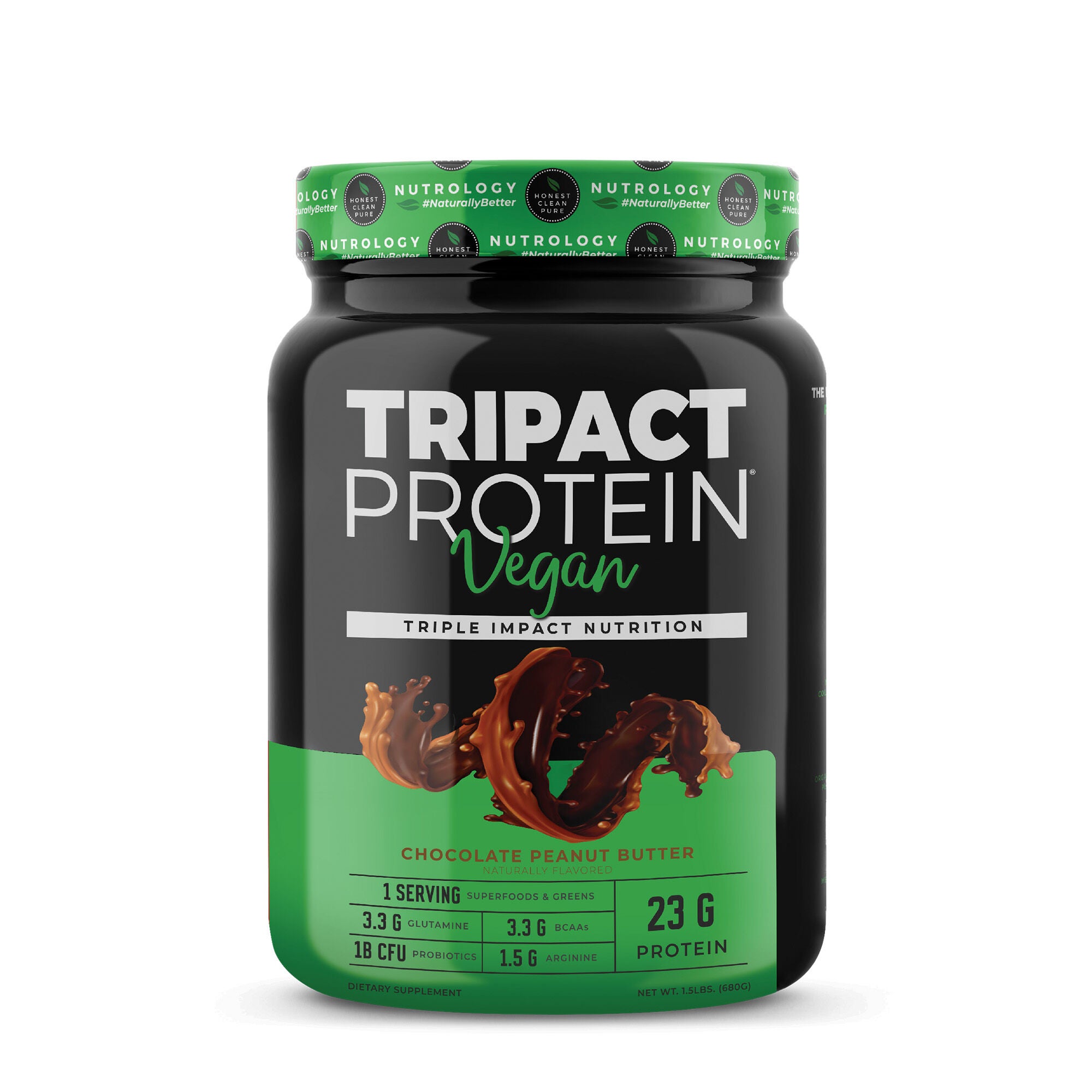
Chocolate protein powders with greens combine a protein base, chocolate flavor, and a blend of powdered greens in a format intended for shakes, smoothies, and other everyday preparations. The protein may come from peas, brown rice, soy, whey, or a combination of sources, while the greens portion can include ingredients such as kale, spinach, broccoli, or alfalfa. Some formulas also contain algae ingredients, including spirulina, so the ingredient list provides a clearer picture than the word “greens” alone. Chocolate flavor typically comes from cocoa, cacao, added flavoring, or a combination of these ingredients. These powders suit shoppers who prefer chocolate to fruit-forward flavors and want protein and greens ingredients in the same container. The category includes a range of flavor profiles rather than one standard chocolate taste: a cocoa-focused formula may have a bittersweet character, while another may lean toward a sweeter, dessert-inspired profile. Greens ingredients may contribute an earthy note, especially when the powder is mixed with water instead of milk or a plant-based beverage. Texture varies, too, with the protein source, cocoa content, and other ingredients all playing a part. A blend intended for a simple shaker-bottle drink may feel different from one used in a thick smoothie with banana and oats. Chocolate protein powders with greens are therefore best understood as blended food products with distinct ingredient lists, serving sizes, and preparation directions—not interchangeable versions of the same formula. Their appeal can be practical as well as sensory: one powder brings several ingredients into a single preparation, without requiring separate containers of protein powder, cocoa, and powdered vegetables. Even so, the presence of greens does not establish how much of each vegetable is included or whether the powder offers the same nutritional composition as a serving of fresh produce. Those distinctions matter when comparing products for a familiar morning shake, an afternoon snack, or a drink packed alongside lunch.
Label details give this category much of its character. The amount of protein per serving is one consideration, but it belongs alongside the serving size, number of scoops, calories, carbohydrate content, sugar, and any listed fiber. Two chocolate powders can look similar in the container yet call for different portions, making scoop size alone an unreliable comparison. The ingredient list also distinguishes a formula built around one protein source from a blend that combines several. Plant-based protein and added greens are separate features: a powder containing greens is not necessarily vegan, and chocolate flavor does not establish whether a formula contains milk ingredients. For shoppers who avoid particular ingredients, allergen statements and dietary designations deserve close attention. Sweetening choices are another meaningful distinction. Some formulas use sugar, while others use ingredients such as stevia or monk fruit; these choices may influence sweetness and aftertaste, particularly in a drink made with only water. Cocoa processing, salt, and flavoring ingredients may also shape the chocolate character. Organic preferences introduce a different set of considerations, including the certification shown on the package and whether the designation applies to the finished product or selected ingredients. Shoppers interested in that category can also explore Chocolate Protein Powders For Organic Diets. Organic certification, protein source, and greens composition describe different aspects of a powder, so none should stand in for the others. Some blends include additional ingredients such as probiotics or enzymes, but their presence does not reveal the amount of protein or vegetables in a serving. A named greens blend may list its combined weight without specifying the quantity of every ingredient. Clear labeling helps distinguish those details. For someone who makes the same chocolate shake most mornings, flavor consistency and an ingredient list that fits established preferences may matter more than an especially long list of additions. For a household with several smoothie drinkers, serving directions and clearly identified allergens can be especially relevant.
Everyday preparation is where differences between chocolate protein powders with greens become more noticeable. Water offers a straightforward way to taste the powder itself, while dairy milk, oat beverages, almond beverages, and other liquids may change its texture and sweetness. Banana may give a chocolate smoothie a thicker consistency; berries may add a tart contrast; and peanut or almond butter may introduce a roasted flavor alongside the cocoa. These additions also change the nutrition of the finished drink, so the powder’s label describes only part of a blended recipe. A shaker bottle is a practical format for a drink prepared at a desk or carried to the gym, while a blender accommodates ingredients such as fruit, oats, and nut butter. The liquid quantity listed on the package provides a starting point for the intended preparation, though personal preferences for a thinner drink or a spoonable smoothie can differ. Fine powders may settle between sips, and some blends may need more mixing than others. Chocolate also pairs naturally with coffee flavors, but preparation directions matter when considering uses beyond a cold shake, particularly for formulas with added ingredients. Packaging and care are useful considerations for a product that becomes part of a regular routine. Containers with secure lids and resealable pouches have different storage needs, and the package’s directions should determine where and how the powder is kept. A dry scoop, a firmly closed container, and separation from sink splashes help keep moisture out during everyday handling. The printed date and any instructions for use after opening also deserve attention. For commuters, home smoothie makers, and people who already enjoy chocolate protein drinks, this category offers a way to choose a familiar flavor with greens ingredients included. The most relevant match depends on the actual formula, the way it will be prepared, and the taste and texture preferences of the person drinking it. A powder intended for a quick drink with water and one chosen for a banana-and-oat smoothie may meet quite different expectations, even when both carry the same chocolate-and-greens description.