





Chocolate Protein Shakes
(0 Results)
Indulge in a delicious and nutritious way to fuel your body with our selection of Chocolate Protein Shakes. Packed with high-quality protein and rich chocolate flavor, these shakes are perfect for satisfying your sweet cravings while supporting your fitness goals. Whether you're looking to refuel post-workout or simply need a convenient on-the-go option, our Chocolate Protein Shakes are a tasty addition to your daily routine. Discover a range of options that cater to different dietary preferences and lifestyles, making it easier than ever to enjoy a protein-packed treat anytime, anywhere.


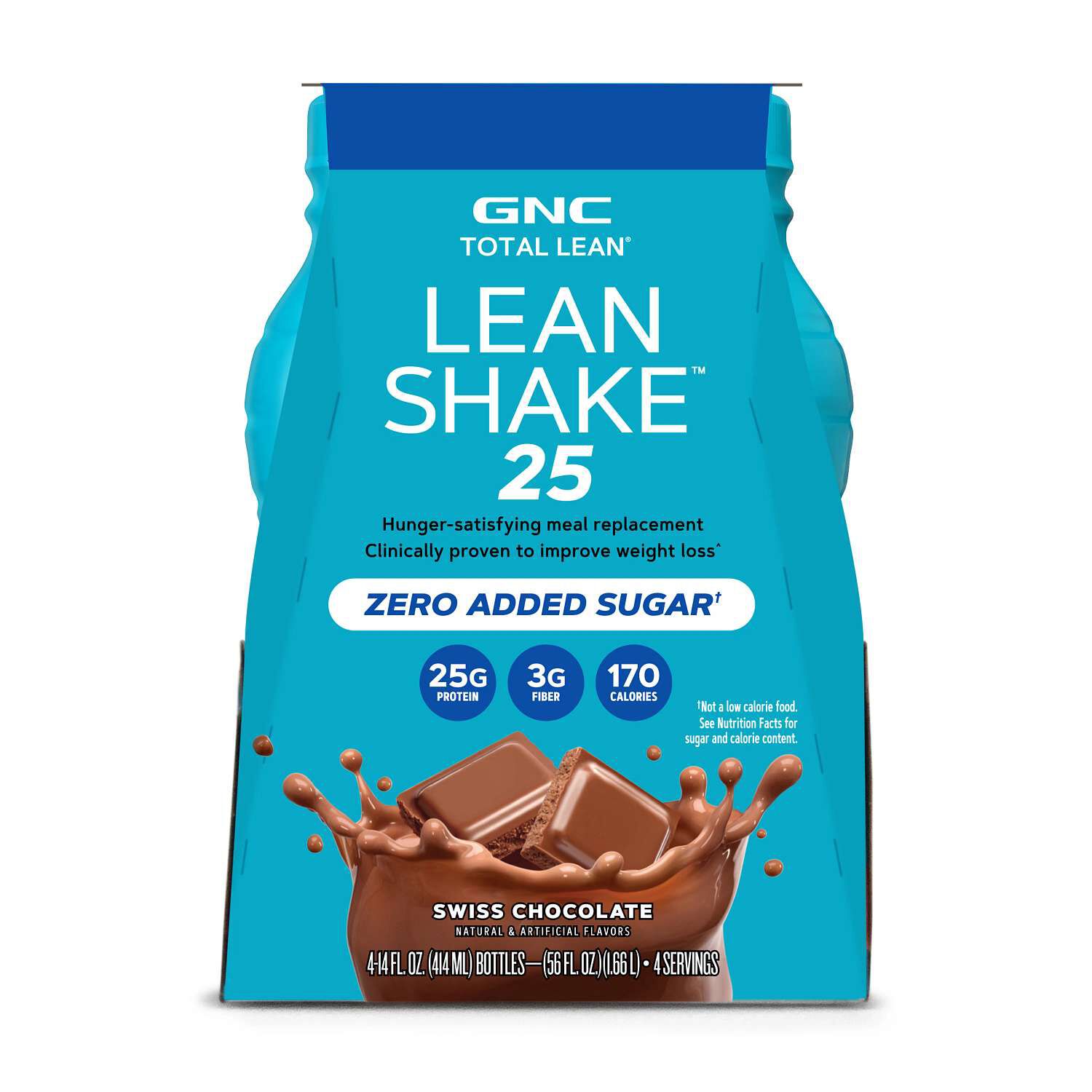

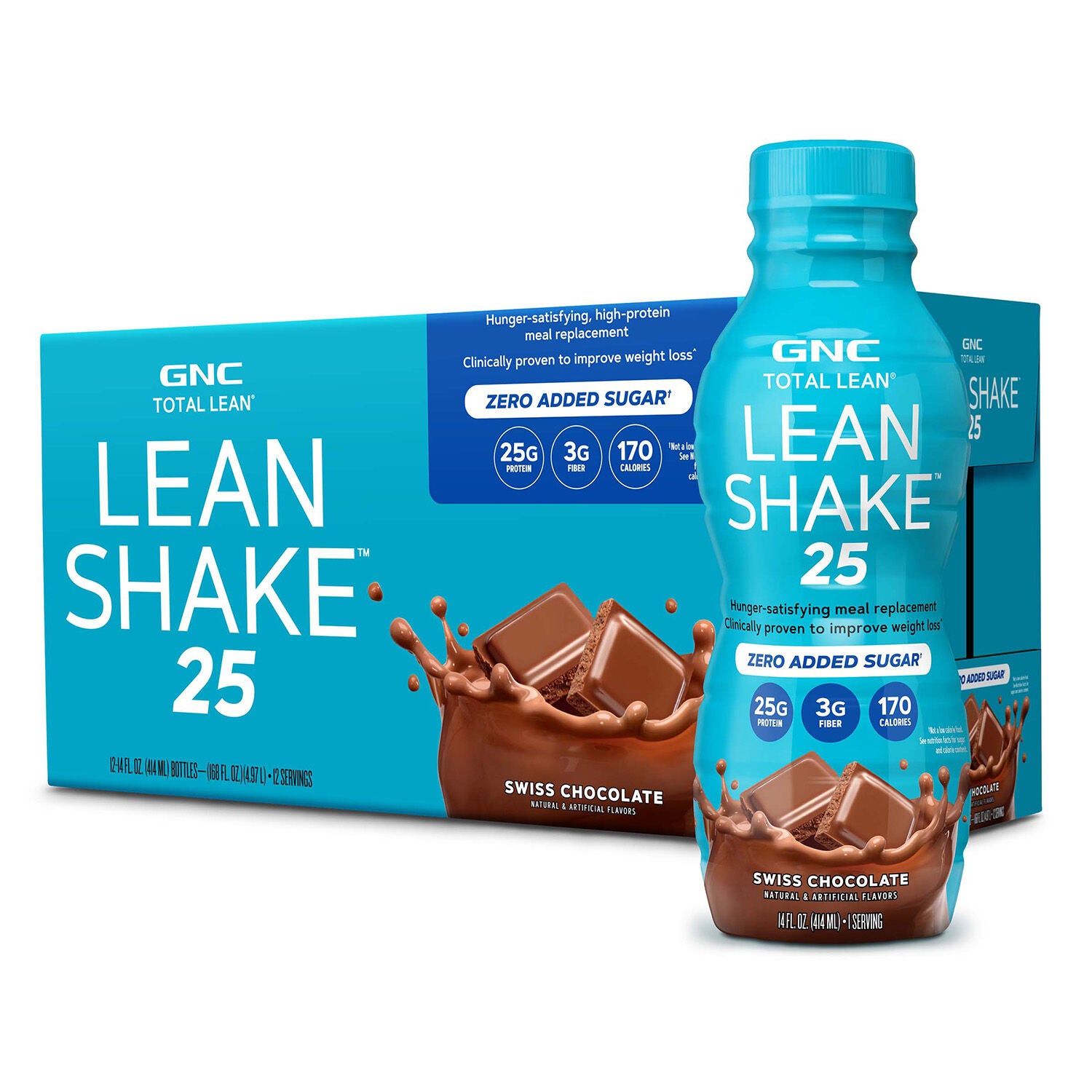


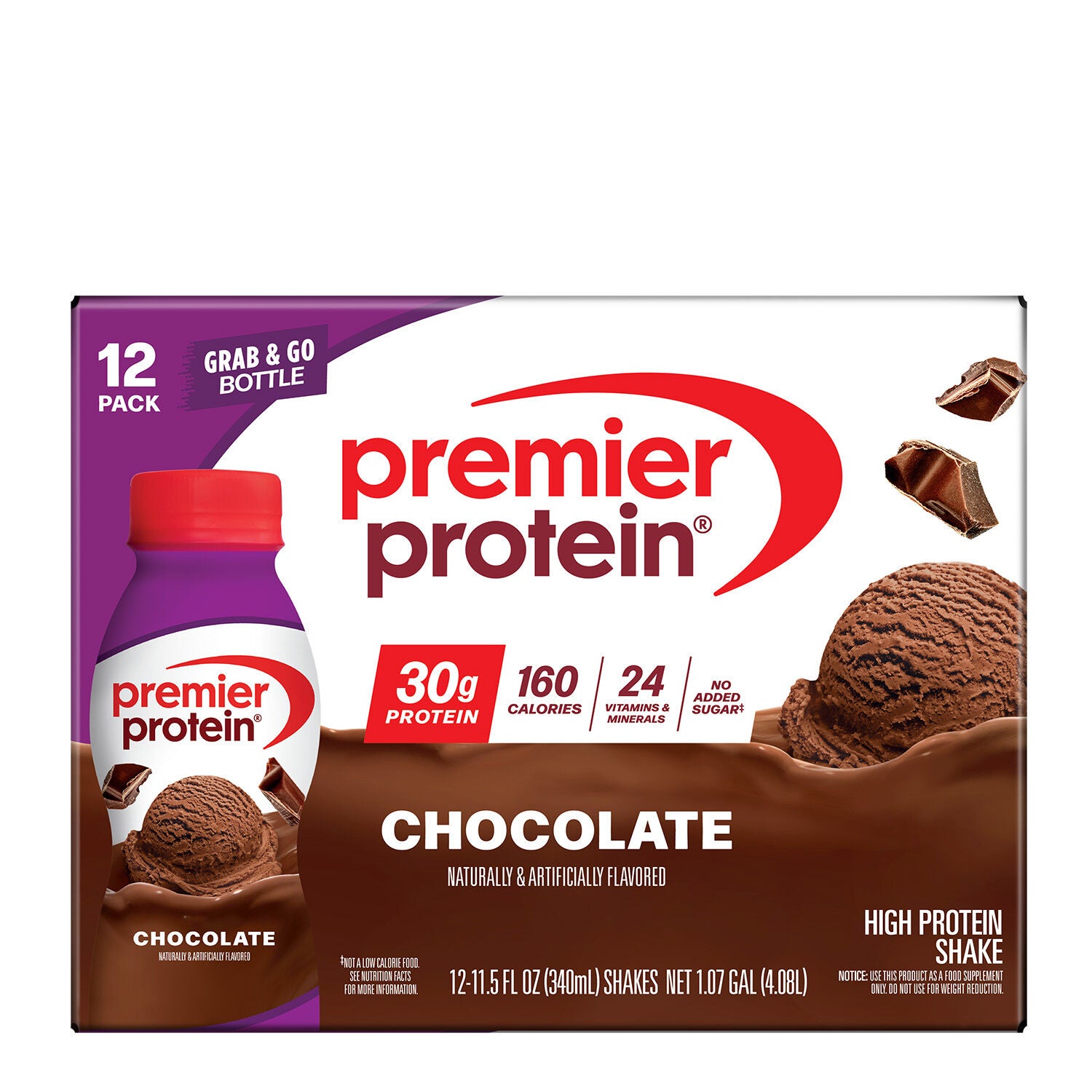


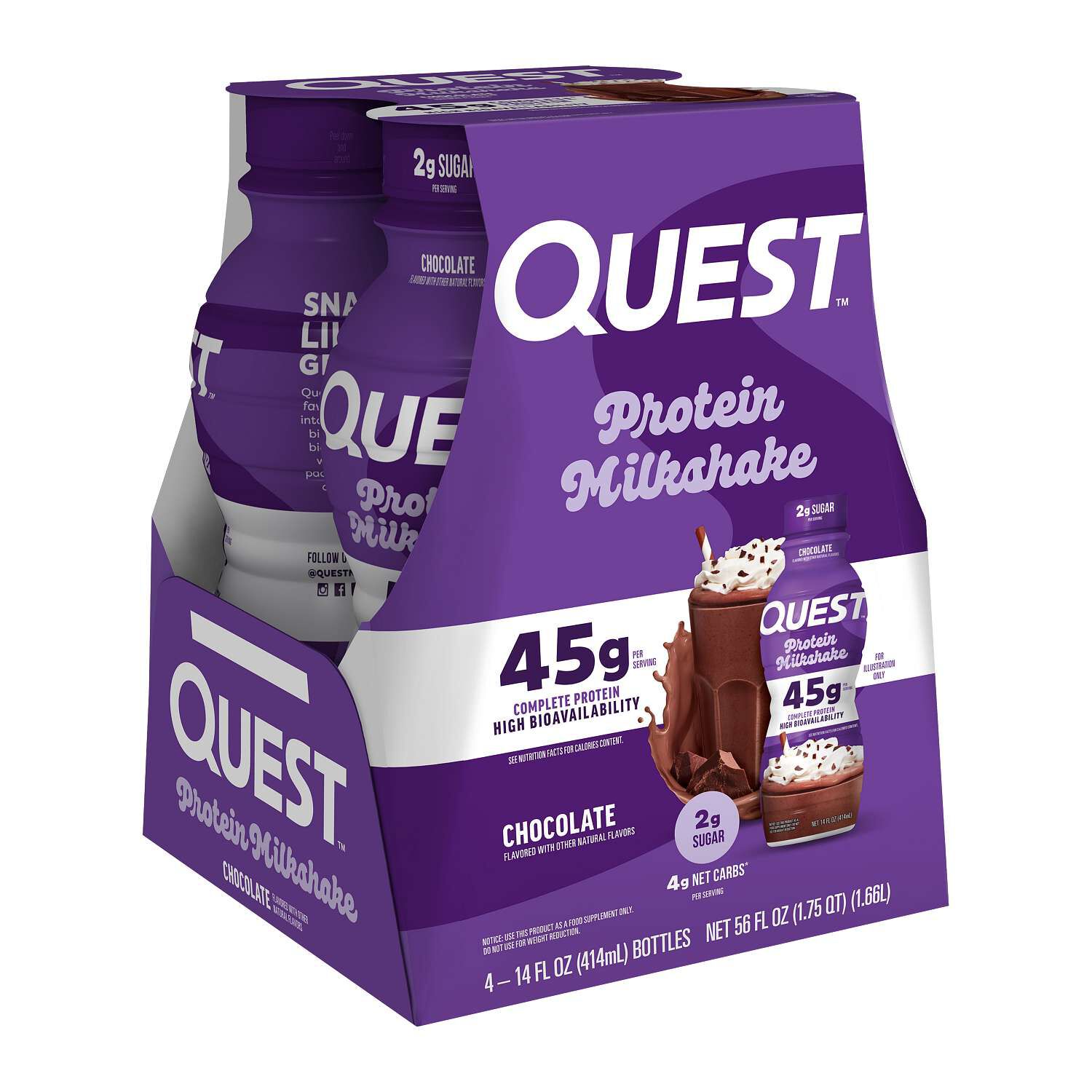
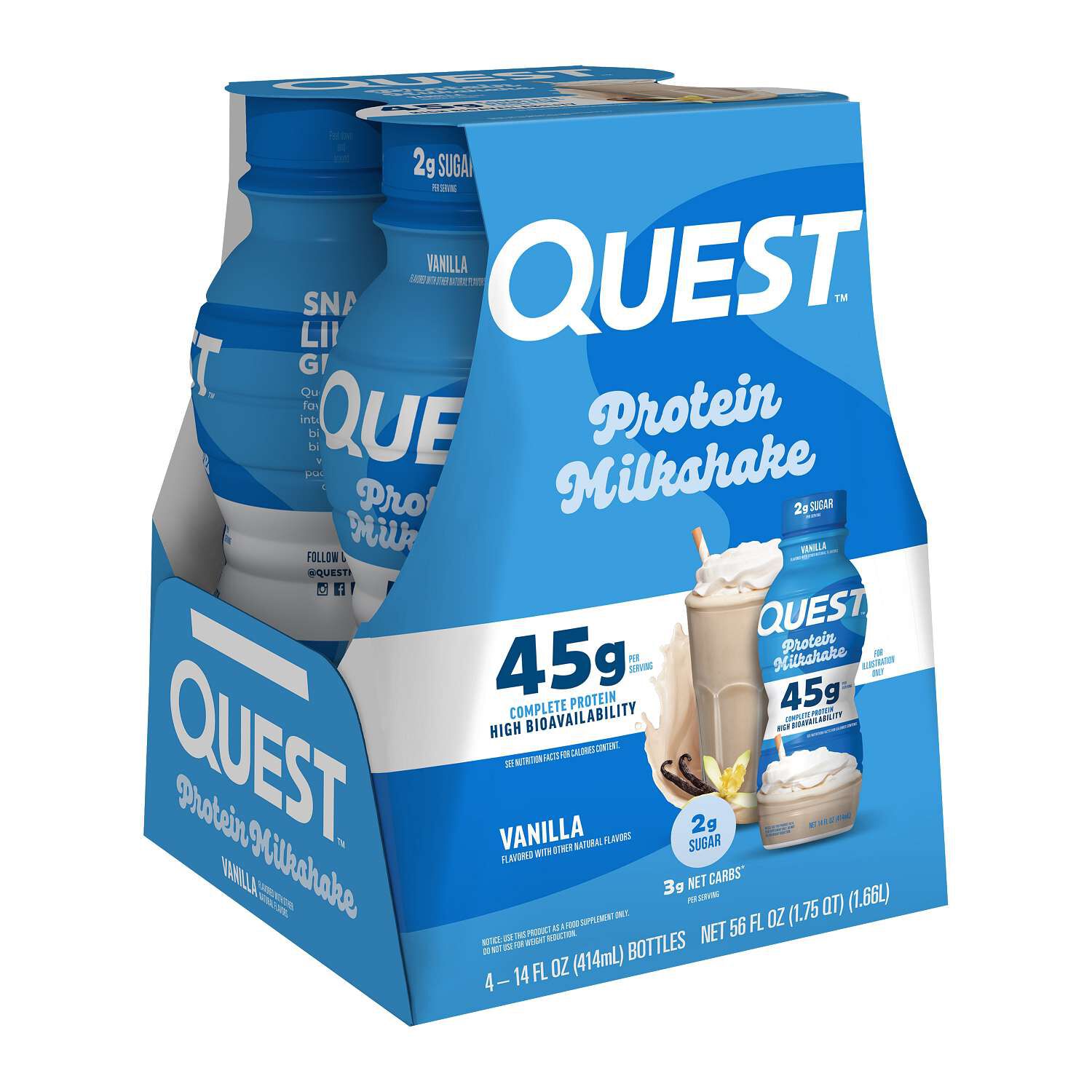
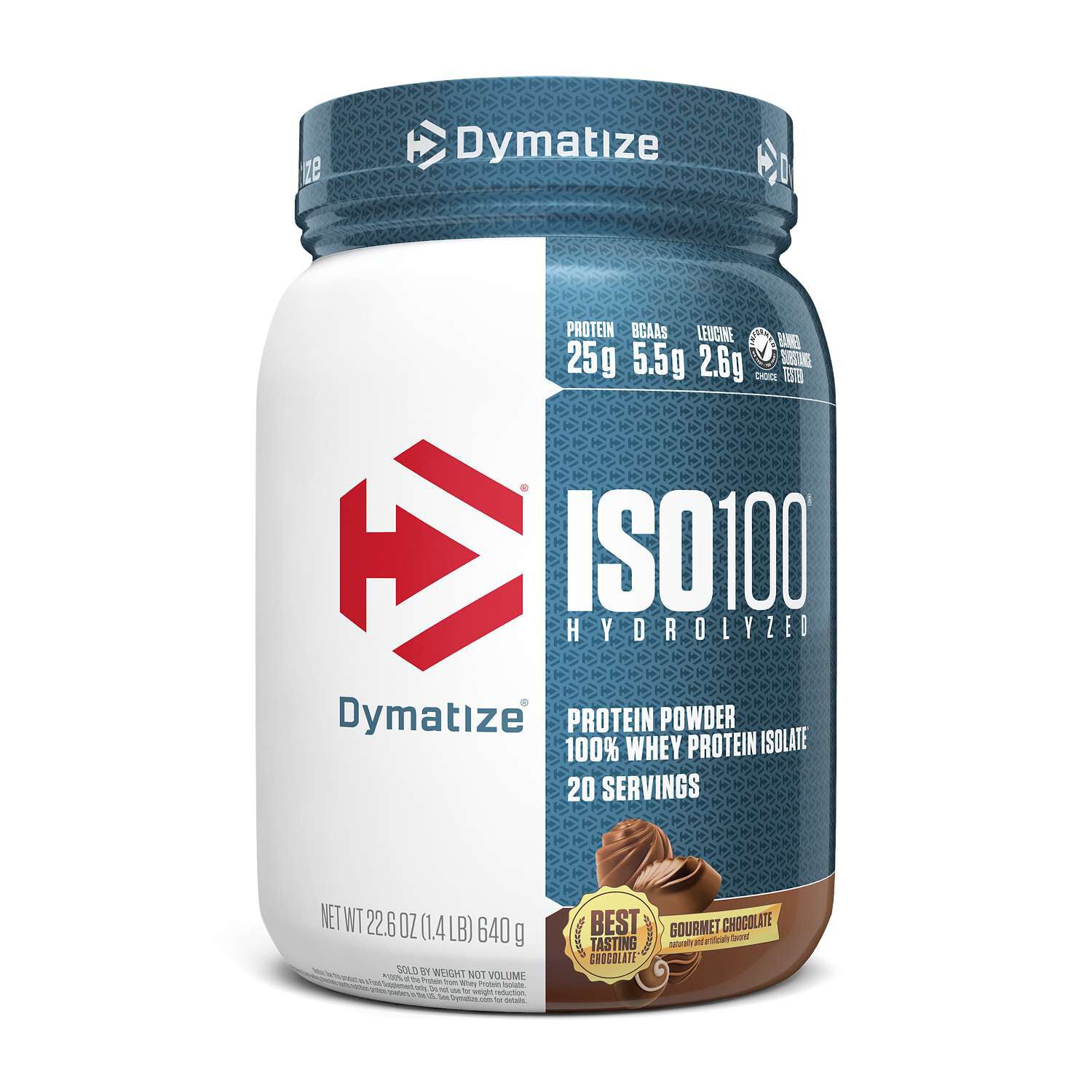
Chocolate protein shakes combine a protein source with cocoa or chocolate flavoring in a drinkable format, with ready-to-drink beverages and powders offering different ways to enjoy the same familiar flavor. Many ready-to-drink formulas contain roughly 16 to 30 grams of protein per serving, though the amount varies by formula and serving size. Bottled and carton-style shakes come premixed, making them a practical format for a work bag, a gym locker, or a refrigerator at the office. Powdered chocolate protein shakes are mixed with a liquid before drinking, allowing more flexibility with portion size, consistency, and preparation. The distinction matters for someone who wants a drink between appointments versus someone who prefers blending a shake at home. Flavor is another meaningful difference within the category. Milk-chocolate styles generally lean toward a sweeter, rounder cocoa character, while darker chocolate profiles put more emphasis on cocoa’s roasted notes. Some formulas have a light, drinkable consistency; others are designed with a thicker, milkshake-like texture. Sweeteners, protein sources, fats, and thickeners all contribute to those differences, so matching the chocolate description alone does not necessarily mean matching the drinking experience. A familiar chocolate flavor may make a protein drink an appealing addition to an established routine, without requiring elaborate preparation or a long list of ingredients. For powders, the recommended liquid amount provides a useful point of comparison between formulas. A serving mixed with water is different from one prepared with milk, both in its ingredients and its nutrition information. Ready-to-drink packaging removes that mixing step, while powder containers offer flexibility for people who enjoy preparing each serving themselves. Neither format has a single intended audience: commuters, recreational athletes, busy parents, and people who simply enjoy a chocolate-flavored protein beverage may prefer different formats for different parts of the day. The most relevant distinction is often how the shake fits into an ordinary routine, from a bottle packed before leaving home to a powder portion mixed after an afternoon workout.
The protein source is one of the clearest ways to distinguish chocolate protein shakes beyond flavor and packaging. Dairy-based formulas may contain whey, casein, milk protein, or a blend of these ingredients. Plant-based formulas often use sources such as pea, soy, or rice protein, sometimes combined in the same blend. These names describe the ingredients behind the protein amount, rather than a uniform taste or texture. A chocolate shake made with pea protein may have a different finish from one made with milk protein, even when the stated protein grams are similar. Dairy preferences, plant-based eating patterns, and ingredient restrictions all make the label more informative than the front-of-package flavor name alone. A plant-based designation and a lactose-related statement describe different characteristics, and neither replaces the ingredient list or allergen information. Milk, soy, peanuts, and tree nuts are examples of ingredients or allergen declarations that may be relevant, depending on the formula. Nutrition comparisons also depend on the serving size. A small carton and a larger bottle are not automatically equivalent portions, and a powder container may list values for a measured amount before any milk or other additions. Protein grams, calories, carbohydrates, sugars, added sugars, and fats each describe a different part of the formula. “No added sugar” does not necessarily mean that a drink contains no sugar, since ingredients such as milk can contribute naturally occurring sugars. Sweetness may also come from ingredients other than sugar, which helps explain why two shakes with similar sugar amounts can taste quite different. Some formulas include vitamins and minerals, while others keep the ingredient list focused on protein, flavoring, and the components needed for mixing or consistency. Those differences make chocolate protein shakes a varied product category rather than a single nutritional formula. Preferences around ingredients, sweetness, and intended use also shape a search for Healthy Chocolate Shakes, alongside the protein amount printed on the package.
Everyday use brings a few additional distinctions into focus, especially when a chocolate protein shake travels beyond the kitchen. A single-serving bottle is different from a resealable powder container in both handling and preparation. Some unopened ready-to-drink shakes are labeled for pantry storage, while others require refrigeration; storage directions also change once a container is opened. Powders have their own directions for storage, lid closure, and preparation. A dry scoop and a securely closed container are practical considerations for a powder used regularly, while a bottle packed for later needs handling that matches its label. For someone mixing a shake at a desk or in a gym changing room, the shaker’s capacity, lid design, and ease of cleaning matter almost as much as the powder format. A narrow opening may be less convenient for adding powder, and a container with several small parts involves more cleanup than a simple cup. At home, a blender offers a different preparation option, particularly when the shake includes ingredients such as banana, oats, peanut butter, or yogurt. Those additions change the serving’s nutrition and may change its thickness, sweetness, and overall flavor. Water keeps the preparation closer to the powder’s stated nutrition values, while milk or a plant-based beverage contributes its own ingredients and nutrients. Chocolate’s familiar pairing with vanilla, coffee, banana, and nut flavors gives this category room for variety without changing the central cocoa character. Even so, an elaborate blend is not necessary for every occasion; a premixed bottle and a powder stirred according to its directions serve different preferences equally well. Intended use remains an important distinction, too. A protein beverage is not automatically the same as a product labeled as a meal replacement, and protein content alone does not describe the rest of its nutritional composition. Across bottles, cartons, and powders, the details that matter most are concrete: the serving size, protein source, chocolate flavor, texture, ingredient list, preparation requirements, and fit with the way the drink will actually be used.
Best Sellers


Related Pages

Top Collections
- Joint Mobility Supplement Packs
- Zinc Supplements | Top Brands at Great Prices | GNC
- Supplements For Yoga Joint Flexibility
- Supplements For Balance
- Capsule Supplements For Energy And Stamina
- Iron Supplements
- Supplements For Anxiety Relief Support
- Vitamins For Hair Loss
- Cortisol Supplements
- Adult Mobility Supplements