Cholesterol Dietary Tablets
(0 Results)
Cholesterol dietary tablets may offer nutritional support for those looking to maintain their wellness routine. With a variety of formulas available, these supplements are designed to fit seamlessly into your daily lifestyle. Explore options that could align with your health goals, and discover how cholesterol dietary tablets might become a valuable addition to your supplement regimen.
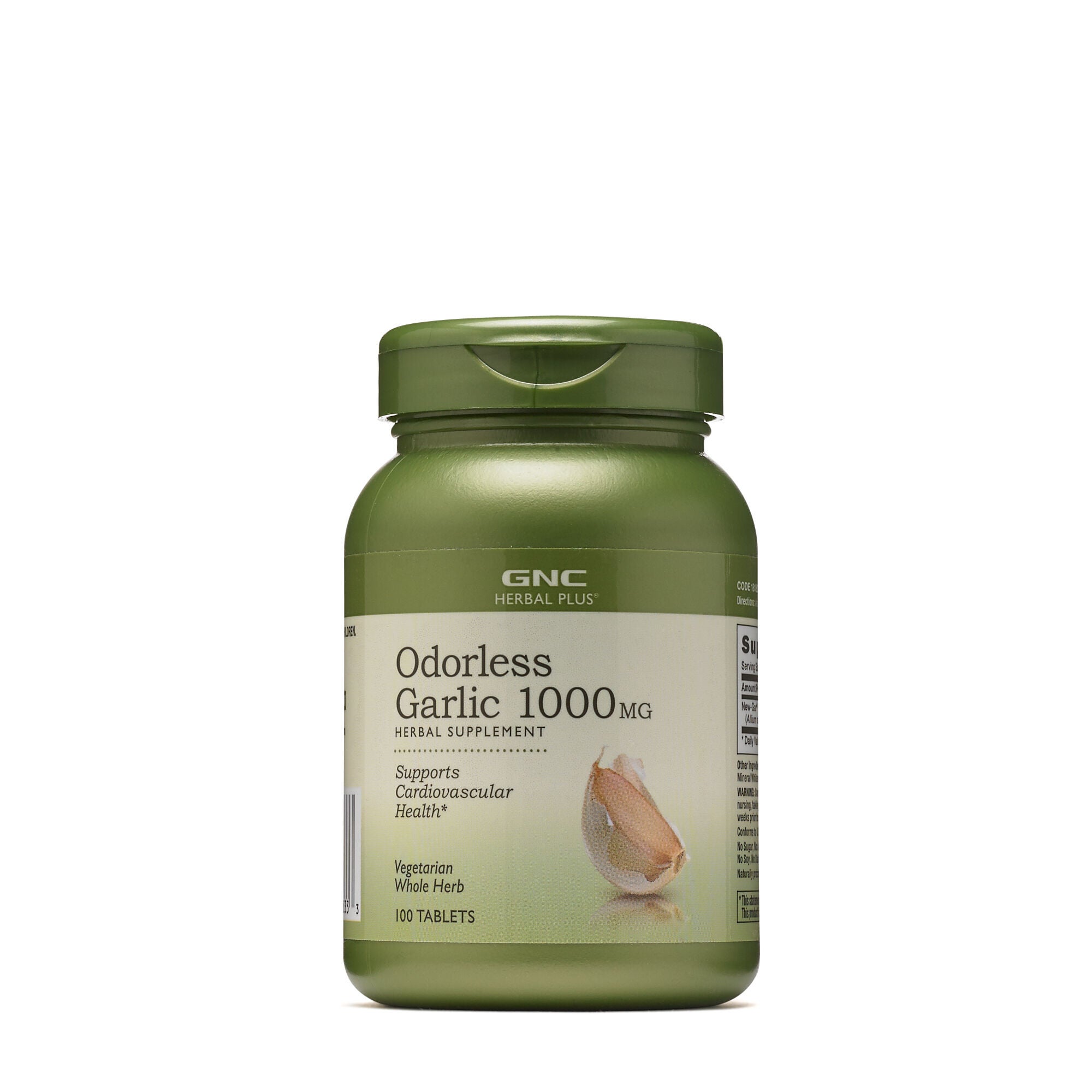
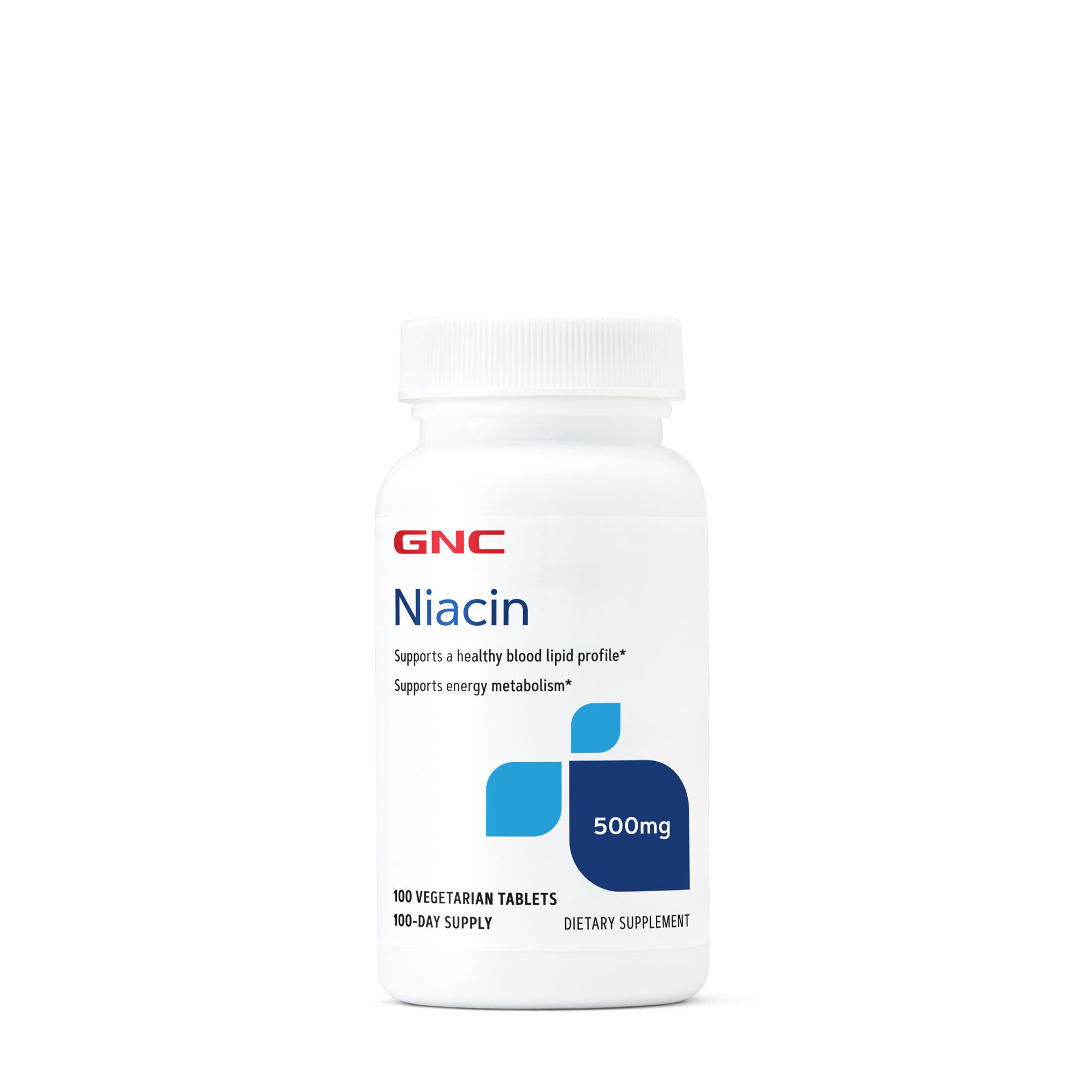

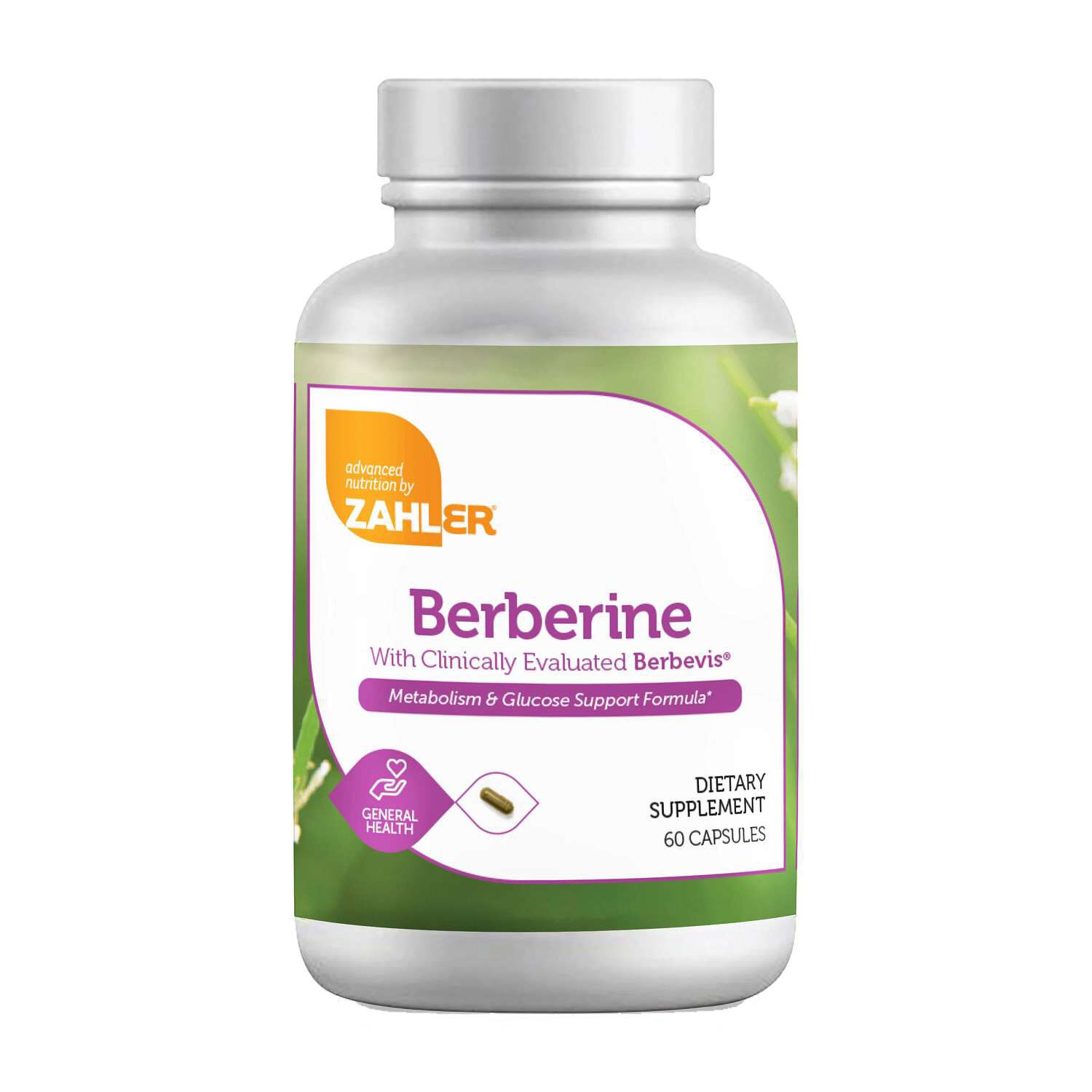
Cholesterol dietary tablets offer a convenient way to explore nutrition-focused support alongside everyday wellness habits. This category may include formulas featuring plant sterols or stanols, berberine, fish oil, garlic, flaxseed, or other familiar ingredients. Each option has a different nutritional profile, serving format, and intended use, so reading the Supplement Facts panel may help shoppers compare ingredients, serving size, capsule count, and directions. Plant sterols and stanols may reduce the amount of cholesterol absorbed during digestion when taken with meals, while fish oil may support healthy triglyceride management without making the same contribution to LDL cholesterol. Berberine may support healthy cholesterol and triglyceride levels for some adults, and garlic or flaxseed may offer modest nutritional support, although results can vary from person to person. These products are not evaluated in the same way as prescription treatments, and dietary tablets are not intended to diagnose, treat, cure, or prevent disease. They may fit into a broader routine that includes balanced meals, regular movement, restful sleep, and guidance from a qualified healthcare professional. Anyone reviewing cholesterol numbers with a doctor may wish to bring the product label along and discuss the ingredients, serving size, and personal wellness goals before adding a new supplement. A simple label check can make shopping feel more manageable, especially when a shelf includes tablets with similar names but noticeably different formulas.
When comparing cholesterol dietary tablets, shoppers may want to consider the ingredient form, amount per serving, suggested use, and any additional nutrients included in the formula. A product with plant sterols may be suited to someone who prefers a meal-based routine, while a fish oil formula may appeal to someone already familiar with omega-3 nutrition. Flaxseed and garlic can be attractive to shoppers who enjoy botanical ingredients, and berberine may interest adults looking for a targeted nutritional option. Red yeast rice deserves extra care during comparison because some formulas may contain monacolin K, a compound chemically identical to a prescription statin, while the amount may vary between products. Reading the full label and discussing this ingredient with a healthcare professional could help shoppers make a more informed choice. Supplements may interact with prescription medicines or other dietary products, and certain ingredients may not be appropriate for everyone, including people preparing for a procedure, managing an ongoing health concern, or taking products that affect blood clotting. Digestive discomfort or other unwanted effects may occur with some formulas, so following the label directions and paying attention to how the body responds could be helpful. Shoppers may also appreciate practical details such as tablet size, the number of servings per container, storage instructions, and whether the daily routine feels easy to maintain. For additional browsing, explore Cholesterol Reduction Support Supplements to compare related options in one place.
These tablets may be chosen by adults who want to add a nutrition-minded product to an established routine, particularly when cooler weather brings more meals at home, richer family recipes, and changes to regular activity. They could also be a thoughtful wellness gift for a parent, partner, or relative who already enjoys organizing supplements and tracking daily habits, though a gift recipient’s personal medications and health history should be considered before selecting a formula. A handwritten note encouraging label review or a conversation with a healthcare professional may feel more considerate than choosing a product based only on a front-label claim. For everyday use, some shoppers may keep tablets beside a breakfast bowl, place them near a dinner setting, or use a phone reminder to connect the serving with a regular meal. Establishing a familiar cue may make the routine easier to remember during busy late-summer schedules and the cooler months that follow. It may also help to keep a simple record of the product name, ingredients, serving instructions, and date started, especially when more than one supplement is part of the household routine. Dietary tablets can complement thoughtful food choices, but they should not replace prescribed care or a plan provided by a healthcare professional. Anyone with questions about cholesterol, triglycerides, prescription medicines, pregnancy, breastfeeding, or a scheduled procedure could discuss the label with a qualified professional before use. With careful comparison and realistic expectations, shoppers may find an option that fits their preferences, daily schedule, and broader approach to nutritional wellness.