Choline Supplements
(0 Results)
Choline supplements are a popular choice for individuals looking to support their overall cognitive health and liver function. As an essential nutrient that plays a crucial role in various bodily processes, choline is known for its ability to help maintain healthy brain function and promote proper metabolism. Whether you're seeking to enhance your memory, focus, or simply looking to boost your daily intake of this vital nutrient, explore our selection of choline supplements to find a product that fits your needs and lifestyle.
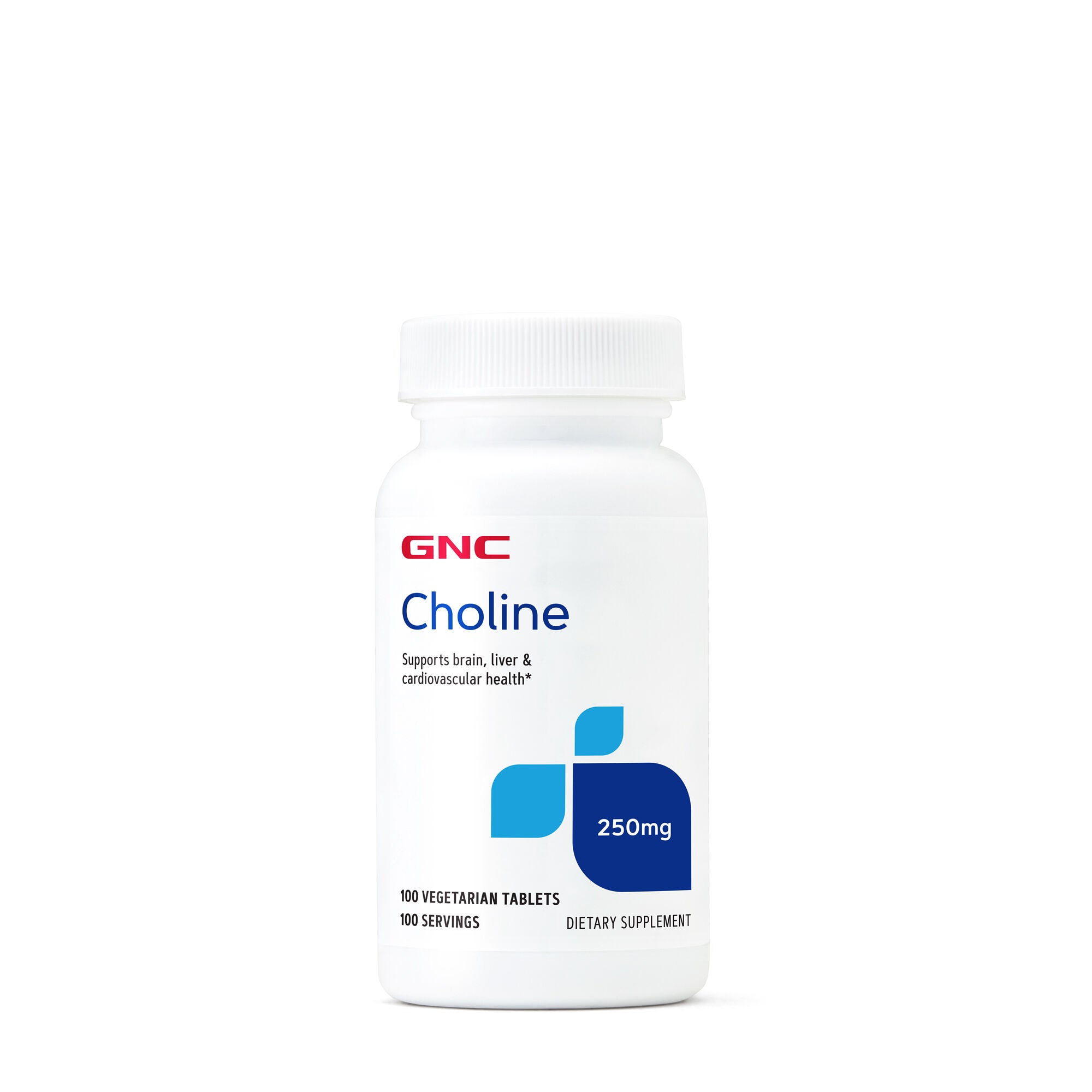
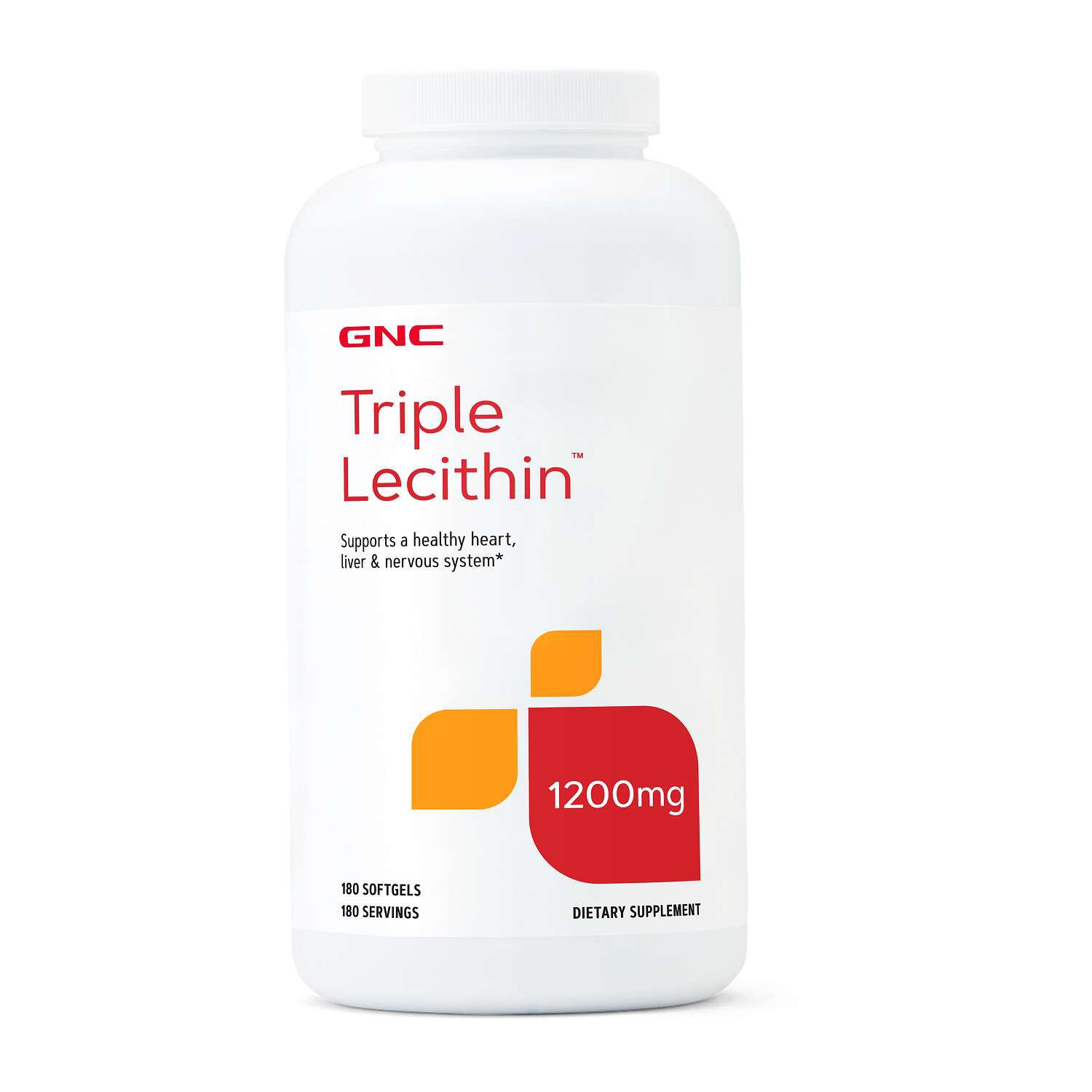
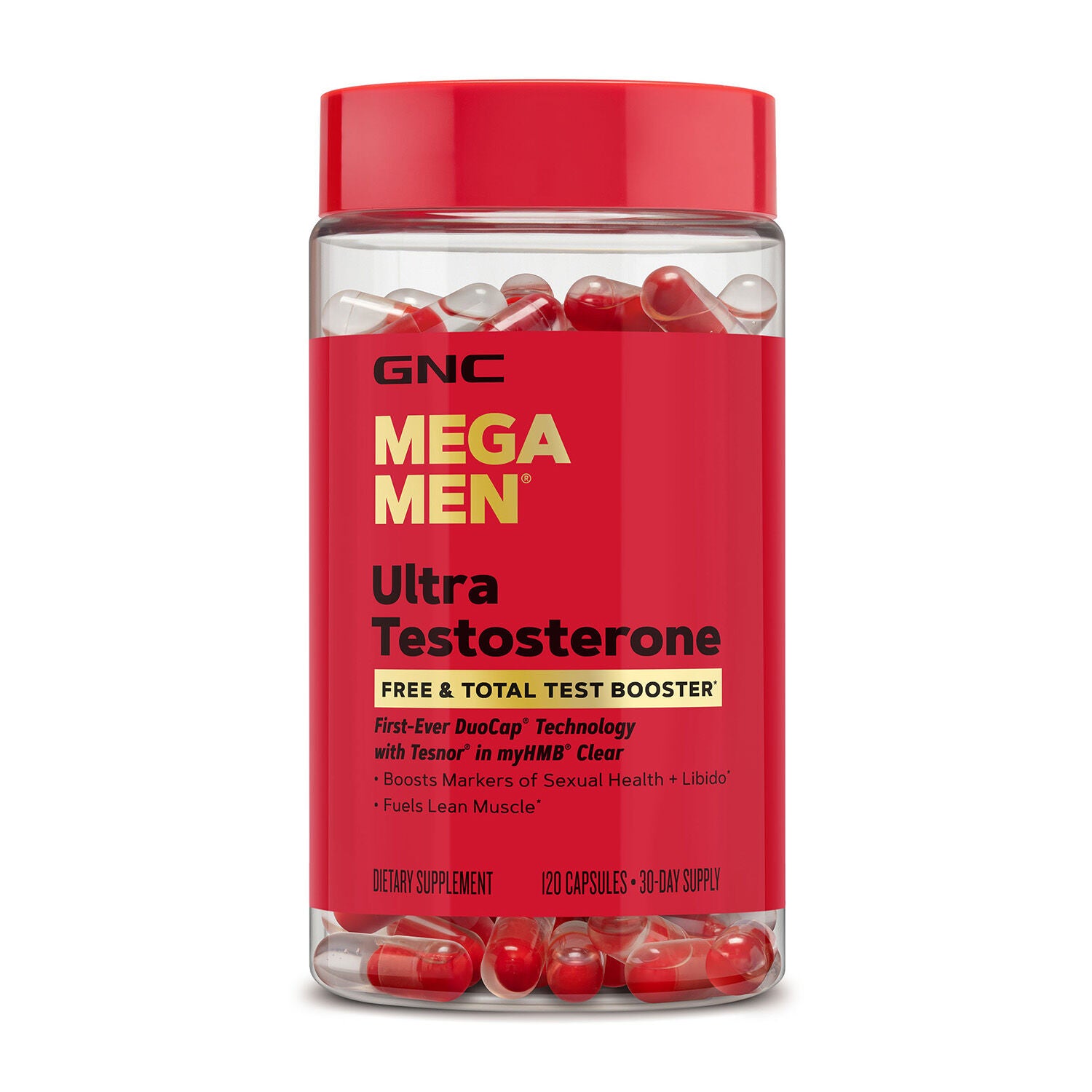
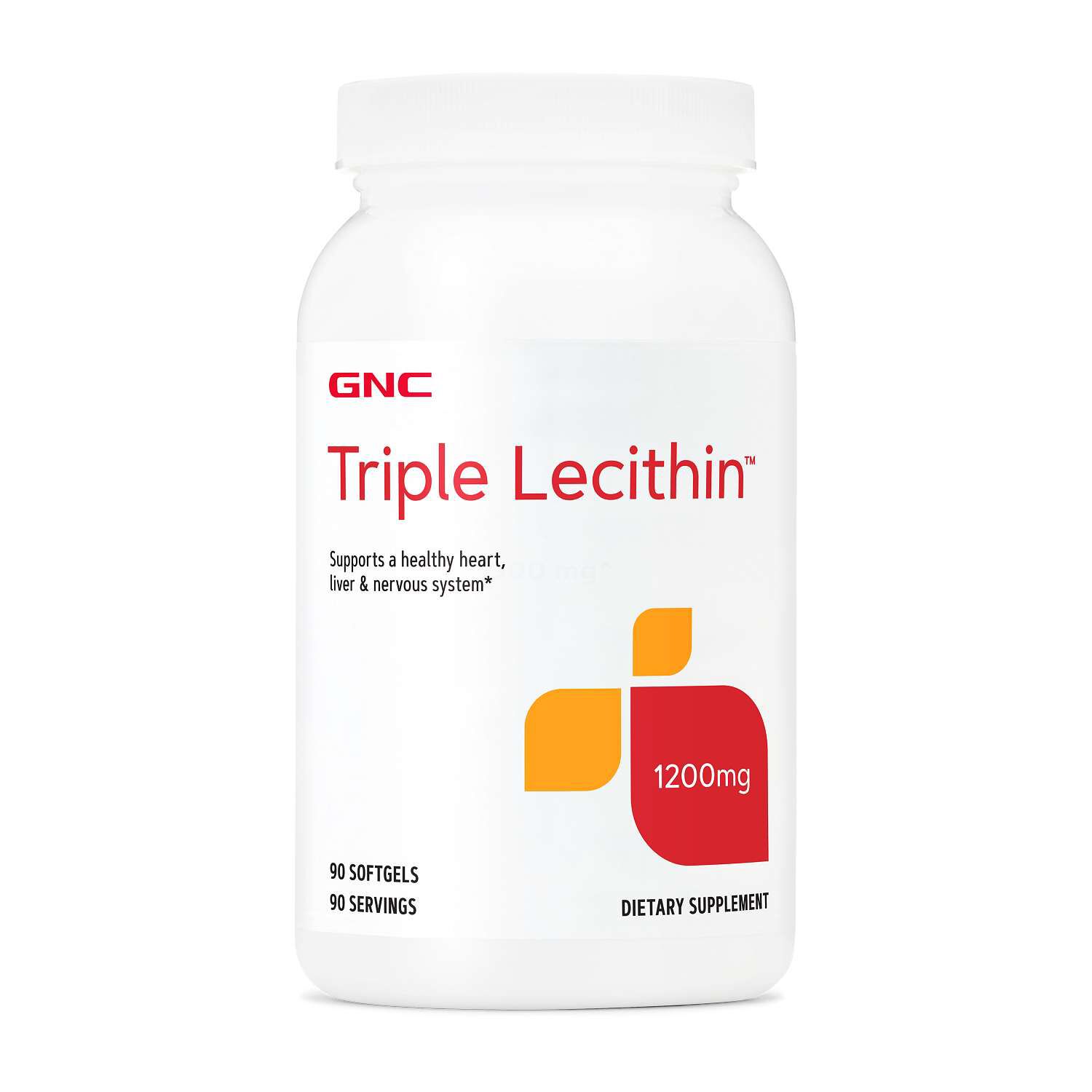
Choline supplements offer a way to add choline to a daily nutrition routine in a measured serving. Choline is a nutrient found in foods such as eggs, beef, fish, poultry, soybeans, and broccoli, and it is also a component of compounds that make up cell membranes. Although often discussed alongside B vitamins, choline is a distinct nutrient, so a formula containing B vitamins does not necessarily contain choline. For shoppers comparing dietary supplements, that distinction makes the ingredient list and Supplement Facts panel useful starting points. The category includes choline-focused formulas as well as blends that pair choline with other nutrients. Common ingredient names include choline bitartrate, phosphatidylcholine, citicoline, and alpha-GPC, while lecithin is another ingredient associated with choline. These names describe different compounds or ingredient mixtures, not interchangeable amounts of the nutrient. A clearly labeled amount of choline is more useful for comparison than a large number on the front of a bottle without context. Shoppers may explore this category when reviewing the nutrients represented in their usual meals, comparing a single-nutrient supplement with a broader formula, or looking for a format that fits an established routine. Someone whose breakfast alternates between eggs and oatmeal, for example, may find that looking at food sources adds helpful context before comparing bottles. A person who eats mostly plant-based meals may pay particular attention to soy foods and vegetables while also checking the origin of supplement ingredients. Food choices, preferred serving format, and the other supplements already on the kitchen shelf all shape a practical comparison. Choline supplements belong in that broader nutrition picture rather than serving as a replacement for varied meals. The most useful category information connects the ingredient name, labeled nutrient amount, and serving directions without treating any one form as the right choice for every adult.
The differences among choline supplement forms become easier to understand when the compound name and the nutrient amount are considered separately. Choline bitartrate combines choline with a tartrate component. Phosphatidylcholine is a phospholipid containing choline, and lecithin is a mixture of phospholipids that can include phosphatidylcholine. Citicoline and alpha-GPC are other choline-containing compounds that may appear on ingredient panels. The weight of one of these compounds is not automatically the same as the amount of choline it contributes. Likewise, a stated amount of lecithin should not be read as an equal amount of choline. When a label lists choline separately, that entry offers a clearer basis for comparing nutrient amounts across different formulas. Serving size deserves the same attention: an amount listed for a serving of two capsules is not the amount in each capsule. Reading those two details together helps distinguish a concentrated-looking front label from the actual serving described on the bottle. Beyond the nutrient itself, capsule shells, tablet coatings, and other ingredients can matter to shoppers with dietary preferences. A capsule may use gelatin or a plant-derived shell, and lecithin may come from sources such as soy or sunflower. Source information, allergen statements, and dietary labeling each answer a different question, so one should not stand in for the others. For someone who prefers fewer ingredients, a choline-focused formula offers a different comparison point from a blend with several nutrients. For someone already using a multivitamin, reviewing both panels can reveal where ingredient amounts overlap. The related category of Vitamins and Supplements With Choline offers another way to explore formulas that include choline alongside other nutrients. Neither a longer ingredient list nor a shorter one establishes suitability on its own. What matters for a useful comparison is knowing what the formula contains, how much appears in each labeled serving, and whether the format matches the shopper’s preferences. Ingredient transparency makes those distinctions easier to evaluate than broad descriptions on packaging.
Everyday fit also comes down to the physical format, packaging, and care a supplement requires. Capsules and tablets differ in size, shape, coating, and the number used per serving; those details can affect how comfortably a format fits into an existing routine. Powders, when comparing that format, bring a different set of considerations, including flavor, measuring instructions, and any preparation steps printed on the package. An unflavored powder should not automatically be assumed to have no noticeable taste, particularly when mixed with a small amount of liquid. A shopper who wants a straightforward bottle-and-water routine may evaluate formats differently from someone accustomed to measuring powders at home. The package directions remain the reference for serving and preparation rather than assumptions based on another supplement. Storage is another practical part of the comparison, especially when a bottle will spend time in a busy kitchen, an office drawer, or a travel bag. Heat, moisture, and direct sunlight are worth considering when choosing a storage location, with the product’s own storage instructions taking priority. A tightly closed container in an appropriate cabinet presents different conditions from a bottle left beside a steaming kettle or inside a parked car. Keeping the original packaging also preserves access to the ingredient list, serving directions, lot information, and date markings. For travel, the labeled container can make it easier to keep similar-looking capsules distinct. Before settling on a formula, a final comparison of the choline amount, serving size, ingredient source, capsule or tablet materials, and storage requirements can bring the decision back to concrete details. These are more useful reference points than choosing by bottle size or ingredient name alone. Choline supplements are a personal nutrition purchase, and preferences about ingredients and formats often make self-selection more appropriate than a surprise gift. Whether the goal is a choline-focused formula or a blend containing several nutrients, careful label reading keeps the shopping experience grounded in the contents of the package and the demands of an everyday routine.
Best Sellers
-
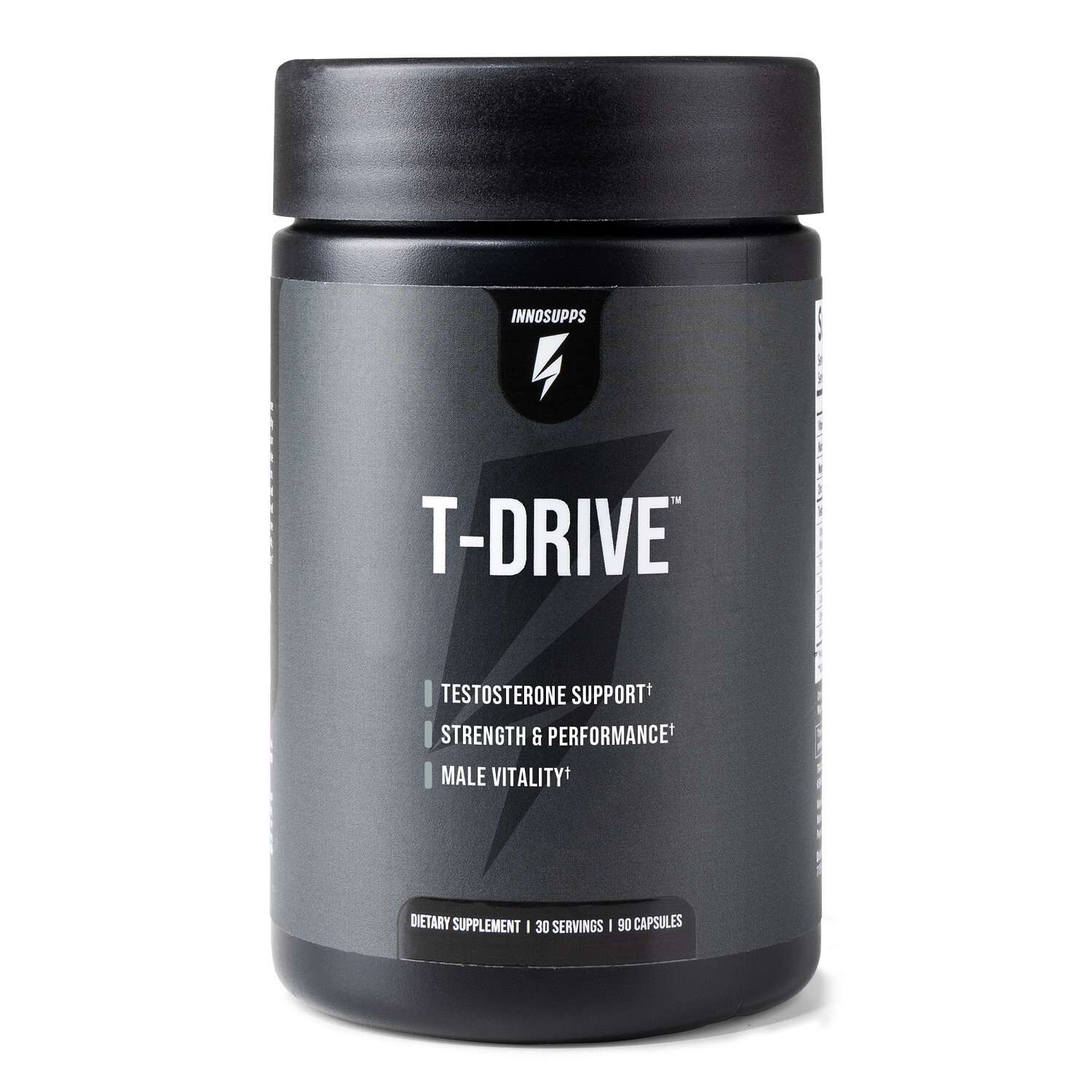 Inno Supps
 -
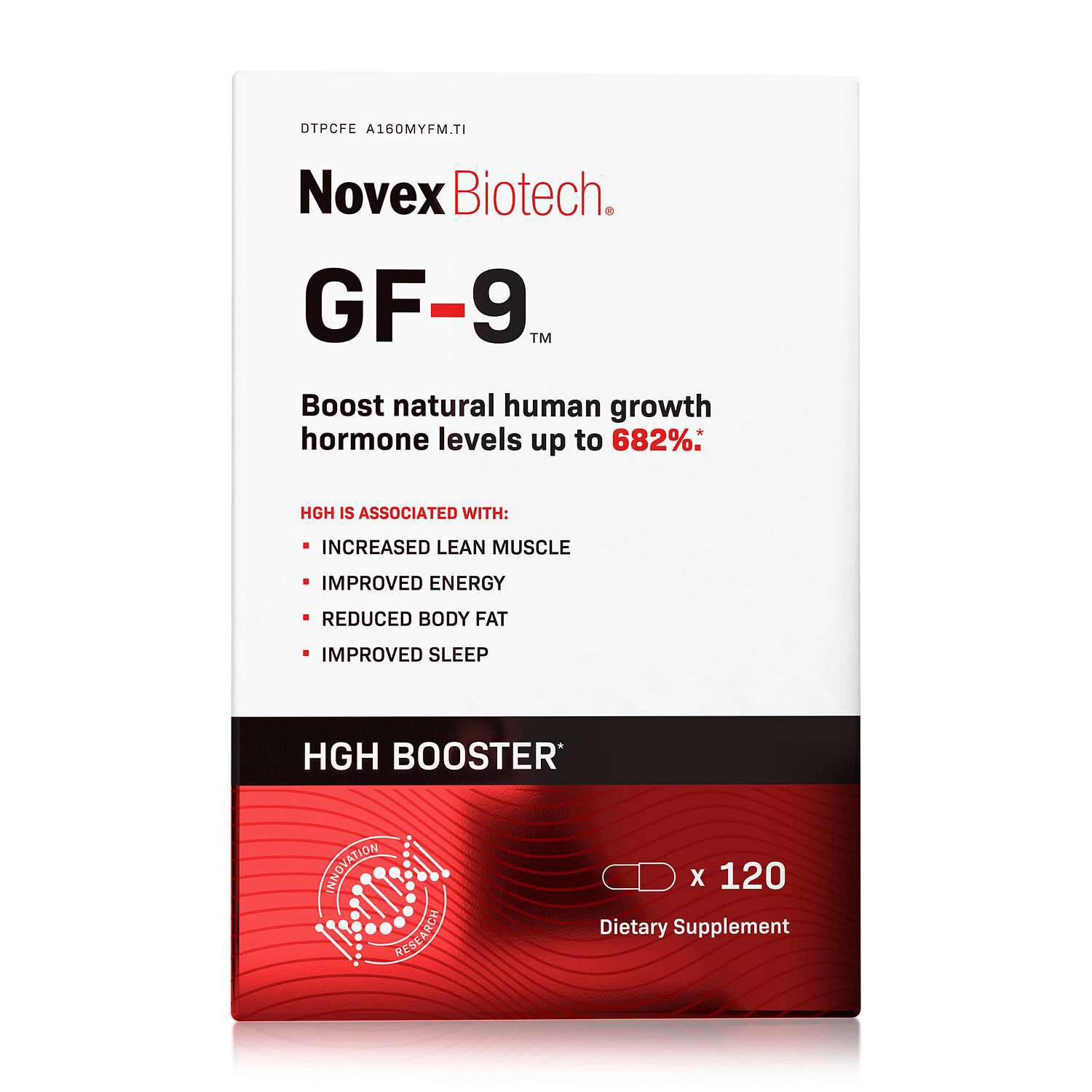 Novex Biotech
 -
 SNAP Supplements