Choline Supplements For Wellness Enthusiasts
(0 Results)
Choline supplements for wellness enthusiasts are a popular addition to many balanced routines, supporting those who prioritize overall well-being. With a variety of formats and potencies available, these supplements may fit seamlessly into your daily regimen. Whether you’re looking to complement an active lifestyle or simply exploring new ways to support your wellness journey, choline supplements for wellness enthusiasts could offer a convenient option tailored to your needs.
-
-

-
-

-

-
-
-
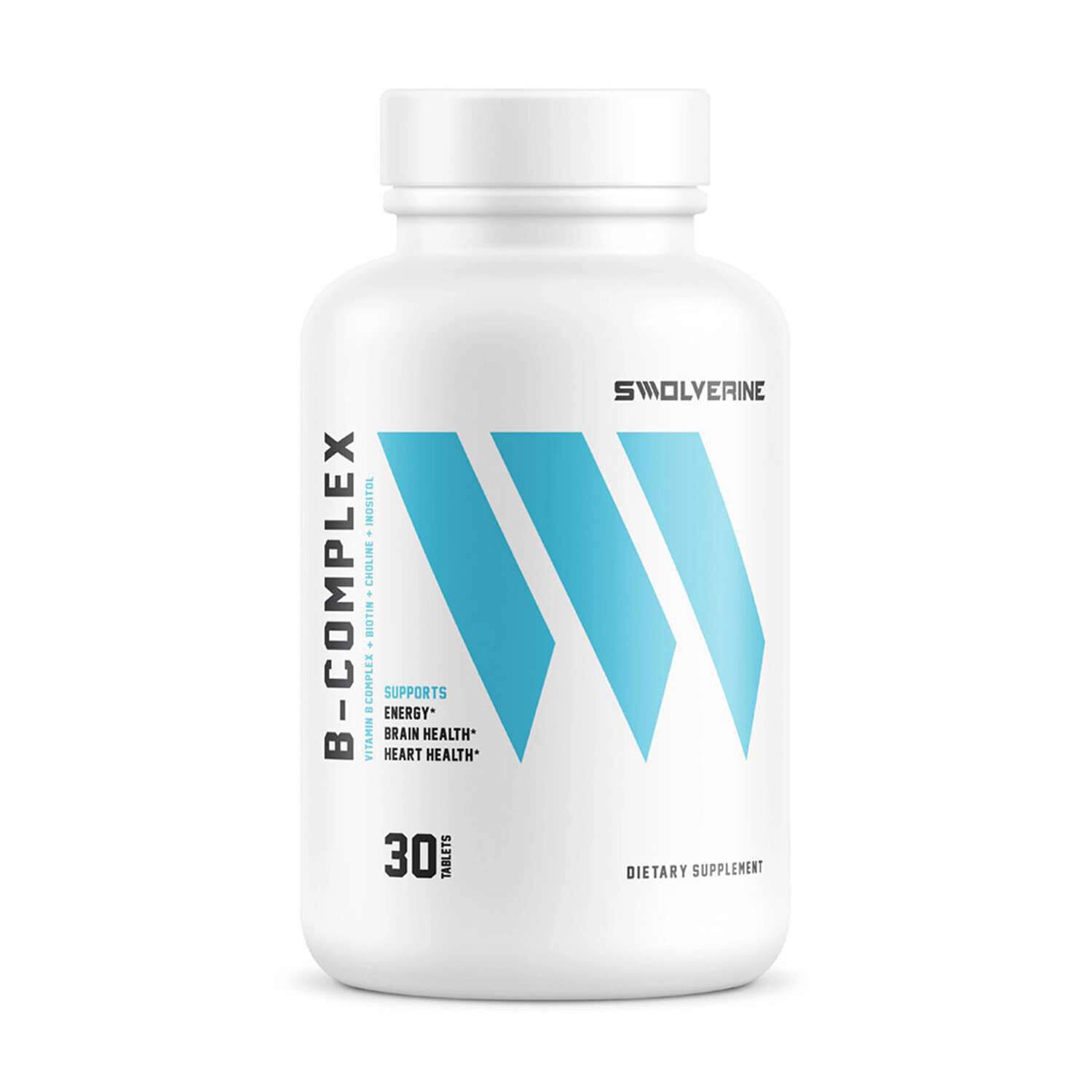
-
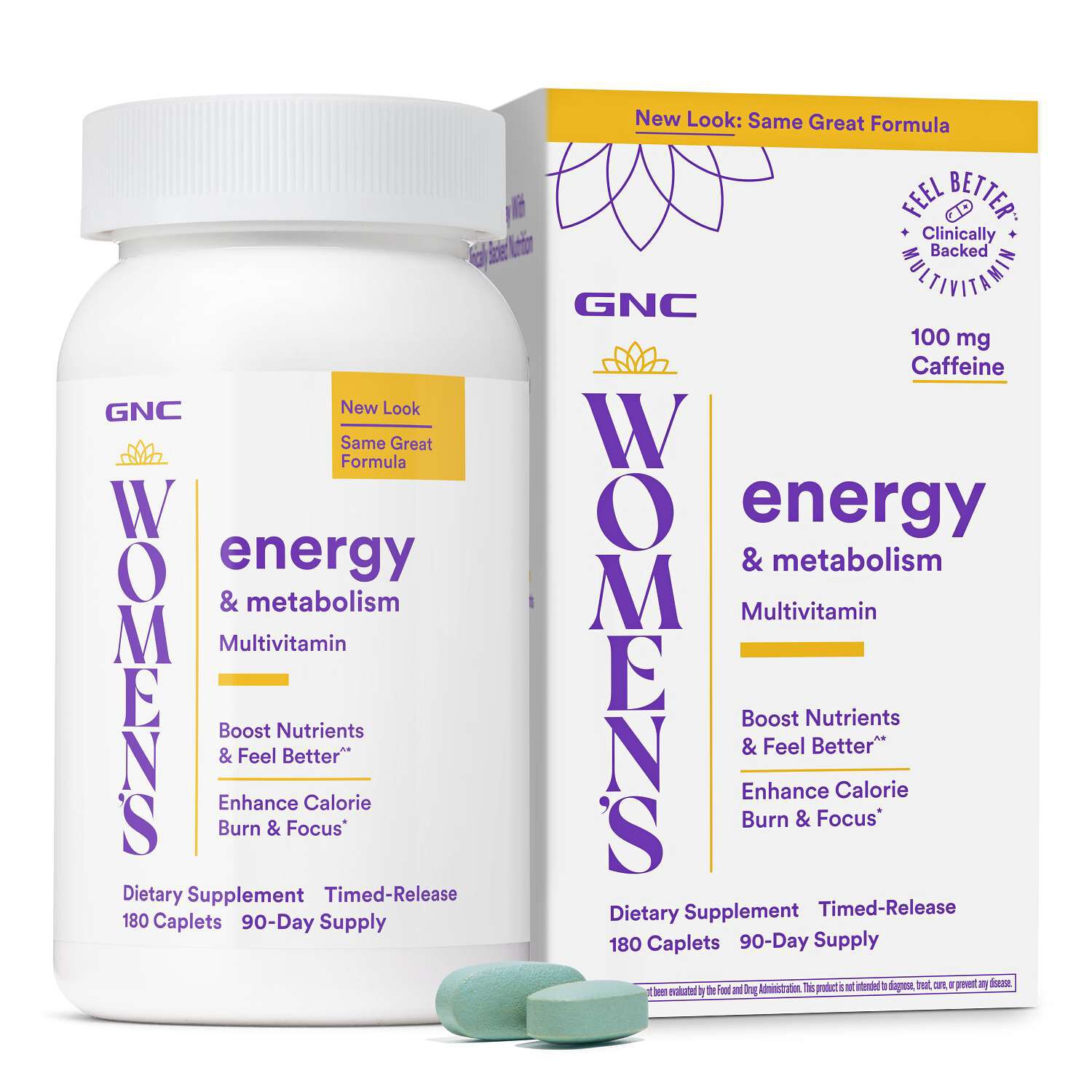
-
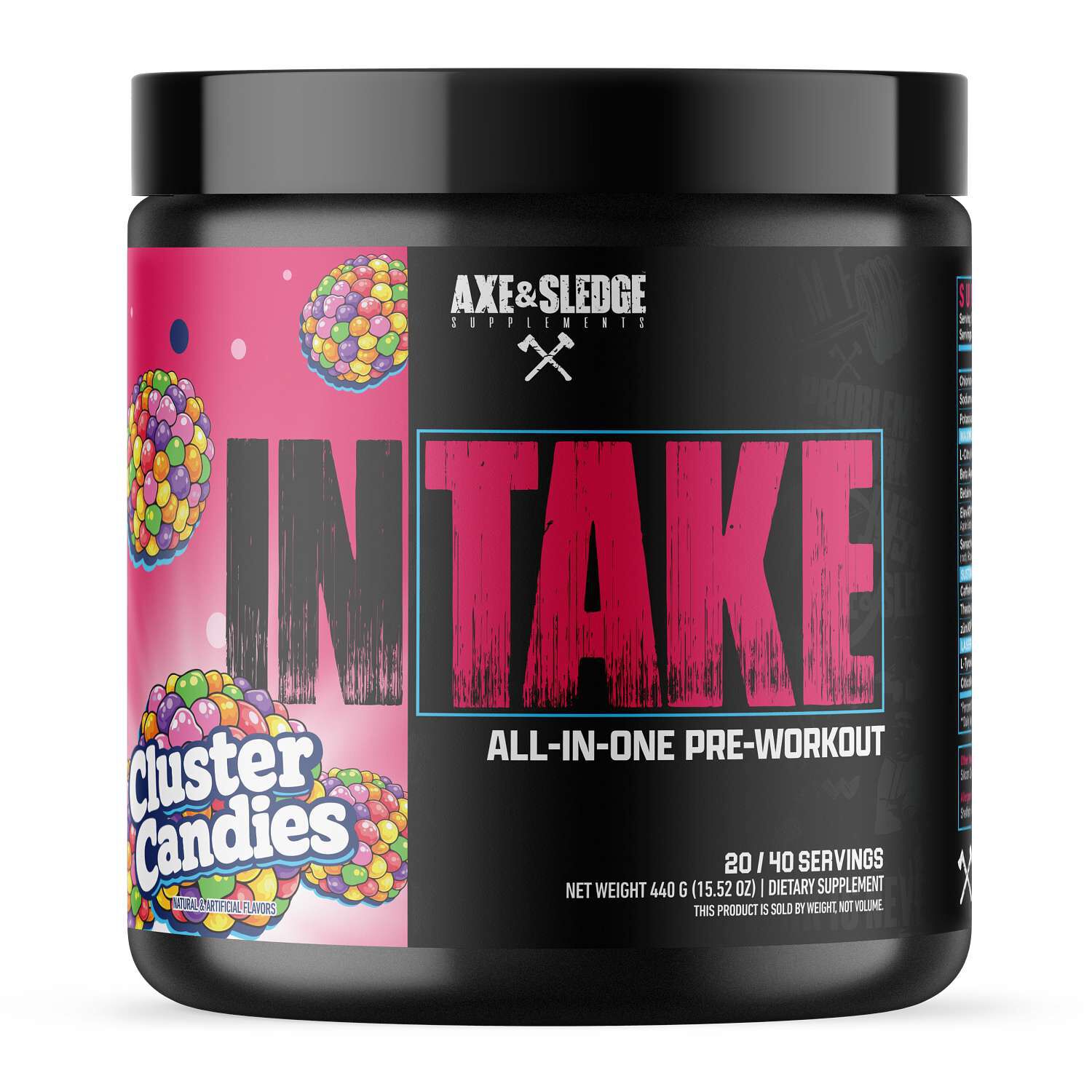 Axe & Sledge Supplements20$49.99
-
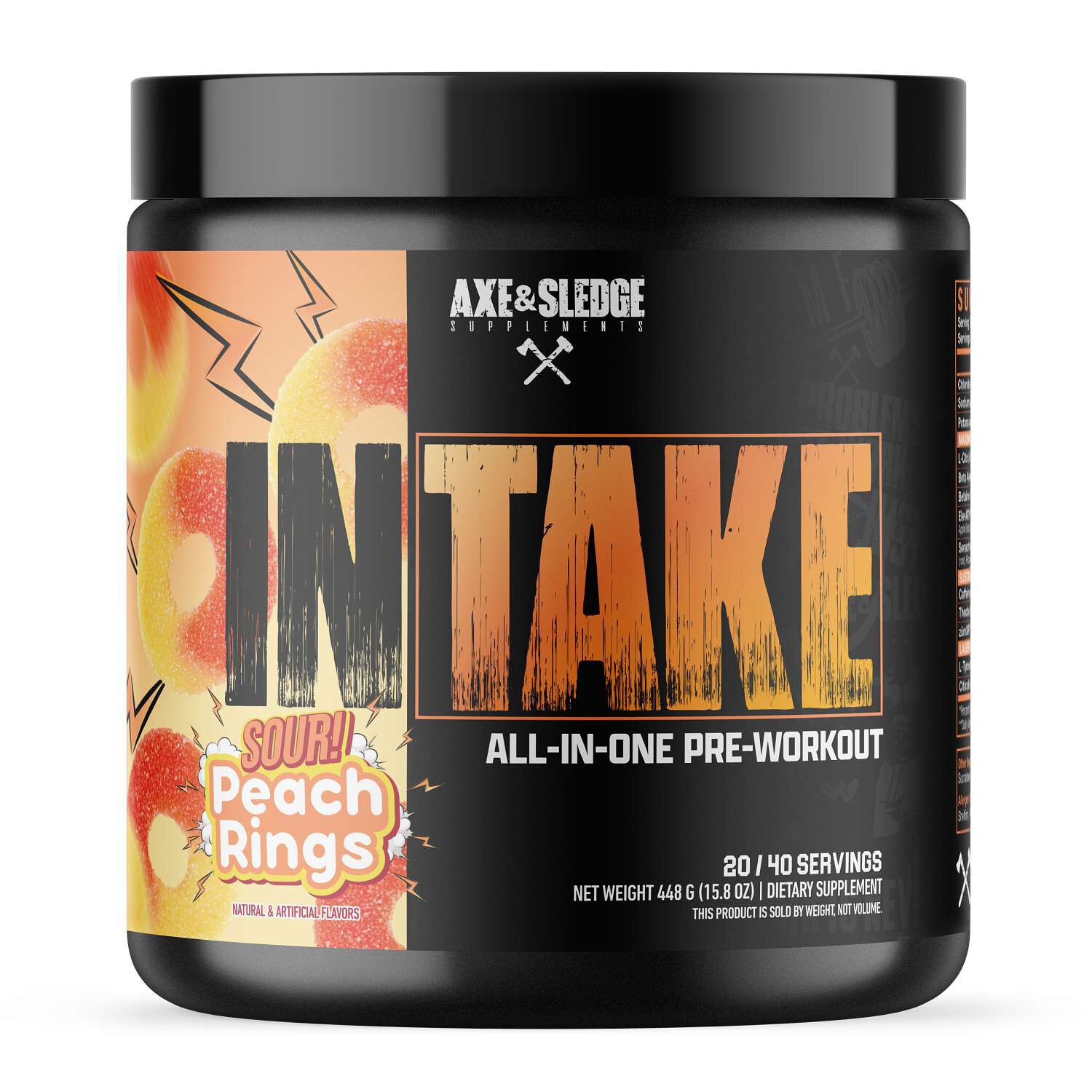 Axe & Sledge Supplements20$49.99
-
-
 Axe & Sledge Supplements3$34.99
-

-
 Basic Supplements$29.99
-
 Basic Supplements$29.99
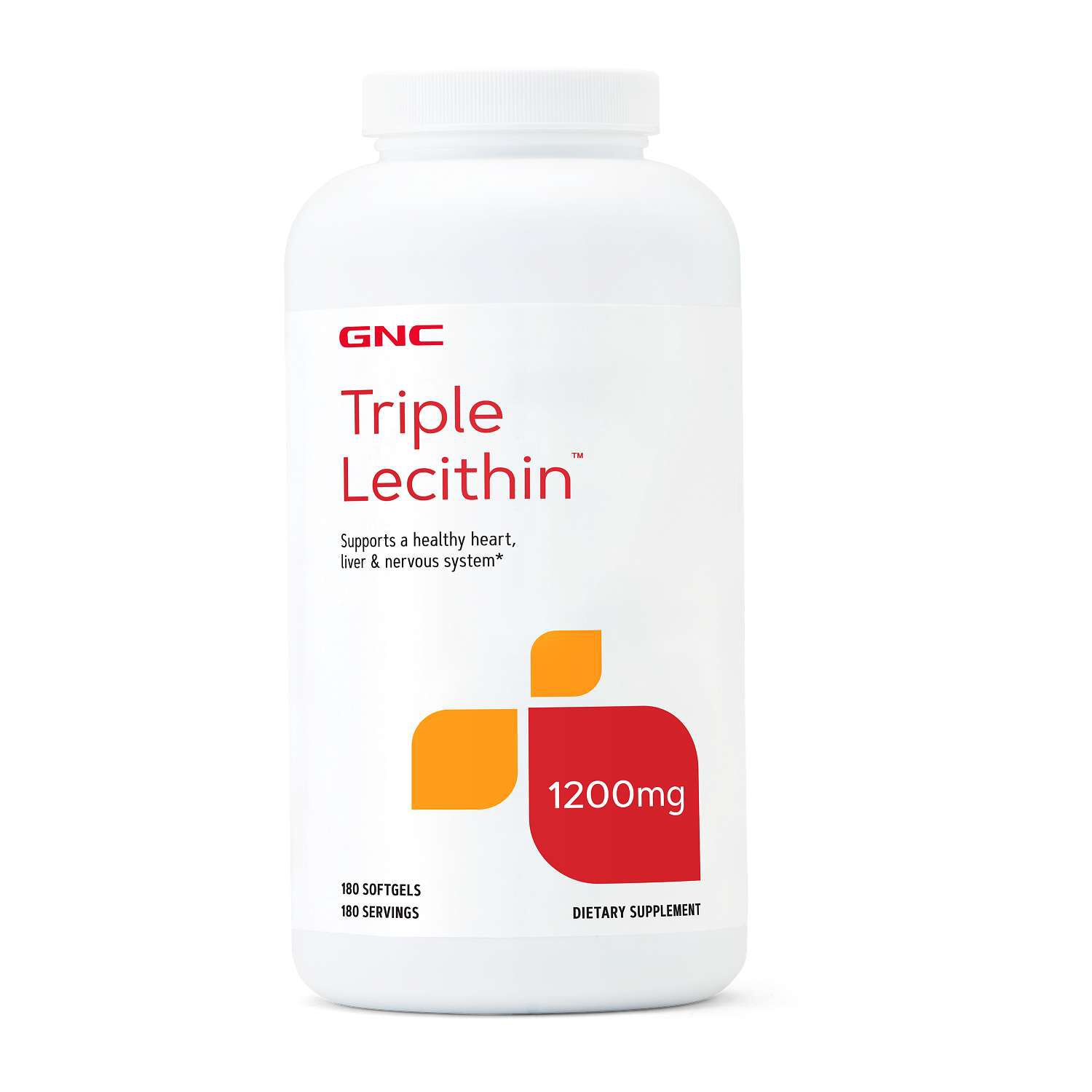
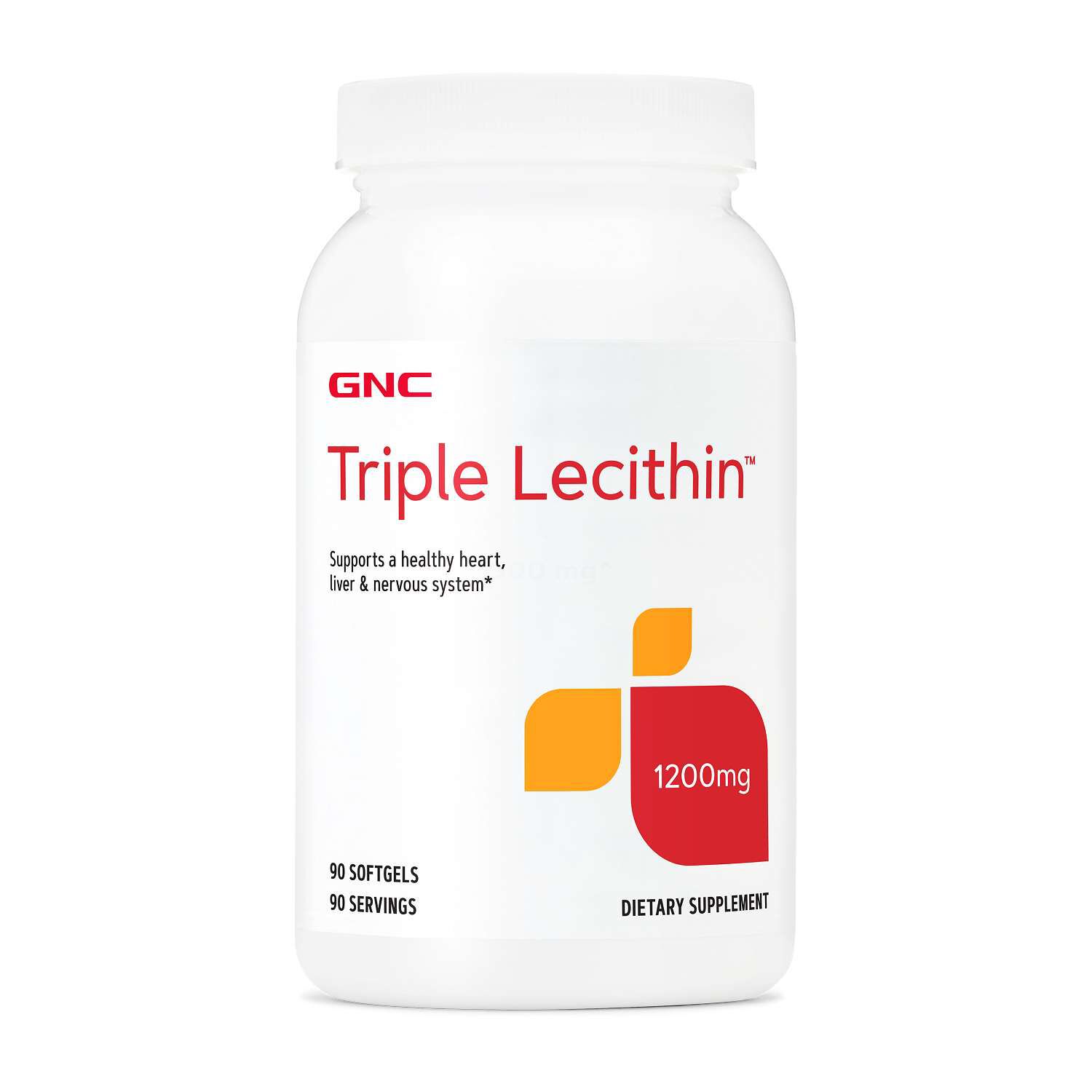
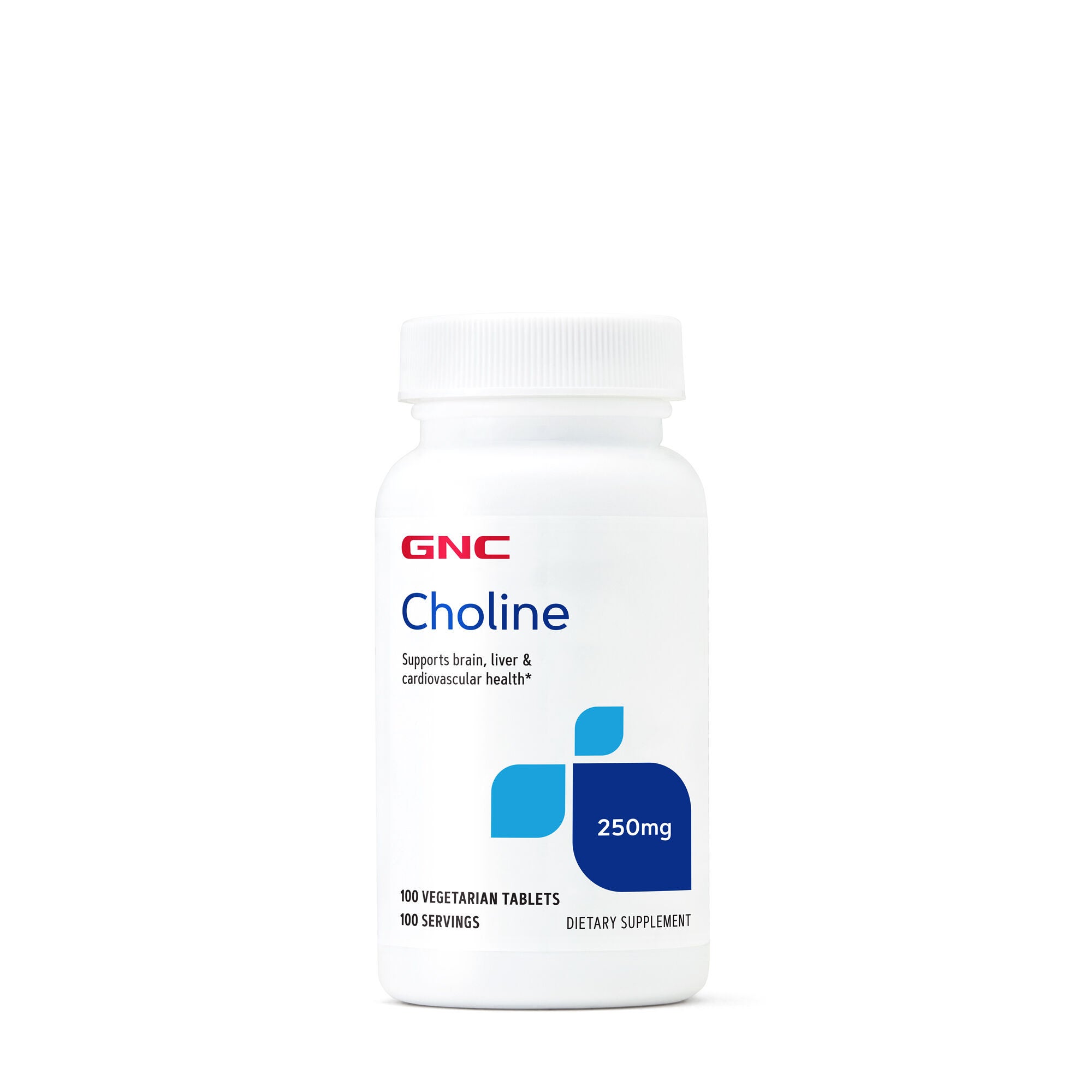
Choline supplements for wellness enthusiasts bring a familiar nutrition priority into a convenient format: paying attention to what belongs in an everyday routine. Choline is a nutrient found in foods such as eggs, fish, poultry, soybeans, and beans, and supplements provide another way to include it alongside a varied eating pattern. Interest in this category often starts with a closer look at food choices rather than a need for an elaborate supplement regimen. Someone who rarely eats eggs or fish may be curious about choline, while a shopper with an established nutrition routine may simply want to understand the differences between forms. The category includes choline bitartrate, citicoline, also called CDP-choline, and alpha-GPC, as well as formulas that combine choline with other nutrients. These names describe different ingredient forms, not interchangeable amounts of the same finished formula. The amount of a choline-containing compound is not necessarily the amount of choline it supplies, making the serving information an important point of comparison. A clearly identified ingredient form and an easy-to-read Supplement Facts panel offer more useful context than a prominent number on the front of a bottle alone. Browsing Choline Supplements with those distinctions in mind may help narrow the category to formats that fit personal preferences. For many wellness enthusiasts, the appeal is less about adding another complicated step and more about choosing something understandable: a named ingredient, a stated serving, and directions that suit the way the product is intended to be used. Supplements are intended to accompany food, not replace the variety and enjoyment of everyday meals. A breakfast of eggs and whole-grain toast, a lunch featuring beans, or a dinner with fish provides nutritional context that a bottle cannot capture on its own. That broader view keeps choline shopping grounded in an overall eating pattern rather than treating a single nutrient as the centerpiece of wellness.
The most useful differences among choline supplement formats are often practical ones. Capsules and tablets have a defined amount per unit, but the serving size may include more than one unit. A bottle containing 60 capsules, for example, does not necessarily contain 60 servings. Reading the serving size alongside the amount per serving creates a clearer comparison between formulas with different directions. Choline bitartrate, citicoline, and alpha-GPC also deserve attention by their full names; a higher number attached to one ingredient form is not, by itself, evidence that it is a better match than another. A formula featuring choline as its central ingredient offers a different shopping experience from a blend containing several nutrients, since a blend requires a closer look at every listed component. Shoppers who already use a multivitamin may find the ingredient panel especially relevant when comparing overlap across their routine. The distinction between active ingredients and other ingredients matters as well. Capsule shells may be made with gelatin or plant-derived materials, while tablets may contain binders or coatings that help create their finished shape. Those details can influence whether a format aligns with vegetarian preferences or other personal dietary choices. Allergen statements and clearly stated dietary attributes offer additional context without requiring assumptions based on the capsule’s appearance or the formula’s name. Physical size, texture, and any stated flavor are also part of the experience. A shopper who prefers a small capsule may evaluate a product differently from someone who regularly uses tablets. Images are useful for understanding packaging, but they do not always establish the dimensions of the serving format. When size matters, a listed measurement or a detailed format description is more informative. Together, ingredient form, serving amount, shell material, and format create a more meaningful picture than any one feature considered in isolation. The result is a comparison based on the actual formula and the practical details of using it.
A good fit also depends on where a supplement belongs in daily life. For a wellness enthusiast with a carefully organized breakfast routine, straightforward packaging and readable directions may matter more than a long list of added ingredients. Someone who travels regularly may place greater importance on a securely closing container, legible labeling, and a format that does not require mixing. A shopper who enjoys reviewing nutrition labels may prefer the transparency of a focused formula, while another may be comparing the convenience of a combination formula with the simplicity of keeping ingredients separate. None of these preferences makes one choline form universally better; they describe different ways of fitting a product into an existing routine. Packaging and care deserve the same attention as the ingredient panel. The original container preserves access to directions, serving information, lot details, and the printed date, all of which can be harder to track once capsules or tablets are moved elsewhere. Storage requirements vary, so the label is the appropriate reference for handling the particular formula. A securely fastened lid and protection from moisture are practical considerations for many capsule and tablet formats, especially in spaces where containers are frequently opened or moved. Unlike a durable piece of fitness equipment, a supplement is a consumable product, making its stated storage conditions and dated labeling more relevant than long-term wear. The clearest product descriptions distinguish what the formula contains from what shoppers might hope to experience. Choline content alone does not establish a particular outcome, and a familiar ingredient name is not a substitute for detailed labeling. Within this category, thoughtful selection comes down to a few tangible qualities: an understandable form of choline, a clearly stated serving, ingredients that align with personal preferences, and packaging suited to the intended use. Those details make choline supplements easier to evaluate as one part of a considered wellness routine, alongside varied meals, enjoyable movement, and everyday habits that have room to last.