Choline Supplements For Healthy Lifestyle
(0 Results)
Choline supplements for healthy lifestyle are a popular choice for those looking to support their overall wellness routine. Incorporating choline into your daily regimen may help you stay on track with your health goals. Whether you’re seeking to complement your balanced diet or enhance your supplement stack, exploring choline supplements for healthy lifestyle could be a convenient way to prioritize your wellbeing every day.
-
-

-
-

-

-
-
-
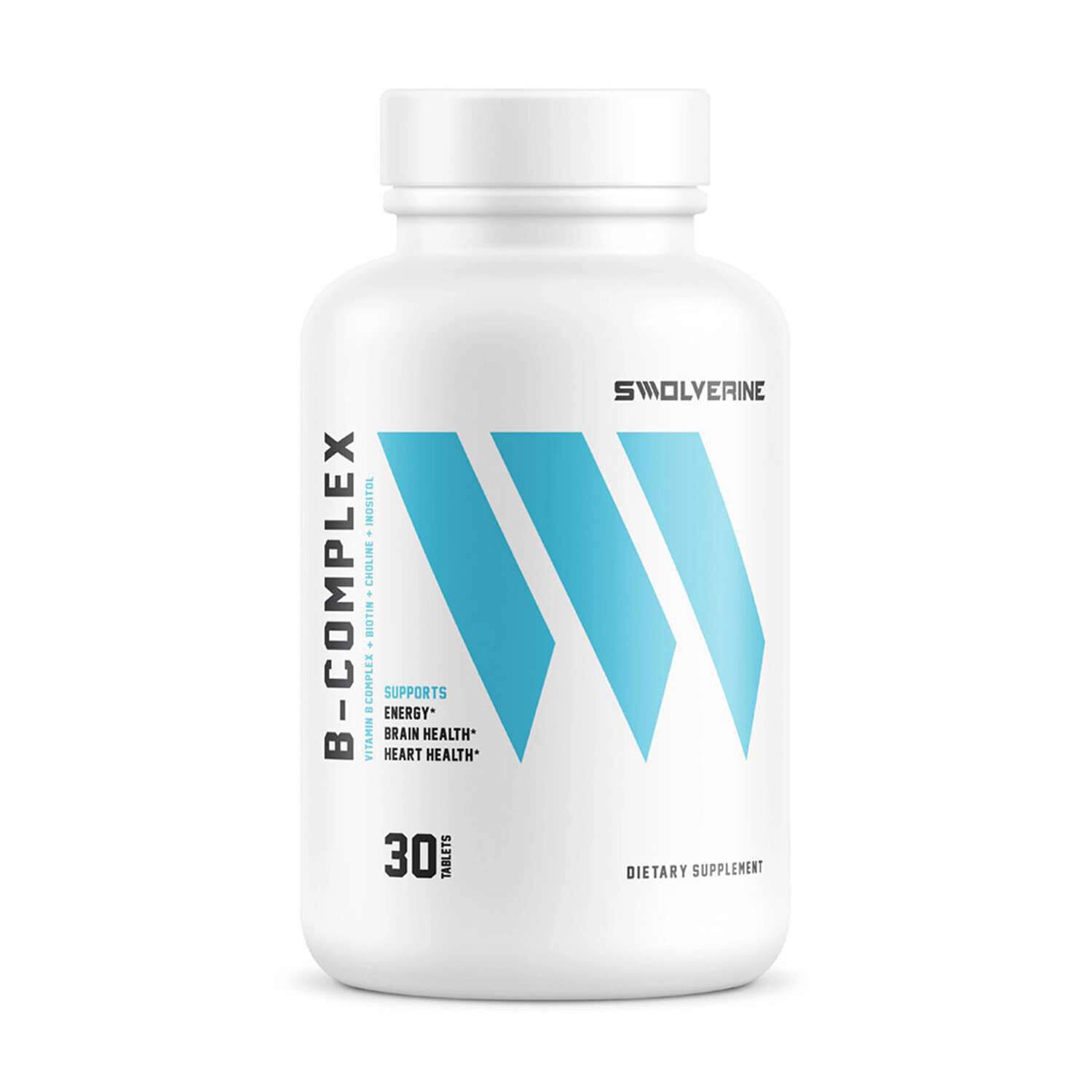
-

-
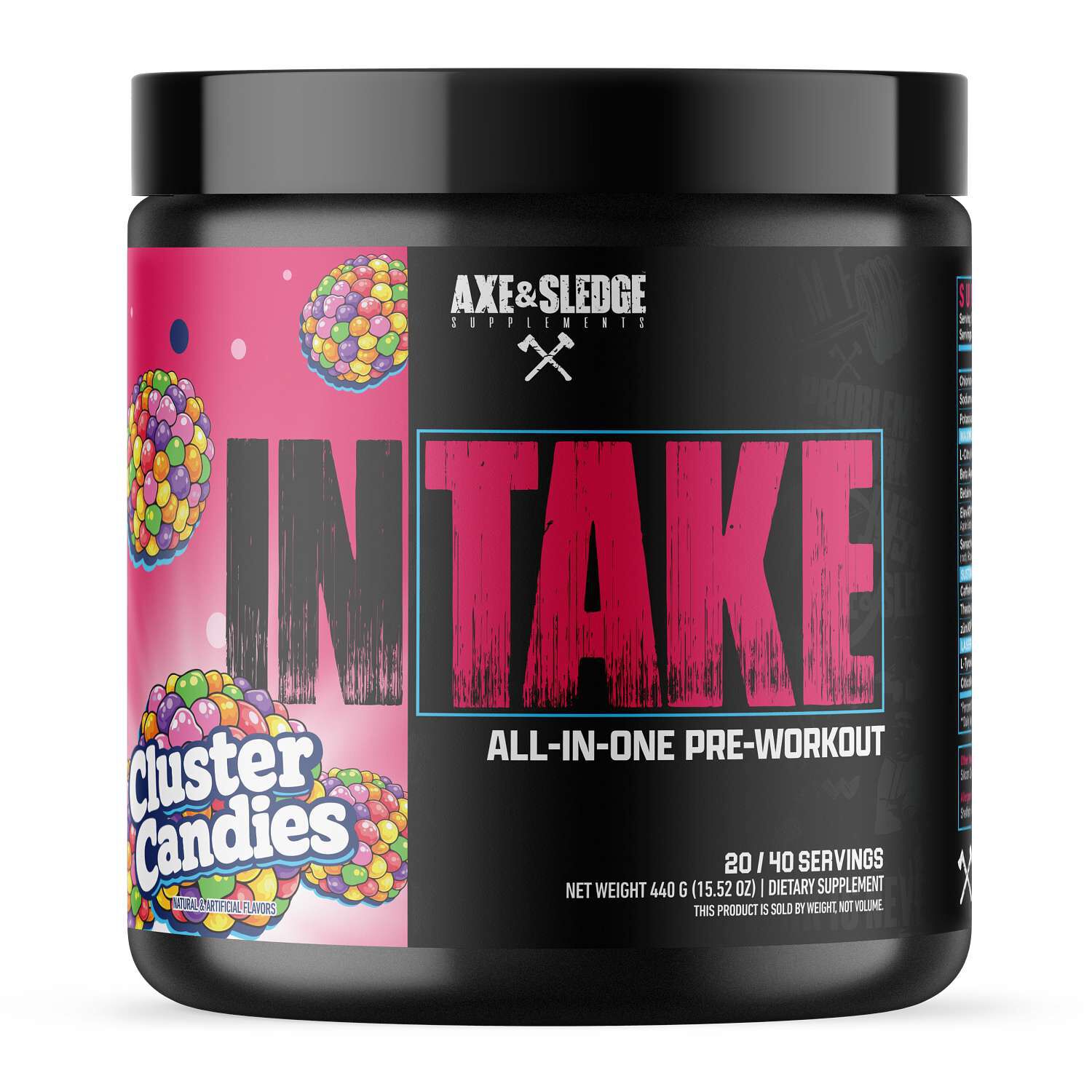 Axe & Sledge Supplements20$49.99
-
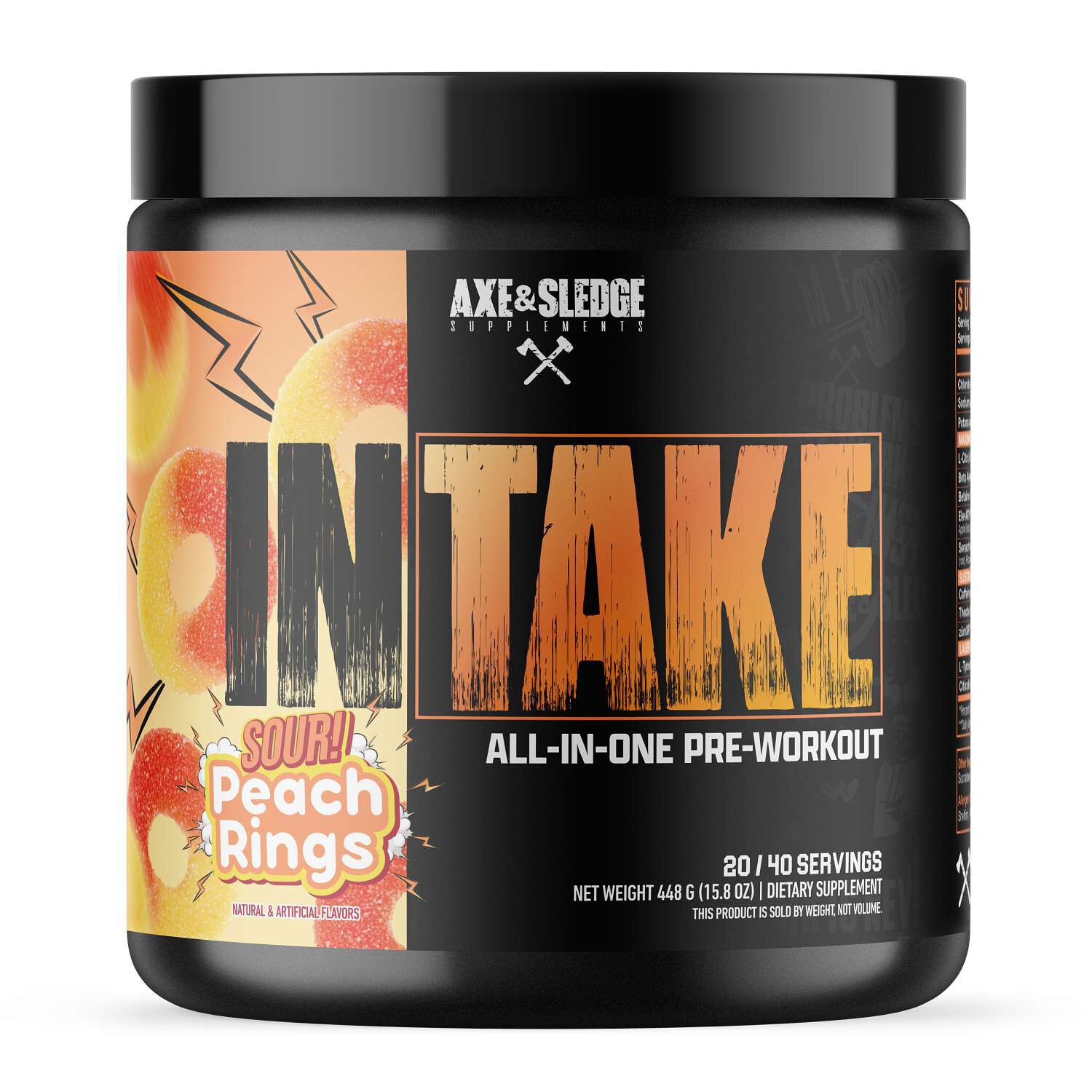 Axe & Sledge Supplements20$49.99
-
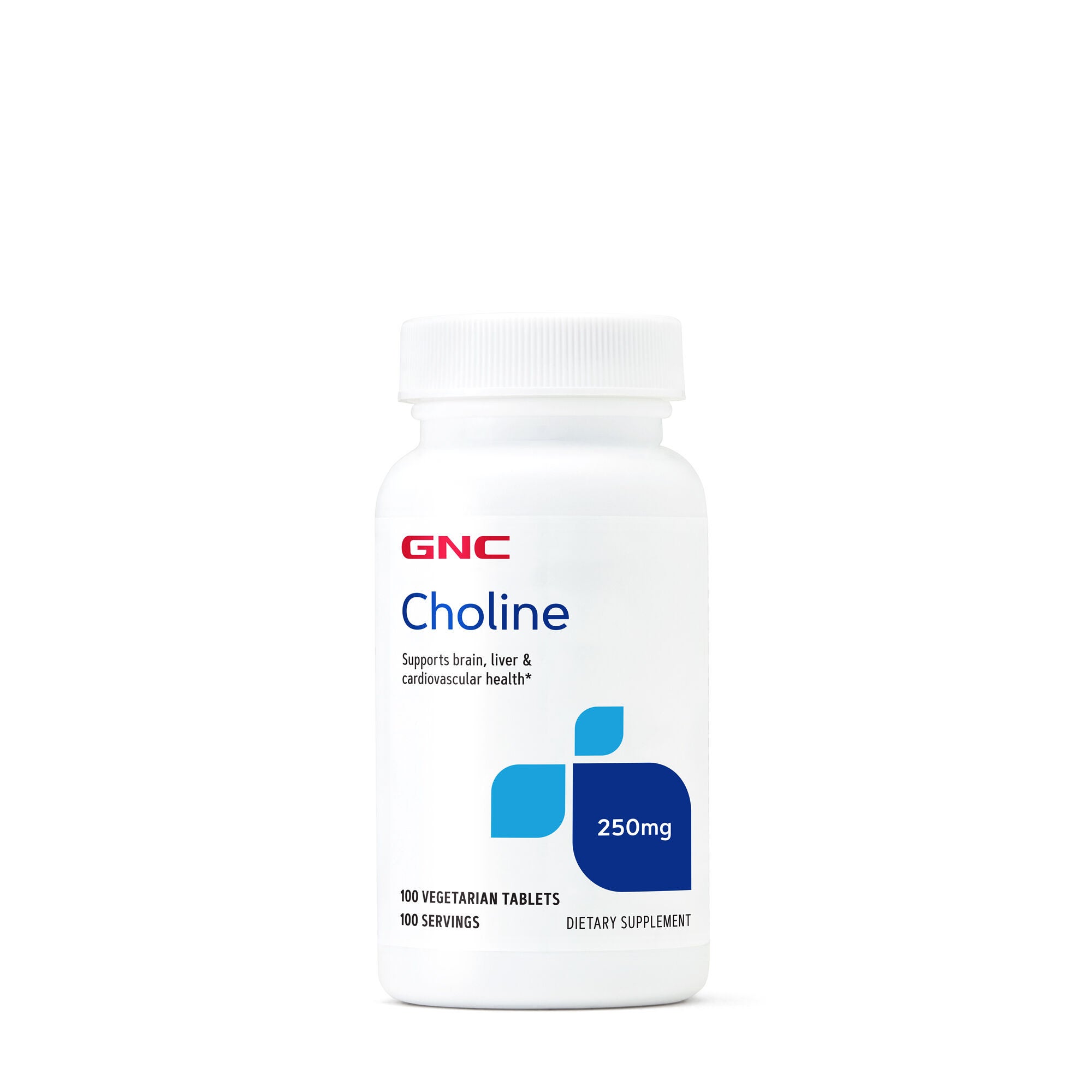
-
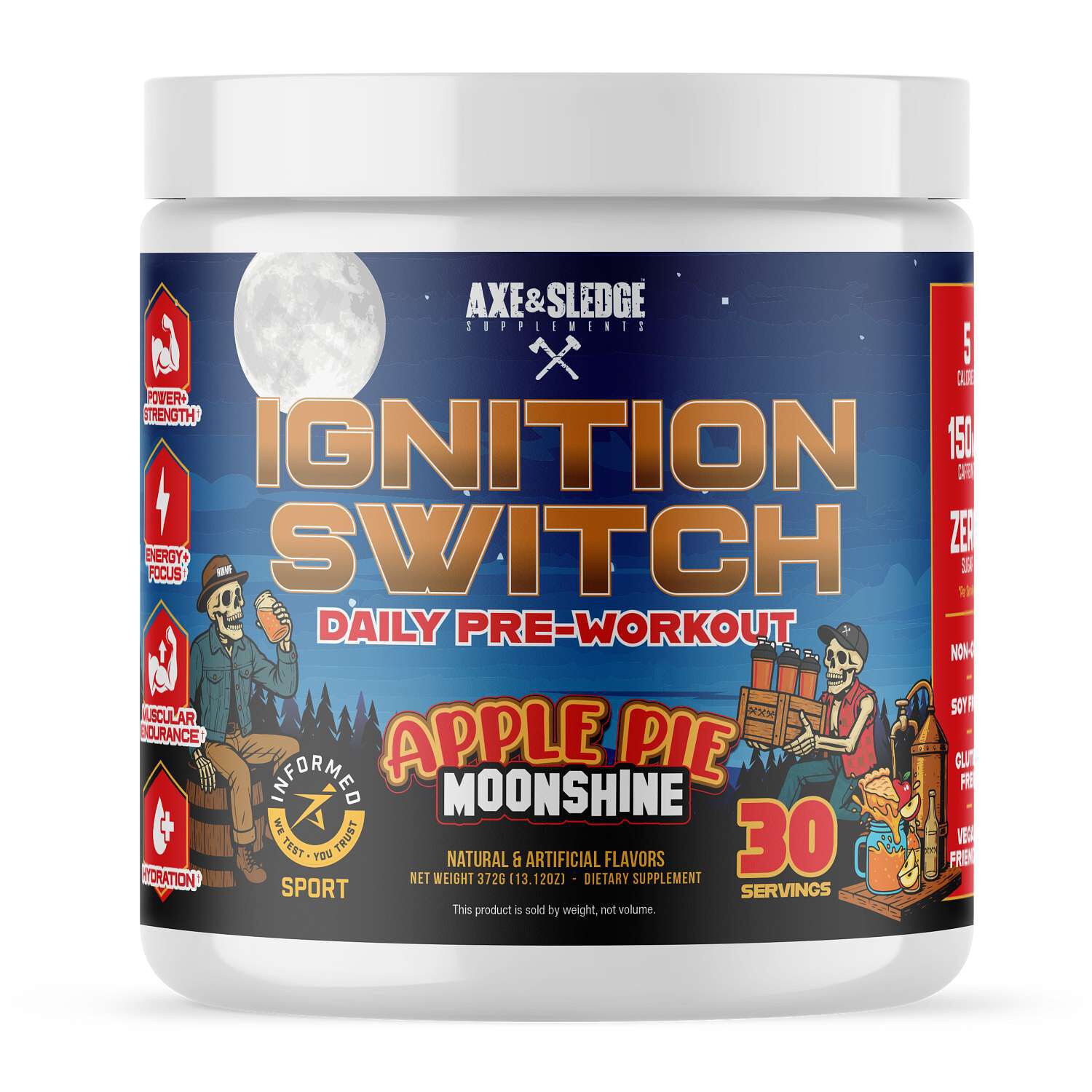 Axe & Sledge Supplements3$34.99
-

-
 Basic Supplements$29.99
Choline supplements for a healthy lifestyle may complement a varied eating pattern when everyday meals do not consistently include choline-containing foods. Choline is a nutrient present in eggs, fish, poultry, beef, dairy foods, soybeans, and other foods, with the amount varying by food and portion. The body produces some choline, while food contributes additional amounts. In the body, choline is a component of compounds found in cell membranes and is used to make acetylcholine, a chemical messenger involved in nerve communication. Those roles provide context for interest in this nutrient, but they do not mean that every supplement produces a noticeable change in how someone feels. For adults comparing choline supplements, a useful starting point is the connection between everyday food choices and a manageable routine. Someone whose breakfast alternates between eggs and oatmeal, for example, may have a different pattern of dietary intake than someone who regularly chooses tofu, yogurt, or fish. A supplement may offer another way to include choline alongside those foods, rather than serve as a substitute for a varied menu. Common label names include choline bitartrate, phosphatidylcholine, and CDP-choline, also known as citicoline. These names describe different compounds, so two bottles with similar front-label wording are not necessarily identical in composition or serving size. Choline bitartrate combines choline with tartaric acid, while phosphatidylcholine is a phospholipid that contains choline as part of its structure. Citicoline is another choline-containing compound with its own ingredient identity. The amount of a named compound and the amount of choline listed per serving are not always the same figure. Reading the Supplement Facts panel and ingredient list together may make these distinctions easier to understand. The form, serving size, and other ingredients offer more meaningful context than a large number on the front of a package.
Format is another practical part of comparing choline supplements, especially when the goal is a routine that fits comfortably into an ordinary day. Capsules, tablets, softgels, and liquids differ in texture, dimensions, preparation, and packaging. A person who prefers a familiar capsule format may focus on capsule size and the number included in each labeled serving. Someone comparing liquids may pay closer attention to flavoring ingredients, measuring instructions, and whether the container includes a marked measuring device. A serving is not always one capsule, one softgel, or one dropper, making the serving-size line particularly useful when comparing formats. Capsule shells and softgel materials also deserve a look. Gelatin and plant-derived capsule materials represent different preferences, and a plant-derived shell does not by itself establish that every ingredient in the formula is plant-derived. Phosphatidylcholine ingredients may come from sources such as soy or sunflower lecithin, so ingredient sourcing matters for shoppers with specific dietary preferences. Allergen statements provide another point of comparison, alongside flavorings, colors, and other ingredients used to make the finished supplement. Single-ingredient formulas and blends also present different label-reading tasks: one centers on a named nutrient or compound, while the other includes additional ingredients to review. Packaging and storage deserve the same attention as the formula itself. A secure lid, a readable expiration date, and clear storage directions are useful details for a bottle that will be opened repeatedly. A steamy bathroom shelf or a bag left in a hot vehicle may not match the conditions described on the label. Original packaging retains the ingredient information, serving directions, lot identification, and storage instructions in one place. For travel or a busy household, those details may make the container easier to identify and distinguish from other supplements without relying on capsule appearance alone.
The intended use for choline supplements is best understood within the broader pattern of meals, personal preferences, and daily habits. Adults interested in nutrition may compare this category because their menus vary, because they prefer a particular supplement format, or because they are taking a closer look at nutrients already present in their food. An office worker who packs lunch, a student who prepares simple meals, and an active adult with a regular exercise schedule may each approach the category differently. None of those routines, on its own, establishes a need for supplementation or a particular serving amount. Everyday fit is more concrete: whether the label is easy to read, whether the format matches personal preferences, and whether the serving directions are practical within an existing schedule. A breakfast checklist or a consistent place for the original bottle may be more useful for organization than an elaborate routine with several steps. When comparing choline with other supplements already in use, ingredient lists provide a way to identify repeated ingredients without assuming that separate bottles always serve separate purposes. Names also matter here, since a choline-containing compound may appear under wording that differs from the category name on the front label. For shoppers who enjoy comparing formats and ingredient details, Choline Supplements For Wellness Enthusiasts offers a related place to browse. Across the category, useful distinctions remain grounded in the label: the named form, the amount per serving, the number of capsules or measured quantity in that serving, the ingredient sources, and the storage directions. Choline supplements may have a place alongside thoughtful food choices, but the most suitable format is a personal consideration rather than a universal answer. Clear labeling and a realistic view of everyday use may make the comparison more straightforward, keeping attention on what is in the container and how it fits into an established lifestyle.