Vitamins And Supplements With Choline
(0 Results)
Discover a wide selection of vitamins and supplements rich in choline, a vital nutrient that plays a crucial role in various bodily functions. From supporting brain health and cognitive function to aiding in metabolism and liver function, choline is essential for overall well-being. Explore our range of high-quality products designed to help you meet your daily choline needs and enhance your health and wellness routine.


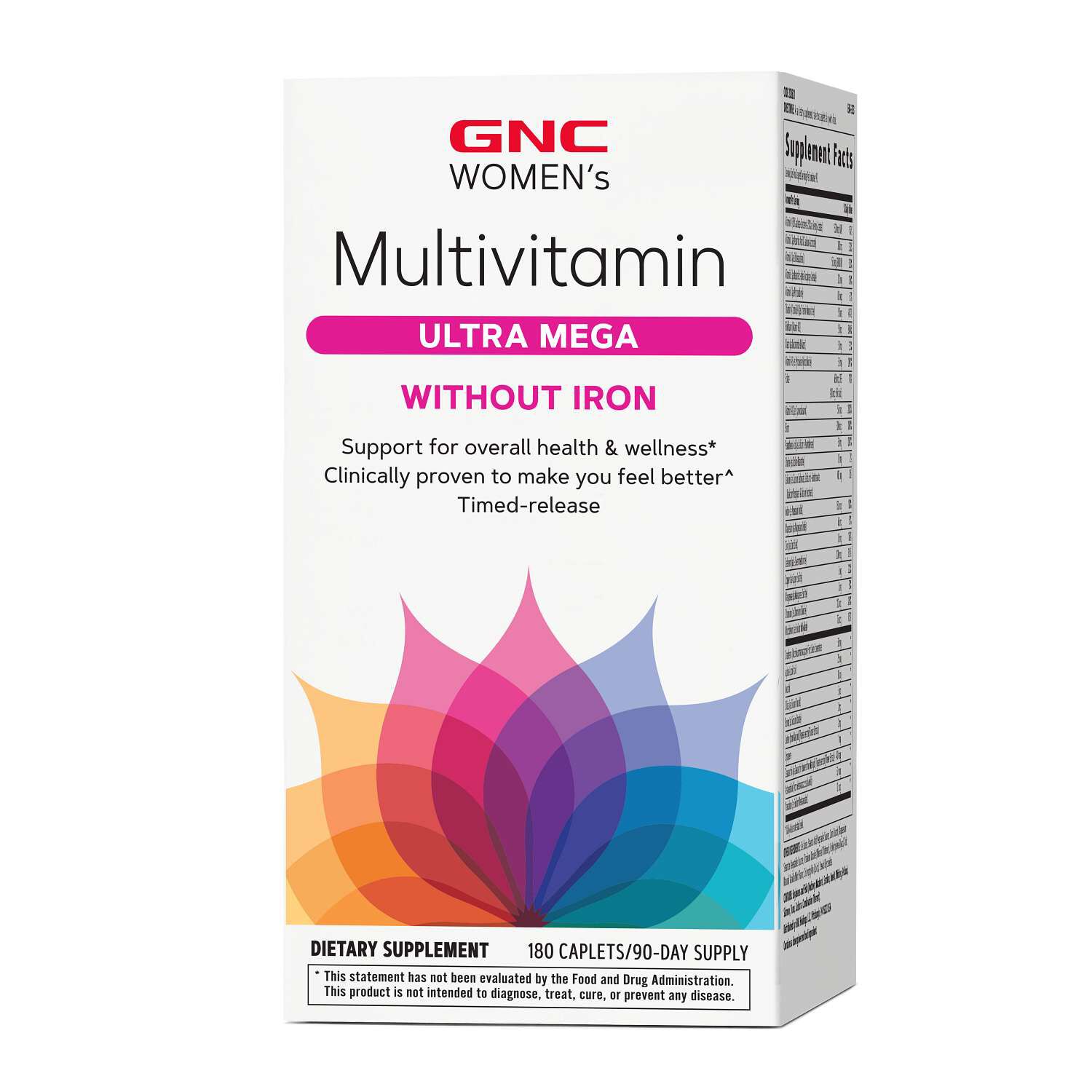
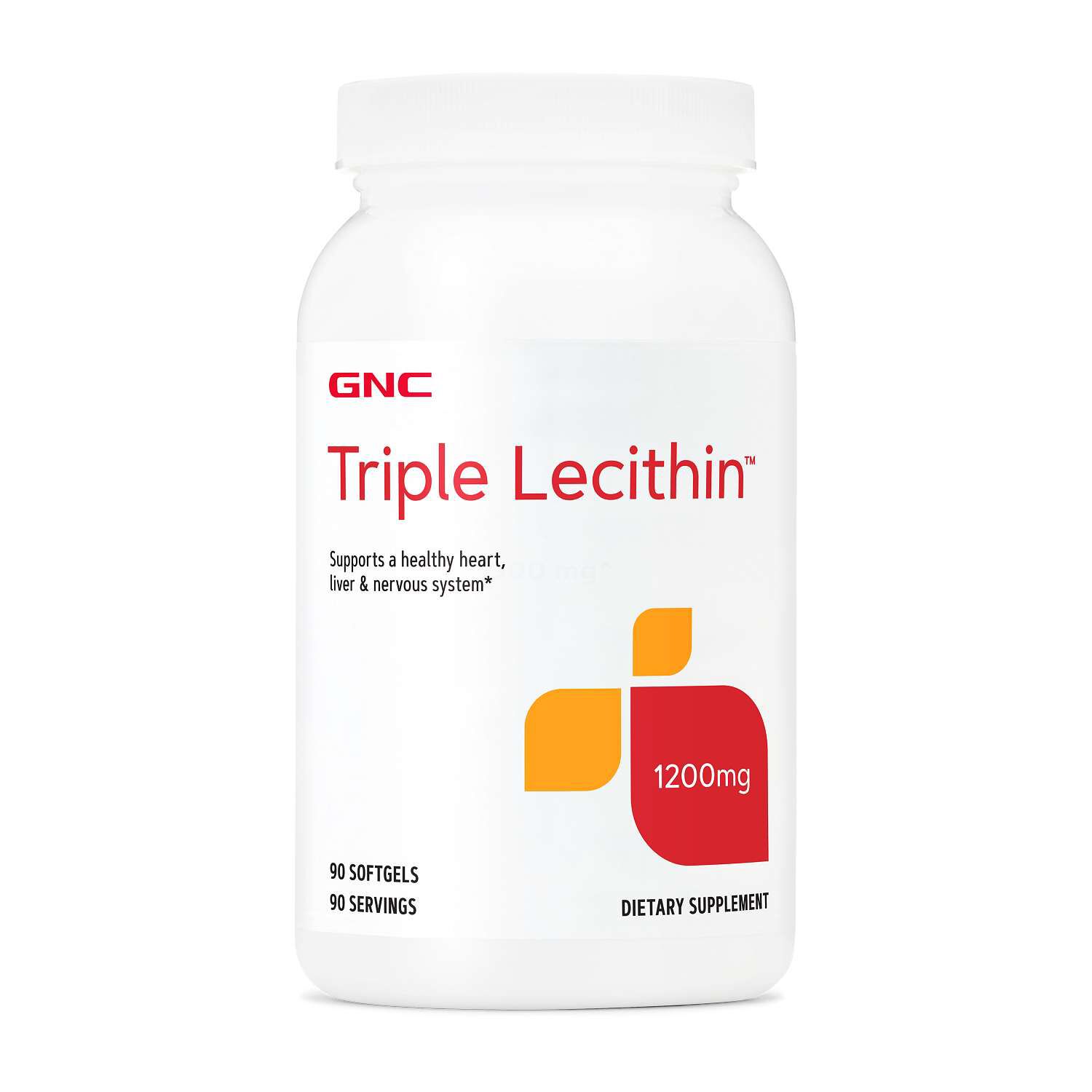
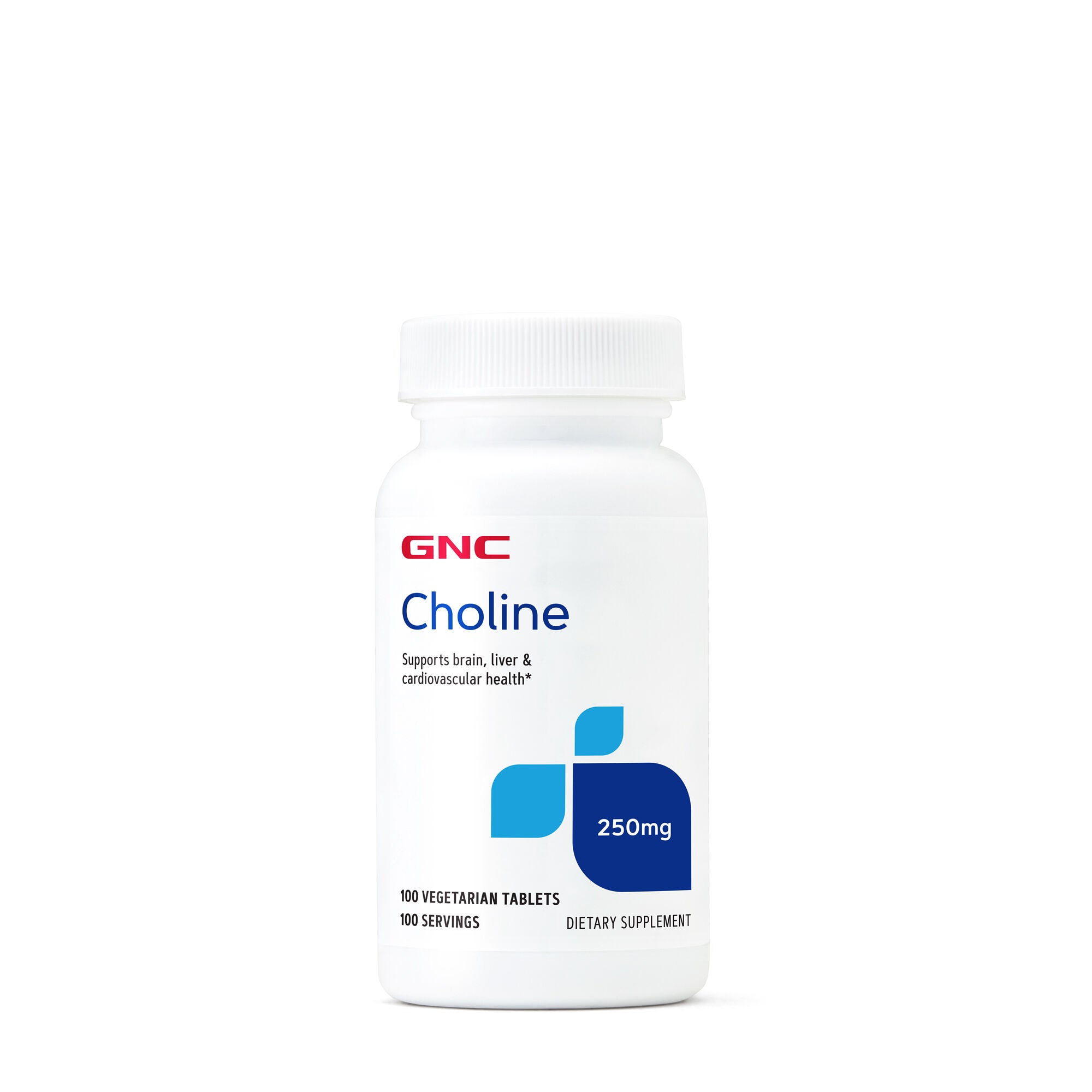
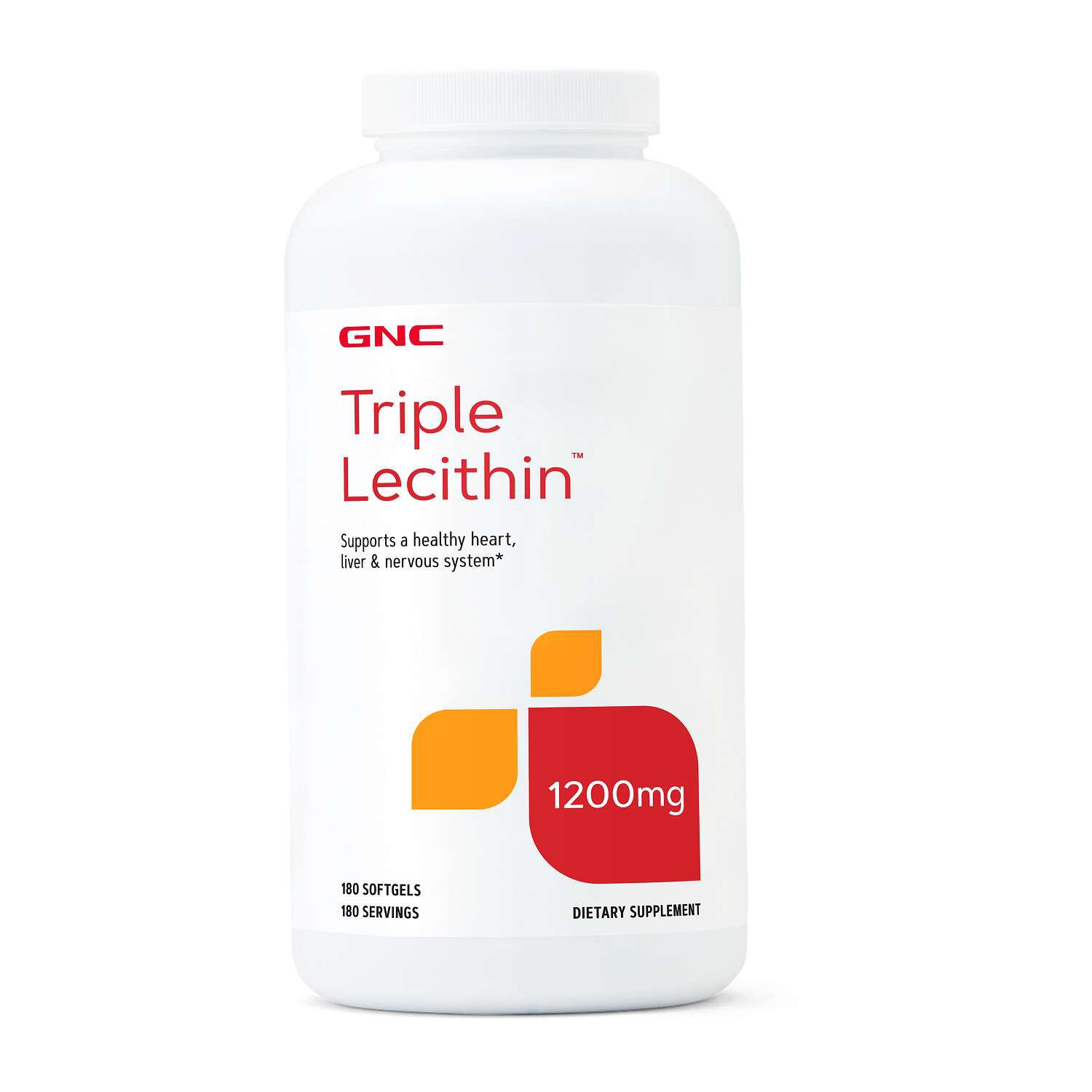

Vitamins and supplements with choline bring together several kinds of nutritional formulas, from multivitamins that include choline alongside other nutrients to supplements centered on choline itself. Choline is a dietary nutrient found in foods such as eggs, fish, meat, soybeans, and certain vegetables. Although it often appears alongside B vitamins in supplement formulas, it is a distinct nutrient rather than another name for a B vitamin. That distinction matters when comparing labels: a B-complex formula does not necessarily contain choline, and neither does every multivitamin. Within this category, familiar ingredient names include choline bitartrate, citicoline, alpha-GPC, and phosphatidylcholine. Choline bitartrate is a salt form of choline, while citicoline is also known as CDP-choline. Alpha-GPC stands for alpha-glycerylphosphorylcholine, and phosphatidylcholine is a choline-containing phospholipid that can be found in lecithin. These names describe different ingredients, not interchangeable serving amounts. Lecithin, for example, is a mixture of phospholipids rather than another name for pure choline, and it can come from sources such as soy or sunflower. A label listing a certain weight of lecithin does not mean that the same weight is choline. The same distinction between an ingredient’s weight and its choline contribution matters when comparing other forms. Some formulas identify choline as a nutrient and list its source in parentheses; others list a compound by name with an amount for that ingredient. This makes the Supplement Facts panel more useful than the front label alone. For someone browsing vitamins with choline, the central difference is often the formula’s scope: a multivitamin combines choline with a broader assortment of vitamins and minerals, while a choline-focused supplement places greater emphasis on a particular ingredient or combination. Neither format tells the whole story without the serving information. The ingredient form, declared amount, and number of capsules or tablets per serving give a clearer picture of what each formula contains. Those details also help distinguish similarly named supplements that have different compositions, even when their packaging highlights the same nutrient.
Comparing choline supplements starts with reading amounts on the same basis. The serving size might be one capsule, two tablets, or a measured portion of another format, so the amount shown per serving is not always the amount in one piece. A bottle’s capsule count and its number of servings are different measurements, too. For example, a container with 60 capsules and a two-capsule serving provides 30 labeled servings. That simple distinction is useful for anyone organizing a daily supplement routine or deciding how much cabinet space to set aside. Milligrams, abbreviated mg, describe ingredient amounts; a percent Daily Value, when shown, provides a separate reference point. A Daily Value is a standardized labeling reference, not an individualized intake recommendation. If one panel lists choline and another lists a choline-containing compound, comparing the printed milligram figures alone can be misleading because they may refer to different substances. Look for wording that identifies the source and clarifies the amount being declared. With multivitamins containing choline, the surrounding ingredients deserve equal attention. Two formulas can include choline while differing substantially in their vitamins, minerals, botanical ingredients, or other components. Someone who already uses a multivitamin may want a clear view of ingredient overlap rather than choosing by the largest number on the label. The Other Ingredients section adds another layer of detail, identifying materials used for capsule shells, tablet coatings, flavoring, or texture. Capsule shells may use gelatin or plant-derived materials, and a choline ingredient’s source does not automatically establish the suitability of the entire formula for a particular eating preference. Likewise, sunflower-derived lecithin and soy-derived lecithin have different source descriptions, but those descriptions do not replace a review of the full ingredient list and allergen statement. For flavored or chewable formats, when offered, sweeteners and serving instructions are additional points of comparison. These practical details make it easier to distinguish formulas by composition and everyday handling rather than by packaging language or assumptions about a familiar ingredient name.
The most relevant format also depends on how a supplement fits into an ordinary day. A shopper who prefers a single multivitamin format may look for choline within a broader nutrient assortment, while someone seeking a narrower ingredient list may compare choline-focused formulas. Capsules and tablets have different dimensions, coatings, and textures, so package descriptions can matter as much as the ingredient panel when considering personal preferences. A measured powder or liquid, when offered, introduces different handling requirements, including the measuring tool and any preparation directions printed on the package. A serving that involves several pieces can feel quite different from one measured portion, even when both labels feature choline. For shoppers browsing by a particular area of interest, the Choline Supplements For Focus And Concentration collection provides another way to explore this nutrient category while keeping attention on each formula’s actual ingredients and labeled use. A collection name alone does not describe every ingredient in a formula or establish how someone will experience it. Beyond format, storage and packaging deserve a place in the comparison. The original container keeps the ingredient list, directions, lot information, and expiration date together, which is useful when revisiting a label after the first purchase. Secure closures and storage away from moisture help protect the contents during everyday handling; any specific storage directions on the package take priority. A damp bathroom shelf and a dry cabinet offer different conditions, and a bottle that closes properly is easier to maintain as directed. When reviewing vitamins and supplements with choline, intended use is best understood through the package’s audience information, directions, and formula description rather than through assumptions about the nutrient. Supplements are intended to complement an eating pattern, not stand in for the variety of foods that contain choline and other nutrients. A thoughtful comparison brings those details together: what form of choline is listed, what the stated amount represents, what else the formula contains, and how the format suits personal preferences. That approach keeps the choice grounded in identifiable product characteristics rather than treating every choline-containing supplement as the same.