Choline Supplements For Focus And Concentration
(0 Results)
Choline supplements for focus and concentration are gaining attention as a potential way to support mental clarity and cognitive performance. Choline is an essential nutrient that plays a key role in various bodily functions, including brain health. Whether you’re looking to stay sharp at work, power through your studies, or simply support your overall wellness routine, exploring choline supplements for focus and concentration could be a step toward helping you feel your best each day. Discover options designed to fit your lifestyle and wellness goals.
-
-

-

-
-

-

-
-
-
-
-
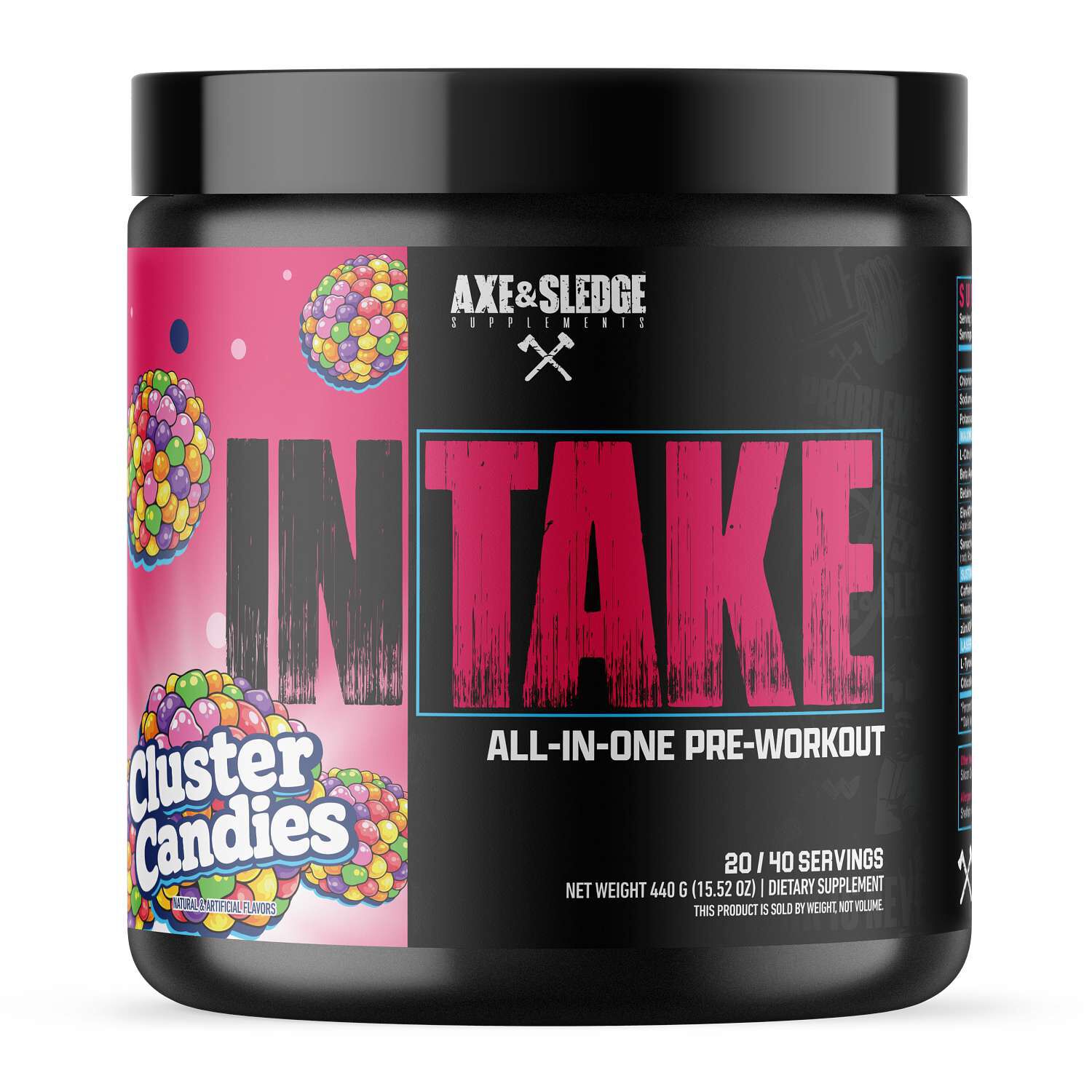 Axe & Sledge Supplements20$49.99
-
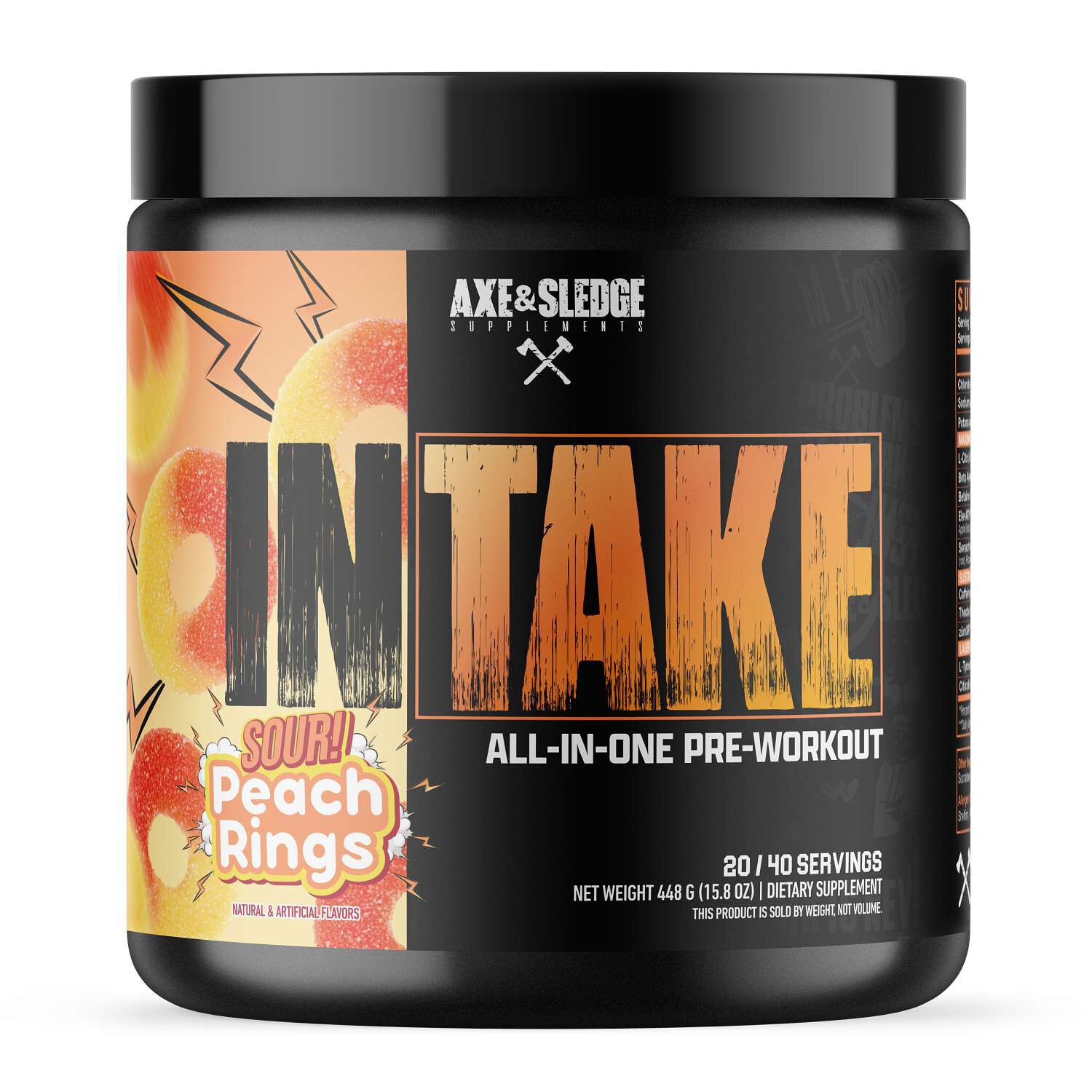 Axe & Sledge Supplements20$49.99
-
-
 Axe & Sledge Supplements3$34.99
-

-
 MRI Performance$39.99
-
 MRI Performance$39.99
Choline supplements for focus and concentration bring together a dietary nutrient and a practical interest in staying engaged with everyday tasks. For an adult moving between project notes, a lengthy reading assignment, and a calendar full of meetings, the appeal is often a supplement that may support attention as part of an established routine. Choline occurs naturally in foods such as eggs, fish, beef, and soybeans. The body uses it to make phospholipids, which are components of cell membranes, and acetylcholine, a chemical messenger involved in normal nerve communication, including processes associated with attention and memory. That background helps explain why choline appears in supplements positioned around mental performance, but a nutrient’s role in the body is not the same as evidence that every supplement will produce a noticeable difference. A choline supplement may contribute to dietary choline intake; its potential relevance to focus depends on the formulation, the research behind it, and individual circumstances. It is not a substitute for meals, sleep, or a setting that makes sustained attention easier. Someone preparing a presentation may be interested in a straightforward choline formula, while an adult student comparing options for a study routine may pay closer attention to serving format and other ingredients. Neither scenario makes a more elaborate formula automatically more suitable. The broader Choline Supplements category provides context for comparing choline sources and supplement formats beyond focus-oriented positioning. Within this theme, useful distinctions include the named choline compound, the amount declared on the label, and whether choline appears on its own or alongside other ingredients. Those details tell shoppers more than a front-label phrase about mental clarity. They also help distinguish a product intended primarily to supplement dietary intake from one presented as part of a broader daily focus routine. The category is best understood through those concrete differences rather than an expectation of a particular feeling after each serving.
Choline bitartrate, citicoline, and alpha-glycerylphosphorylcholine, commonly called alpha-GPC, are names shoppers may encounter when comparing formulations. Citicoline is also known as CDP-choline. These are different compounds, not interchangeable names for the same ingredient, and equal weights of the compounds do not necessarily represent equal amounts of choline. Label presentation matters: a stated quantity of a choline-containing compound is not automatically the quantity of choline itself. The Supplement Facts panel, ingredient listing, and serving size provide the context needed to interpret those numbers. Research on one form also should not be treated as proof of the same outcome for another form or for every formula containing it. Rather than assuming that one source is universally preferable for concentration, the more meaningful comparison considers the exact ingredient and the finished formulation. Some supplements center on choline alone, while others combine it with vitamins, botanical ingredients, or caffeine. A formula with several ingredients is not necessarily a better match than a simpler one, particularly for someone who already has an established supplement routine. For a shopper who prefers to keep caffeine separate from other supplements, a clearly labeled formula without caffeine may be a practical consideration. Capsules, tablets, powders, and liquids also involve different everyday tradeoffs. Capsule count and tablet dimensions can influence personal preference, while a powder may involve measuring and mixing. A liquid may use a measured serving and have flavoring ingredients worth reviewing. Serving size deserves attention across all formats: the amount shown in the facts panel may correspond to more than one capsule or tablet. The number of servings per container offers a clearer picture of how the package fits into a routine than the capsule count alone. These are tangible distinctions for someone comparing bottles at a desk or planning what belongs in a work bag. They make the selection process more specific without relying on sweeping statements about faster thinking or a predictable change in concentration.
The remaining ingredients and packaging can be just as relevant to everyday fit as the choline source. Capsule shells may contain gelatin or plant-derived materials, and tablets can include binders or coatings. Powders and liquids may contain sweeteners, flavors, or ingredients used to keep the mixture consistent. For shoppers with dietary preferences, explicit label statements are more informative than assumptions based on the main ingredient. A choline source by itself does not establish whether the finished supplement suits a vegetarian or vegan routine, and allergen information applies to the whole formulation. Transparent labeling also includes clear serving directions, storage instructions, and an expiration date. Where independent testing information is provided, the stated scope matters; testing for identity or composition is different from evidence about focus. Packaging has a practical role in preserving the product as labeled. A secure closure, a legible label, and a container suited to the format matter more than decorative presentation. Storage and handling should follow the package directions, including any instructions about moisture, light, or refrigeration after opening. For powders, a clean, dry measuring utensil may help limit unwanted moisture in the container. Keeping the original packaging also keeps ingredient information and directions accessible instead of separating the supplement from the details needed to identify it. Beyond the bottle, intended use should remain realistic. A long afternoon reviewing spreadsheets, time spent practicing a new skill, or a quiet stretch of reading can all explain an interest in focus-oriented supplements, but none establishes a need for a particular formula. Supplement preferences are personal, which can make this category a less straightforward gift than a recipient-selected purchase. For personal use, the most relevant comparisons remain the choline form, labeled amount, serving format, additional ingredients, and dietary fit. A clearly described formula may fit more naturally into an existing routine than one chosen mainly for ambitious wording. Choline supplements may have a place in an adult’s approach to daily nutrition and focus, with the product label providing a grounded starting point for understanding what each formulation contains.