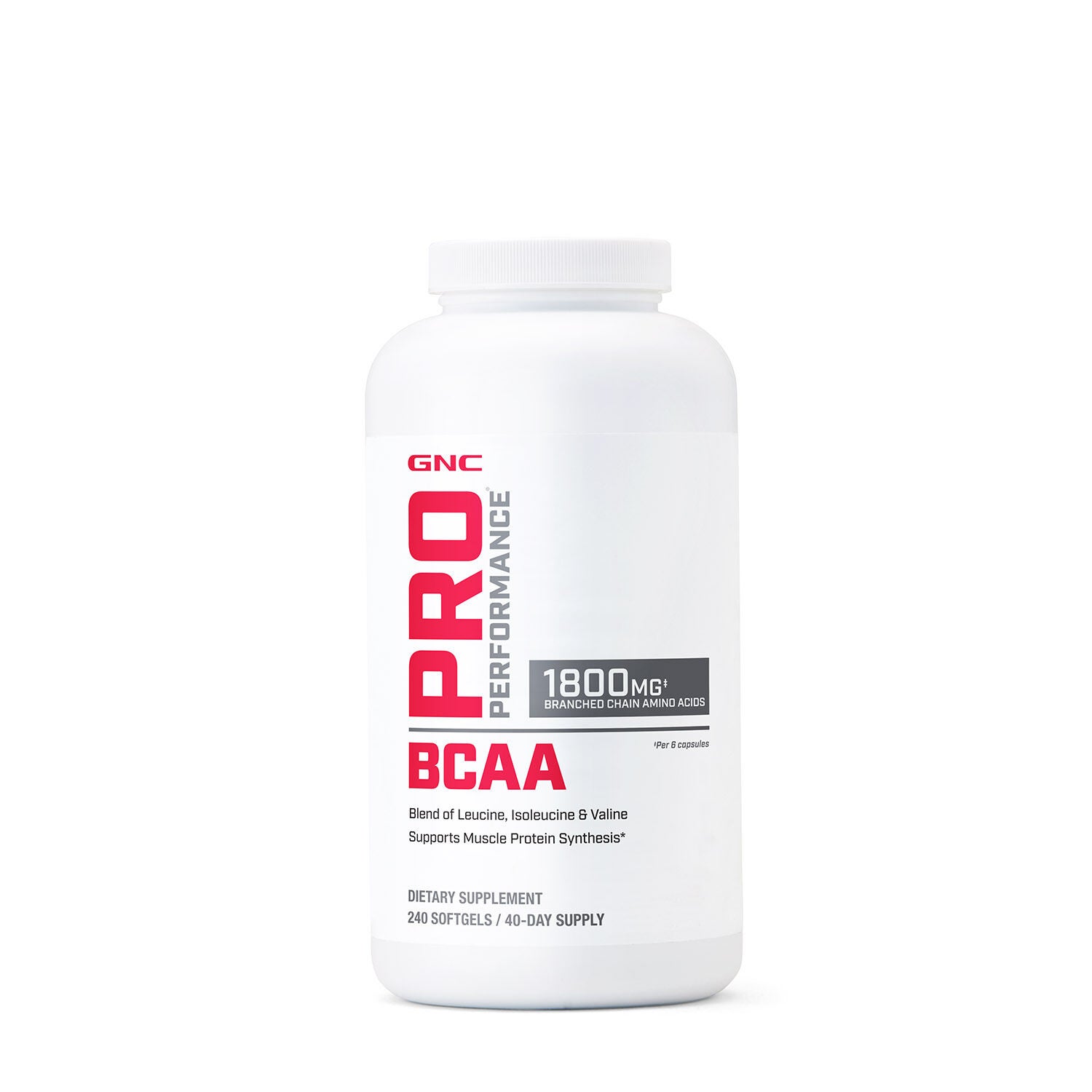
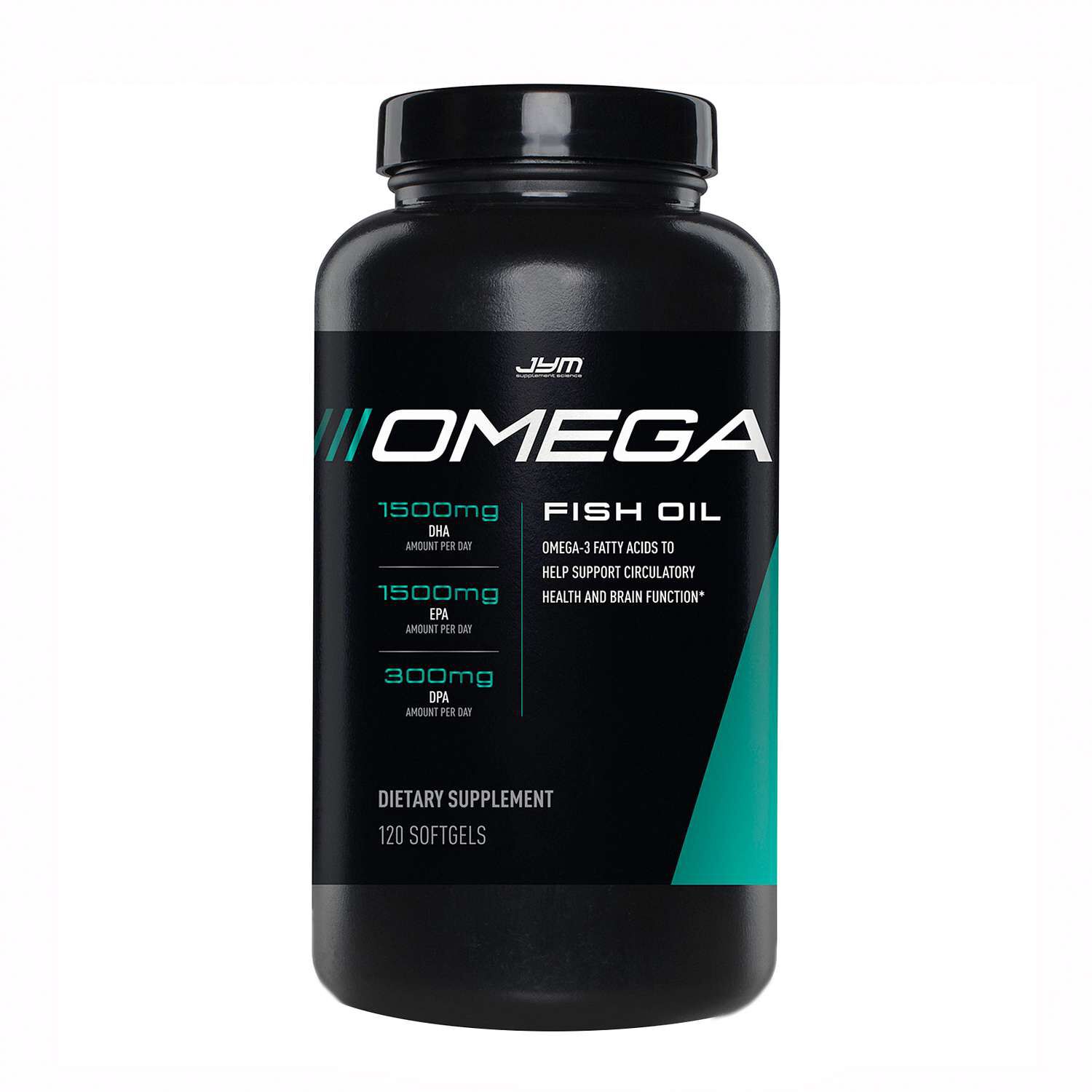
CLA Softgels For Stimulant Sensitive Individuals
(0 Results)
CLA softgels for stimulant sensitive individuals offer a convenient option for those looking to support their wellness goals without the use of stimulants. These softgels may fit seamlessly into a variety of routines, especially for anyone mindful about avoiding ingredients that could cause unwanted stimulation. Explore options designed with simplicity in mind, so you can focus on your journey toward balanced nutrition and well-being.

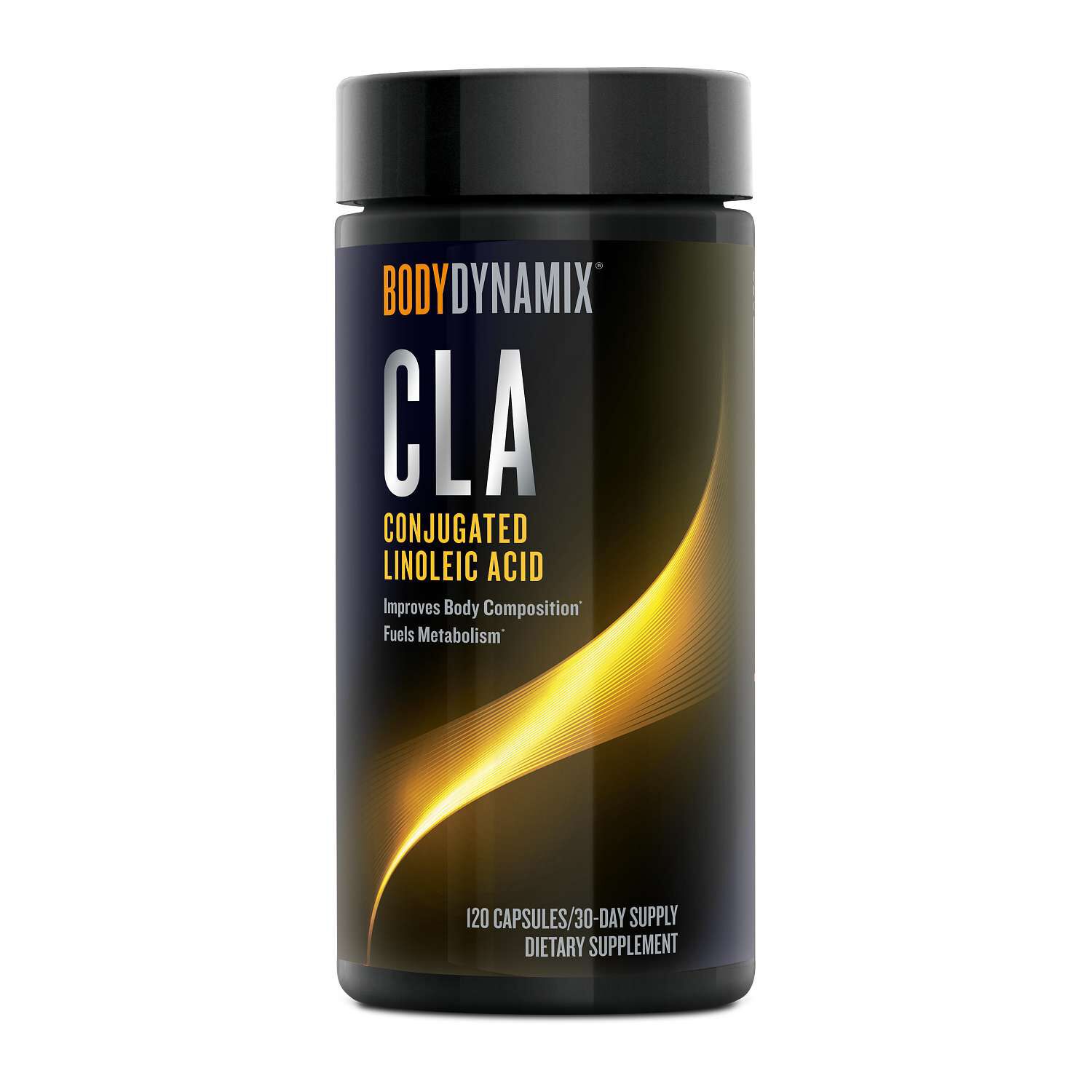
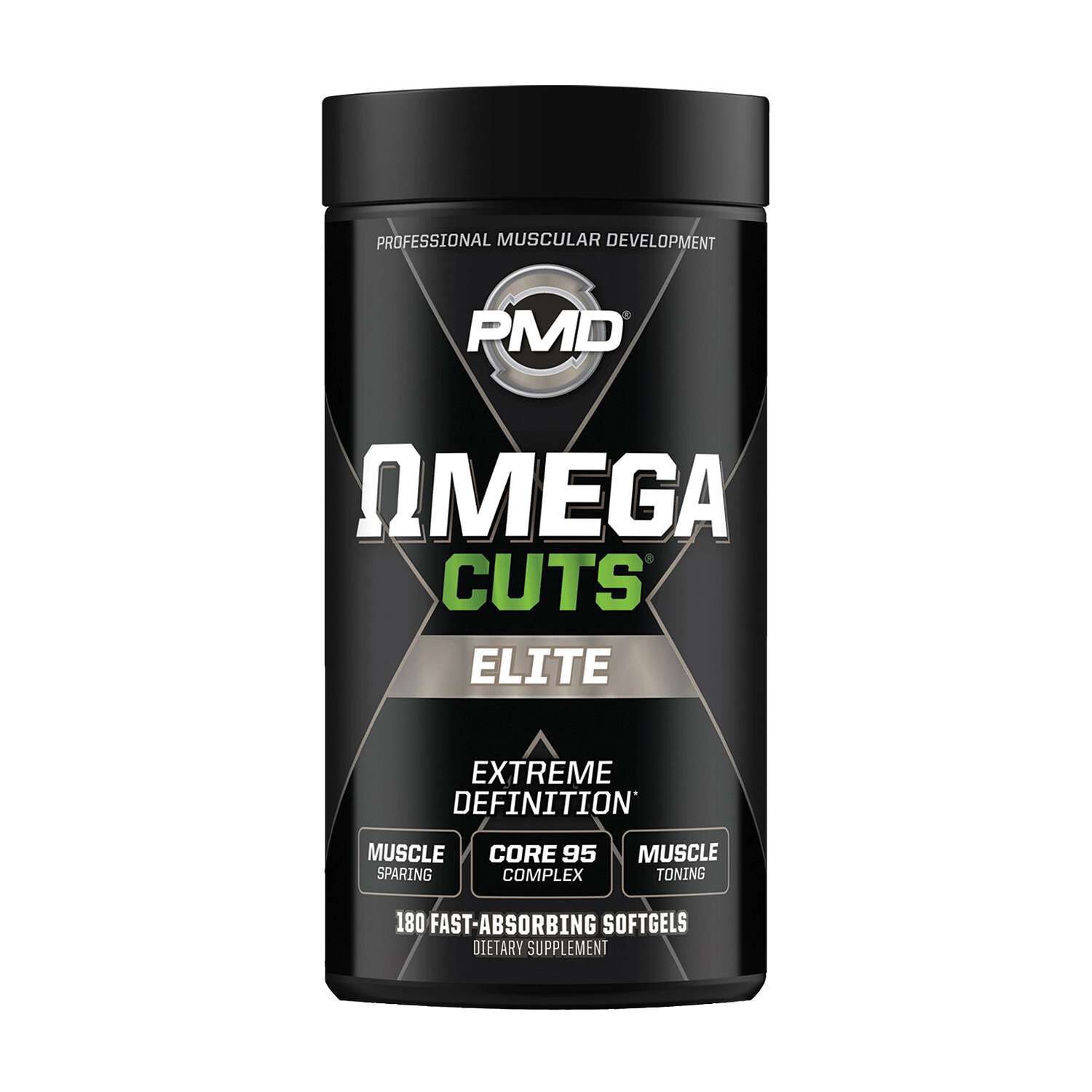

CLA softgels for stimulant sensitive individuals bring together two shopping priorities: a fatty acid supplement in a convenient capsule format and careful attention to ingredients beyond CLA itself. CLA stands for conjugated linoleic acid, a group of related fatty acids found naturally in certain foods and used in dietary supplements. In softgel formulas, CLA often comes from plant oils such as safflower oil. CLA itself is not a stimulant, but that fact does not describe every ingredient in a finished formula. For someone who prefers to avoid caffeine or other stimulant ingredients, the distinction between a straightforward CLA supplement and a blend with additional ingredients matters more than the wording on the front of the bottle. A product name can identify the featured ingredient without explaining everything inside the softgel. The Supplement Facts panel and the other ingredients list provide a more useful picture, including the serving size, declared amounts, and capsule materials. These details are especially relevant to adults who enjoy a regular exercise routine but do not want their supplement choices centered on an energizing sensation. A person who walks before breakfast, lifts weights after work, or spends weekends hiking may have different scheduling preferences, yet the same interest in a clearly described formula. CLA softgels belong to the dietary supplement category rather than the category of caffeinated workout beverages. That distinction helps set expectations without suggesting a particular outcome. A softgel format also differs from a powder: it contains a measured portion of oil in a sealed shell, with no scooping or mixing involved. For shoppers who prefer a bottle alongside their usual pantry or fitness supplies, that format offers a familiar way to organize a supplement routine. The relevant comparison is not simply which package emphasizes fitness most strongly, but which formula, serving arrangement, and ingredient details align with the shopper’s preferences.
The details inside and around a CLA softgel deserve equal attention. An oil source described as plant derived does not necessarily mean the finished capsule suits a vegetarian eating pattern. Many softgel shells contain gelatin, along with ingredients such as glycerin and water, so the shell composition is a separate consideration from the source of the CLA. Where the source of gelatin matters, a clear manufacturer statement is more informative than an assumption based on the featured oil. Other ingredients may include carrier oils or materials used to make and preserve the capsule; those details belong in the comparison even when the front label looks simple. For stimulant sensitive shoppers, any added caffeine, caffeine-containing botanical ingredients, or other stimulant components are also relevant distinctions between formulas. Neither a softgel shape nor a plant oil source establishes the character of the entire supplement. Amounts require similar care when comparing labels. The quantity of oil in a serving and the declared quantity of CLA are not necessarily interchangeable, and a number displayed prominently on a package may refer to a serving rather than one capsule. Reading those figures alongside the number of softgels per serving gives the bottle count practical meaning. A larger capsule count does not necessarily represent more servings when serving sizes differ. Capsule dimensions are another everyday consideration: a smooth shell can still be fairly large, and product photographs do not always convey its actual size. Someone accustomed to small tablets may place more importance on published measurements or a clear description of the softgel format. Serving directions also vary, including whether the label specifies taking the product with food. Those written directions provide context for intended use without relying on a generic schedule. Together, the ingredient list, capsule materials, declared CLA amount, and serving information make a more useful basis for selection than broad language about fitness. They also help distinguish a simple oil-based formula from a more involved blend, even when both appear within the same shopping category.
Everyday handling is another practical part of choosing CLA softgels, particularly when a bottle will move between a kitchen cabinet, a work bag, and a weekend suitcase. Softgels have flexible shells rather than the rigid structure of compressed tablets, and storage conditions matter to their condition over time. Package instructions describe the appropriate storage environment; excessive heat, moisture, and direct sunlight are important considerations when deciding where a bottle belongs. A parked car or a damp bathroom shelf presents a different environment from a dry indoor cabinet. Keeping the original packaging also keeps the ingredient information, serving directions, and date markings close at hand. For travel, the space a bottle occupies and the clarity of its closure can matter as much as the capsule count. These are small details, but they become noticeable during ordinary moments, such as packing for an overnight trip or rearranging a crowded cupboard during the cooler months. Intended use deserves the same grounded approach. CLA softgels are dietary supplements, not meal replacements, and their format or lack of a particular ingredient does not establish a specific fitness result. Likewise, CLA’s identity as a nonstimulant fatty acid does not establish how an individual will experience a finished formula or how that formula fits with other supplements. Someone browsing neighboring categories such as Energy Softgels will find that a shared capsule format does not mean a shared ingredient profile or purpose. The meaningful differences remain in the label details, not the resemblance between the bottles. For shoppers who prefer to avoid stimulants, a clearly identified CLA source, transparent ingredient information, suitable shell materials, and understandable serving directions are useful points of comparison. Whether the surrounding routine includes early walks, lunchtime training, or relaxed weekend activity, choosing among CLA softgels is ultimately a matter of matching the actual formula and packaging to personal preferences rather than expecting the category name to answer every question.
Best Sellers
-
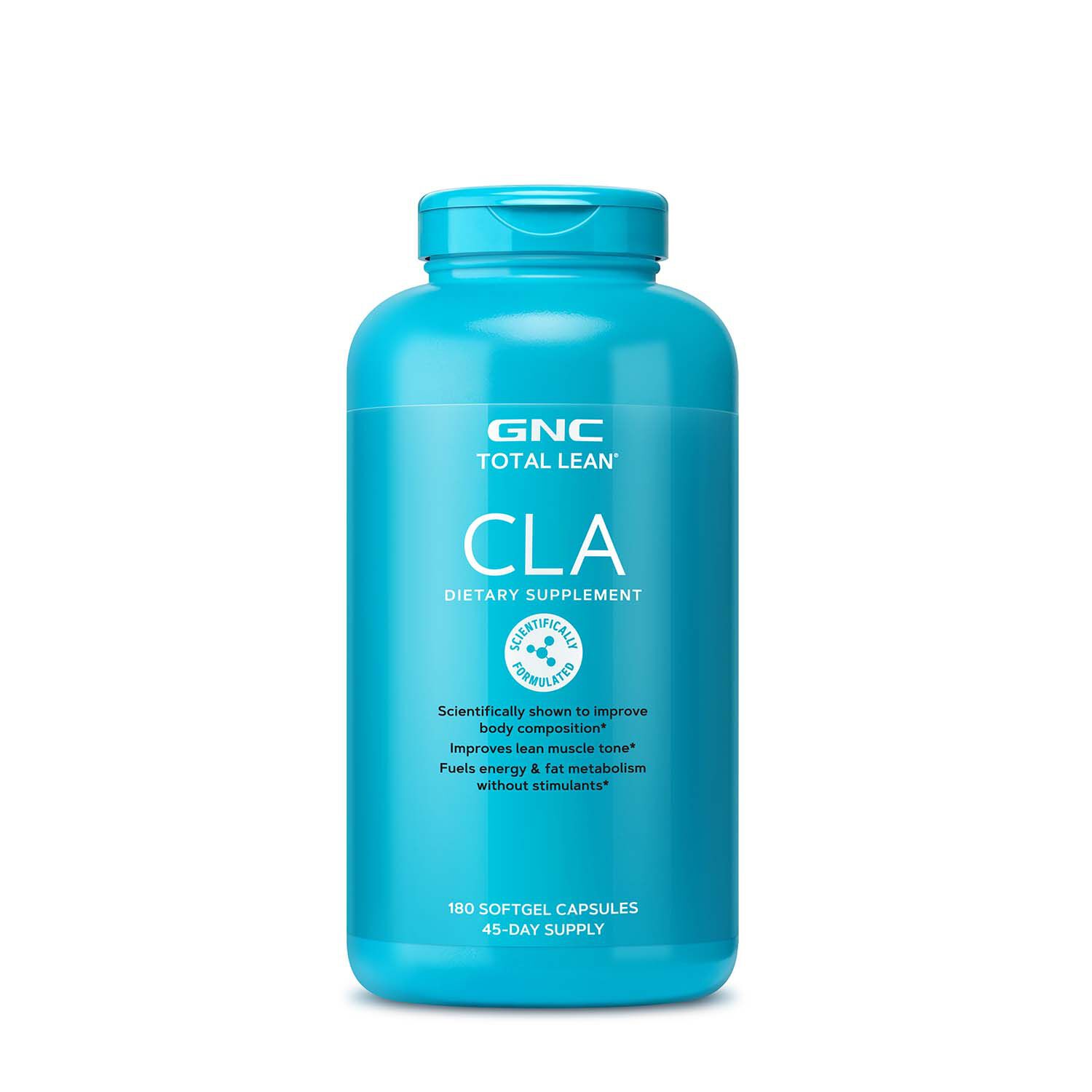 GNC Total Lean
 -
 GNC Total Lean
 -
 NDS Nutrition
 -
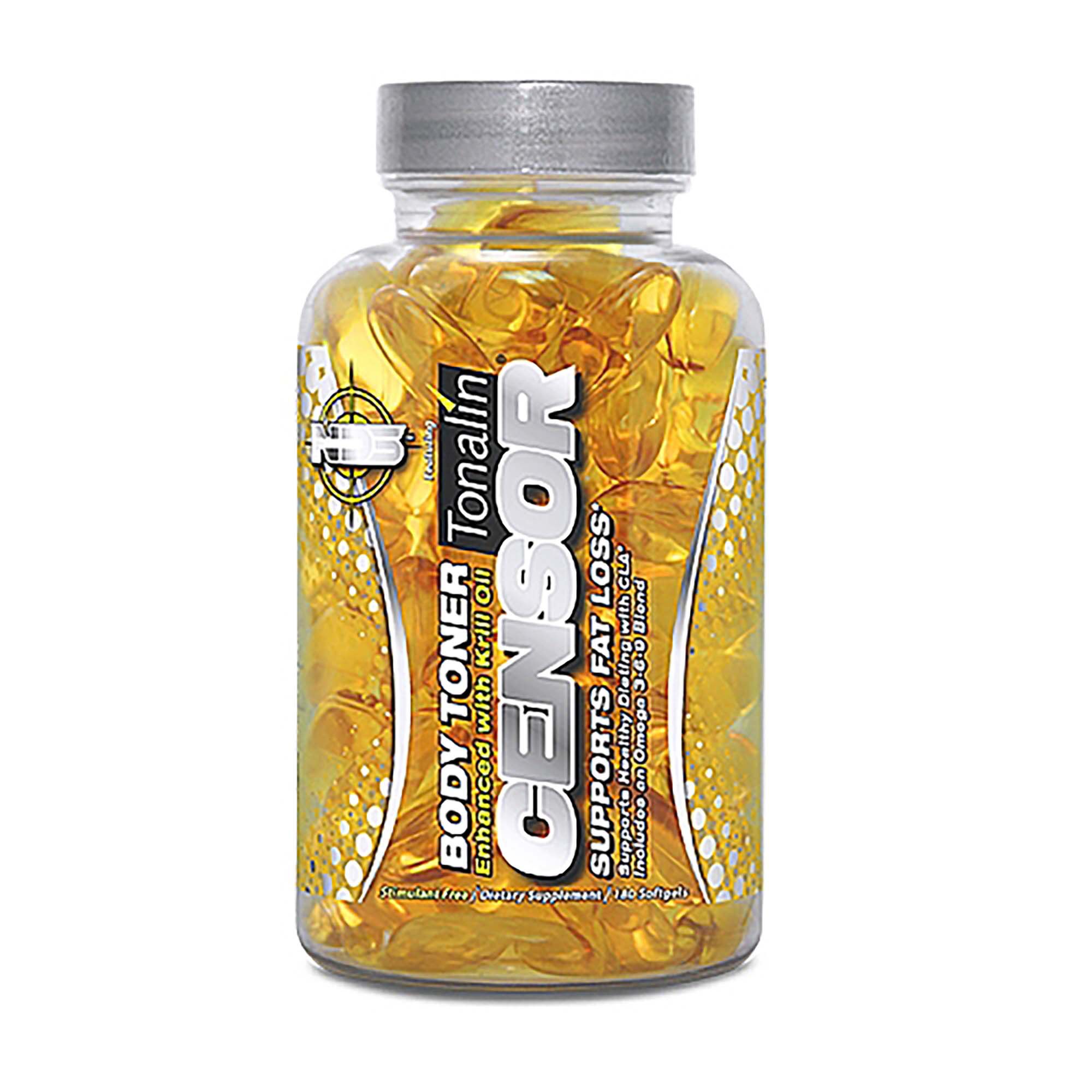 NDS Nutrition