





Diet Softgels
(0 Results)
Looking for a convenient way to support your dietary needs? Diet softgels might be the perfect solution. These easy-to-swallow supplements could provide a range of benefits to complement your health and wellness journey. Whether aiming to manage weight, support metabolism, or fill nutritional gaps, diet softgels offer an efficient and effective option. Explore our selection today to find the right fit for your lifestyle and goals.
-
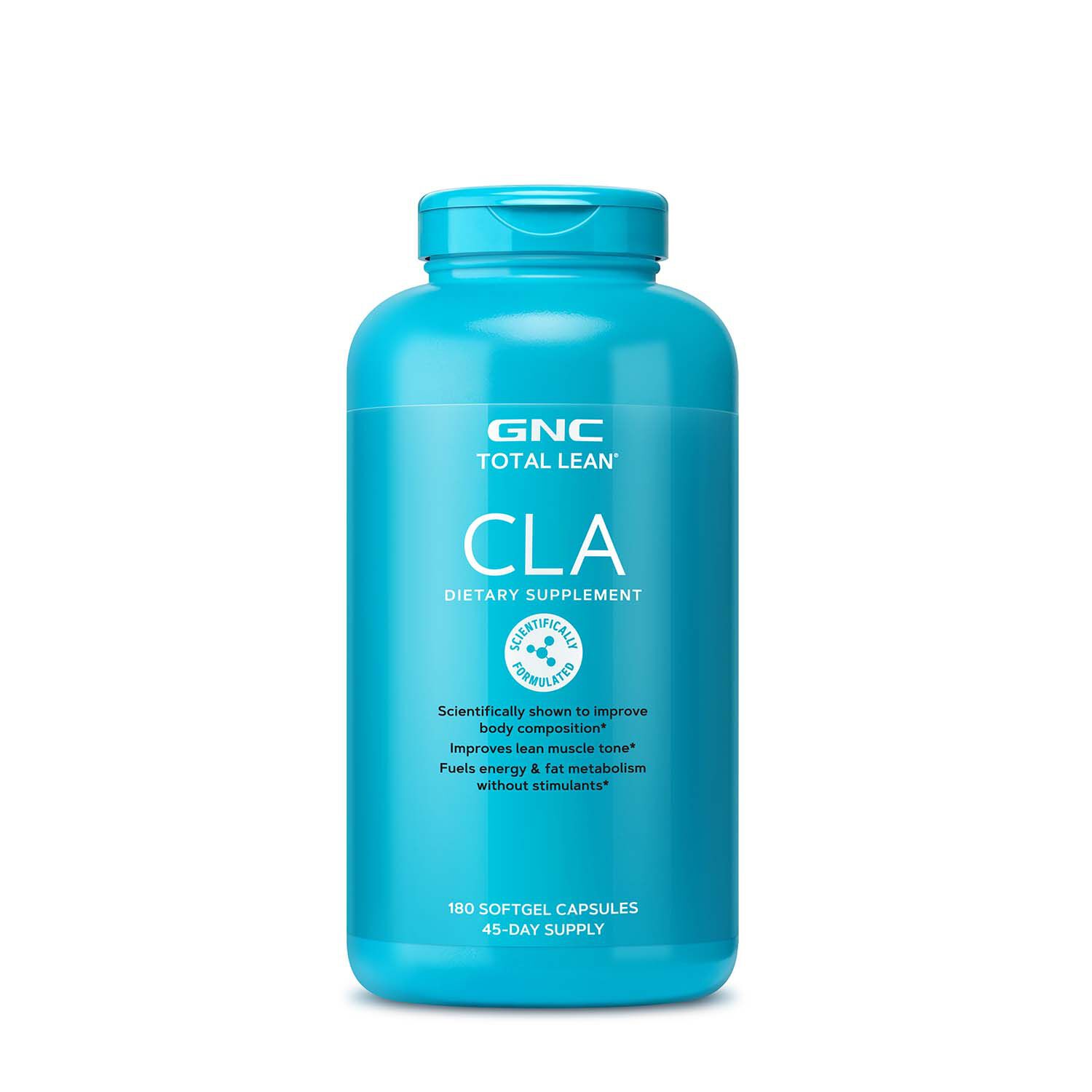
-

-

-

-

-
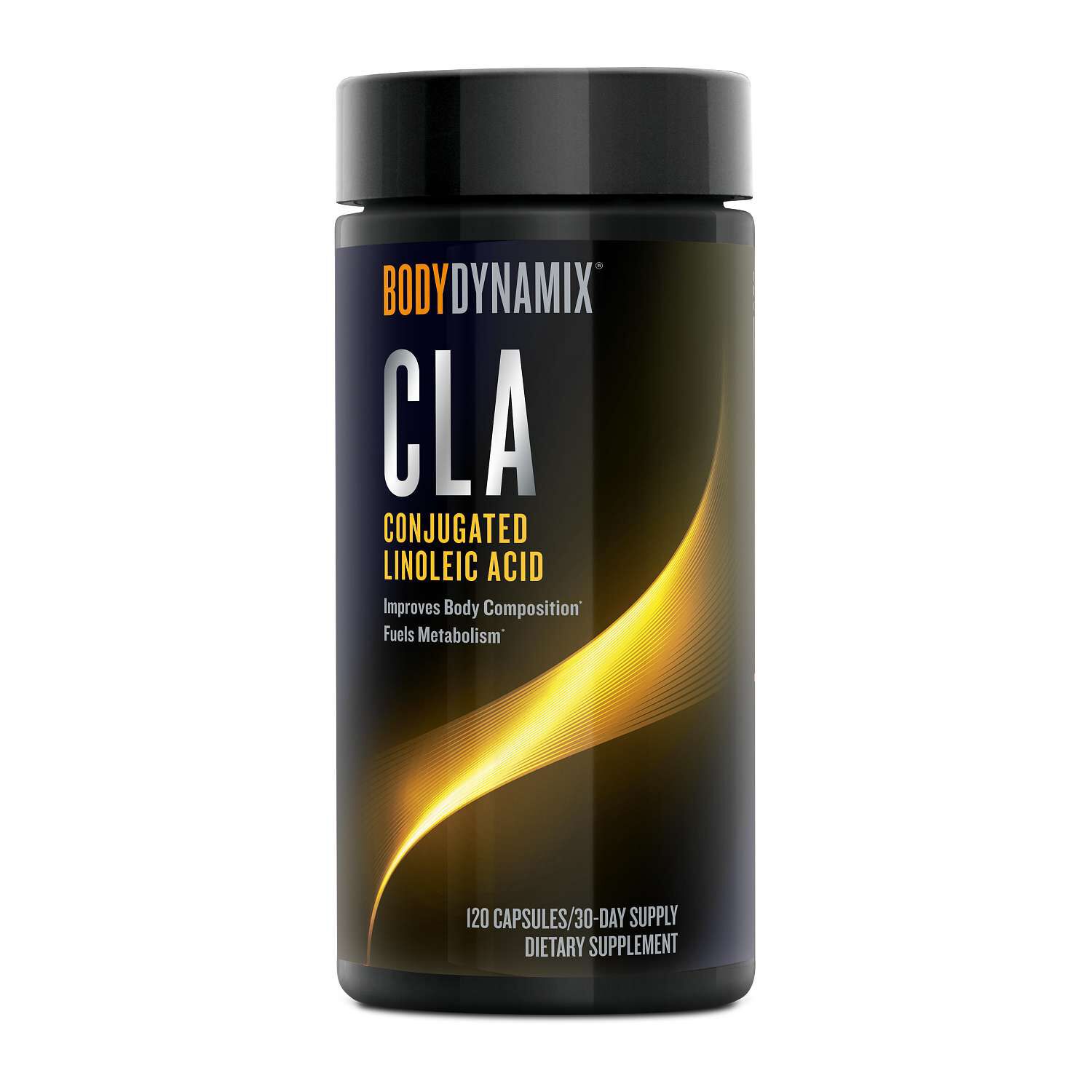
-

-
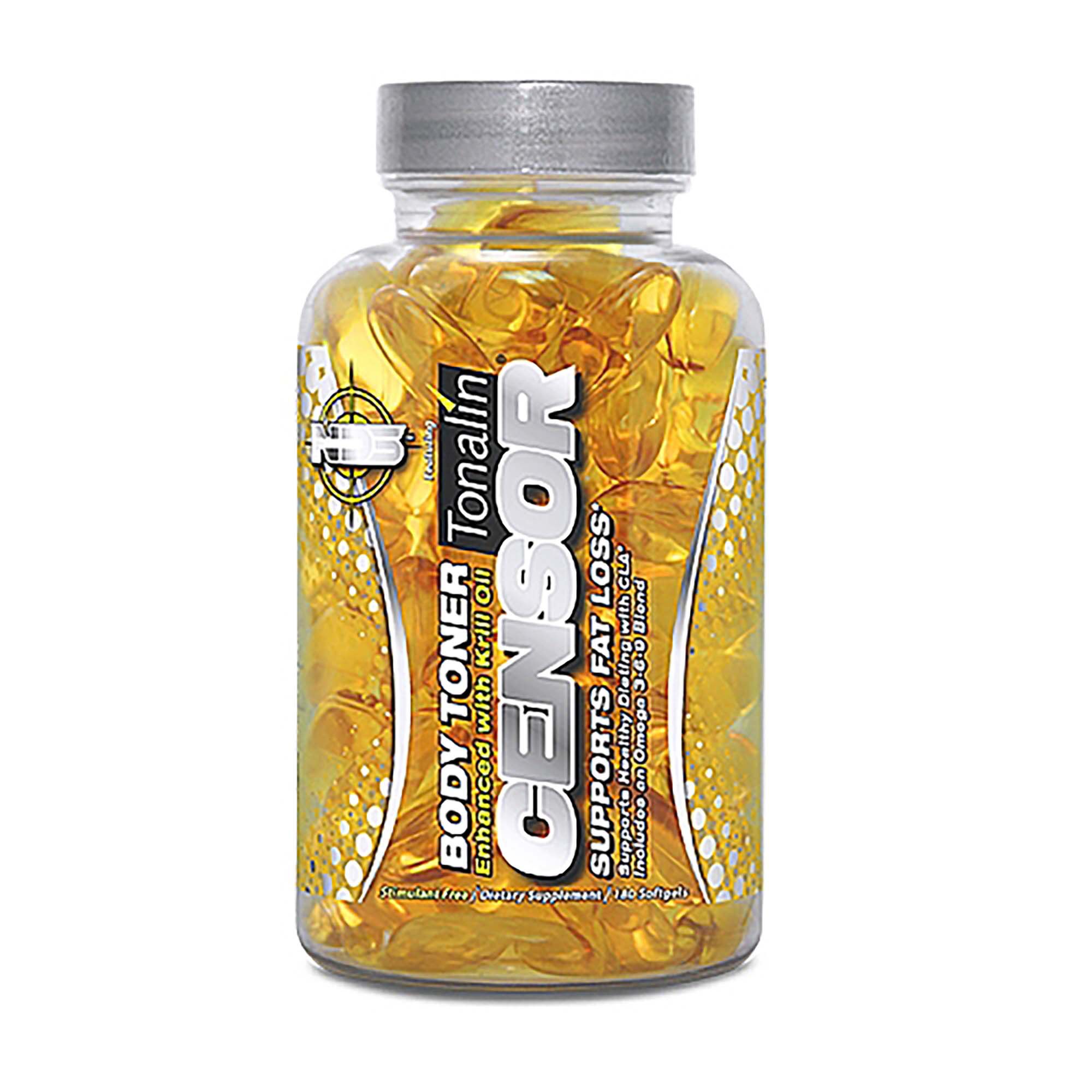
-
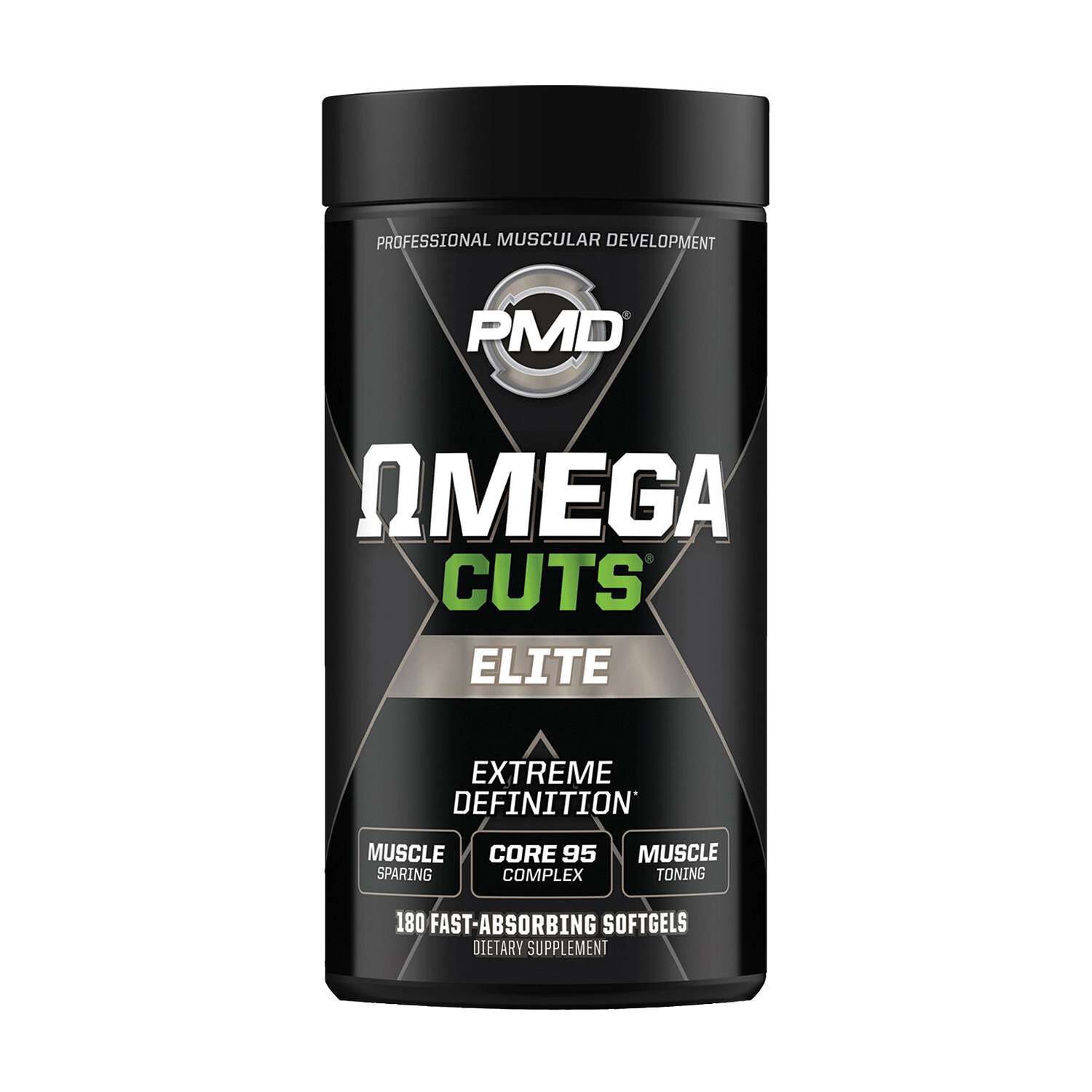
-

-

-
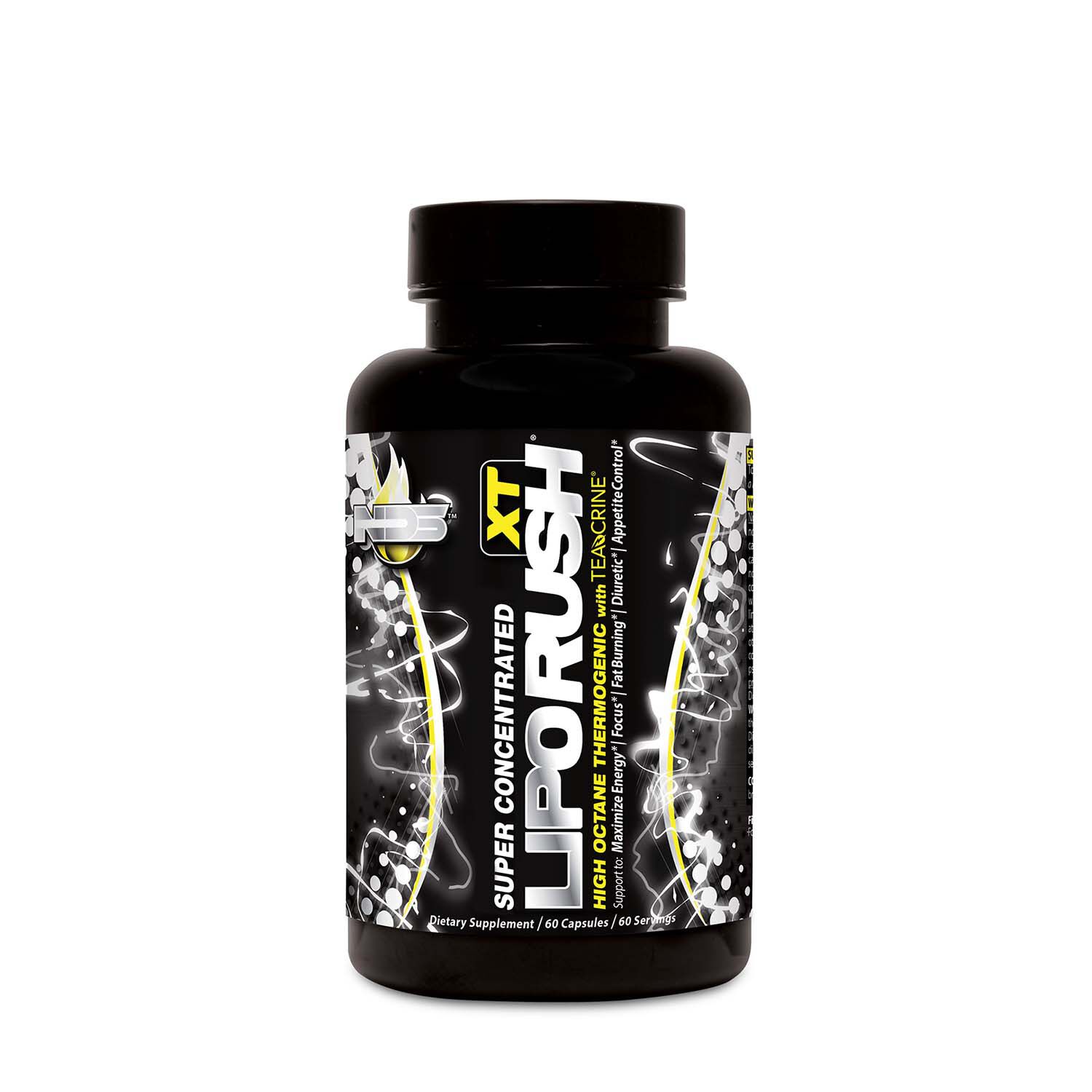
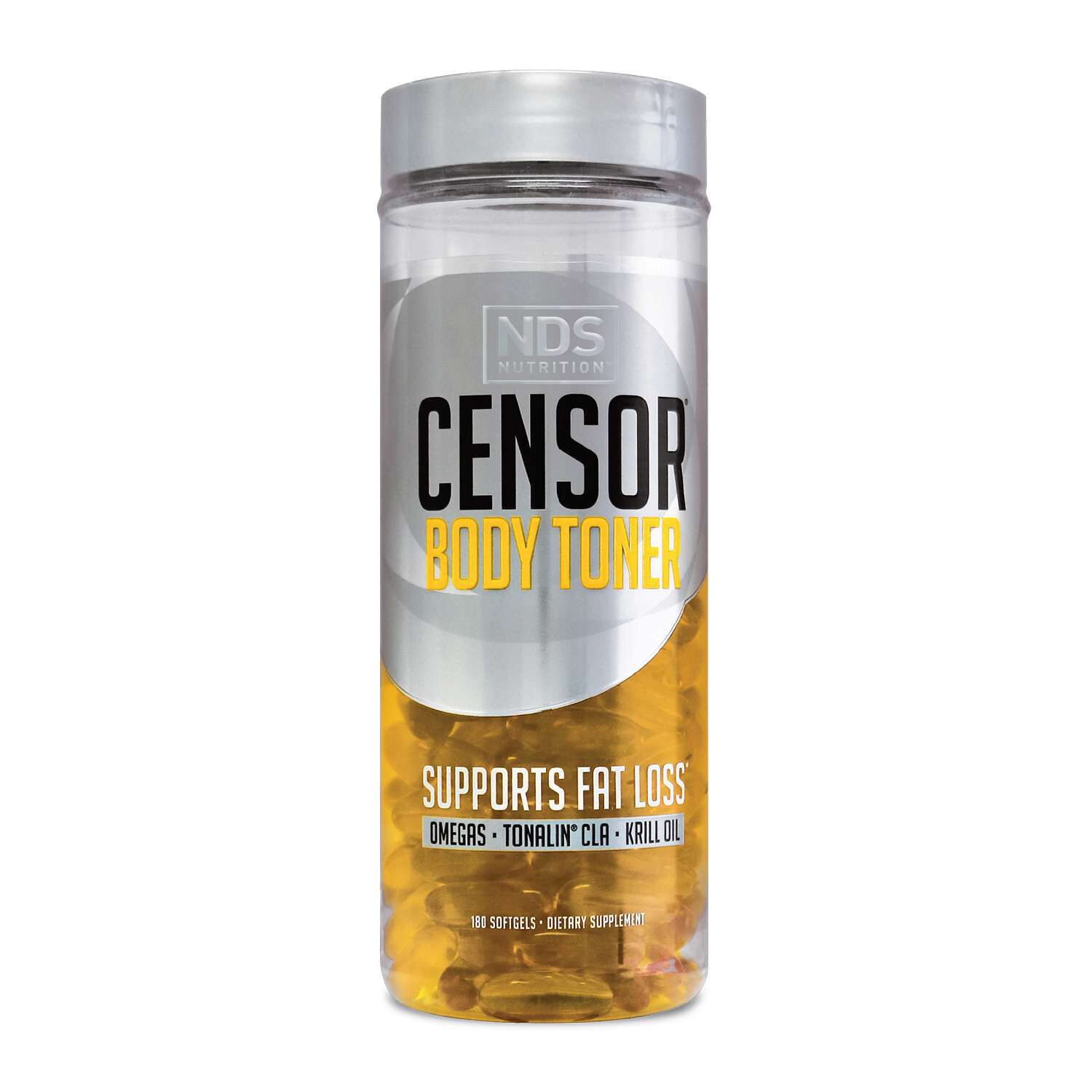 NDS Nutrition$84.99
 -

-
-

-
-

-

-
-

-

-

-

Diet softgels are dietary supplements in a liquid-filled capsule format, commonly associated with weight-management routines and everyday nutrition goals. The category includes a range of ingredients and serving sizes rather than one standard formula, so the word “diet” describes the intended shopping category, not a uniform set of contents or expected results. Some formulas feature oils or fatty acids, such as conjugated linoleic acid, often abbreviated as CLA. Others contain botanical extracts, including green tea, or caffeine from sources identified on the label. These differences matter because two bottles with similar descriptions can have very different ingredient profiles. A softgel typically consists of a flexible outer shell surrounding a liquid, oil, or suspended ingredient mixture. Common shell materials include gelatin, glycerin, and water, while some formulations use other materials suited to particular dietary preferences. The shell and the filling each contribute to the composition of the supplement, making both the Supplement Facts panel and the other-ingredients list relevant to a comparison. For adults who prefer capsules to drink mixes, the format may offer a convenient alternative to measuring powder or preparing a flavored beverage. There is no mixing step, and the serving is expressed as a specified number of softgels. The smooth exterior may also appeal to someone who dislikes the texture of a pressed tablet, although capsule dimensions and personal preferences vary. Liquid-filled construction alone does not establish how quickly a supplement works or how it compares with other formats. Those distinctions depend on the formulation and evidence for its ingredients, not simply the appearance of the capsule. Within a broader eating and activity routine, diet softgels may appeal to shoppers looking for a particular ingredient in a compact format. They are not meals, and the category name does not mean that every formula has the same intended use. The most meaningful distinctions are usually found in the ingredient source, amount per serving, shell composition, and labeled directions rather than in broad front-label descriptions.
Ingredient details give this category much of its variety. CLA is a fatty acid found in certain foods and used in some supplements, often in an oil-based filling. Green tea extract is a botanical ingredient whose composition can differ by preparation, and the amount of extract does not necessarily describe its caffeine content. Some diet softgels contain caffeine, while others are formulated without it; the name of the category alone does not identify which type a bottle contains. A shopper who already drinks coffee or uses a caffeinated beverage may place particular importance on clearly stated caffeine information when comparing formulas. Another shopper may care more about whether the shell contains gelatin or whether the filling uses an ingredient from a particular source. Neither preference can be resolved by the words “liquid softgel” alone. Labels may distinguish the amount of an entire oil or extract from the amount of a named component within it, so similarly sized numbers do not always describe equivalent quantities. Serving size adds another distinction: an amount listed for a two-softgel serving is different from an amount listed for one softgel. Bottle count and servings per container likewise describe different things. A bottle with a larger capsule count may not represent more servings if its labeled serving size is also larger. These practical details are especially relevant for someone who prefers a simpler daily routine or has a strong preference about capsule size. Other ingredients can include shell components, coloring agents, and materials used to keep the filling consistent. Ingredient and allergen statements provide additional context for shoppers with dietary restrictions, while explicit vegetarian or vegan labeling is more informative than assumptions based on capsule color or transparency. A clear, amber, or opaque shell is not a reliable indication of ingredient strength, sourcing, or suitability for a particular diet. Packaging descriptions may highlight individual features, but the full label brings those features into context. For this category, a useful comparison rests on what is actually inside each serving and how that serving is described, rather than treating all diet softgels as interchangeable.
Day-to-day fit is another part of choosing a softgel format. Some adults prefer a supplement that does not introduce another flavor into breakfast or require a shaker bottle at a desk. Others favor the familiarity of a labeled bottle over individually measuring a liquid. Diet softgels may suit those preferences, but convenience still depends on the number of capsules in a serving, the directions for use, and the packaging. A small-looking softgel is not necessarily a smaller serving, just as a larger capsule is not necessarily a more concentrated formula. Directions may specify use with food or describe other conditions, and those details belong to the individual formulation rather than the category as a whole. Storage and handling also matter because a softgel has a flexible shell rather than the dry structure of a tablet. The original container carries the ingredient information, expiration date, and storage directions, which may be useful throughout the time the supplement is kept. Secure closures and packaging designed for the contents are practical features, particularly in a household where bottles are handled frequently. Capsule color and texture can vary by formulation, so the labeled storage conditions and packaging information provide better context than comparisons based on appearance alone. For shoppers comparing adjacent categories, Energy Softgels offers another area to explore, though similar formats do not establish similar ingredients or intended uses. A shared botanical or caffeine source can appear in supplements with different serving sizes and descriptions. Keeping those distinctions visible makes the category easier to understand without assigning the same purpose to every capsule. Diet softgels are ultimately a format-and-formulation choice: the filling, shell, ingredient amounts, and labeled use all contribute to how a supplement fits an adult’s preferences. Their place in a routine is separate from everyday meals and physical activity, and their suitability cannot be judged from the category name alone. Clear ingredient information and practical packaging details give shoppers a grounded way to distinguish among the options.
Best Sellers
-
GNC Total Lean
-
GNC Total Lean
-
NDS Nutrition
-
NDS Nutrition


