Coconut Water Powder Energy Drinks
(0 Results)
Discover a refreshing way to support your active lifestyle with coconut water powder energy drinks. Perfect for those on the go, these convenient drink mixes are designed to fit seamlessly into your daily routine. Whether you’re heading to the gym, tackling a busy day at work, or just looking for a flavorful hydration option, coconut water powder energy drinks could be an easy addition to your wellness journey. Explore a variety of options that may help you stay energized and refreshed wherever life takes you.
-

-
-

-

-

-
-
 $34.99
 -
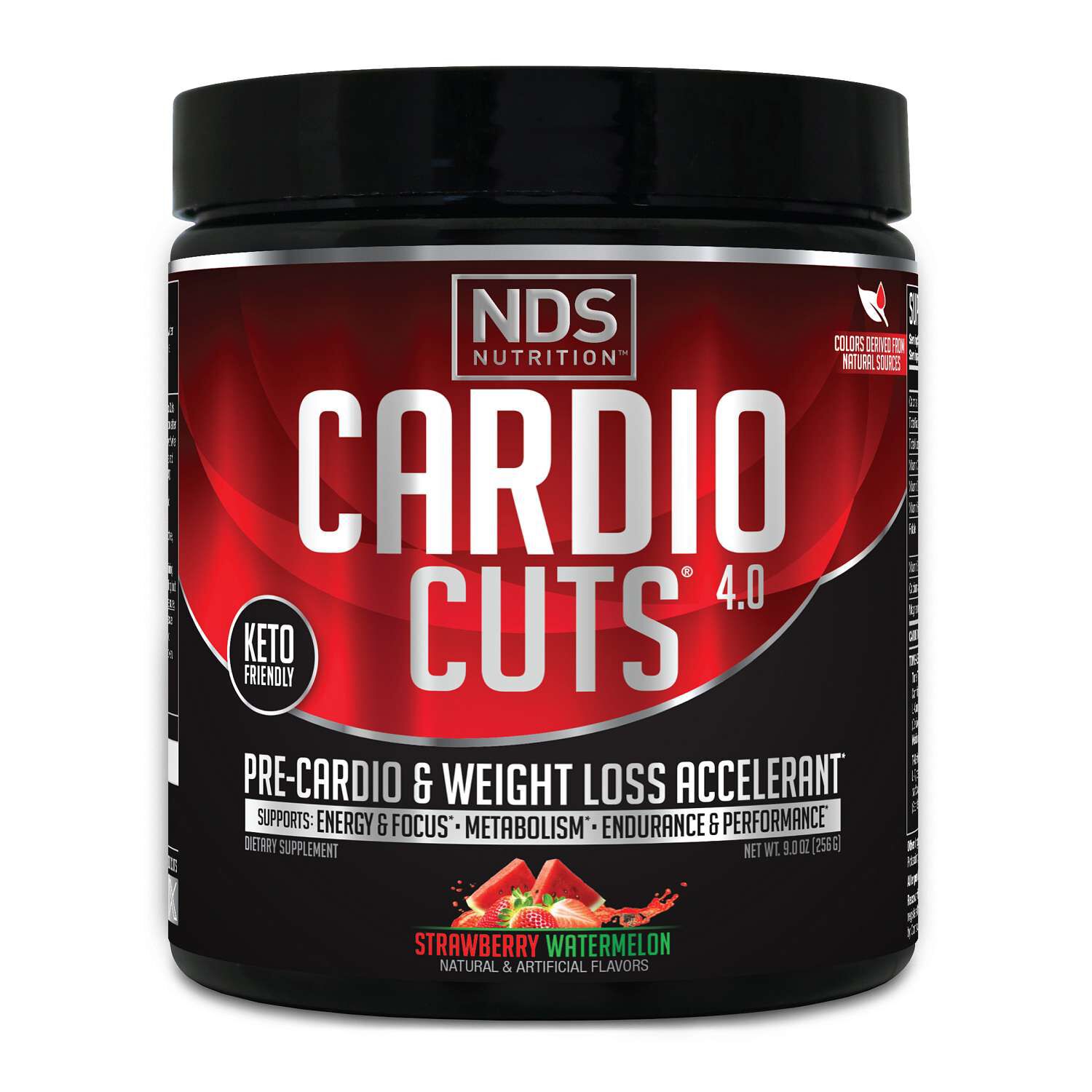 NDS Nutrition$69.99
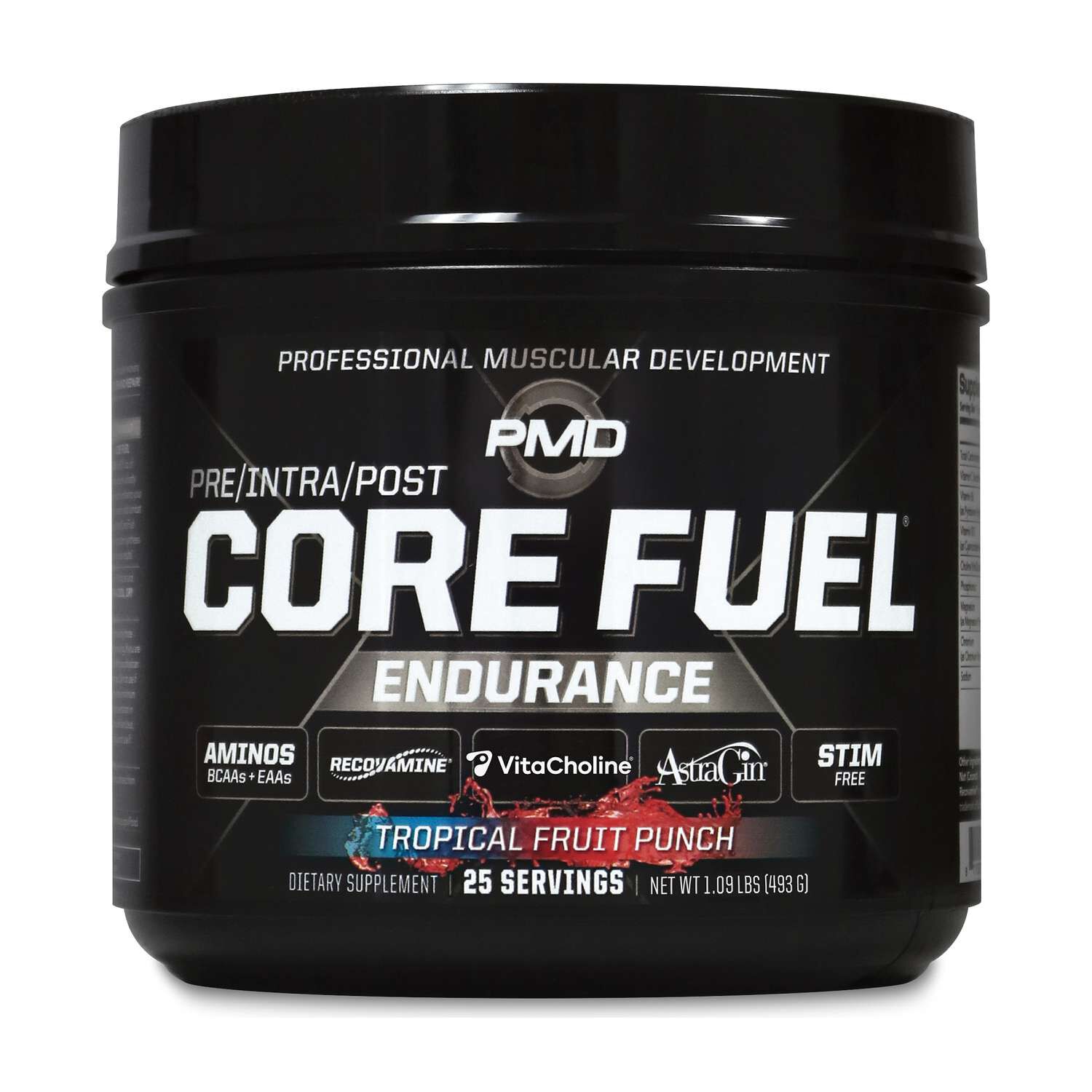
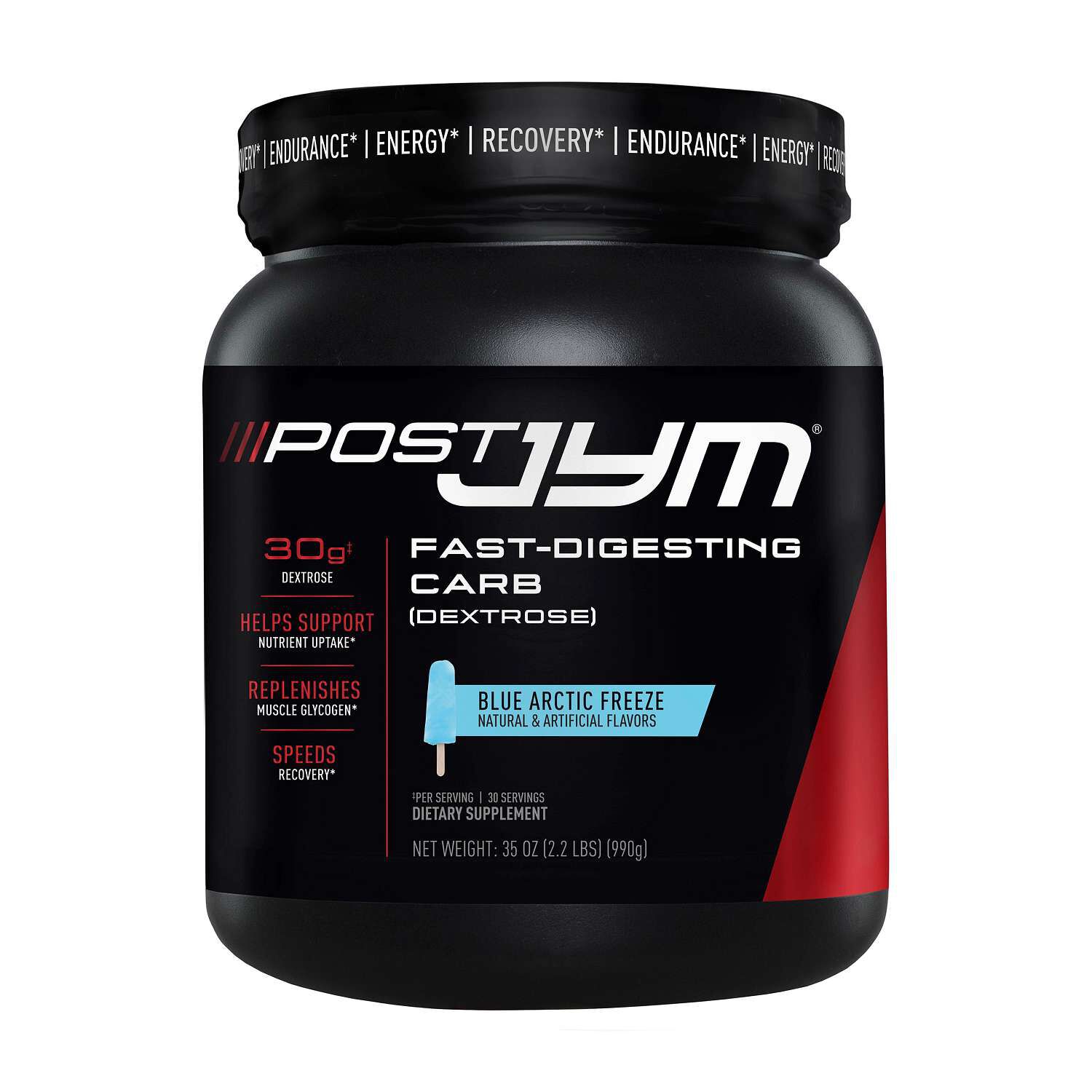
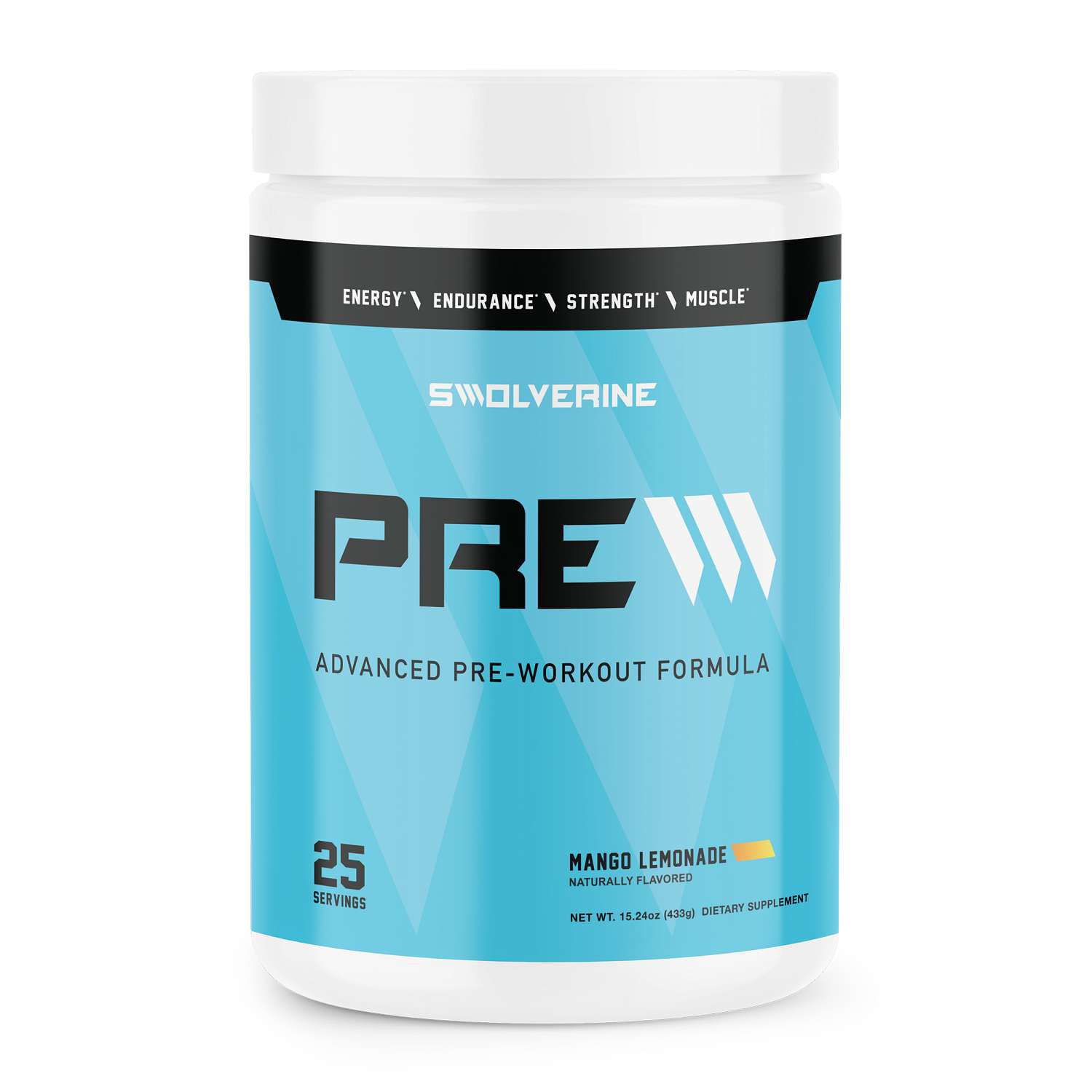
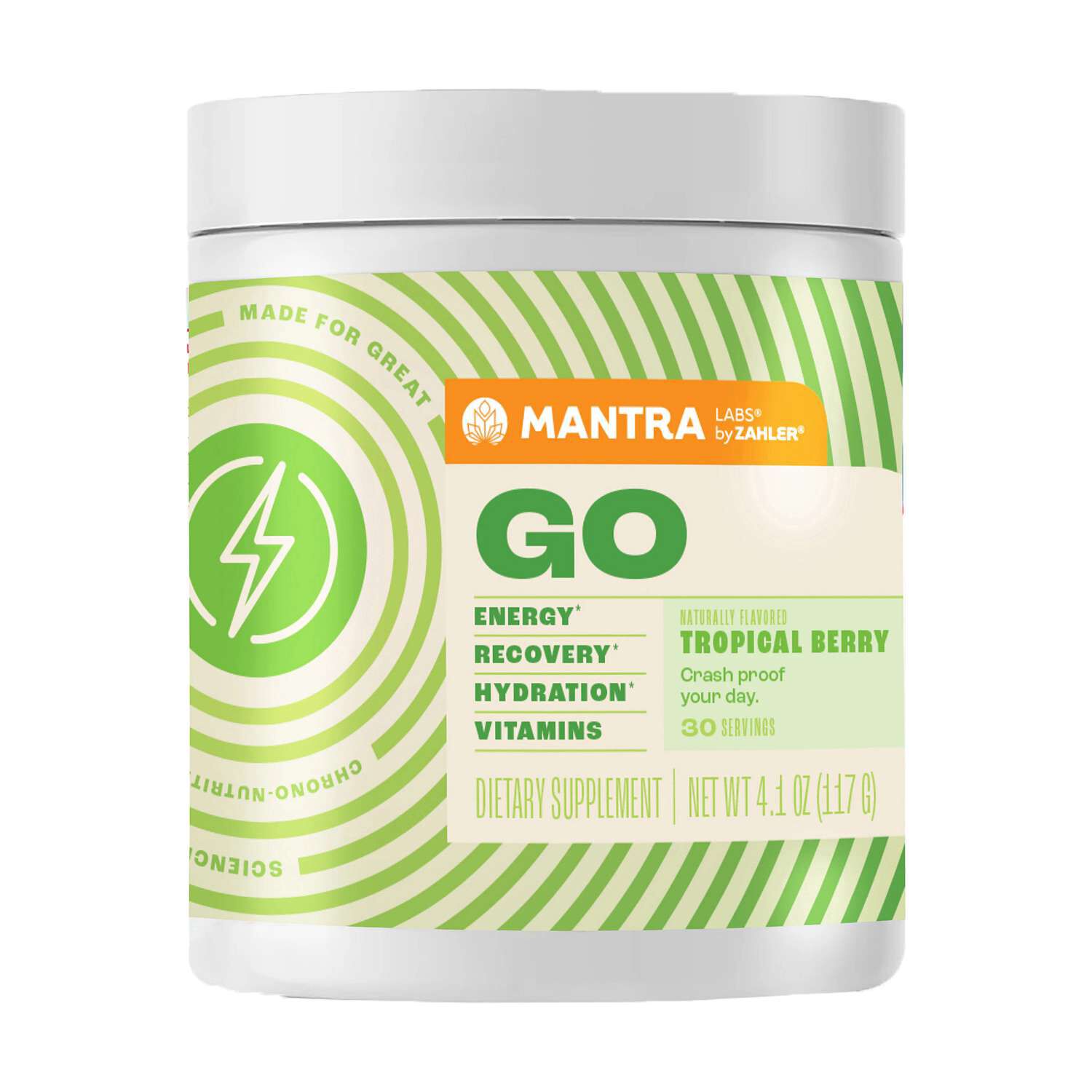
Coconut water powder energy drinks bring a familiar tropical ingredient into a mixable beverage format, with recipes ranging from simple coconut water powders to blends containing electrolytes, caffeine, vitamins, and flavoring. Coconut water powder is made by removing much of the water from the liquid found inside coconuts, leaving a dry ingredient that can be mixed into a drink. It is different from coconut milk powder, which comes from coconut flesh and generally has a richer composition and creamier texture. That distinction matters when the goal is a light beverage rather than a creamy addition to a shake or recipe. In an energy drink blend, coconut water powder may be one ingredient among several, rather than the main ingredient by weight. Its presence alone does not establish how much potassium, magnesium, sodium, or carbohydrate a serving contains; the ingredient list and nutrition panel provide a clearer picture. Coconut water also does not naturally contain caffeine, so a coconut water powder energy drink gets any caffeine from another ingredient, such as added caffeine, coffee, or tea. Some coconut water drink mixes contain no caffeine at all, making the distinction between an electrolyte beverage and a caffeinated energy drink especially useful when comparing formulas. Flavor can vary just as much as composition. A simple powder may have a subtle coconut character, while a flavored blend may lean toward pineapple, citrus, berry, or another fruit profile. Sweeteners and acids can further shape the taste, from soft and lightly sweet to bright and tart. For shoppers browsing Coconut Water Supplements, powdered energy drink blends represent one way to incorporate the ingredient into an everyday beverage routine. The most meaningful differences are usually in the full recipe, serving instructions, and drink format, not just the coconut imagery on the package. Those details help distinguish a straightforward coconut water powder from a more involved beverage mix intended for a particular occasion.
The composition of a coconut water powder energy drink is worth considering alongside its intended use, whether that means a bottle carried to the gym, a drink mixed at an office kitchenette, or a packet tucked beside lunch for a day away from home. A blend intended for an exercise routine may include sodium and other electrolytes in addition to coconut water powder, while another formula may center on flavor and caffeine. These are not interchangeable features, and the word “energy” does not describe a single standard recipe. Carbohydrate content, calories, and caffeine amounts can differ substantially between formulas. A powder made with coconut water can contain naturally occurring sugars, and a blended drink may also contain added sugars or other sweeteners. A less-sweet taste does not necessarily indicate a lower sugar amount, just as a bold flavor does not reveal how much coconut water powder is present. Serving size is another important point of comparison: one scoop, one packet, and one measured portion may represent different amounts of powder and different mixing instructions. The amount of water specified on the label establishes the intended concentration, which influences both flavor and the quantity of each ingredient in a prepared serving. For adults choosing a caffeinated beverage, the stated caffeine amount per serving is more informative than descriptions of intensity or tropical flavor. Label directions, age restrictions, and cautions also belong in that decision, particularly when coffee, tea, or other caffeinated drinks are already part of the day. Dietary preferences add another layer. Ingredient statements can identify sweeteners, flavorings, processing ingredients, and sources that may not be apparent from the front of the package. Coconut water powder does not, by itself, establish that the finished mix meets a particular dietary preference. Texture deserves attention, too: some recipes produce a clear-looking drink, while others may appear cloudy or leave a small amount of settling. Neither appearance alone tells the full story of the formula.
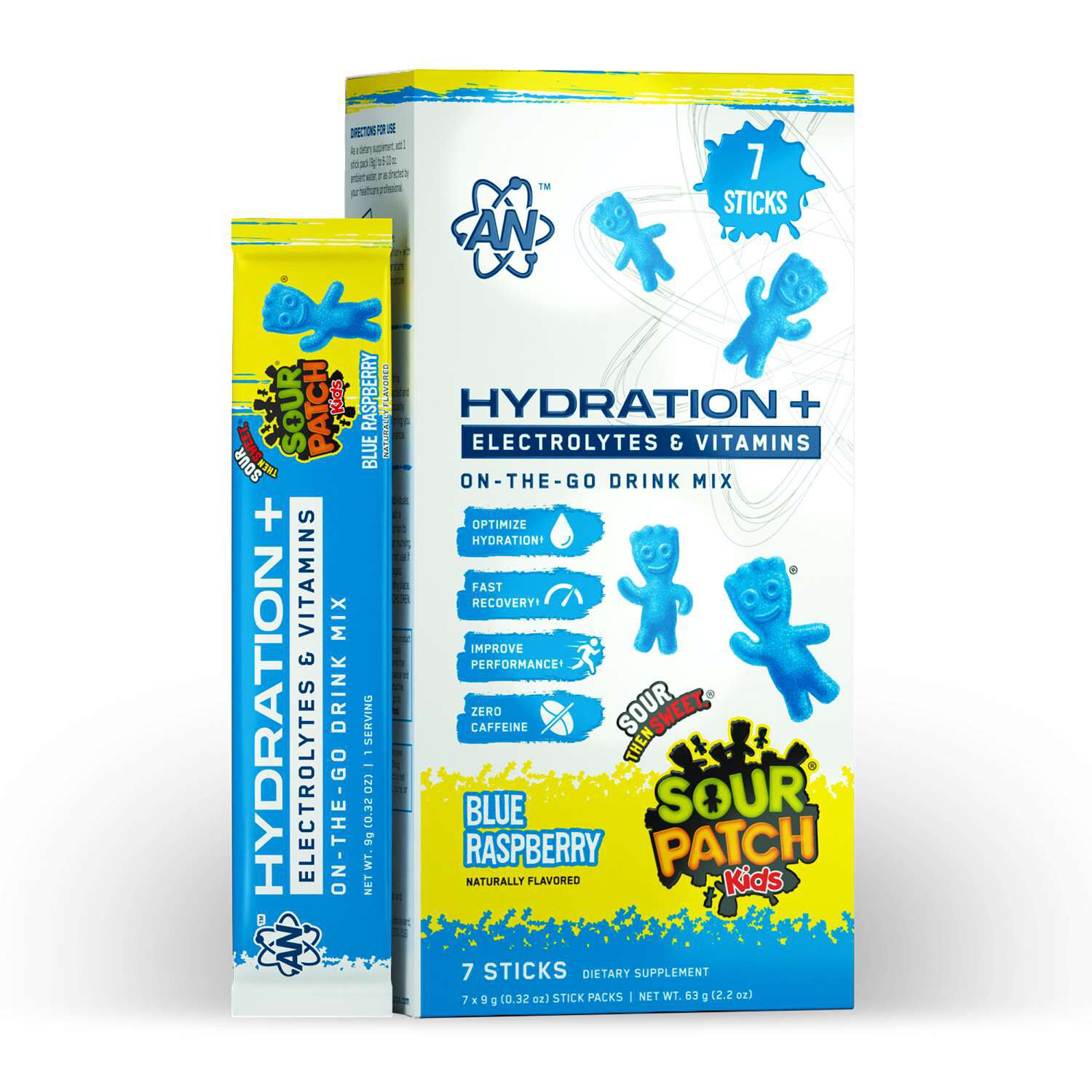
Packaging and preparation often determine how comfortably coconut water powder energy drinks fit into a routine. Single-serving packets offer a premeasured portion that takes up little room in a work bag or gym pouch, while a resealable container suits a kitchen counter or another regular mixing spot. Packets also reduce the need to carry a separate scoop, although they still require the amount of water specified by the manufacturer. A larger container calls for accurate measuring and careful closure between uses. Because dry beverage powders can absorb moisture, a dry scoop, a securely closed lid or pouch, and storage according to package directions matter for keeping the powder in its intended condition. A packet carried beside keys or other hard objects benefits from a protective pocket or small case that helps keep its seams intact. The outer package should remain readable so serving information and preparation directions stay close at hand. For mixing, a bottle with enough room for both the recommended water amount and some movement can be more convenient than a vessel filled to the rim. Solubility varies with the recipe, so shaking, stirring, and any suggested resting time should follow the label rather than an assumption that every coconut water powder dissolves the same way. A lingering coconut note may pair comfortably with tropical flavors, while a tart blend may suit someone who prefers a fruit-forward drink with less emphasis on coconut taste. These sensory details can matter as much as portability when a beverage becomes a regular part of a packed lunch or workout bag. Powder format also means the drink is prepared when needed instead of carried as a ready-mixed liquid, though access to suitable drinking water remains part of the plan. For gifting, a beverage mix is most appropriate when the recipient’s flavor preferences, dietary requirements, and interest in caffeinated or noncaffeinated drinks are already known. Across these uses, the appeal of coconut water powder energy drinks lies in their mixable format and varied recipes, with the best fit depending on what is actually in each serving and how it will be prepared.
Best Sellers
-
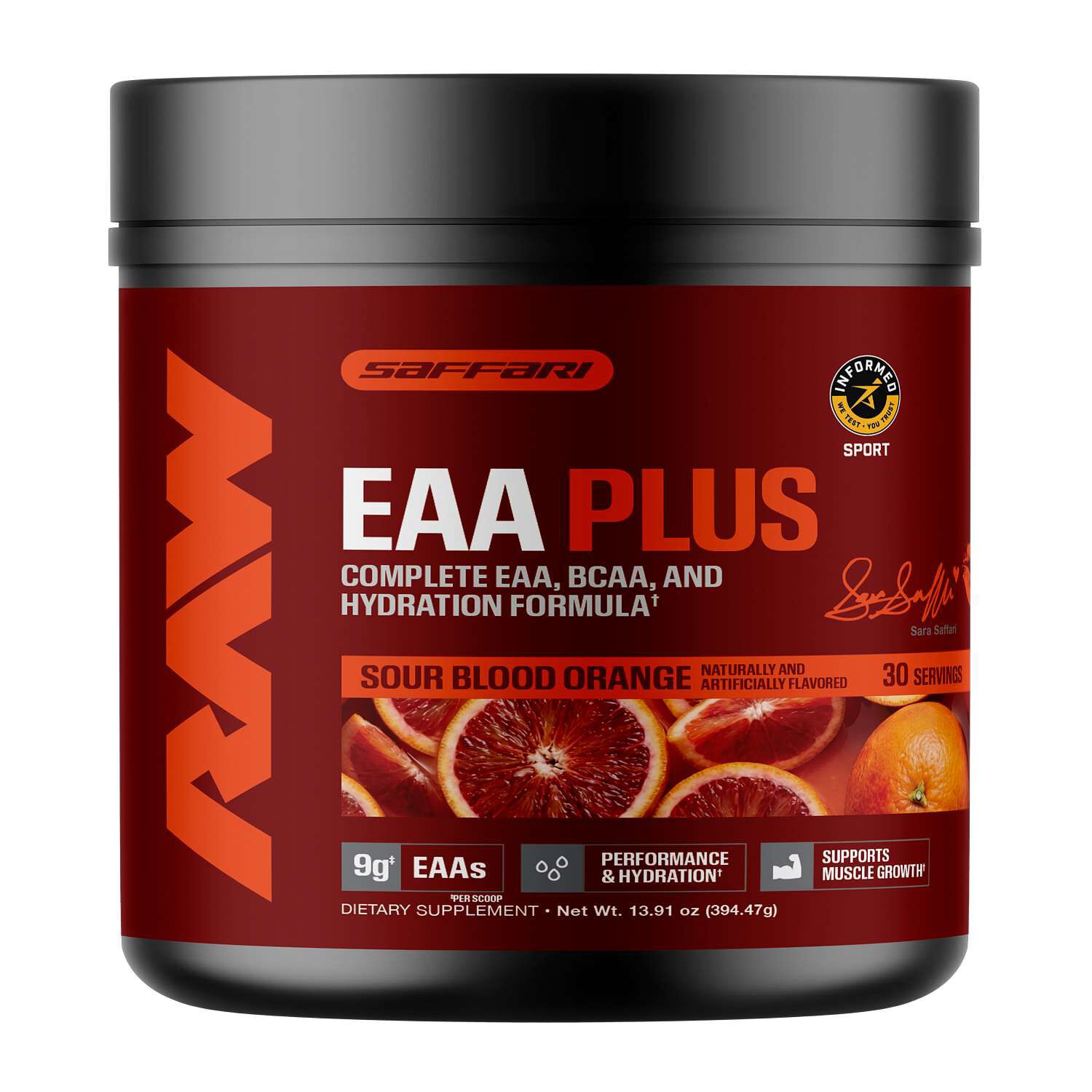 Raw Nutrition
 -
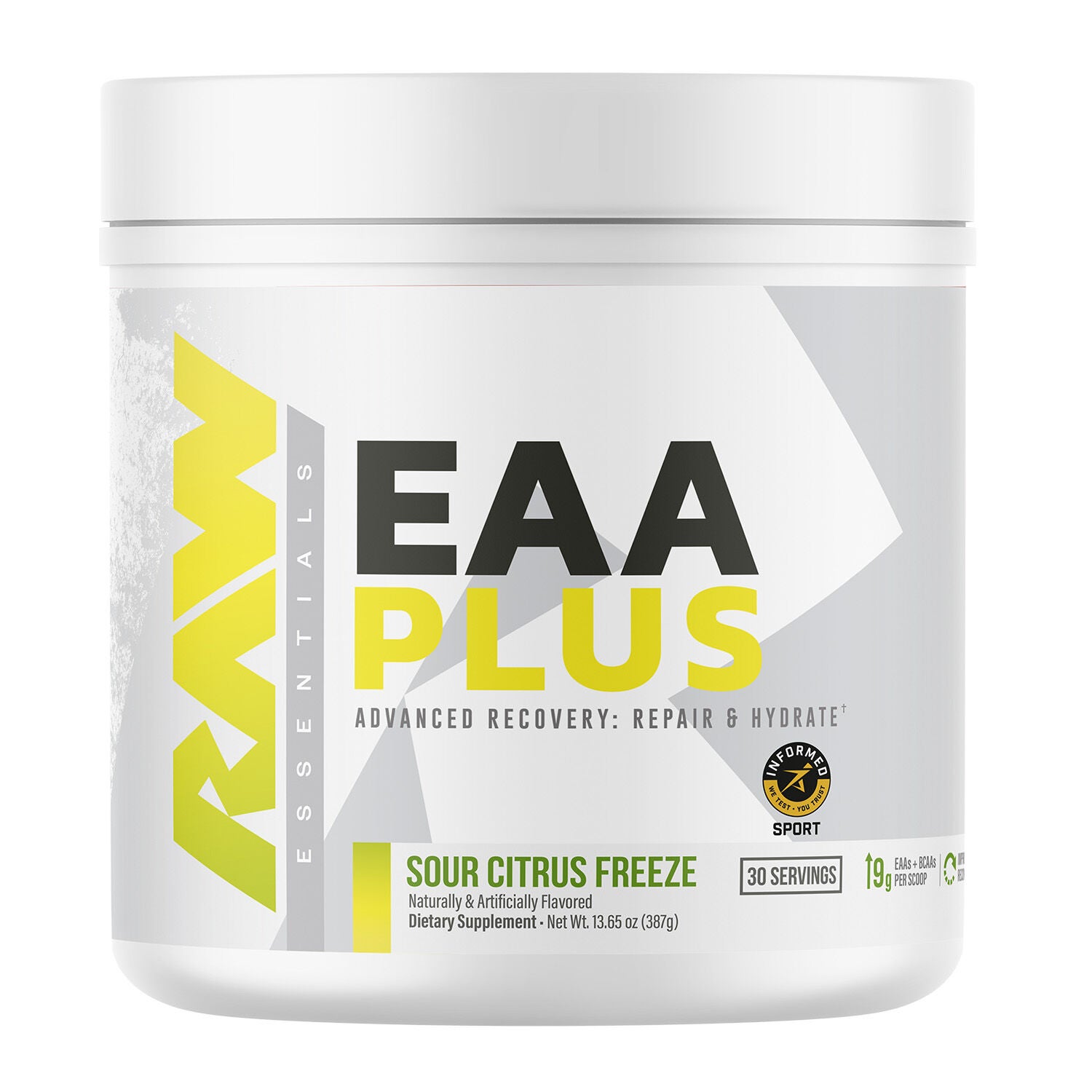 Raw Nutrition
 -
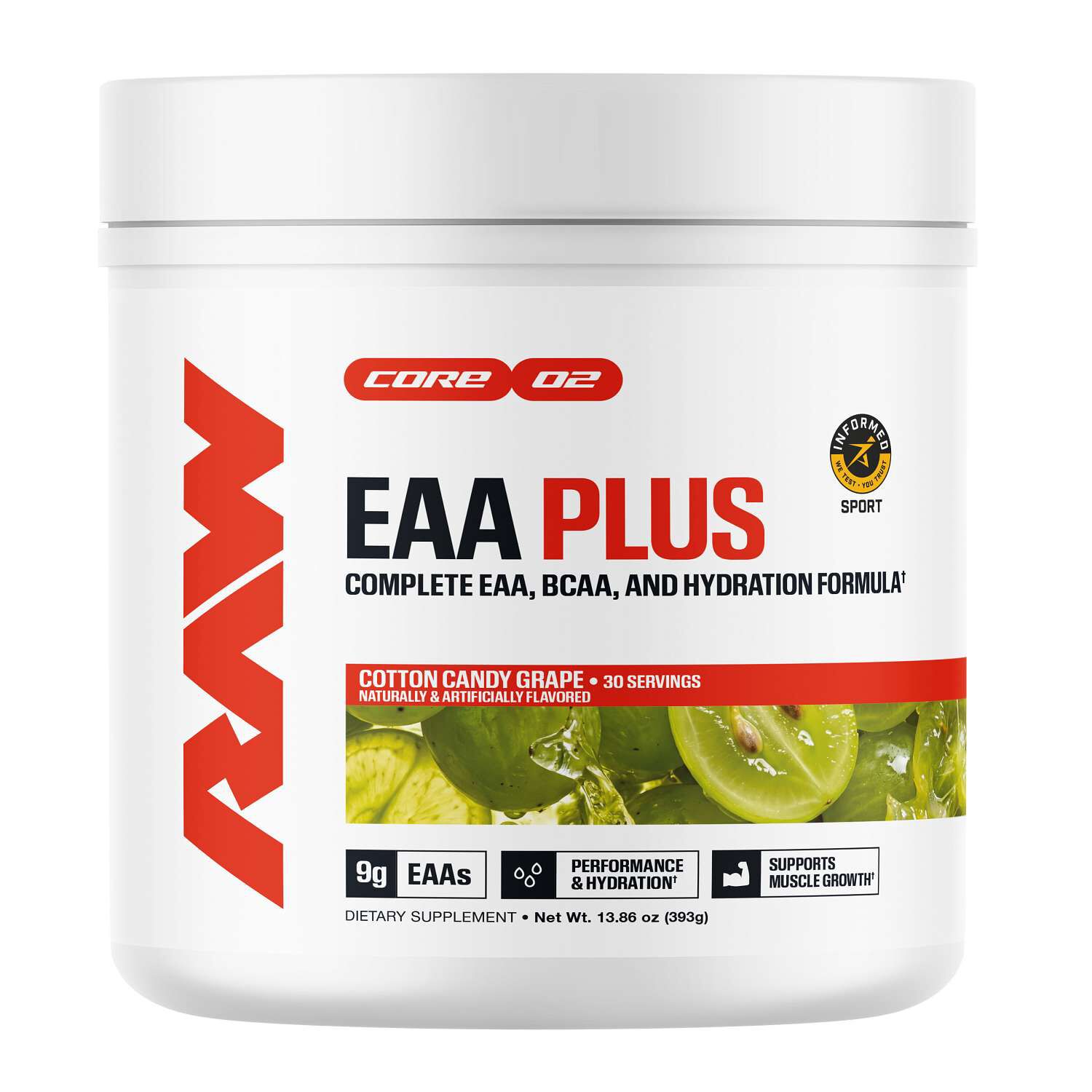 Raw Nutrition