Collagen For Smoothies
(0 Results)
Collagen for smoothies is a versatile and convenient way to boost your daily collagen intake while enjoying a delicious treat. Packed with essential amino acids that support healthy skin, hair, nails, and joints, collagen powders are easily mixable into your favorite smoothie recipes. Whether you're looking to enhance your post-workout recovery or simply add a nutritious element to your morning routine, incorporating collagen into your smoothies can help you achieve your wellness goals with ease. Discover our selection of collagen powders designed to elevate your smoothie game and nourish your body from within.
-

-

-

-
-

-

-

-
 44$44.99
-

-

-
 $34.99
-
-
-
-

-
-
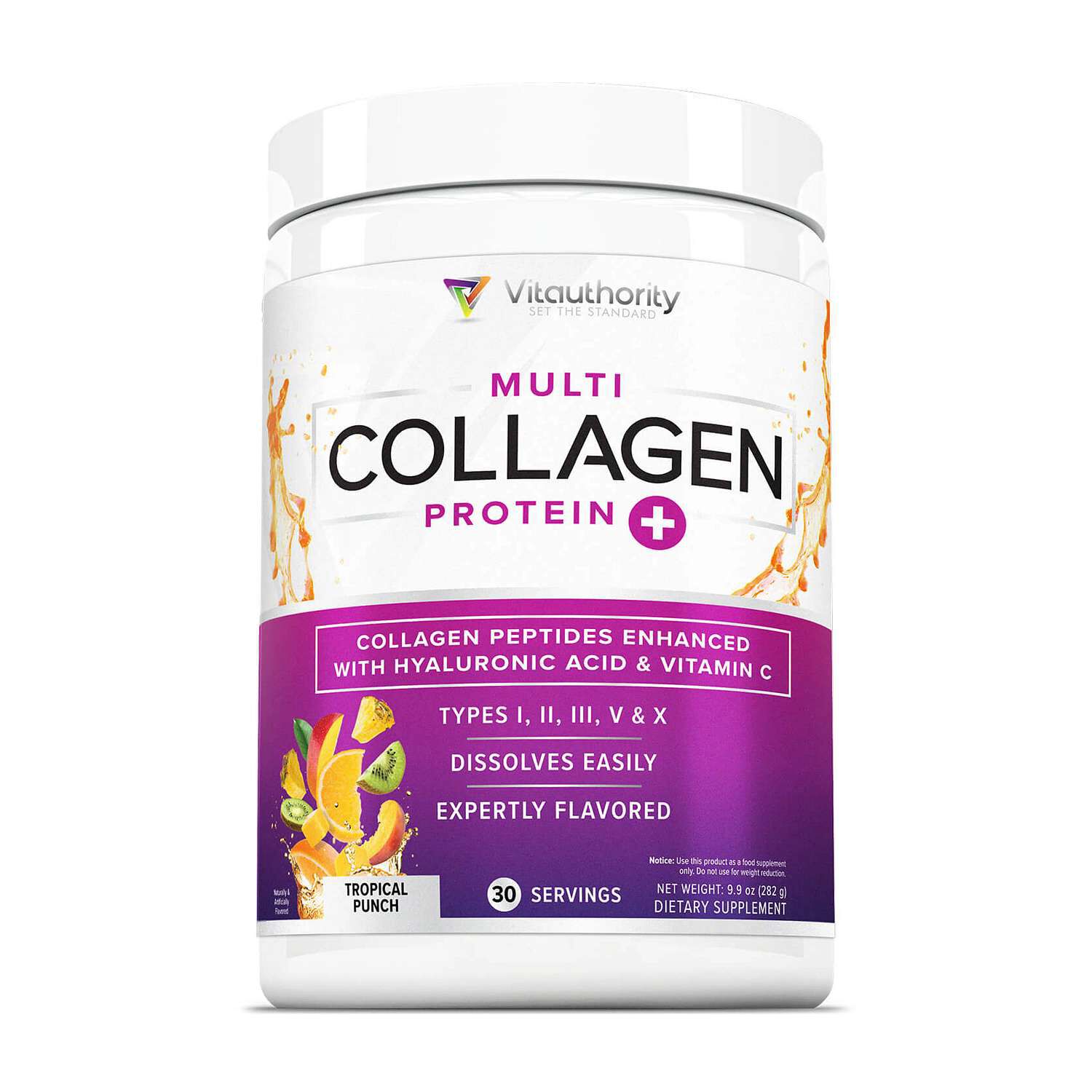
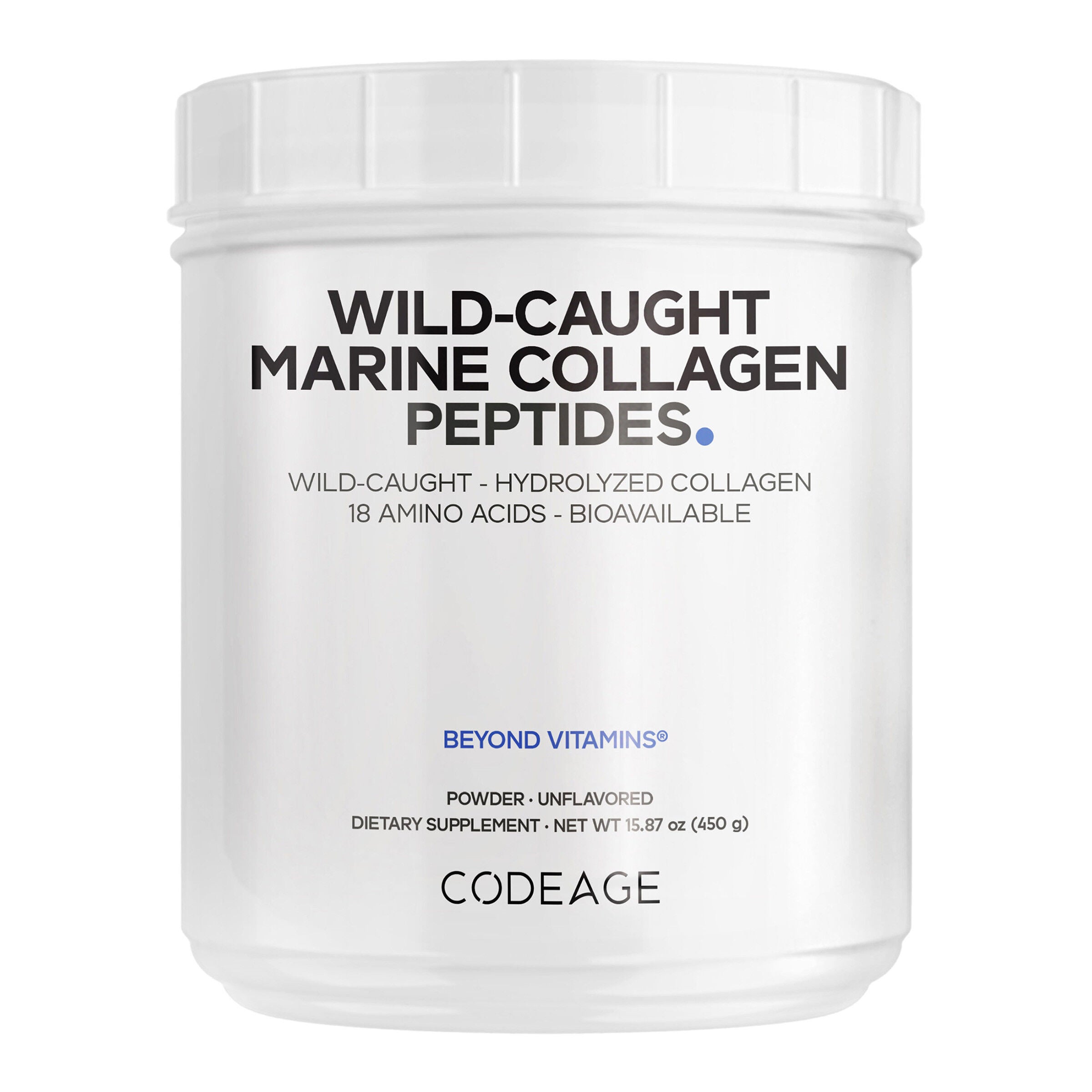
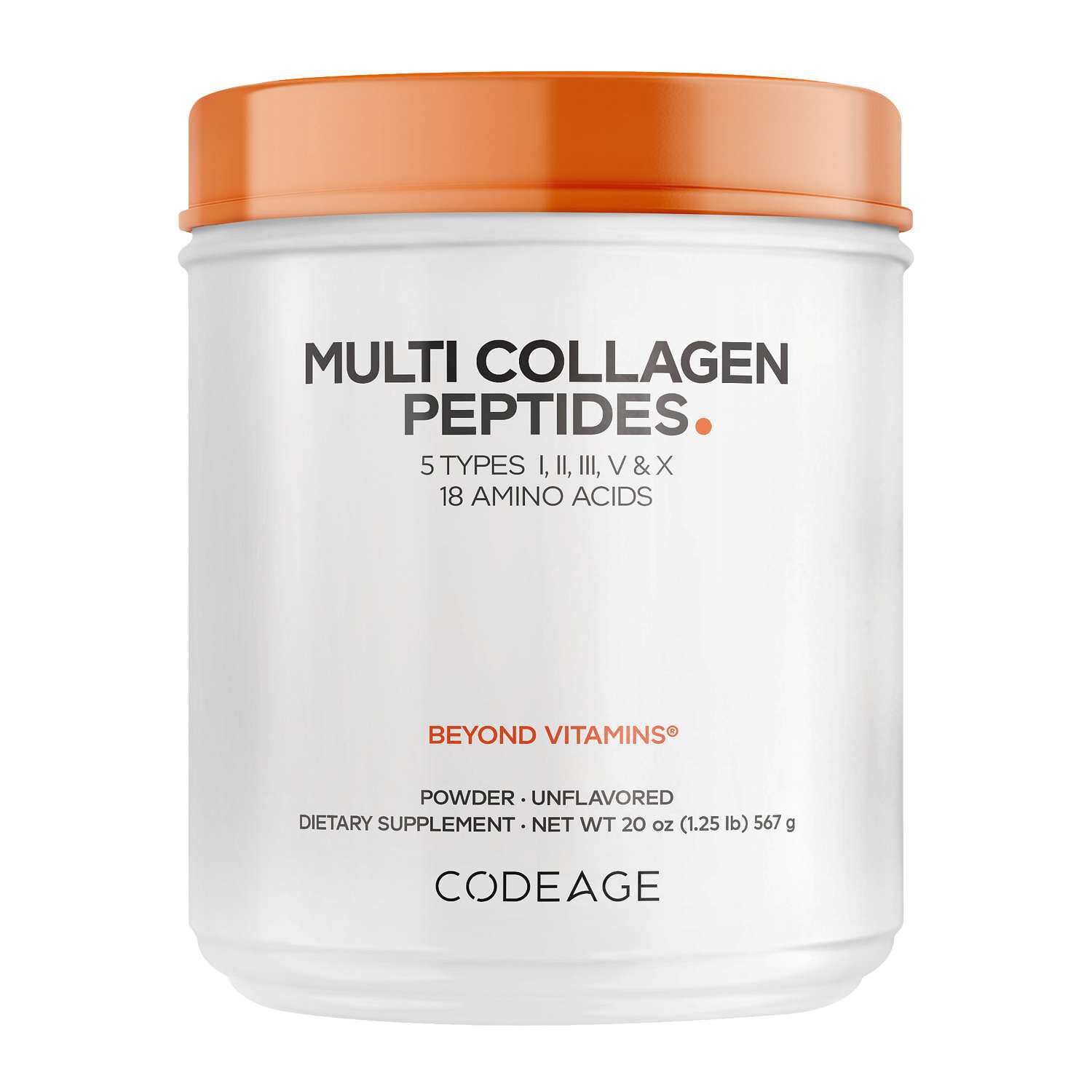

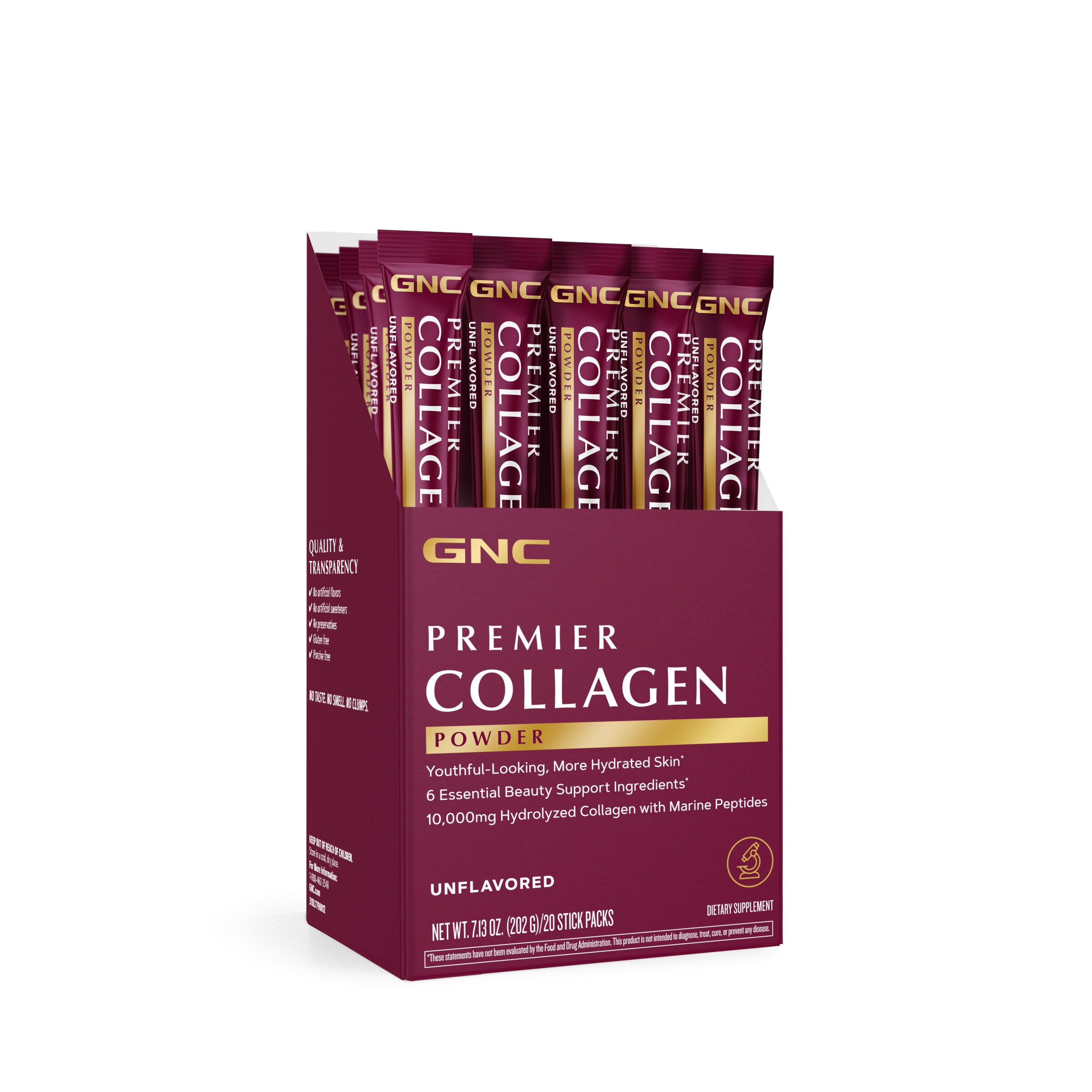
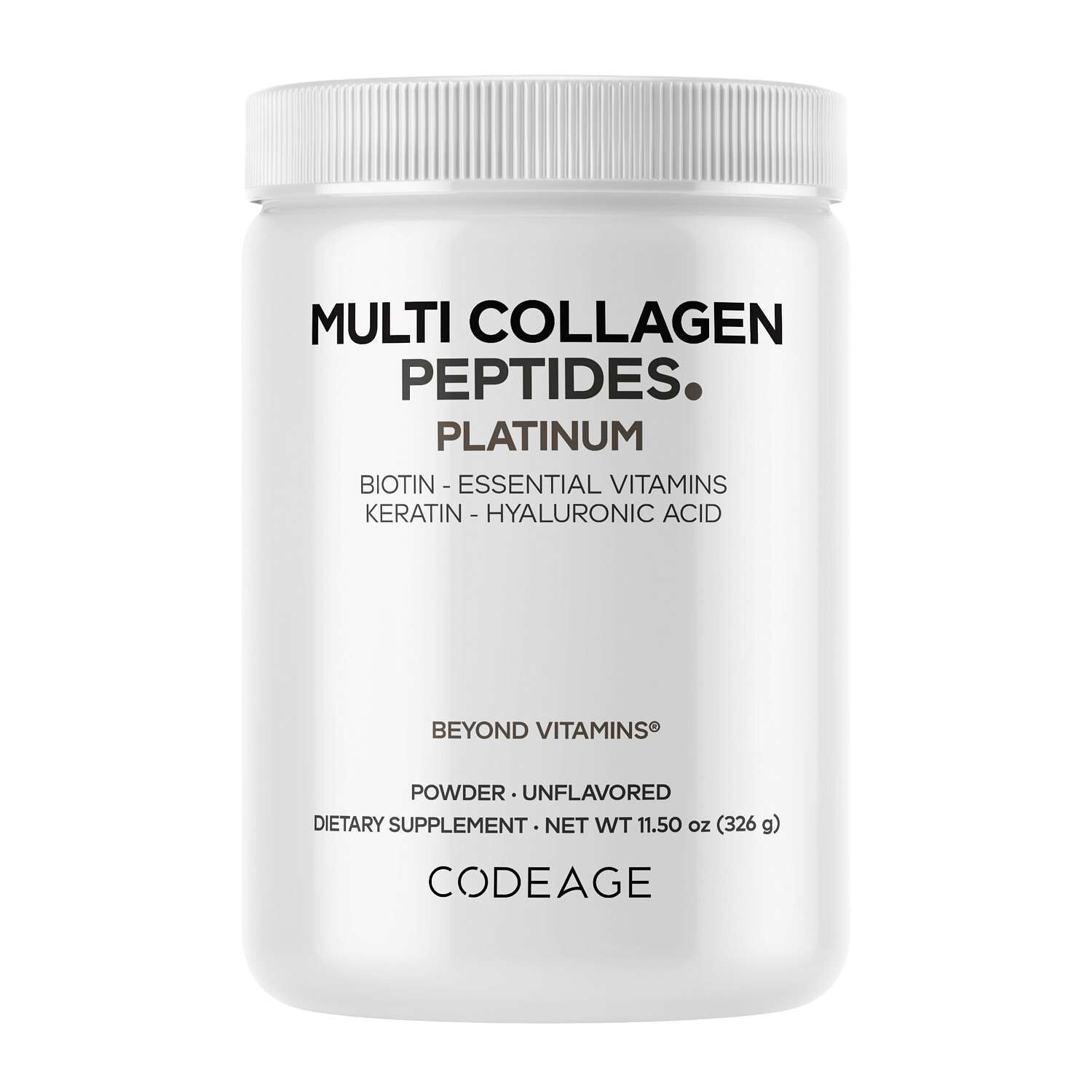
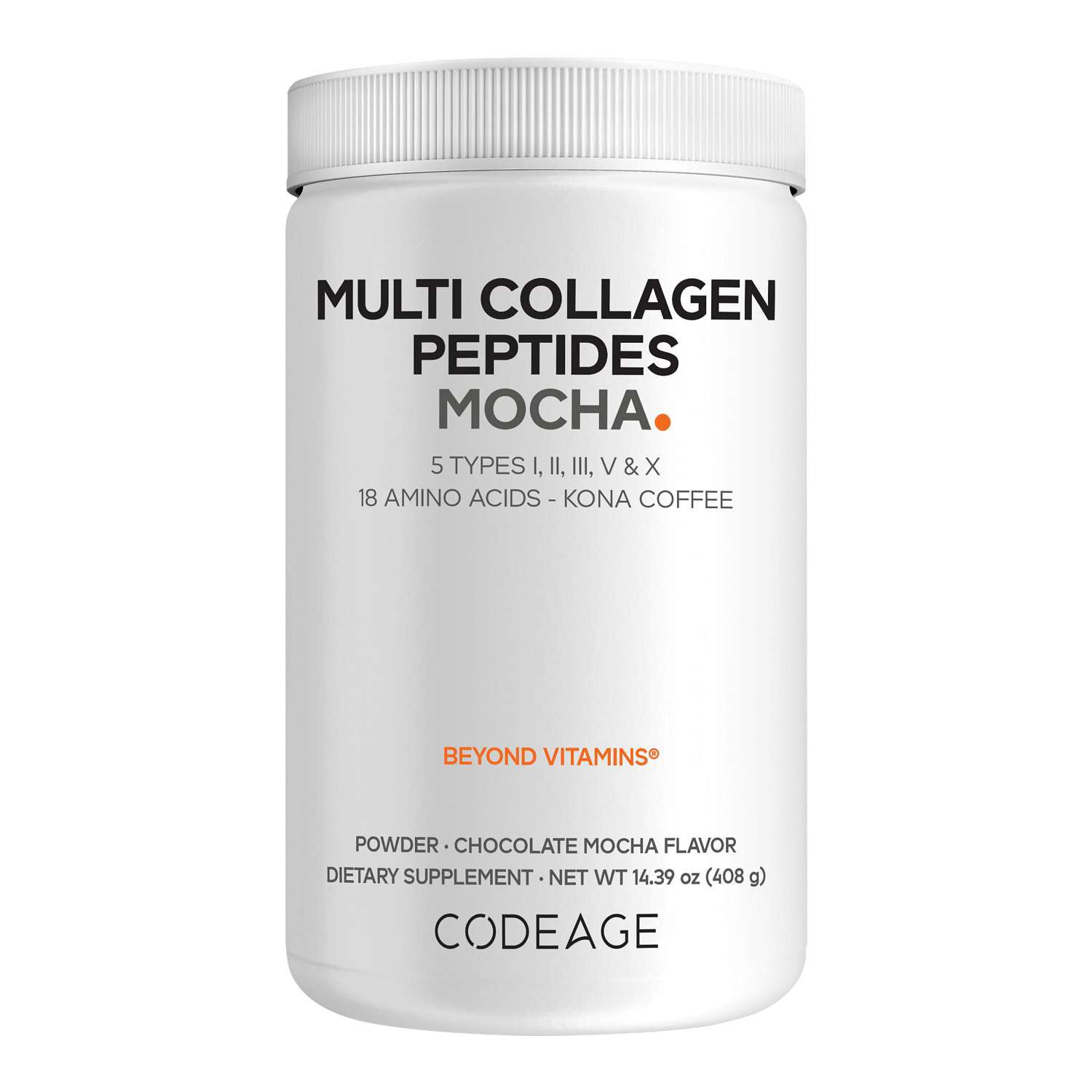

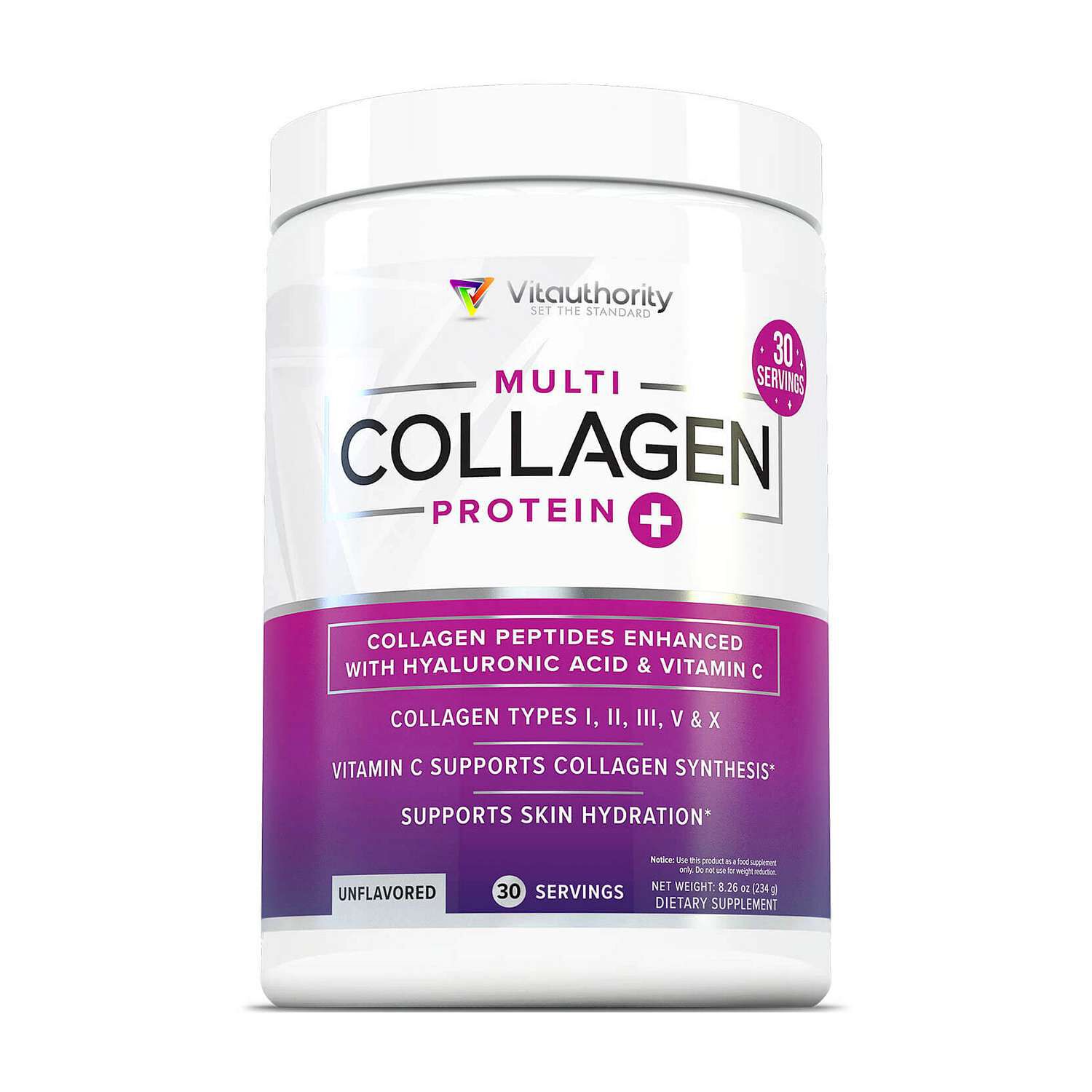
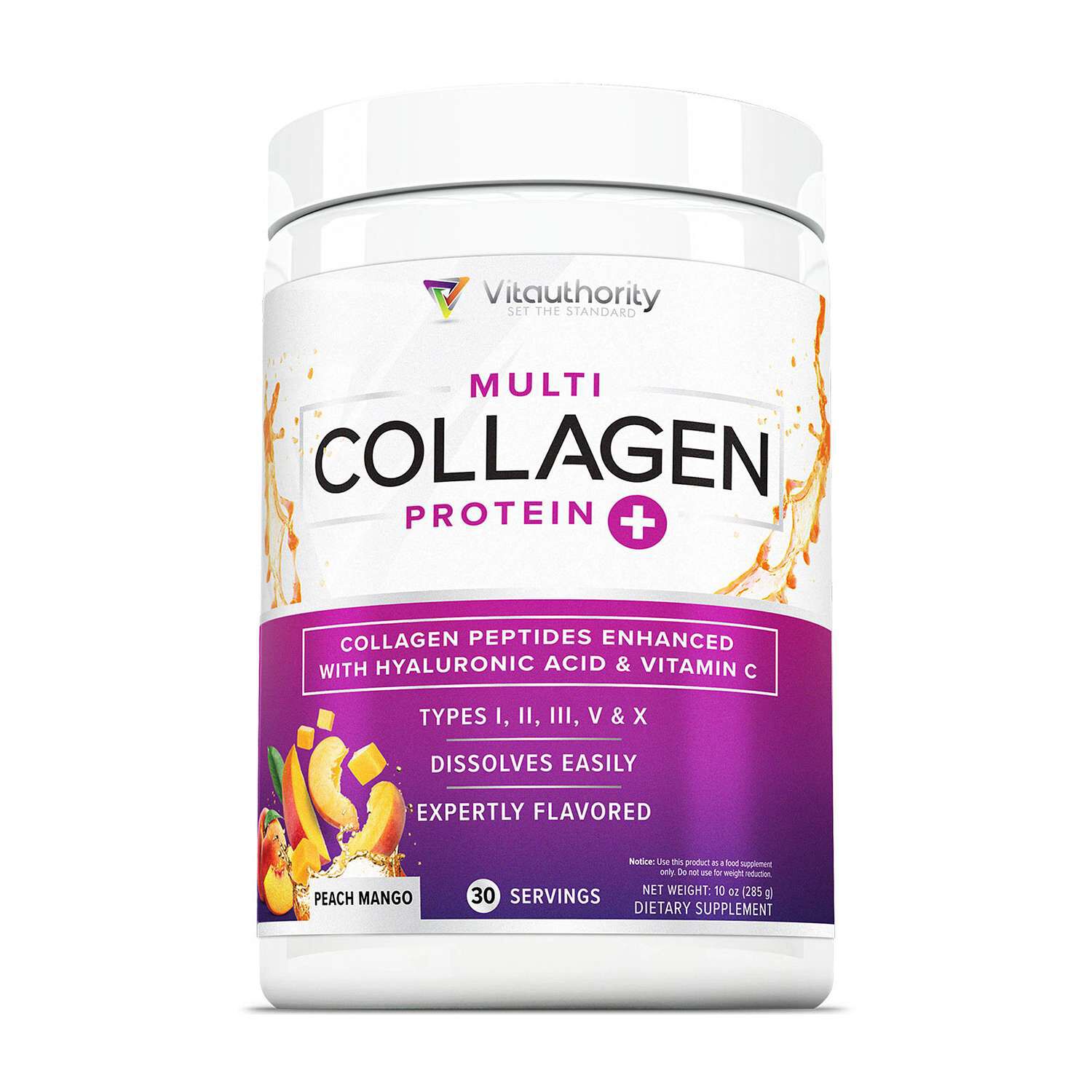
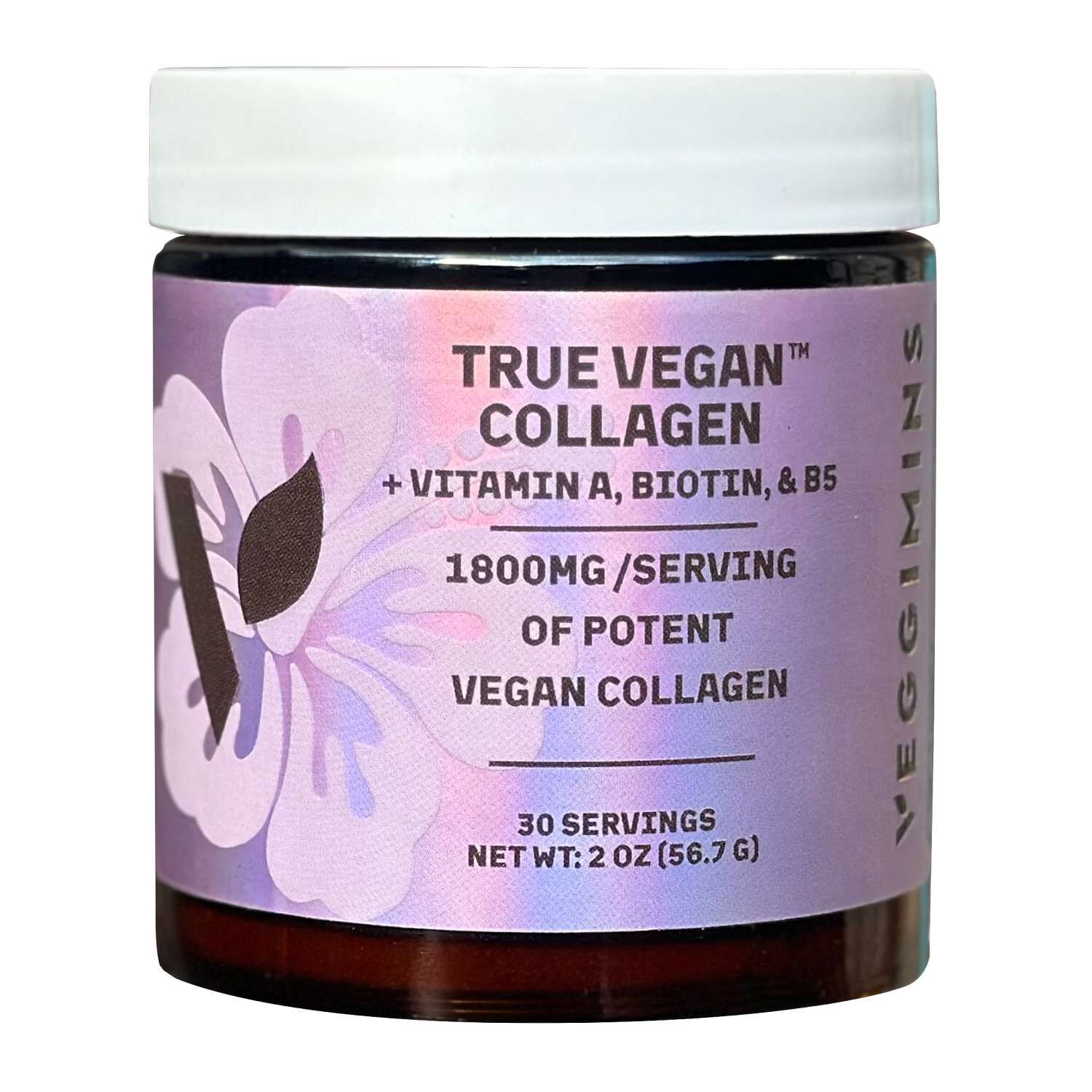
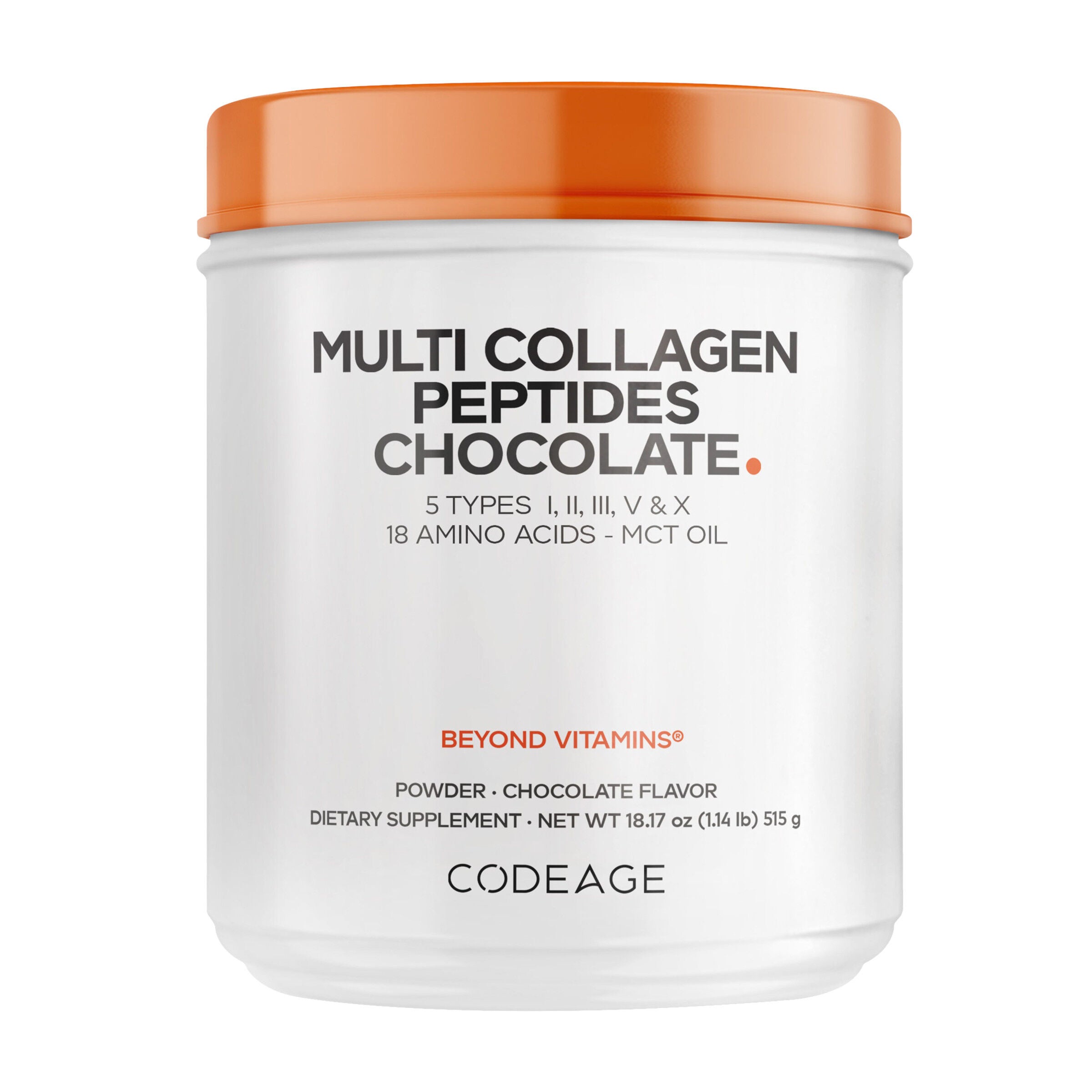
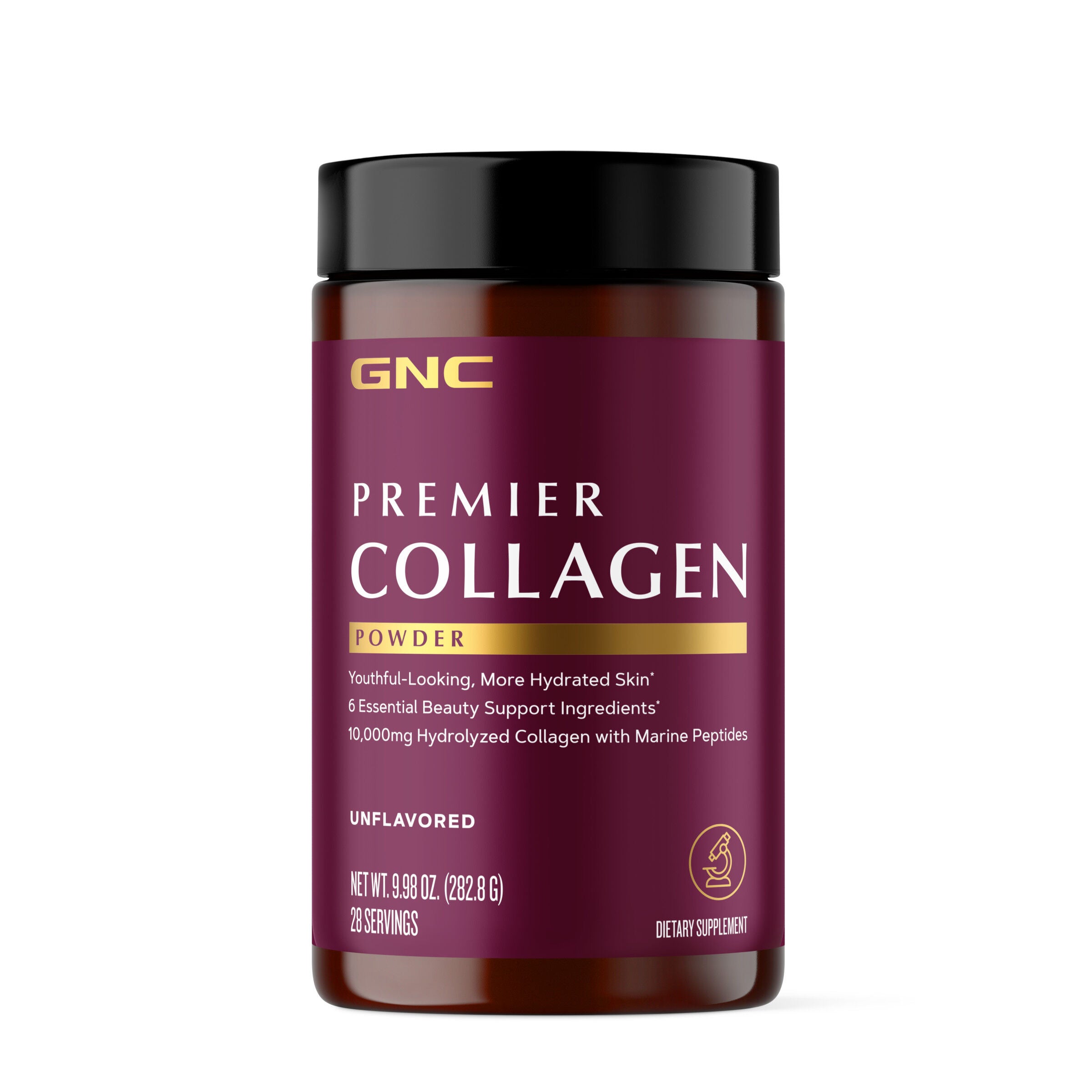
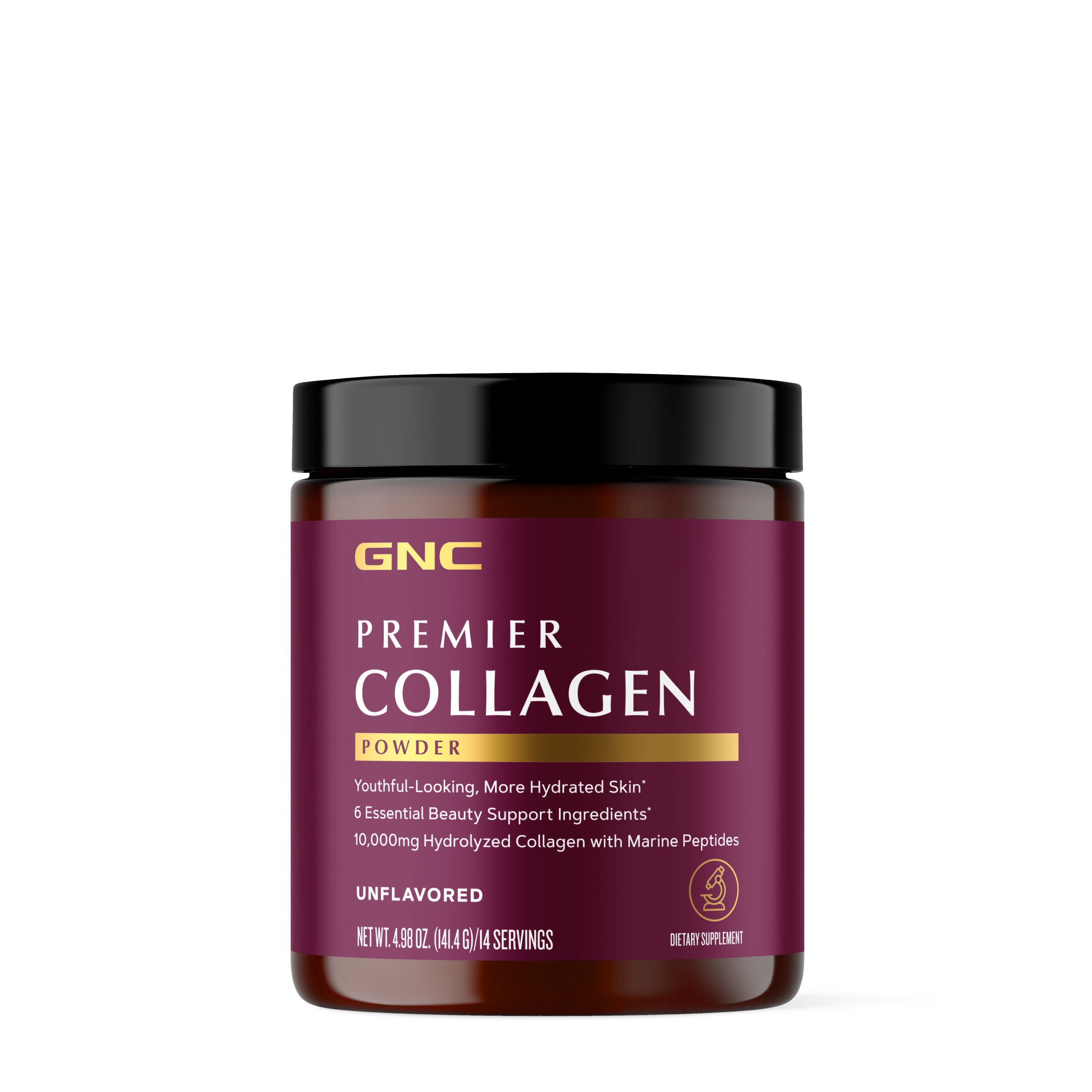
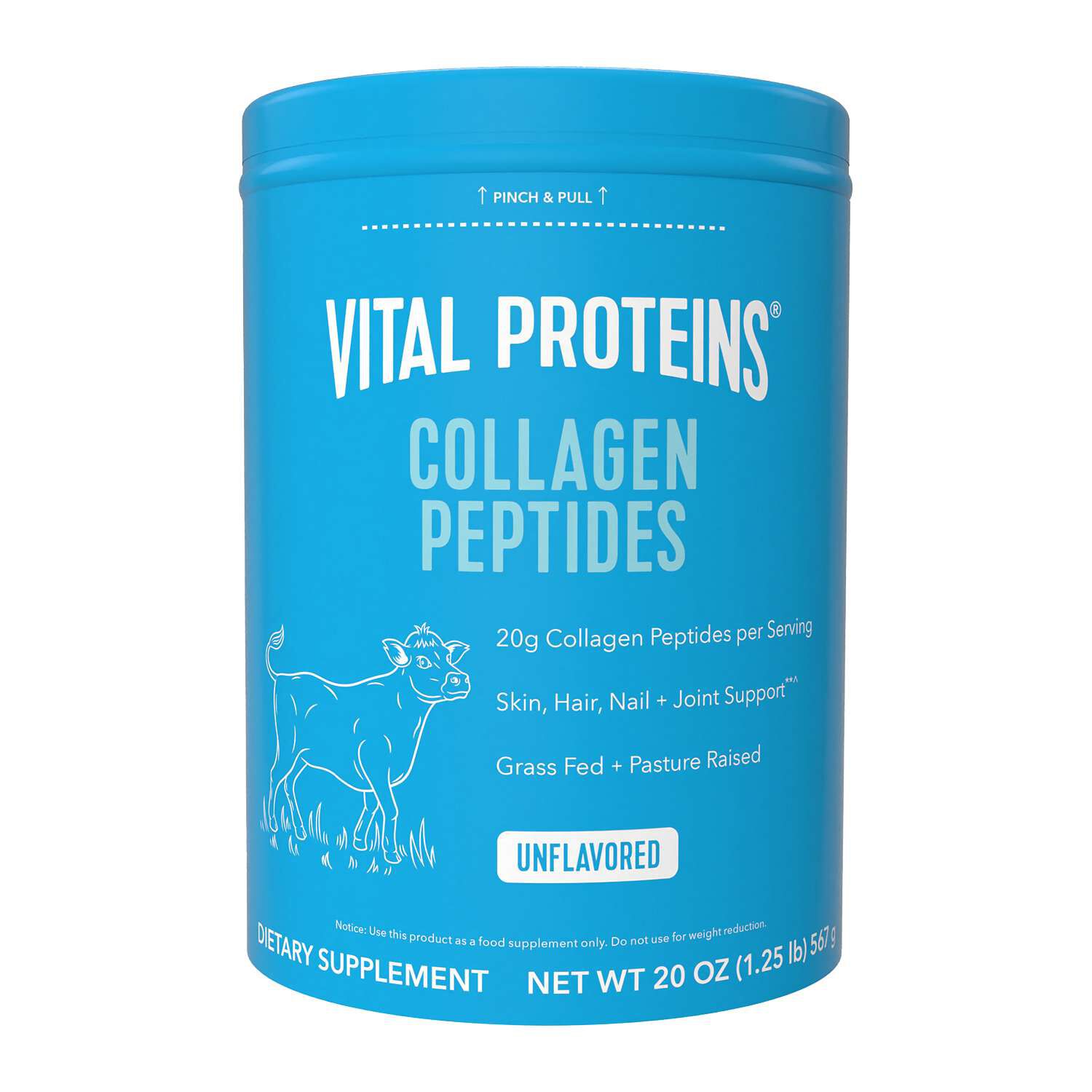
Collagen for smoothies generally refers to powdered collagen peptides intended for mixing into fruit, vegetable, yogurt, or milk-based drinks. Hydrolyzed collagen is an animal-derived protein that has been processed into smaller peptides, a form commonly used in beverage powders. Unlike traditional gelatin, which is used as a gelling ingredient, hydrolyzed collagen peptides may disperse in liquids without creating a gel. That distinction matters for a smoothie with a drinkable consistency rather than a spoonable texture. An unflavored collagen powder may contribute protein while leaving room for the taste of strawberries, ripe banana, tart cherries, or nut butter. Flavored varieties may bring vanilla, chocolate, or another recognizable note to the same ingredients. Neither approach is necessarily the better match for every blender pitcher: someone who rotates between tropical fruit and cocoa-based blends may prefer a neutral powder, while someone who makes the same banana smoothie each morning may appreciate a complementary flavor. For a closer look at the neutral category, Unflavored Collagen Powders For Smoothies focuses on that particular format. Unflavored does not always mean undetectable, since taste and aroma may vary with the collagen source, processing, and other ingredients. A delicate peach-and-yogurt blend may make subtle differences more noticeable than a smoothie containing cocoa, peanut butter, and banana. Texture may also depend on the amount of liquid, the thickness of the base, and the powder’s formulation. A dense mixture of frozen fruit and oats presents a different blending environment from a thinner combination of milk and berries. Descriptions such as hydrolyzed, peptides, flavored, and unflavored therefore provide useful context, but the ingredient list and preparation directions offer a more specific picture of what is inside the container. The most relevant comparison is between the powder’s characteristics and the smoothie someone actually enjoys making, whether that means a tart berry blend at breakfast or a creamy cocoa drink later in the day.
Collagen source is another important distinction within this category. Bovine collagen comes from cattle, while marine collagen commonly comes from fish; other animal sources also exist. Collagen itself is not a plant-based ingredient, even when the smoothie base is oat, almond, coconut, or soy milk. For someone with particular dietary preferences, the named source and any fish allergen disclosures deserve attention alongside the flavor description. Type I and type III are common designations on bovine collagen labels, while type I frequently appears on marine collagen labels. These names describe collagen categories rather than a flavor, serving size, or preparation method. Ingredient lists may range from collagen peptides alone to blends containing sweeteners, flavorings, vitamins, minerals, or other additions. A short ingredient list may appeal to someone who already has a favorite smoothie recipe, while a flavored formula may suit a more consistent combination of ingredients. Nutrition information adds another layer of comparison. The weight of a serving and the grams of protein in that serving are separate measurements, and scoop sizes are not uniform across containers. A scoop is a measuring tool rather than a universal portion. Serving directions, protein per serving, added sugar, and the presence of other ingredients give a clearer basis for comparing powders than the size of the scoop alone. Collagen also has a different amino acid profile from milk, egg, soy, and other dietary proteins, so these categories are not nutritionally interchangeable simply because each contains protein. The rest of the smoothie matters, too. A blend of fruit, water, and collagen may have a very different nutritional composition from one made with yogurt, oats, nut butter, and collagen. For shoppers comparing collagen powder for smoothies, that broader ingredient context keeps the focus on the finished drink rather than a single number on the front of a container. It also leaves room for personal preferences around sweetness, ingredient simplicity, and animal source without assuming that one formulation suits every routine.
Everyday use often comes down to practical details that are easy to overlook beside flavor and nutrition information. Container design, serving measurements, mixing directions, and storage requirements all belong in the comparison. A wide-mouth tub may be convenient beside a countertop blender, while a resealable pouch may suit a smaller cabinet or a kitchen with limited storage space. Individually portioned packaging may appeal to someone who carries smoothie ingredients to an office kitchen, although the serving amount still depends on the label. Powder care generally centers on a securely closed container and a clean, dry measuring utensil, with the manufacturer’s storage directions taking priority. Moisture from a damp scoop or splashes near the sink may contribute to clumping before the powder ever reaches the blender. The package’s best-by or expiration information applies to the powder; a prepared smoothie has additional ingredients with their own storage and handling requirements. Preparation details are similarly specific to the formula. Some powders have directions for stirring into liquids, while others include instructions for blender use, and the suggested serving belongs with those directions rather than an assumed scoop count. In a smoothie built around thick yogurt and frozen berries, additional liquid may make blending easier; in a lighter fruit-and-milk mixture, the same powder may behave differently. Small seeds, fibrous greens, oats, and nut butters may also influence the texture attributed to the collagen. These distinctions are especially relevant for someone who prefers a smooth sip through a straw rather than a thick smoothie bowl. Collagen for smoothies fits several familiar routines: a breakfast blended before the commute, an afternoon fruit drink, or a smoothie prepared after a workout. Its suitability depends on the person’s ingredient preferences, the labeled serving, and the role of the finished drink. A well-matched powder may sit quietly behind the flavor of the recipe, making source, formulation, packaging, and everyday preparation more meaningful shopping considerations than an elaborate flavor name alone.
Best Sellers
-
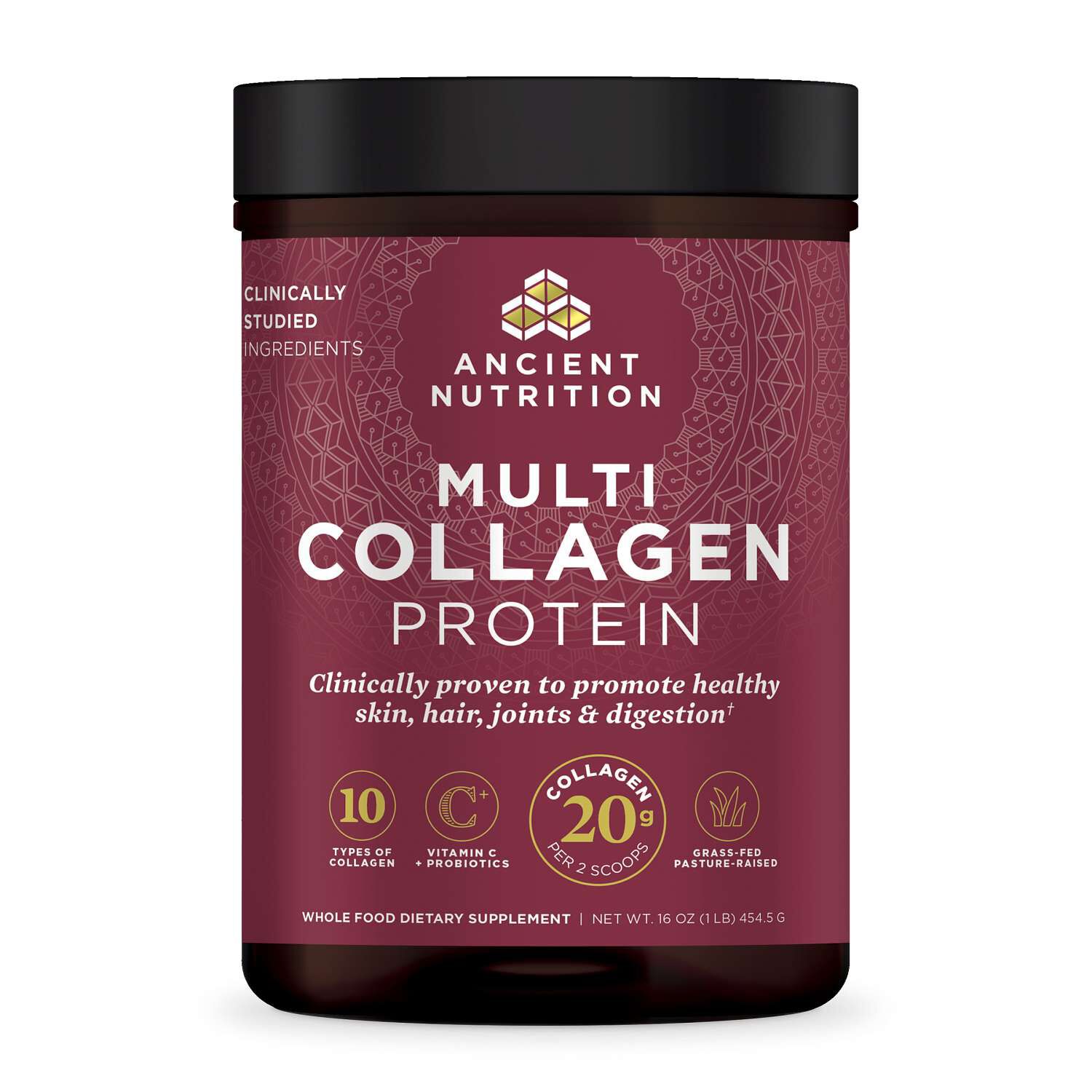 Ancient Nutrition
-
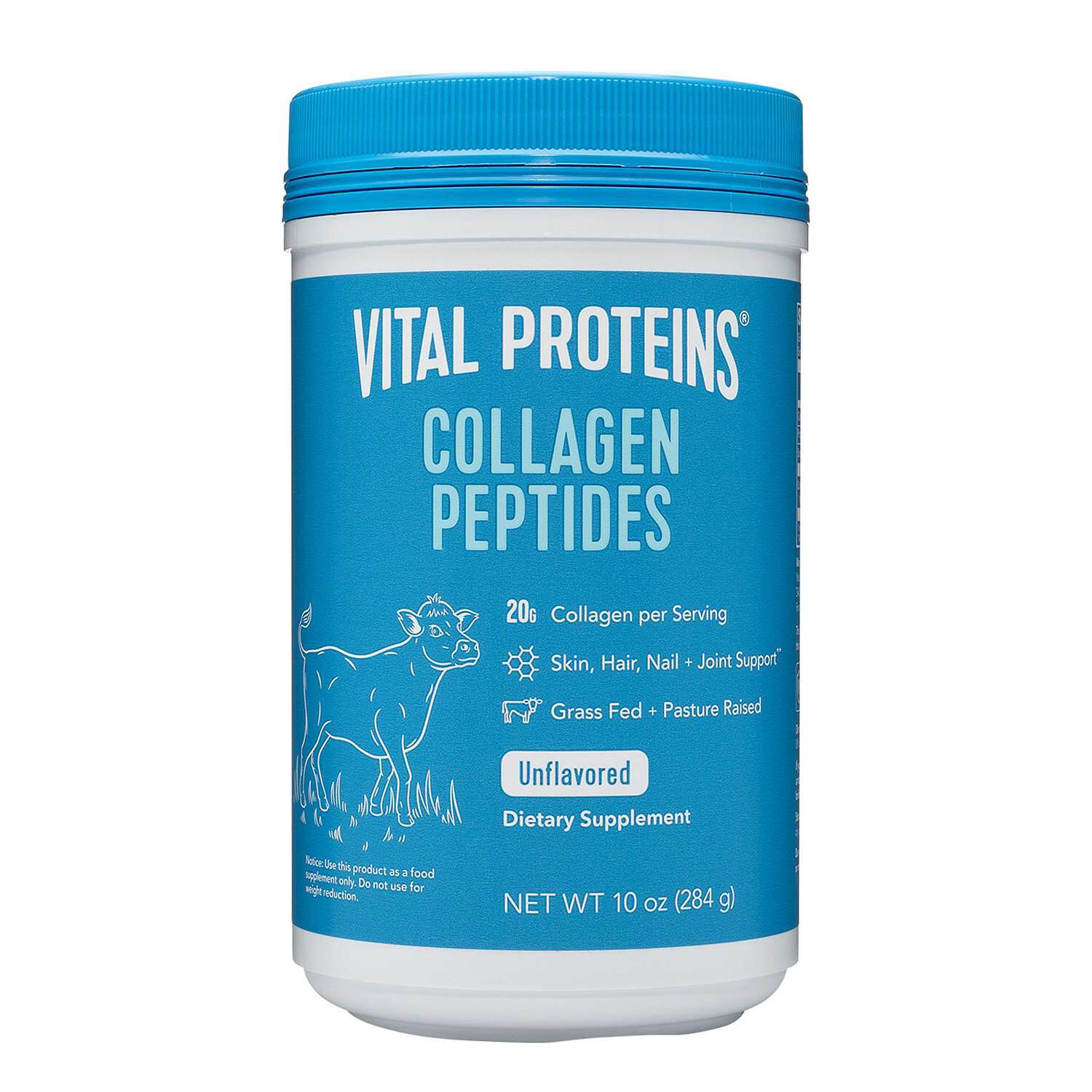
Vital Proteins