





Collagen Powders For Cartilage Health
(0 Results)
Discover the potential benefits of collagen powders for cartilage health. Collagen, a vital protein found in connective tissues, may play a crucial role in maintaining the integrity and flexibility of joints. Incorporating collagen powders into your daily routine could support overall joint function and comfort. Explore our selection of high-quality collagen powders that may help you stay active and maintain healthy cartilage.
-
-
-
-
-

-
-
-

-

-

-
-

-
-

-

-

-

-
-
 44$44.99
 -

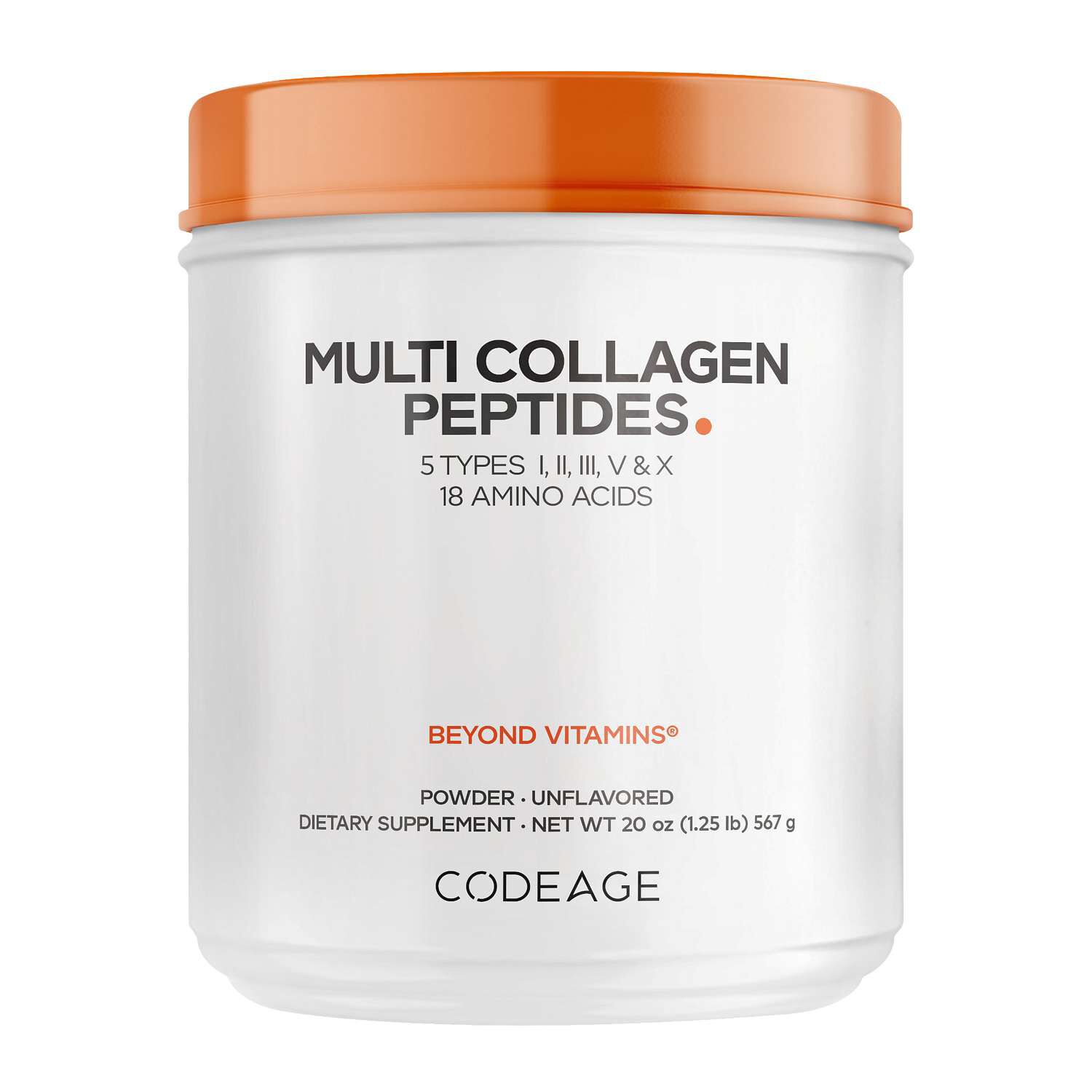
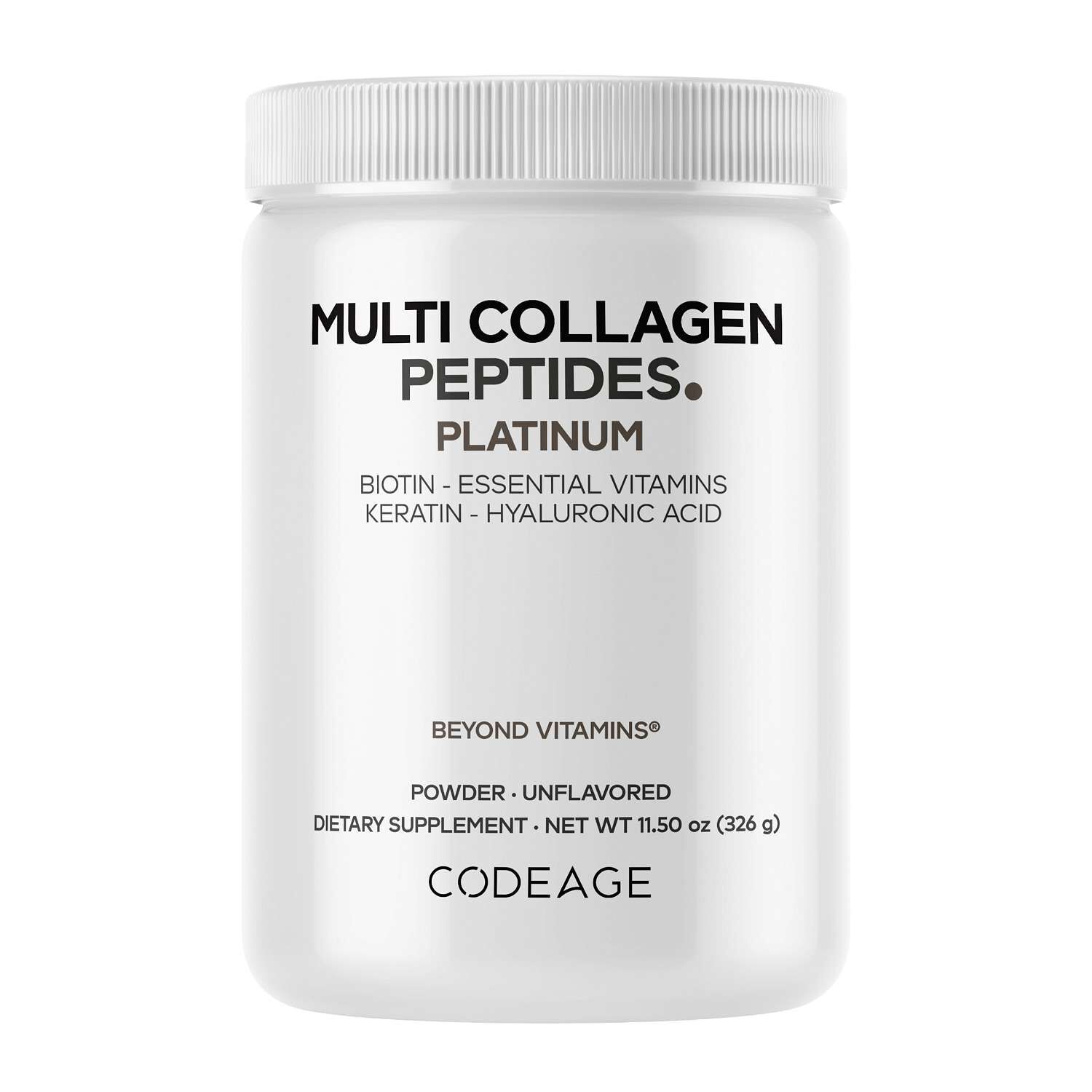
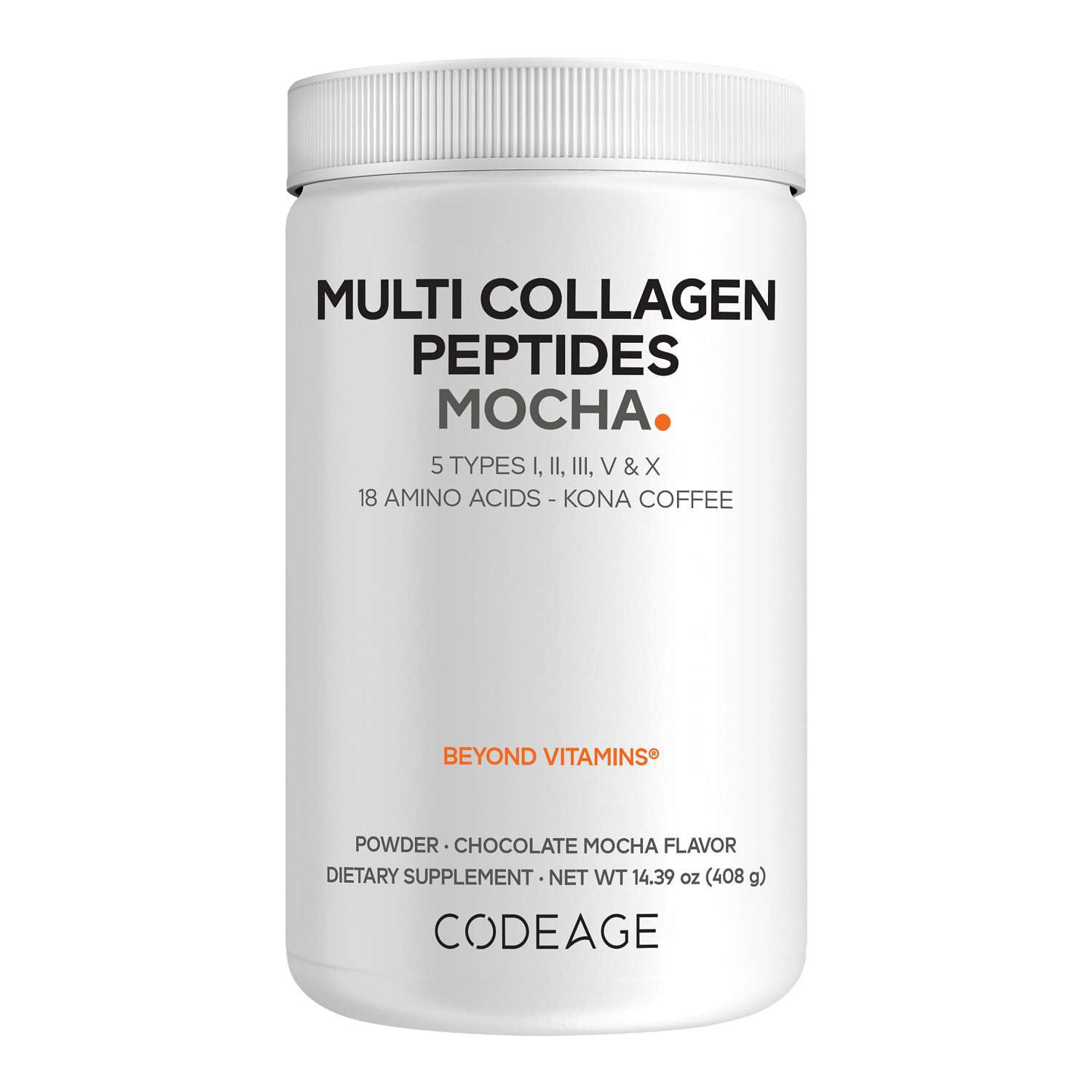

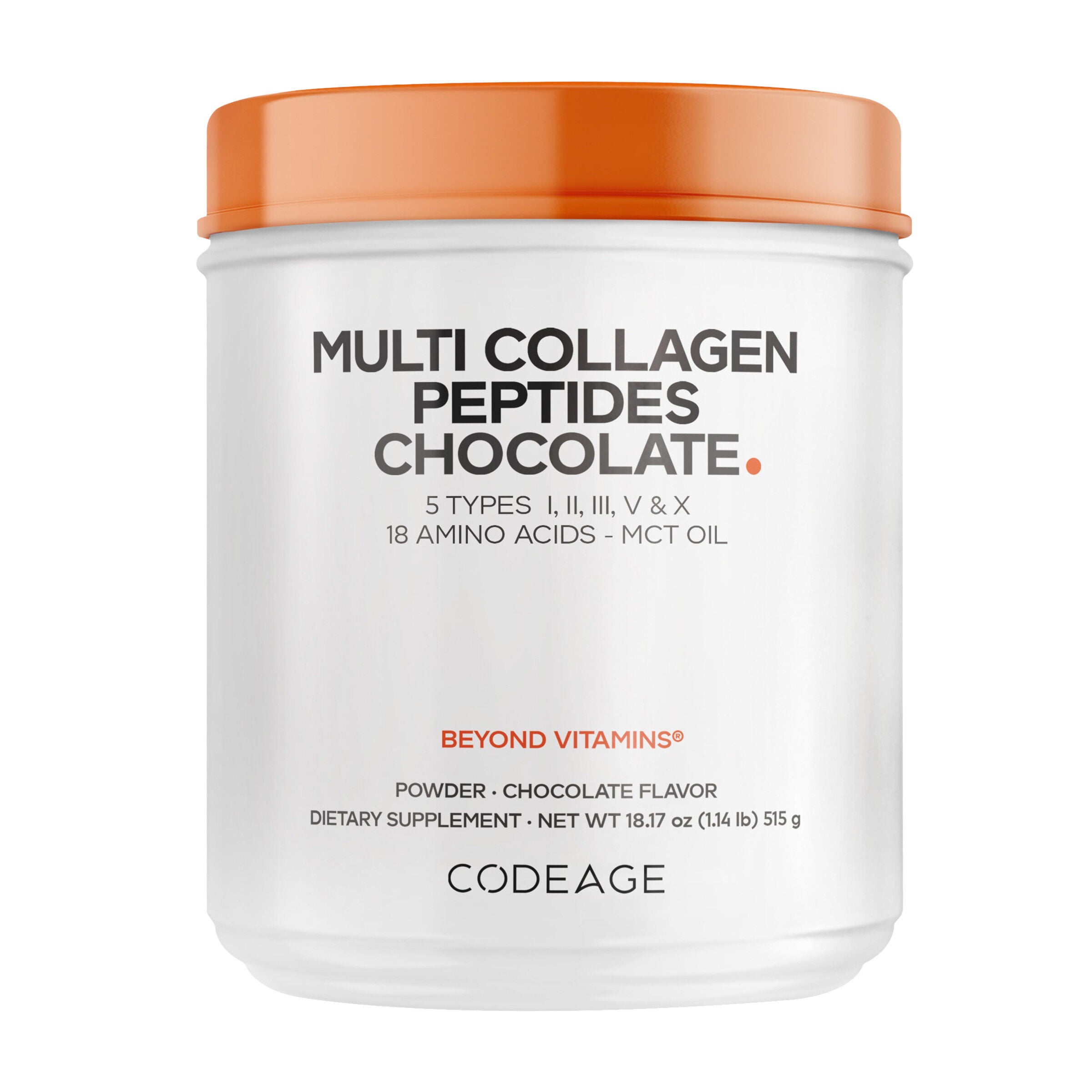
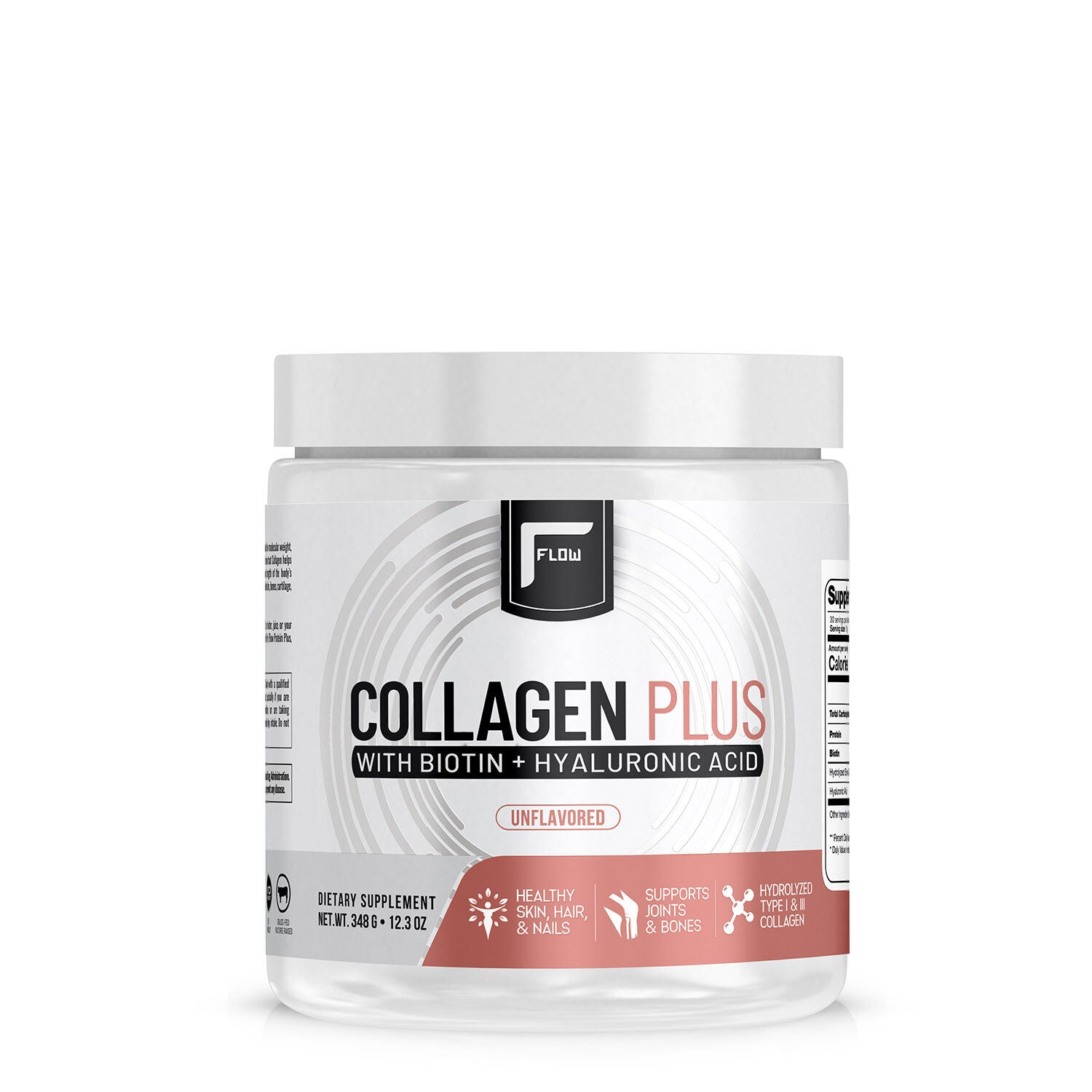
Collagen powders for cartilage health bring a familiar supplement format to a specific area of interest: the connective tissue within joints. Cartilage is the smooth, resilient tissue that covers the ends of bones where they meet, and collagen is part of its structural framework. Different collagen types occur throughout the body, with type II being the predominant collagen in joint cartilage. That background helps explain the names on supplement labels, but it does not make every collagen powder interchangeable. Powders can differ in their animal source, collagen type, processing method, serving size, and additional ingredients. Hydrolyzed collagen, also called collagen peptides, has been processed into smaller protein fragments. The term describes the form of the ingredient, rather than a particular animal source or a specific outcome. A powder labeled as collagen peptides is not necessarily a type II formula, and a type II ingredient is not automatically the same as an undenatured type II ingredient. These distinctions matter when comparing options intended for a joint-focused nutrition routine. Bovine collagen commonly supplies types I and III, fish-derived collagen commonly supplies type I, and chicken-derived ingredients may supply type II; the ingredient panel is the place to confirm the source and type stated for a particular formula. For shoppers interested in the broader category, Collagen Protein Powders For Joints offers a related way to explore powders with a joint-oriented focus. Whether the intended user enjoys long walks, strength training, gardening, or simply prefers a powdered supplement, the practical comparison starts with what is actually in each serving. The most relevant details are the listed collagen ingredients, their amounts, the preparation directions, and how closely the format matches an established routine. Cartilage-focused labeling provides context for intended use, but it should not be read as evidence that a powder rebuilds cartilage or produces a predictable change in movement. Ingredient identity and everyday usability offer a more grounded basis for choosing among formulas.
The composition of a collagen powder deserves as much attention as the wording on the front of the container. Some formulas keep the ingredient list short, while others combine collagen with vitamin C, glucosamine, MSM, or other ingredients associated with joint-focused supplements. A longer list does not, by itself, establish that a blend is better suited to a shopper’s preferences. Comparing the amounts listed for individual ingredients can make differences between formulas easier to understand, especially when a blend name receives more attention than the details underneath it. Serving size also matters: one scoop from one container may represent a different amount of powder than one scoop from another. The weight of the serving, the stated collagen amount, and the grams of protein answer different questions and should not be treated as identical measurements. For someone already using a protein powder in a breakfast smoothie, those distinctions can help clarify how a collagen formula differs from another protein supplement. Collagen has its own amino acid profile and is not nutritionally interchangeable with every protein source. Flavorings, sweeteners, colors, and other additions are another part of the comparison. An unflavored powder may suit shoppers who want flexibility across several foods and beverages, although unflavored does not necessarily mean undetectable. Depending on the source and formula, a mild aroma, taste, or change in mouthfeel may still be noticeable. A flavored option may be more appealing to someone who plans to mix the powder with water rather than add it to a recipe. Animal origin is particularly relevant for dietary preferences and ingredient exclusions. Conventional collagen comes from animal tissues, so plant-based products marketed alongside collagen require a closer look at what they actually contain. Fish, shellfish, and other ingredient declarations also deserve attention when relevant to the shopper. Clear sourcing information, readable labeling, and specific third-party testing statements provide useful comparison points, though testing statements alone do not establish a cartilage-related benefit.
Everyday fit often comes down to the small details of preparing, carrying, and storing a powder. Someone who blends fruit and yogurt each morning has a different setup from someone stirring a supplement into a glass at an office kitchenette. Mixing directions help show whether a formula suits that setting, including the suggested liquid amount and whether stirring, shaking, or blending is recommended. Texture preferences matter, too: a shopper who enjoys a thick smoothie may notice a powder differently from someone who prefers a light beverage with little body. A strongly flavored blend could compete with coffee or fruit, while a simpler formula may be easier to incorporate without changing the character of a familiar recipe. These are practical reasons to consider intended use before focusing on container size. A tub kept beside a blender can suit a home routine, while individual packets can be convenient for a gym bag or overnight bag when that format is offered. For larger containers, the opening, closure, and scoop storage affect how tidy preparation feels from day to day. Powders also need appropriate care. Keeping the container securely closed, using a dry utensil, and following the printed storage directions can help limit exposure to moisture during ordinary handling. The best-by date and any instructions for use after opening are more useful measures of storage suitability than assumptions about how long a powder should last. If collagen powder is being considered as a gift, familiarity with the recipient’s dietary preferences, favored flavors, and existing supplement choices matters more than choosing an elaborate blend. For personal use, the same attention to preferences can make the category easier to navigate. A clearly labeled source, understandable serving information, suitable flavor, and manageable preparation method give shoppers concrete features to compare. No single texture, collagen type, or ingredient combination fits every preference, and individual experiences may vary. The strongest match is a powder whose composition and handling requirements are clear and whose intended use aligns with the shopper’s own approach to everyday nutrition.
Best Sellers
-
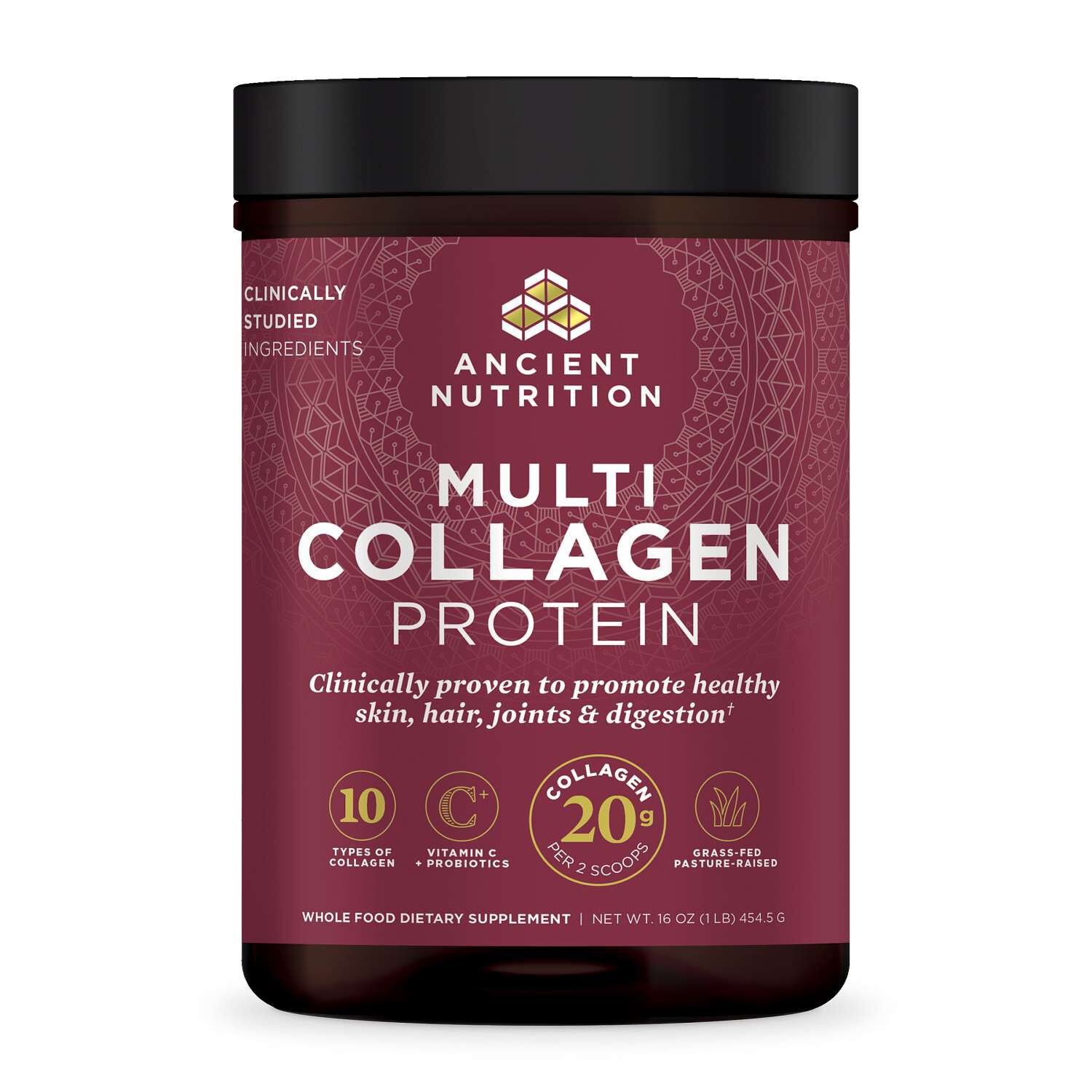
Ancient Nutrition
-
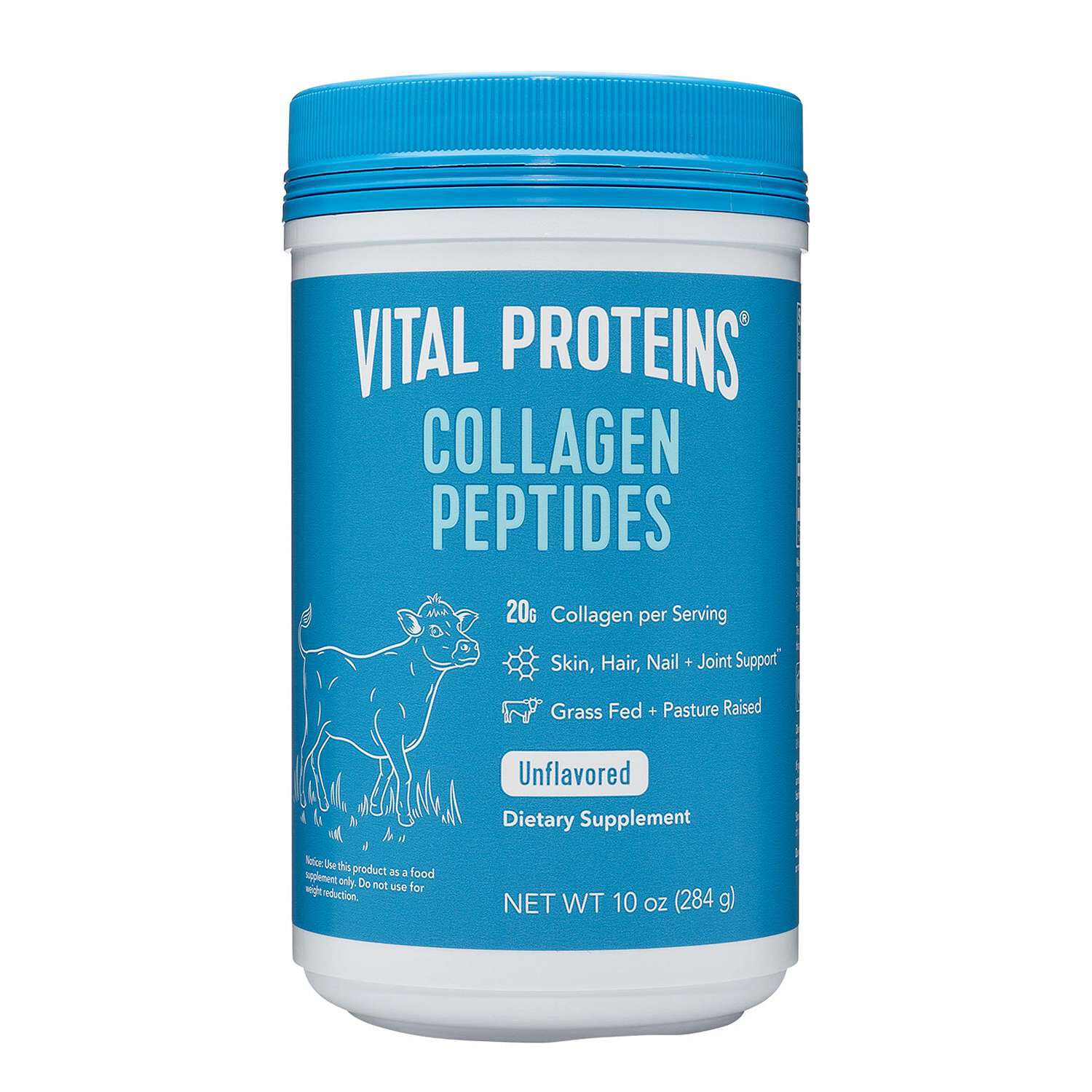
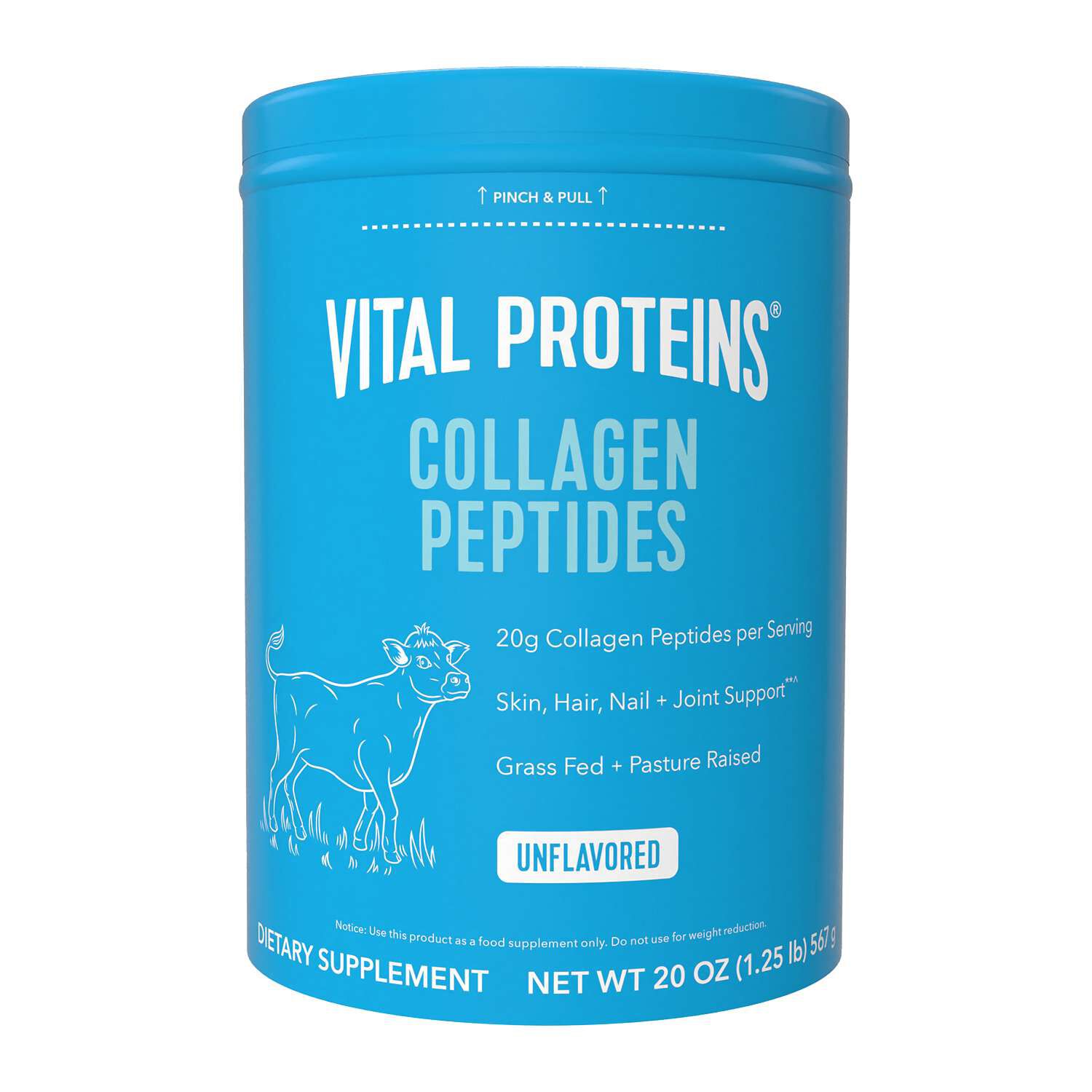
Vital Proteins