

Collagen Protein Powders For Joints
(0 Results)
Collagen protein powders for joints could be a convenient addition to your daily routine, especially for those looking to support an active lifestyle. These versatile supplements are designed to fit easily into shakes, smoothies, or recipes, making it simple to incorporate more collagen into your diet. With a variety of options available, finding a collagen protein powder for joints that aligns with your wellness goals may help you stay on track and feel your best.
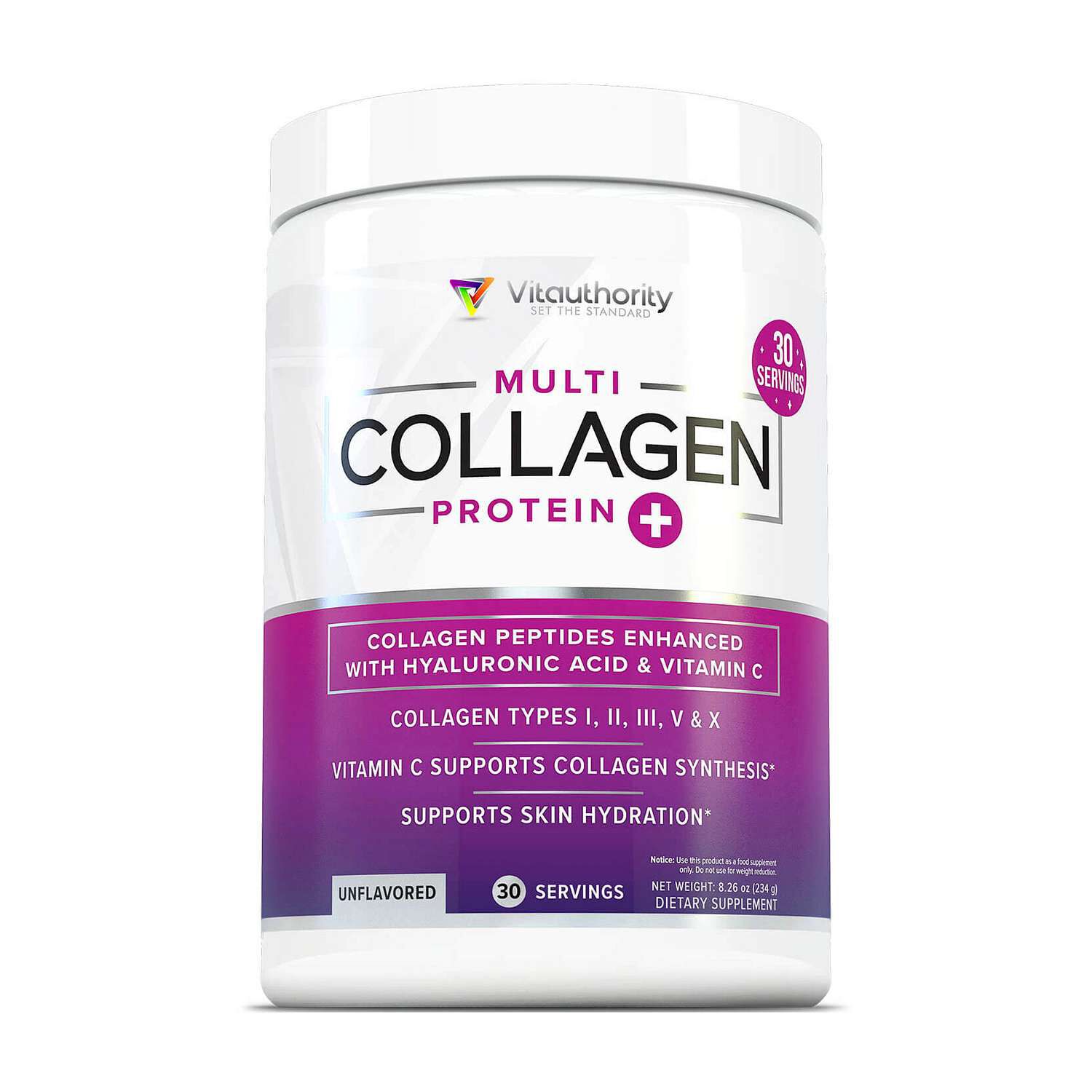
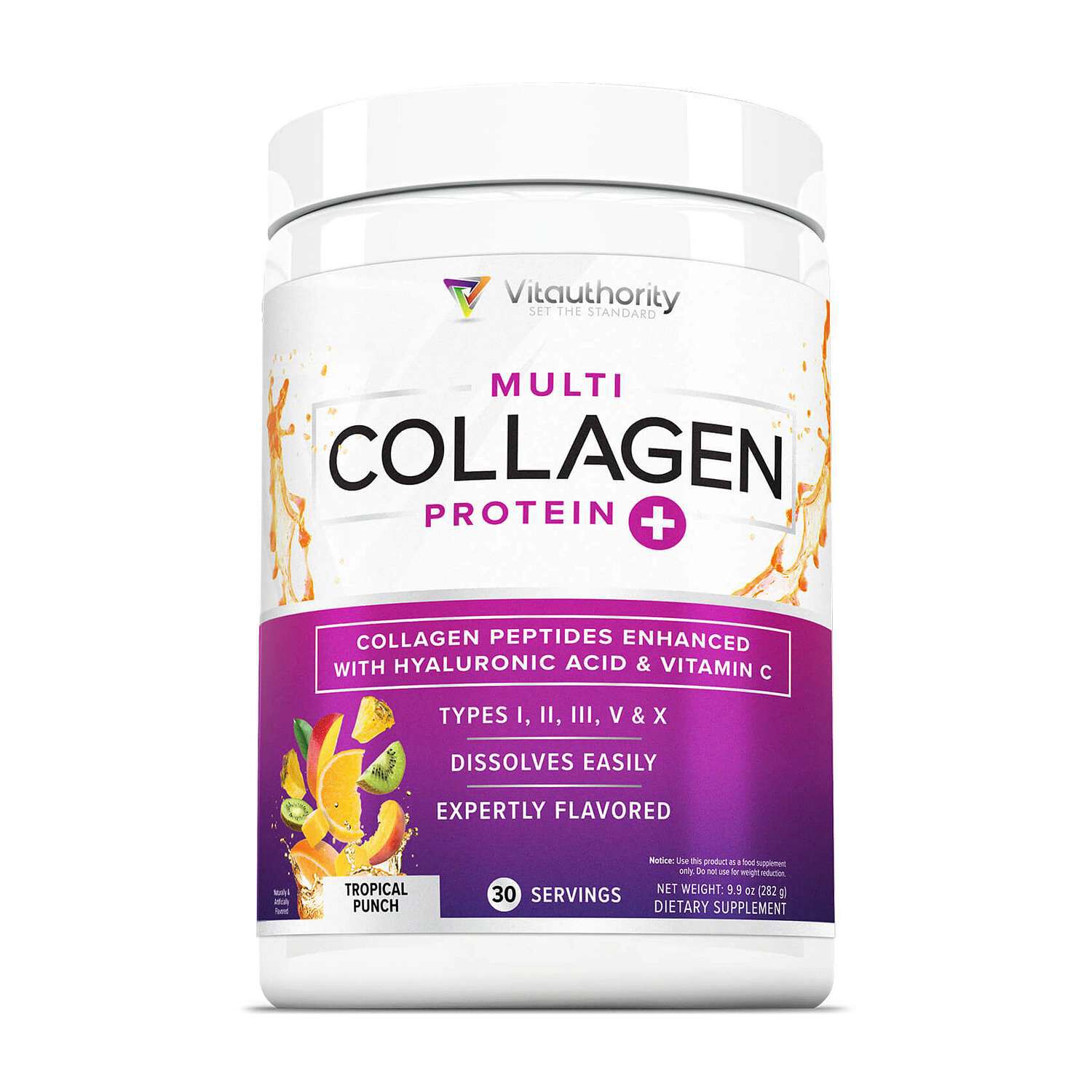
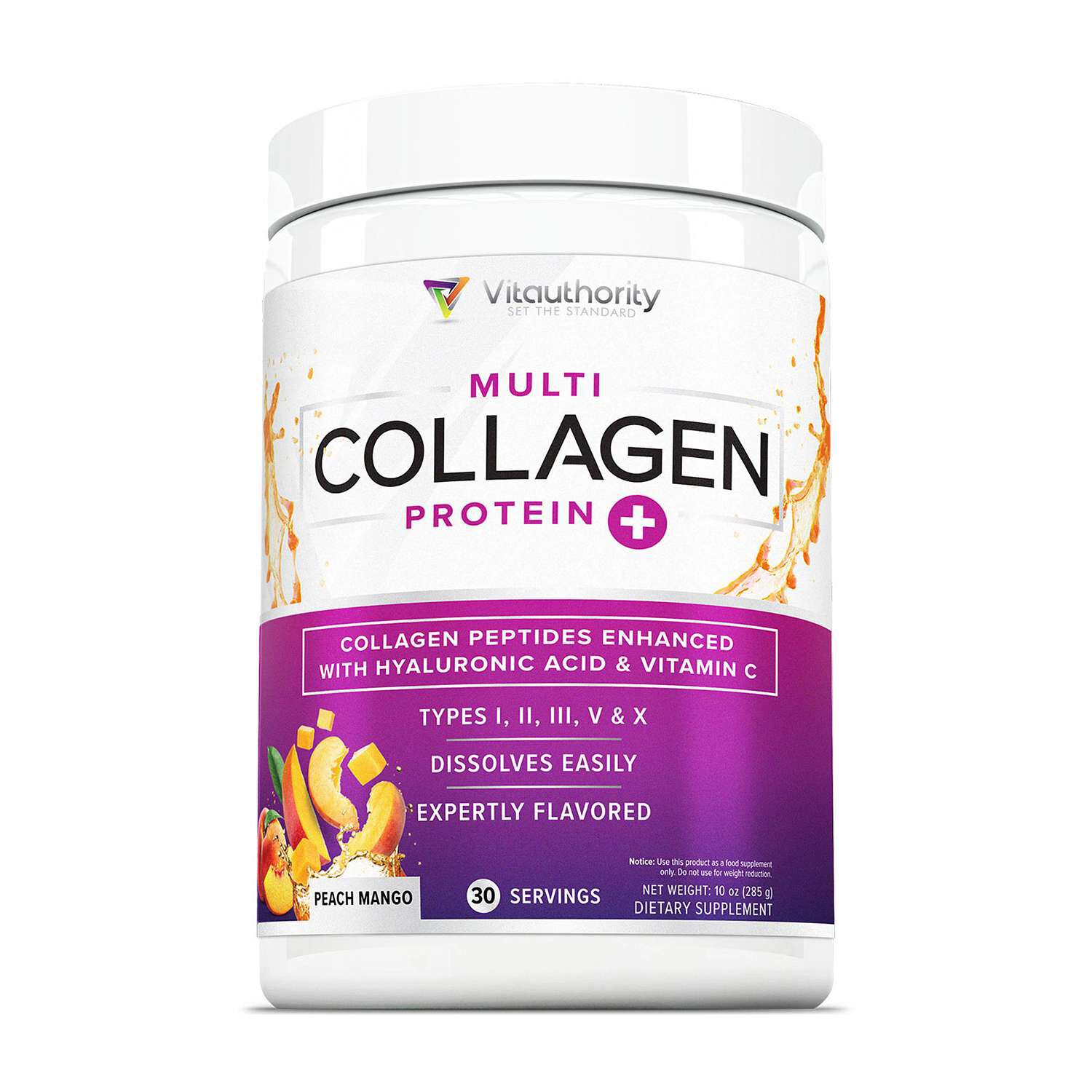

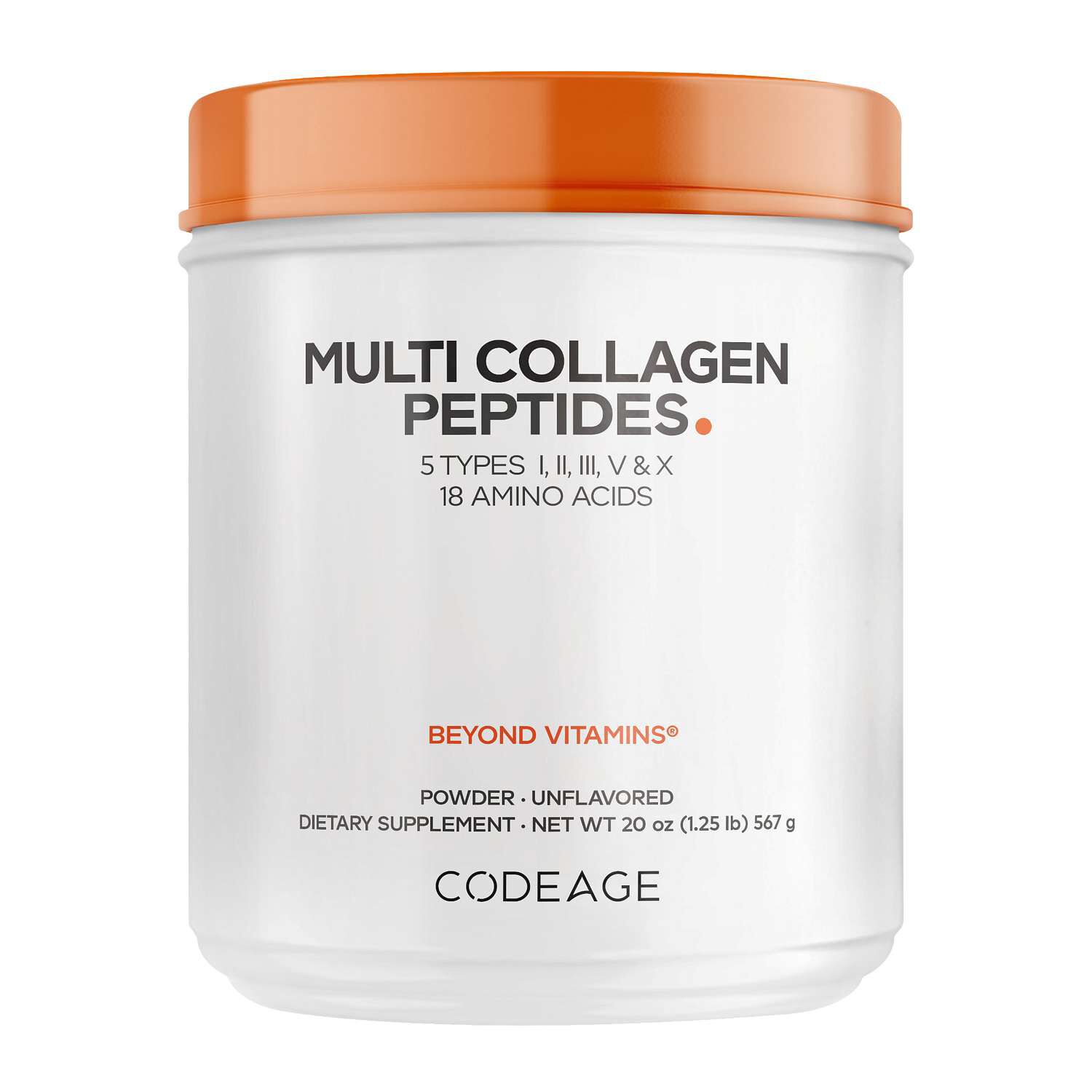


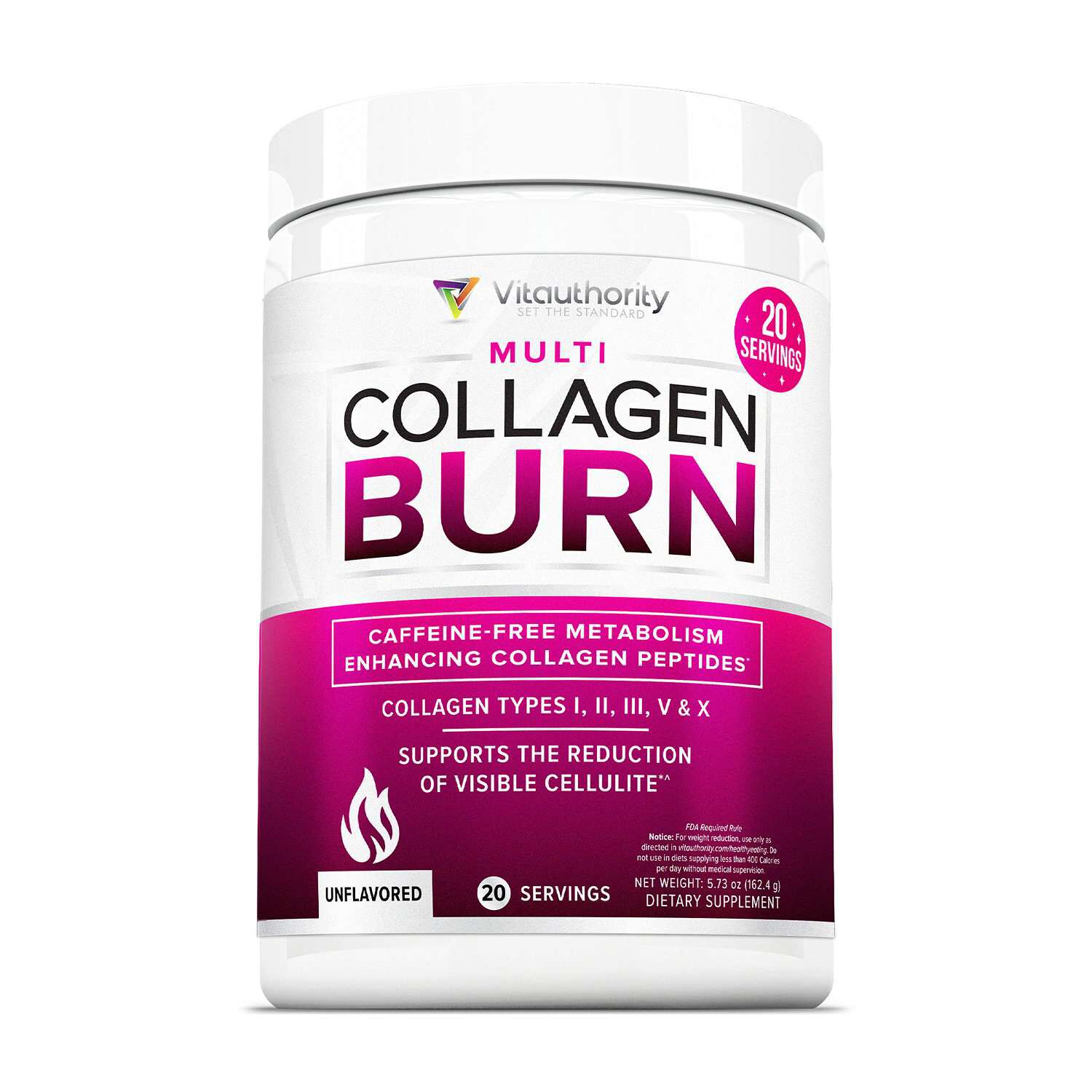
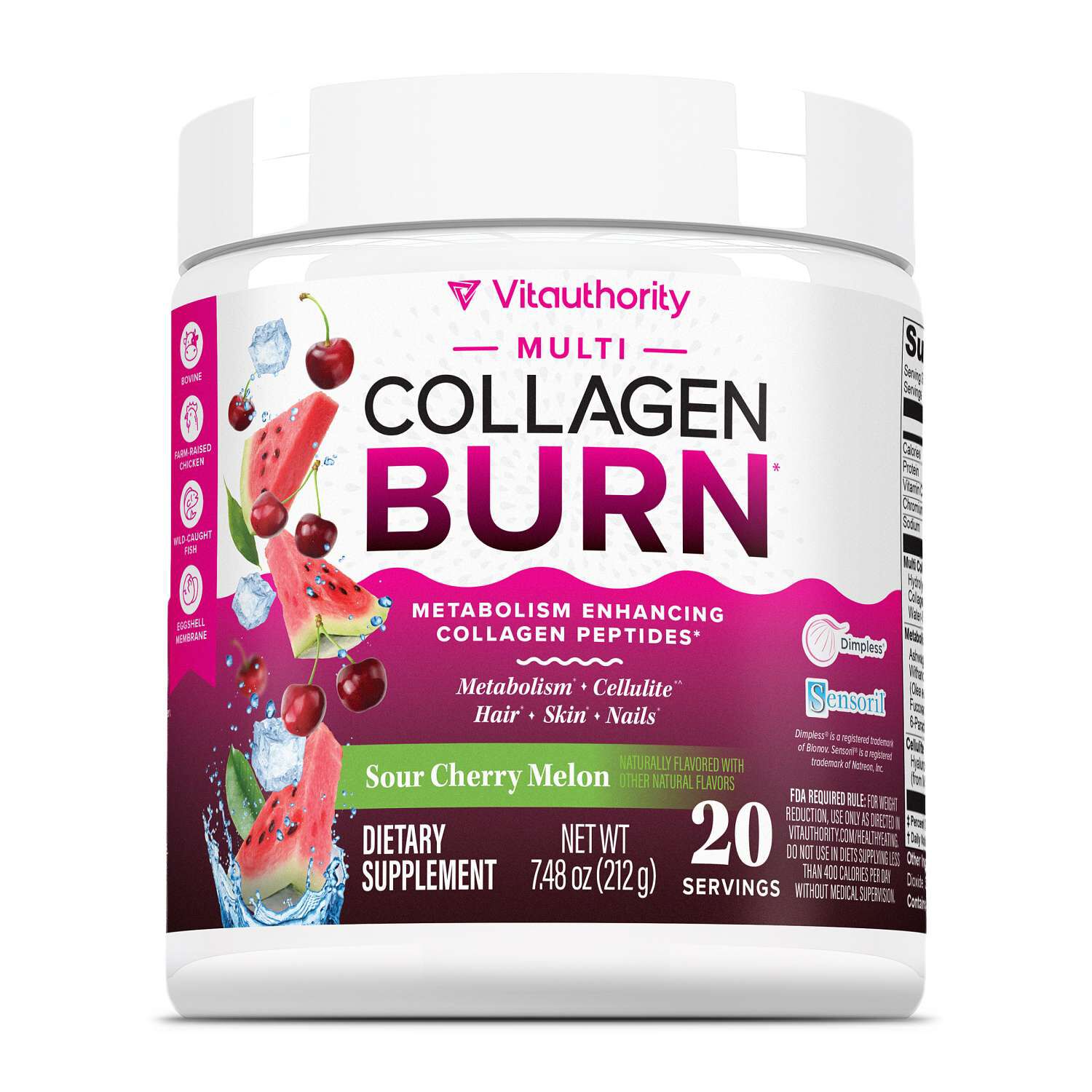
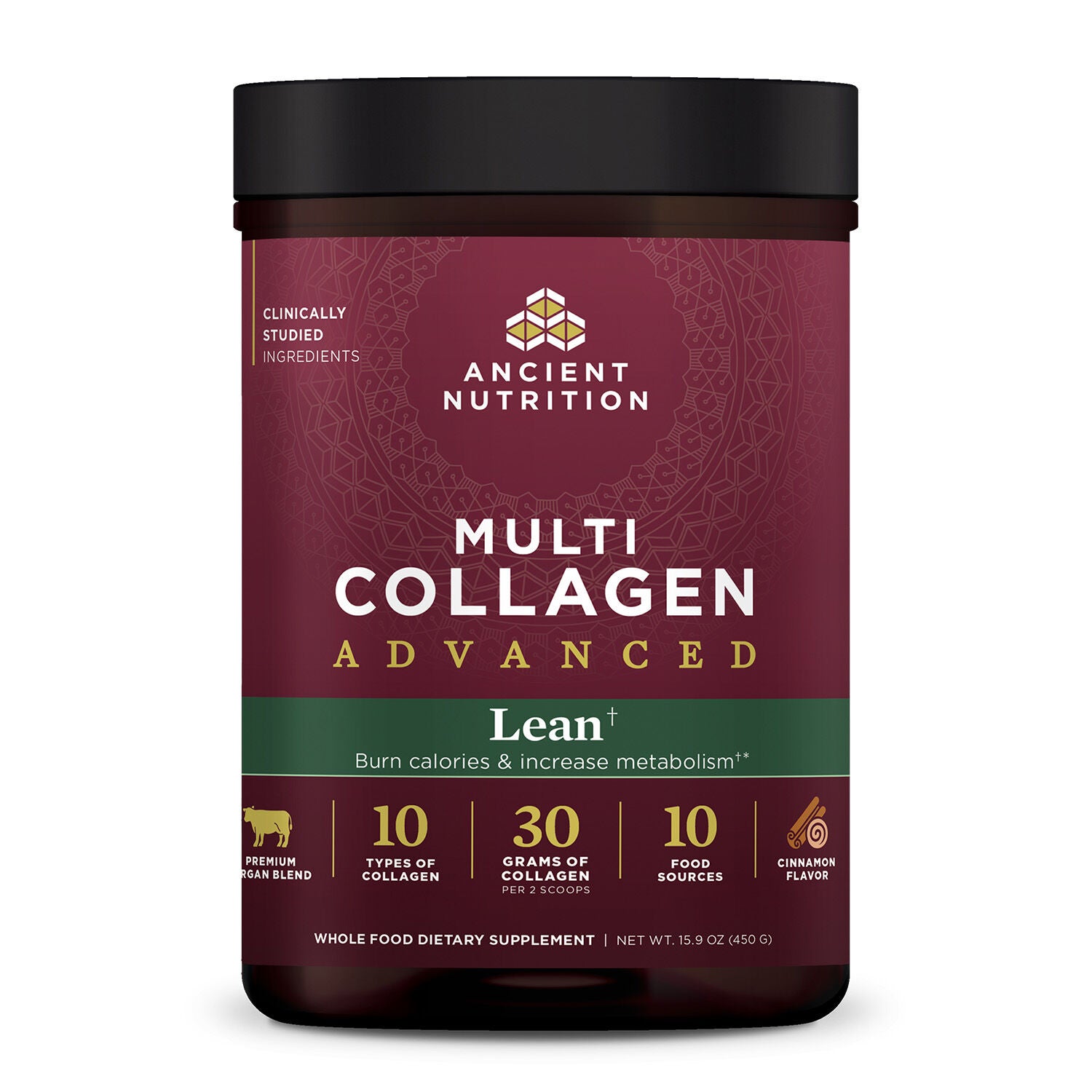
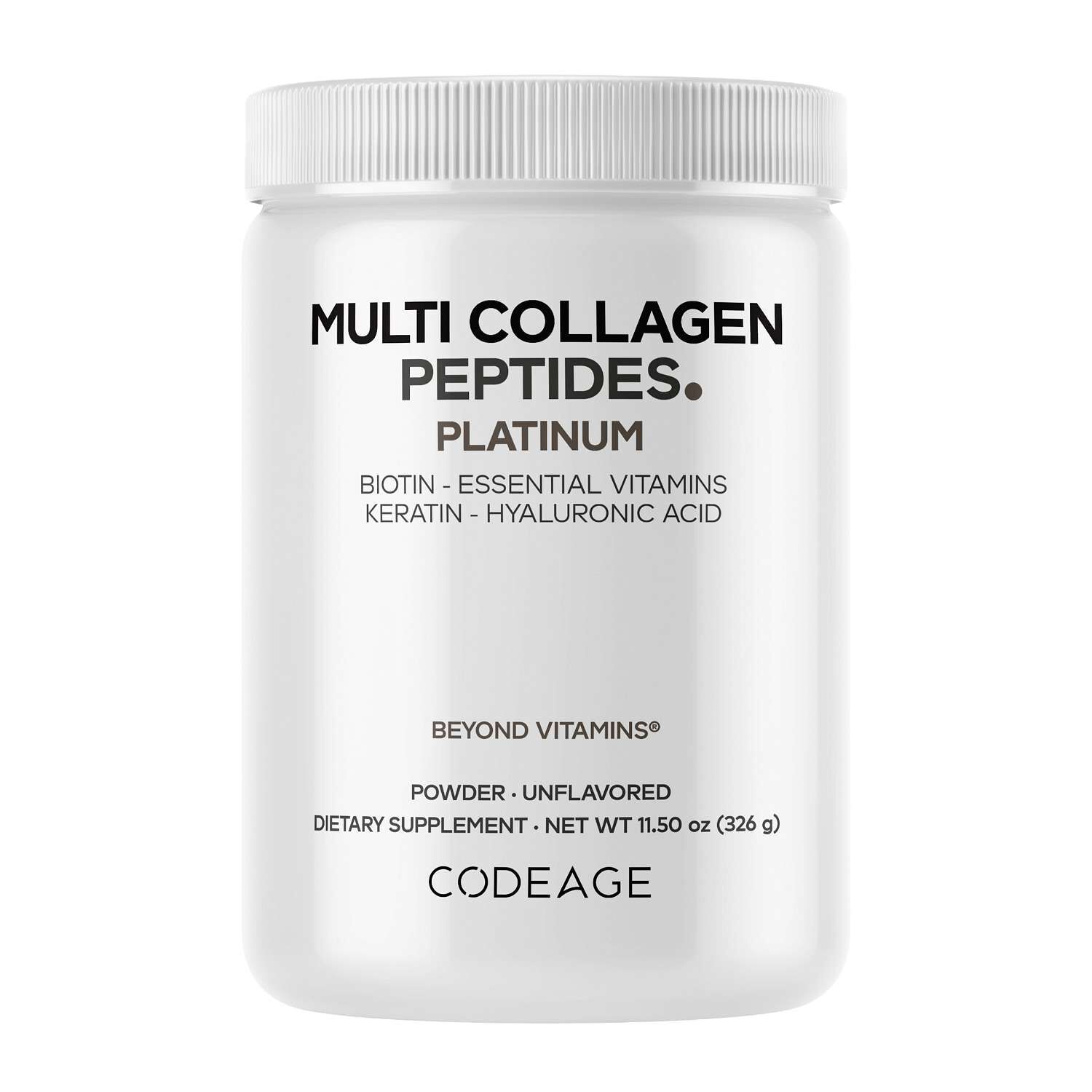
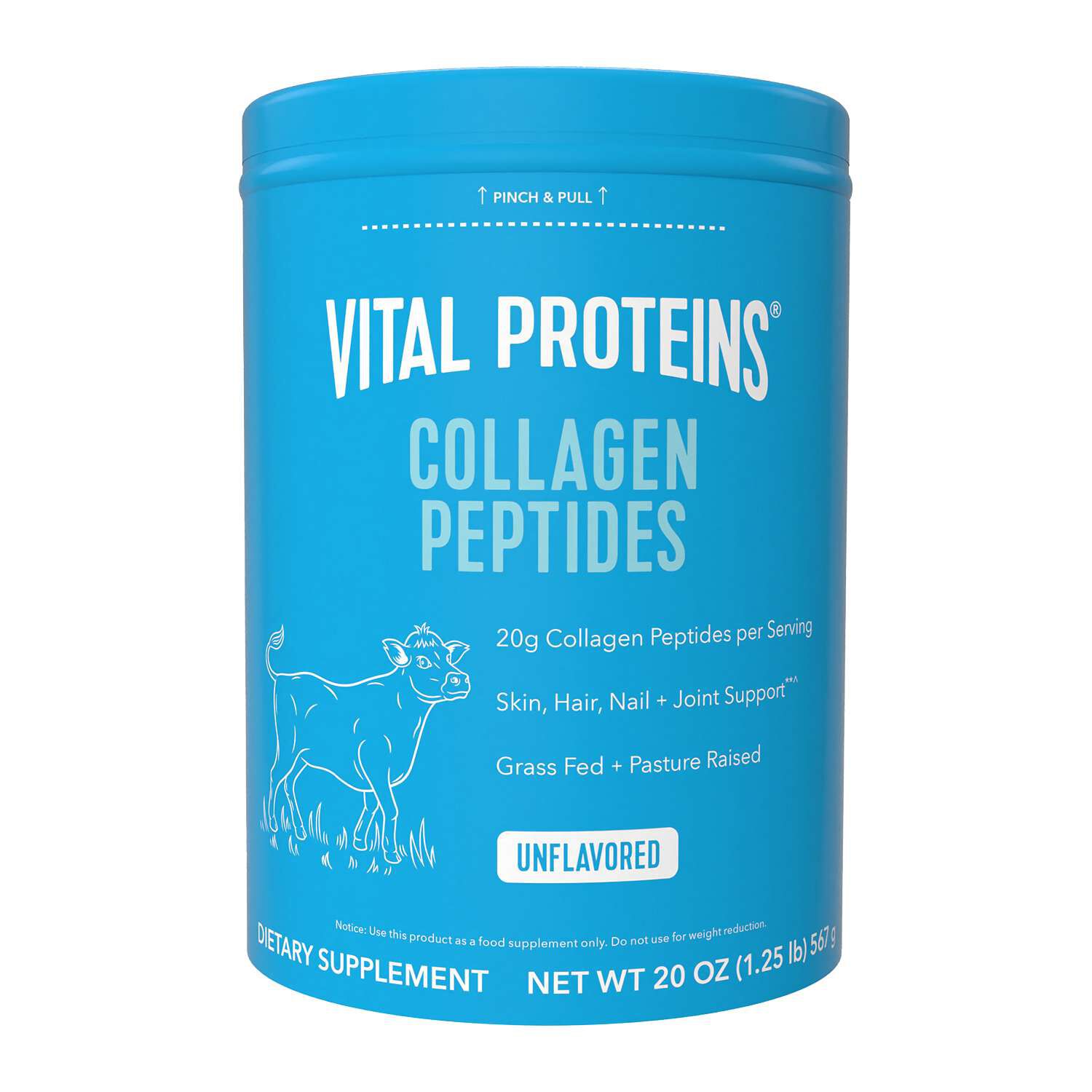


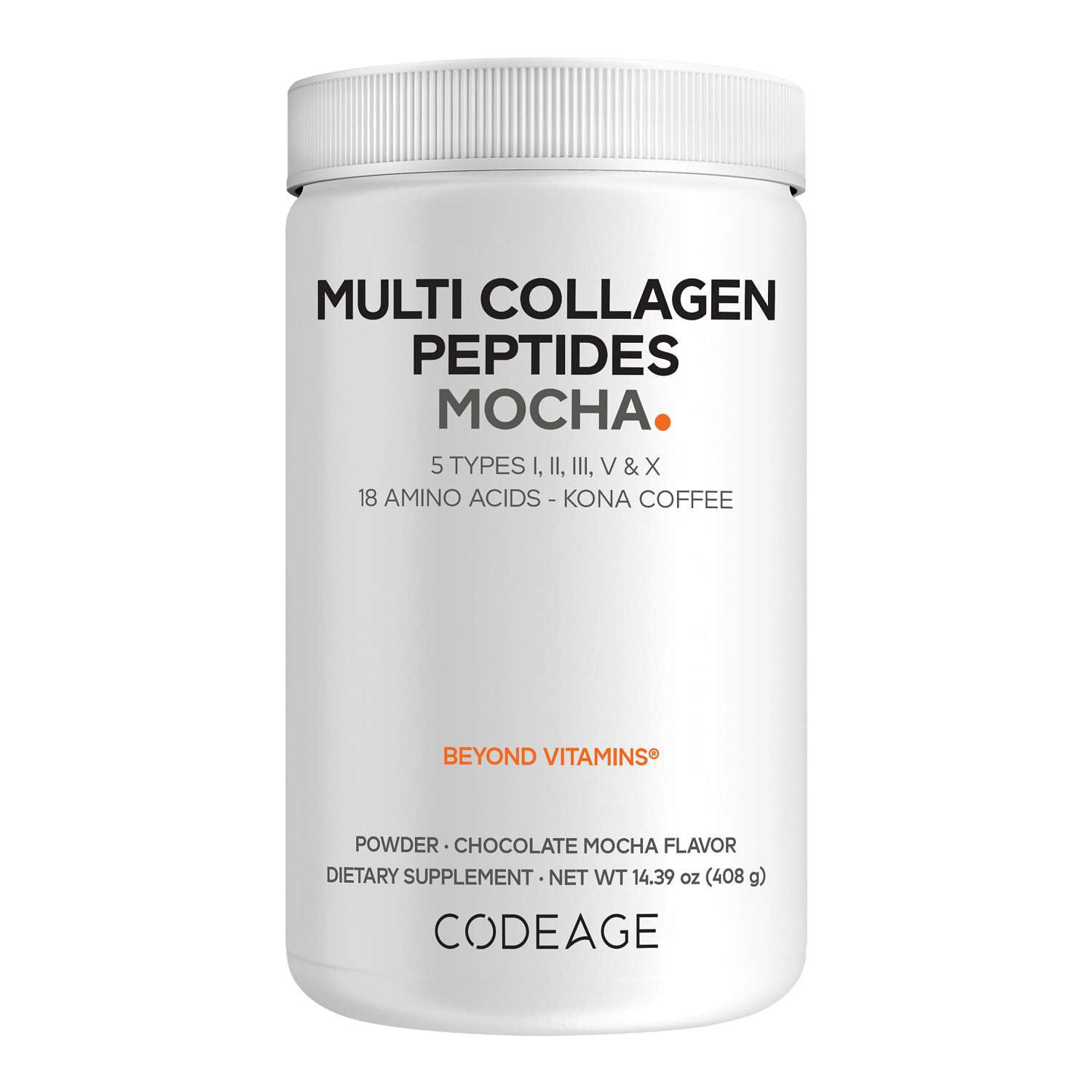
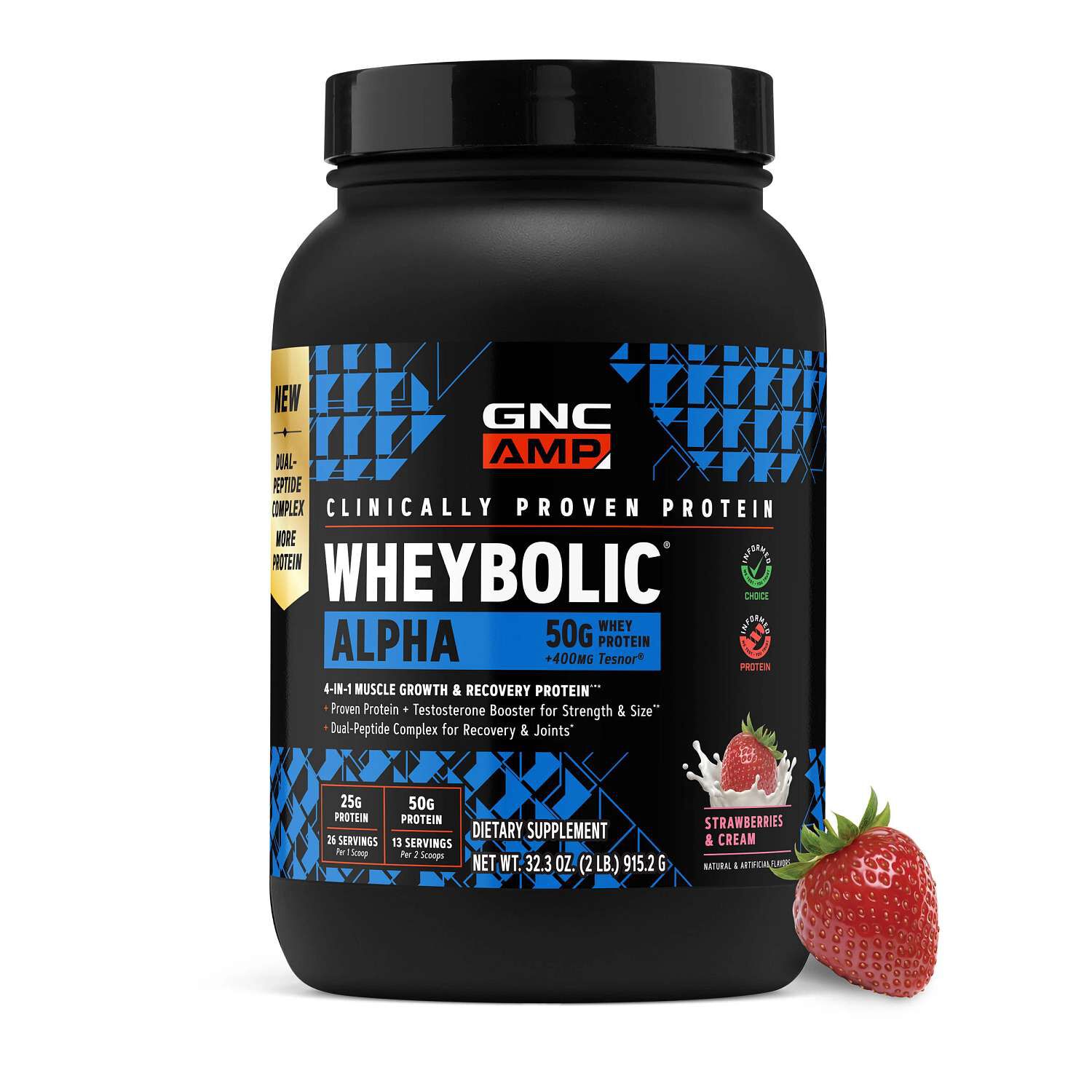


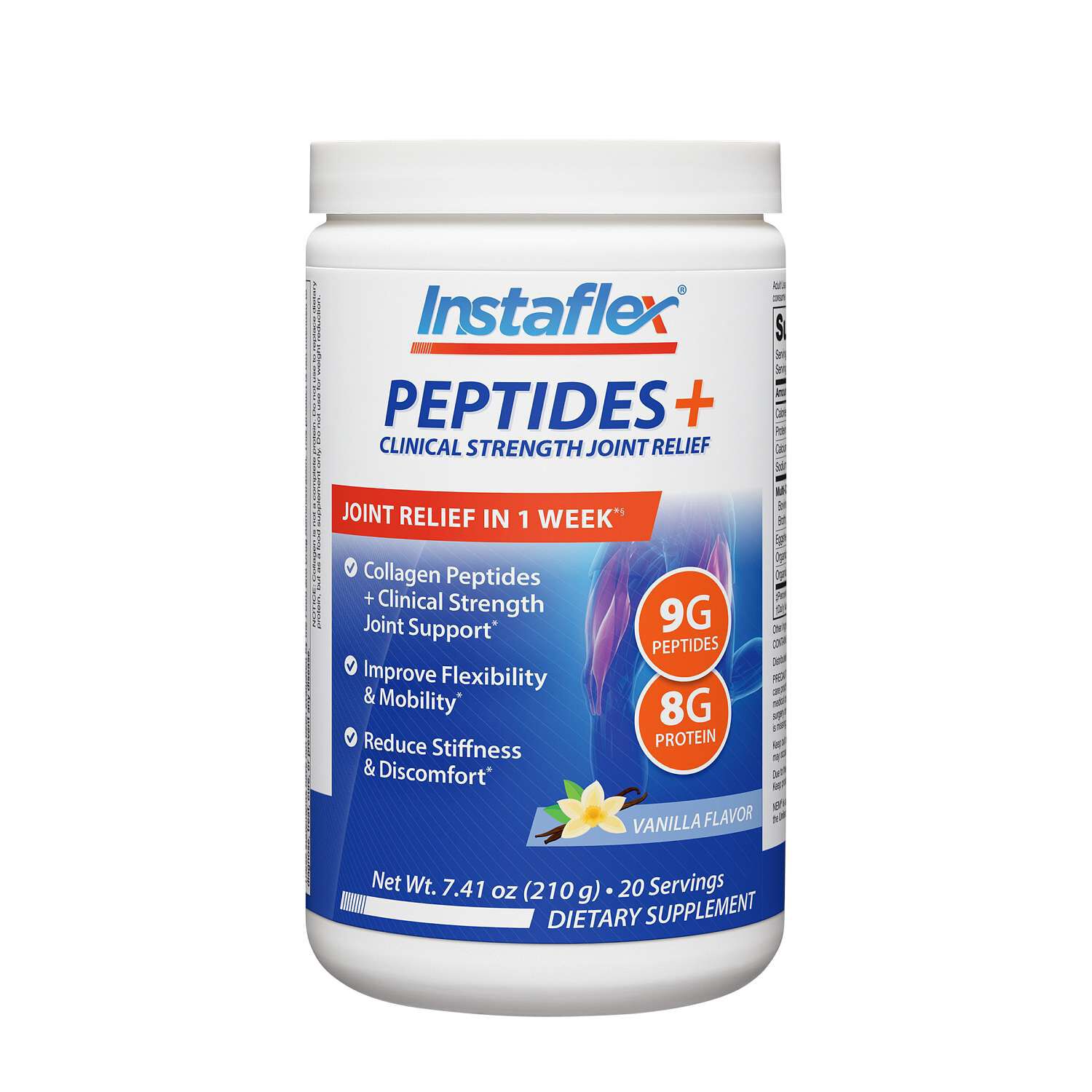
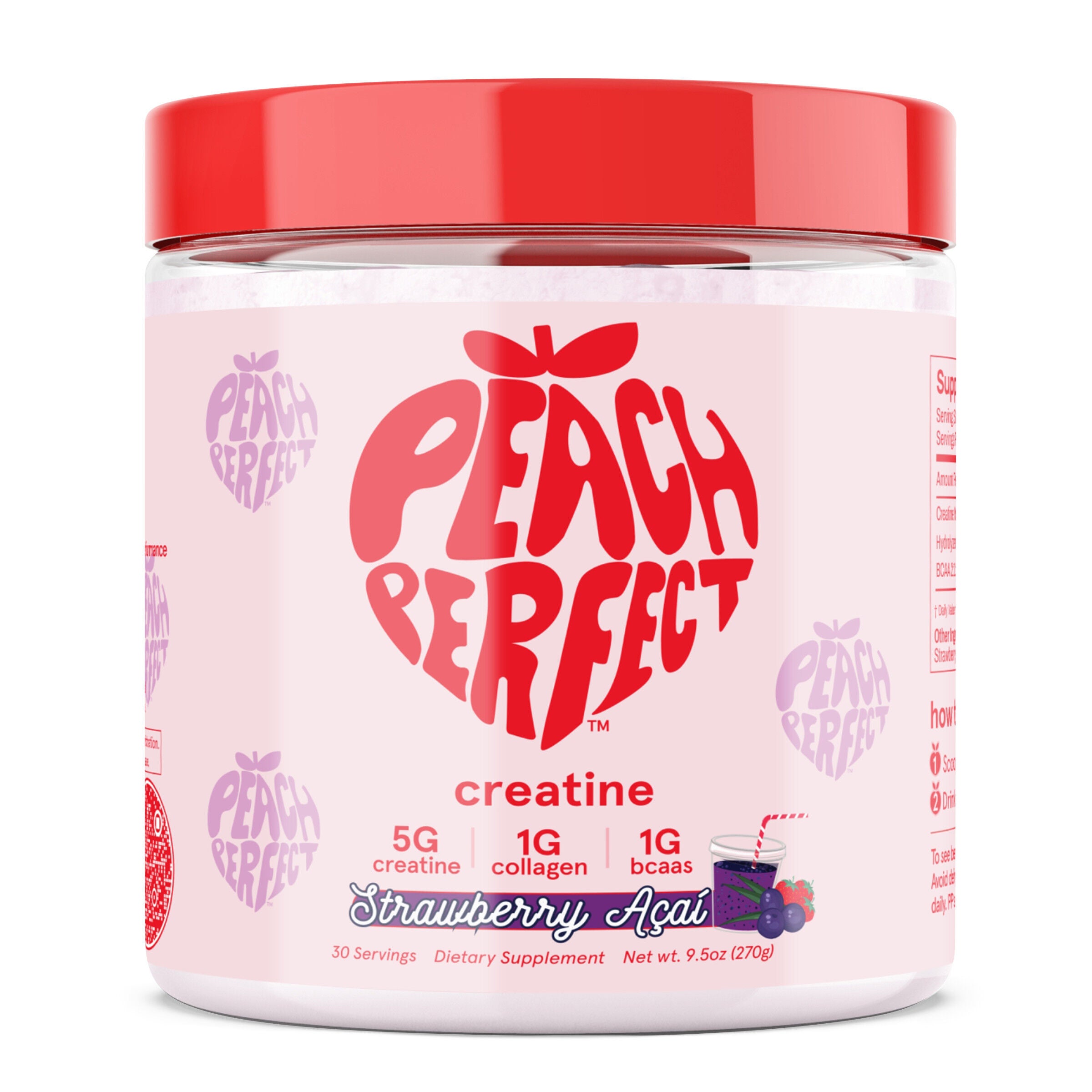
Collagen protein powders for joints bring together powdered collagen supplements intended for joint-focused nutrition routines, with differences in protein source, collagen type, flavor, and serving format. Collagen is a structural protein found naturally in connective tissues, including cartilage, tendons, and ligaments. Dietary collagen comes from animal sources, and powder formats offer a way to incorporate it into familiar foods and beverages. Many formulas contain hydrolyzed collagen, also called collagen peptides, which refers to collagen that has been processed into smaller protein fragments. This terminology describes the ingredient’s form, not a particular outcome from using it. For shoppers comparing powders, the source is a useful starting point: bovine collagen comes from cattle, marine collagen commonly comes from fish, and some collagen ingredients come from chicken. The package should identify the source so shoppers can consider personal preferences, dietary restrictions, and allergen information. Collagen types provide another point of distinction. Types I and III occur in several connective tissues and are often associated with bovine collagen ingredients, while type II is associated with cartilage and appears in some joint-oriented formulas. A type designation alone does not establish how a finished powder will perform, and different forms are not interchangeable simply because their names include collagen. Some blends also contain vitamin C or other nutrients, making the full ingredient list just as relevant as the collagen description on the front of the container. Collagen is not nutritionally equivalent to every other protein powder; its amino acid profile differs from proteins such as whey, soy, and pea. That distinction matters when comparing a collagen supplement with a powder selected primarily for broader protein nutrition. Adults who enjoy walking, recreational sports, gardening, or regular gym visits may find this category relevant to their interest in joint-focused nutrition, without treating a supplement as a substitute for varied meals or assuming a particular result.
The best fit for a daily routine often comes down to details that are easy to overlook when comparing labels. An unflavored collagen powder may suit someone who prefers plain coffee, oatmeal, or a familiar smoothie recipe, while a flavored version may be more appealing in a drink prepared with water or milk. Unflavored does not necessarily mean undetectable: animal source, processing, and the other ingredients in a blend can influence aroma, taste, and mouthfeel. A delicate tea leaves less room to disguise a noticeable flavor than a smoothie made with banana and nut butter. Texture matters, too. Some powders may disperse more readily in warm liquids, while others may require more stirring or a shaker bottle when added to cold beverages. Following the package’s mixing directions is more useful than assuming every collagen powder behaves the same way. For a breakfast smoothie, the recommended preparation method may involve a blender; for a desk-side drink, a spoon or shaker may be more practical. The serving information deserves similar attention. Scoop sizes vary, and the weight of a serving is not necessarily the same as the amount of protein or collagen it contains, particularly in formulas with additional ingredients. Compare the listed serving size, collagen amount when provided, protein grams, and servings per container rather than judging by the size of the tub. Sweeteners, flavorings, and other additions can also shape whether a formula suits a particular eating pattern. Someone who already uses several supplements may want a clear picture of overlapping ingredients before choosing another blend. For shoppers comparing a different formulation approach, Collagen Fiber Powders offers a related category to explore, with its own ingredient and serving considerations. The distinction is worth keeping in view: a collagen-focused powder and a blend containing fiber can differ in texture, preparation, and intended use. Clear labeling makes those differences easier to assess without relying on broad package language.
Packaging, storage, and the setting in which a powder will be used are practical parts of choosing collagen protein powders for joints. A container that stays in a kitchen cabinet serves a different routine from individual portions carried to the office or packed for a weekend away. With a tub, opening size, lid design, and scoop access can affect the everyday experience, especially when preparing breakfast on a crowded counter. Individually packaged portions may suit travel or a work bag, although their serving amounts still need to be checked against the label. For either format, follow the stated storage directions and keep the packaging securely closed between uses. A clean, dry scoop and a storage spot away from steam are sensible considerations for powdered ingredients; a cabinet beside a frequently boiling kettle may not be the most suitable location. Date markings and package condition also matter, especially for shoppers who use a powder only occasionally. Unlike a piece of exercise equipment, a supplement’s usefulness is not judged by how many seasons its container can withstand, but by whether it is stored and used within the manufacturer’s directions. Routine fit deserves the same care. Someone with a leisurely breakfast may prefer stirring a powder into a prepared food, while a commuter may value a format that requires fewer utensils. During the cooler months, a warm beverage may be an appealing preparation option if the label allows it, but the drink’s flavor and the powder’s mixing characteristics still matter. If choosing a supplement as a gift, knowing the recipient’s dietary preferences and interest in collagen is more thoughtful than making assumptions about their joints or activity habits. Across this category, useful comparisons stay grounded in concrete details: animal source, collagen form, ingredient transparency, serving information, flavor, and preparation requirements. Published testing information or a clearly identified third-party certification can provide additional context, though each program has a specific scope and does not establish personal results. A carefully chosen powder may fit comfortably into an existing nutrition routine, with expectations based on the formula’s actual characteristics rather than a predicted change or a fixed timeline.
Best Sellers
-
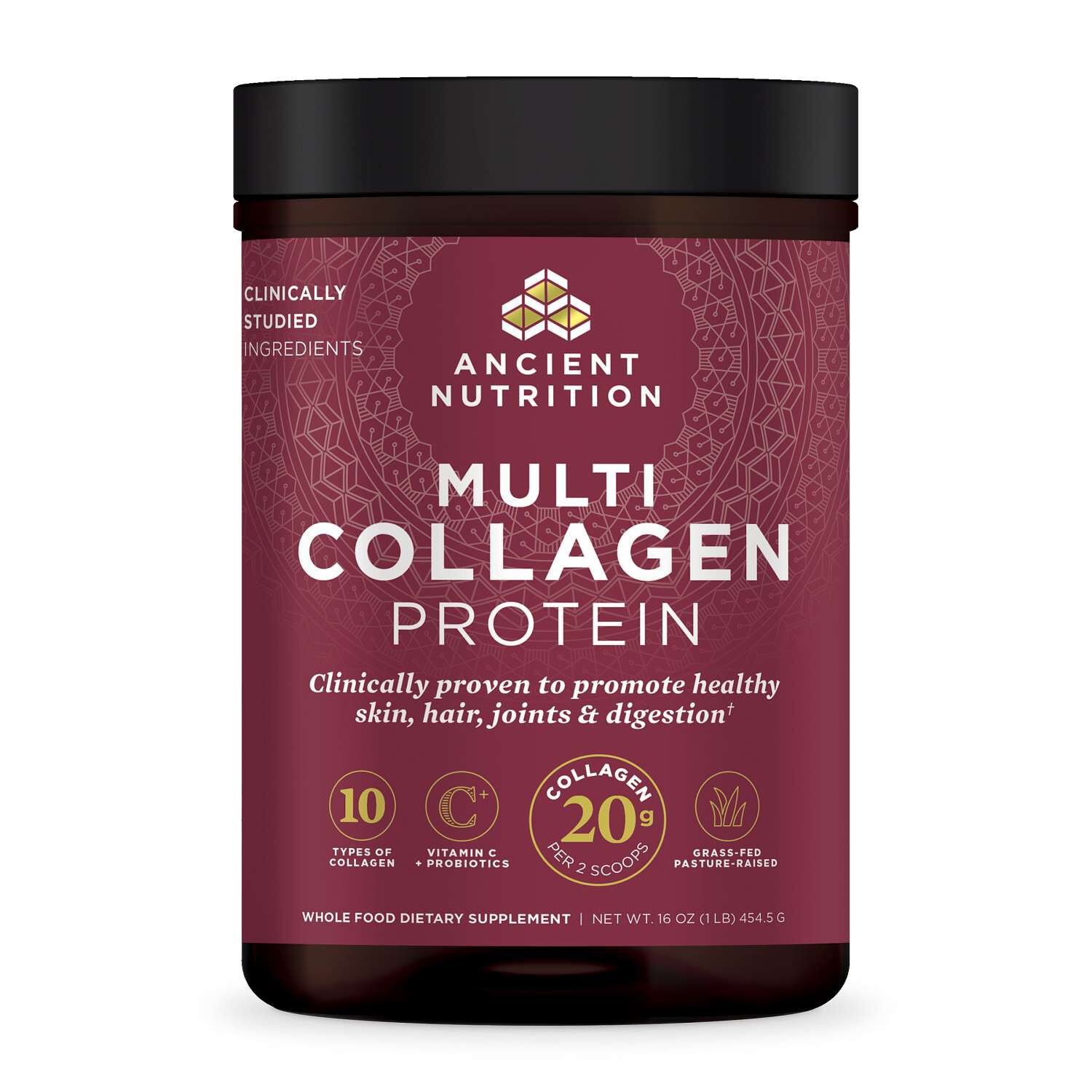 Ancient Nutrition
 -
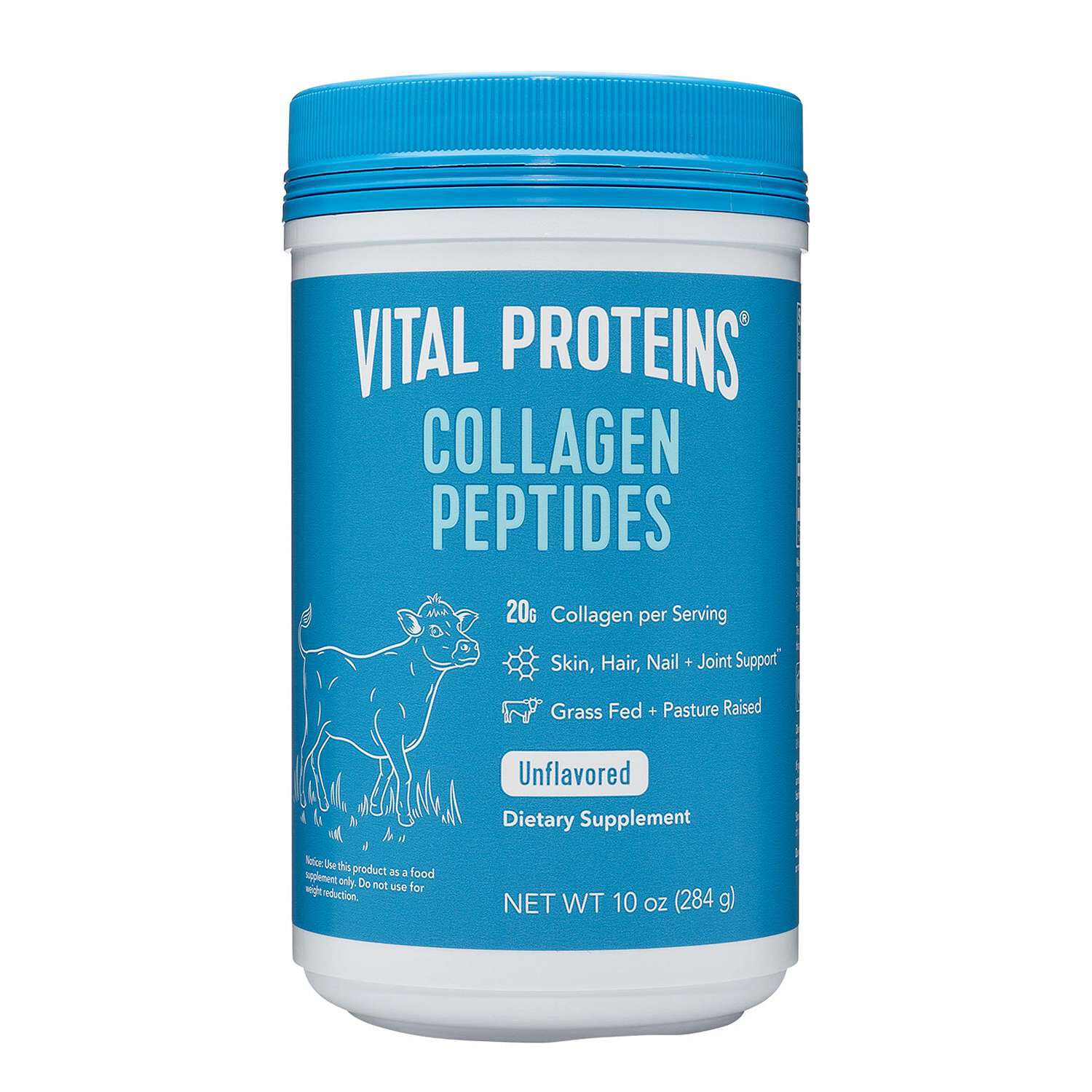 Vital Proteins