





Collagen Protein Powders For Men
(0 Results)
Collagen protein powders for men could be a convenient addition to your daily routine, supporting your wellness goals both in and out of the gym. Designed with active lifestyles in mind, these supplements may align with fitness and nutrition plans that focus on strength and recovery. Explore a variety of options to find the collagen protein powder that might fit your needs and help you take the next step on your journey toward optimal health.
-
-
-
-
-

-
-
-

-

-

-

-
-
 44$44.99
-
-

-
-
-
-
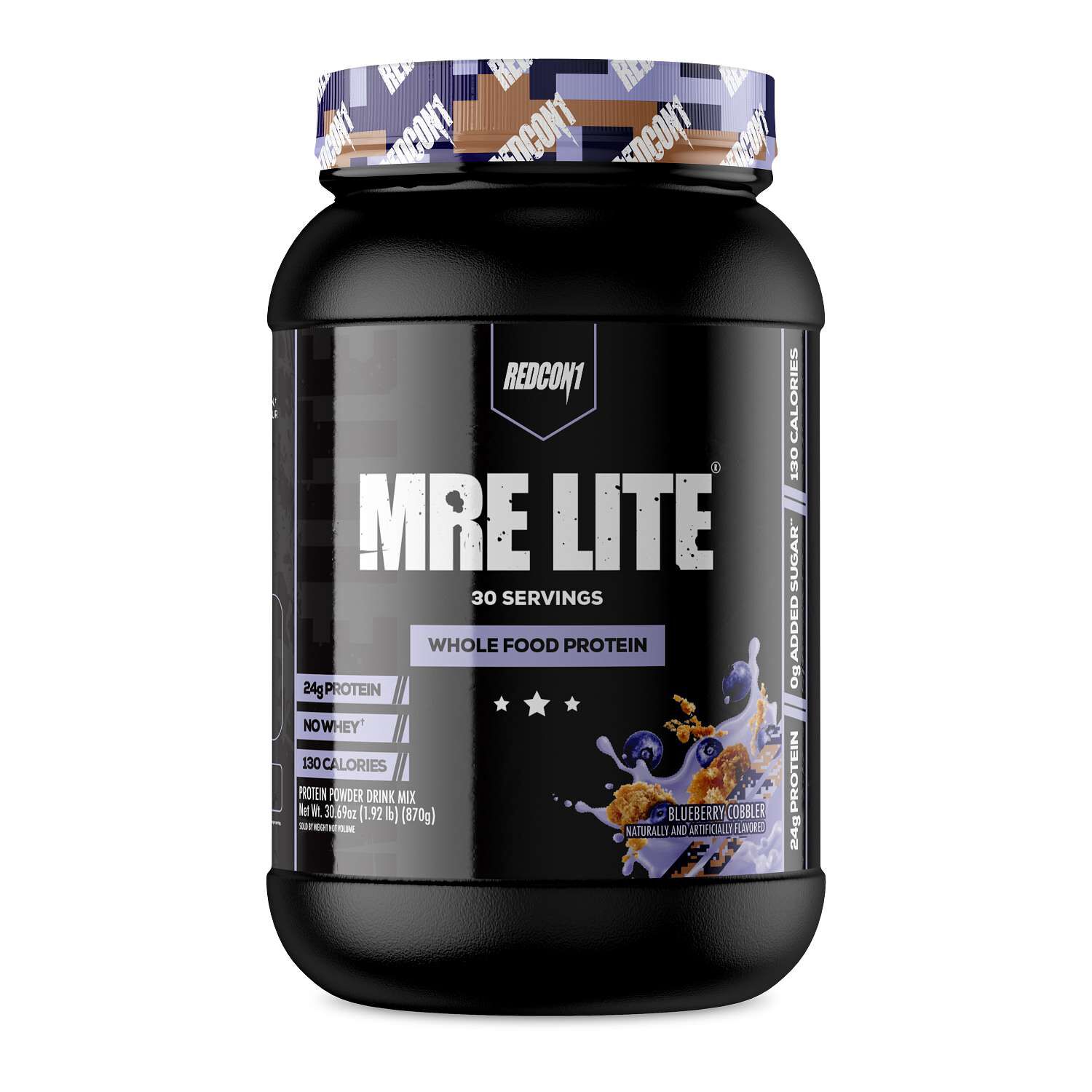
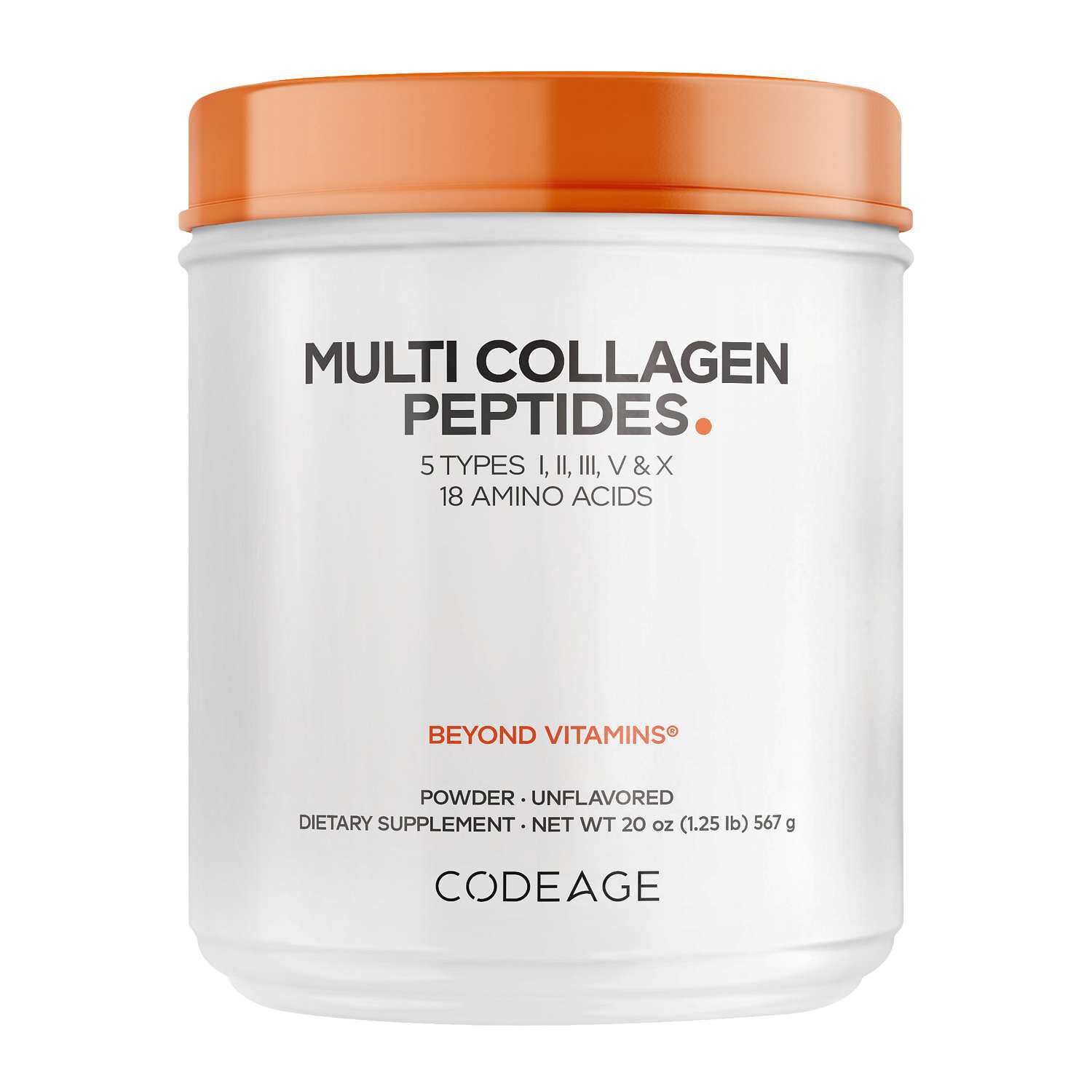
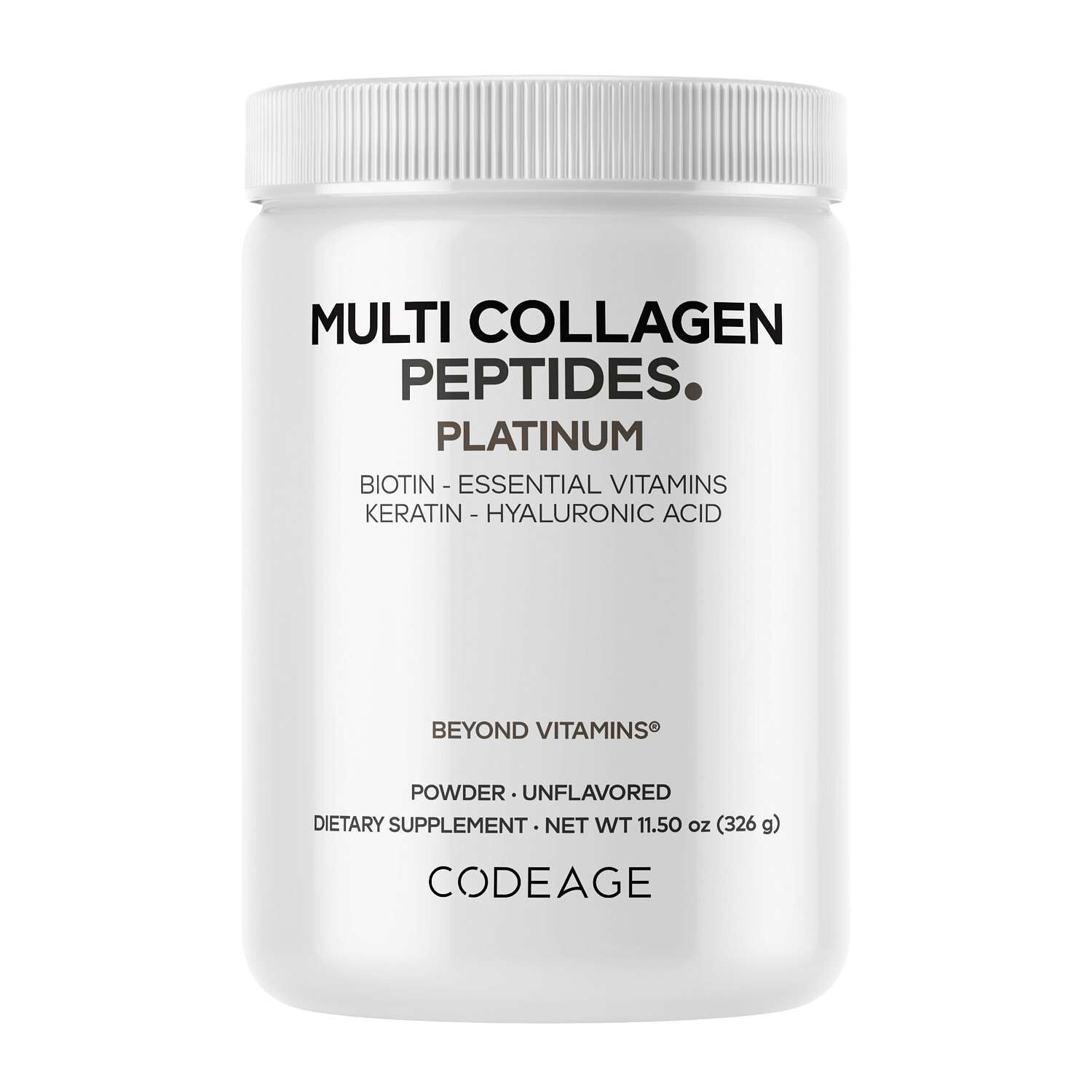
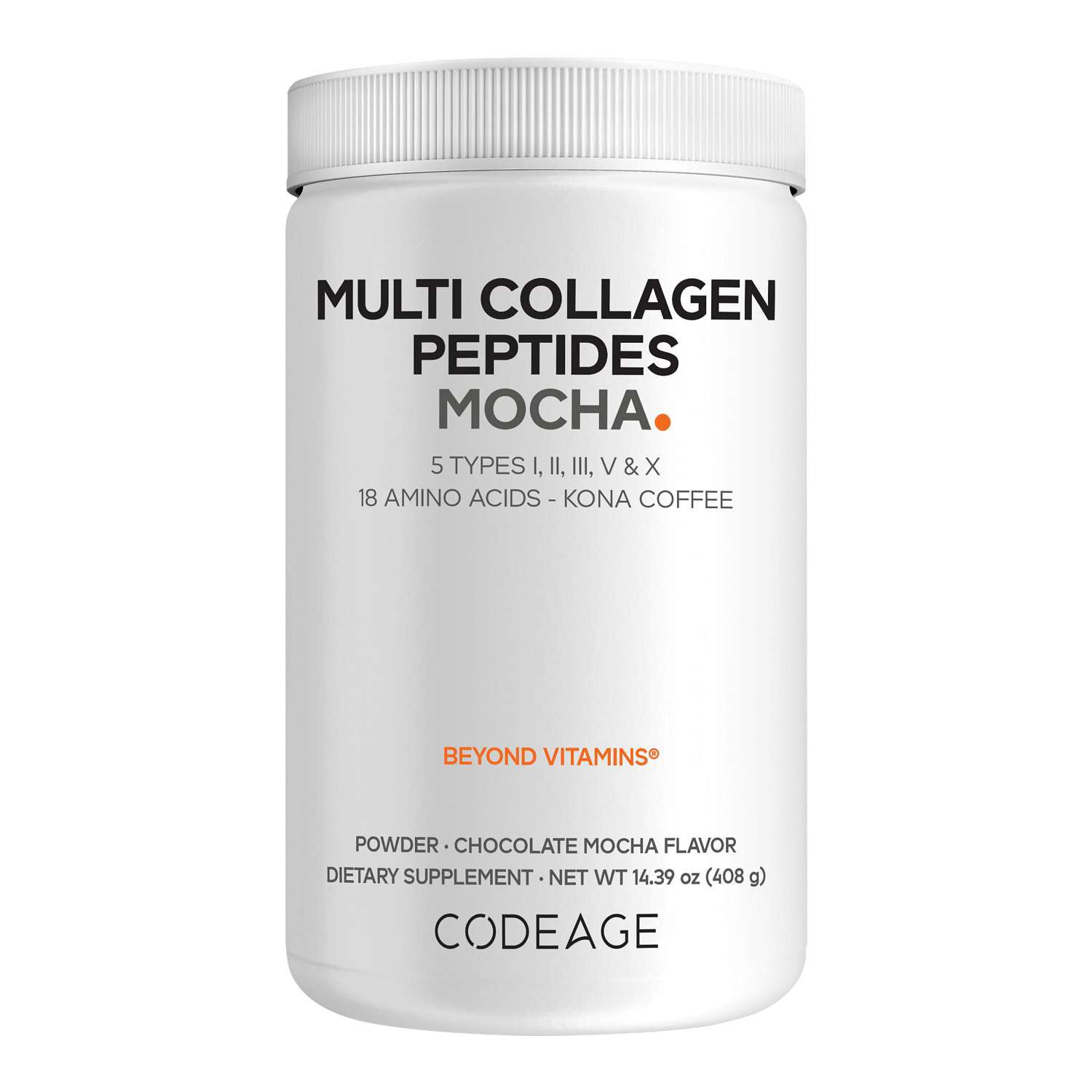

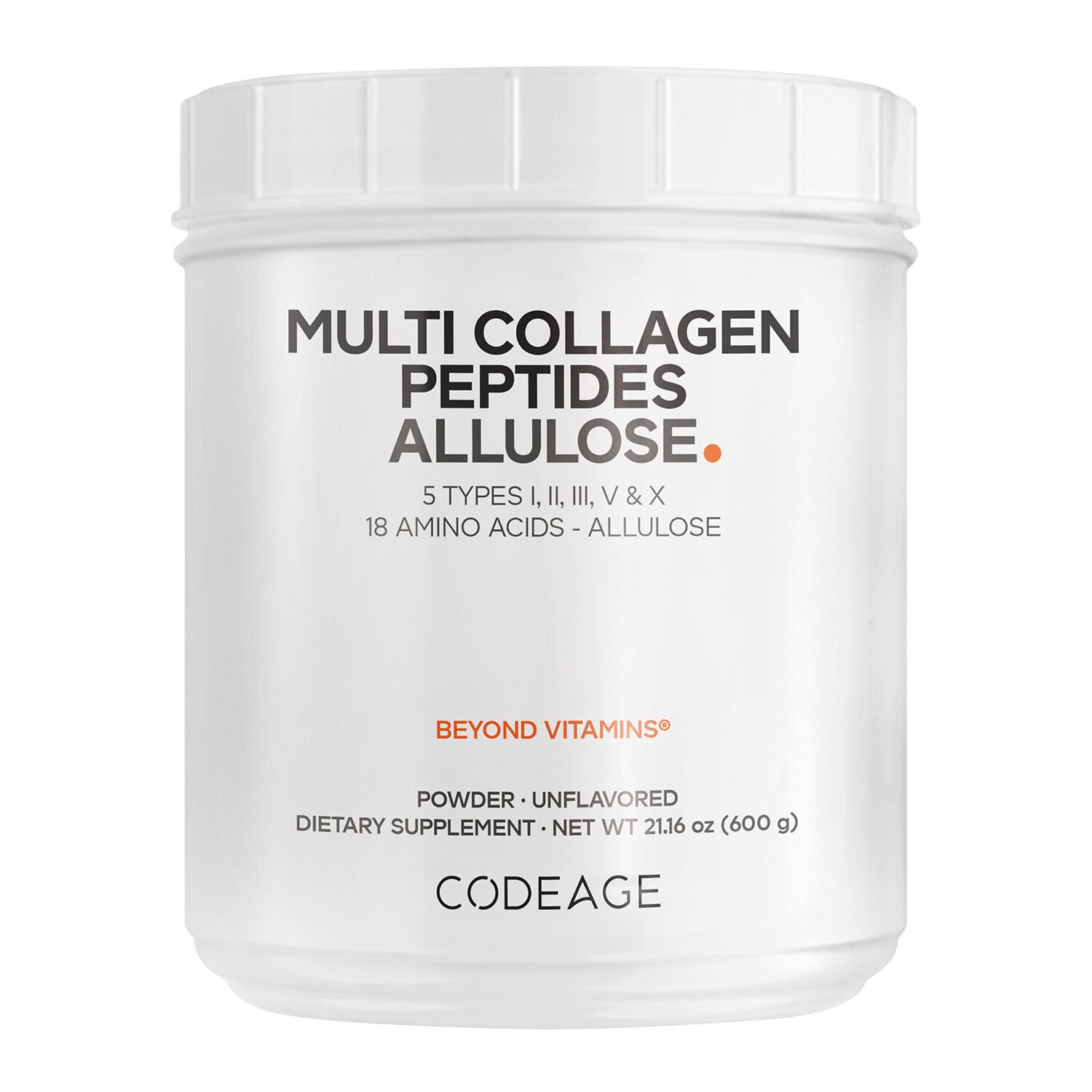
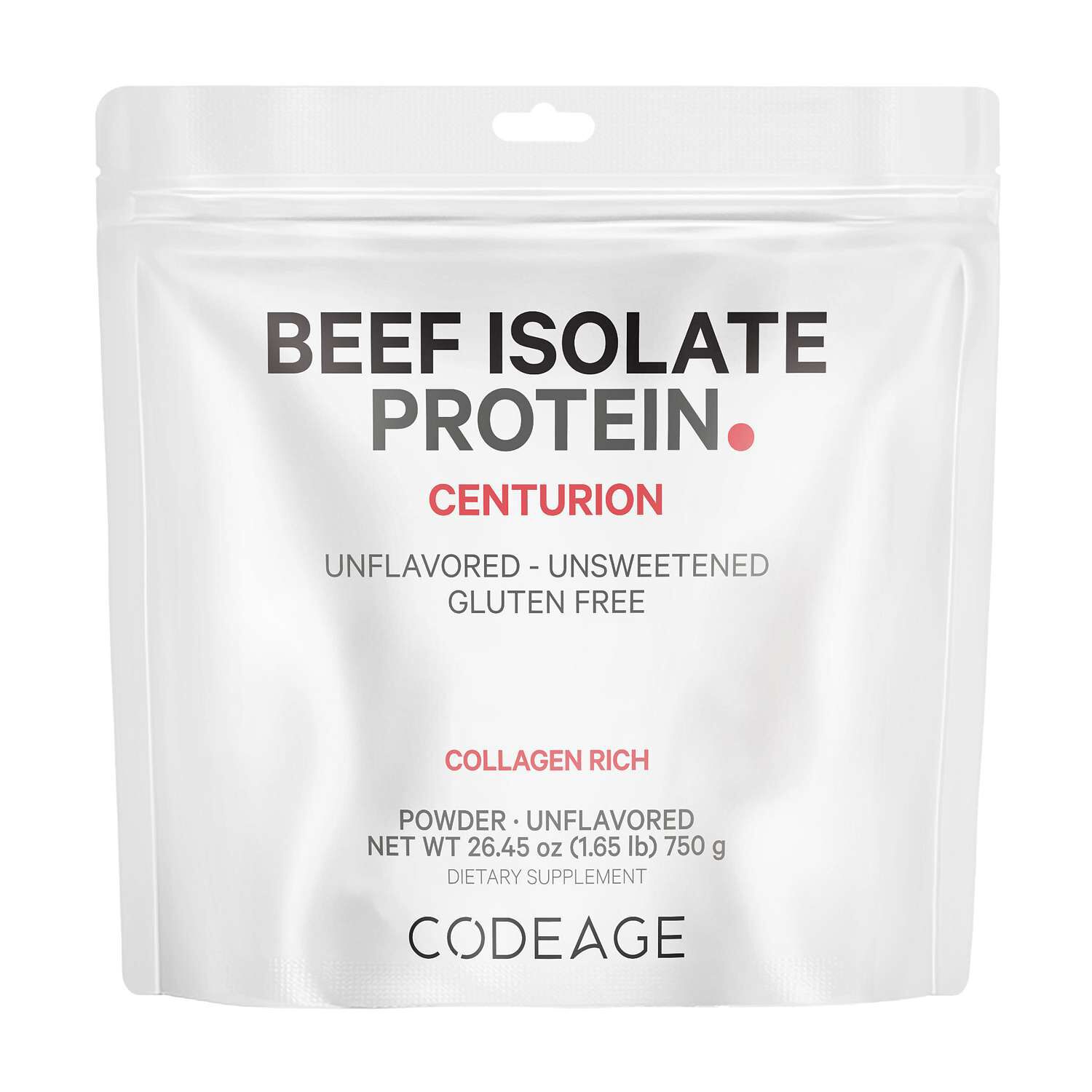
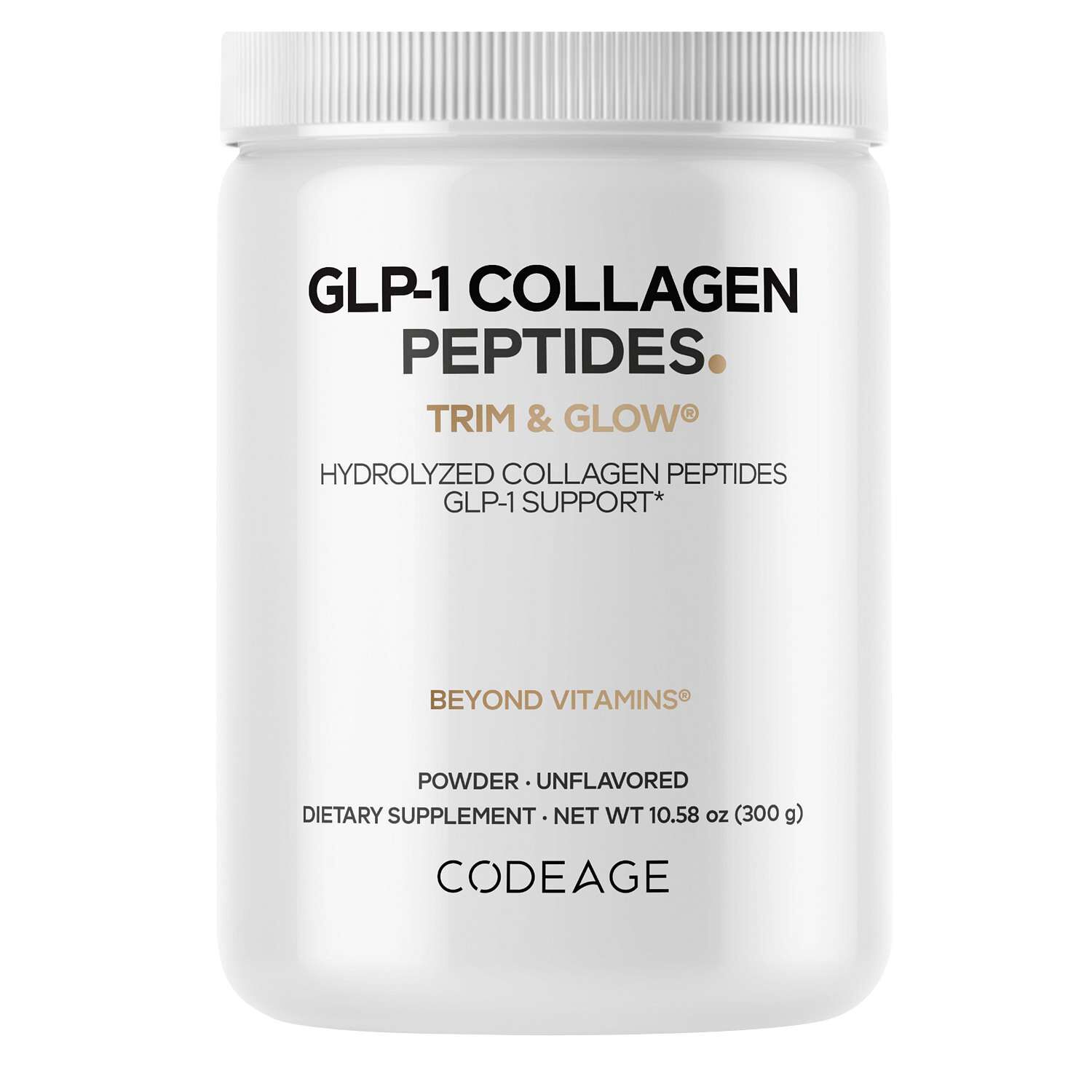
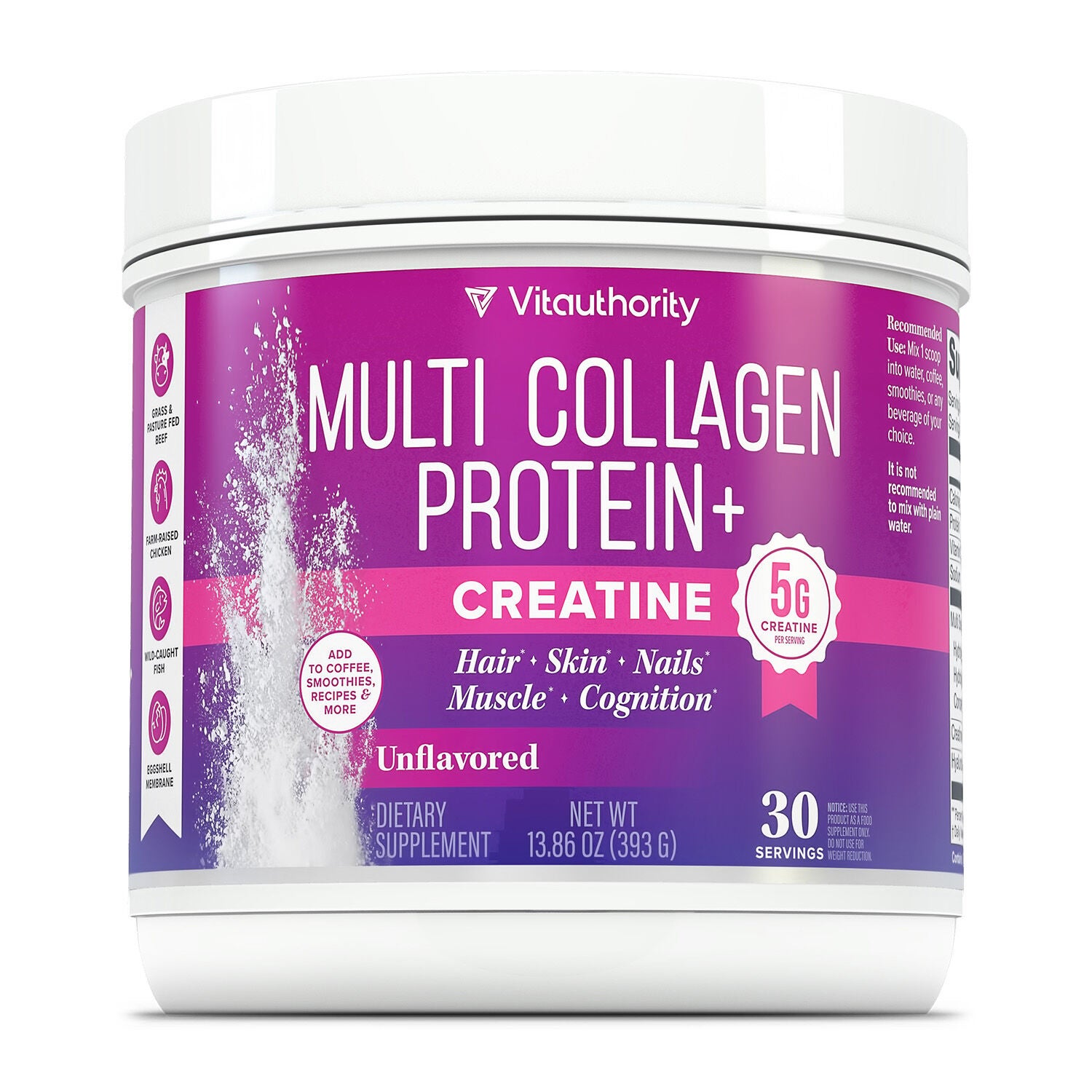
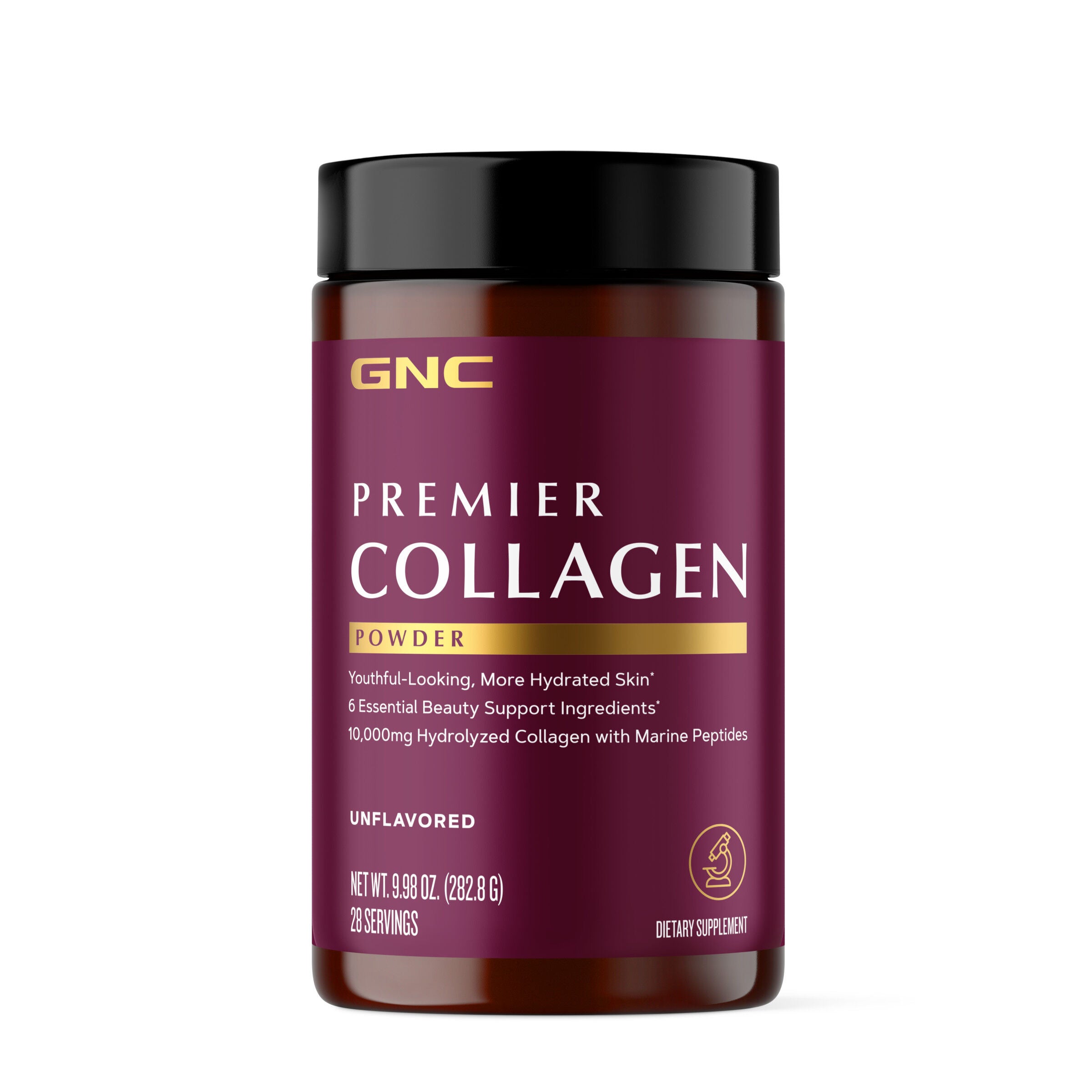
Collagen protein powders for men are powdered supplements made from animal-derived collagen, often processed into smaller pieces called hydrolyzed collagen peptides. They offer a way to add collagen-derived protein to drinks and foods without building a routine around capsules or ready-to-drink beverages. The distinction between collagen and other protein powders starts with the amino acid profile: collagen contains glycine, proline, and hydroxyproline, while its profile differs from those of whey, casein, soy, and pea protein. Collagen typically lacks tryptophan, one of the nine amino acids the body cannot make, so it is not nutritionally interchangeable with those other protein sources. That difference matters when comparing a collagen powder with a shake intended to serve as a primary protein source. Men shopping this category may be looking for a simple addition to breakfast, a powder that fits into a gym bag, or an ingredient that blends into an established food routine. A formula marketed toward men does not necessarily contain a different kind of collagen; the source, ingredients, and serving information provide more meaningful distinctions than the audience named on the package. Bovine collagen comes from cattle and commonly contains types I and III, while marine collagen generally comes from fish and often contains type I. Other formulas combine collagen from several animal sources, which can include chicken and eggshell membrane. Collagen types describe structural differences, not a ranking of quality, and a longer list of types does not by itself establish a better match for a shopper. Source information is particularly relevant for anyone with dietary restrictions or preferences concerning animal ingredients. Conventional collagen itself is animal-derived, even when a formula also contains plant ingredients. Reading the full ingredient list helps distinguish a straightforward collagen peptide powder from a blend with other proteins, vitamins, minerals, or flavoring ingredients. Those details define what goes into each serving and make comparisons more useful than front-label descriptions alone.
Flavor, texture, and preparation are often what determine whether a collagen powder fits naturally into everyday use. An unflavored powder leaves more room for mixing with coffee, oatmeal, yogurt, or a fruit smoothie, although unflavored does not necessarily mean there is no detectable taste or aroma. A mild savory note may be more noticeable in plain water than in a drink with cocoa, berries, or nut butter. Flavored collagen powders take a different approach, bringing a defined taste to the finished drink; vanilla pairs differently with coffee than a fruit flavor does with a berry smoothie. Sweeteners also influence the experience, so the ingredient list is worth checking for both the type used and its position among the other ingredients. Hydrolyzed collagen is processed for mixing, but the finished texture still varies by formula, liquid, and preparation method. A spoon-stirred mug, a shaker bottle, and a blender each produce different results, especially when the powder includes cocoa, other proteins, or additional ingredients. Following the package directions for liquid quantity and mixing method gives a more useful starting point than assuming every scoop behaves the same way. For a breakfast smoothie, measuring the powder before blending keeps the portion consistent; for oatmeal or yogurt, stirring it into a smaller amount first may make incorporation easier. Package serving sizes deserve attention because a scoop is a measuring tool, not a universal amount. The weight of the powder and the grams of protein per serving can differ, particularly in blends that contain ingredients beyond collagen. Someone who prefers a light drink with breakfast may choose differently from someone making a thick shake after training. Single-serving packets suit a work bag or overnight bag, while a resealable pouch or tub fits a kitchen-counter routine. The practical match comes down to how the powder tastes in the food or drink it will actually accompany, how much preparation that takes, and whether the package format suits the setting.
Comparing collagen protein powders for men also means looking beyond the collagen amount to the rest of the label. Some formulas contain only collagen peptides; others include added nutrients, sweeteners, colors, or ingredients intended to change texture. A shorter ingredient list makes a formula simpler to assess, but it does not automatically make it the best choice for every preference. Serving information allows a side-by-side comparison of protein, calories, sugars, and sodium without relying on package size or scoop appearance. Source disclosures and allergen statements are important for powders made with fish or egg ingredients, and blended formulas require attention to every listed source rather than just the one featured most prominently. When a package carries a third-party certification, the certification's stated scope matters: it may address manufacturing practices, ingredient identity, or testing for substances restricted in sport. No single badge answers every quality question. Men who organize their shopping around training routines can also browse Collagen Protein Powders For Gym Goers for a related category centered on that setting. Whether a powder is mixed before leaving home or carried to the gym, collagen remains distinct from other dietary proteins, and the timing of a drink does not change its amino acid composition. Storage and handling are another part of the day-to-day fit. Keep the container closed as directed, use a clean, dry scoop, and avoid letting moisture from a steaming mug enter the package. Check the storage directions and date information rather than assuming every powder has the same storage requirements. A container that is easy to close and a scoop that stays accessible can make daily preparation less awkward, particularly in a shared kitchen or busy workspace. Collagen powder can also be a thoughtful gift for someone who already uses it, provided the source, flavor, and dietary preferences are known. For personal use or gifting, the strongest match is a clearly labeled formula with a source, serving size, flavor, and preparation method that suit the recipient's existing routine.
Best Sellers
-
Ancient Nutrition
-
Vital Proteins
