





Collagen Powders For Skin And Joints
(0 Results)
Collagen powders for skin and joints offer a convenient way to support your wellness routine. With easy-to-mix formulas, these supplements may fit seamlessly into your daily regimen. Explore a variety of options that could complement your active lifestyle and help you take steps toward your health goals. Discover how collagen powders for skin and joints might become a valuable addition to your everyday nutrition plan.
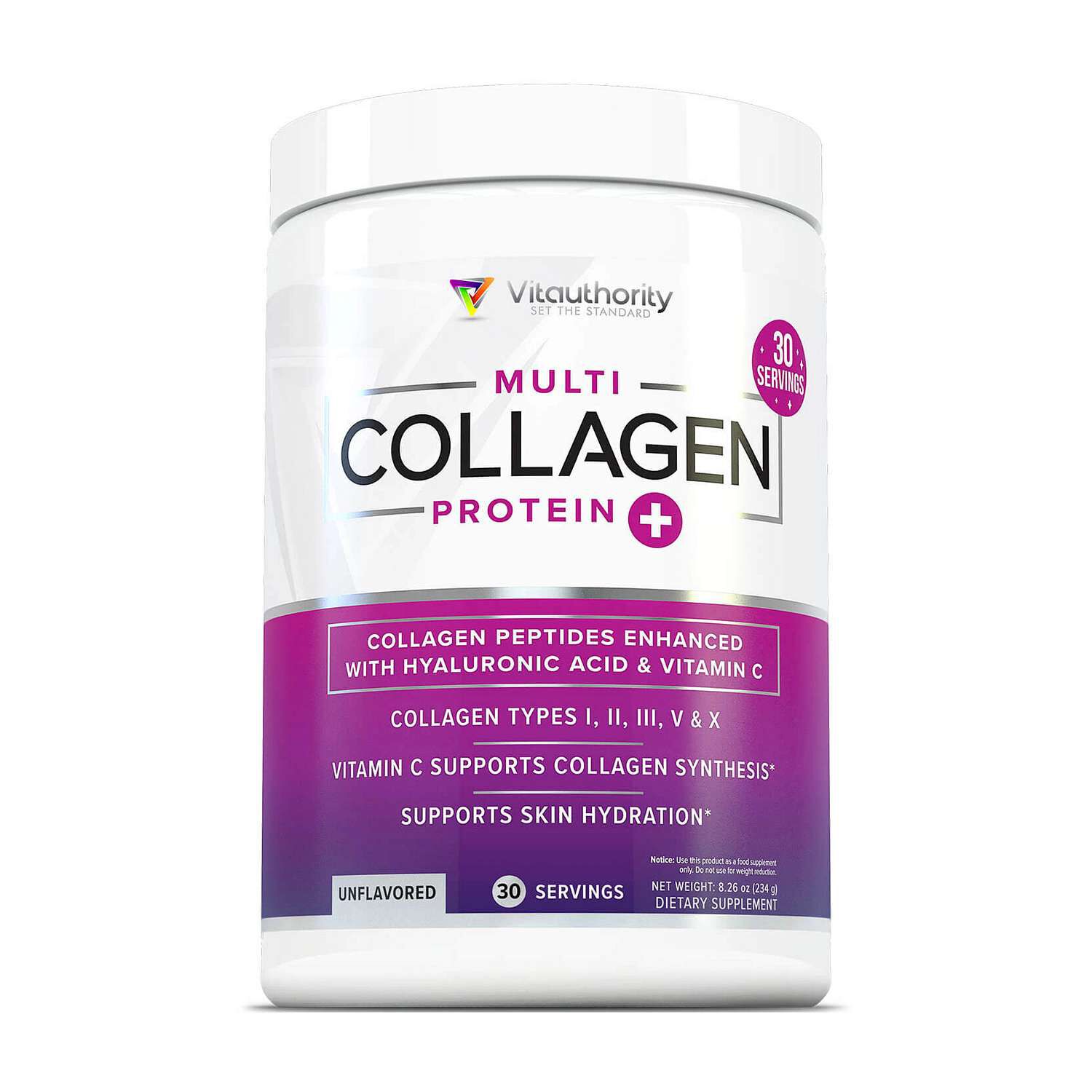
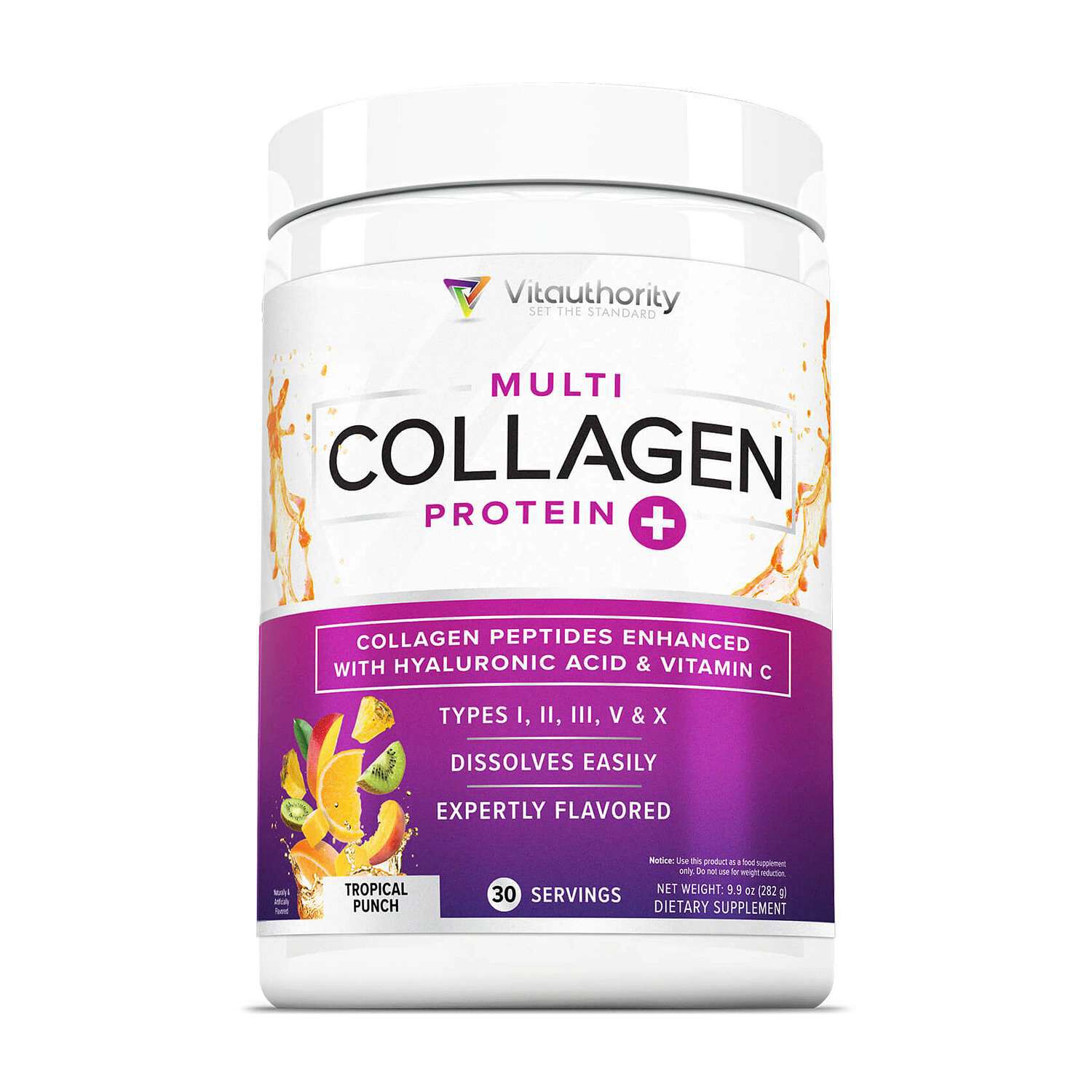
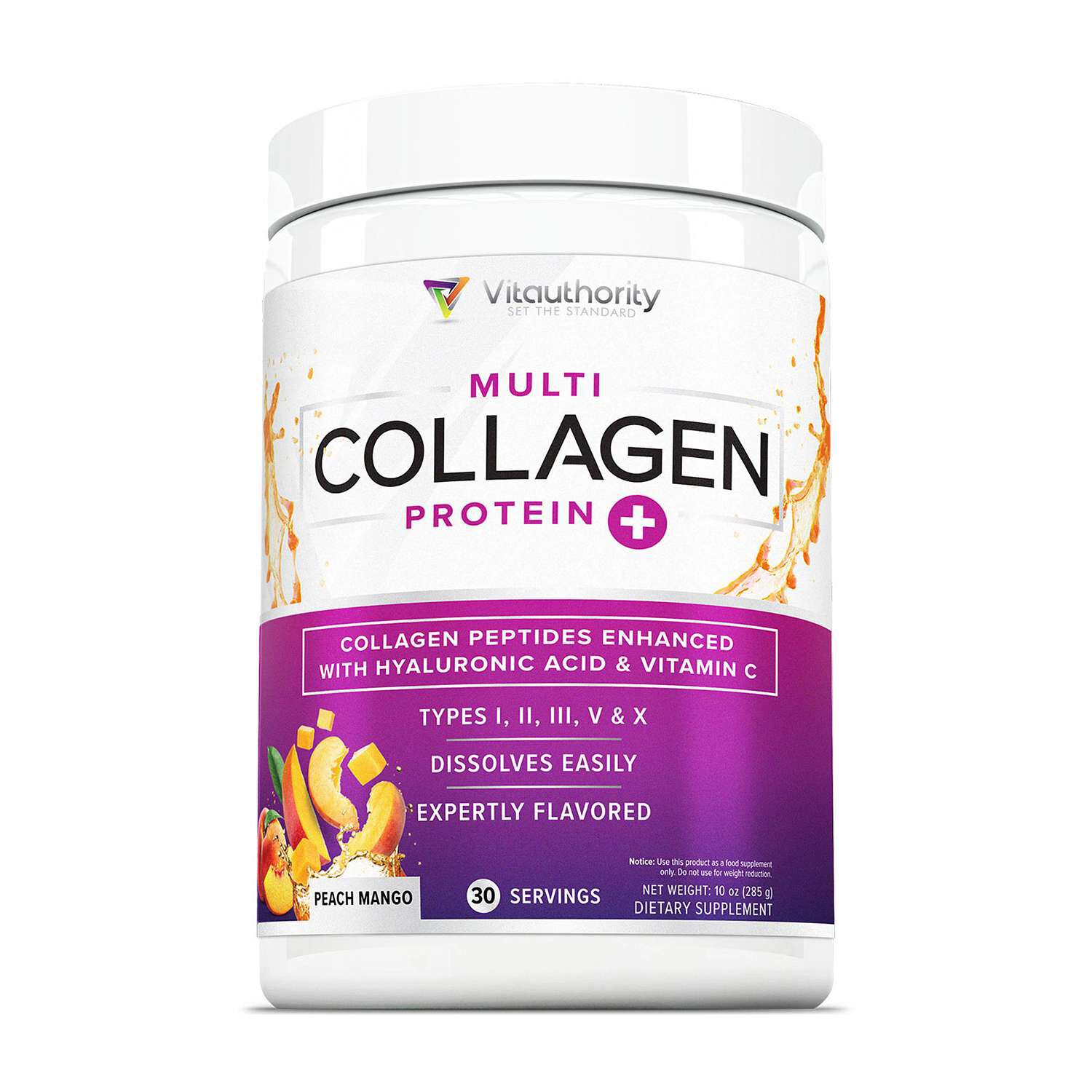

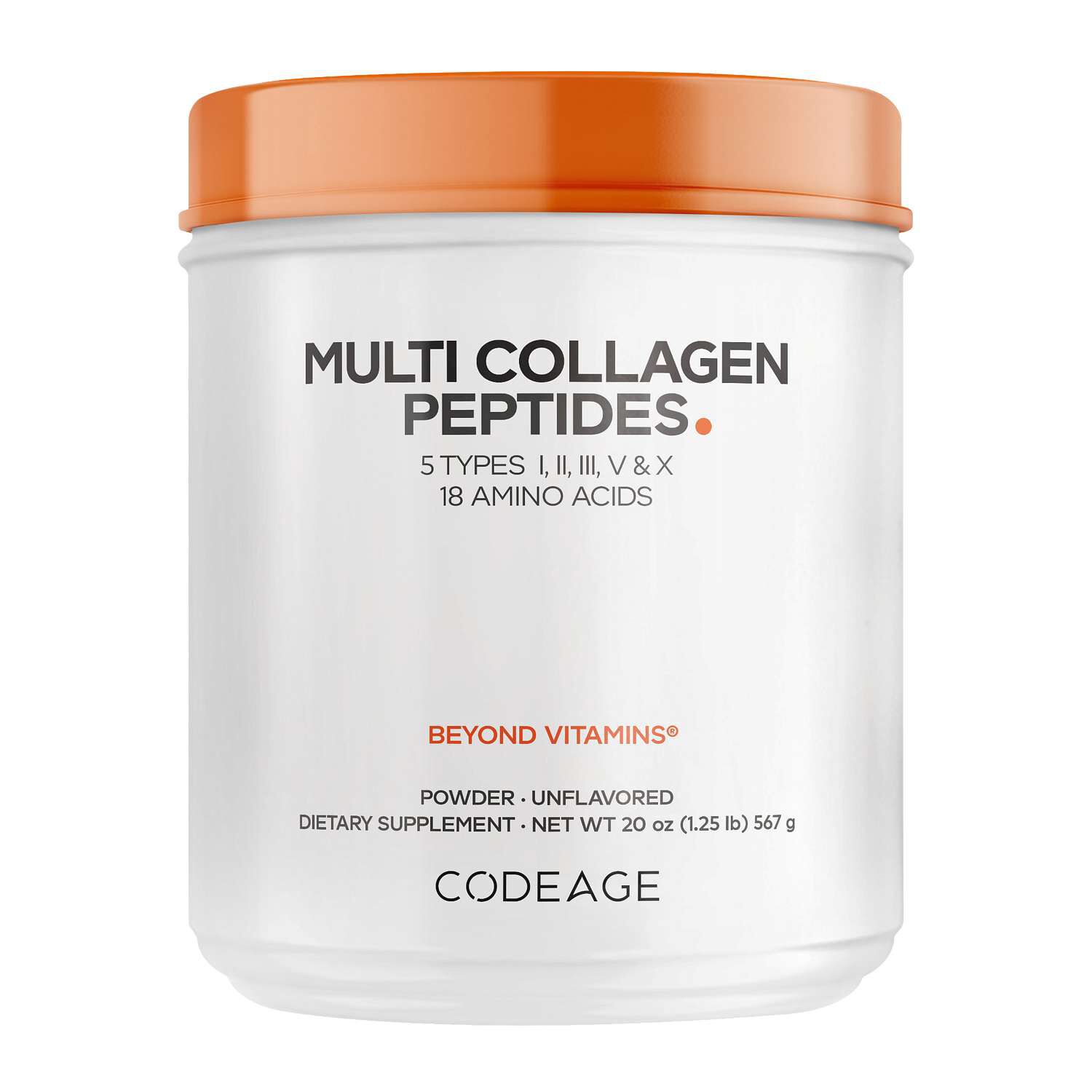


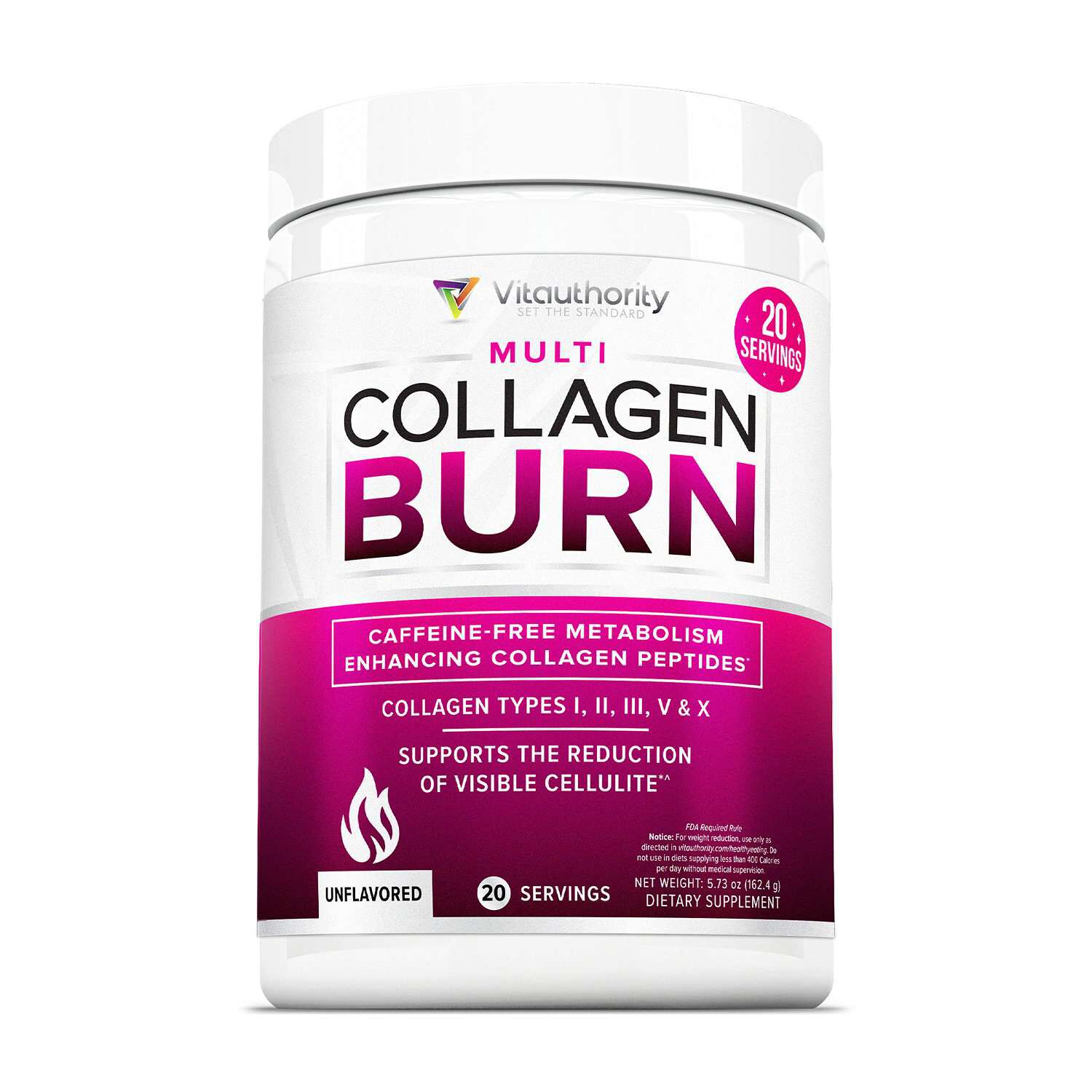
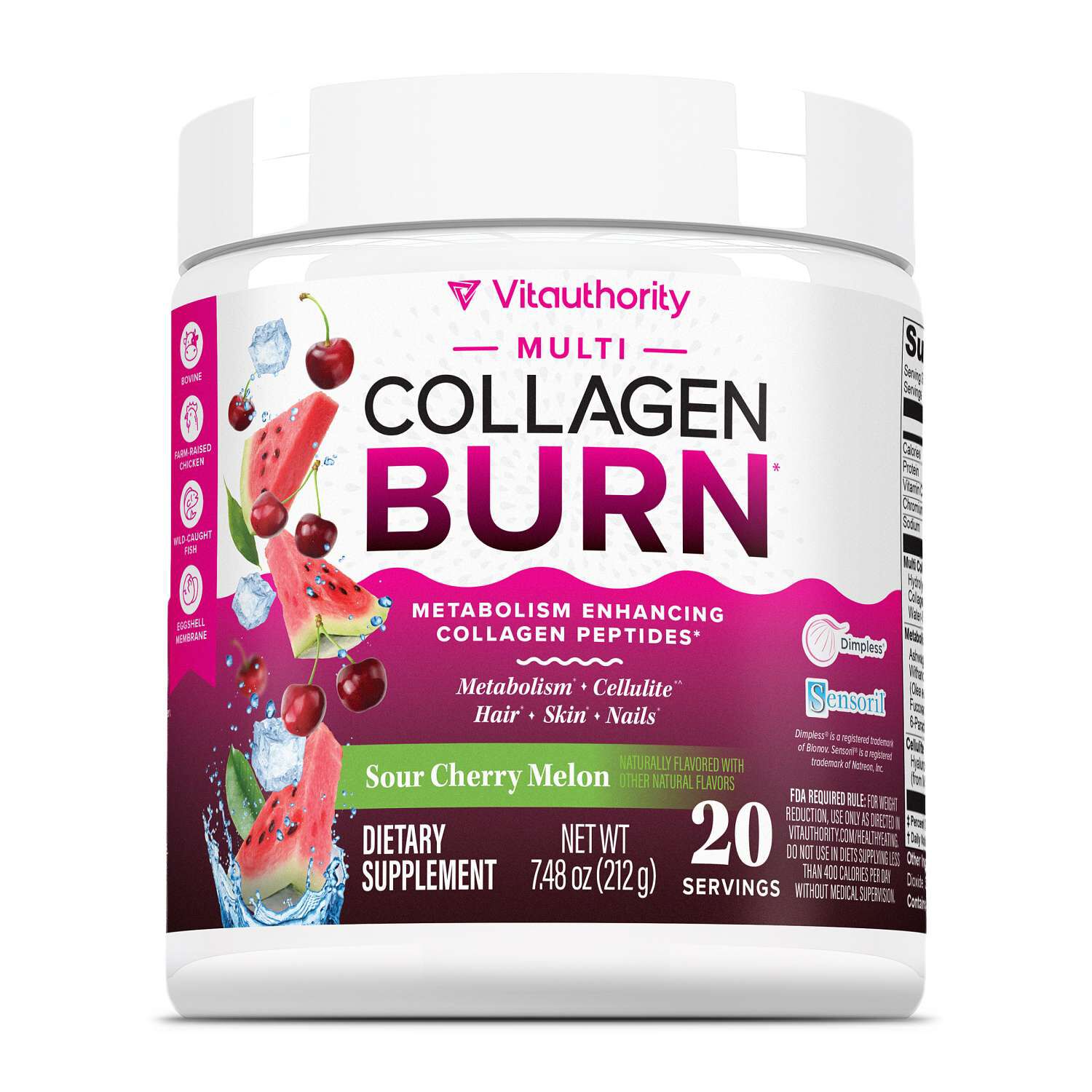
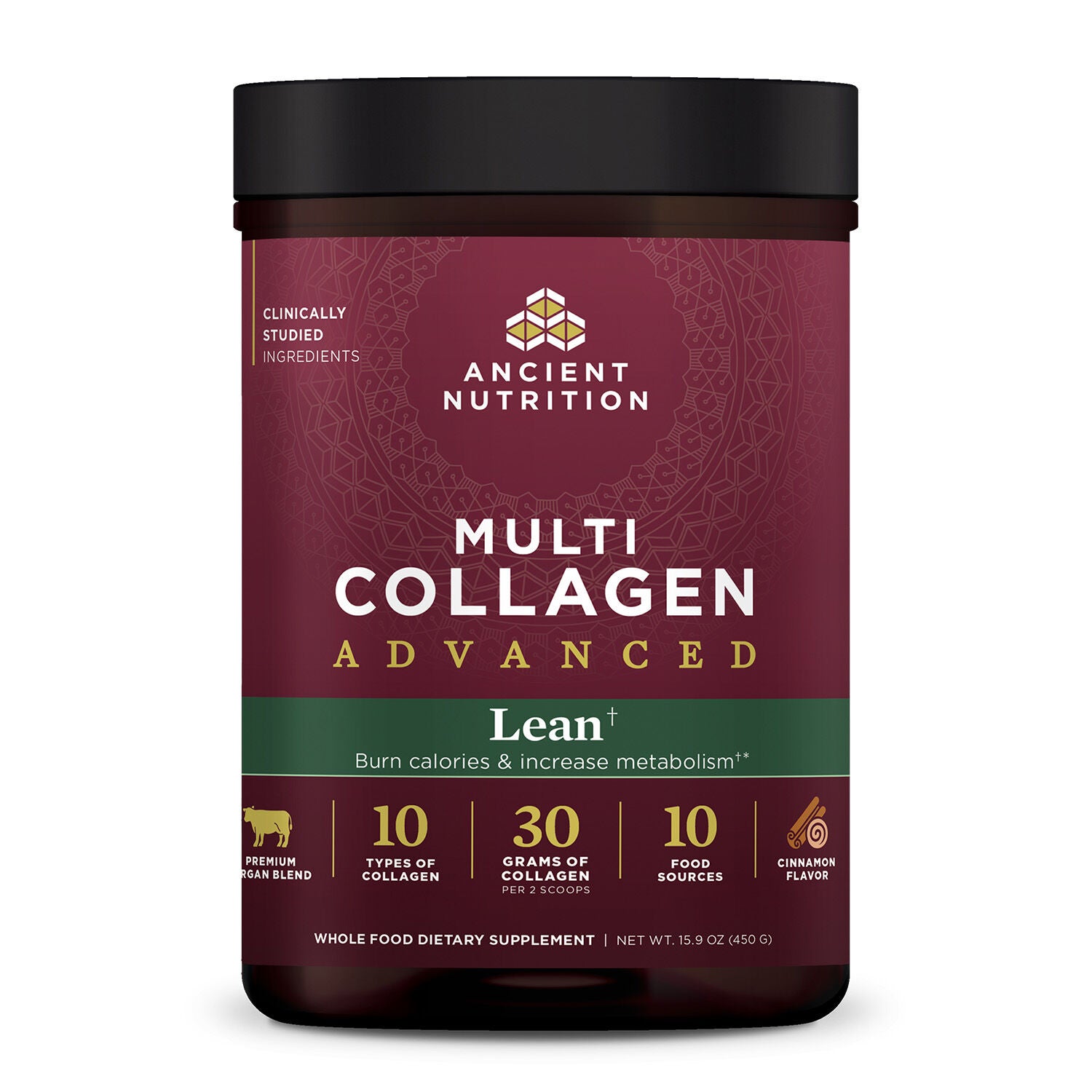
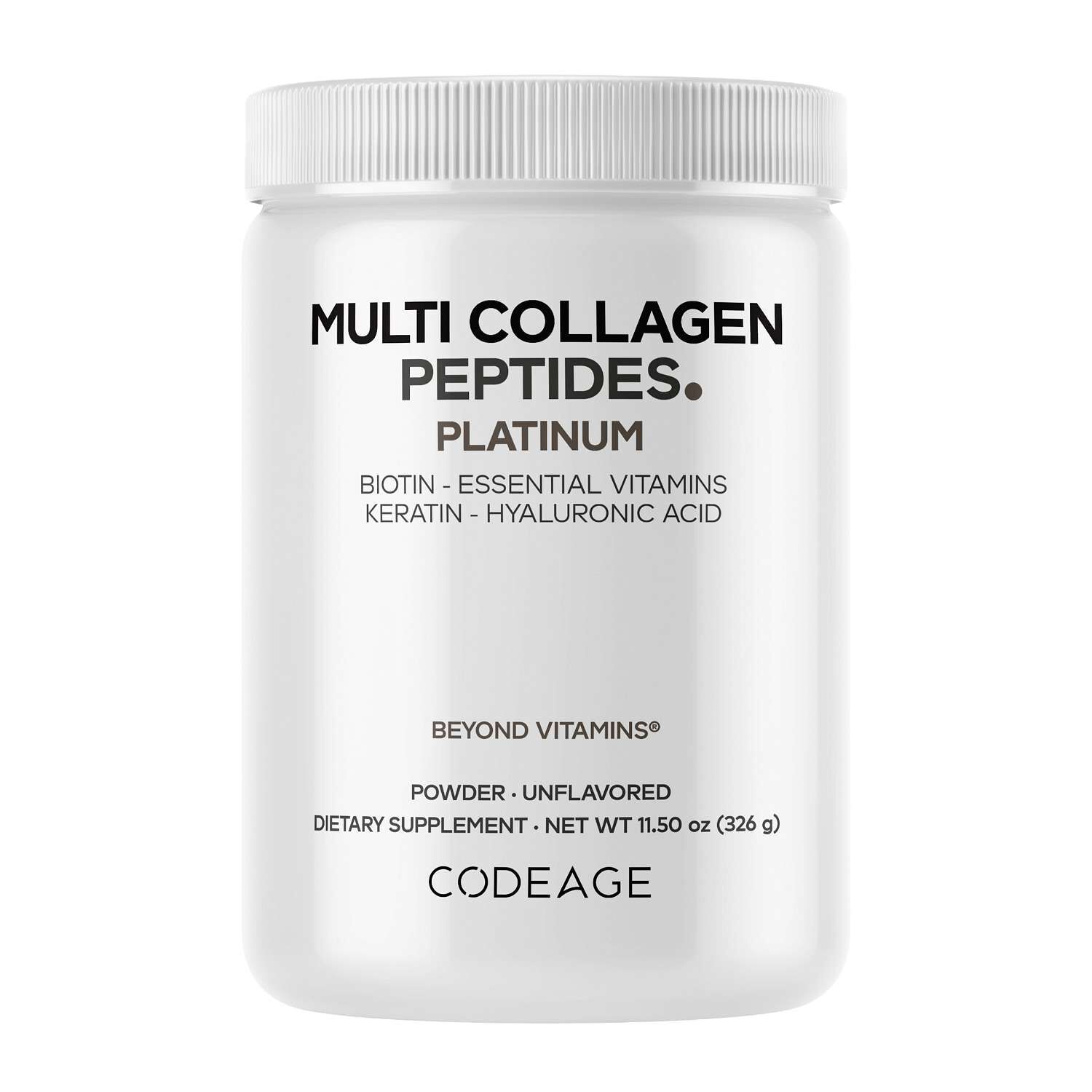
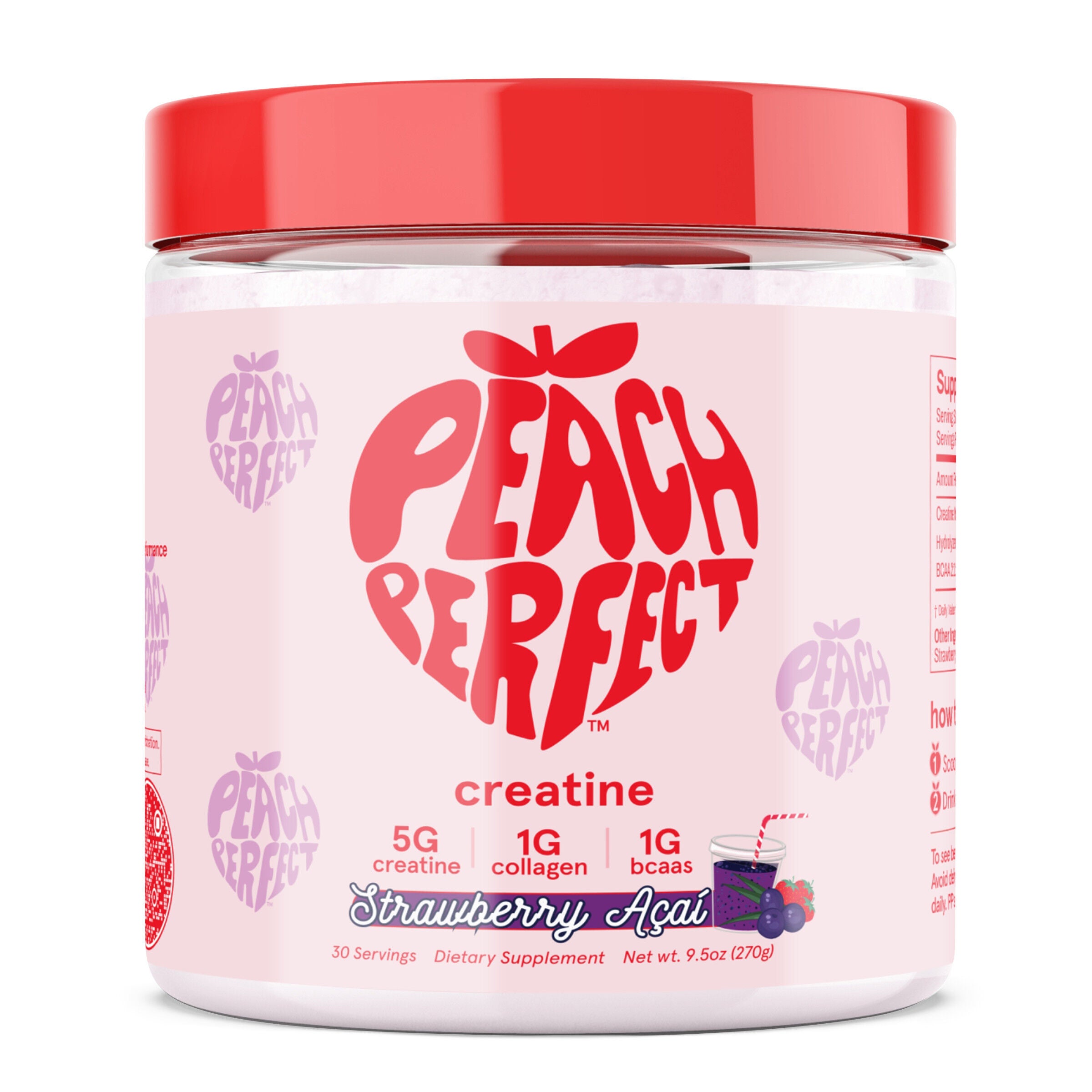

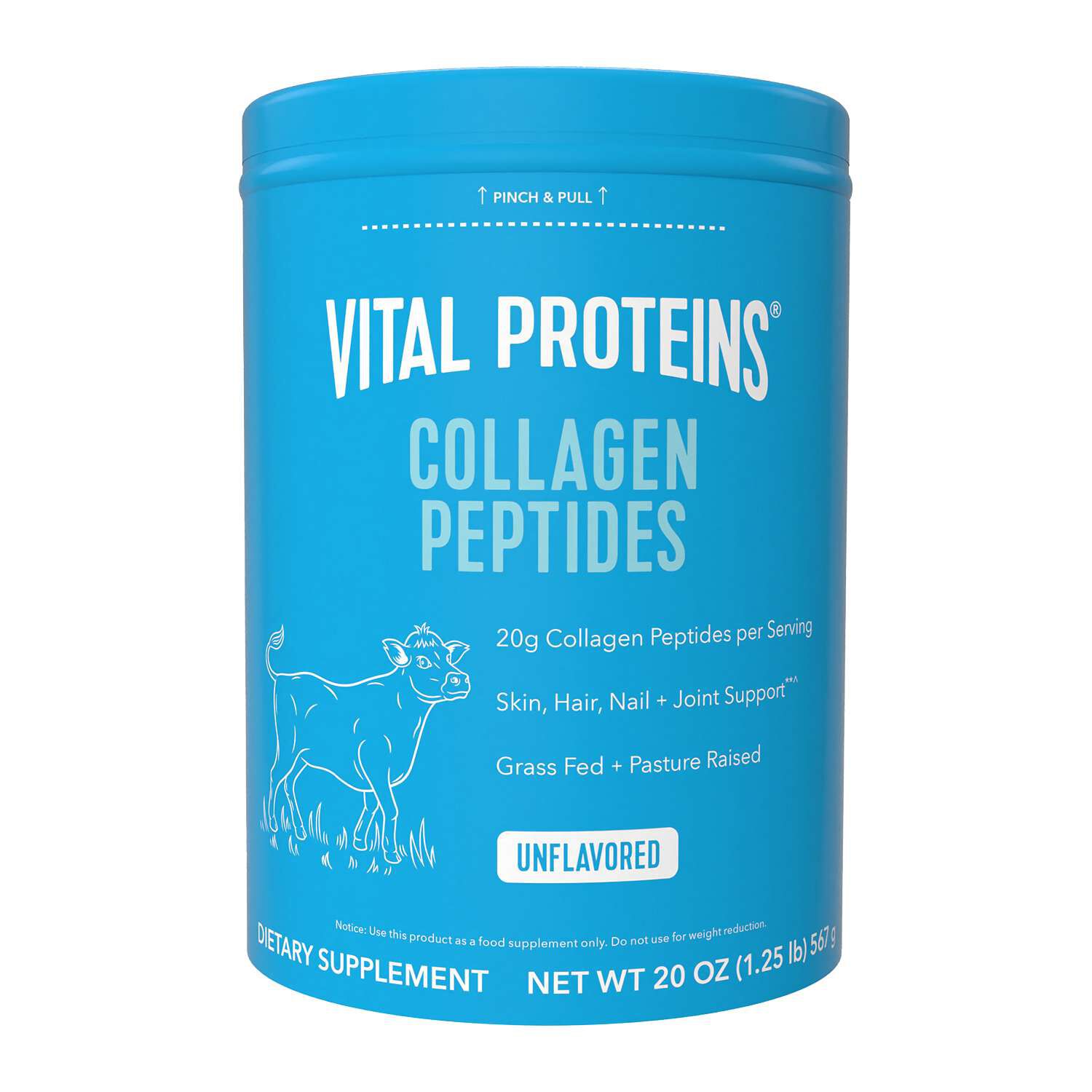


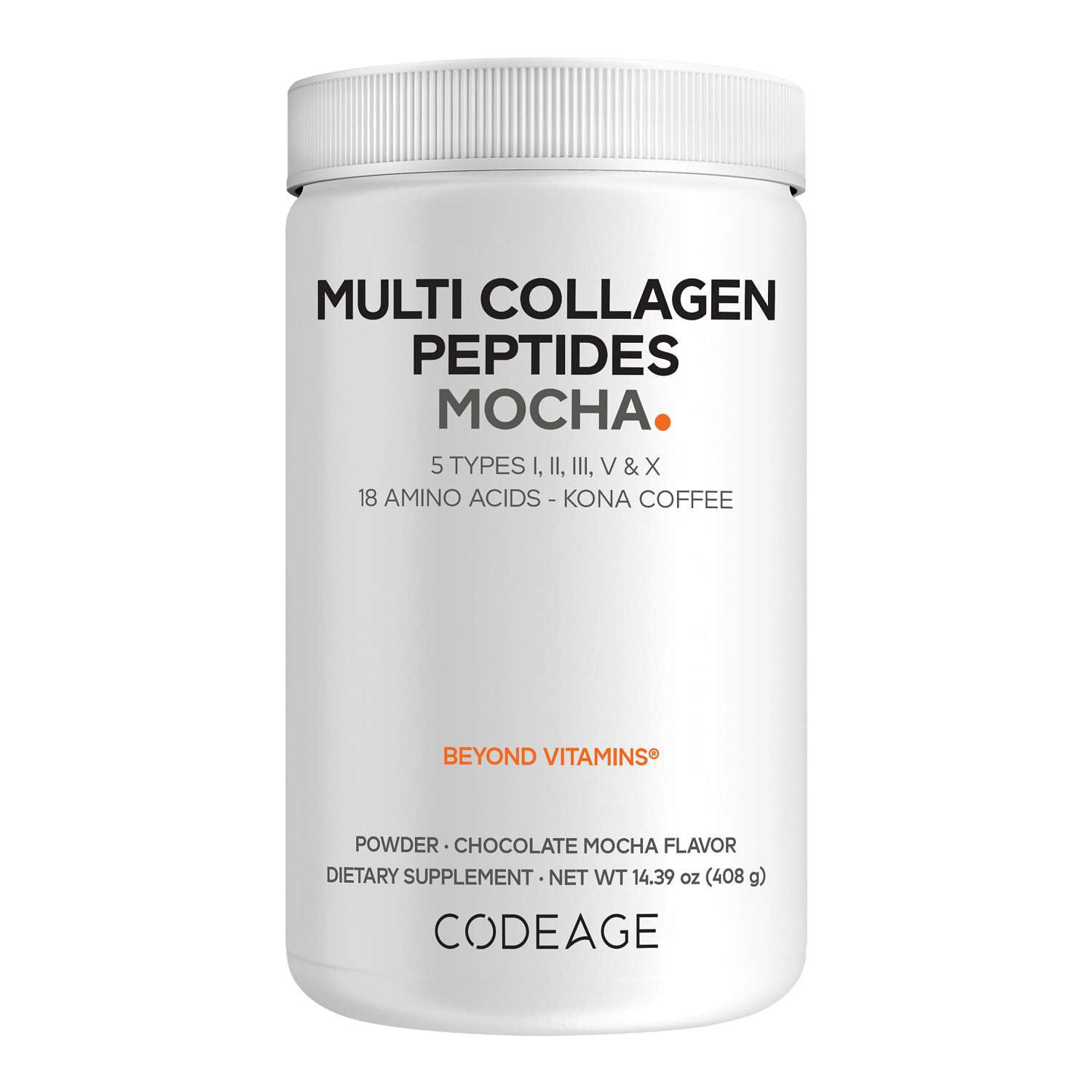


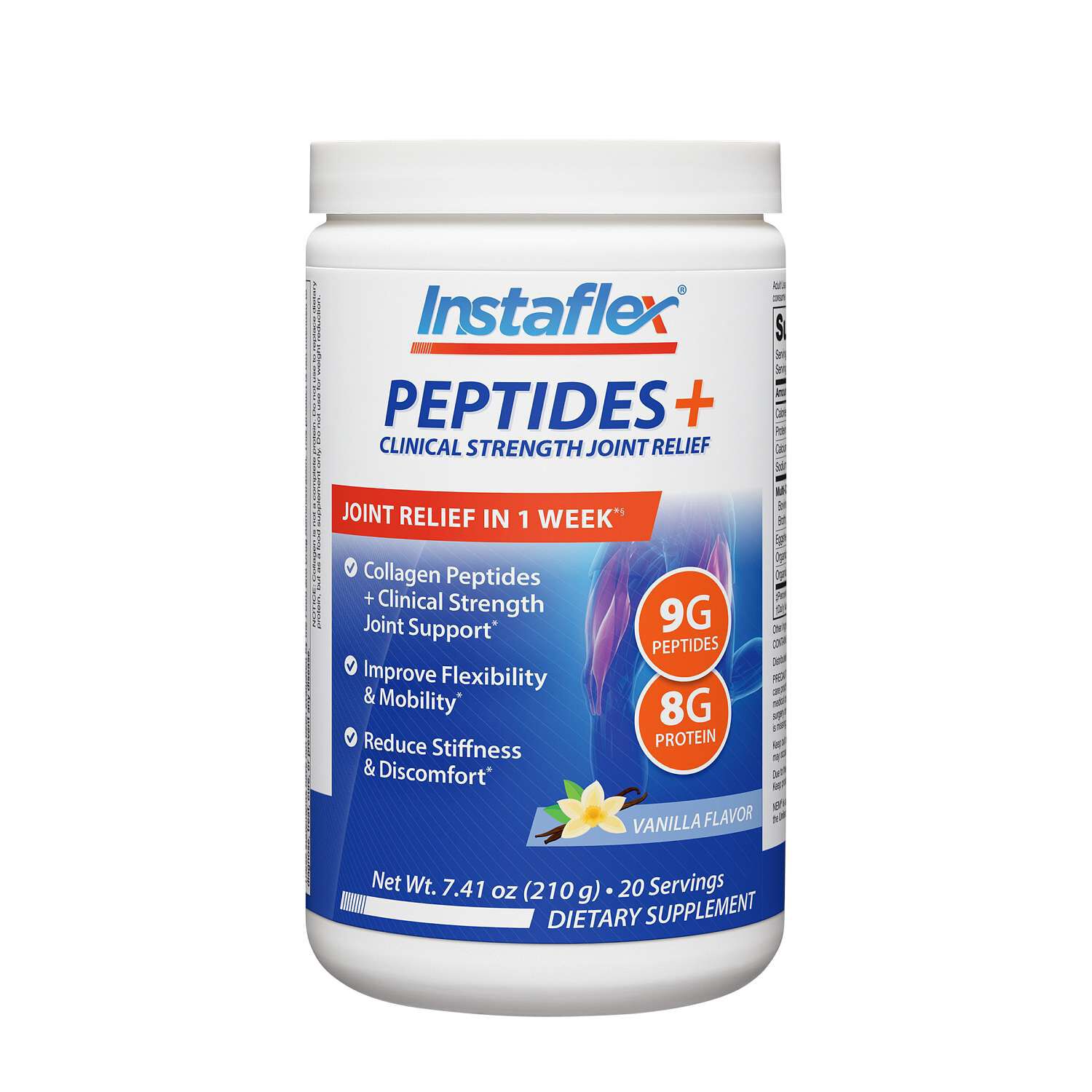
Collagen powders for skin and joints bring a familiar nutritional ingredient into everyday routines, from a morning smoothie to a warm drink during the cooler months. Collagen is a structural protein found naturally in skin, cartilage, bones, tendons, and other connective tissues. Collagen supplements supply amino acids, including glycine, proline, and hydroxyproline, and may support skin hydration, elasticity, and everyday joint comfort. Those interests often overlap: someone who enjoys long walks, strength training, or gardening may also be looking for a thoughtful addition to a skin-focused routine. The powders in this category vary in their sources, collagen types, serving sizes, and added ingredients, so the category name alone does not tell the whole story. Type I collagen occurs naturally in skin, bones, and tendons, while type III is also found in skin and other connective tissues. Type II is associated primarily with cartilage. Bovine collagen comes from cattle and commonly supplies types I and III; marine collagen generally comes from fish and is often associated with type I. Some poultry-derived ingredients supply type II. These distinctions describe the ingredient rather than establish which powder will suit every person. Hydrolyzed collagen, also called collagen peptides, has undergone processing that divides larger collagen proteins into smaller peptide fragments. That processing is different from simply grinding an ingredient into a finer powder, and it helps explain why peptide powders and gelatin behave differently in recipes. Collagen peptides generally dissolve without the characteristic setting behavior of gelatin, making them a practical format for drinks and soft foods. For shoppers comparing collagen powder for skin with collagen powder for joints, the most useful distinctions are often on the label: the animal source, the stated collagen types, the amount of collagen per serving, and the directions for use. A clear ingredient description offers more meaningful context than a front-label phrase alone, especially when two containers look similar but contain different blends.
Flavor, texture, and the way a powder fits into a normal day matter just as much as its ingredient story. An unflavored collagen powder can be a flexible choice for someone who prefers to keep the taste of coffee, oatmeal, or a fruit smoothie familiar, although unflavored does not necessarily mean undetectable. Ingredients can contribute a subtle aroma, taste, or change in mouthfeel, particularly in plain water or a lightly flavored beverage. A flavored powder may suit someone who prefers a distinct drink of its own, but its sweeteners and flavor ingredients are worth considering alongside the collagen. Chocolate or vanilla profiles may pair naturally with milk-based drinks, while fruit flavors may be more appealing in a chilled shaker bottle. Mixing directions differ by formula, including the suggested liquid amount and whether the powder is intended for hot or cold use. A scoop stirred into a small mug can feel quite different from the same serving blended into a larger smoothie, so the preparation pictured on the container is not the only detail that matters. Serving measurements also deserve attention: the weight of one scoop is not always the same as the grams of collagen it contains, especially when a formula includes other ingredients. Some blends contain vitamin C, hyaluronic acid, or additional nutrients, while others keep the ingredient list focused on collagen peptides. Those additions make products different, not automatically preferable. For someone already using other supplements, visibility into every ingredient and its listed amount may be especially useful. Collagen is animal-derived and does not fit a vegan eating pattern; marine collagen also calls for close attention to fish allergen labeling. Other dietary preferences are best checked against the actual package rather than inferred from the source or flavor. Collagen also has a different amino acid profile from proteins commonly used as the main protein ingredient in a shake, so a collagen powder and a general protein powder are not interchangeable simply because both list protein on the nutrition panel. Each has its own intended place in a food and supplement routine.
Packaging and storage are quieter considerations, but they can make a noticeable difference in how comfortably a collagen powder fits into daily life. A resealable tub may suit a kitchen counter or pantry shelf, while individual serving packets may be convenient for an office drawer or an overnight bag. Container dimensions, the number of labeled servings, and access to a measuring scoop are practical details for someone with limited cupboard space or a shared kitchen. A larger container is not necessarily a better fit if it will be opened only occasionally. Powder care matters, too: storage directions, the marked date, and a securely closed lid deserve attention, especially in a kitchen where steam and splashes are common. A clean, dry scoop and a storage spot away from moisture are sensible ways to handle the format. For quality comparisons, clearly identified sources, readable supplement information, and stated testing practices offer useful points of reference. If a label displays independent certification, the scope of that certification matters; an assessment of contents or manufacturing practices does not establish a particular cosmetic or wellness outcome. Expectations are best kept individual. A powder may complement an established routine, but its effects can vary, and differences in serving amounts, ingredients, and personal habits make broad comparisons difficult. Someone whose main interest is the appearance of mature skin can also explore Collagen Powders for Aging Skin for a more focused selection. For shoppers balancing skin and joint interests, a straightforward formula that fits their food preferences and preparation habits may be more appealing than an elaborate blend. The right practical match might be an unflavored option beside the breakfast oats, a flavored serving mixed at a desk, or packets tucked alongside a travel mug. Across those settings, the defining considerations remain the same: an understandable source, transparent ingredient amounts, an enjoyable preparation, and a format suited to the routine it is intended to accompany.
Best Sellers
-
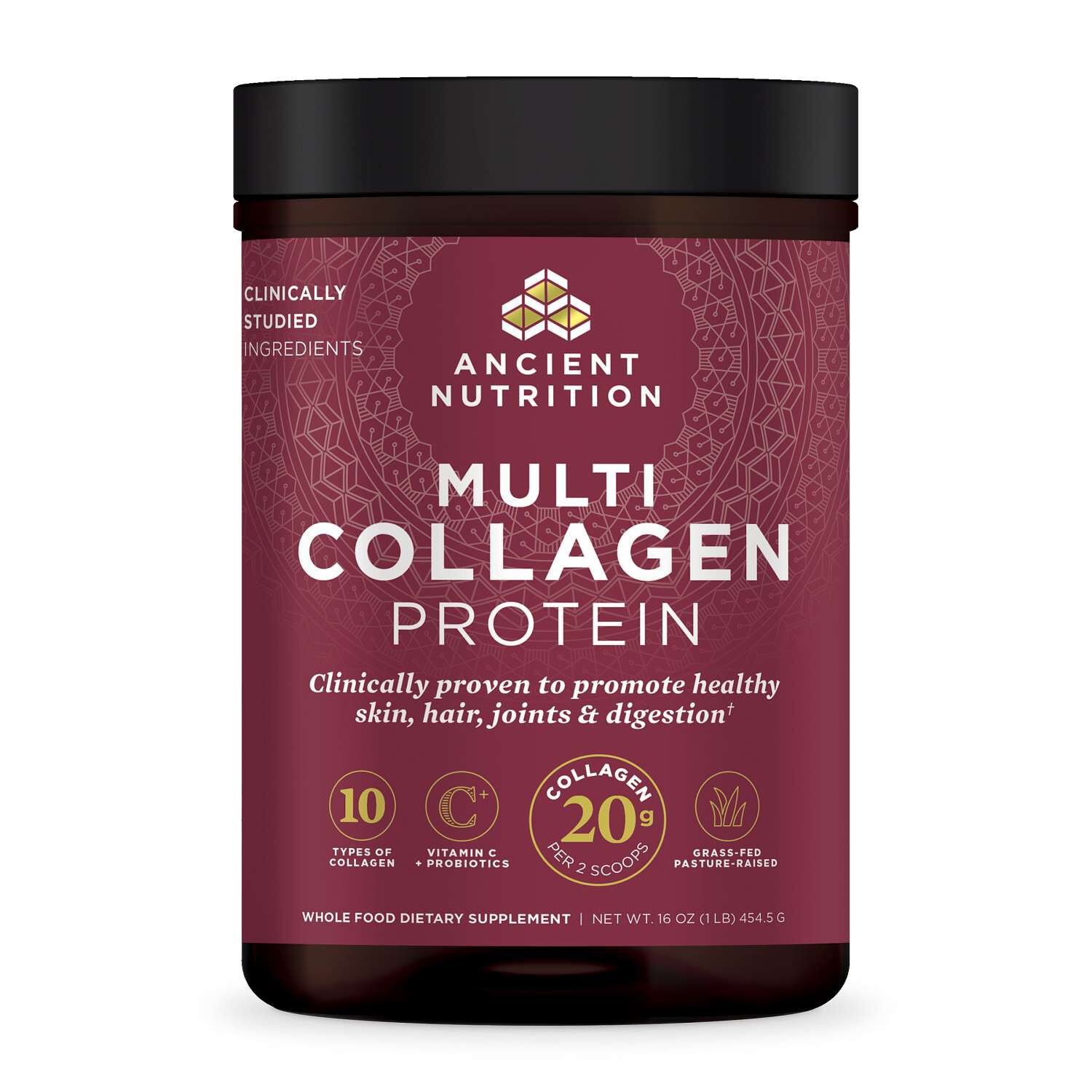 Ancient Nutrition
 -
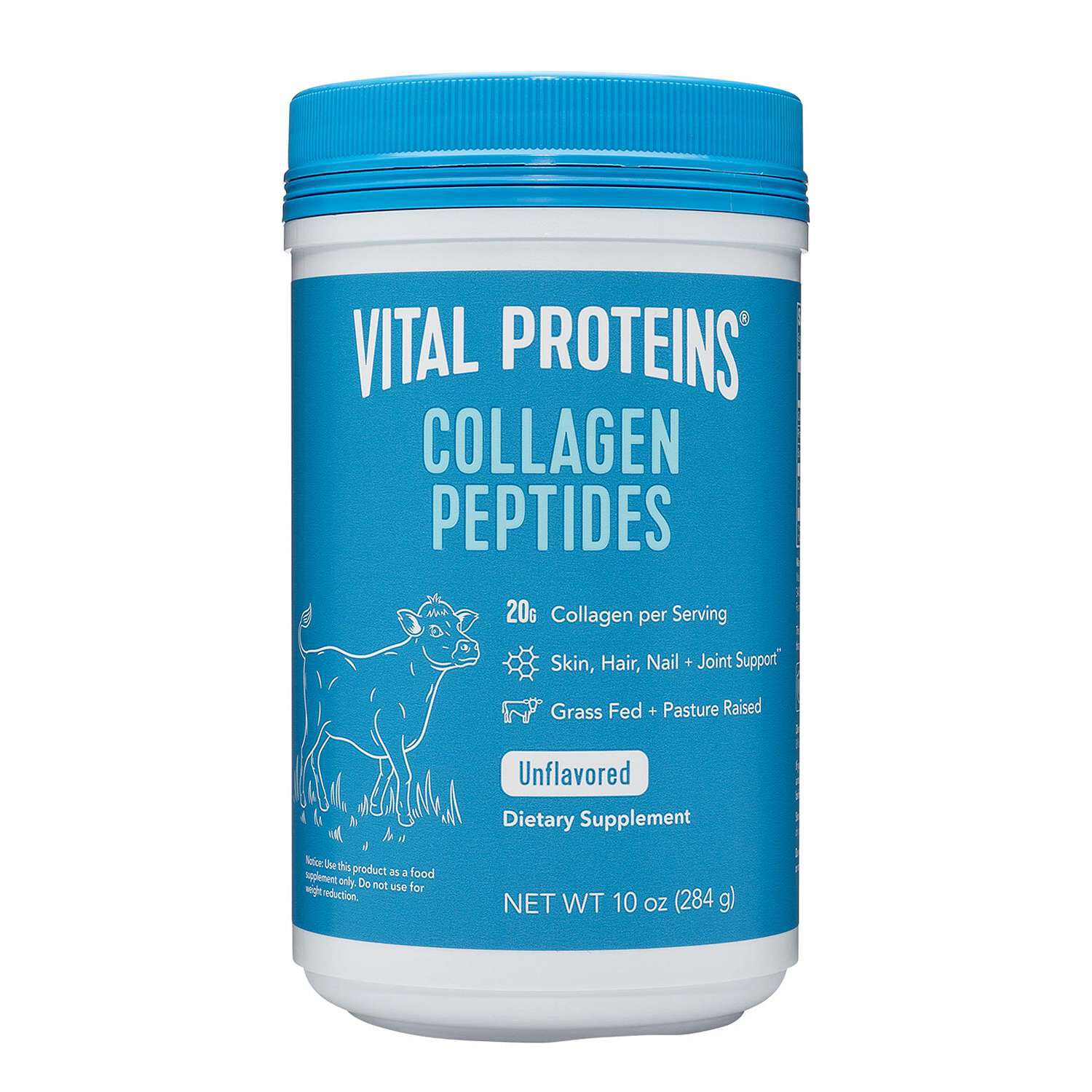 Vital Proteins