





Collagen Powders For Cozy Winter Drinks
(0 Results)
Collagen powders for cozy winter drinks may add a comforting touch to your favorite seasonal beverages. Whether you’re stirring them into a warm mug of cocoa, blending them with spiced lattes, or mixing them into soothing teas, these versatile powders could be an easy way to elevate your winter rituals. Discover how collagen powders for cozy winter drinks might help you create delicious moments all season long.
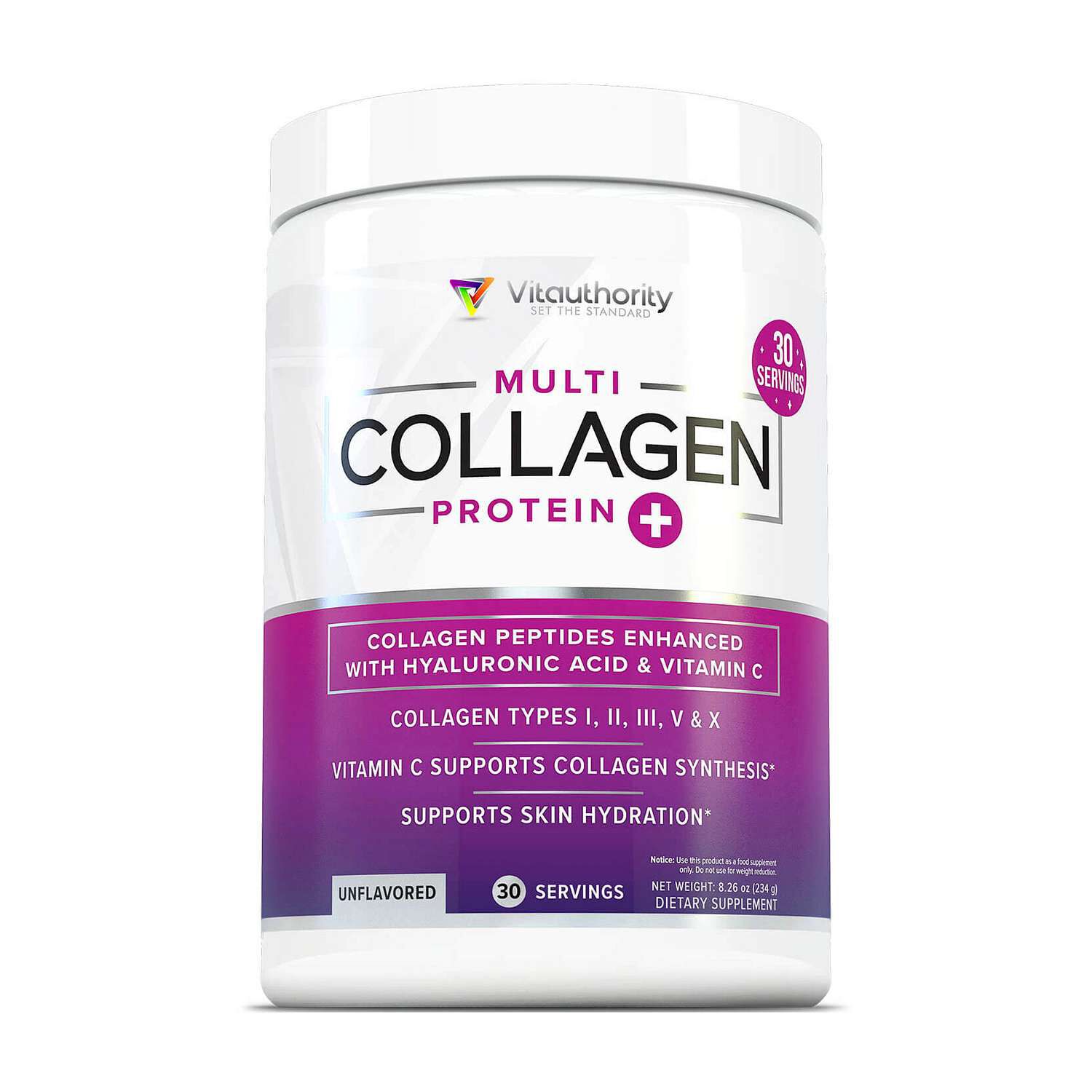
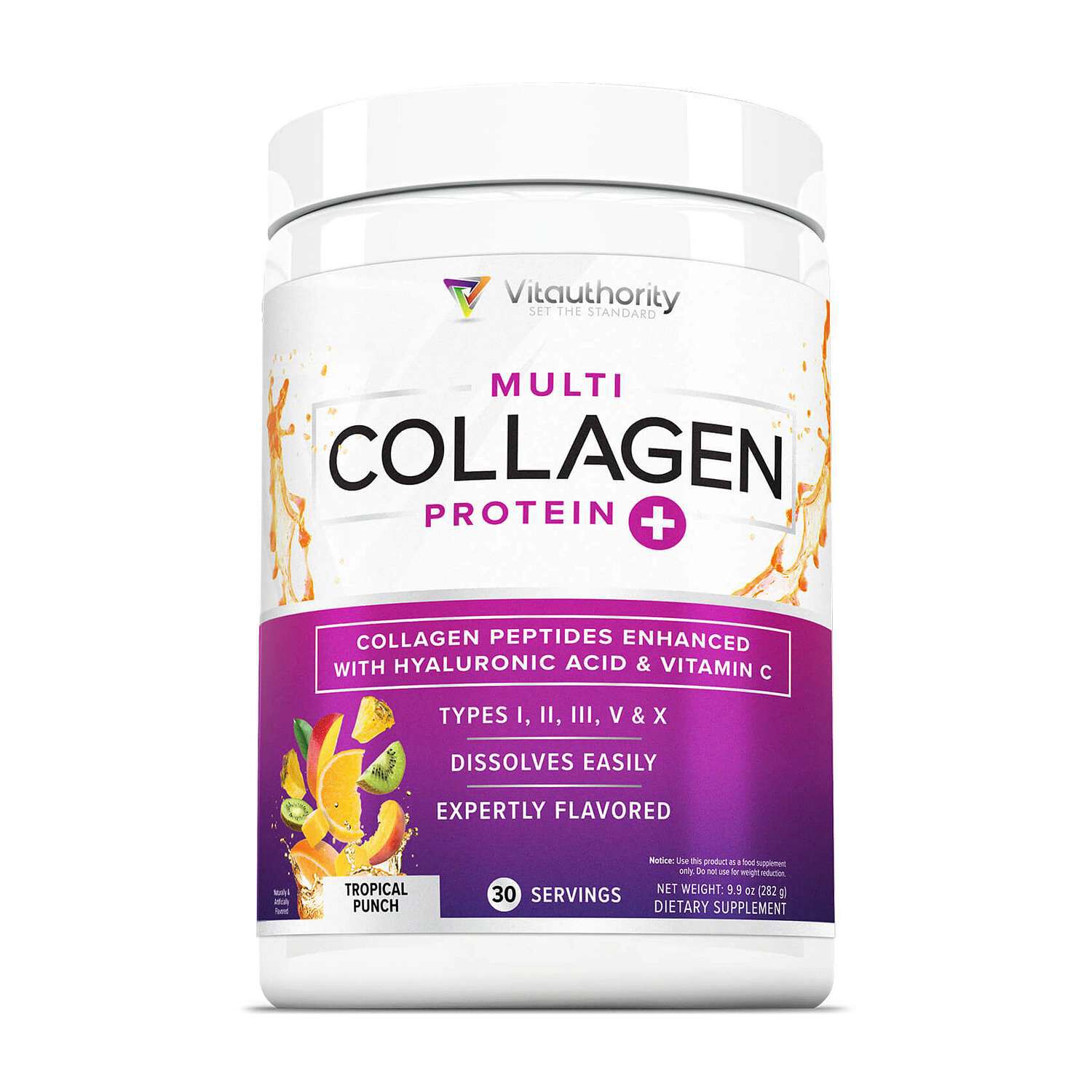
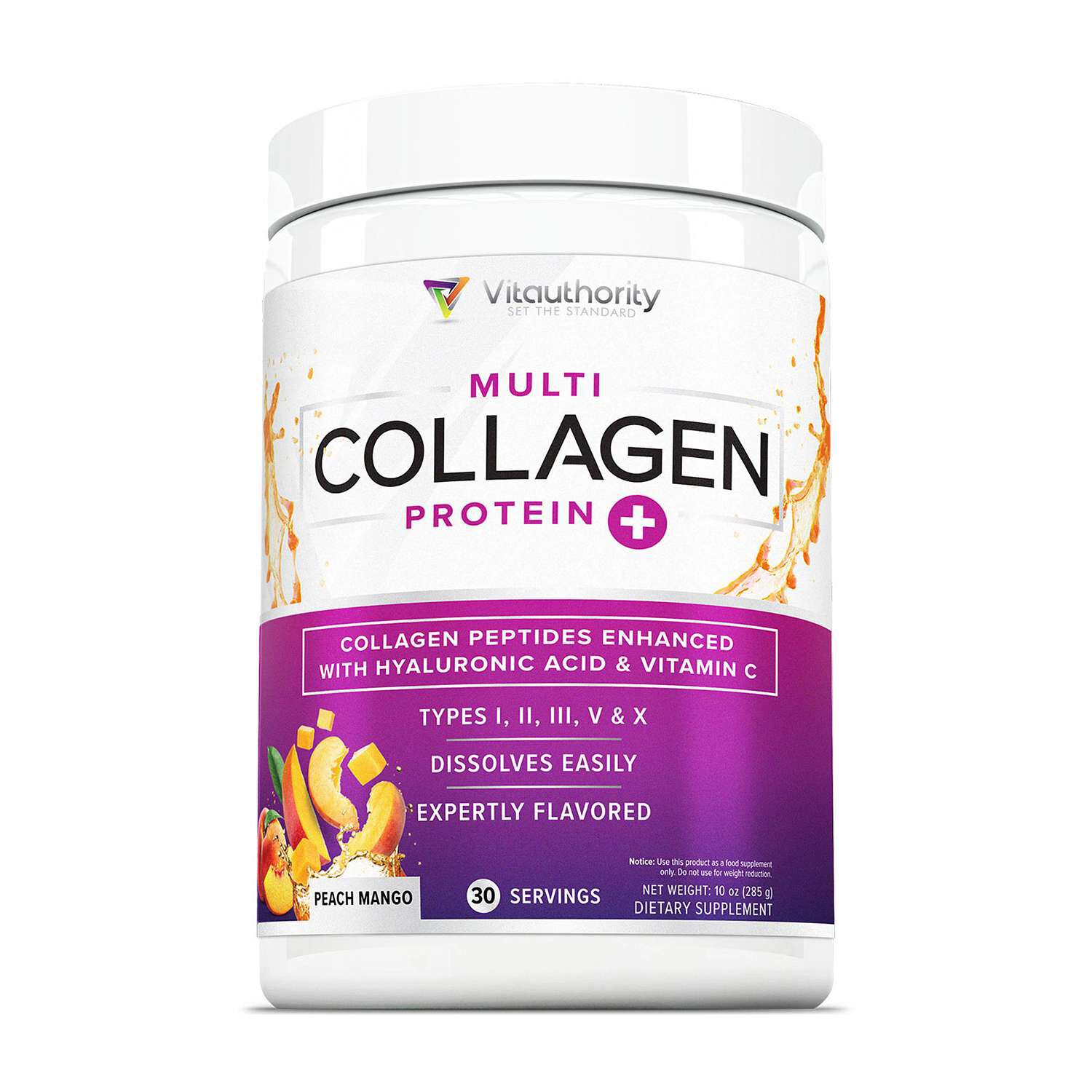

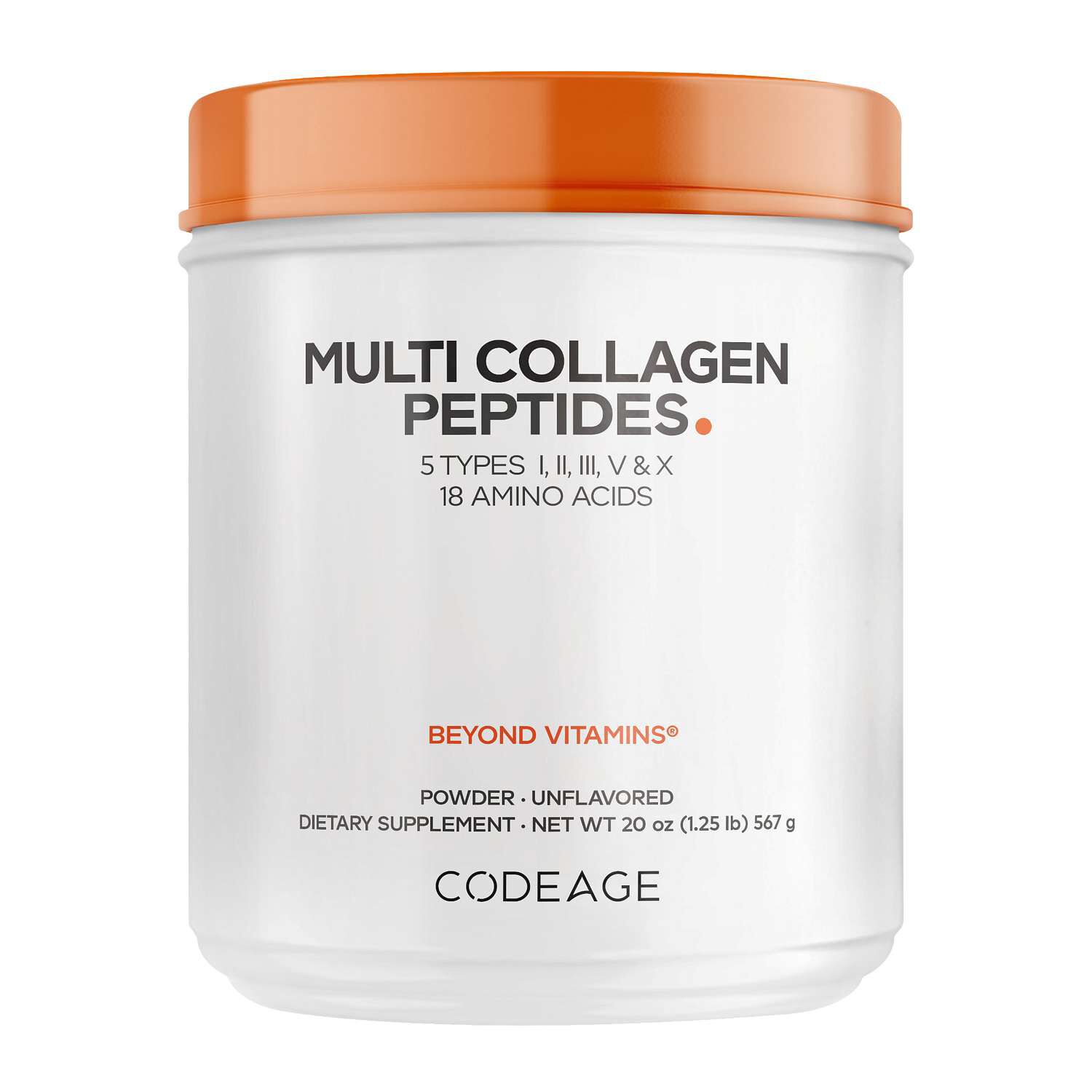


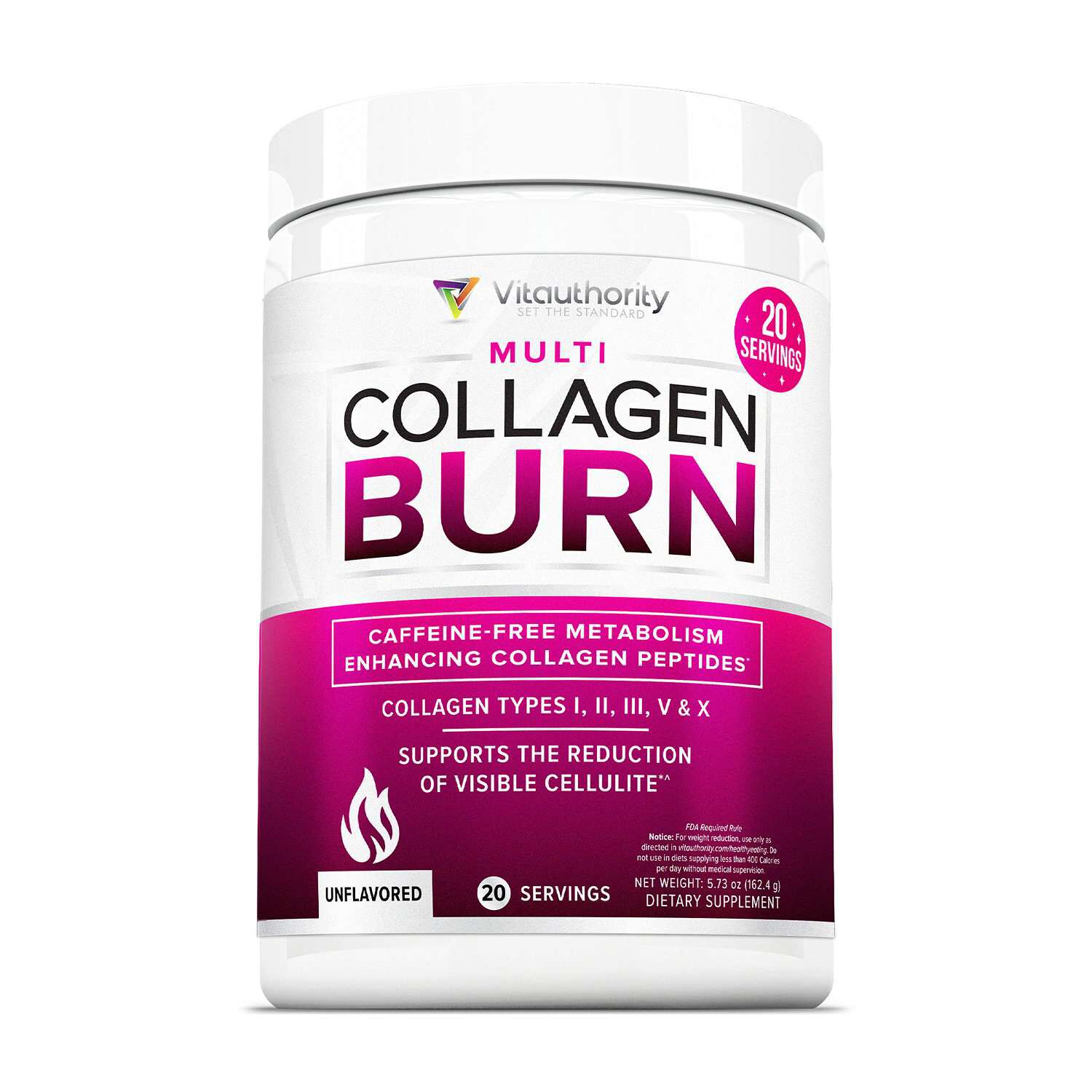
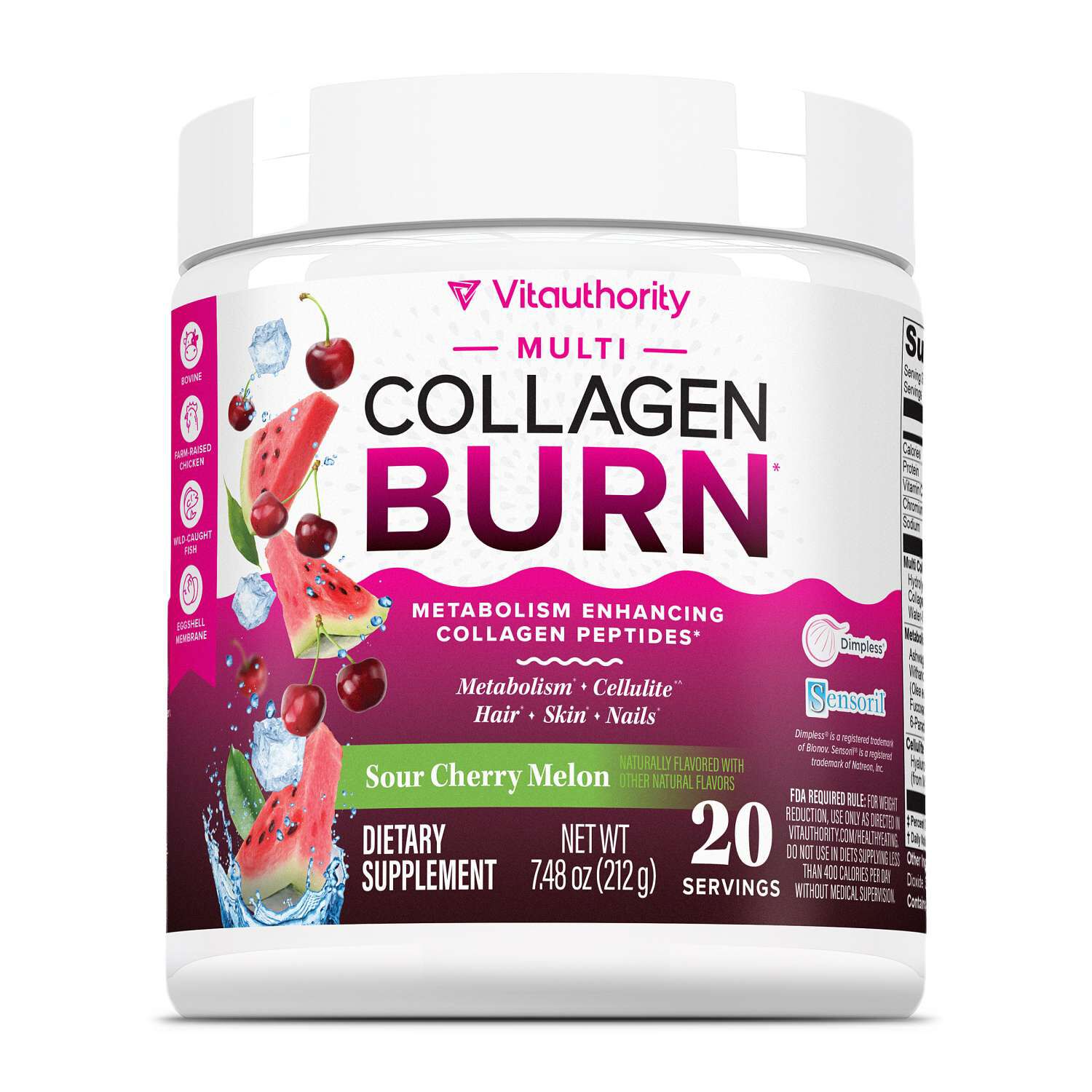
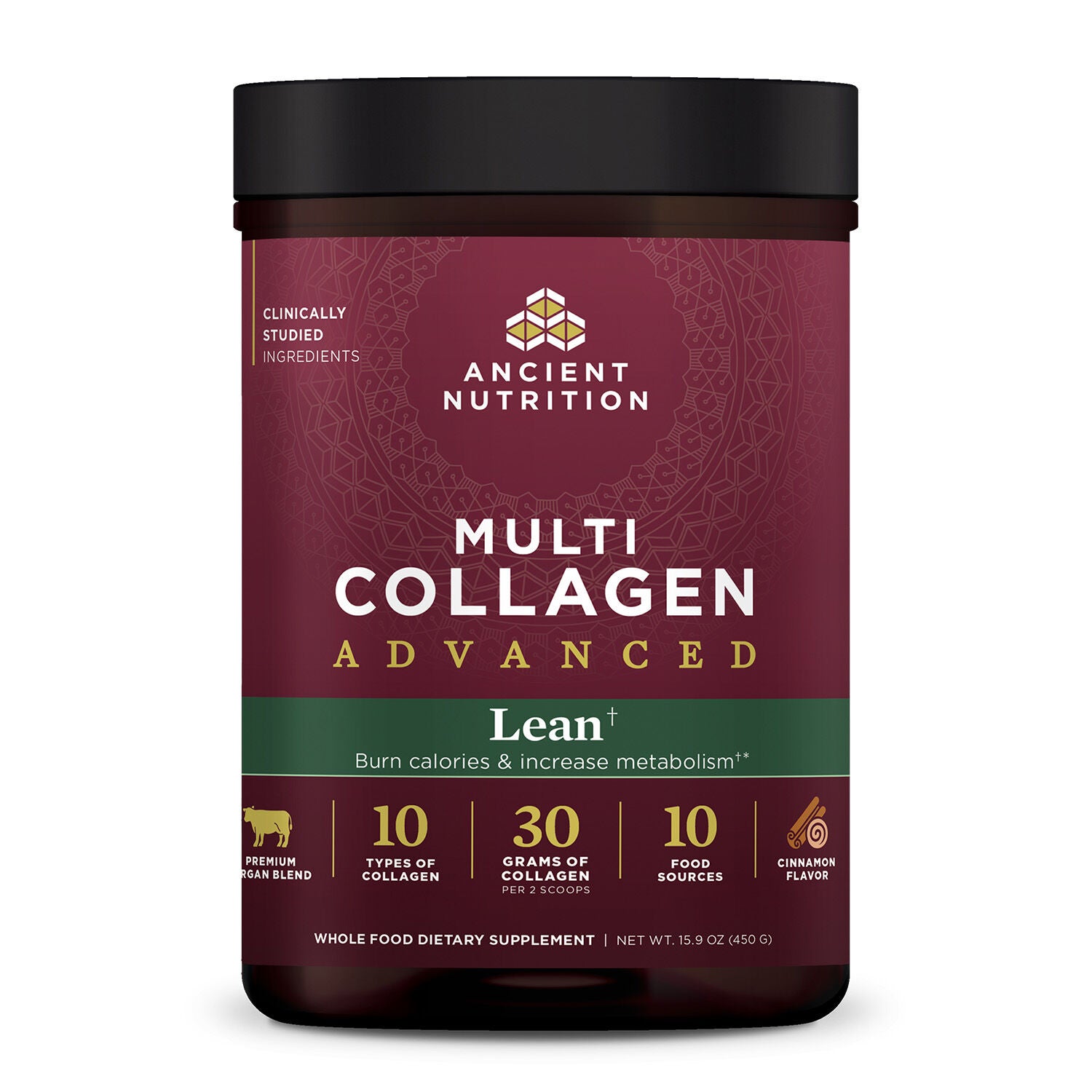
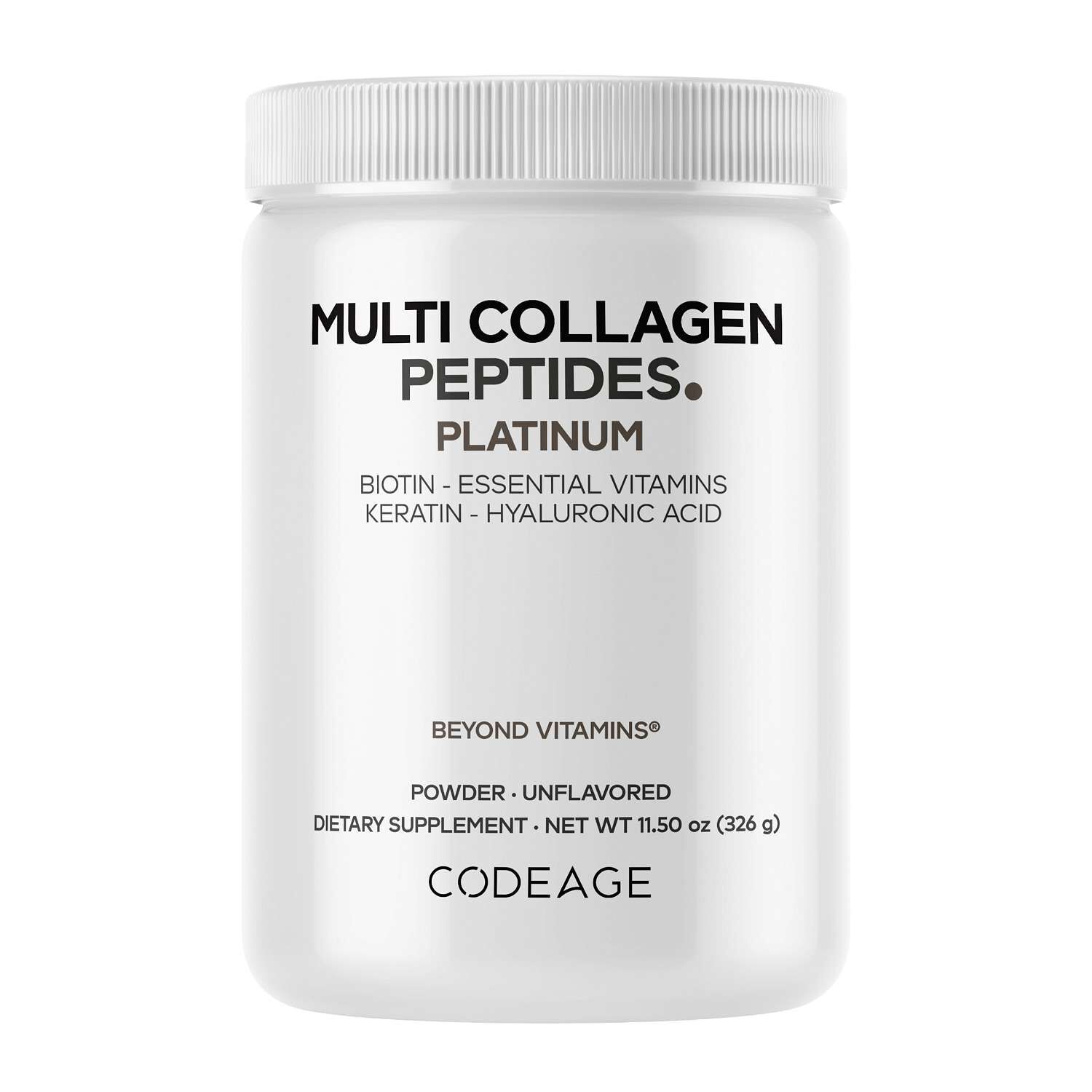
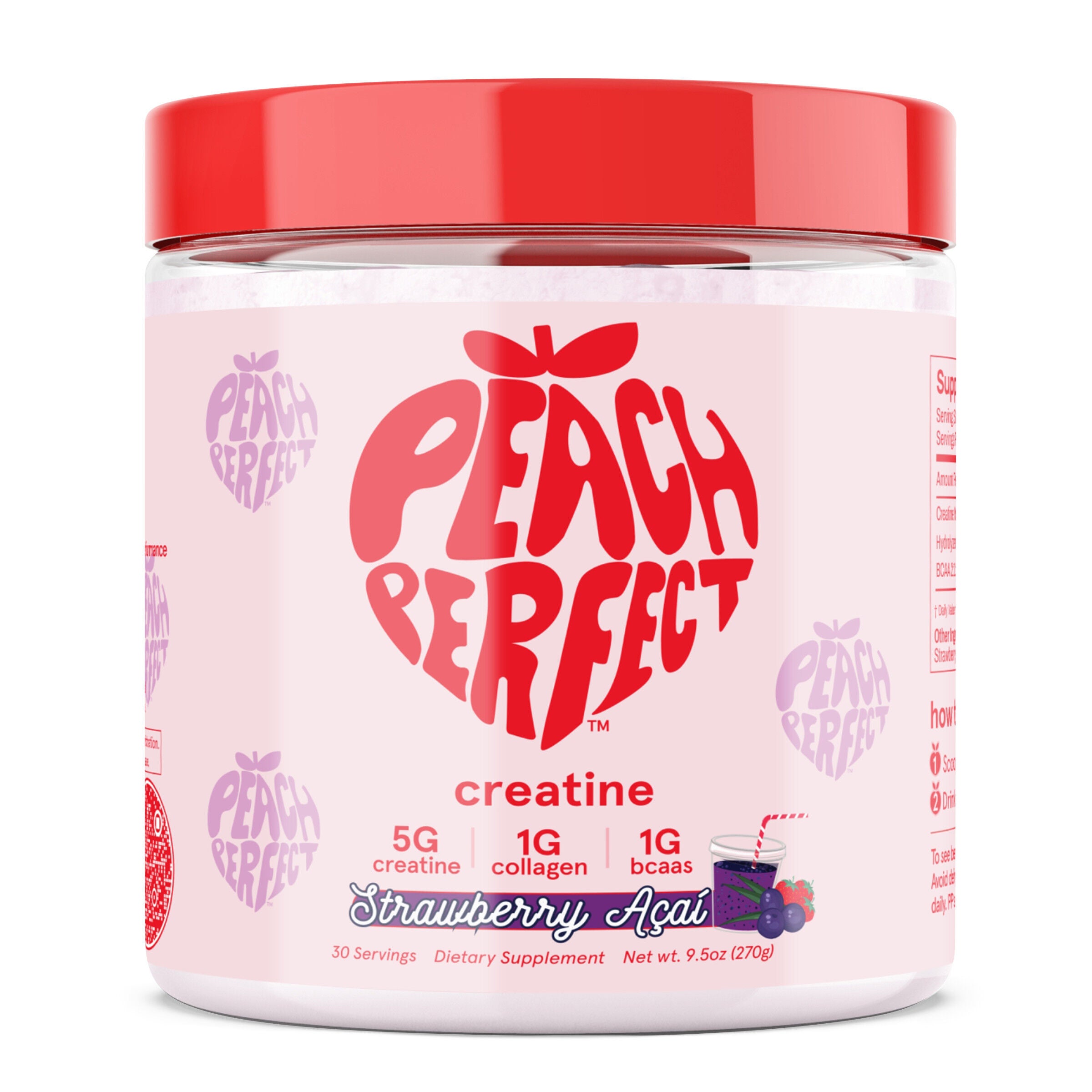
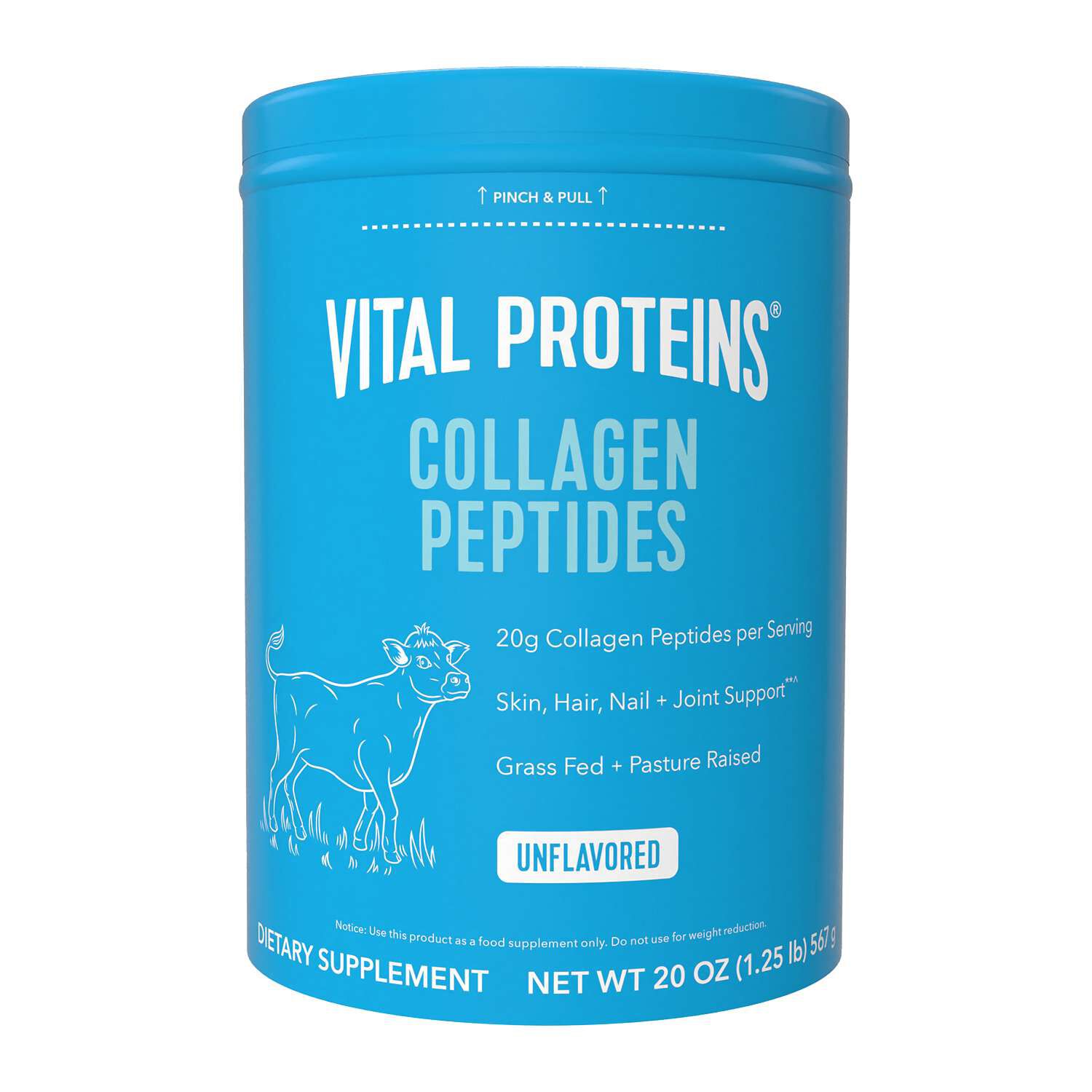


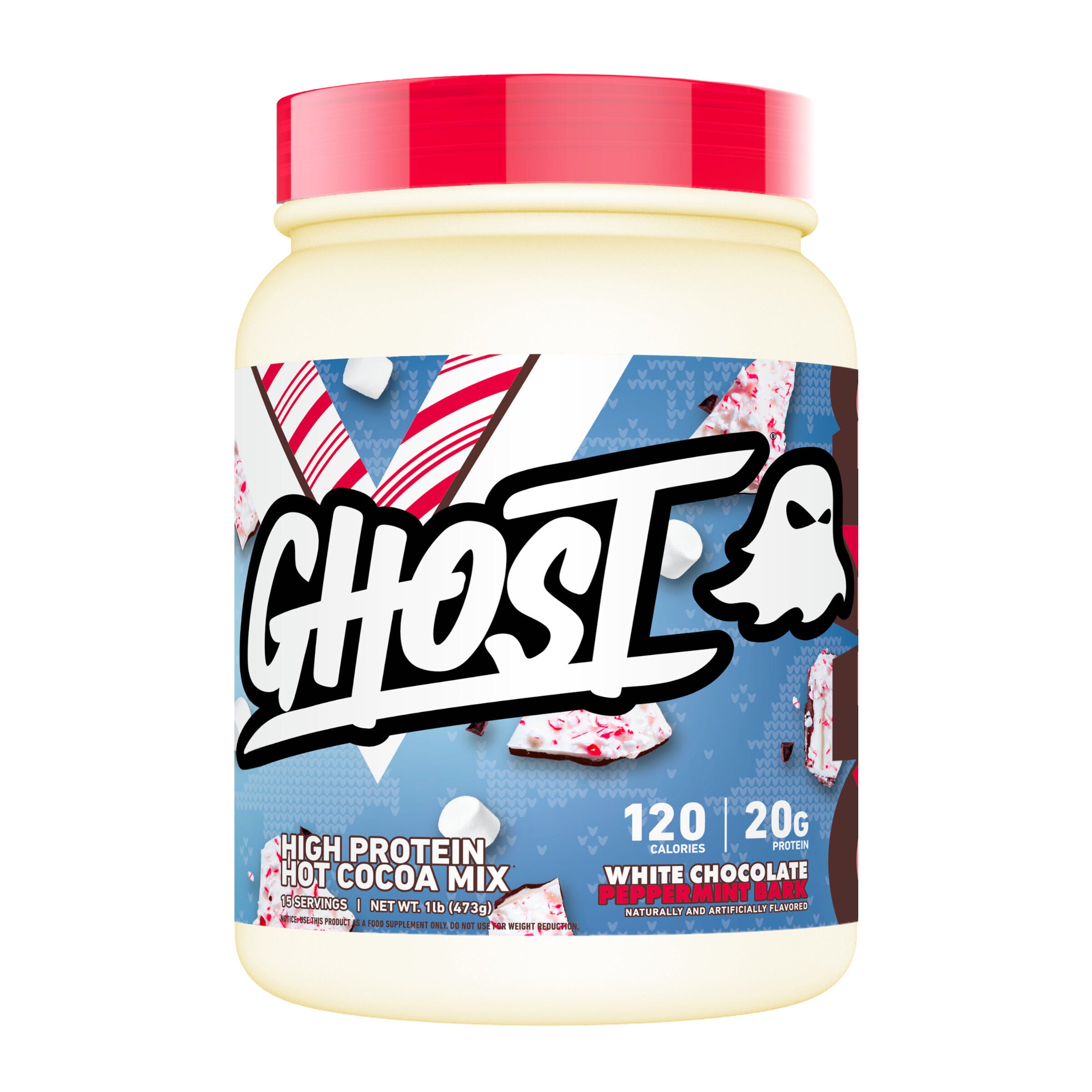
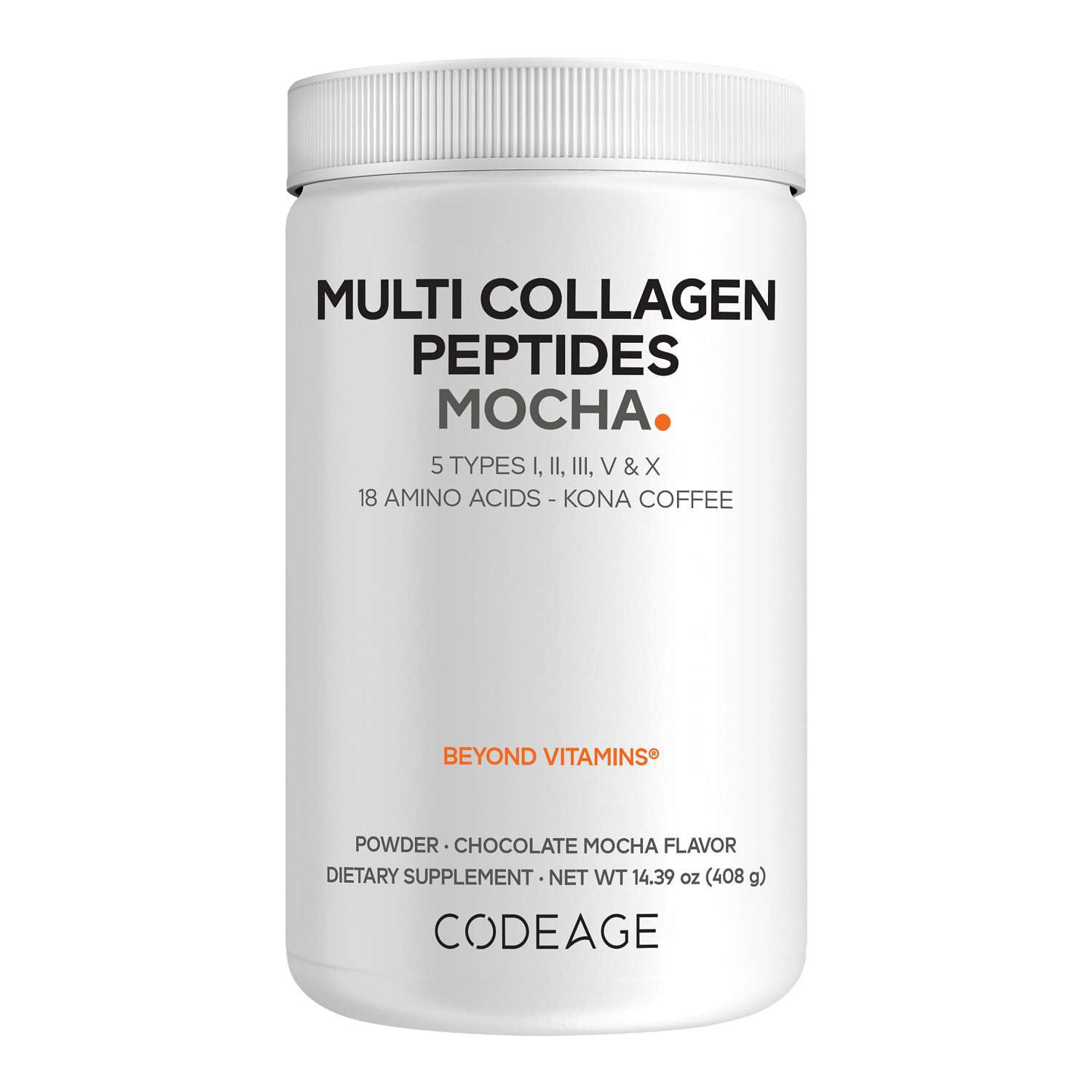


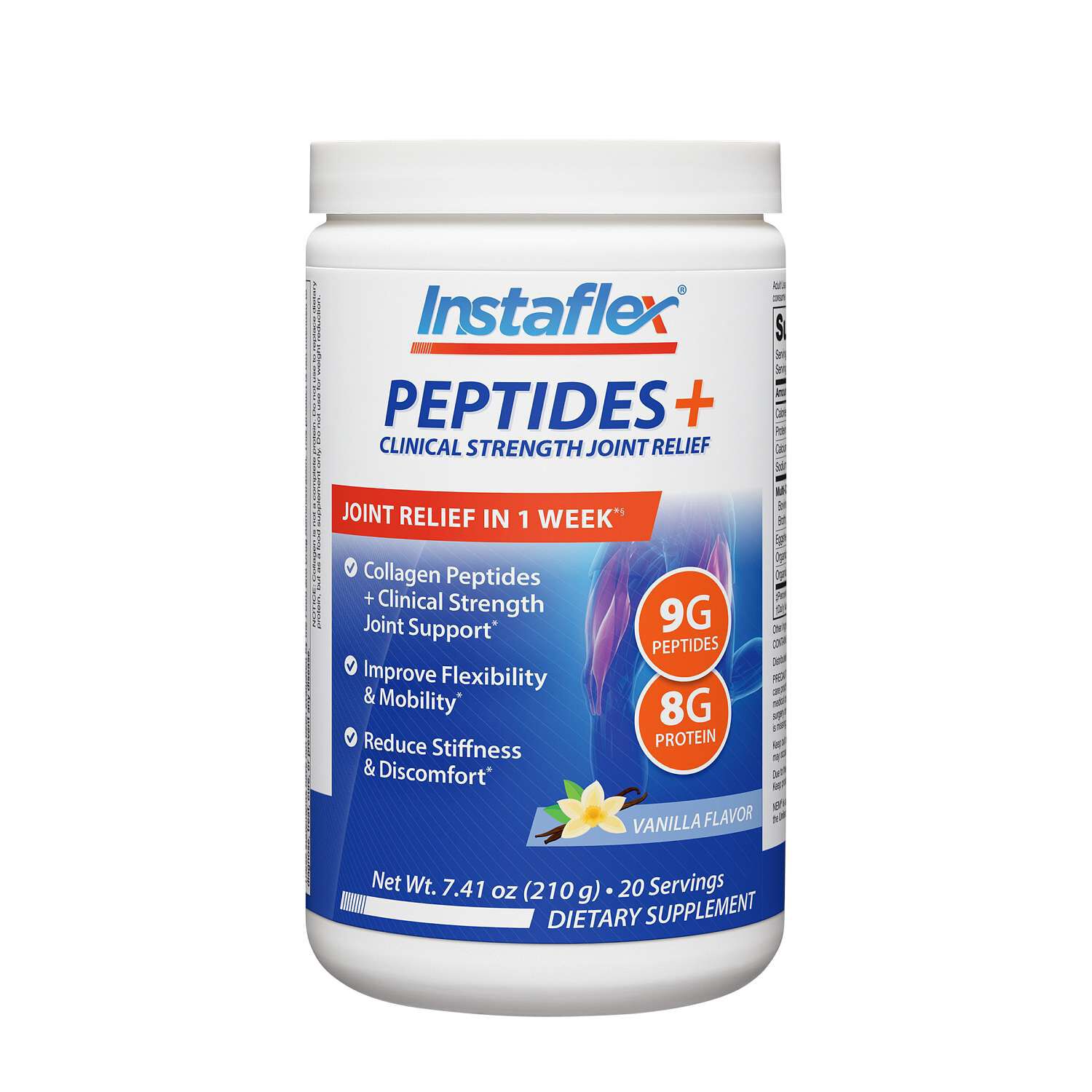
Collagen powders for cozy winter drinks bring a supplement format into the familiar setting of a warm mug, whether the beverage is morning coffee, a cinnamon-dusted latte, or cocoa enjoyed beside a window on a snowy afternoon. The category includes unflavored powders and flavored blends, with differences in ingredient sources, serving sizes, sweetness, and preparation directions. Collagen is a protein found in animal connective tissues, and many powders contain hydrolyzed collagen, also called collagen peptides. This term refers to collagen that has been processed into smaller protein fragments. For warm beverages, these powders may disperse more readily than gelatin, which is a different ingredient commonly used to create a set texture in foods. Suitability for a particular drink still depends on the formula and its label directions; not every powder is intended for the same preparation. Unflavored collagen powder may suit someone who wants the character of freshly brewed coffee or a favorite tea to remain the focus, although unflavored does not necessarily mean undetectable. Aroma, mouthfeel, and taste can differ between formulas, especially in a delicate drink. Chocolate or vanilla varieties may be a closer match for milk-based beverages, where the flavor of the powder could become part of the drink itself. A chocolate blend may lend a cocoa note to a café-style mocha, while a vanilla option might complement warm milk with cinnamon. Sweetened formulas deserve a closer look when the drink already contains syrup, sweetened milk, or a cocoa mix. The distinction matters in everyday settings: a lightly sweet afternoon tea and a dessert-style hot chocolate call for different flavor profiles. Rather than treating all collagen powders as interchangeable, the useful comparison is how each formula’s ingredients, flavor, and suggested serving fit the beverage someone already enjoys. That approach keeps the emphasis on a familiar winter ritual rather than an elaborate new routine.
The ingredient panel provides much of the context for choosing a collagen powder for hot drinks. Common sources include bovine collagen, derived from cattle, and marine collagen, often derived from fish. These are animal-derived ingredients, an important distinction for shoppers who follow vegetarian or vegan eating patterns. Source information and allergen statements also matter when a powder is intended for a shared household or someone with specific dietary requirements. Some formulas contain collagen peptides alone, while others include flavorings, sweeteners, vitamins, minerals, or additional ingredients. A shorter ingredient list and a flavored blend serve different preferences; neither description alone establishes how well a powder will suit a particular mug. The amount of collagen per serving, the serving weight, and the protein information are separate label details worth comparing. Scoop sizes are not universal, and a larger scoop does not automatically represent the same amount of collagen across formulas. For coffee drinkers, roast character, milk choice, and the usual cup size provide another practical frame of reference. A small espresso drink has less liquid than a large mug of brewed coffee, so the same suggested serving could be more noticeable in its texture or taste. The related collection of Collagen Powders For Coffee offers another way to browse around that familiar beverage preference. Tea presents a different set of considerations: a subtle herbal infusion leaves little room for competing aromas, while a chai-style drink already has a pronounced spice profile. Cocoa, warm dairy milk, and plant-based beverages each bring their own body and sweetness, too. Collagen powder should not be assumed to behave like creamer, powdered milk, or a traditional cocoa mix. Depending on the formula, it may change the drinking experience without creating the same richness or foam. Label directions, rather than the appearance of the powder, are the most useful reference for its intended use.
Preparation details help distinguish powders that fit a relaxed kitchen routine from those that require more attention. Packaging may specify a liquid amount, serving measure, or mixing method, and those directions take precedence over a generic approach to hot beverages. Where the label permits warm-liquid use, gradual mixing may help the powder disperse more evenly than adding an entire serving at once. Combining it with a small amount of the beverage before adding the remainder could also help with texture, depending on the formula. A spoon, small whisk, or handheld frother offers a different mixing experience, with room in the mug needed for stirring or foam. Collagen powder should not be expected to dissolve identically in every drink, and a smooth result may depend on the ingredients, proportions, and preparation method. Those distinctions are especially relevant to someone picturing a quick coffee before heading out compared with a leisurely weekend cocoa. Flavor pairings can stay simple: cinnamon has a familiar place in coffee and cocoa, cardamom pairs naturally with spiced milk, and a light dusting of nutmeg suits many creamy beverages. These accents are optional parts of the drink, not reasons to exceed a powder’s labeled serving. Packaging and storage deserve attention as well. A resealable container suits a regular home beverage station, while individually portioned packets may be convenient for carrying to an office kitchen or packing alongside a travel mug. Container dimensions, closure style, and access for the scoop can matter on a crowded shelf. Following labeled storage directions, keeping the closure secure, and using a clean, dry utensil are practical considerations, particularly near a kettle or another source of steam. For a gift, collagen powder is most appropriate when the recipient already uses this type of supplement and their ingredient preferences are known. Paired with a sturdy mug or a small whisk, it could become part of a thoughtful winter beverage set without assuming that every recipient wants a supplement. Across these uses, the most relevant choice is a powder whose source, flavor, packaging, and preparation requirements fit naturally alongside a favorite warm drink.
Best Sellers
-
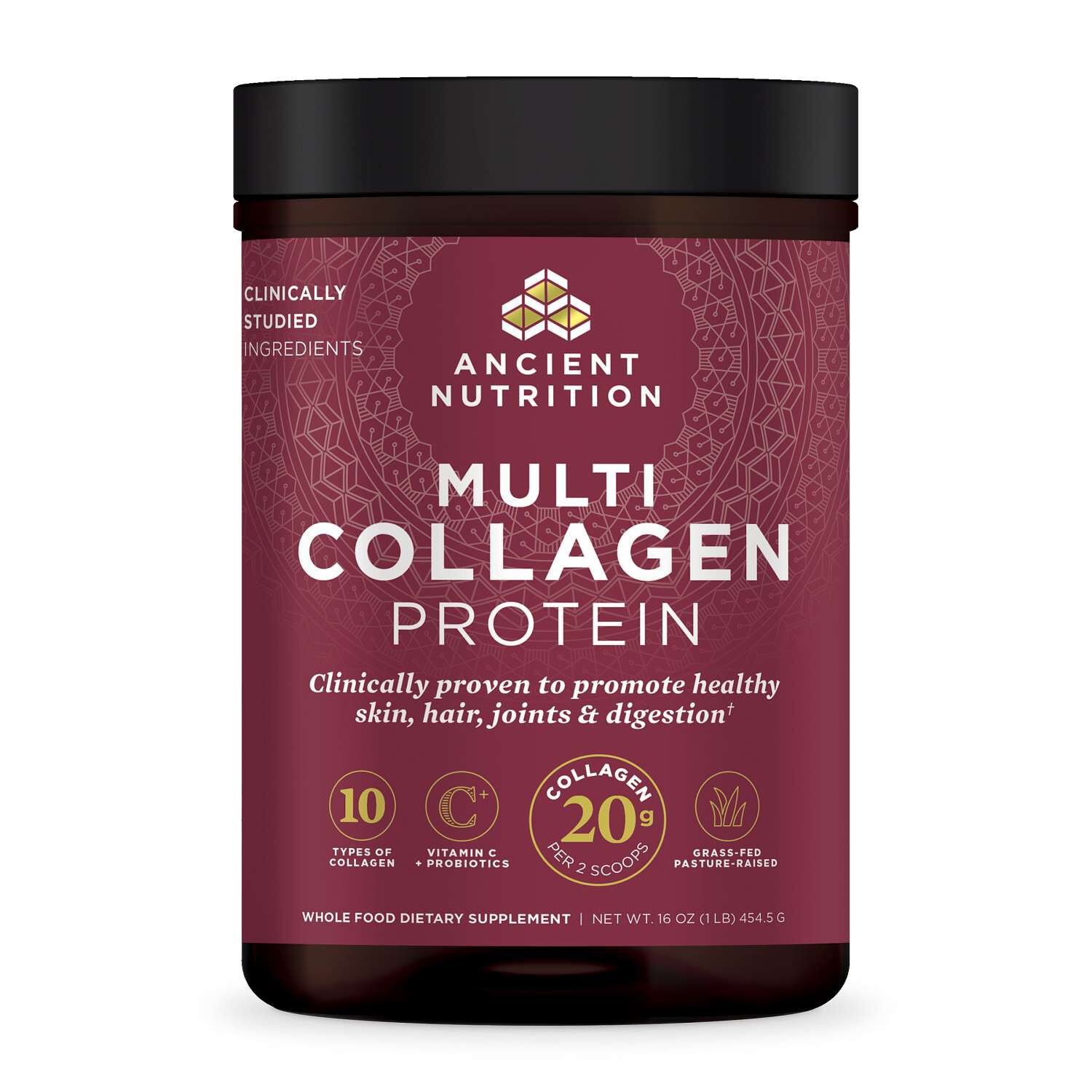 Ancient Nutrition
 -
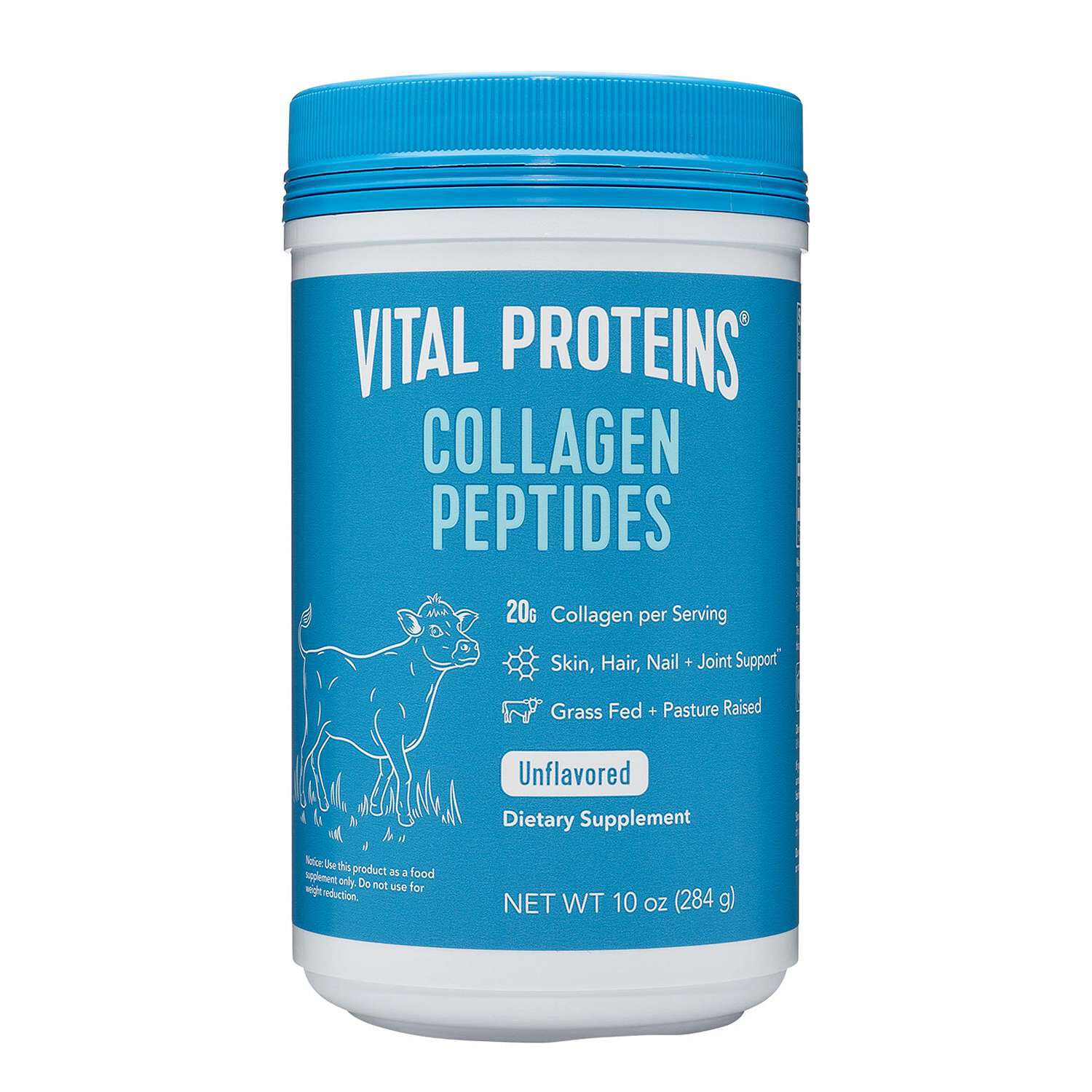 Vital Proteins