





Collagen Supplements With Five Types | Top Brands | GNC
(0 Results)
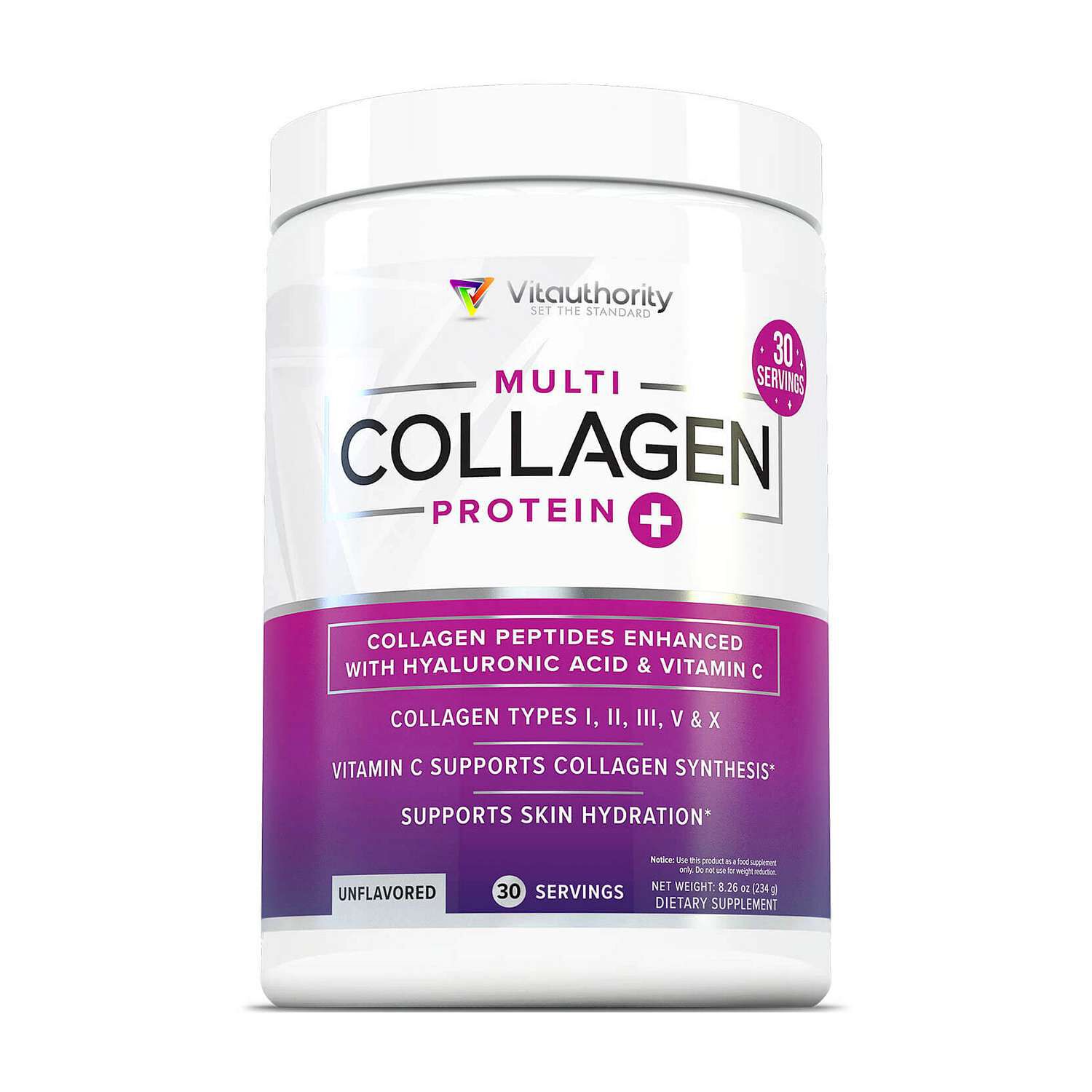
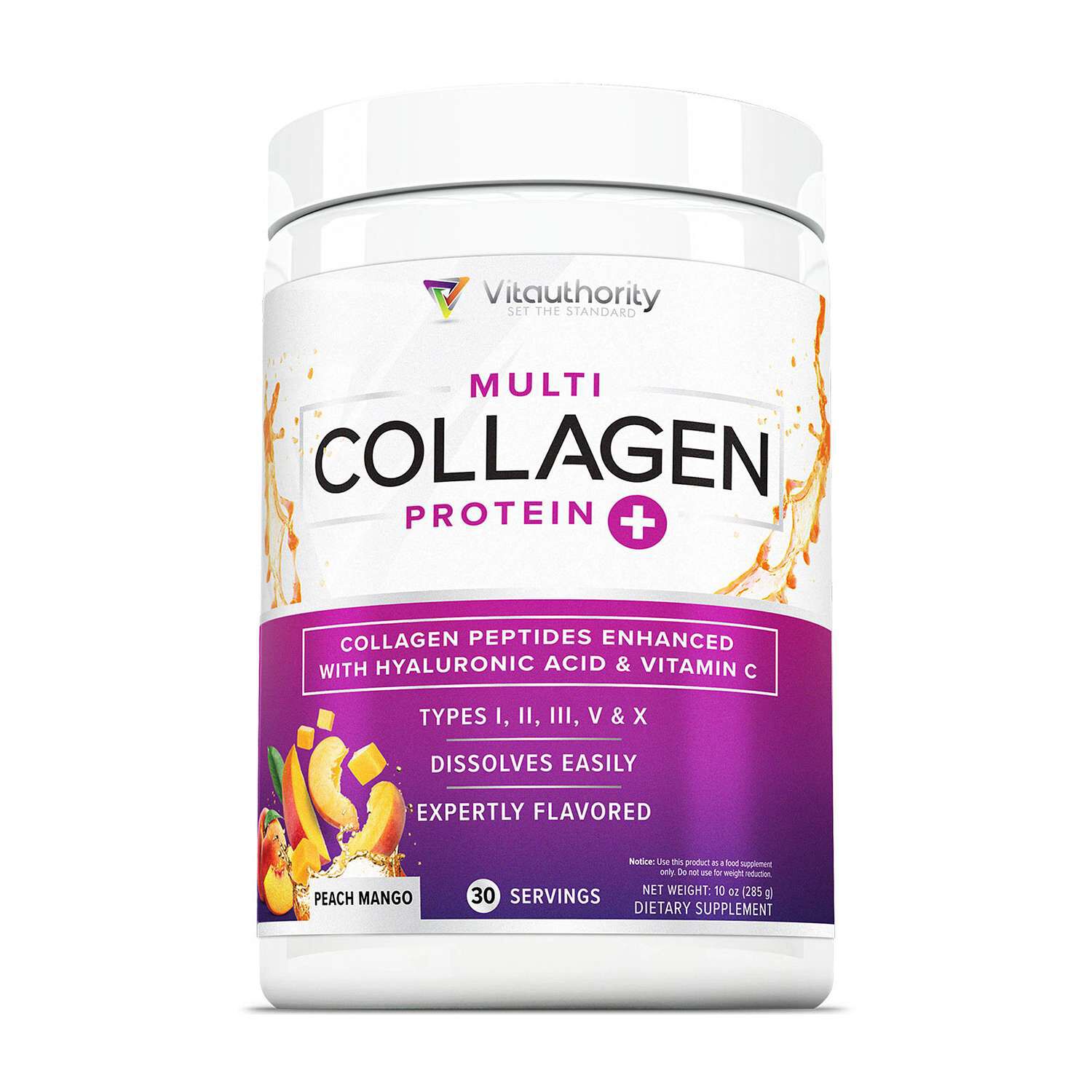
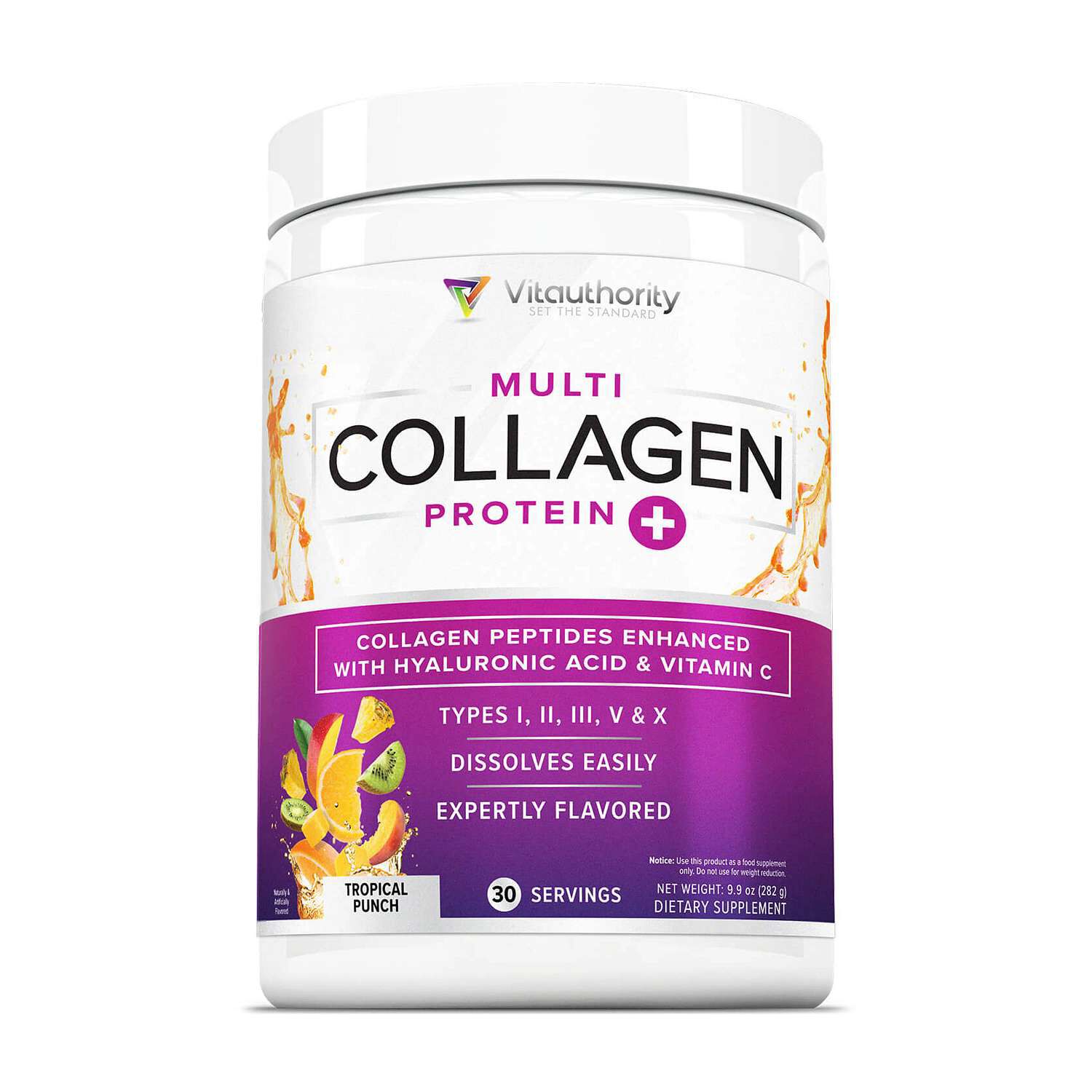
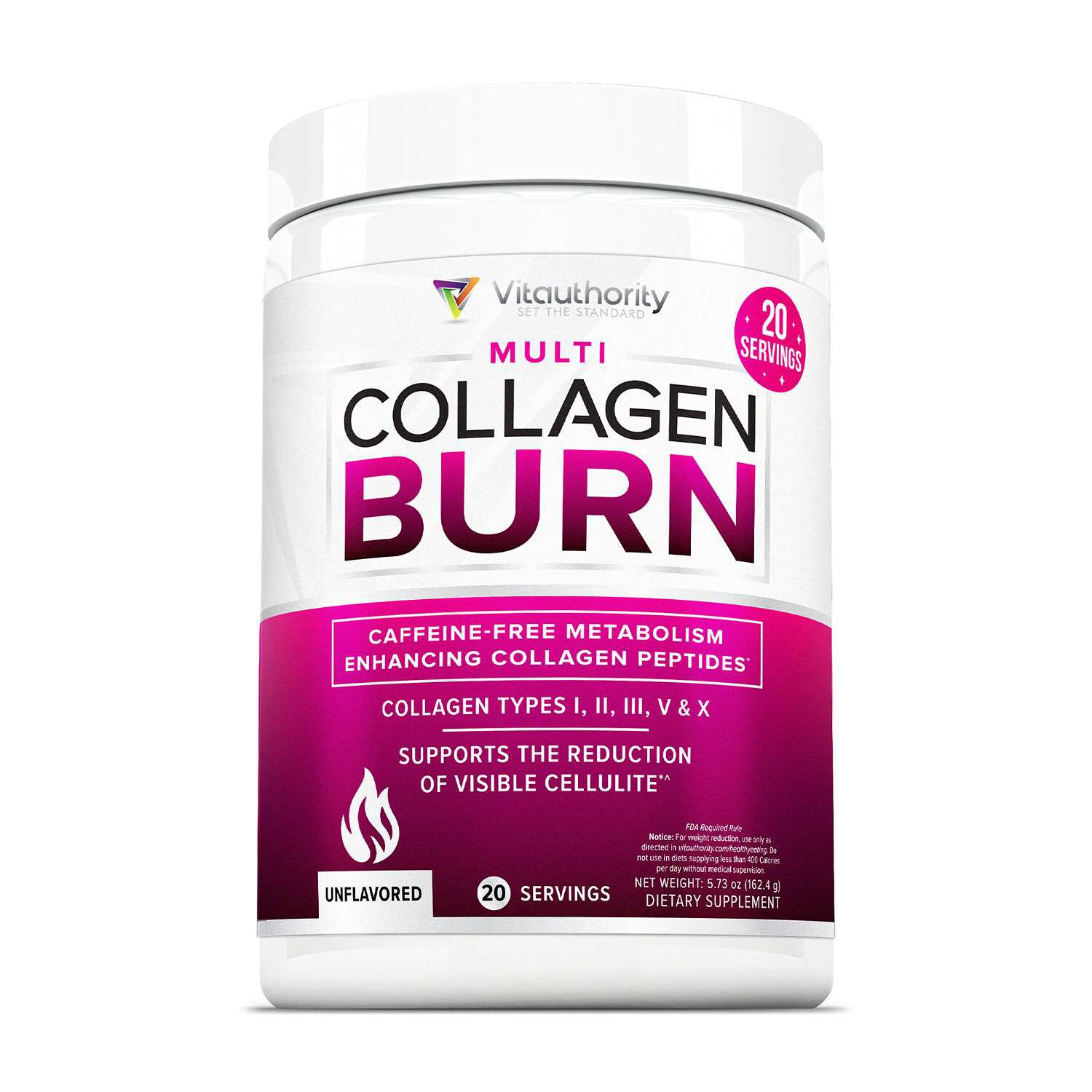
Collagen supplements with five types are designed for those seeking a comprehensive approach to their wellness routine. Featuring a blend of multiple collagen sources, these supplements may support a variety of lifestyle goals. Explore options that could fit seamlessly into your daily regimen and discover how collagen supplements with five types might complement your overall health and beauty journey.
-
-
-
-

-
-

-

-
-
 $42.99
-
-
-

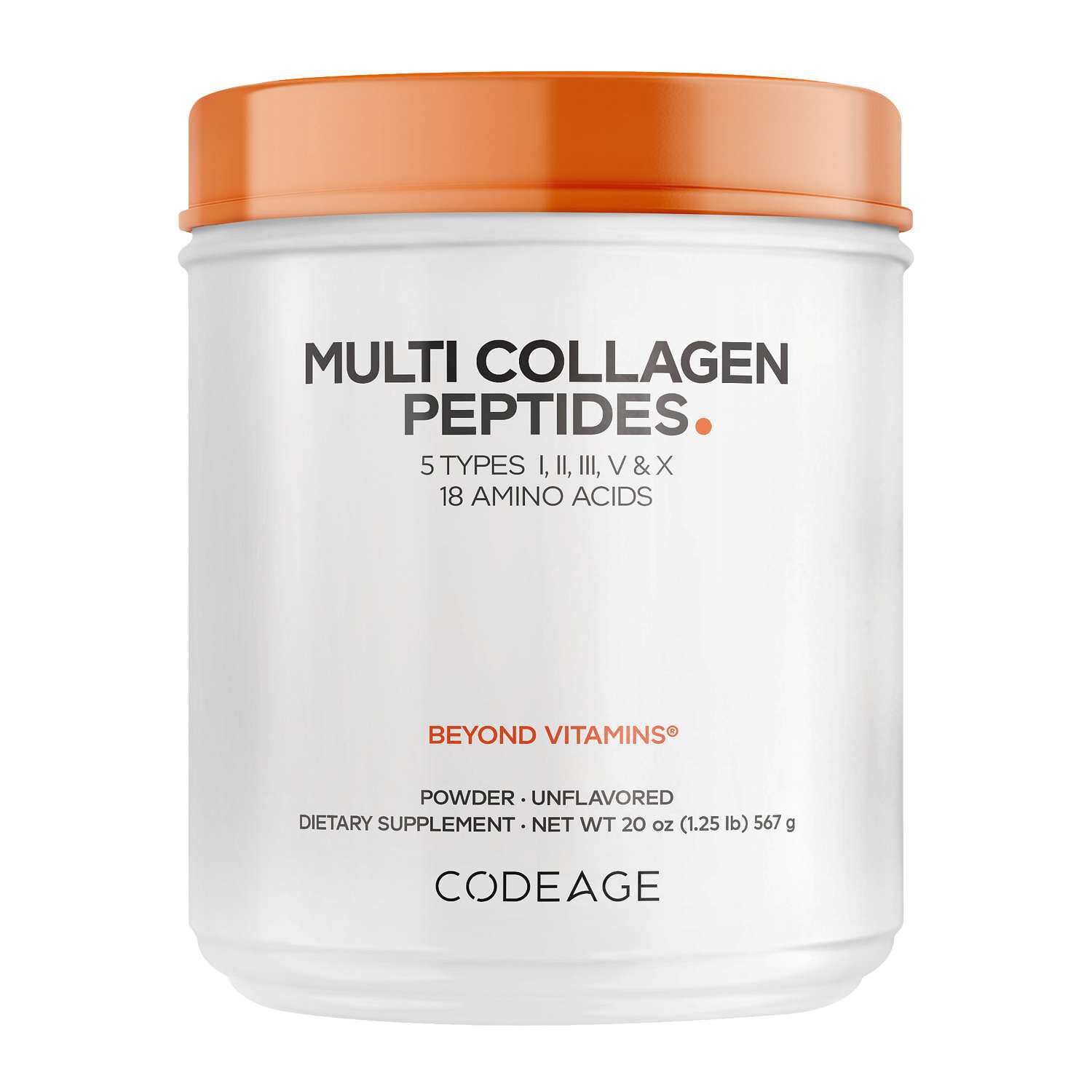
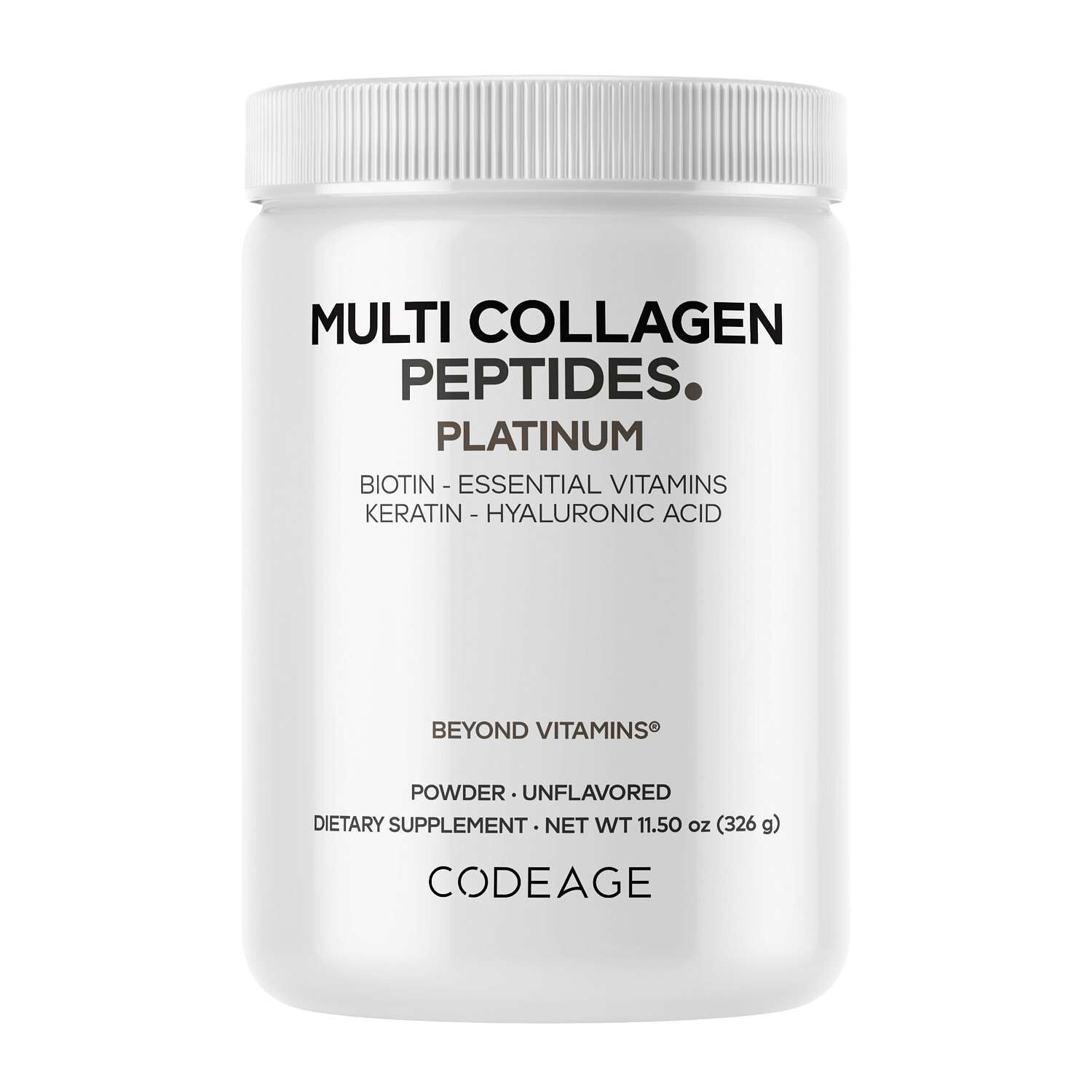
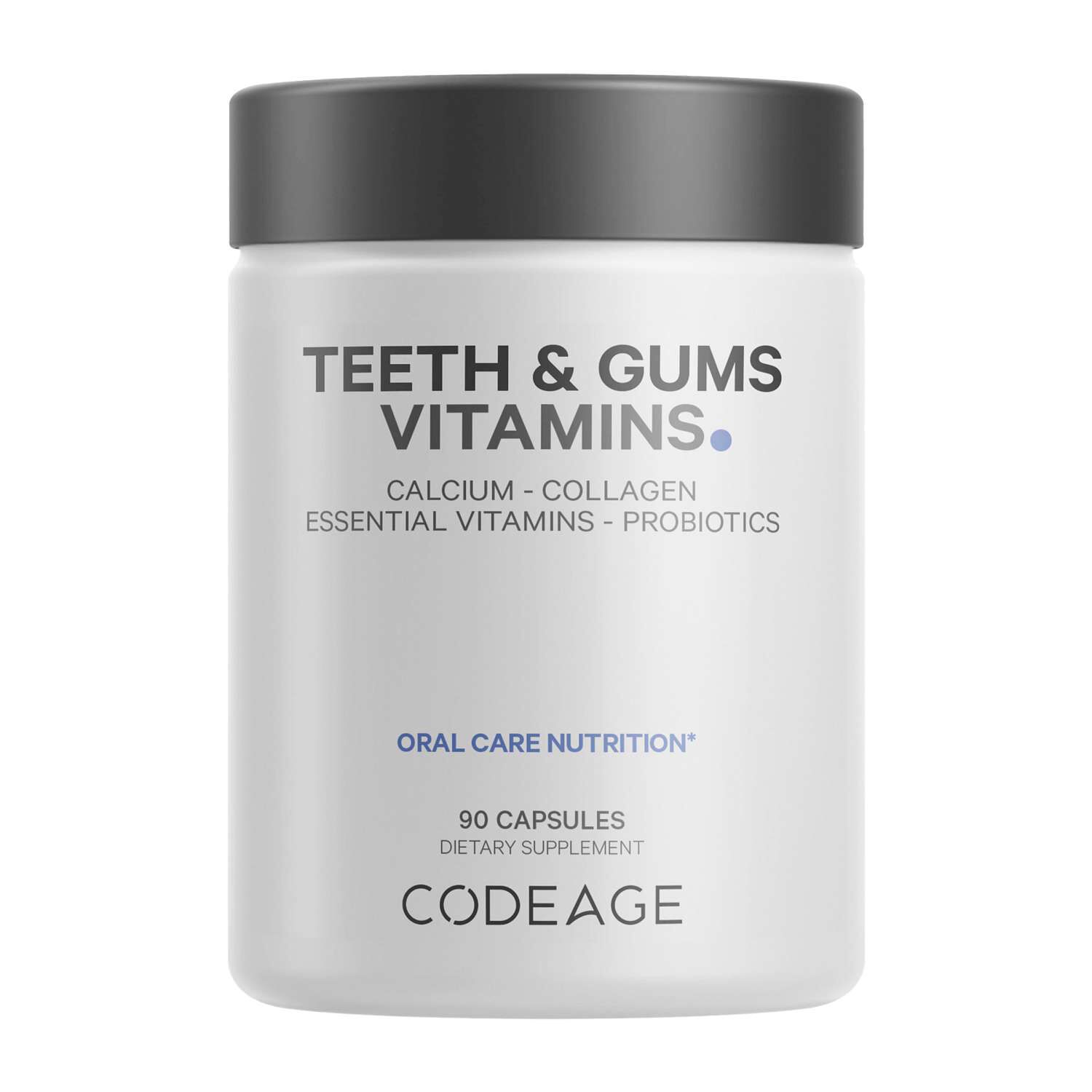
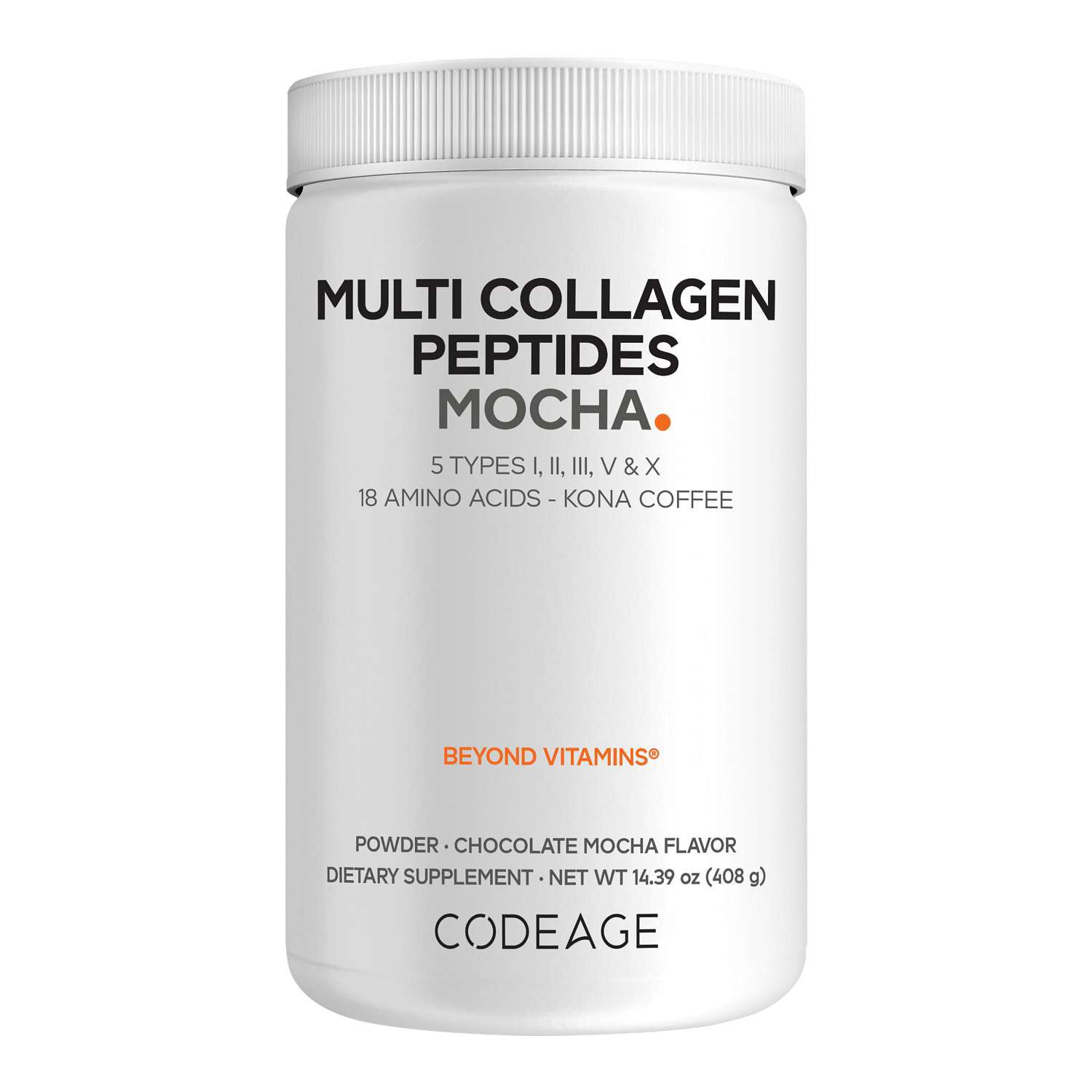
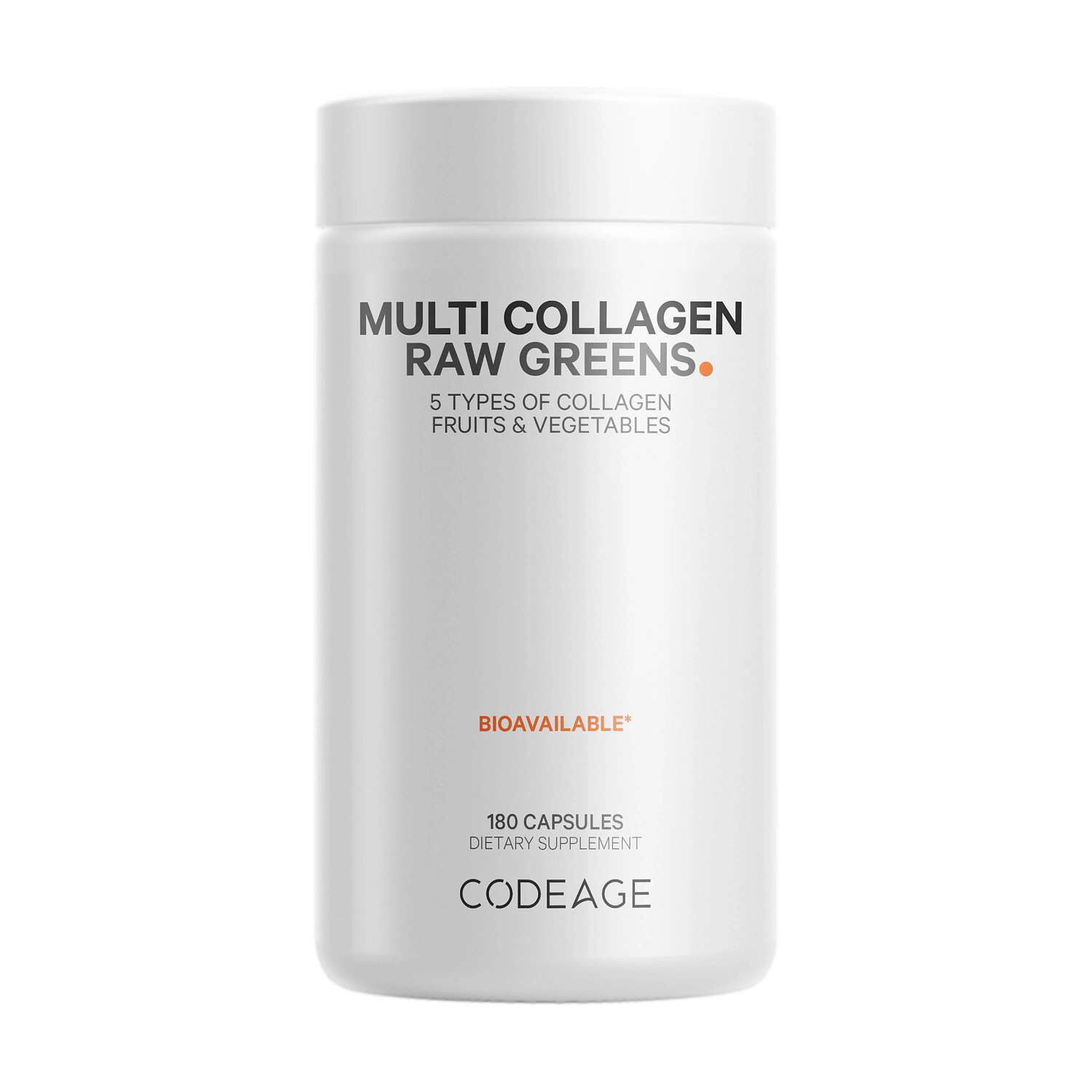
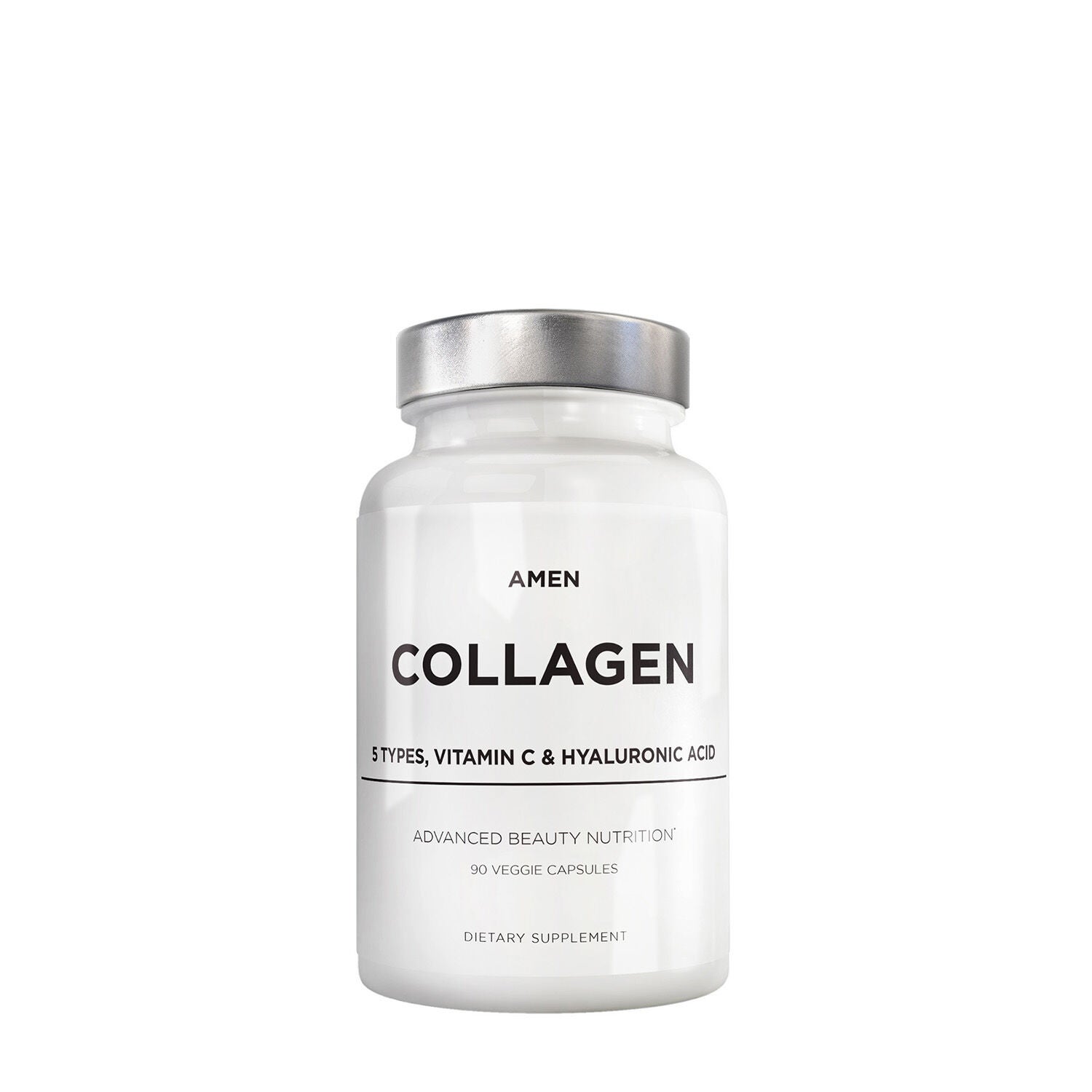


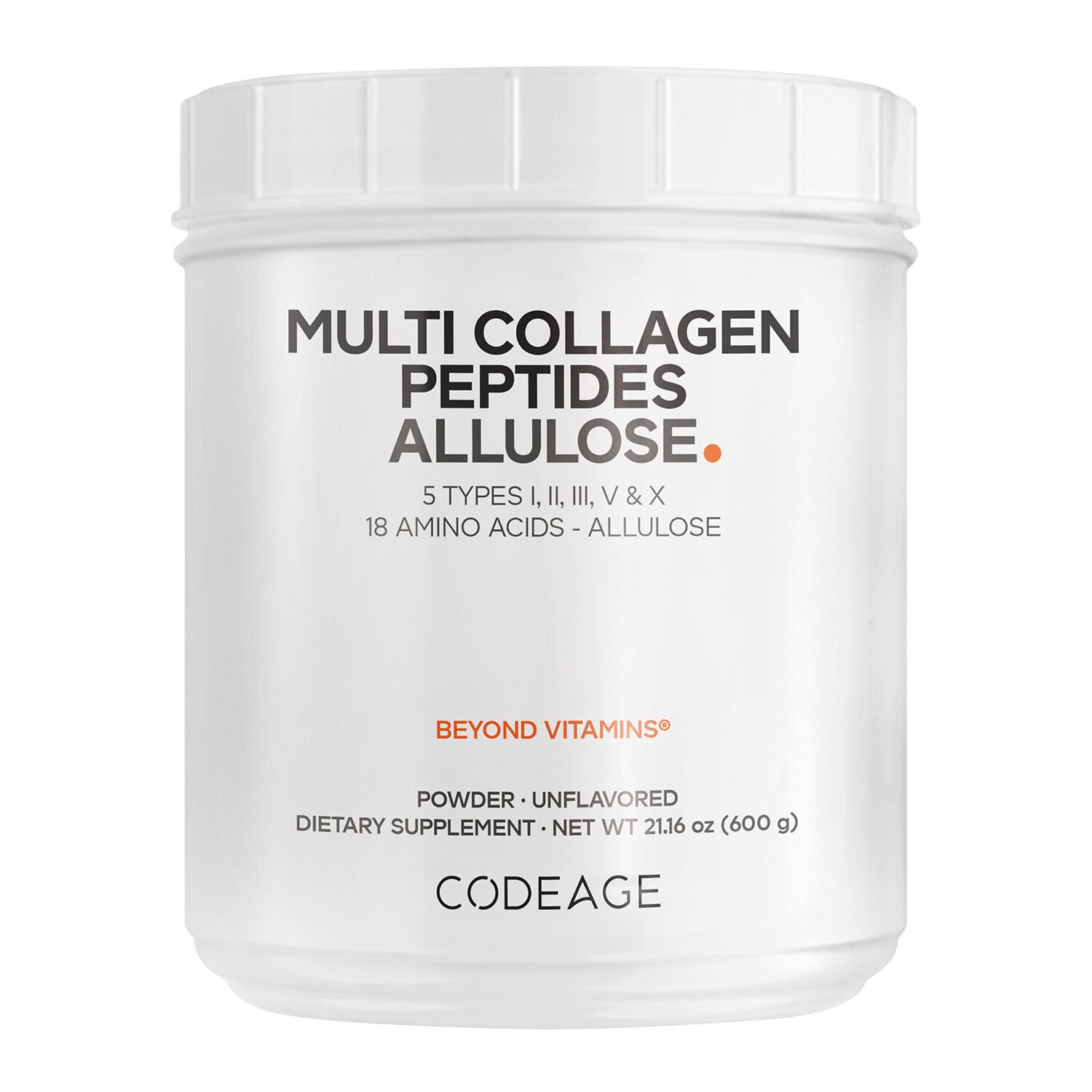
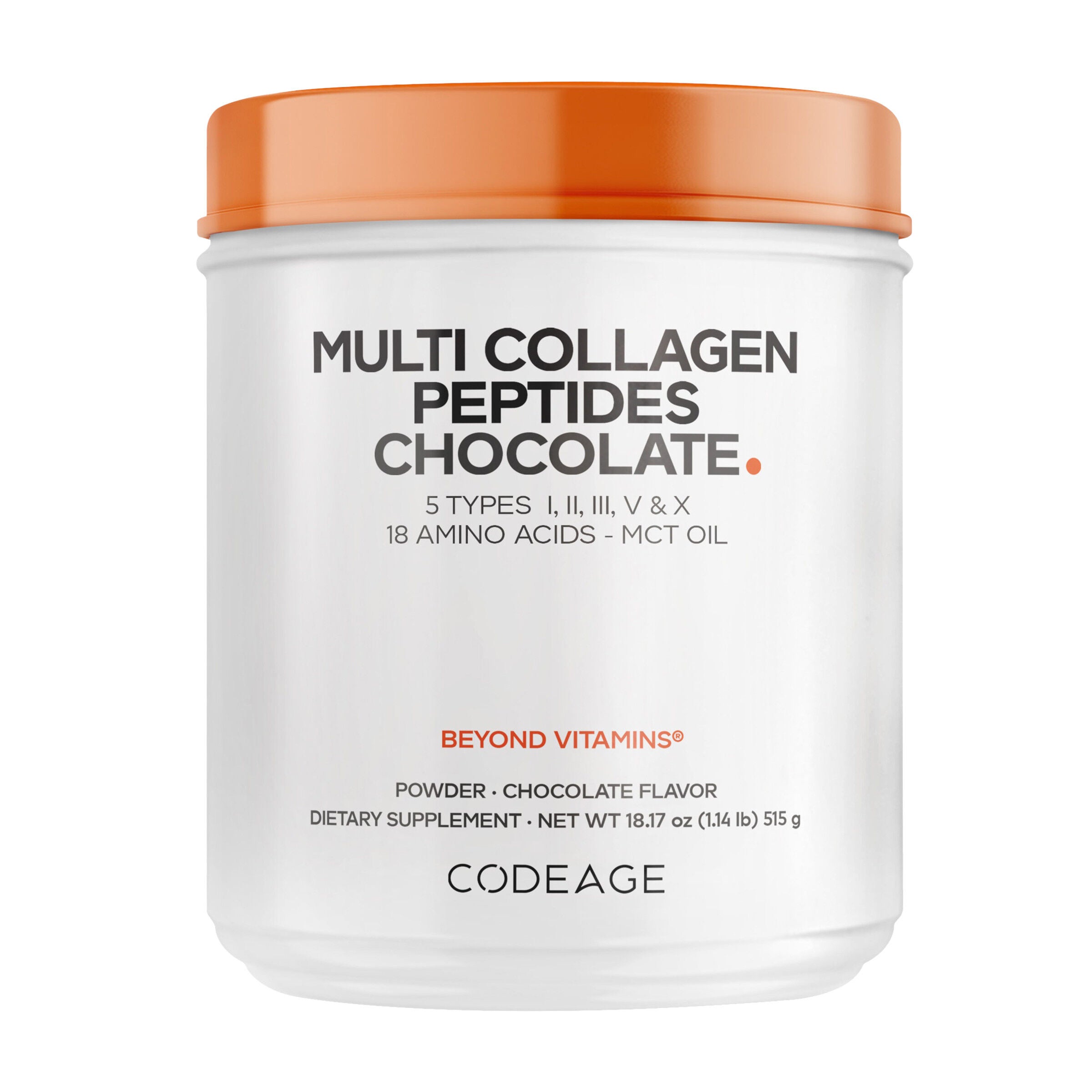
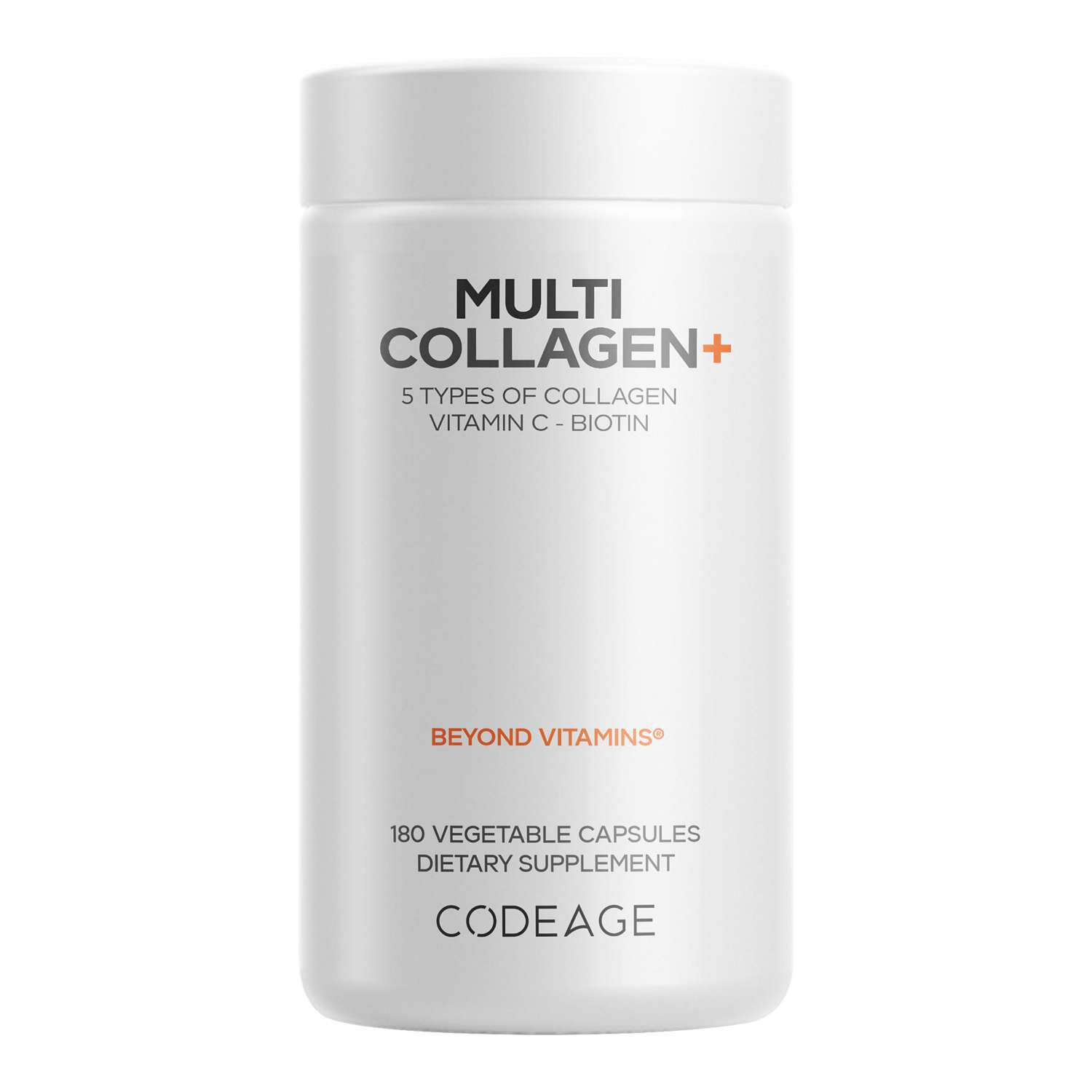
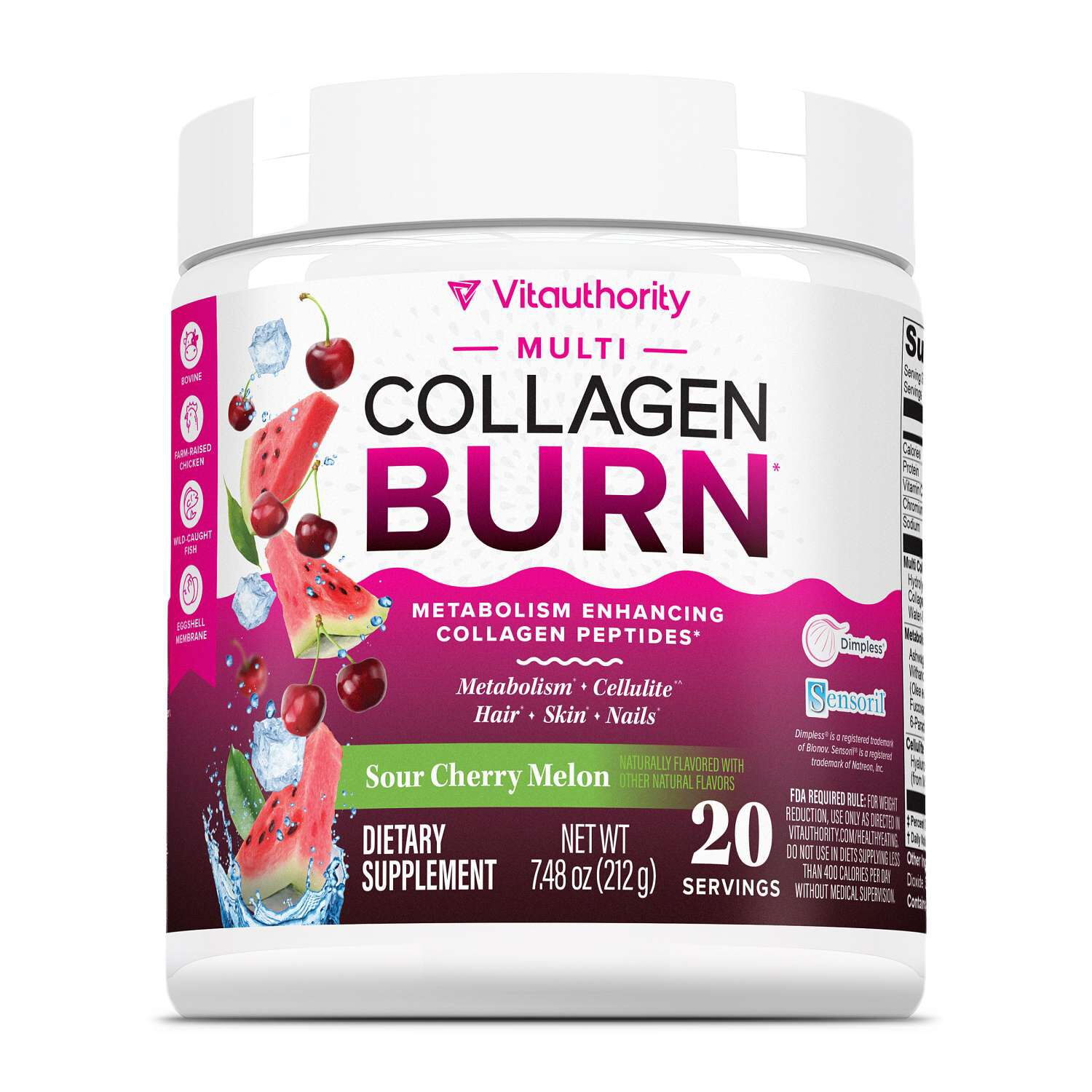
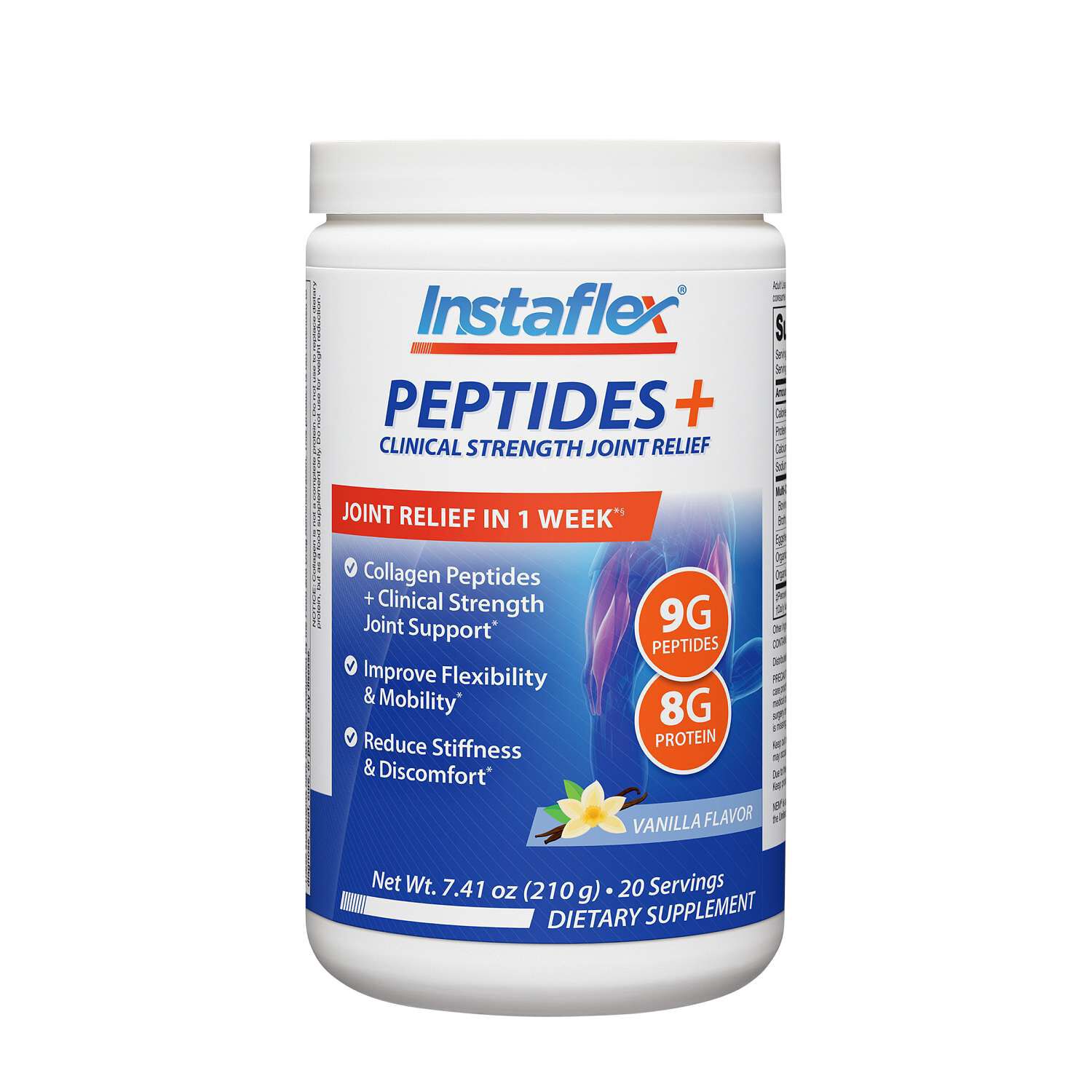
Collagen supplements with five types are commonly described as multi-collagen blends or complexes and typically list types I, II, III, V, and X. These formulas bring together collagen ingredients from sources such as bovine hide, fish skin, chicken cartilage, and eggshell membrane, although the combination varies by formula. The five-type description refers to the collagen types represented by the ingredients, not necessarily five separate ingredients or equal amounts of each type. Collagen is a structural protein found throughout the body, and its different types have distinct distributions. Type I is abundant in skin, tendons, and bone; type II is associated with cartilage; and type III occurs in tissues including skin and blood vessels. Type V appears in several tissues, while type X is associated with specialized cartilage. These five belong to a larger family of collagen types rather than representing every kind of collagen. Their presence in particular tissues does not mean that consuming a matching type sends it directly to that location. Dietary collagen undergoes digestion, and a formula’s type count alone does not establish a particular outcome. For shoppers, the useful distinction is between a blend that identifies its collagen types and a label that simply describes several animal sources. Both details matter, but they communicate different information. A bovine ingredient and a marine ingredient describe origins, while Roman numerals identify collagen types. The word hydrolyzed describes processing that breaks collagen into smaller peptides; it does not identify how many collagen types a formula contains. Reading these descriptions together gives a clearer picture of what is in the container. Someone comparing a broader blend with Type 1 Collagen Supplements can look at the stated types, ingredient sources, and serving amount rather than treating the larger number as a ranking. A five-type blend is a formulation choice, not a measure of quality by itself.
Powders and capsules are common formats for multi-collagen supplements, and the practical differences often come down to preparation, serving size, and personal preference. A powder may suit someone who already prepares a morning smoothie or keeps a shaker bottle at a desk. An unflavored version may fit into several recipes, though unflavored does not necessarily mean tasteless. Source ingredients and processing can influence aroma, mouthfeel, and how noticeable the powder is in a simple drink. A flavored version has a more defined taste profile, so its sweeteners and other ingredients deserve the same attention as the collagen blend. For someone who prefers not to stir anything into food or beverages, capsules provide a pre-portioned format. The number of capsules per serving matters, however; a serving may involve several capsules rather than just one. Powders are commonly measured by a scoop, but the serving weight in grams is the more useful reference when comparing labels. Scoop shapes and sizes differ, and a container’s overall size does not show how much collagen is in each serving. Preparation directions also deserve a close look. Some powders may disperse more evenly when added gradually and stirred, while others may work better with a shaker or blender, depending on the formula. Following the stated mixing directions keeps comparisons grounded in the intended use. For storage, the package instructions are the starting point. Keeping the lid securely closed and using a dry scoop may help limit moisture exposure and clumping. A container that stays in a kitchen cabinet has different handling demands from a pouch carried between home and work, so closure design, measuring access, and portability are practical considerations. For a shared household pantry, keeping the original label with the product preserves access to ingredient details, serving directions, and storage information. The best format for a routine is not necessarily the one with the most elaborate blend description; it is the one whose preparation and serving requirements make sense for the person using it.
Source transparency is especially relevant when comparing collagen supplements with five types because these formulas commonly combine several animal-derived ingredients. Marine collagen generally refers to fish-derived material, while bovine collagen comes from cattle; chicken cartilage and eggshell membrane represent other possible components. A multi-source blend is not suitable for a vegan eating pattern, and its source list matters for people with food allergies, dietary restrictions, or religious preferences. The ingredient list and allergen statement provide more useful detail than a broad phrase on the front of a package. Other ingredients also shape the formula: some blends contain only collagen ingredients, while others include vitamins, minerals, flavorings, sweeteners, or additional compounds. Those additions should be considered separately from the five-type designation. A blend name does not reveal the amount of every component, and a stated blend weight may not disclose the individual contribution of each collagen type. When individual quantities are listed, they make the composition easier to compare; when they are not, equal proportions should not be assumed. Manufacturing and testing information can add context, particularly when it clearly identifies what was evaluated, such as ingredient identity or selected contaminants. A testing badge without an explanation says less than a description of the testing scope. Collagen also differs nutritionally from protein sources such as dairy, eggs, or soy, so grams of collagen alone do not describe the same amino acid profile. This distinction matters for shoppers who are also comparing everyday protein supplements. Adults interested in a collagen supplement may prefer a five-type formula because it brings several identified collagen types into one serving, but that preference remains separate from any expectation about results. A thoughtful comparison brings the details back to everyday use: the source ingredients, the amount per serving, the number of steps involved, the taste or capsule format, and the clarity of the label. Together, those features give a more useful picture than the type count alone.
Best Sellers
-
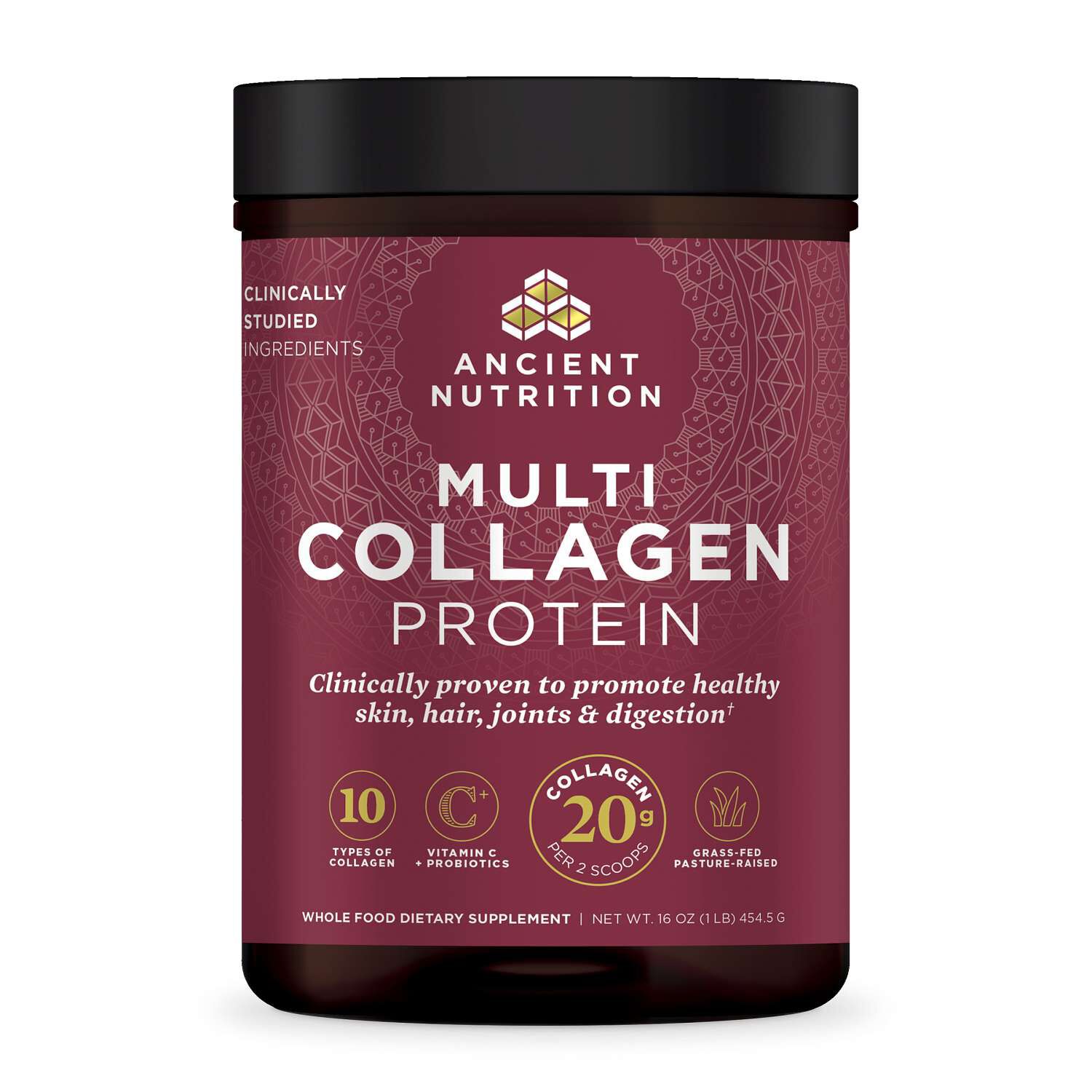 Ancient Nutrition
-
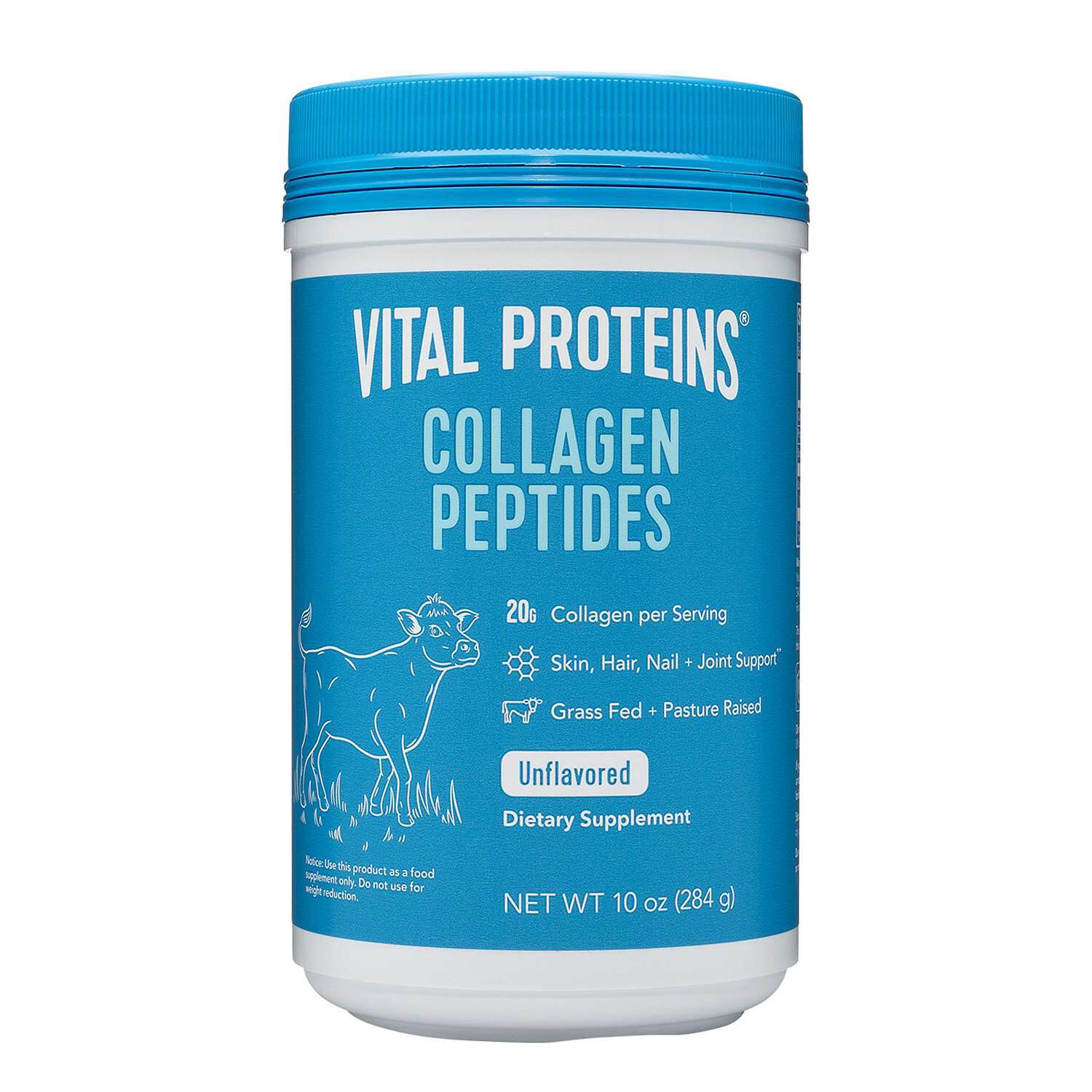 Vital Proteins
Related Pages
Top Collections
- Daily Collagen Supplements | Top Brands & Deals | GNC
- Cortisol Supplements
- Top Rated Collagen | Shop Customer Favorites | GNC
- NAD+ Supplement Tablets
- Vitamins For Hair Loss
- Peptide Supplements
- Best Brand of Magnesium Glycinate
- Protein Powders For Muscle Growth Support
- Vitamins That Help Support Weight Gain
- Peptide Supplements for Muscle Growth