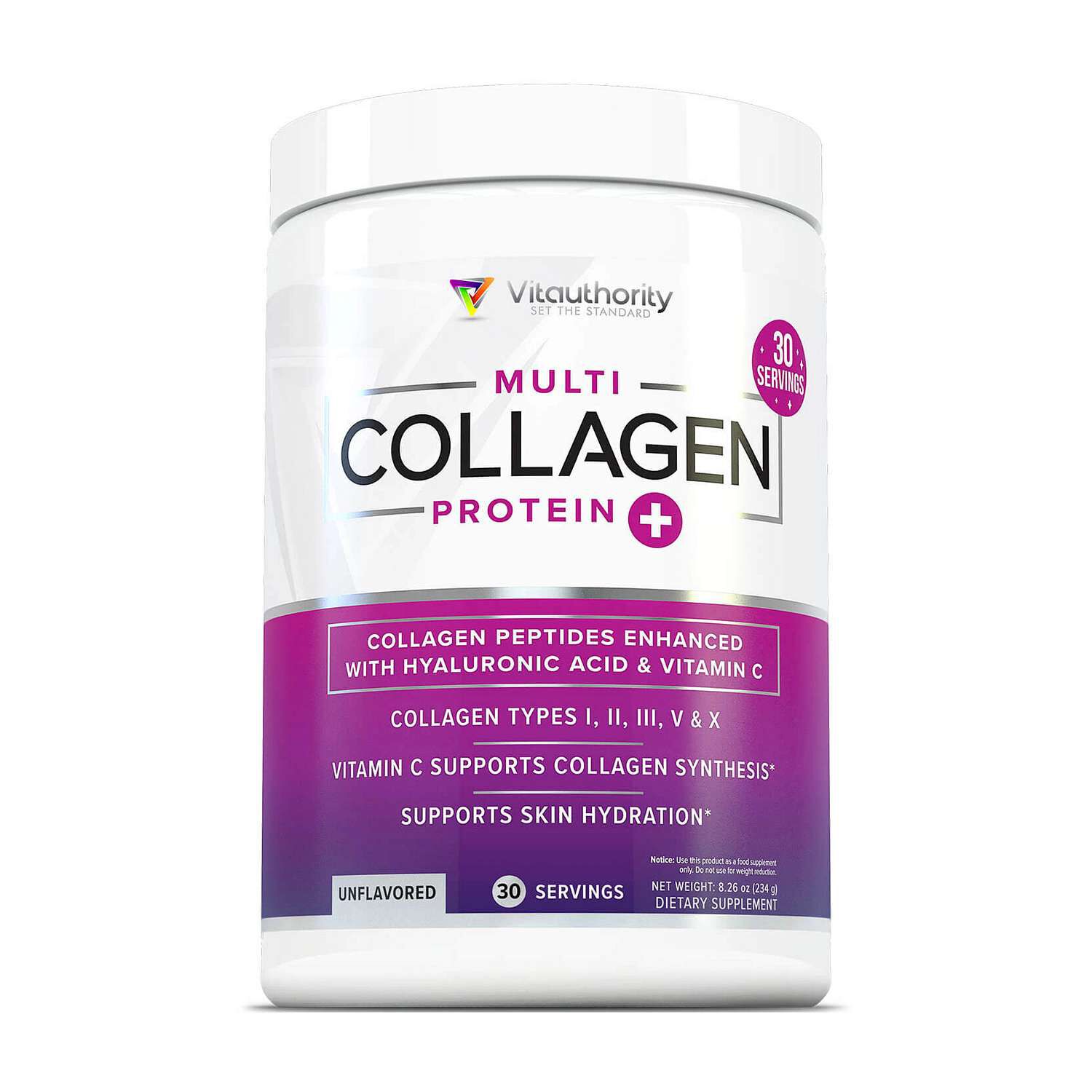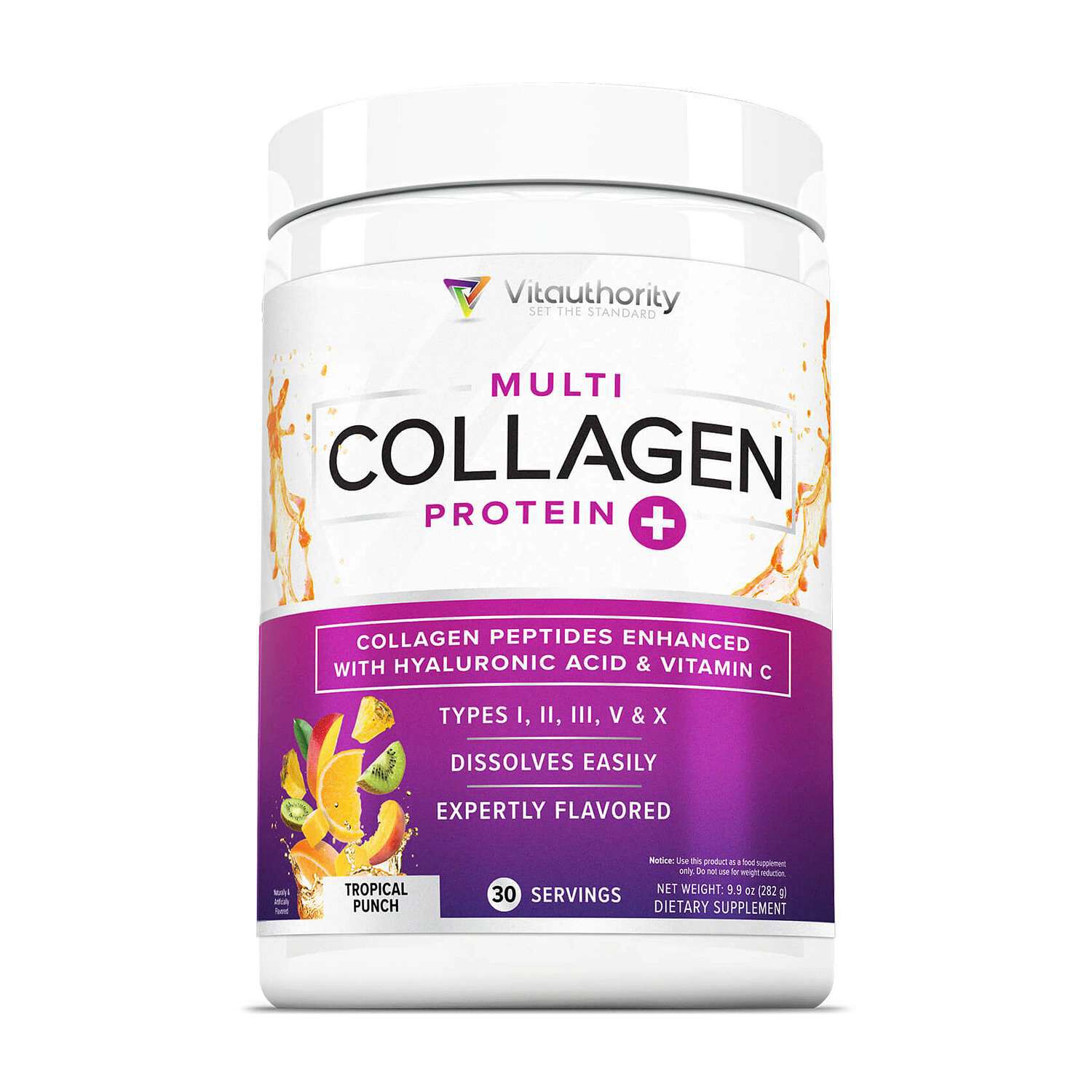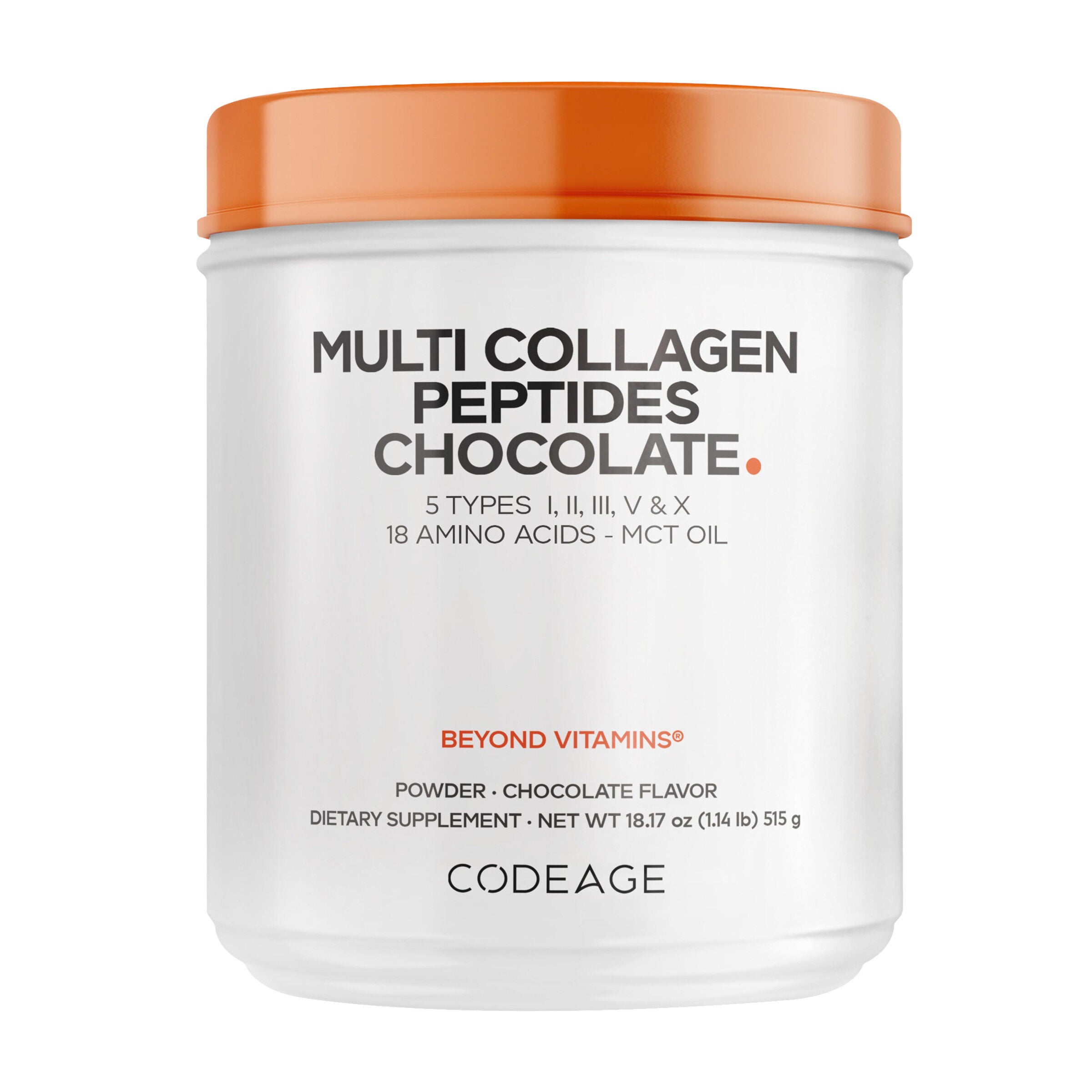


Collagen With Amino Acids
(0 Results)
Collagen with amino acids is a powerhouse supplement that supports overall health and wellness. This dynamic combination provides essential building blocks for healthy skin, hair, nails, and joints. By incorporating collagen with amino acids into your daily routine, you can promote skin elasticity, joint flexibility, and muscle recovery. Discover how this powerful duo can help you look and feel your best from within.

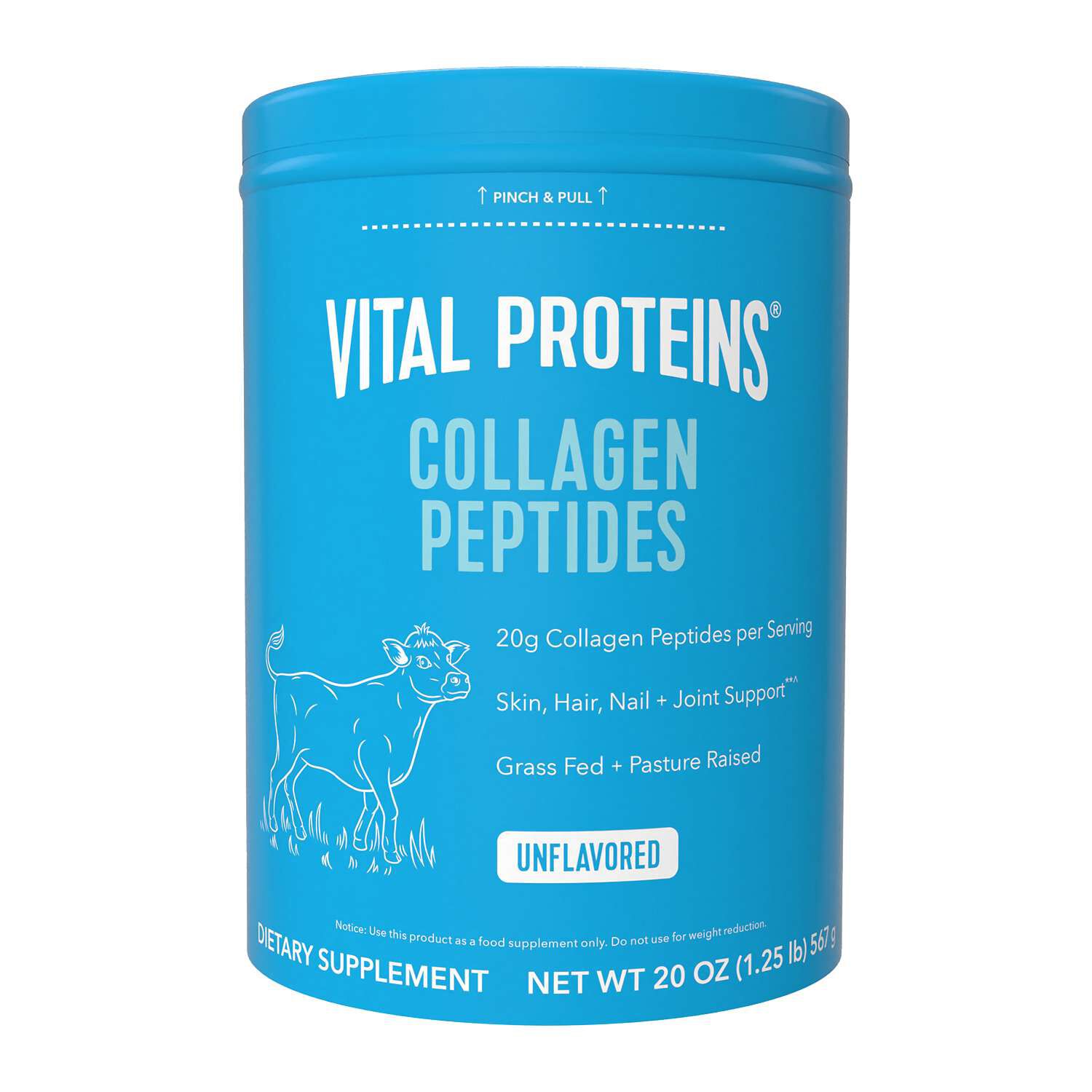


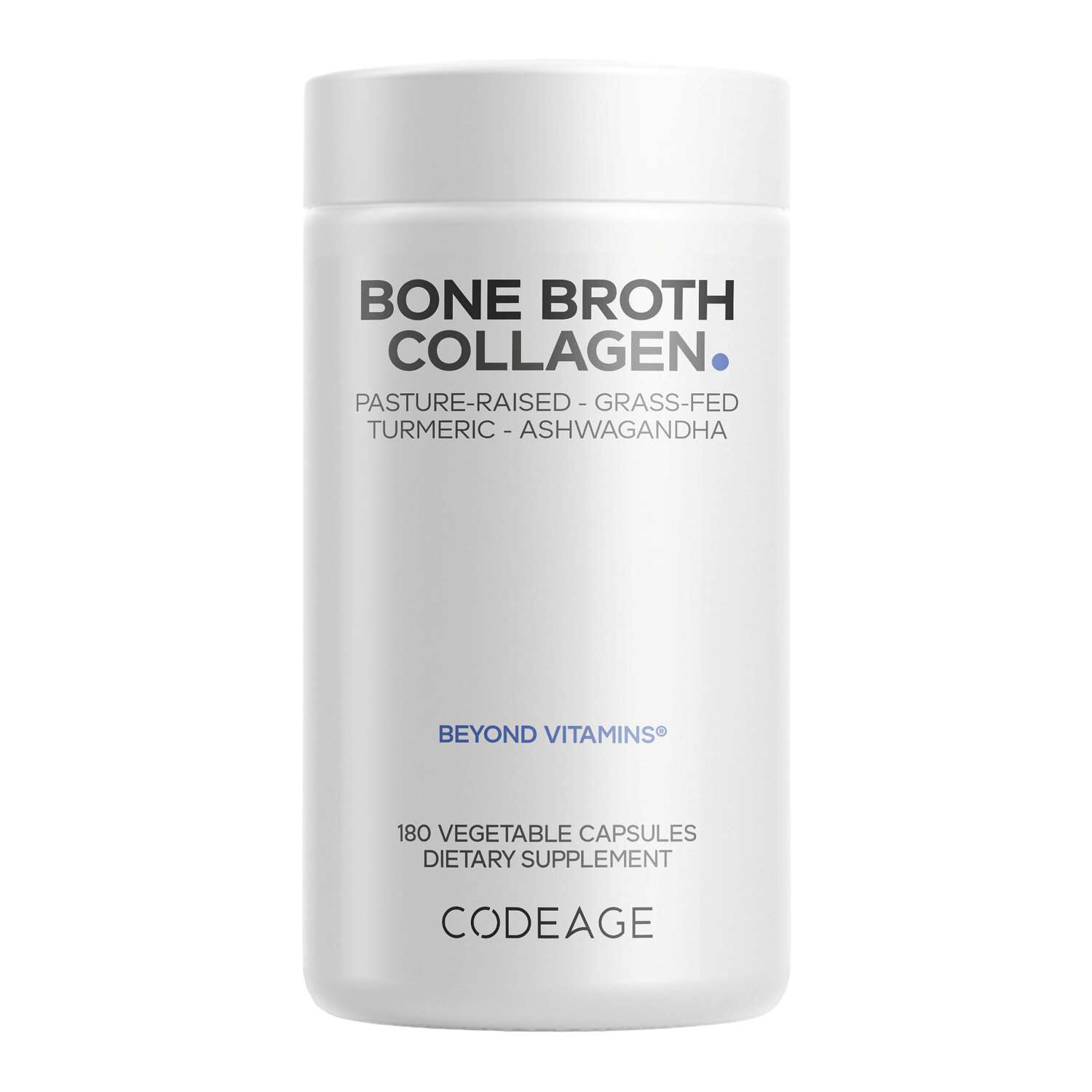
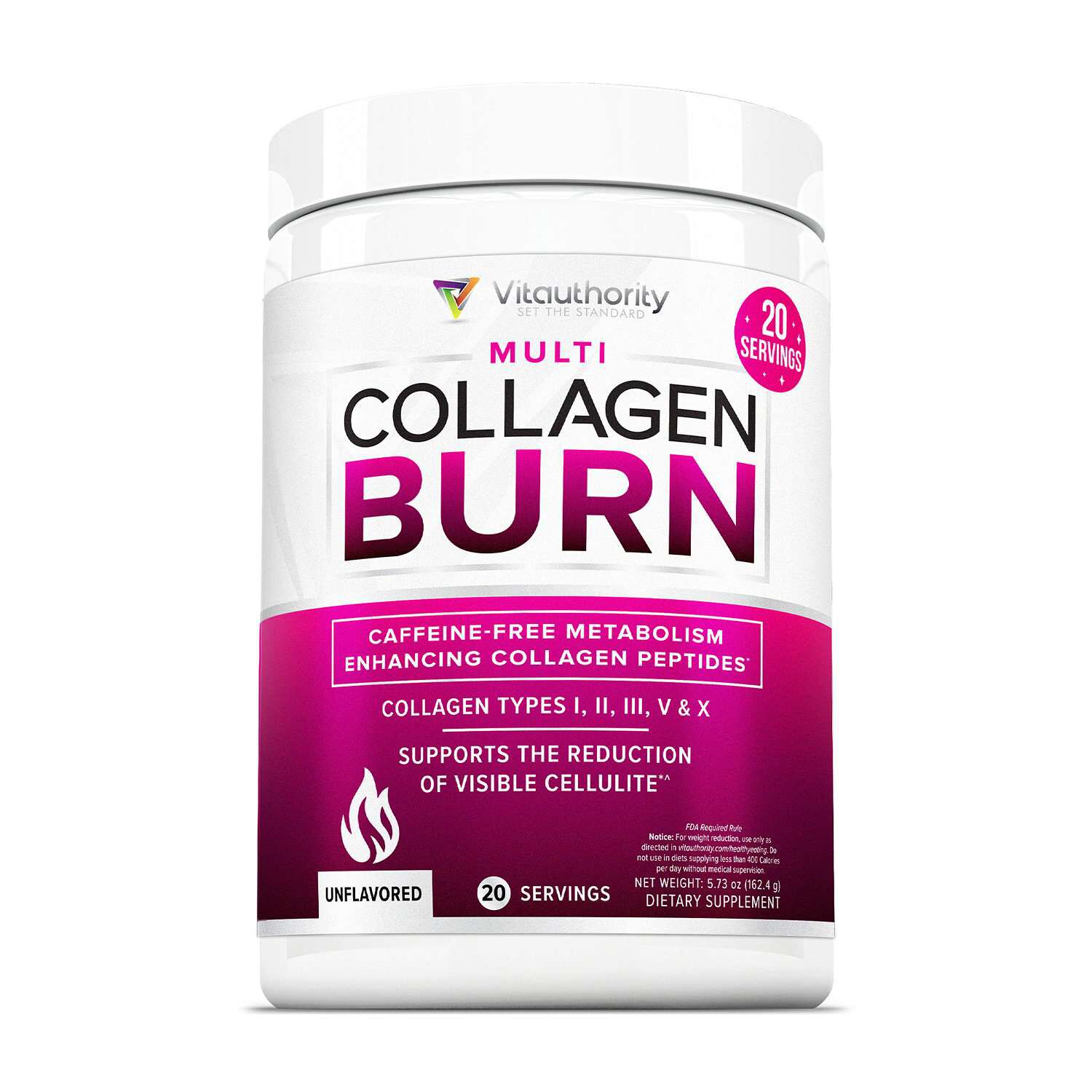


Collagen with amino acids can be a thoughtful addition to a daily nutrition routine for people who want to explore more ways to include protein-building nutrients in their diet. Collagen is a naturally occurring protein made from amino acids, with glycine, proline, and hydroxyproline among its most familiar components. These products are available in a range of formats, including powders, capsules, tablets, gummies, and ready-to-mix formulas, so choosing an option often comes down to personal habits. A powder may suit someone who already starts the day with coffee, tea, oatmeal, or a smoothie, while capsules can fit more easily into a streamlined morning routine. Flavored varieties may blend into water or a chilled drink, whereas unflavored options can be stirred into recipes without changing the taste very much. Hydrolyzed collagen peptides are broken into smaller pieces during processing, which may make them convenient to mix into everyday beverages and foods. When reviewing a formula, look at the serving size, collagen source, amino acid profile, flavor, sweeteners, and any dietary preferences listed on the label. Some shoppers may prefer bovine, marine, or other sources, while others may look for a product that fits a particular eating pattern. Collagen products may provide a focused way to add collagen-derived amino acids to a routine, but they are not intended to replace varied dietary protein sources. Foods such as eggs, dairy, legumes, soy, poultry, seafood, nuts, and seeds can also contribute protein and a broad range of nutrients. For shoppers comparing options, the collection of Collagen And Protein Supplements may make it easier to browse formats, flavors, and serving styles in one place.
People often choose collagen with amino acids because it may fit several everyday wellness priorities without requiring a complicated schedule. Someone who spends long hours at a desk might prefer a simple powder added to a morning beverage, while a recreational walker, gardener, or gym-goer may appreciate a portable capsule or single-serve packet. These products may also appeal to shoppers who are building a more consistent self-care routine during cooler months, when a warm drink becomes part of the rhythm of the day and dry indoor air can make personal-care habits feel especially noticeable. The best way to use a collagen product depends on the label directions and the individual’s routine; many people find that pairing it with an established habit, such as breakfast or an afternoon smoothie, makes regular use easier to remember. Collagen may be used in coffee, tea, yogurt, oatmeal, soup, or blended drinks when the formula is suitable for those applications, although heat tolerance and mixing instructions can vary. Capsules and gummies may be convenient for travel, busy mornings, or a desk drawer, while tubs of powder may work well for households that prepare drinks at home. Those shopping for a gift may consider collagen with amino acids for a friend who enjoys wellness products, a family member who likes experimenting with smoothies, or a host who appreciates practical additions to a kitchen routine. A gift basket might pair a collagen powder with a shaker cup, herbal tea, a reusable mug, or a selection of smoothie ingredients. Since preferences differ, a neutral flavor, clearly listed ingredients, and an easy serving format can make a gift feel more personal without requiring knowledge of a specific diet.
When comparing collagen with amino acids, a few details can help narrow the selection. Start with the format that feels natural to use repeatedly, since a product that fits comfortably into an existing routine may be easier to enjoy over time. Check whether the serving requires a scoop, several capsules, or a measured portion, and consider how that amount fits with other supplements or protein foods used throughout the day. Review the source and processing information, especially when a shopper follows a particular dietary preference or avoids certain ingredients. Flavor matters as well: vanilla or fruit-forward options may work nicely in smoothies, while unflavored collagen can be more versatile for coffee, broth, oatmeal, or yogurt. Label details may also identify added vitamins, minerals, sweeteners, or botanical ingredients, which can help shoppers select a formula that suits their preferences. Collagen is naturally low in some amino acids found in other protein foods, so a varied diet remains a useful foundation for everyday nutrition. Anyone with food sensitivities, dietary restrictions, or questions about whether collagen fits their personal needs may wish to review the label carefully and speak with a qualified health professional. As the weather shifts from crisp mornings to colder evenings, a collagen drink can become a small, familiar part of a nourishing routine—something stirred into a mug before a walk, blended into breakfast before a busy day, or packed for an afternoon away from home. With a range of forms and flavors available, collagen with amino acids may offer a convenient, giftable option for shoppers seeking a simple addition to their food and supplement habits.
Best Sellers
-
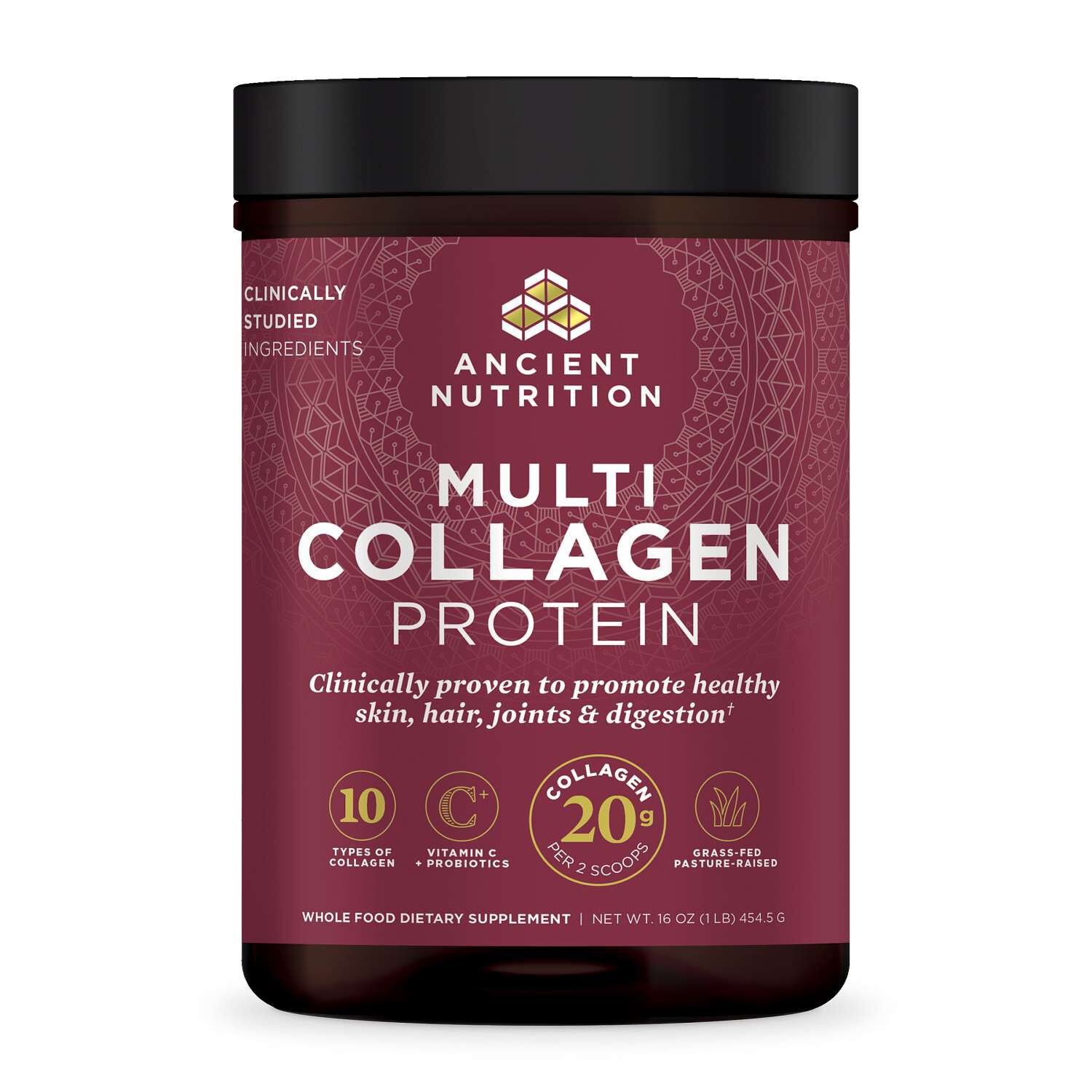 Ancient Nutrition
 -
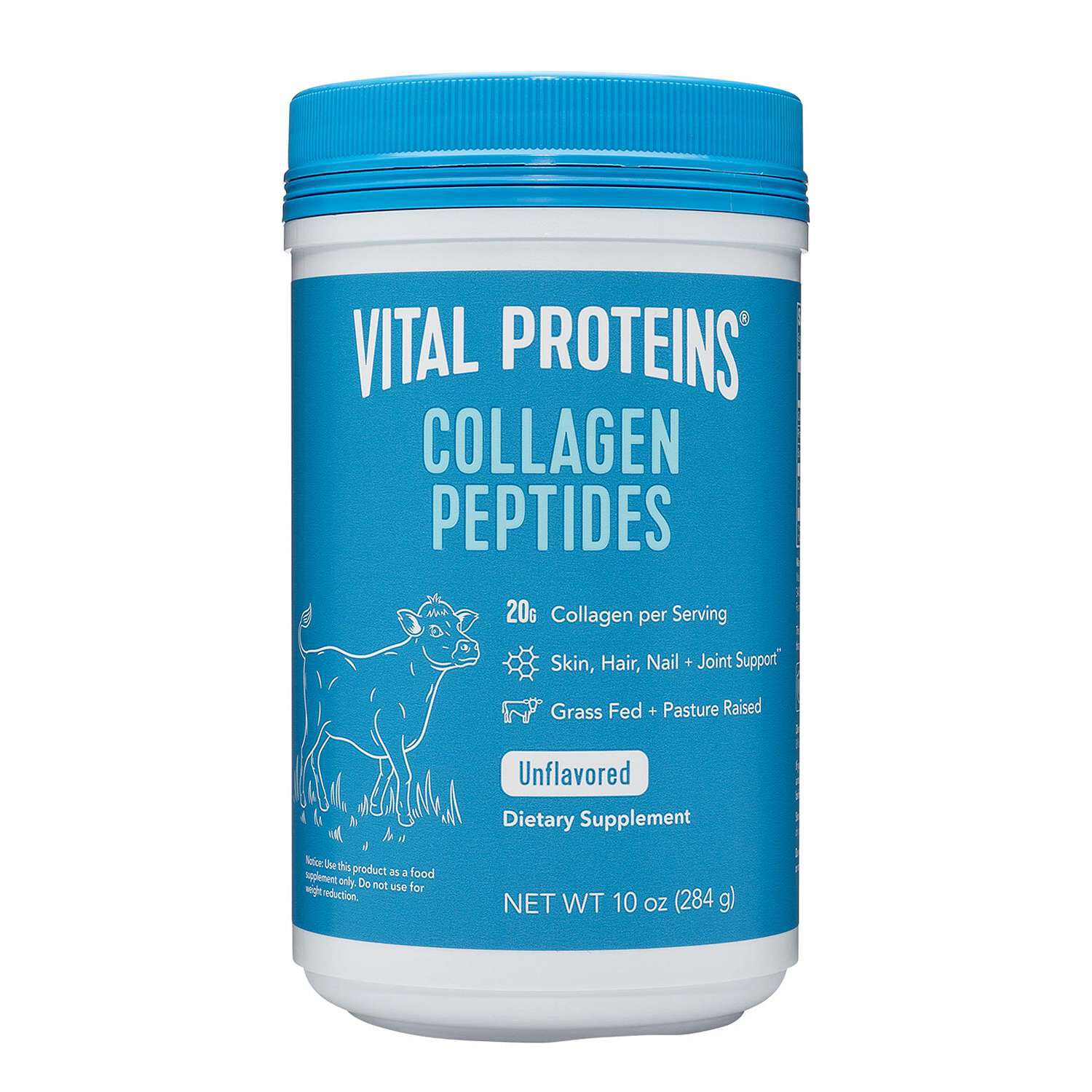 Vital Proteins