





Colostrum Powder
(0 Results)
Shop colostrum powder and compare supplement options by ingredients, serving size, and servings per container. Check each product label for mixing directions and storage instructions to help choose an option that fits your daily routine.

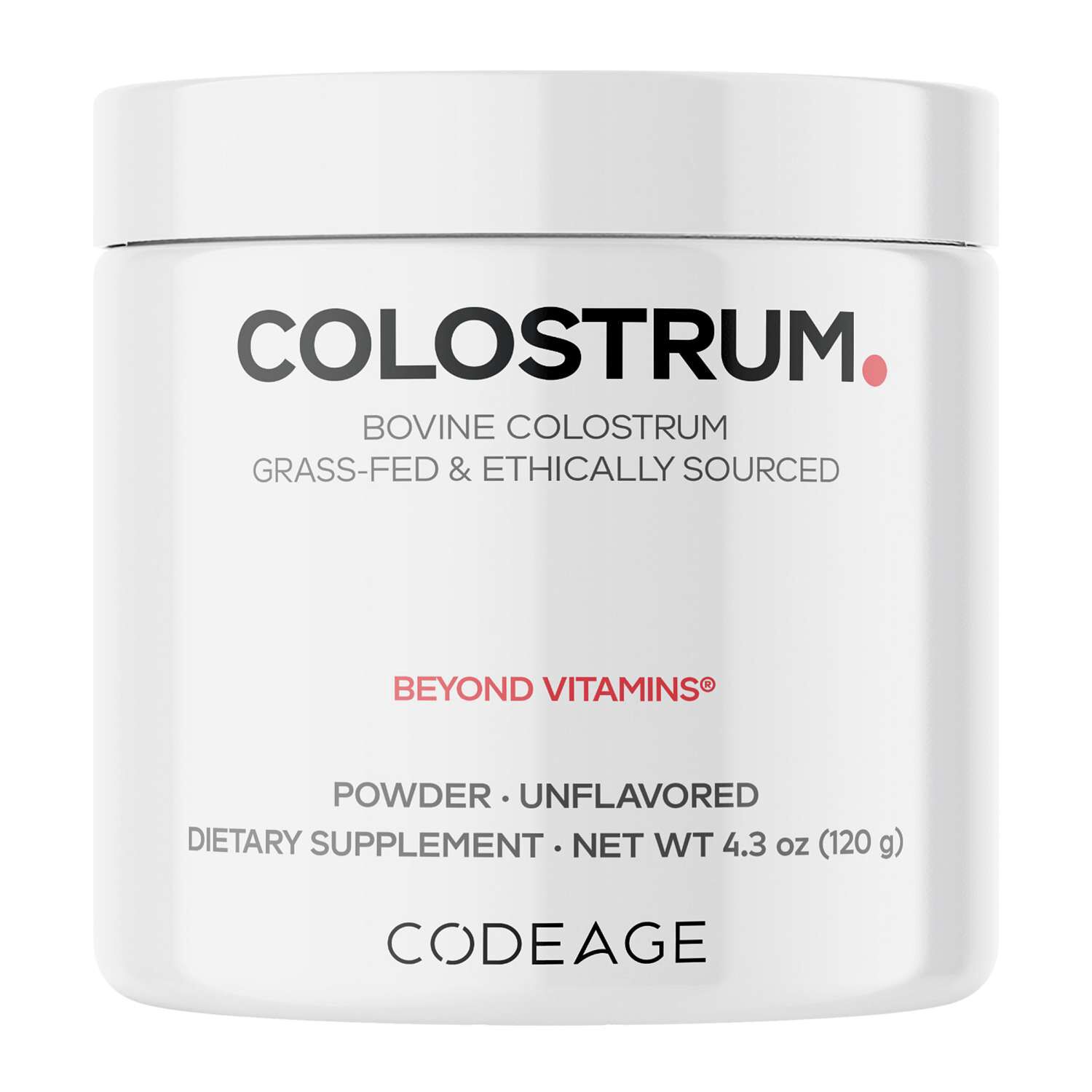
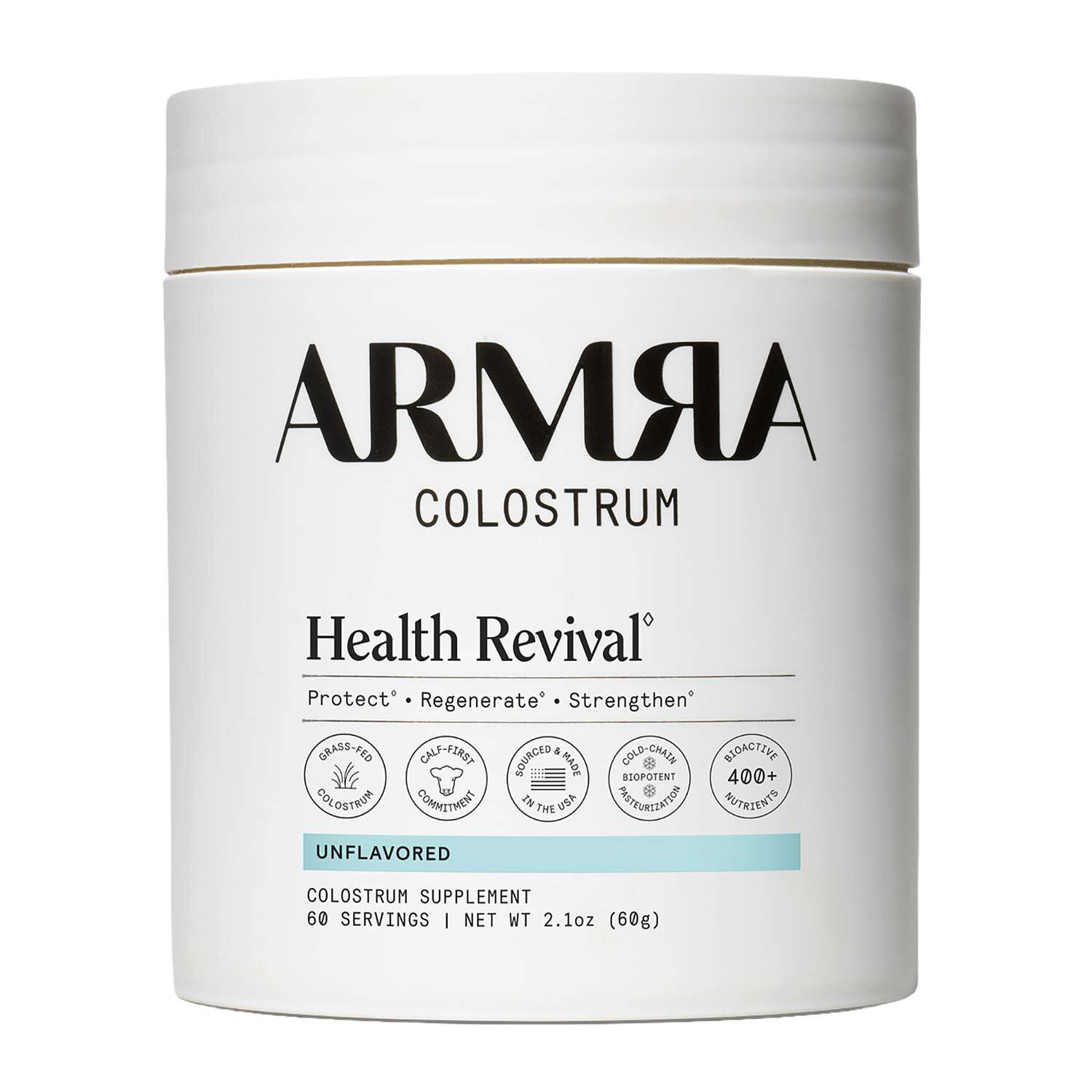

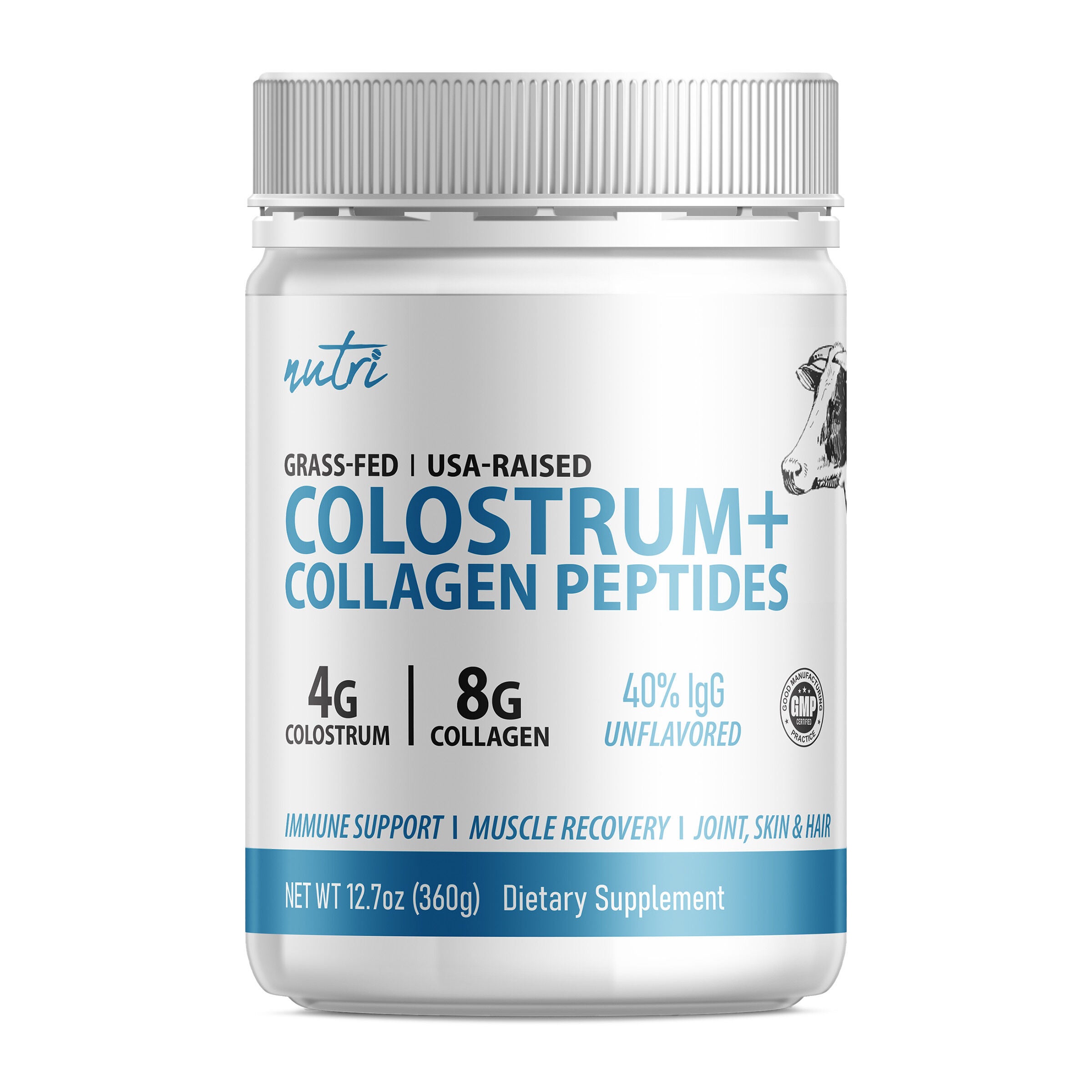
Colostrum powder is a dairy-derived dietary supplement made by drying bovine colostrum, the first milk cows produce after giving birth. Colostrum differs from the milk produced later in lactation, with a distinctive composition that includes proteins such as immunoglobulins and lactoferrin, along with varying amounts of fats, carbohydrates, vitamins, and minerals. Immunoglobulin G, often abbreviated as IgG, is one of the proteins shoppers may see identified on a colostrum label. These composition details help explain the category, but formulas are not all alike. The amount of colostrum per serving, the proportion of certain proteins, and the presence of other ingredients depend on the formulation. Some powders feature bovine colostrum as the only listed ingredient, while others include flavorings, sweeteners, or ingredients intended for a blended supplement. The ingredient list is therefore more informative than the product name alone. Colostrum powder is also distinct from ordinary powdered milk, whey protein, and collagen powder, even though all may appear in the same supplement routine. A serving of colostrum should not be assumed to provide the same quantity of protein as a serving of a conventional protein powder. For shoppers comparing these categories, the relevant details are the labeled ingredients, serving size, and intended use rather than their similar appearance in a scoop. Bovine sourcing is another defining characteristic: this is an animal-derived ingredient, not a plant-based powder. References to pasture access, grass-fed cattle, or collection practices describe different aspects of sourcing and deserve separate attention. A statement about how cattle are raised does not, by itself, explain when colostrum is collected or how it is processed. When calf-first collection matters to a shopper, a clearly documented sourcing statement is more useful than an assumption about the category. Drying methods and other processing information may also appear on packaging. Such details offer context about production, while the finished supplement’s label provides the most direct account of what is included in each serving.
The powdered format suits shoppers who prefer mixing a supplement into a beverage or food rather than taking it in capsule form. Its place in a routine might be alongside a morning smoothie, a small serving of yogurt, or a glass of water, depending on the package directions. Unflavored colostrum powder may have a mild dairy taste, and its texture is not necessarily identical to that of the protein powder already sitting on the kitchen counter. A lightly flavored drink may leave that dairy character more noticeable, while a thicker smoothie with banana or berries offers a different taste and texture combination. Flavored formulas bring their own considerations, including sweetness, the type of sweetener used, and how the flavor pairs with other ingredients. Vanilla, for example, belongs to a different flavor profile than an unflavored dairy powder, so the intended mixing routine matters when comparing labels. Preparation instructions are worth checking before choosing a format. Some powders are labeled for use with cool or room-temperature liquids rather than hot beverages, and the directions may specify stirring, shaking, or blending. A powder should not be assumed suitable for a steaming mug simply because another powdered supplement is used that way. For formulas intended for mixing, measuring the labeled serving into a separate container keeps the preparation process straightforward. A shaker bottle, spoon, or blender offers a different mixing experience, and the package may identify a preferred method. If the directions allow it, stirring the powder into a small amount of liquid before adding the rest may help distribute it more evenly. Texture expectations matter as well: a stirred glass may not look or feel the same as a blended smoothie. Shoppers who prefer a very simple routine may favor fewer preparation steps, while those who already make blended drinks may find the powder format familiar. The best practical match is a format that fits the intended preparation method, personal flavor preferences, and the amount of measuring and cleanup involved.
Comparing colostrum supplements starts with the serving information rather than the size of the container. A larger jar does not necessarily contain more servings, since scoop sizes and suggested portions differ. Look at the amount of bovine colostrum listed per serving, the number of servings in the package, and whether the formula includes additional ingredients. If IgG content is stated, note whether the label expresses it as a percentage or an amount per serving; those are different ways of presenting composition. The weight of a blended powder is not automatically the weight of its colostrum ingredient, either. A short ingredient list may suit shoppers seeking a straightforward formula, while a flavored blend may better match a particular beverage routine. Milk allergen labeling is an important part of the comparison because bovine colostrum comes from dairy. Lactose information is a separate detail, and the absence of a lactose statement should not be treated as confirmation of a particular lactose content. Dietary preferences, ingredient restrictions, and the intended user all deserve attention before a supplement becomes a household purchase or a gift. Packaging also matters in everyday use. A resealable pouch and a rigid container offer different storage and measuring experiences, particularly when reaching for a scoop on a kitchen shelf. Follow the storage directions, close the package after use, and use clean, dry utensils when measuring. Moisture from a damp scoop may contribute to clumping, so keeping preparation utensils separate from the stored powder is a practical consideration. Retain the original label so serving directions, ingredient information, and date markings remain easy to reference. For shoppers who would rather skip beverage preparation, Colostrum Capsules offer another format to compare. Capsules and powders still require attention to their respective ingredient lists and labeled servings; the format alone does not establish equivalent amounts. Whether the preference is a measured scoop or a capsule, clear labeling, documented sourcing, and a manageable preparation routine provide useful points of comparison within the colostrum category.
- Q: What is colostrum powder?
A: Colostrum powder is a dietary supplement made from colostrum, the first milk produced by mammals after giving birth. Bovine colostrum comes from cows and is dried into a powder. - Q: How can you mix colostrum powder into foods and drinks?
A: Depending on the label directions, colostrum powder can be stirred into water, milk, smoothies, yogurt, or other soft foods. Follow the product’s preparation directions for the serving amount and mixing method. - Q: How does colostrum powder differ from whey protein powder?
A: Both can come from cow’s milk, but they use different starting ingredients. Colostrum powder comes from the first milk produced after calving, while whey protein powder comes from the whey portion of milk and is processed to concentrate its protein. - Q: What does colostrum powder taste like?
A: Unflavored colostrum powder generally has a mild, dairy-like taste. Flavor and texture vary with processing and added ingredients. An unflavored label does not necessarily mean the powder has no taste. - Q: What ingredients should I compare when choosing colostrum powder?
A: Check the ingredient list to see whether the formula contains colostrum alone or a blend with other ingredients. You can also compare listed flavorings, sweeteners, and ingredients used for texture or mixing to find a formula that matches your preferences.
Best Sellers


Related Pages

Top Collections
- Zinc Supplements | Top Brands at Great Prices | GNC
- Cortisol Supplements
- NAD+ Supplement Tablets
- Top Rated Collagen | Shop Customer Favorites | GNC
- Best Brand of Magnesium Glycinate
- Peptide Supplements
- Iron Supplements
- Protein Powders For Muscle Growth Support
- Vitamins That Help Support Weight Gain
- Peptide Supplements for Muscle Growth