Colostrum Supplements For Women
(0 Results)
Colostrum supplements for women are becoming a popular addition to daily wellness routines. These supplements are designed with women’s unique needs in mind and may offer support as part of a balanced lifestyle. Whether you’re looking to complement your nutrition or explore new options for your regimen, colostrum supplements for women could be a convenient choice. Explore a range of options and find the right fit to support your personal goals.
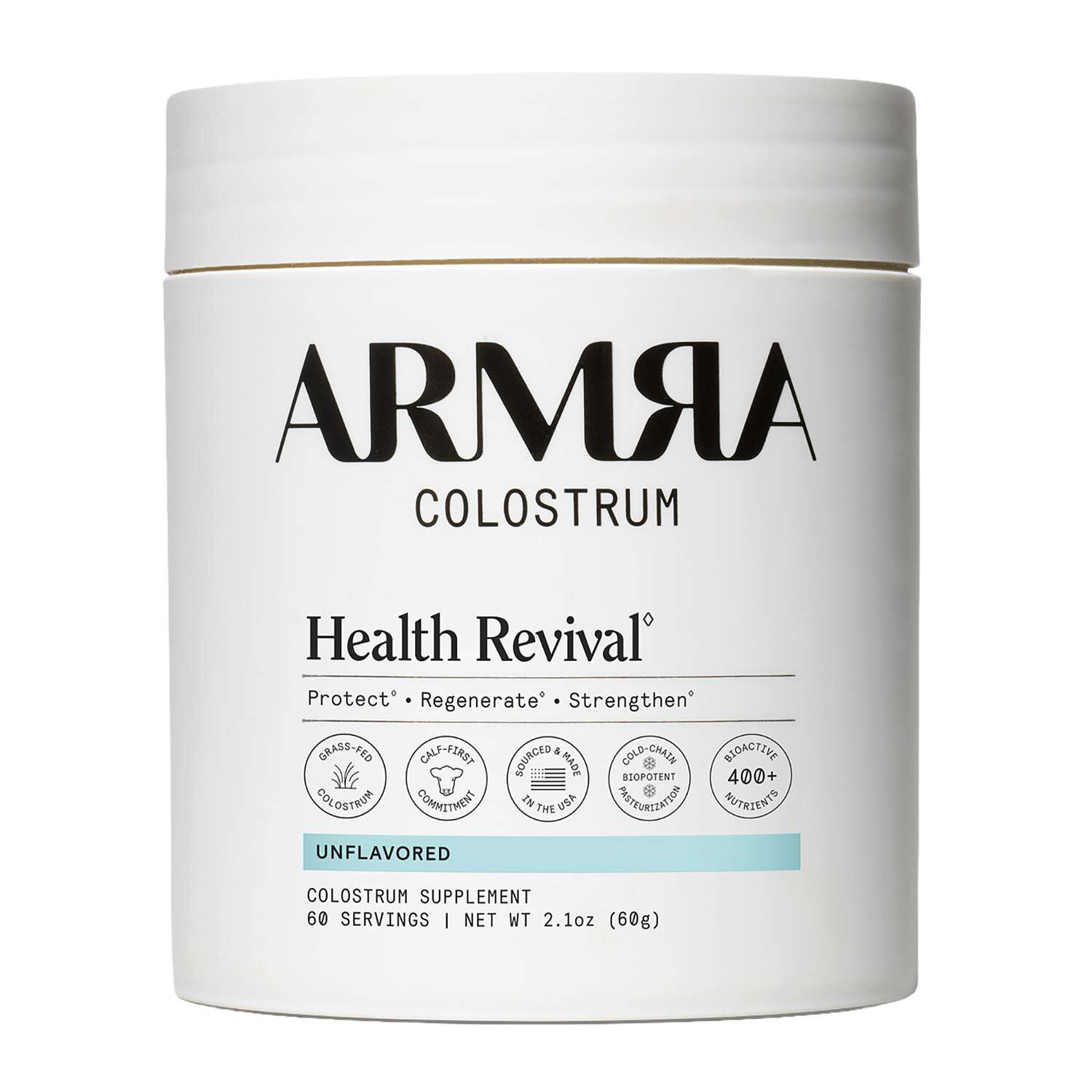


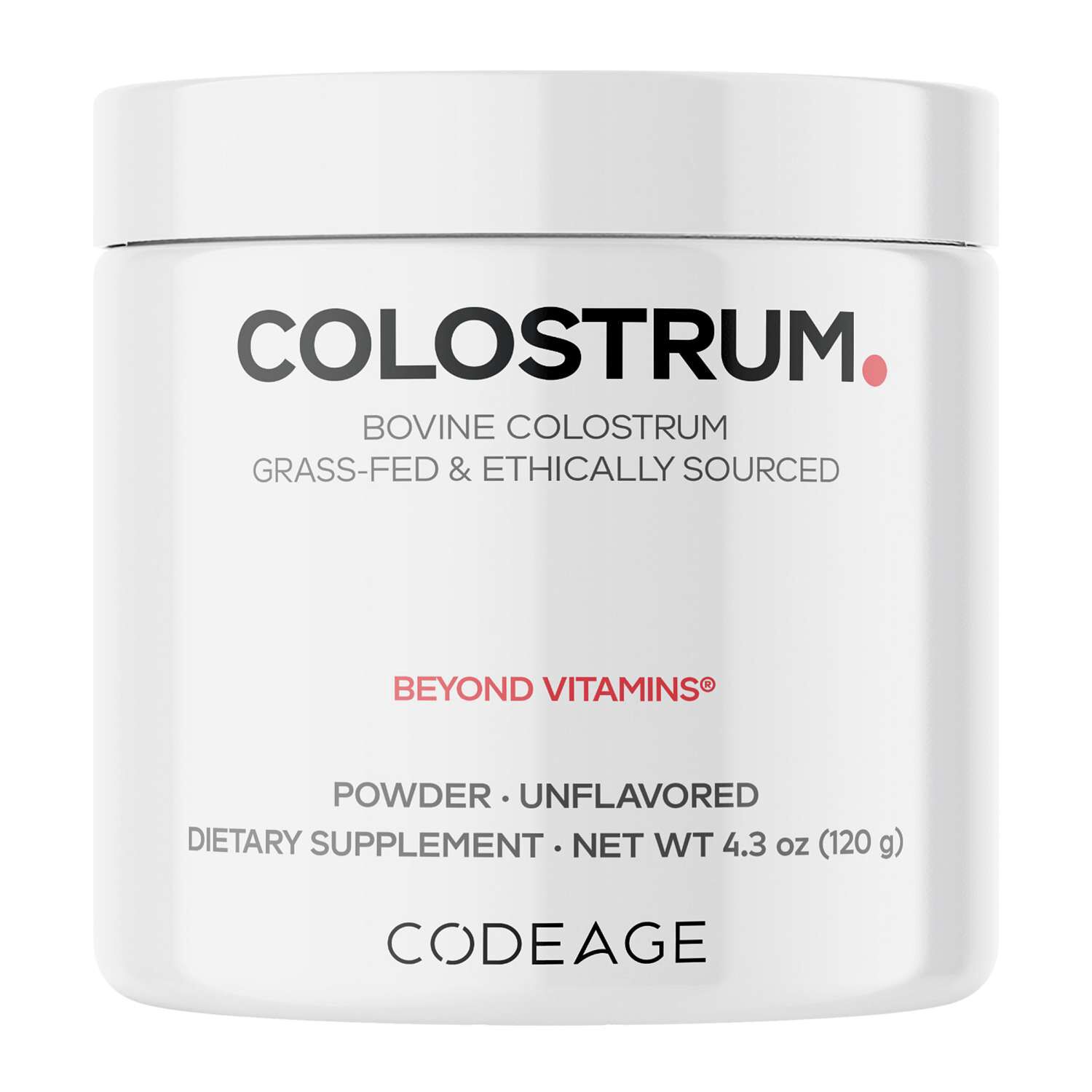

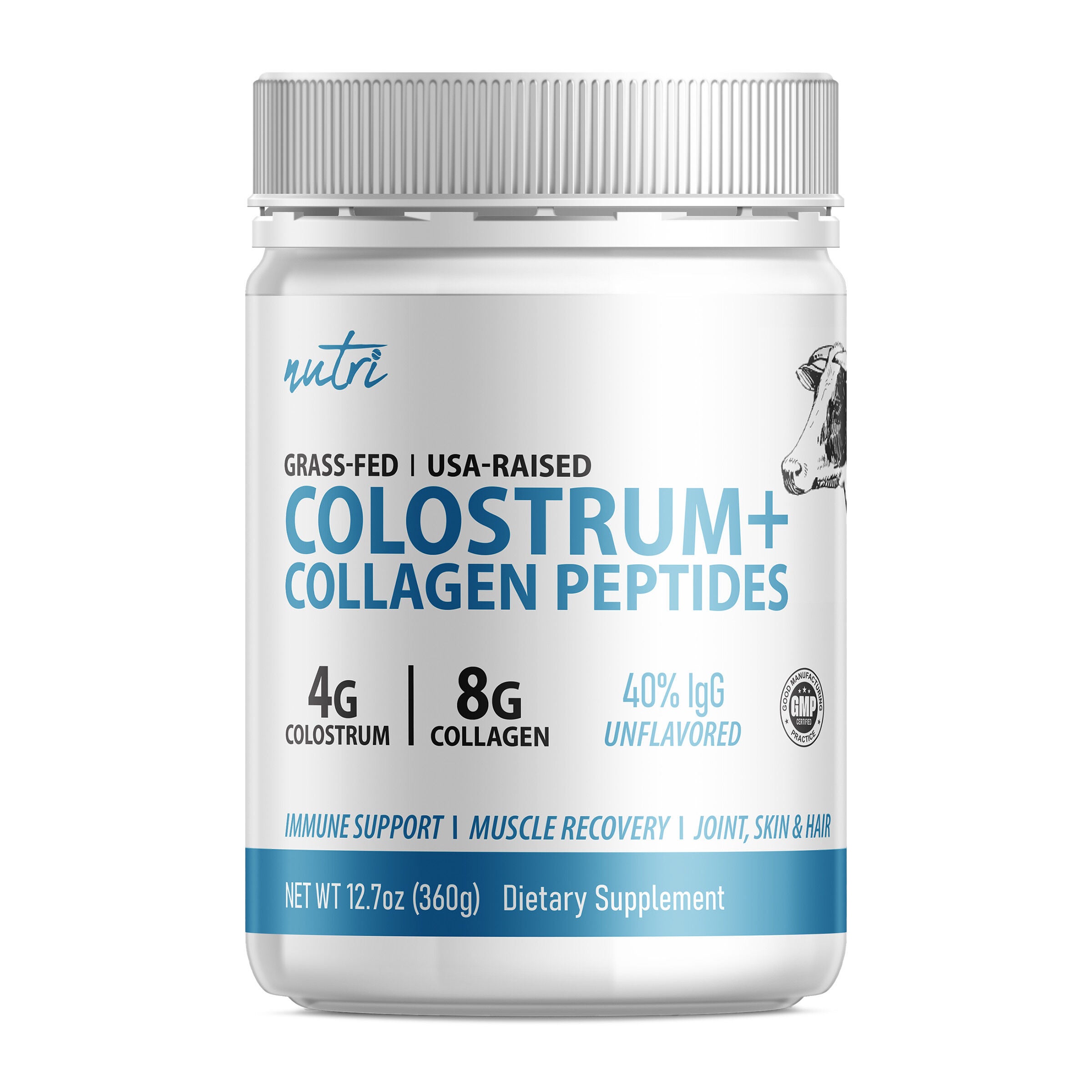
Colostrum supplements for women are dietary supplements typically made from bovine colostrum, the first milk cows produce shortly after giving birth. This early milk differs from mature milk in its composition and contains proteins, including immunoglobulins such as IgG, along with other naturally occurring milk components. For supplement use, collected colostrum is processed and dried into an ingredient that can be packaged as powder or placed in capsules. Bovine describes the animal source; it does not indicate a particular serving size, processing method, or finished formula. The category is also distinct from collagen, whey protein, and probiotic supplements. Those names refer to different ingredients, even when the products share a similar powdered format or appear alongside one another in a nutrition routine. A woman comparing colostrum with her usual protein powder is therefore comparing different types of supplements, not simply two versions of the same thing. Colostrum supplements for women may feature straightforward formulas or combine colostrum with additional ingredients, but women-focused labeling does not by itself establish a unique nutritional requirement or a benefit specific to women. Research on oral bovine colostrum in adults is still developing, and findings do not establish consistent results across formulas or users. The presence of a naturally occurring compound also does not establish what a finished supplement will do after it is consumed. For a category that often attracts broad claims, concrete details such as ingredient source, stated amount per serving, and the full ingredient list offer a more useful foundation for comparison. These products are dietary supplements rather than meal replacements or substitutes for a varied eating pattern. Their intended use and composition matter more than a familiar ingredient name or a formula’s positioning toward a particular audience.
Format is often the most noticeable difference when comparing colostrum supplements. For shoppers who prefer a premeasured format without a mixing step, Colostrum Capsules offer a distinct alternative to loose powder. Capsule count and serving count are not necessarily the same: a labeled serving might include more than one capsule, so the amount of colostrum per serving provides useful context beyond the number printed on the front of a bottle. Capsule dimensions and shell ingredients are additional practical details. A plant-derived capsule shell does not change the dairy origin of the colostrum inside, and the shell material is separate from the active ingredient. Powders involve different considerations, including scoop size, mixing directions, flavor, and texture. An unflavored powder may still have a mild dairy note; unflavored does not necessarily mean tasteless. In a breakfast routine, a powder mixed into a permitted beverage may suit someone who already prepares a drink each morning, while capsules may fit a routine built around separately portioned supplements. Preparation should follow the particular formula’s labeled directions rather than assumptions based on another powdered supplement. A scoop measures volume, and scoop sizes differ, making the labeled weight in grams or milligrams important when comparing servings. Ingredient lists also distinguish a colostrum-only powder from a blend containing flavorings, sweeteners, or other dietary ingredients. With blended formulas, the weight of the entire serving is not necessarily the weight of the colostrum it contains. A larger scoop therefore does not automatically mean more colostrum. The same distinction applies to capsules that contain several ingredients. For someone who prefers a short ingredient list, the colostrum source, capsule shell, and any additional ingredients all deserve attention. For someone who prioritizes flavor or a familiar preparation method, those details may matter just as much as the format itself. Neither powder nor capsules establish a different benefit simply because of how the ingredient is packaged.
Sourcing, processing, and storage details add another layer to the comparison. A label may describe the animal source, country of origin, collection practices, or drying method, but these statements answer different questions. A sourcing description explains where an ingredient comes from; it does not replace information about the finished formula’s composition. Likewise, a statement about testing is most useful when it identifies what was evaluated rather than relying on broad quality language. IgG information requires similar attention to context. A percentage describes a proportion, while a colostrum amount in grams or milligrams describes a quantity; neither number should be mistaken for an established outcome from taking the supplement. Information about milk ingredients is also important because bovine colostrum is dairy-derived. Milk allergen declarations and lactose information describe different aspects of a formula, and neither should be inferred from the appearance of a capsule or powder. Women-focused packaging does not establish suitability during pregnancy or breastfeeding, which are distinct circumstances from general adult use. For everyday handling, the original container, closure, storage directions, and expiration date are practical considerations. A powder container used beside a coffee maker or sink encounters a different environment from a sealed bottle kept on a dry shelf. Keeping a scoop dry and closing the container after use may help limit moisture exposure, while the package’s own directions remain the reference for storage. Capsule packaging also deserves attention to closure condition and any protective seal before use. These details are part of caring for the product, not evidence of a particular benefit. The most practical fit brings the basics together: an understandable ingredient list, clearly stated serving information, a format that suits the intended routine, and packaging that can be handled as directed. Whether the setting is a quiet breakfast at home or a carefully organized workday, colostrum supplements are best understood through those tangible characteristics rather than sweeping expectations attached to the category.
- Q: What is colostrum and where does it come from?
A: Colostrum is a nutrient-rich fluid produced by mammals in the first few days after giving birth. It contains proteins, vitamins, and minerals and is often sourced from cows for use in dietary supplements. - Q: How do women typically incorporate colostrum supplements into their routines?
A: Women may choose to add colostrum supplements to their daily regimen by mixing powder forms into smoothies or beverages, or by taking capsules as part of their morning routine. - Q: Are there specific times of day that are popular for taking colostrum supplements?
A: Some individuals prefer to take colostrum supplements in the morning with breakfast, while others might include them as part of a post-workout routine. The timing can depend on personal preference. - Q: Can colostrum supplements be combined with other vitamins or supplements?
A: Colostrum supplements are often taken alongside other vitamins and dietary supplements. Many people choose to include them as part of a broader wellness routine. - Q: What forms do colostrum supplements for women usually come in?
A: Colostrum supplements are commonly available in powder, capsule, and chewable tablet forms, offering flexibility based on individual preferences.