





Concentrated Milk Thistle
(0 Results)
Concentrated milk thistle is a popular choice for those seeking to support their wellness routines with herbal supplements. Known for its long history of traditional use, this botanical option may appeal to individuals looking to add plant-based ingredients to their daily regimen. Explore a variety of concentrated milk thistle formulas that fit seamlessly into your lifestyle and wellness goals.
-
-
 GNC Herbal Plus$49.99
 -
-
 GNC Herbal Plus$24.99
 -
-
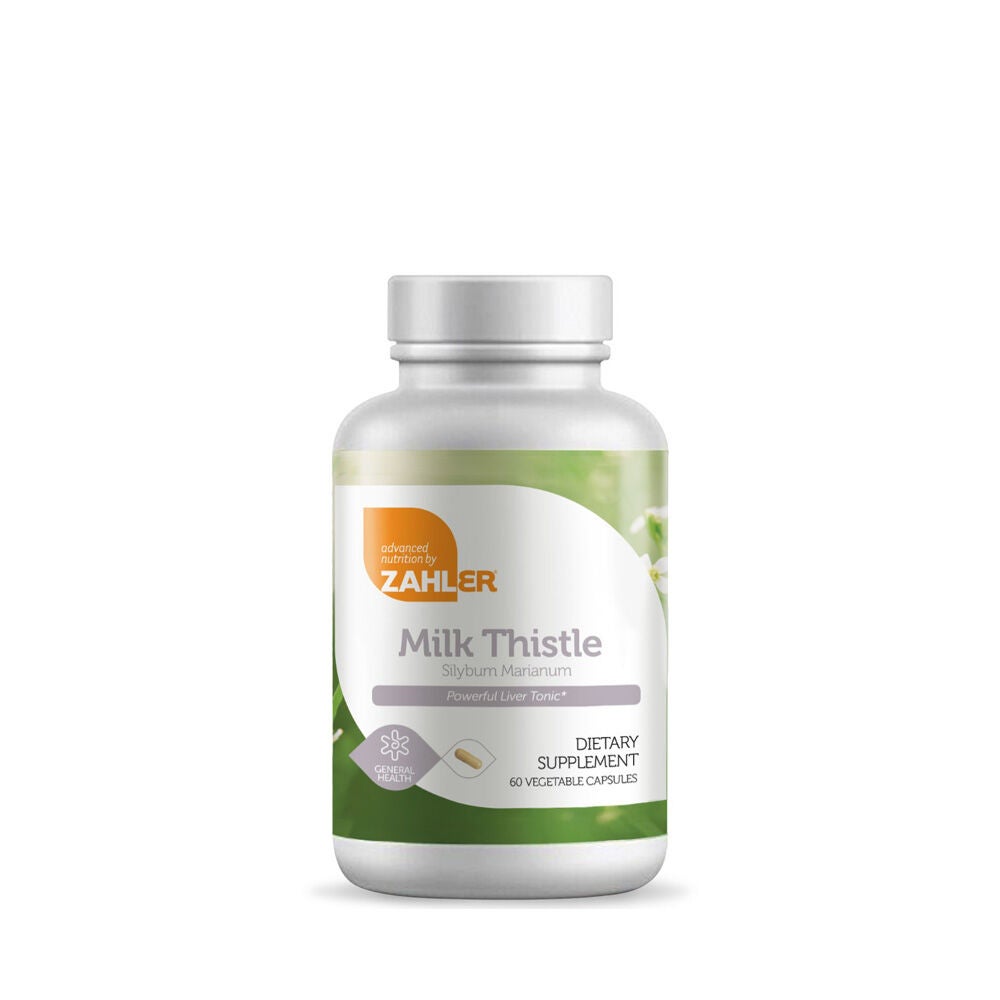
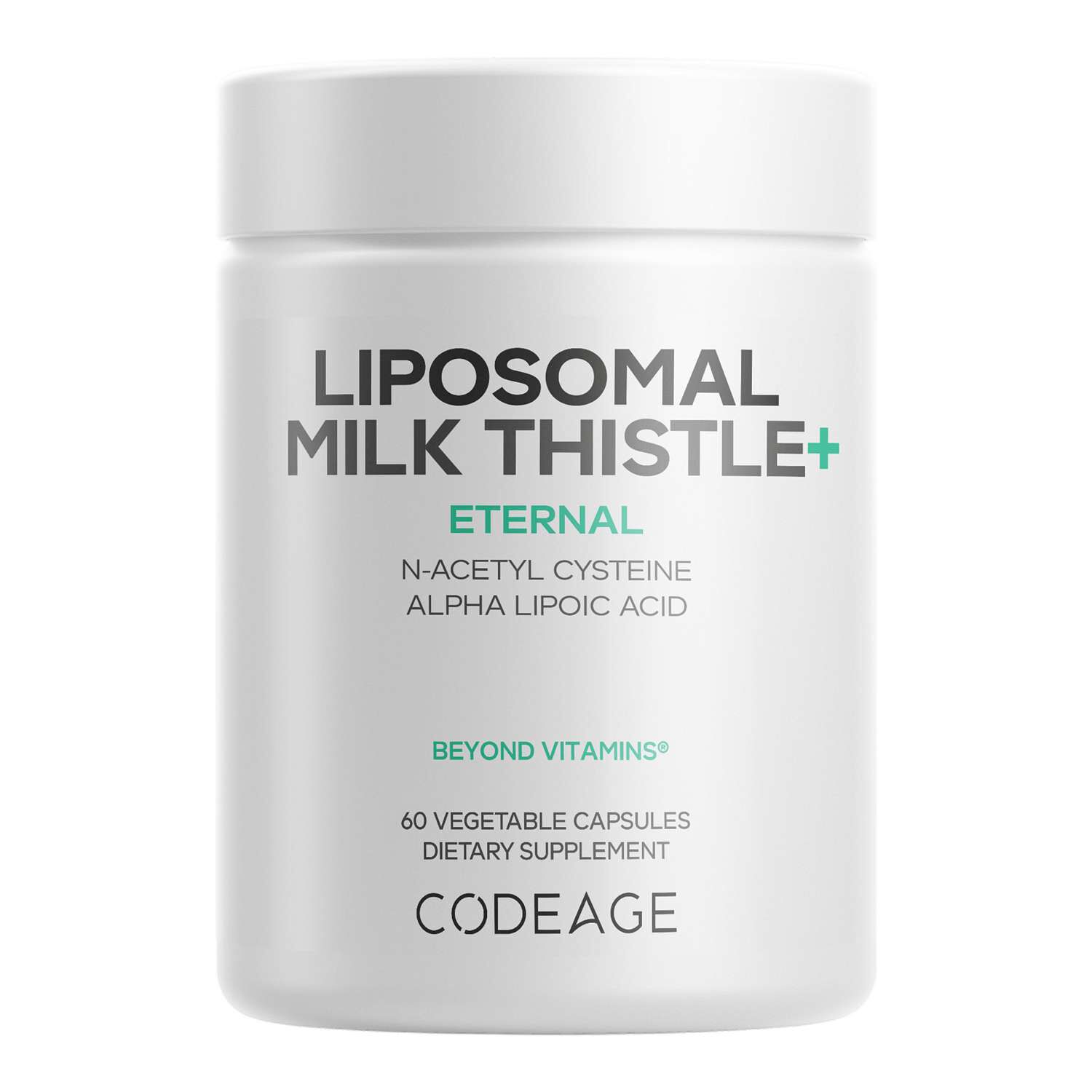
Concentrated milk thistle is an herbal supplement made by extracting selected compounds from milk thistle, a flowering plant known botanically as Silybum marianum. The plant belongs to the daisy family and is recognizable by its purple flowers and white-veined leaves. Supplement extracts generally come from its fruit, often referred to as the seed on product labels. A central term in this category is silymarin, a naturally occurring mixture of plant compounds that includes silybin, also called silibinin. Concentrated milk thistle can take several forms, including liquid extracts, capsules, and tablets, so the word “concentrated” does not describe a liquid format alone. It also does not establish a uniform strength across different formulas. Some labels describe the amount of extract in each serving, some state a silymarin percentage, and others provide an extraction ratio. These details describe different aspects of the formula and are most useful when read together. For example, an extract standardized to a stated percentage of silymarin provides information about the proportion of that compound mixture within the extract. An extraction ratio instead describes the relationship between the starting botanical material and the resulting extract, according to the manufacturer's labeling convention. Neither detail, by itself, establishes how one formula will perform compared with another. Whole seed powder is another distinction worth recognizing: ground plant material and a concentrated extract are not interchangeable descriptions, even when both labels feature milk thistle prominently. For adults who already include botanical supplements in a personal routine, these differences offer a practical starting point for comparing the category. The botanical name, plant part, extract amount, and serving size provide a more useful picture than a large number on the front of a bottle alone. A clear description of what is inside also makes it easier to distinguish a straightforward milk thistle extract from a blend containing several herbs or other ingredients.
The format of concentrated milk thistle shapes the everyday experience of using it, from measuring a serving to carrying the container in a bag. Liquid extracts may use water, alcohol, glycerin, or a combination of ingredients as their base. Those ingredients affect the liquid's flavor and texture, and their presence should be stated on the label. Depending on its composition, a liquid extract can have an earthy, bitter, or mildly sweet taste. Directions may describe taking a measured amount directly or adding it to a beverage, but those instructions differ among formulas. A marked dropper and a serving expressed in milliliters provide different information from an informal reference to a dropperful; the printed directions establish the intended measurement. Capsules and tablets offer a different format, with a stated quantity of extract in each unit and a serving that may consist of more than one unit. Capsule shells can be made from gelatin or plant-derived materials, while tablets may include ingredients used to bind the powder or form a coating. A botanical ingredient does not automatically make every component of the finished supplement plant-derived. The other ingredients section is therefore relevant for shoppers with preferences concerning capsule materials, sweeteners, flavors, or extraction solvents. Some formulas also pair milk thistle compounds with phospholipids, including phosphatidylcholine, or use other delivery approaches. Concentration and absorption are separate concepts: concentration concerns the composition of an extract, while absorption concerns what happens after it is consumed. A higher extract amount alone does not demonstrate higher absorption. Shoppers comparing these formulation differences can explore Milk Thistle Supplements With High Absorption for a related category. Across formats, the most informative descriptions identify the extract, explain any delivery system, and distinguish the amount of milk thistle extract from the amount of a larger ingredient complex. That distinction matters when two labels display similar serving weights but describe substantially different compositions.
Choosing among concentrated milk thistle supplements also involves the small practical details that determine whether a format suits an established routine. Someone who prefers measured liquids may pay particular attention to the dropper markings, bottle opening, and directions for mixing. Someone who keeps supplements in their original containers in a cabinet may focus on capsule count, serving size, and how easily the label can be read. For either shopper, the number of servings in a container is different from the number of capsules or the volume of liquid it holds. A bottle containing several dozen capsules, for instance, does not necessarily contain that same number of servings. Comparing the Supplement Facts panel on a per-serving basis keeps the quantities in context. It is also useful to separate single-herb formulas from combinations: a blend might include milk thistle alongside other botanicals, and the front label may not show the amount of each component. When a proprietary blend lists only a combined weight, the individual milk thistle amount may not be disclosed. Ingredient transparency, clearly stated serving directions, and readable packaging are concrete features to consider without treating the word “concentrated” as a substitute for detail. Packaging care matters as well. The label's storage directions, closure instructions, and printed date provide the relevant reference points for keeping the supplement in its intended condition. Retaining the original container keeps the ingredient list, directions, and lot information together, rather than separating loose capsules or an unmarked liquid from their identifying details. For a liquid bottle carried away from home, a securely fitted closure and upright placement are practical considerations; for capsules or tablets, the condition of the container remains important throughout use. Concentrated milk thistle is best understood as a varied supplement category rather than one uniform preparation. Differences in plant material, extraction, standardization, serving size, and delivery format explain why similar-looking labels deserve a closer look. A thoughtful comparison centers on those tangible details and the intended use stated on the package, with personal format preferences helping narrow the selection.
Best Sellers
-
GNC Herbal Plus
-
Doctors' Preferred
-
GNC Herbal Plus
Related Pages
Top Collections
- Daily Collagen Supplements | Top Brands & Deals | GNC
- Natural Collagen Supplements | Top Brands & Deals | GNC
- Top Rated Collagen | Shop Customer Favorites | GNC
- Cortisol Supplements
- Vitamins For Hair Loss
- Spirulina Tablets
- NAD+ Supplement Tablets
- Peptide Supplements
- Best Brand of Magnesium Glycinate
- Vitamins That Help Support Weight Gain