





Herbal Milk Thistle
(0 Results)
Explore a world of wellness with Herbal Milk Thistle, a natural supplement that could support your liver health and overall well-being. Derived from a flowering plant known for its potential detoxifying properties, milk thistle may help your body maintain its balance and vitality. Perfect for those seeking to incorporate more holistic elements into their daily routine, herbal milk thistle might offer a gentle approach to nurturing your body's needs. Whether you're looking to complement your lifestyle or simply explore new avenues in herbal supplementation, this versatile option could be just what you need. Dive into nature's potential and discover what herbal milk thistle might do for you.
-
-
 GNC Herbal Plus$24.99
 -
 GNC Herbal Plus$49.99
 -
-
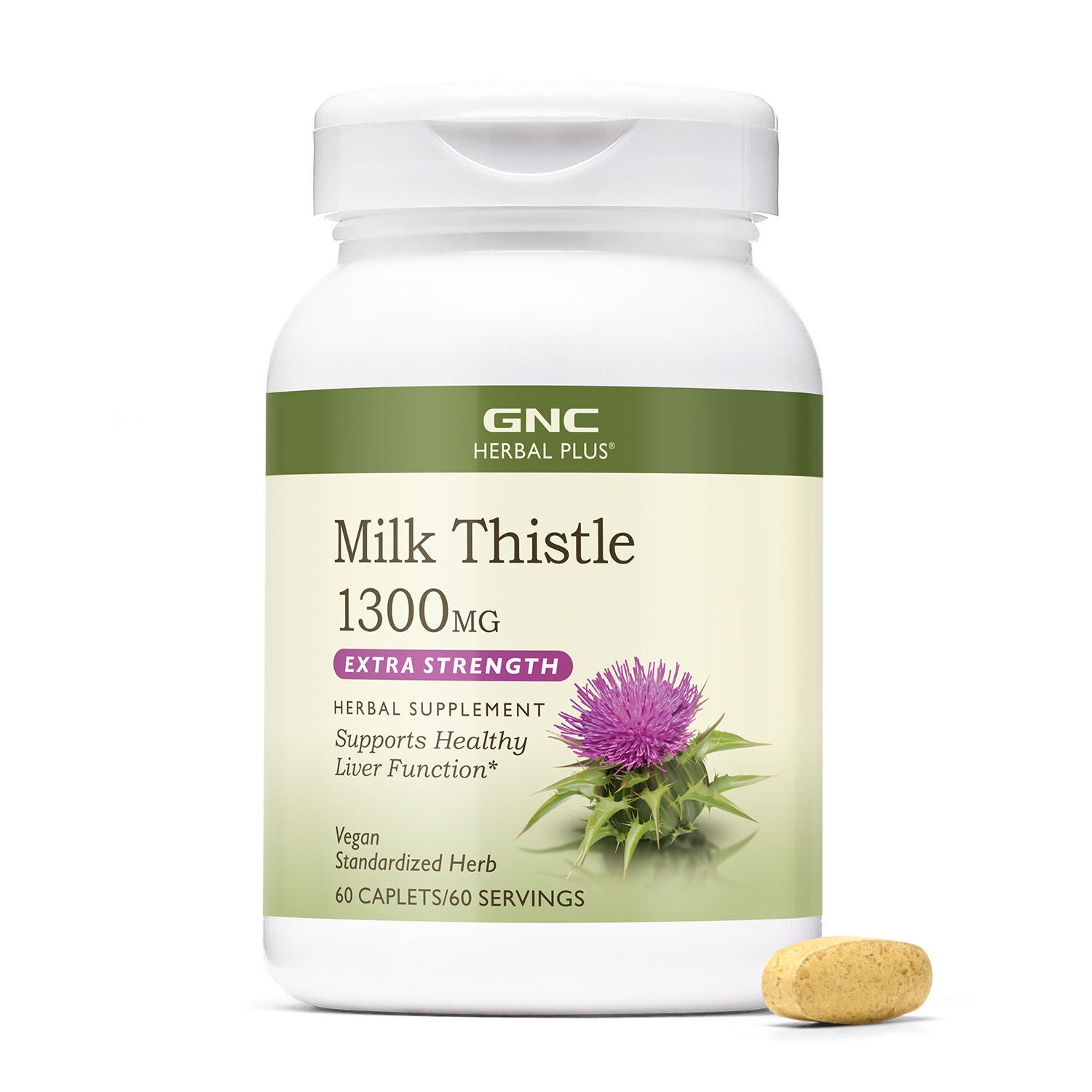
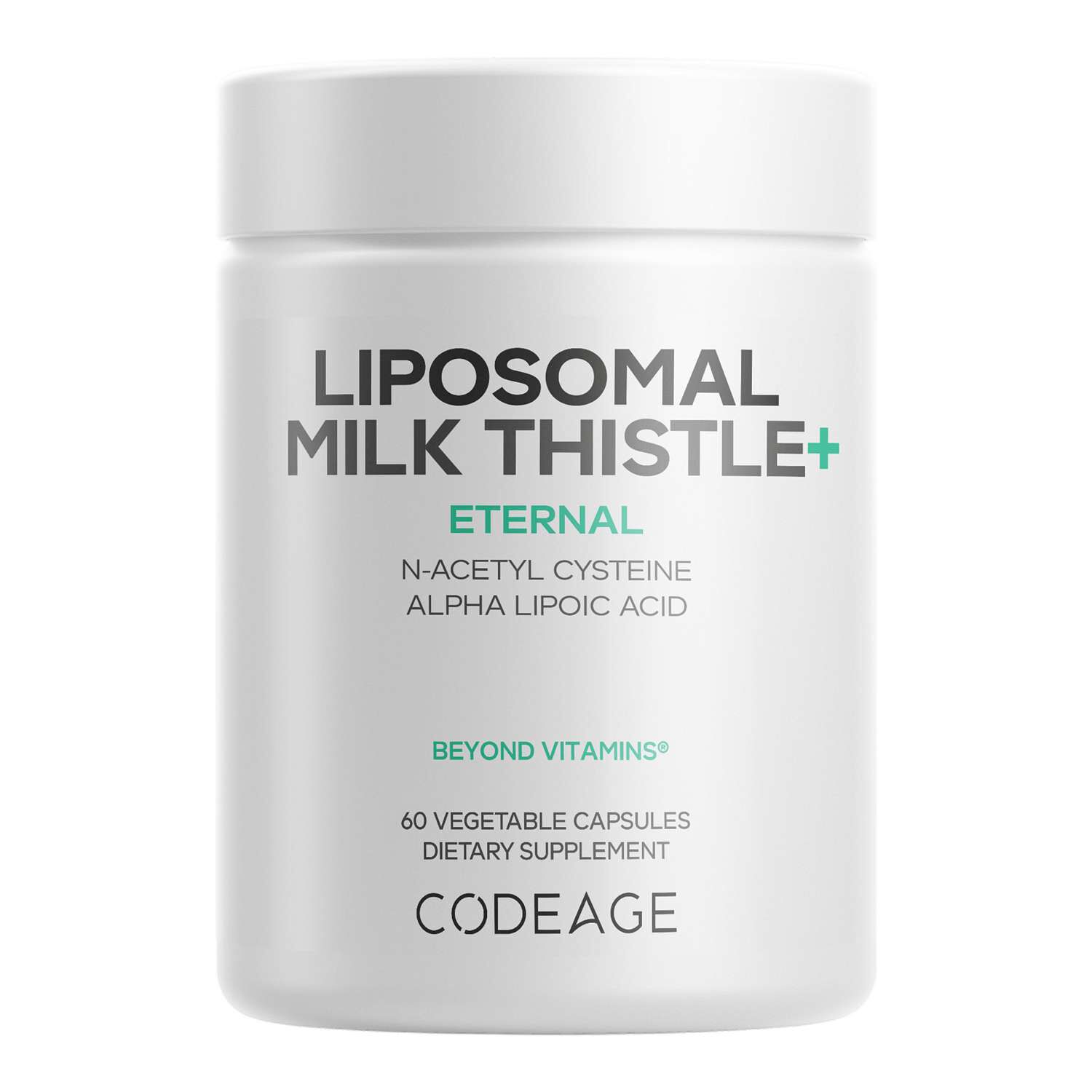
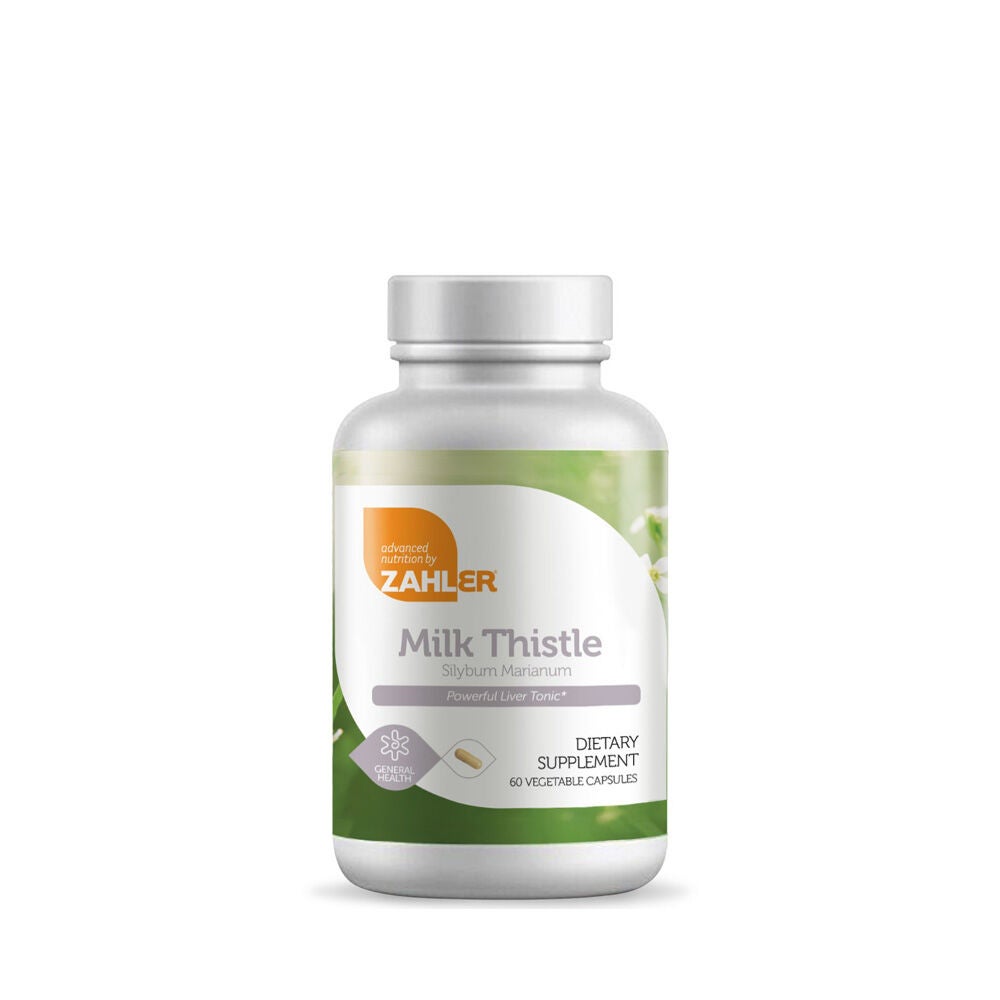
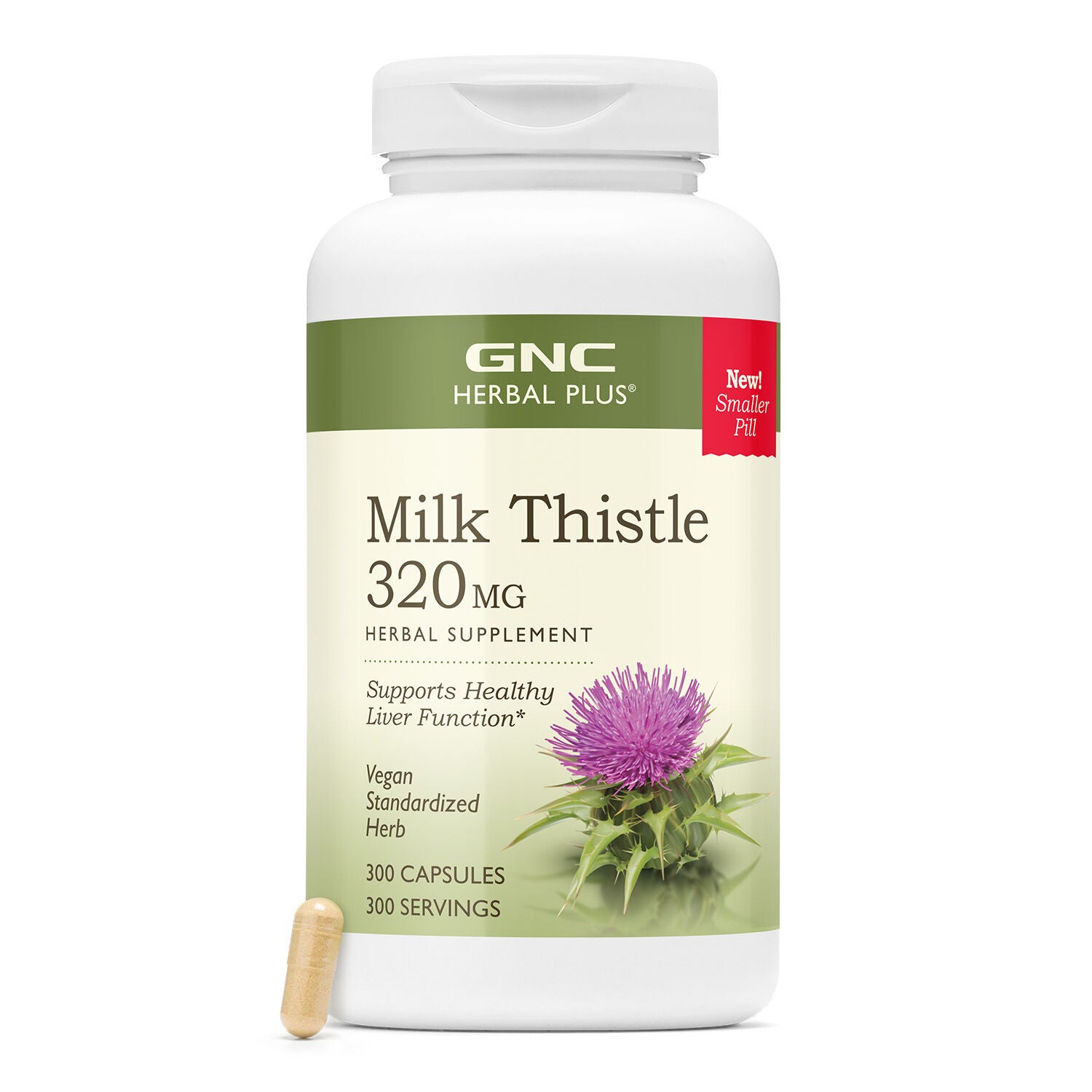
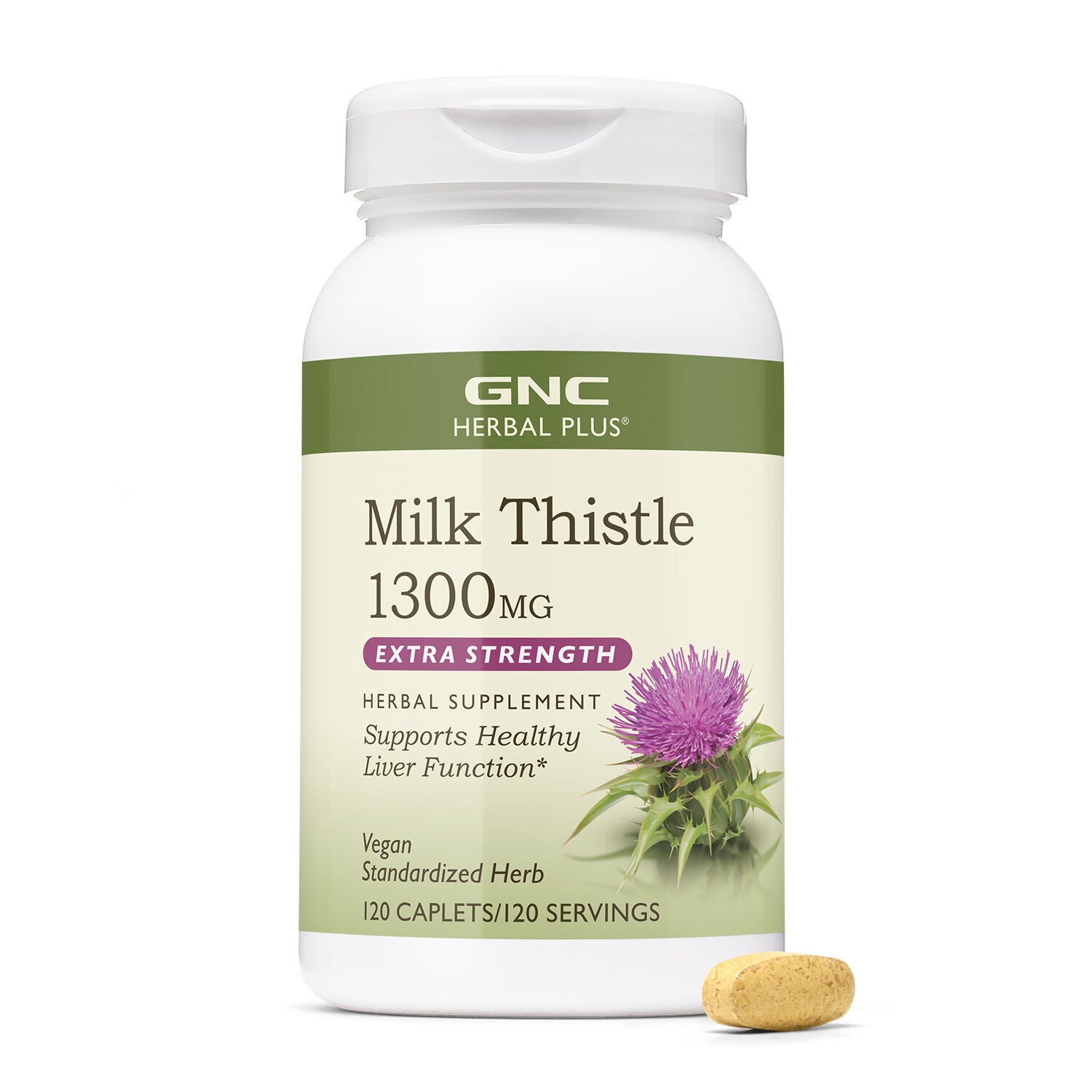
Herbal milk thistle supplements bring a long-established botanical into a range of everyday formats, from capsules and tablets to liquid extracts and powders. Milk thistle, known botanically as Silybum marianum, is a flowering member of the daisy family, recognized by its purple flower heads and green leaves marked with pale, milky-looking veins. Its common name refers to those leaf markings, not to a dairy ingredient. The plant material commonly described as milk thistle seed is the source of many supplement preparations, although the exact plant part and preparation method depend on the formula. One of the most useful terms to recognize on a milk thistle label is silymarin, a naturally occurring mixture of plant compounds associated with the seed. Silymarin is not another name for the whole plant, and a product containing ground milk thistle seed is not necessarily equivalent to one containing a measured amount of milk thistle extract. That distinction gives this category much of its variety: some formulas emphasize the botanical in powdered form, while others feature extracts with more detailed information about their constituent content. Milk thistle has a history of use in European herbal traditions, but that background is separate from the composition and directions of any modern supplement. For shoppers interested in botanicals, the most relevant details are often practical ones: which part of the plant is used, how it is prepared, what else is included, and how the serving is measured. A straightforward single-herb formula presents milk thistle as the featured ingredient, while a botanical blend places it alongside other named ingredients. Neither approach makes every formula interchangeable. Herbal milk thistle products are dietary supplements rather than ordinary foods, and their labels describe an intended use that differs from adding seeds or herbs to a meal. Understanding those basic differences gives the category context without treating every bottle, format, or extract as the same preparation.
The physical format of a milk thistle supplement shapes the experience of using it, including how it is measured, carried, and stored. Capsules enclose ingredients within a shell, which may be made from gelatin or a plant-derived material such as cellulose. Tablets are pressed preparations and may contain binders or coatings, while softgels use a shell around a liquid or oil-based filling. Those construction details matter to shoppers with dietary preferences, so the other-ingredients list is as relevant as the featured botanical. A capsule described as plant-based does not, by itself, describe every ingredient in the formula. Powders offer a different texture and measuring process; their directions determine whether they are intended for mixing and what amount constitutes a serving. Liquid milk thistle extracts may use water, glycerin, alcohol, or a combination as a carrier, and their labels identify the serving volume and method of use. Depending on the preparation, a liquid may have a noticeable herbal taste, whereas an enclosed capsule keeps the botanical separate from food and beverages. Herbal teas containing milk thistle are another kind of preparation, with their own ingredient proportions and brewing directions; a brewed infusion should not be assumed to provide the same composition as an extract. For an adult who prefers a simple bottle-and-water routine, the number of capsules or tablets in a labeled serving is a concrete consideration. Someone who prefers a measured liquid has different details to compare, including the measuring device and any mixing instructions. Bottle size alone does not reveal how many servings it contains, and the largest number on the front label does not necessarily describe the amount in one capsule. A serving might consist of more than one unit, making the serving-size line an important point of reference. These everyday distinctions help separate format preferences from ingredient information, so texture, shell material, measuring steps, and serving count each have a clear place in comparing herbal milk thistle supplements.
Extract terminology adds another layer of detail to the herbal milk thistle category. A label may identify the amount of milk thistle extract in milligrams and separately state a percentage of silymarin. These figures describe different aspects of the preparation: one gives the weight of the extract, while the other identifies the stated proportion of a particular group of constituents. Standardization refers to a defined constituent content, not to a universal specification shared by all milk thistle products. An extraction ratio, when provided, describes the relationship between the starting botanical material and the resulting extract; it should not be read as a substitute for the serving amount or the silymarin declaration. For a closer look at this type of preparation, Concentrated Milk Thistle offers a related category to consider alongside other milk thistle formats. Concentration is a composition detail, not a reason to assume that a larger number is the right match for every shopper. Meaningful comparisons depend on the same basis of measurement, whether that is one capsule, one tablet, or a full labeled serving. Ingredient transparency matters in blends as well: a separately listed amount for milk thistle conveys different information from a combined blend weight that does not specify each botanical’s quantity. Beyond the featured ingredients, packaging and storage instructions deserve attention. A bottle’s closure, inner seal, and measuring accessories are practical parts of the product, especially when it will be handled regularly or packed for travel. Keeping the original container preserves access to the Supplement Facts panel, directions, lot information, and date markings. Shelf life is product-specific, and the package instructions establish the appropriate storage conditions rather than a general rule for every herbal preparation. A place exposed to moisture or direct sunlight may not meet those instructions, even if it seems convenient. For adults comparing botanical supplements for personal use, a clearly labeled format with understandable serving information offers a more useful basis for selection than appearance alone. From the plant name and seed preparation to capsule materials and extract specifications, herbal milk thistle is a category where the details on the label distinguish one formulation from another.
Best Sellers
-
GNC Herbal Plus
-
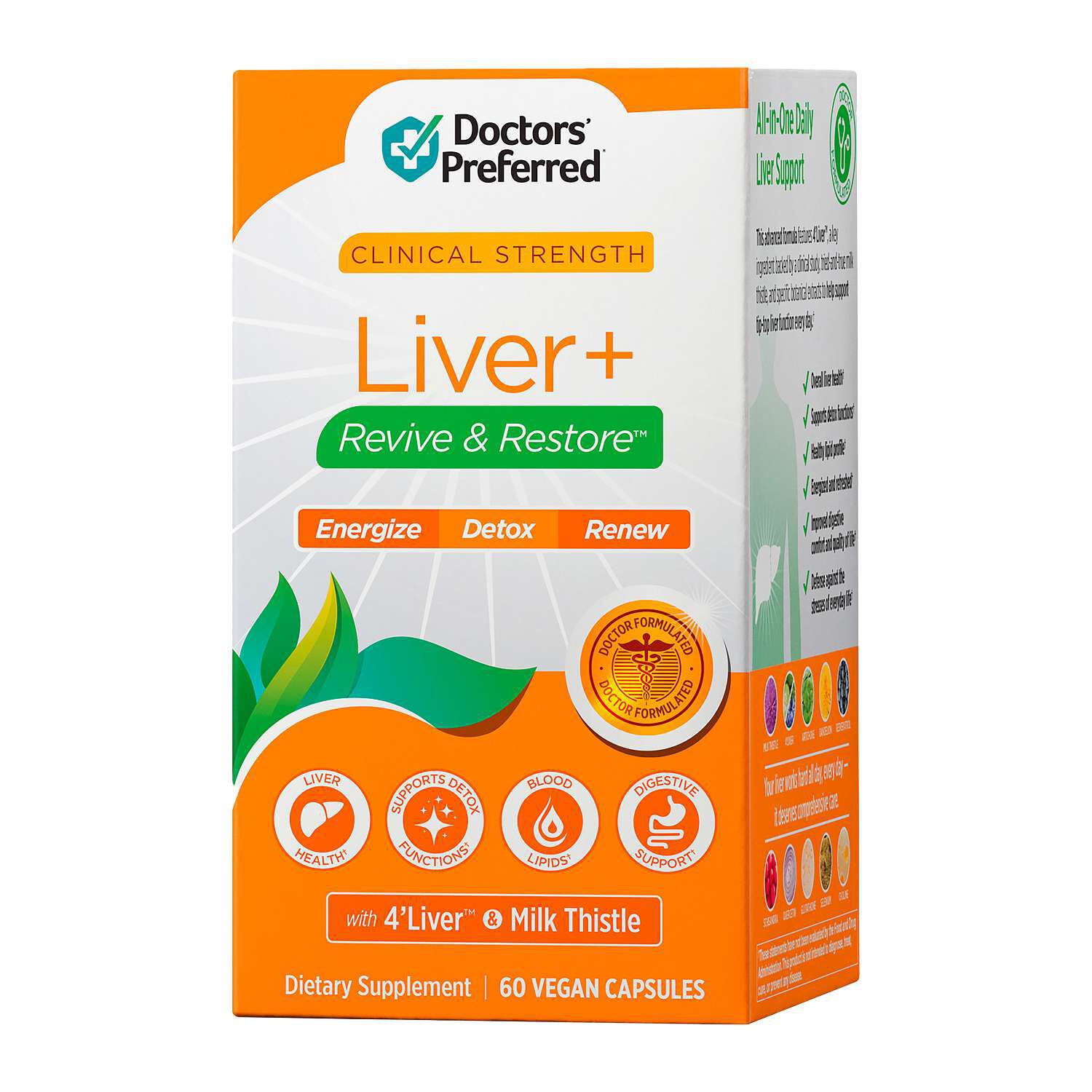 Doctors' Preferred
 -
GNC Herbal Plus
Related Pages
Top Collections
- Daily Collagen Supplements | Top Brands & Deals | GNC
- Natural Collagen Supplements | Top Brands & Deals | GNC
- Top Rated Collagen | Shop Customer Favorites | GNC
- Cortisol Supplements
- Vitamins For Hair Loss
- Spirulina Tablets
- NAD+ Supplement Tablets
- Peptide Supplements
- Best Brand of Magnesium Glycinate
- Vitamins That Help Support Weight Gain