Concentration Vitamins
(0 Results)
Unlock your potential with concentration vitamins that may support mental clarity and focus. Whether you're tackling a busy workday or studying for an important exam, these vitamins could be the key to enhancing your cognitive performance. Packed with essential nutrients, they might help sharpen your mind and improve overall brain function. Explore a range of options designed to fit seamlessly into your daily routine, offering the possibility of improved concentration and productivity. Discover how these supplements could be a game-changer in achieving your mental goals.

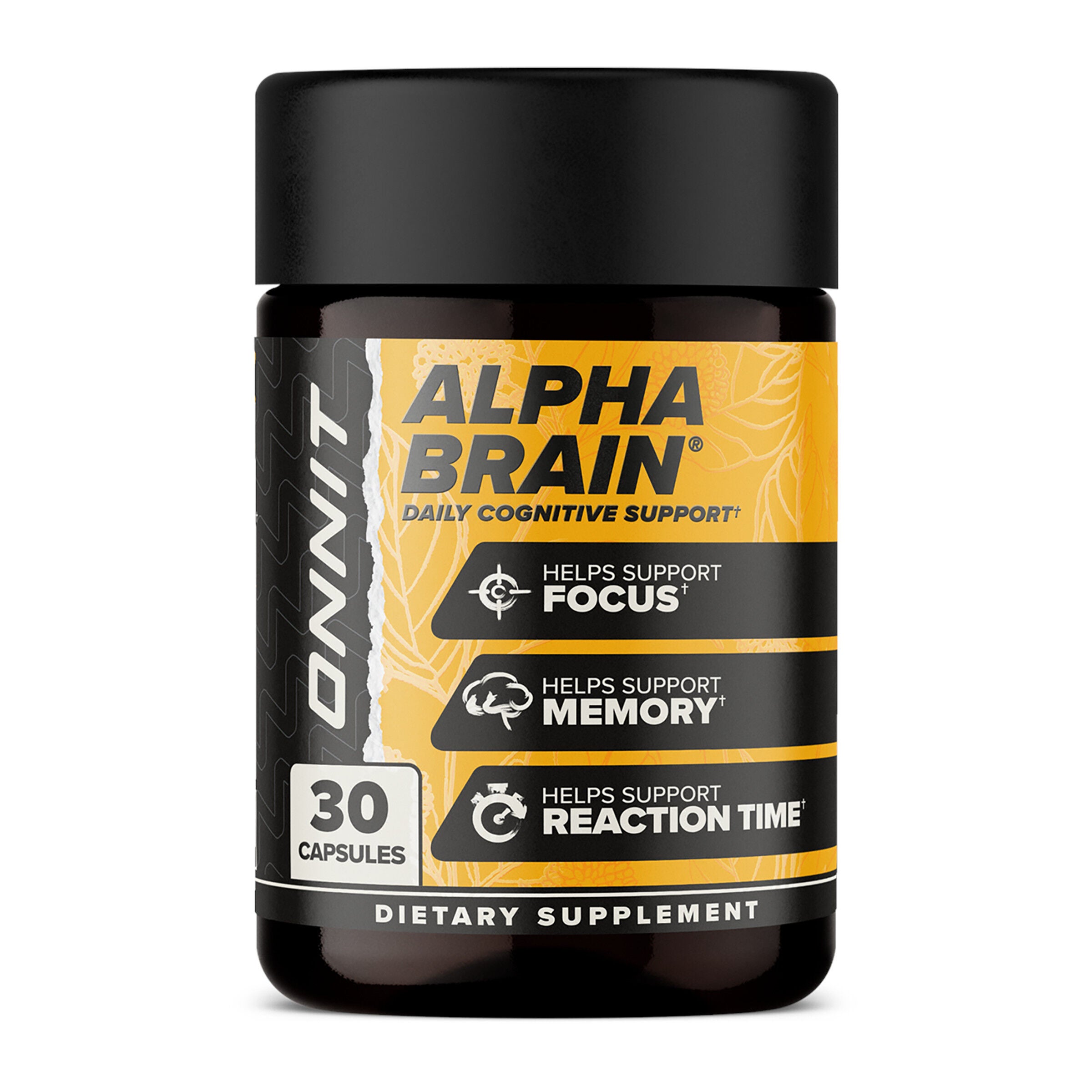


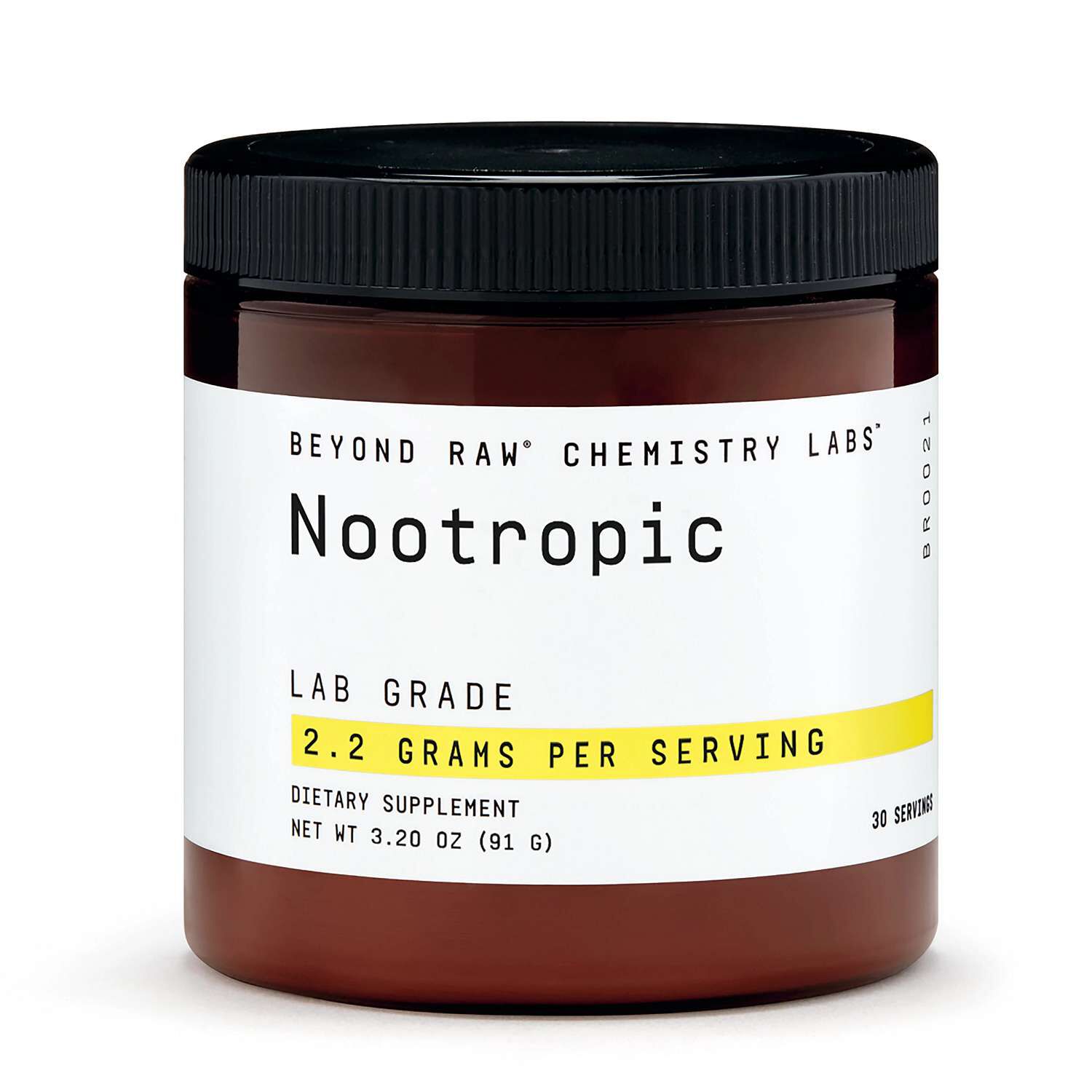

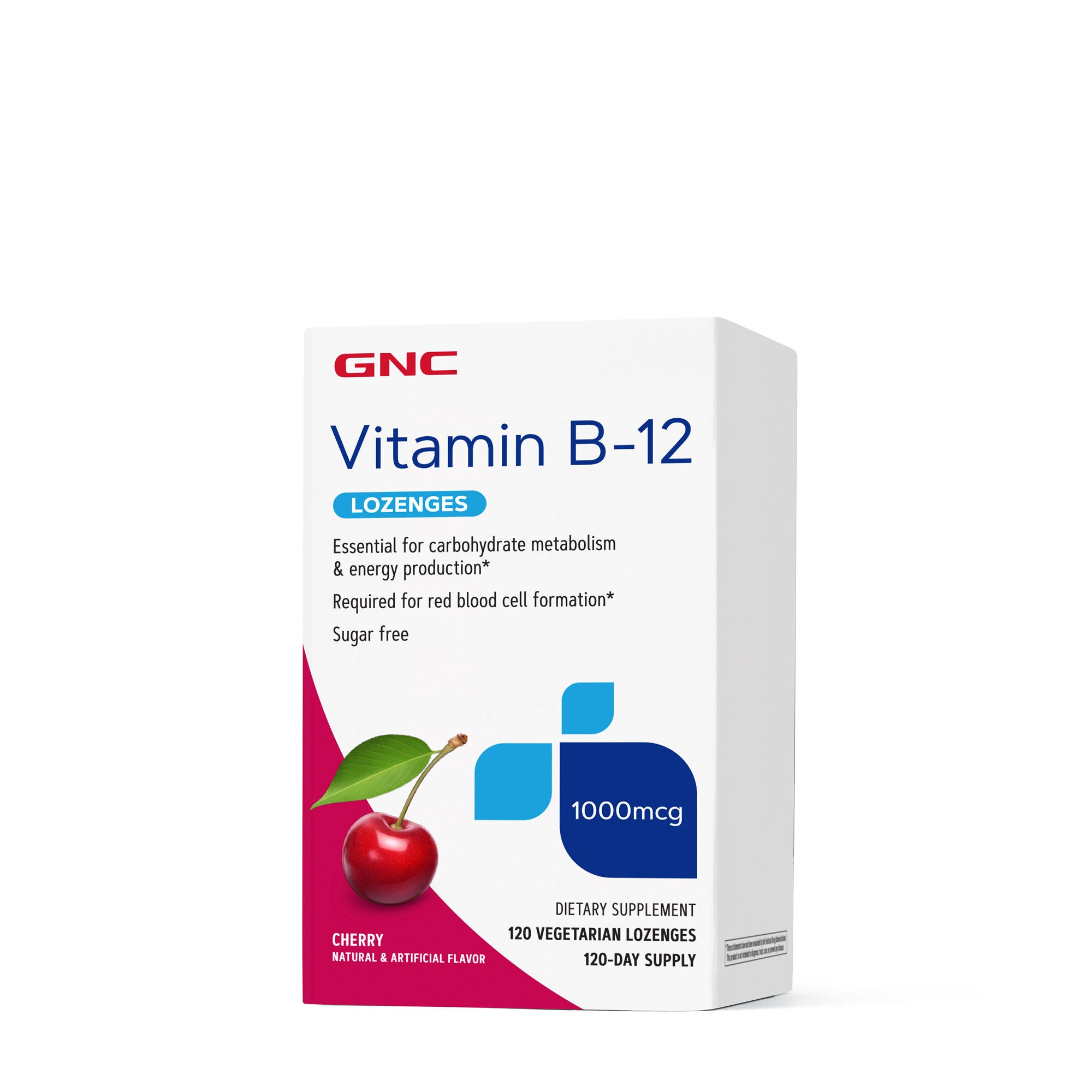
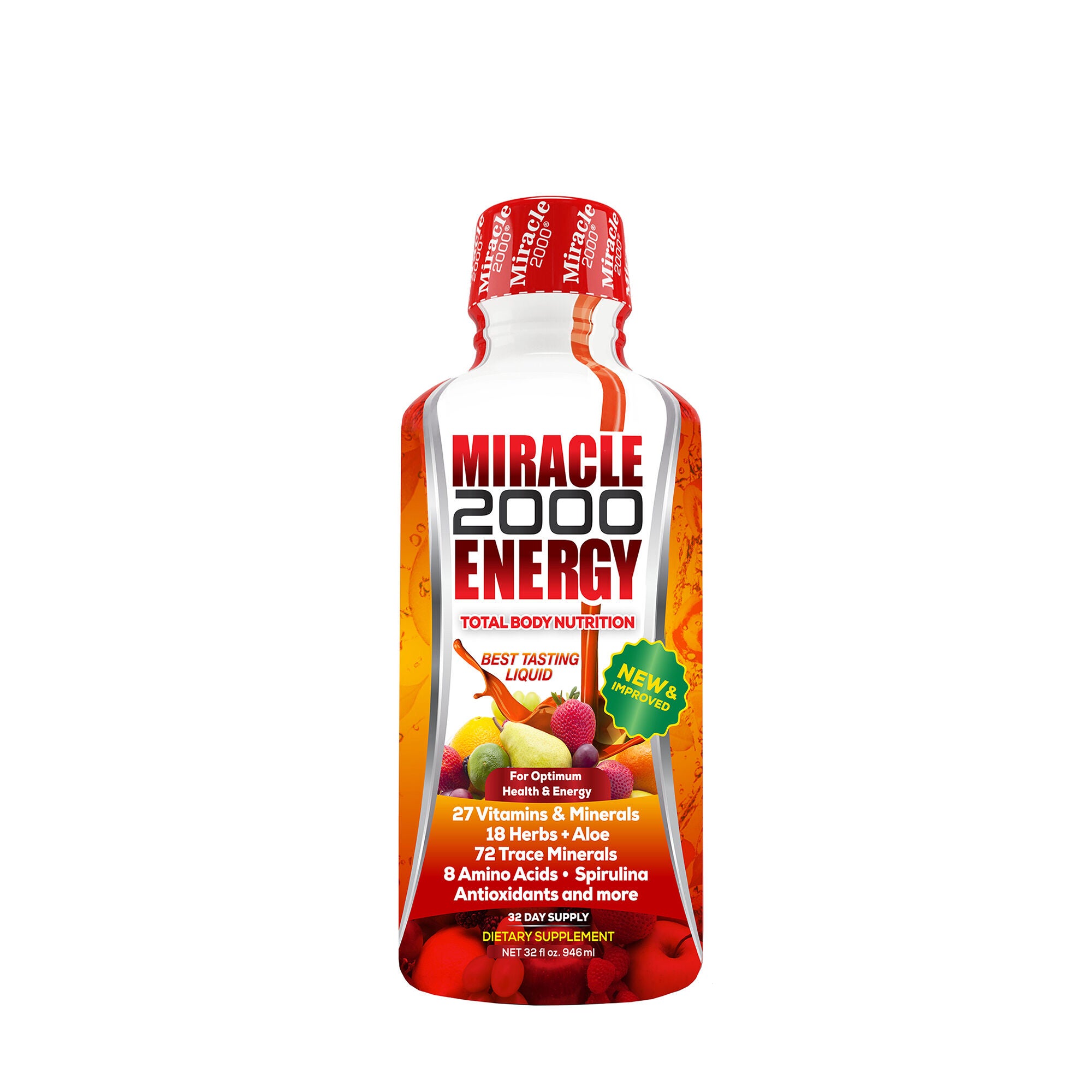

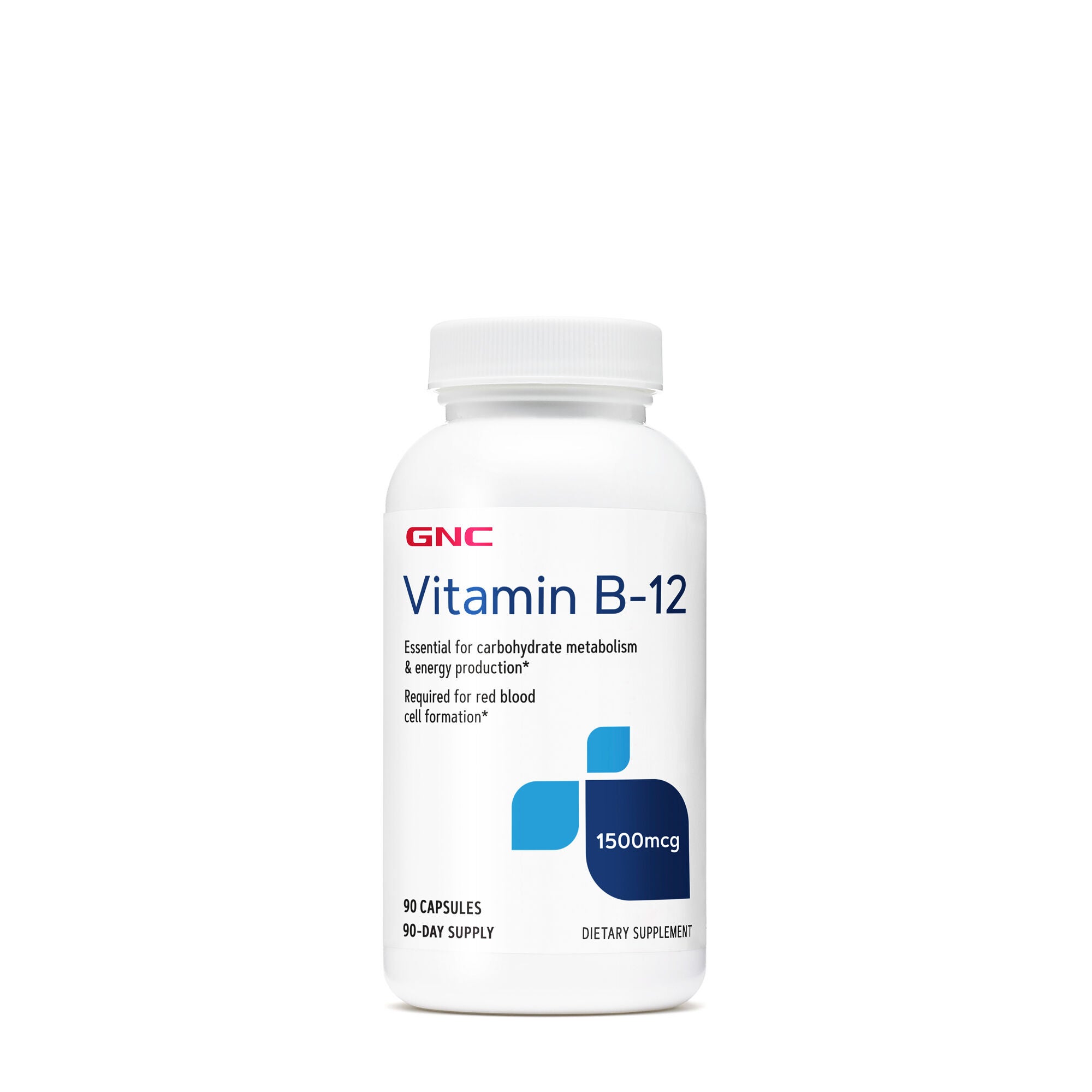
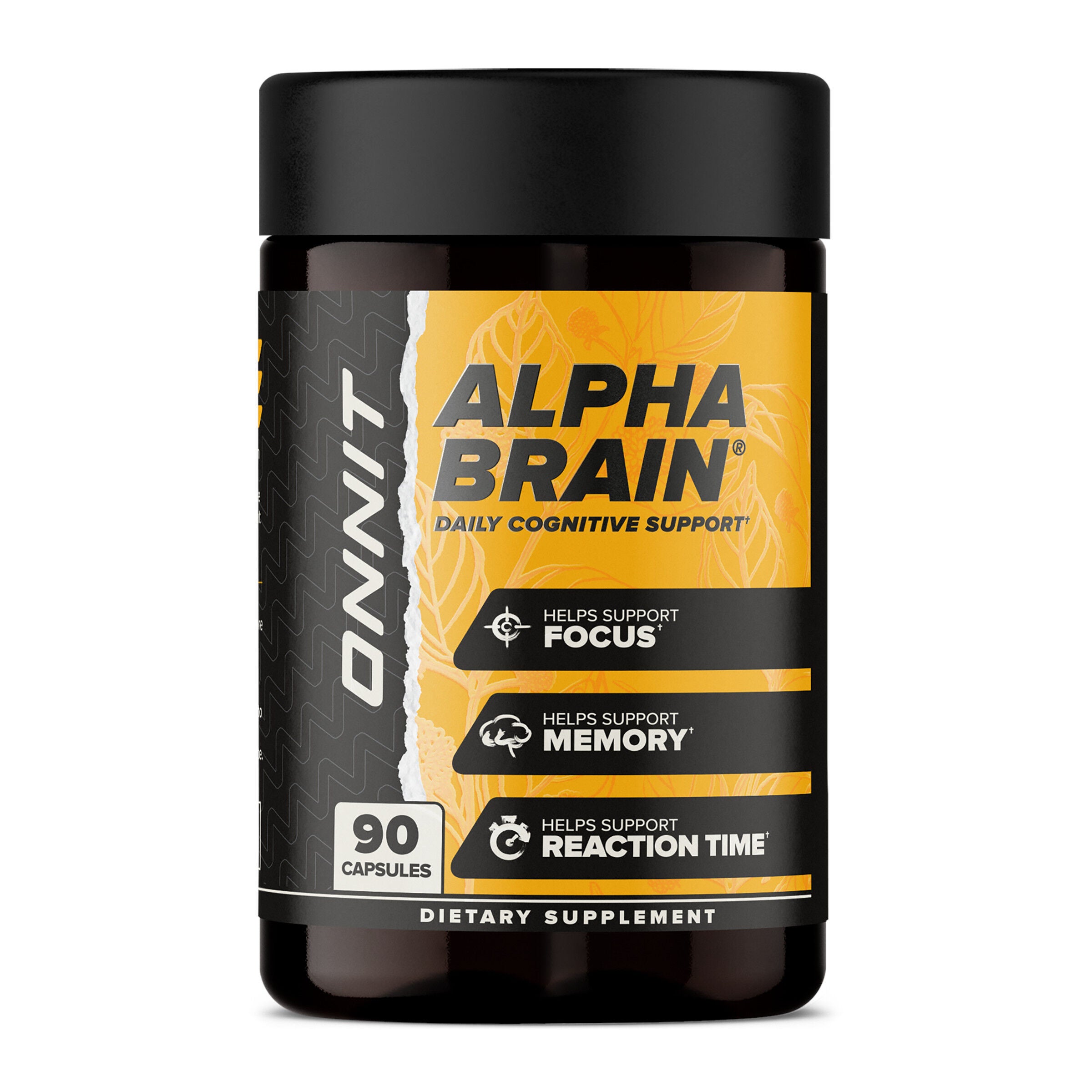
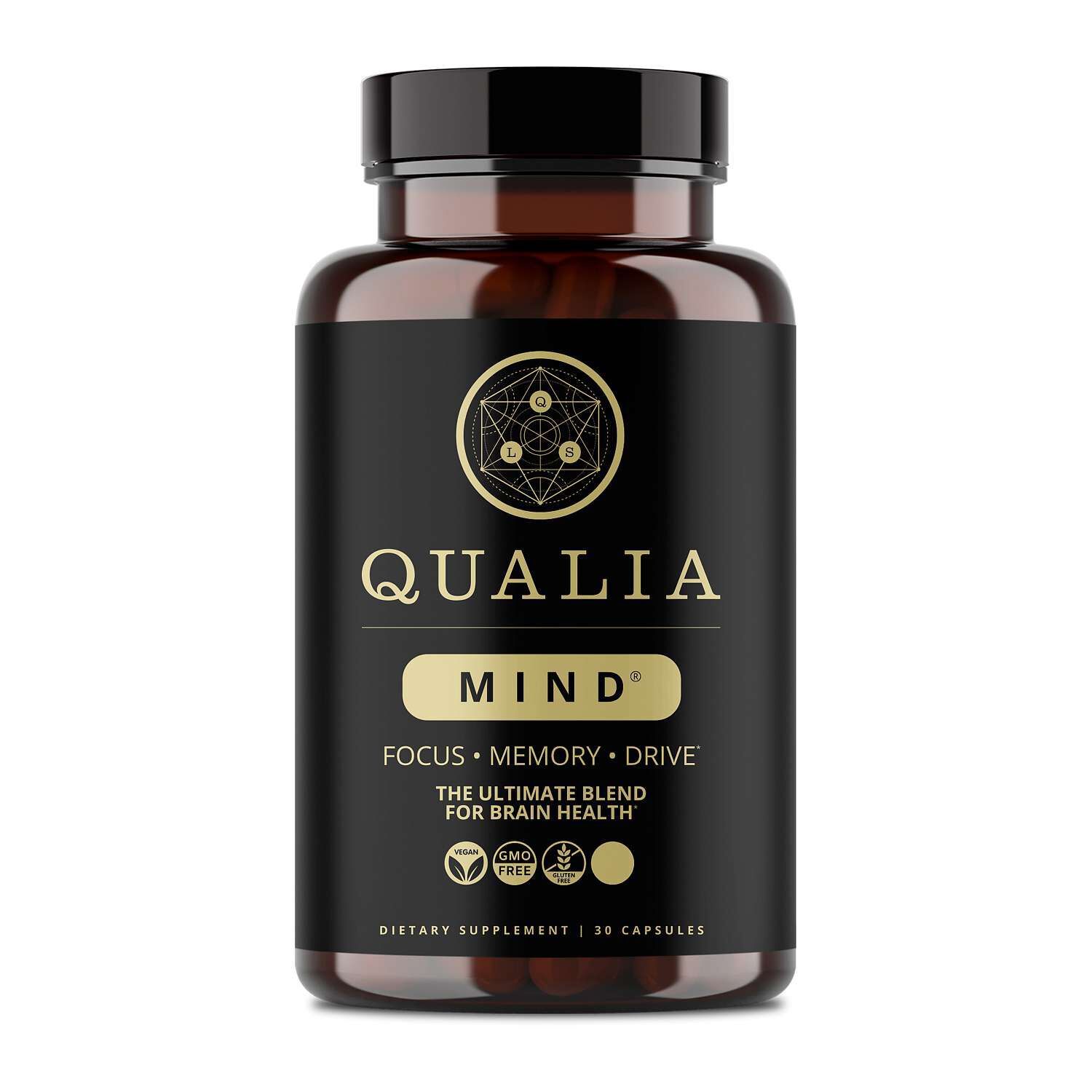
Concentration vitamins are dietary supplements marketed for focus, attention, and cognitive wellness, rather than a distinct type of vitamin. The category can include individual nutrients, B-complex formulas, and blends that combine vitamins with other ingredients. That distinction matters when comparing labels: a bottle described around concentration can have a very different composition from another with similar wording. B-complex formulas typically contain several B vitamins, while a single-nutrient formula centers on one, such as vitamin B12 or vitamin D. Some focus-oriented supplements also contain minerals, botanical ingredients, or omega-3 fatty acids, which are fats rather than vitamins. The category name describes an intended use, not an established result for every person. Research on vitamin supplementation and concentration varies by nutrient, study population, and nutritional status; evidence for improved focus in otherwise well-nourished adults is limited. A vitamin’s role in normal nutrition does not, by itself, establish that taking more could improve attention. For someone browsing with a busy workday, an evening course, or a detailed creative project in mind, the most useful distinctions are often straightforward: what the formula contains, how much is in a serving, and how the format fits an existing routine. A concentration supplement may appeal to adults interested in nutritional support alongside regular meals, consistent sleep, and time away from demanding tasks. It is not a substitute for those everyday habits, and its packaging cannot predict how an individual might respond. During cooler months, when more reading, studying, and desk work may move indoors, these practical details remain more meaningful than dramatic language on a label. A thoughtful comparison starts with the actual contents rather than the impression created by a product’s name. Formulas intended for daily use also deserve a different kind of consideration from products presented for a particular occasion, especially when the goal is a manageable routine rather than an expectation of an immediate change in concentration. Familiar nutrient names can make a label easier to recognize, but they do not make different formulas interchangeable.
The Supplement Facts panel provides a clearer picture of concentration vitamins than front-label descriptions alone. Serving size, nutrient amounts, and the number of servings per container all shape how a formula fits everyday use. A serving may consist of one capsule, two tablets, or several gummies, so the number printed on the front of a bottle is not necessarily the number of daily servings inside. Nutrient quantities may appear in milligrams or micrograms, and those units are not interchangeable. Percent Daily Value offers context for many vitamins and minerals, but a larger percentage is not a measure of how much a formula might help with focus. For blends with several ingredients, individually listed amounts provide a different degree of detail than a single combined amount for a proprietary blend. Caffeine content is another important distinction because not every concentration formula is centered solely on vitamins. Some contain caffeine, while others do not, and an ingredient list can reveal sources such as tea or coffee extracts. Comparing that information with personal preferences about caffeine is part of choosing an appropriate format and composition, not evidence that one type is better for everyone. Other ingredients also matter: capsule shells, coatings, sweeteners, colors, and flavorings influence the experience of taking a supplement. Someone who prefers plant-based capsule materials may look for cellulose rather than gelatin, while a shopper who dislikes sweet flavors may prefer an unflavored tablet or capsule over a chewable option. Dietary statements and allergen information deserve close attention when ingredient preferences shape a purchase. Manufacturing information and third-party testing, where stated, can add context about identity and quality, but they do not establish a concentration benefit. Similarly, familiar ingredients and attractive packaging are separate from evidence about a finished formula. These distinctions can make a comparison more grounded, particularly when several options share a focus-related description but differ substantially in serving size, ingredient transparency, or dietary suitability. Clear labeling leaves less room for assumptions about what a daily serving actually includes.
Format and storage are the everyday details that often determine whether concentration vitamins feel practical over time. Tablets and capsules generally come in bottles, though their dimensions, coatings, and serving counts vary. Gummies and chewables bring flavor and texture into the decision, while powders involve measuring and mixing according to the package directions. Liquids require attention to the stated serving measure and any storage directions after opening. For an adult who carries a work bag between home and an office, a securely closing container may be more useful than packaging chosen mainly for appearance. For someone with a settled morning routine, a bottle stored in a suitable cupboard may fit more naturally than a format that requires extra preparation. Adults taking evening classes or spending weekends on detailed hobbies may have different format preferences, but the intended user and age range still come from the label rather than the activity. Concentration vitamins are a personal purchase, and they are not an easy surprise gift when dietary preferences and existing supplement routines are unknown. Shoppers comparing options for everyday portability can also explore Convenient Vitamins, keeping the same attention on ingredients and serving instructions. With supplements, durability is less about wear and more about packaging integrity, the printed date, and storage conditions. Heat, moisture, and direct sunlight are relevant considerations, and the package specifies any particular requirements. A car console or a damp bathroom shelf can expose a container to conditions quite different from those in a cool, dry cupboard. Original packaging keeps the ingredient list, directions, lot information, and date together, which is useful throughout the life of the bottle. Travel containers may be compact, but they separate the contents from that reference information unless it is retained elsewhere. Concentration vitamins are best understood through this combination of context and detail: a clearly described nutritional formula, realistic expectations about the evidence, and a format suited to the person using it. Those qualities offer a more meaningful basis for browsing than a name that suggests sharper attention on its own.