CoQ10 Vegan
(0 Results)
CoQ10, a powerful antioxidant naturally produced by our bodies, plays a crucial role in supporting overall heart health and energy production. Our vegan-friendly CoQ10 supplements offer a convenient way to boost your daily intake of this essential nutrient, especially for those following a plant-based diet. With its potential to promote cardiovascular wellness and combat oxidative stress, CoQ10 is a must-have addition to your daily wellness routine. Discover our selection of vegan CoQ10 supplements to support your health and well-being today.

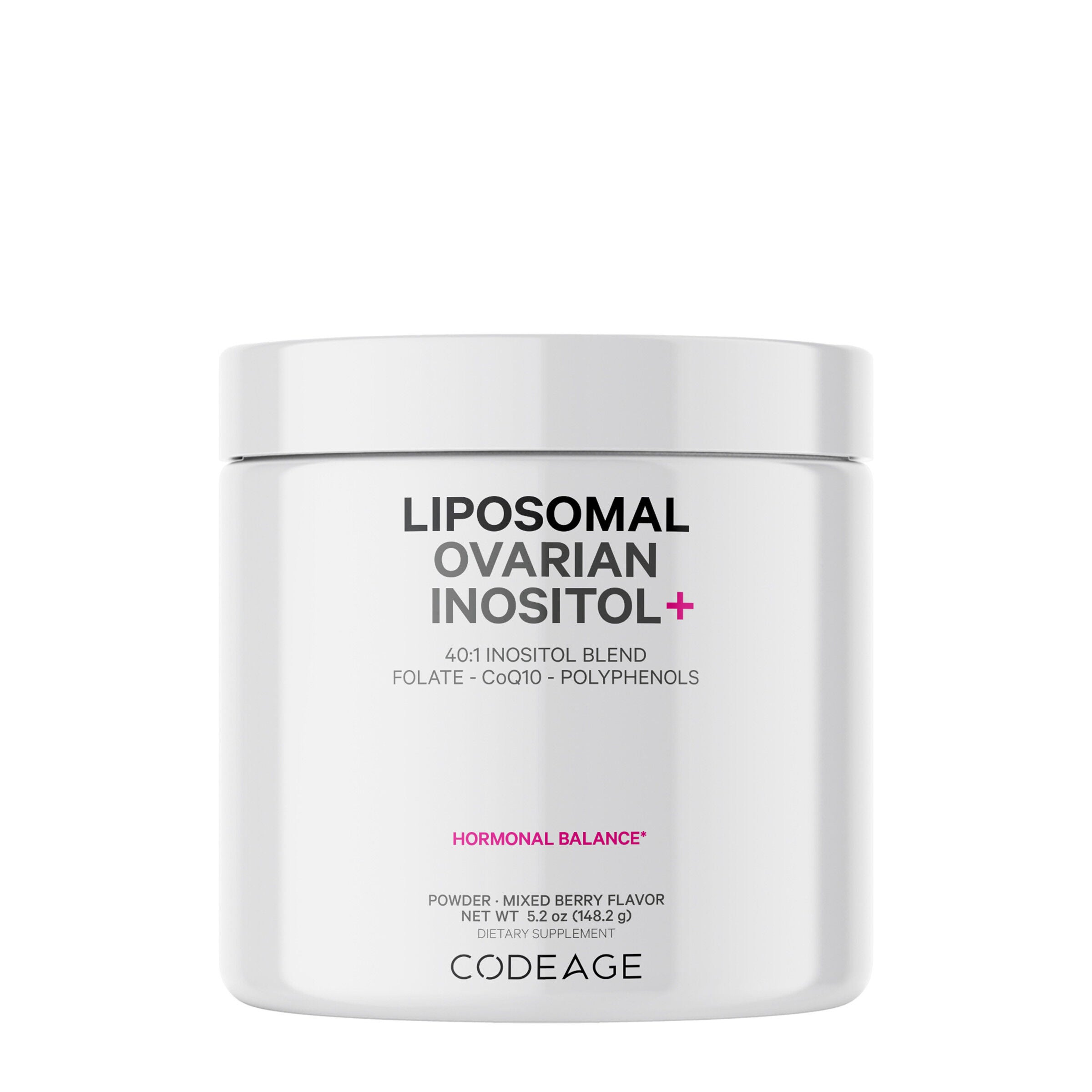
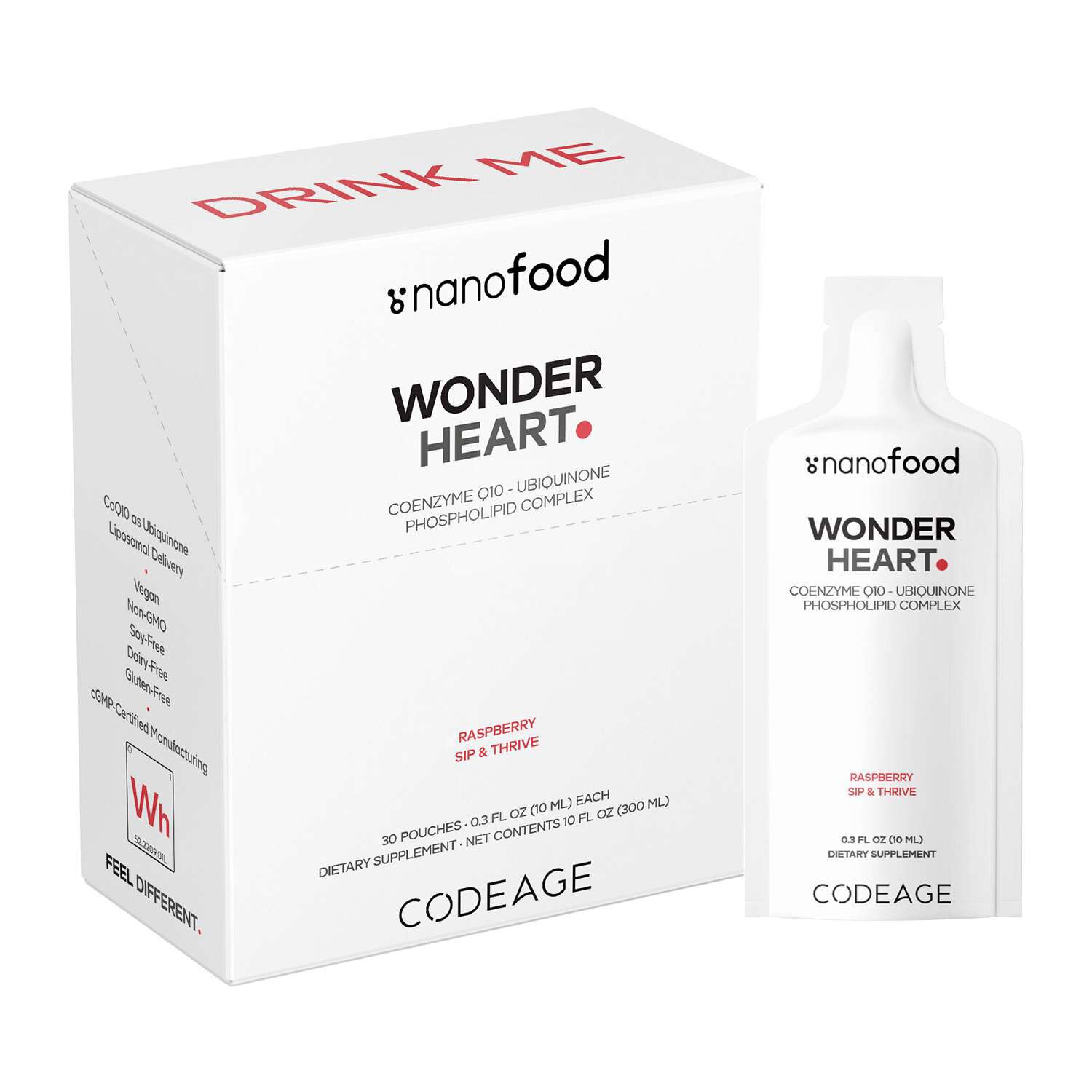


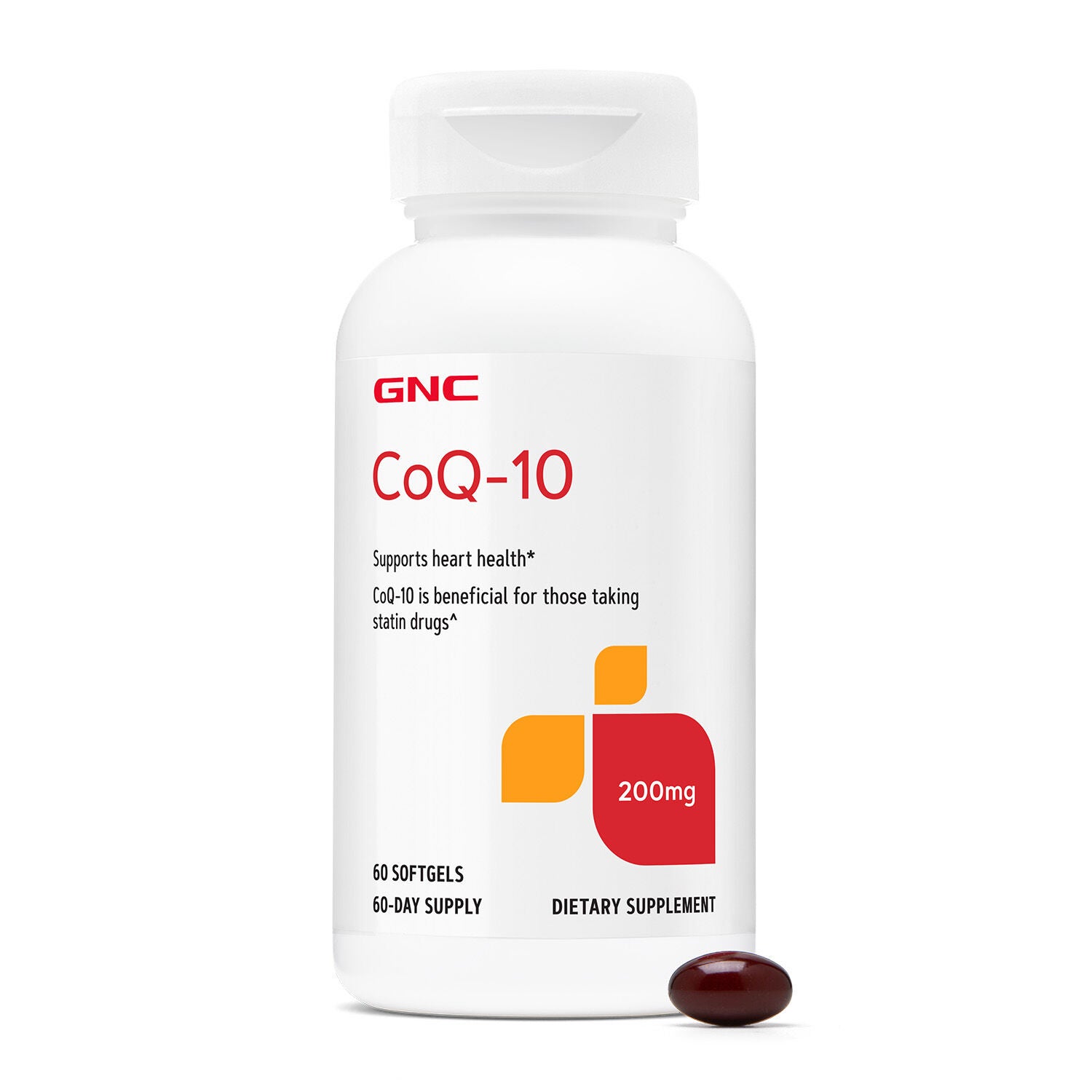
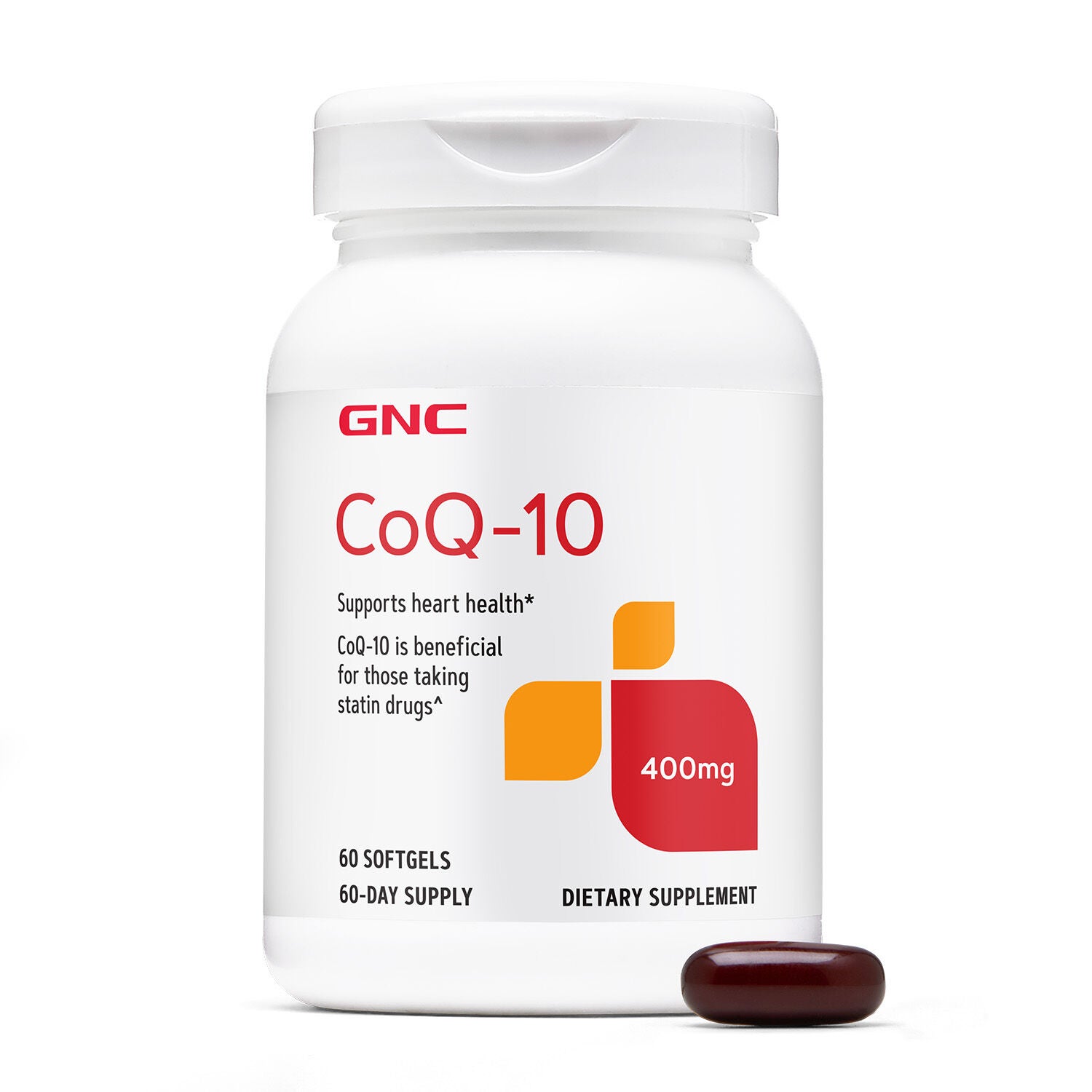
Vegan CoQ10 supplements pair coenzyme Q10 with capsule materials and other ingredients selected to suit a vegan diet. CoQ10 is a compound that occurs naturally in the human body, but the source of a supplement’s CoQ10 and the composition of its finished formula are separate considerations. Fermentation using yeast or bacteria is a common way to produce CoQ10 for supplements without relying on animal sources. That background matters, yet fermentation alone does not establish that everything inside the bottle is vegan. The outer shell, carrier oils, colors, and processing ingredients also deserve attention. A clearly stated vegan designation provides more useful context than a plant-inspired package design or a reference to vegetable capsules alone. For shoppers comparing vegan CoQ10 capsules and softgels, the most informative details usually appear across the Supplement Facts panel, the other ingredients list, and the manufacturer’s sourcing information. Capsule shells may contain hypromellose, a cellulose-derived material, while vegan softgel shells may use starches or other nonanimal ingredients. Conventional gelatin comes from animal sources, so a gelatin softgel does not fit a vegan preference even when the CoQ10 inside comes from fermentation. Glycerin can have different origins, making an explicit vegan designation particularly helpful when its source is not stated. Vegetarian and vegan descriptions are not interchangeable, either: a vegetarian designation does not necessarily exclude every animal-derived ingredient. Someone who follows a vegan eating pattern may value that distinction just as much in a supplement as in a pantry staple. Others may be interested in plant-based capsule materials without following an entirely vegan diet. In either case, the category brings together two points of comparison: the form and amount of CoQ10, and the suitability of the entire formulation for the shopper’s preferences. Clear labeling helps connect those details without relying on assumptions about the appearance of a capsule, the color of its contents, or the imagery on its packaging.
The physical format of a vegan CoQ10 supplement can make a meaningful difference to how it fits into an everyday routine. Capsules generally have a shell surrounding powdered ingredients or, in some formulations, a liquid fill; softgels enclose a liquid or oil-based mixture within a sealed shell. Neither format is automatically vegan, and an oil-based fill does not establish the origin of the surrounding material. CoQ10 is fat-soluble, which explains why carrier oils appear in some formulations. Those oils are part of the product’s composition rather than proof of a particular result. For someone who prefers that format, CoQ10 Supplement Softgels offers a related category to consider alongside the vegan designation and ingredient details of each formula. CoQ10 labels may also identify ubiquinone or ubiquinol, two forms of the compound. The name of either form does not, by itself, establish vegan suitability, so sourcing and shell composition remain relevant to both. Amounts such as 100 mg and 200 mg describe a quantity of CoQ10, not the size of the capsule or the number of pieces in a serving. A bottle’s front panel may highlight an amount per serving, while the Supplement Facts panel explains how many capsules or softgels make up that serving. Comparing those two details together makes the label easier to interpret. A count of 60 capsules, for example, is not necessarily 60 servings. Capsule dimensions, serving size, and package directions can all influence practical fit, particularly for shoppers who already have an established supplement routine. A person who prefers a shorter ingredient list may focus on a straightforward formula, while someone with particular dietary preferences may look more closely at carrier oils, added colors, or flavoring ingredients. Vegan labeling also does not establish suitability for every food sensitivity. Separate allergen statements and ingredient disclosures provide context that a vegan designation cannot supply on its own. These distinctions make careful label comparison more useful than choosing solely by a prominent number or a familiar capsule shape.
Day-to-day handling is another part of choosing vegan CoQ10, especially when a bottle will spend time on a kitchen shelf, in a work bag, or packed for an overnight visit. Supplement packaging serves a practical purpose: the container, closure, and any protective insert are designed around the contents. Storage directions vary by formulation, so the conditions printed on the package are the appropriate reference for temperature, moisture, and light exposure. A shelf away from the steam of a dishwasher is a different environment from a damp bathroom cabinet, and a bag left in a warm vehicle is different from a drawer indoors. Softgels and capsule shells can respond differently to heat and humidity; neither should be treated as durable simply because the bottle is sturdy. Keeping the original label with the product preserves access to its directions, ingredient information, lot information, and expiration date. For travel, the original container also keeps the product identifiable rather than leaving loose capsules in an unmarked pouch. Package size deserves similar practical consideration. A larger bottle occupies more space, while a smaller container may fit more comfortably into a compact cabinet or travel organizer. The relationship between the capsule count and the labeled serving size helps explain how a package fits a routine, without assuming that a higher amount is a better match. During the cooler months, when workdays, indoor activities, and travel can change the rhythm of the day, familiar packaging and readable directions may be especially convenient. These products may interest adults who already choose vegan supplements, people reviewing animal-derived ingredients across their personal purchases, or shoppers seeking a CoQ10 format that aligns with an established preference. Supplements are personal purchases, so a gift is generally more considerate when the recipient has already expressed interest in that type of product and its formulation. Across these situations, the most relevant comparison stays grounded in tangible details: documented vegan suitability, clearly identified CoQ10 form, understandable serving information, suitable capsule materials, and storage requirements that fit the setting where the bottle will be kept.