





CoQ10 Soy Free Supplements
(0 Results)
Coenzyme Q10, commonly known as CoQ10, is a vital nutrient that plays a key role in producing energy for our cells. Our Soy-Free CoQ10 supplements are designed to support overall heart health and provide antioxidant protection to combat free radicals in your body. With our high-quality formula, you can ensure that you're getting all of CoQ10's benefits without any soy-based ingredients. Explore our selection of Soy-Free CoQ10 supplements to find a product that fits seamlessly into your daily wellness routine.


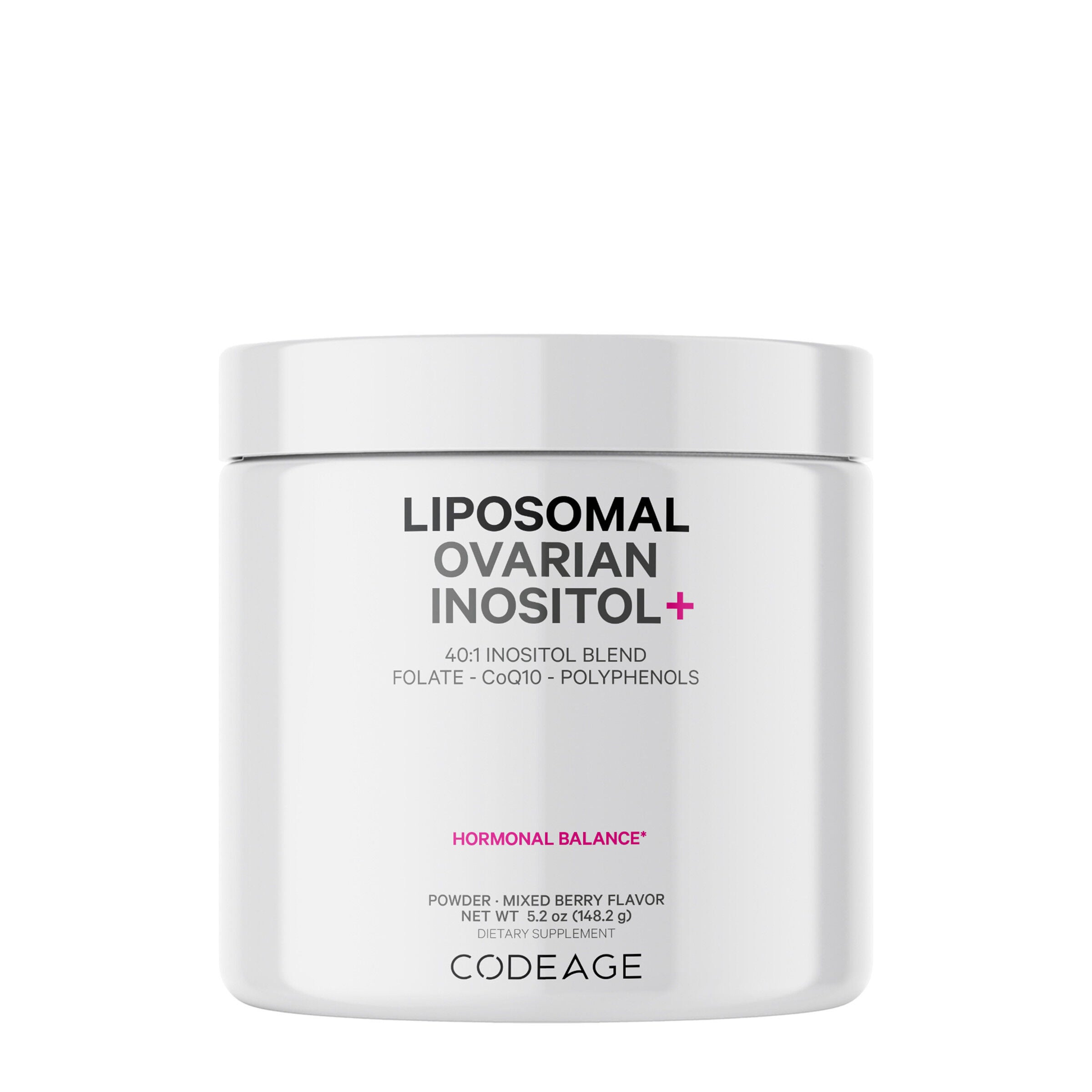

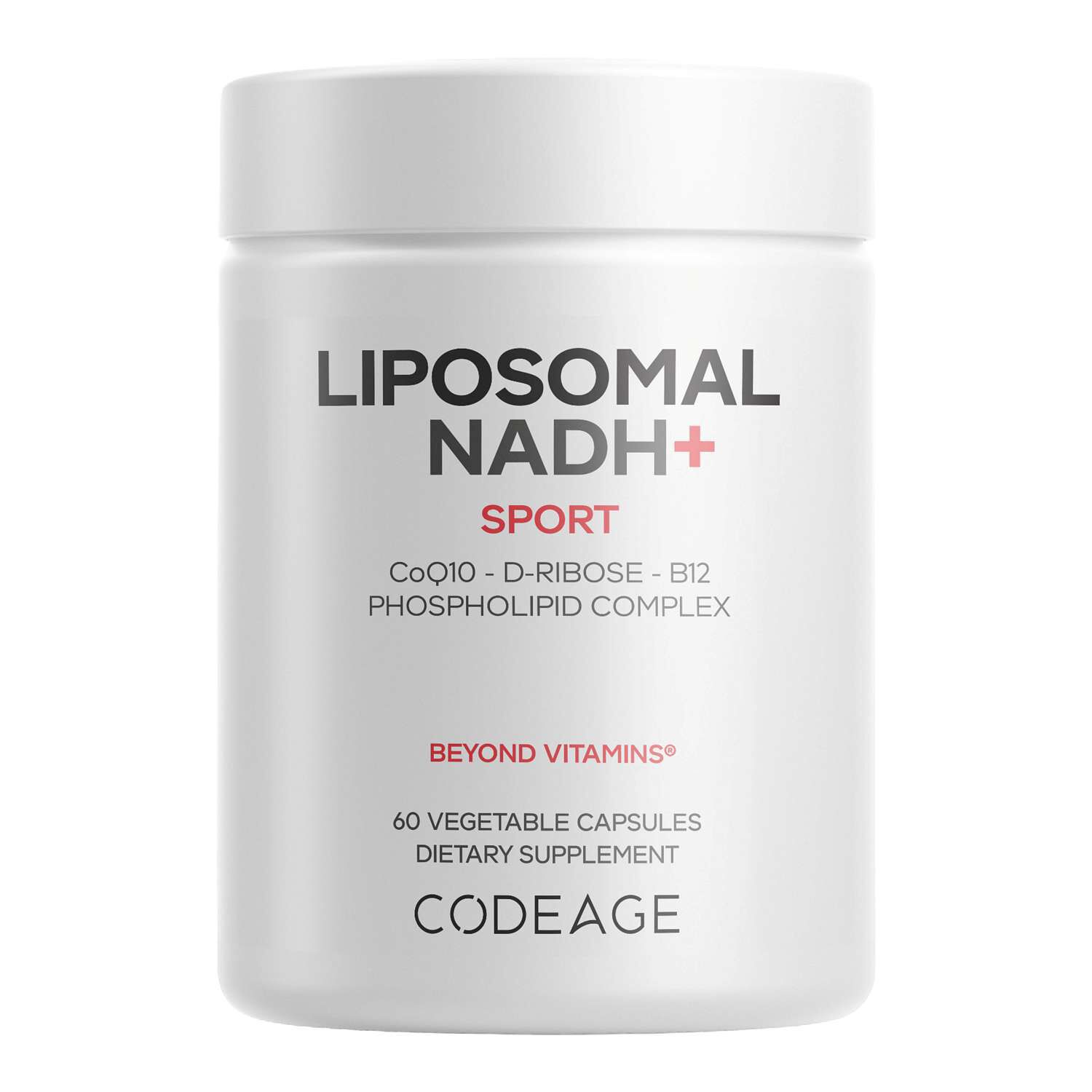
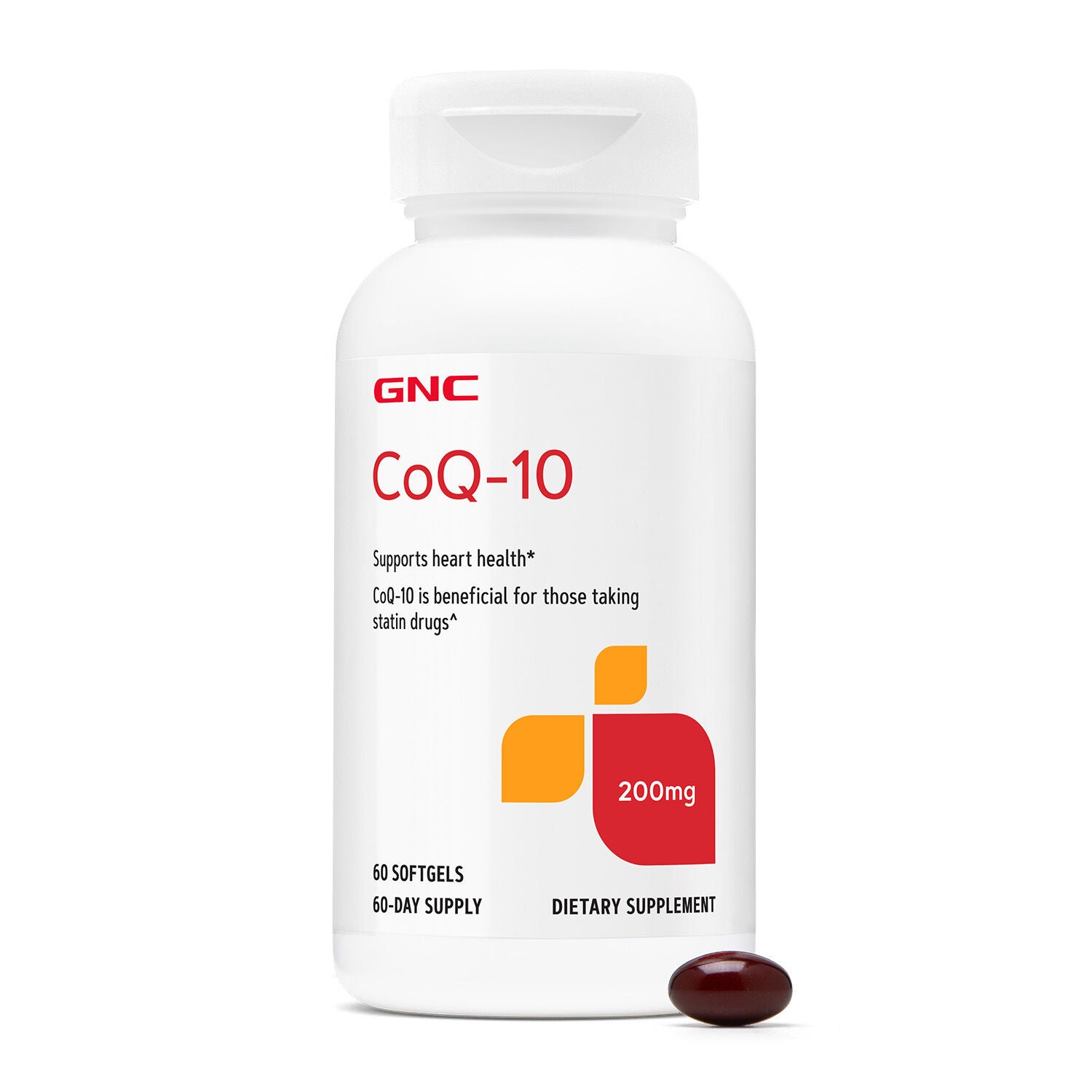
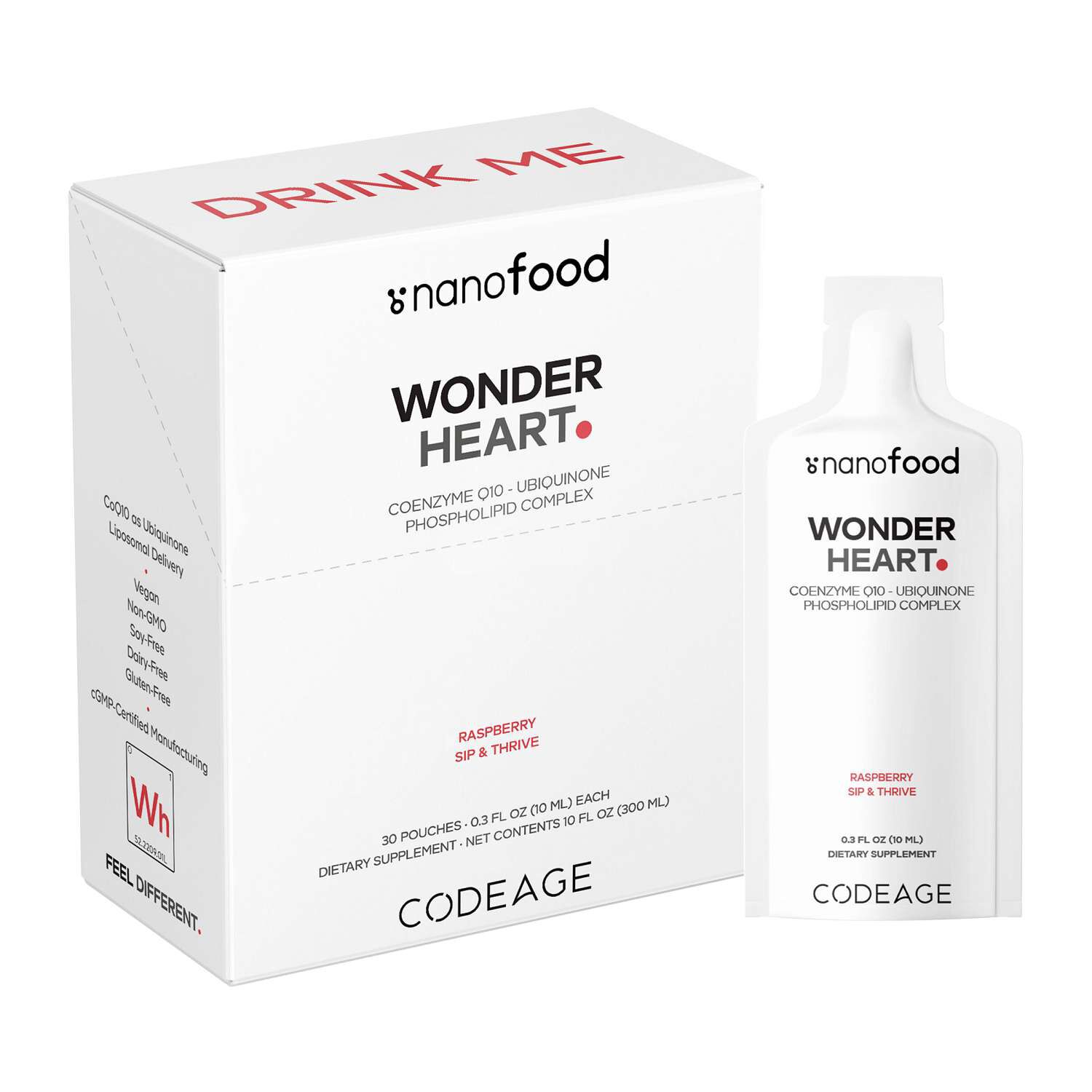
CoQ10 supplements formulated without soy pair coenzyme Q10 with capsule materials, carriers, and other ingredients selected to exclude soy-derived components. CoQ10 is a naturally occurring compound found in the body and in certain foods, and it appears in supplements under names such as coenzyme Q10, ubiquinone, and ubiquinol. Ubiquinone and ubiquinol are different forms of the same compound, so those terms describe the CoQ10 itself rather than whether a formula contains soy. The distinction matters because the source of a carrier oil or capsule ingredient is a separate part of the formulation. Some CoQ10 softgels use soybean oil, while formulas made without soy may use alternatives such as olive oil, sunflower oil, or another identified carrier. Other formats include capsules containing a powdered preparation. Because CoQ10 is fat-soluble, the presence of an oil in a softgel is a formulation detail rather than an indication that the oil is the featured supplement ingredient. Lecithin deserves its own attention: it can come from different sources, and a label that identifies sunflower lecithin provides more specific information than a label that simply says lecithin. Capsule shells also vary, with gelatin and plant-derived materials representing different options. A vegetarian capsule does not, by itself, establish that every ingredient inside it was made without soy. Likewise, a formula made without soy is not necessarily vegetarian or vegan. For shoppers with several dietary preferences, these are separate characteristics worth comparing rather than interchangeable descriptions. The Supplement Facts panel, other-ingredients list, and allergen information together provide a fuller picture of how a formula is made. A front-label statement offers a useful starting point, while the details elsewhere on the package identify the carrier, shell materials, and additional ingredients that distinguish one formulation from another. Ingredient descriptions also help separate the amount of CoQ10 from the materials used to package it into a practical serving.
Format and serving details shape the everyday experience of choosing CoQ10 supplements without soy. A softgel has a sealed shell around its contents, while a capsule may contain a powdered blend; either format can include ingredients beyond CoQ10. Beeswax, rice flour, glycerin, and other formulation ingredients may appear on labels, depending on the preparation. Their presence does not establish whether soy is included, which is why ingredient names and identified sources matter more than assumptions based on appearance. Two bottles can display a similar CoQ10 amount on the front yet list different serving sizes on the Supplement Facts panel. An amount listed per serving is not always the amount in a single capsule or softgel, and the number of servings in a container is different from the number of individual pieces. Those distinctions may matter to someone who prefers fewer pieces in a daily routine or wants a bottle that fits neatly beside other regularly used supplements. Physical dimensions matter, too: capsule size, softgel shape, and the container opening are practical considerations that a photograph alone may not communicate. A compact bottle may suit a small cabinet, while clearly printed directions may be particularly useful in a shared household where several supplement containers sit together. A person comparing labels at the kitchen counter might prioritize a short ingredient list; another might focus on a plant-derived shell and a specifically named oil. Neither preference makes a formula universally better. The closer match depends on the combination of format, serving information, and dietary attributes that matters to the individual. Any additional vitamins or other featured ingredients also belong in that comparison, since a combination formula differs from one centered on CoQ10 alone. Clear labeling makes those differences easier to recognize without relying on bottle color, capsule color, or broad front-label descriptions.
Adults browsing this category may be looking for CoQ10 that aligns with an established preference to avoid soy, a particular capsule material, or a carefully organized supplement routine. Someone who already pays close attention to food labels may bring the same attention to carrier oils and capsule ingredients. A shopper who prefers plant-derived materials may want both a suitable shell and clearly identified contents, rather than treating either detail as a substitute for the other. For a related collection organized around a different shopping interest, CoQ10 Supplements for Women offers another place to compare formulations; the same distinctions among CoQ10 form, serving size, and other ingredients remain relevant. A collection name alone does not describe every dietary attribute of each formula. Ingredient exclusions and manufacturing statements also communicate different information. A formula described as made without soy addresses its composition, while a facility or shared-equipment statement addresses aspects of production. Neither should be treated as interchangeable with the other, and any uncertainty about an ingredient source is a reason to seek clarification from the manufacturer rather than infer an answer from the package design. Once selected, the supplement’s original labeled container keeps its directions, ingredient information, lot details, and date markings together. An intact seal and a legible label are useful packaging features, and the stated storage directions provide the relevant conditions for that particular formula. A dry cabinet away from a sink may be more practical than a spot beside splashing water, provided it meets the label’s instructions. Keeping the closure secure and retaining the package information may also make ongoing use and later comparisons simpler. CoQ10 supplements without soy are ultimately distinguished by the details inside and outside the capsule: the named form of CoQ10, the carrier, the shell, the serving information, and the clarity of the ingredient disclosures. Together, those details give shoppers a grounded basis for choosing a format that fits their preferences.
Best Sellers


Related Pages
Top Collections
- Joint Mobility Supplement Packs
- Daily Collagen Supplements | Top Brands & Deals | GNC
- GLP 1 Support For Adults
- Zinc Supplements | Top Brands at Great Prices | GNC
- Supplements For Yoga Joint Flexibility
- Supplements For Balance
- Capsule Supplements For Energy And Stamina
- Adult Mobility Supplements
- Chronic Fatigue Supplements
- Vitamins For Hair Loss