





CoQ10 Heart Supplements
(0 Results)
Discover the potential benefits of coq10 heart supplements, a popular choice for those looking to support cardiovascular health. Coenzyme Q10, often referred to as CoQ10, is a naturally occurring antioxidant in the body that plays a crucial role in energy production and may contribute to overall heart wellness. These supplements might offer an additional source of this vital nutrient, which could be beneficial for individuals seeking to maintain or improve their heart health. Explore a variety of coq10 heart supplements that may fit seamlessly into your wellness routine and help support your journey toward optimal cardiovascular function.
-
-

-
-
-

-
-

-
-
-
 1$19.99
-

-

-

-

-

-

-

-
-

-
-
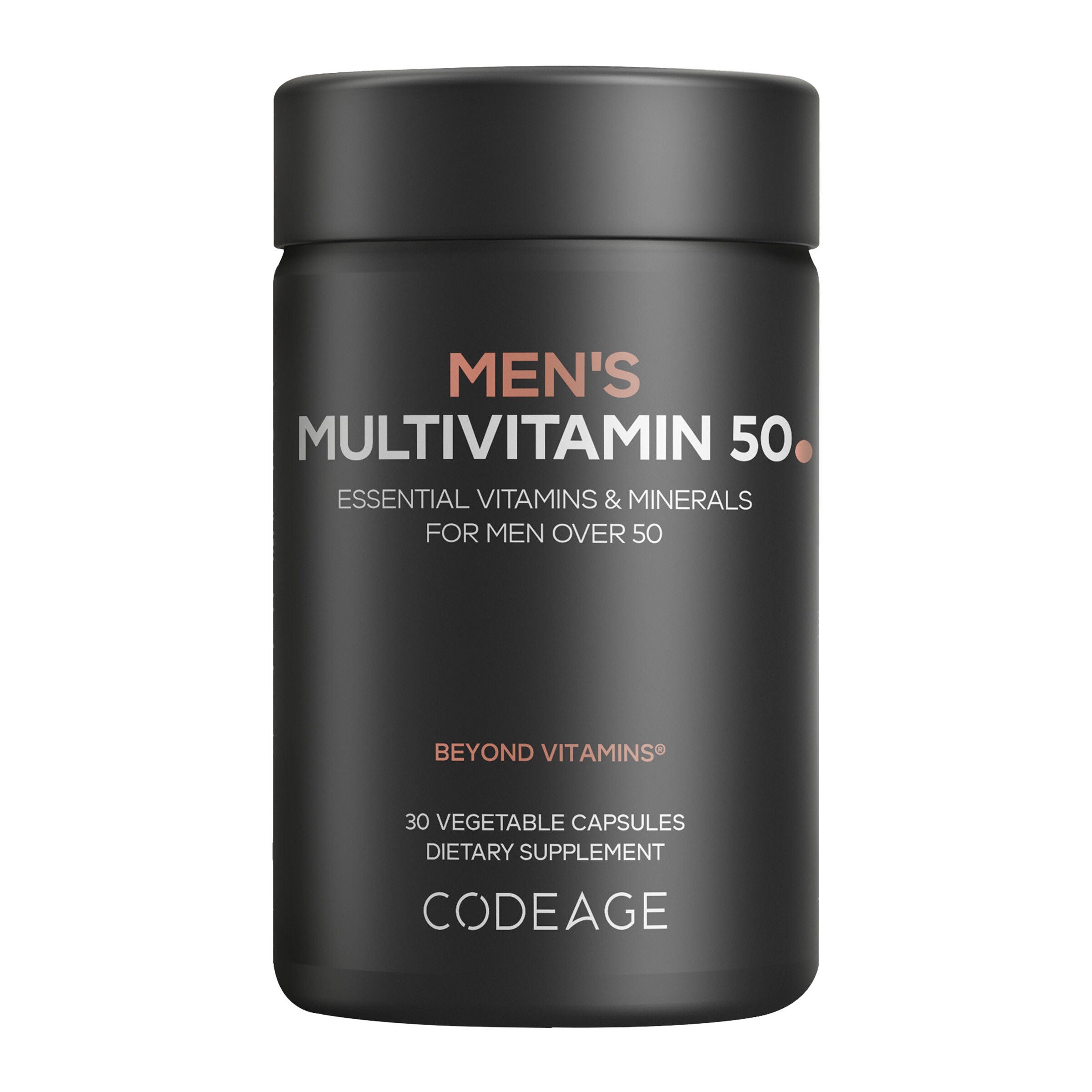
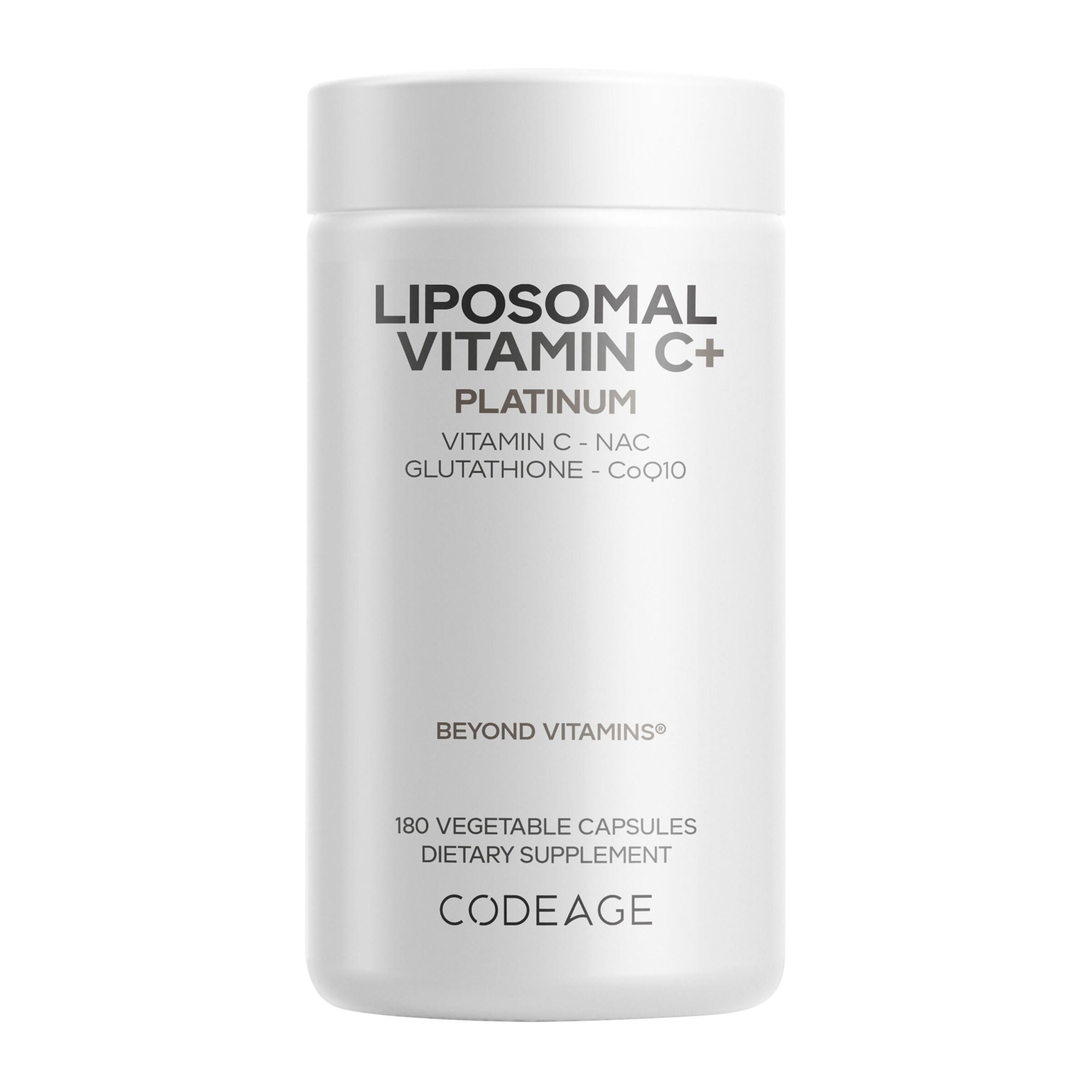 Codeage$69.99
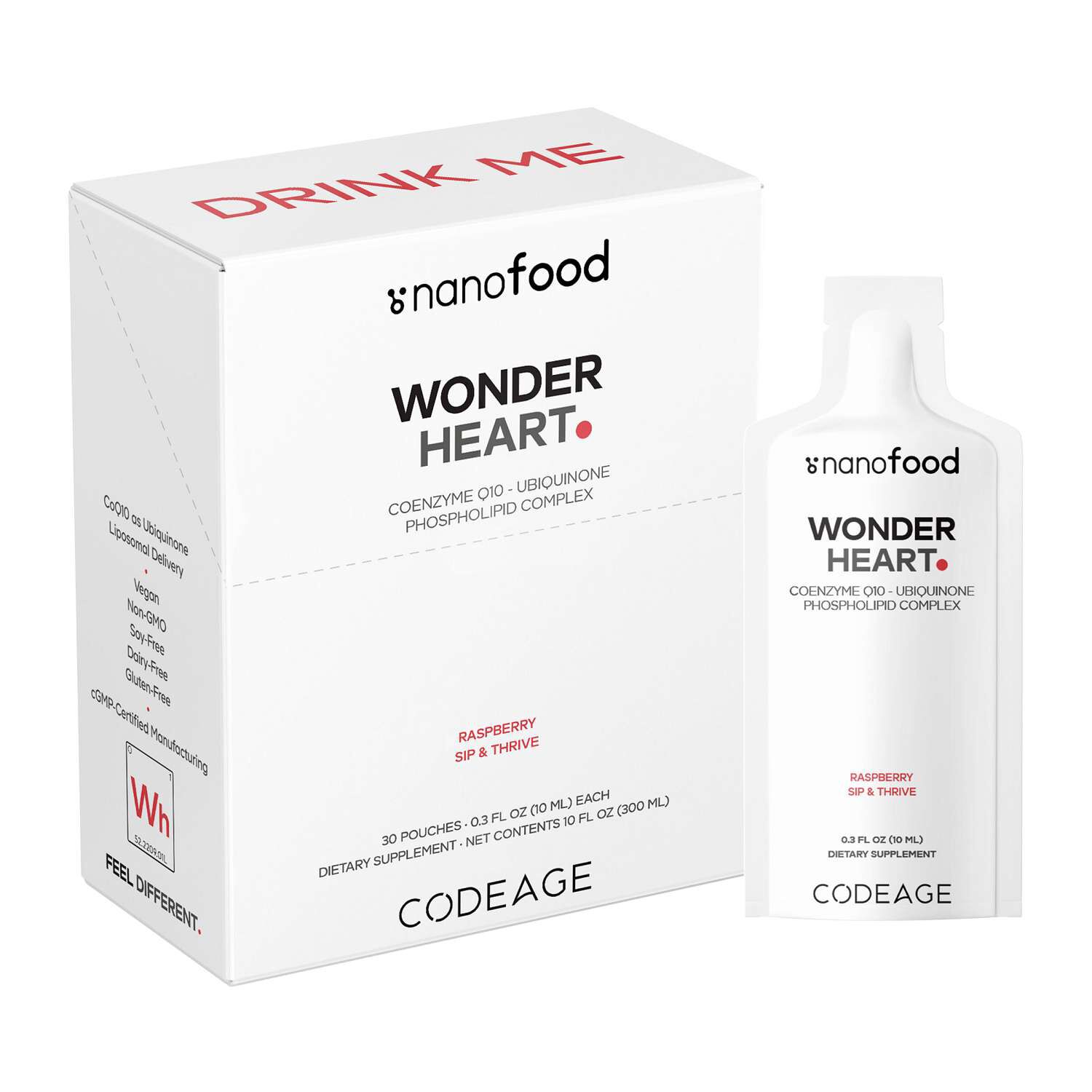


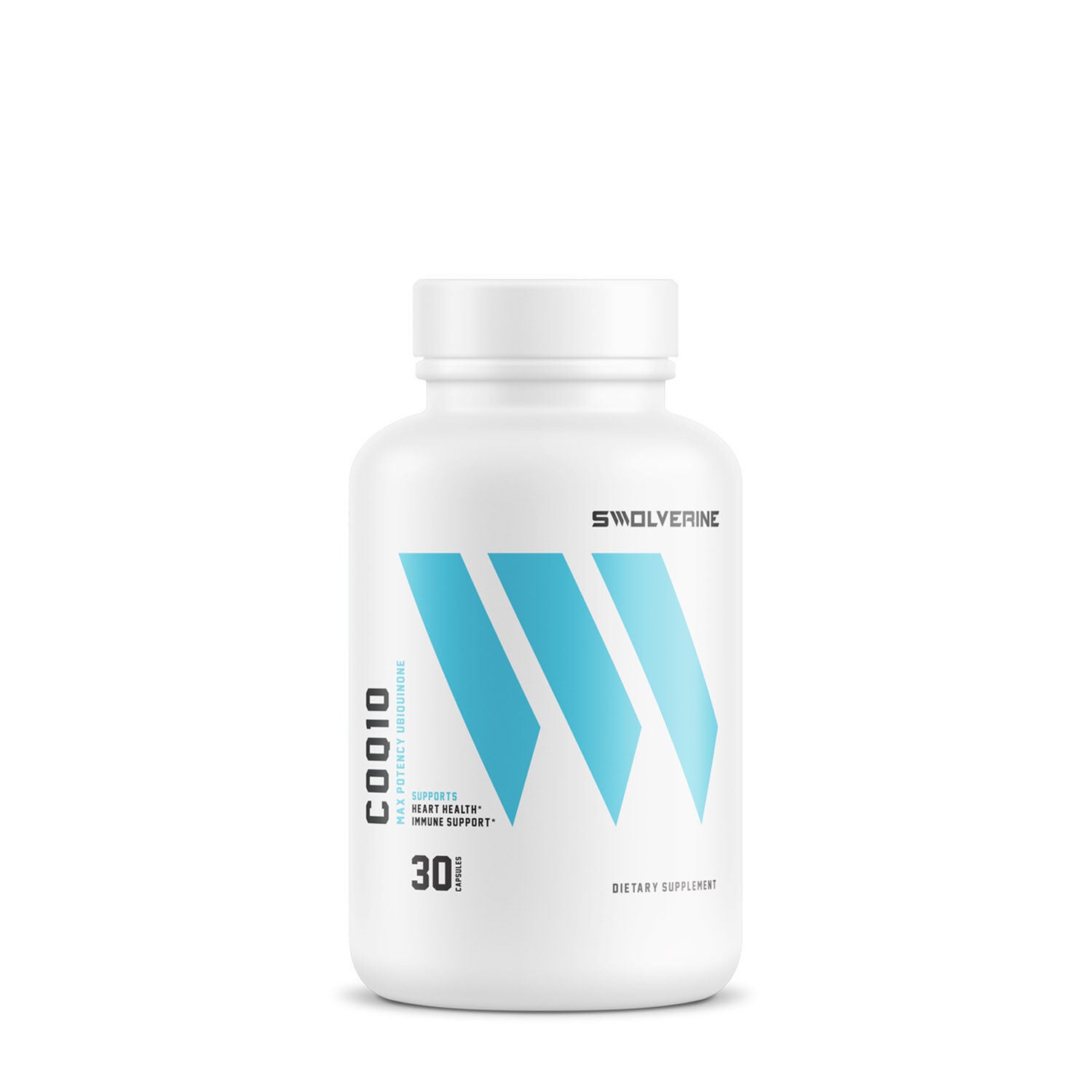
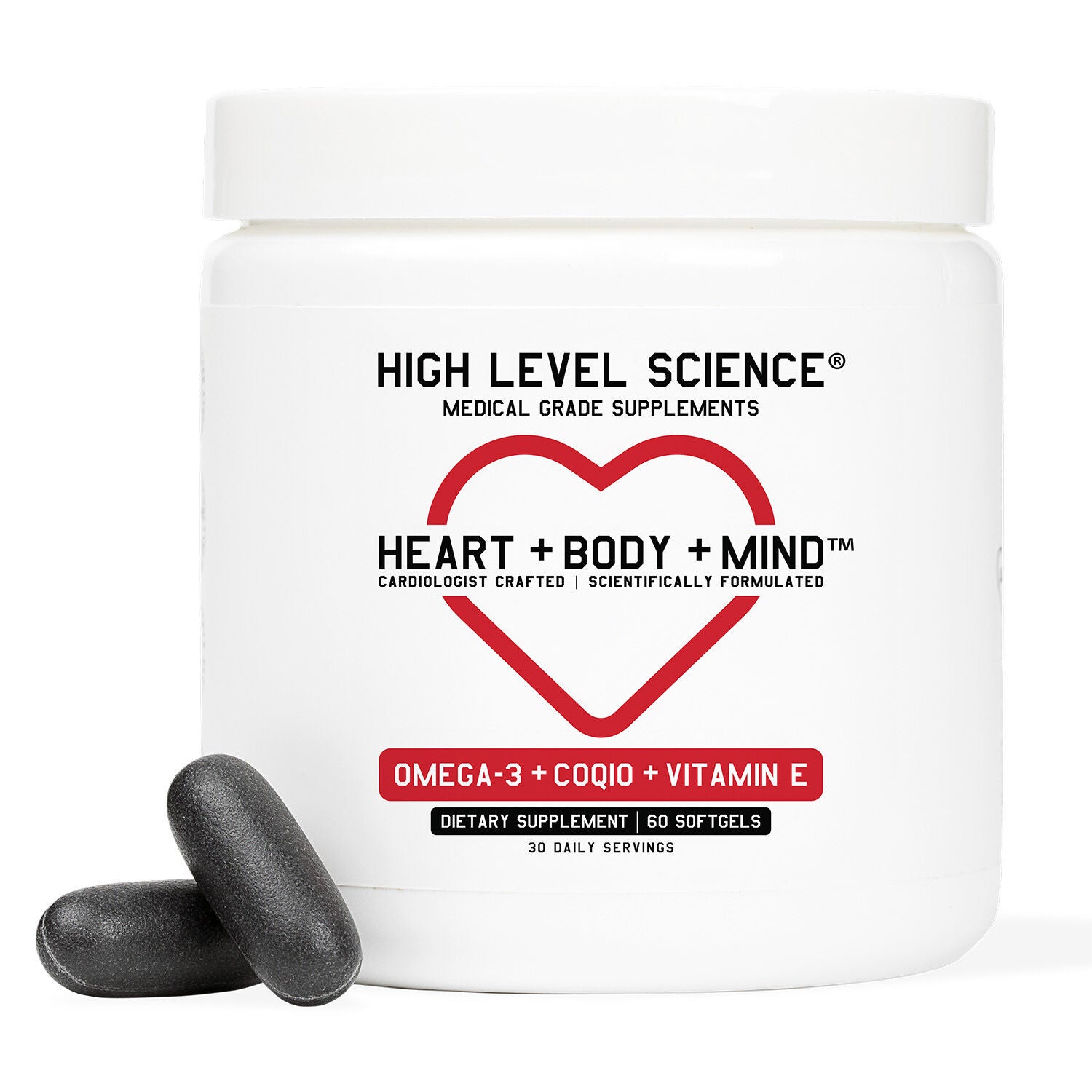
CoQ10 heart supplements are a category of dietary supplements centered on coenzyme Q10, a compound found naturally in the body and in certain foods. Often shortened to CoQ10 on packaging, this ingredient appears in adult wellness formulas in several forms, serving sizes, and ingredient combinations. Shoppers exploring this category may be looking for a single-ingredient supplement, a particular CoQ10 form, or a format that fits an established routine. The word “heart” provides context for the category, but it does not describe a uniform formula or a certain outcome. Two bottles with similar names can differ in the amount per serving, the number of capsules in a serving, the surrounding ingredients, and the suggested use printed on the label. Those details provide a more meaningful basis for comparison than the front label alone. Ubiquinone and ubiquinol are two forms of CoQ10 commonly identified on supplement packaging. Ubiquinone is the oxidized form, while ubiquinol is the reduced form; these terms describe their chemical state rather than a universal ranking of quality. Both belong to the CoQ10 family, and the form name is only one part of understanding a formula. CoQ10 is also fat-soluble, a characteristic relevant to the way some supplements are formulated with oils or other accompanying ingredients. That formulation detail does not, by itself, establish how a particular supplement will perform for every person. For shoppers, the practical distinction is between what a label actually states and what a category name might suggest. Clearly presented ingredient information, an understandable serving size, and a format suited to personal preferences can make the selection process more straightforward. A preference for ubiquinol, for example, still leaves meaningful choices involving capsule materials, additional ingredients, bottle size, and packaging. This category is best understood as a group of related supplements with different characteristics, rather than a single interchangeable formula.
The physical format of a CoQ10 supplement can matter just as much to everyday use as the ingredient name. Softgels generally have a smooth outer shell and contain a liquid or oil-based fill, while other capsule formats have their own shell materials and ingredient arrangements. Tablet and chewable formats, where represented in the category, bring different considerations involving texture, flavor, and serving size. A shopper accustomed to a compact capsule may have different preferences from someone who wants a chewable option, and photographs do not always convey the dimensions of a serving. Descriptions of capsule size, shape, and format are useful alongside the Supplement Facts panel. Shell ingredients also deserve attention: gelatin-based and plant-derived materials are not the same, and the outer shell is part of the formula even when it is not featured prominently on the front of the bottle. Oils, flavorings, colors, and other accompanying ingredients may also distinguish otherwise similar CoQ10 supplements. For someone with dietary preferences or ingredient restrictions, a clearly stated formulation is more informative than assumptions based on the format. A softgel, for instance, does not automatically indicate a particular oil source or shell composition. Single-ingredient formulas keep the focus on CoQ10, while combination formulas include other named ingredients that require their own label review. Neither approach is automatically the better fit for every shopper. Amount per serving and amount per capsule are another important distinction. A displayed milligram amount may refer to a serving made up of more than one capsule, so capsule count alone does not reveal how many servings a bottle contains. Likewise, a higher stated amount is not a substitute for understanding intended use. The most useful comparison brings together the CoQ10 form, amount per serving, serving size, other ingredients, and package directions. Those concrete details can clarify whether two similar-looking supplements actually match the same preferences, without relying on broad wording or treating every bottle in the category as equivalent.
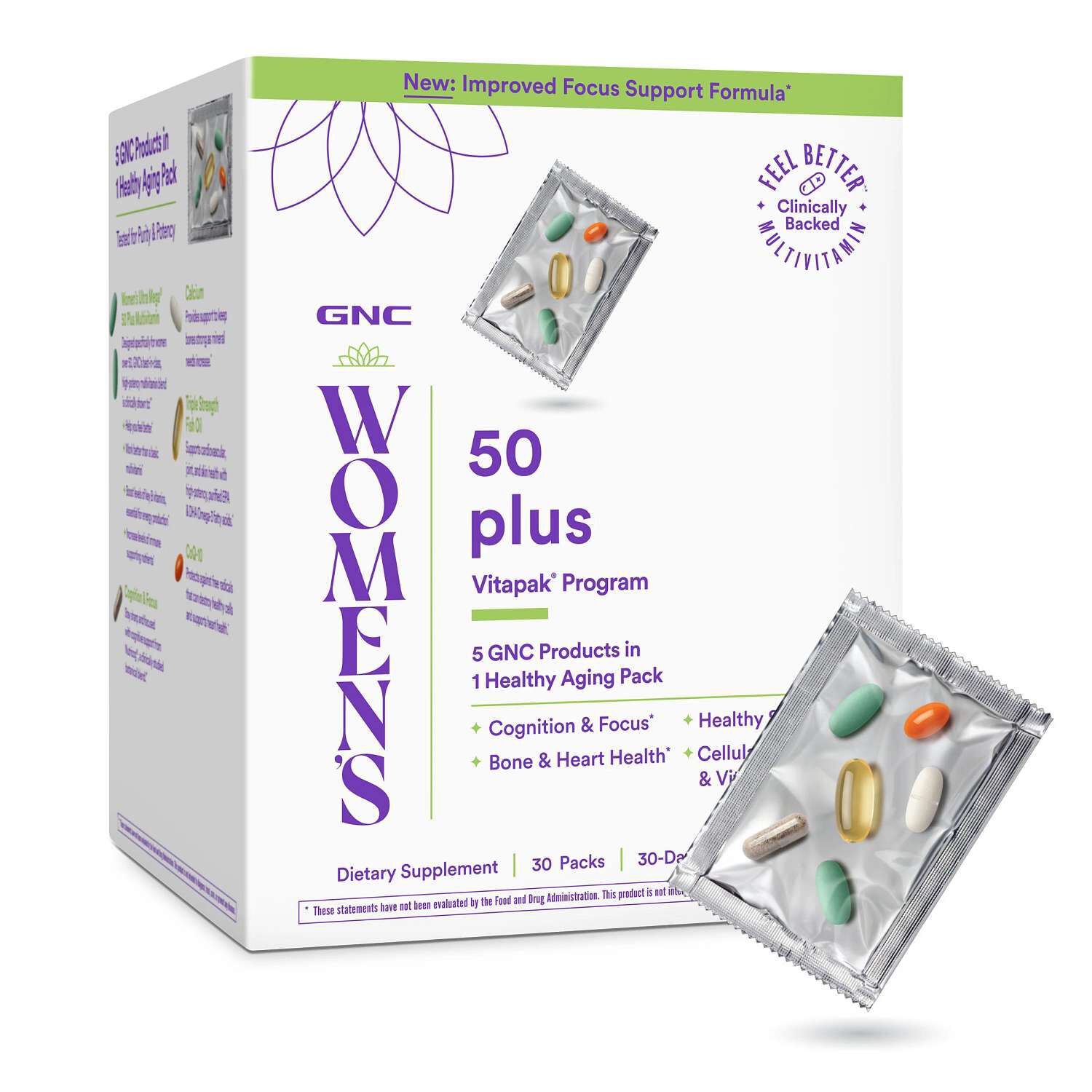
Intended use and packaging add another layer to choosing CoQ10 heart supplements for an adult wellness routine. A bottle kept in its original container offers a different everyday experience from individually packaged servings, particularly for someone who carries supplements between home and work. Container dimensions, closure style, and label readability can influence how convenient a format feels in practice. A small kitchen cabinet, a crowded personal-care shelf, or a work bag with limited space each presents a different storage situation, although package storage directions remain the relevant reference. The original container also keeps the ingredient list, suggested use, lot information, and expiration date together, making it easier to identify the formula later. Packaging integrity matters because supplement containers are designed to protect their contents during ordinary handling and storage. An intact inner seal at first opening and a securely closed cap afterward are practical details, not evidence of a particular wellness outcome. For longer-term organization, the number of servings provides a clearer picture than bottle size: a large container does not necessarily represent more days of use, especially when serving sizes differ. Label directions and warnings also distinguish products intended for different users, so an adult wellness supplement should not be assumed suitable for every member of a household. Personal suitability is separate from a product’s appearance, format, or category placement. CoQ10 supplements are not substitutes for meals, varied food choices, or individualized professional care, and a category description cannot establish whether a supplement belongs in a particular person’s routine. Shoppers interested in another way these formulas are grouped can also explore CoQ10 Supplements For Antioxidant Benefits, while continuing to compare the specific information on each label. Across these related categories, the most useful distinctions remain tangible: the named CoQ10 form, the composition of the capsule or softgel, the amount in each serving, the presence of additional ingredients, and the packaging suited to everyday handling. Together, these details offer a grounded view of CoQ10 supplements that respects individual preferences without turning a familiar ingredient name into an expectation of identical results.