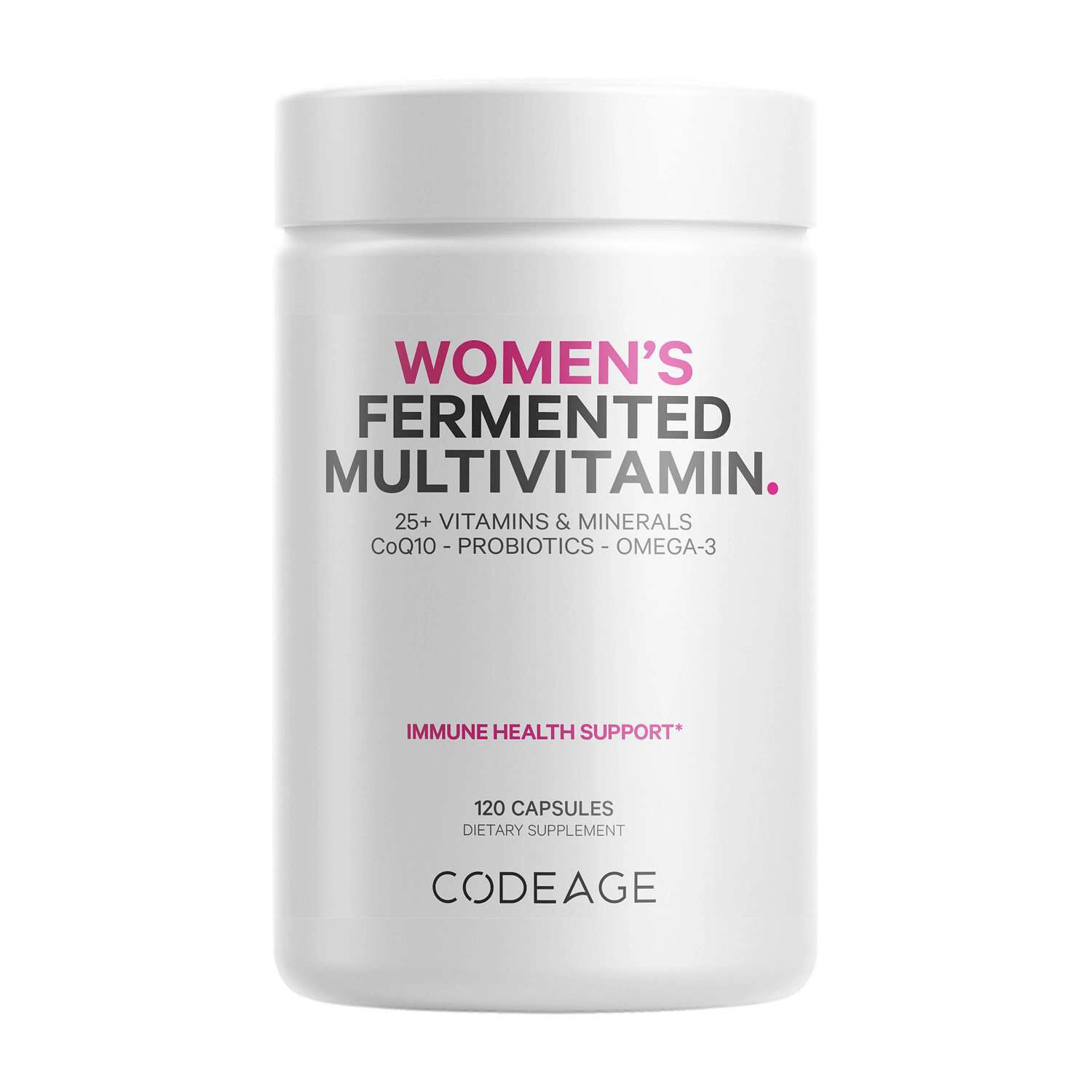
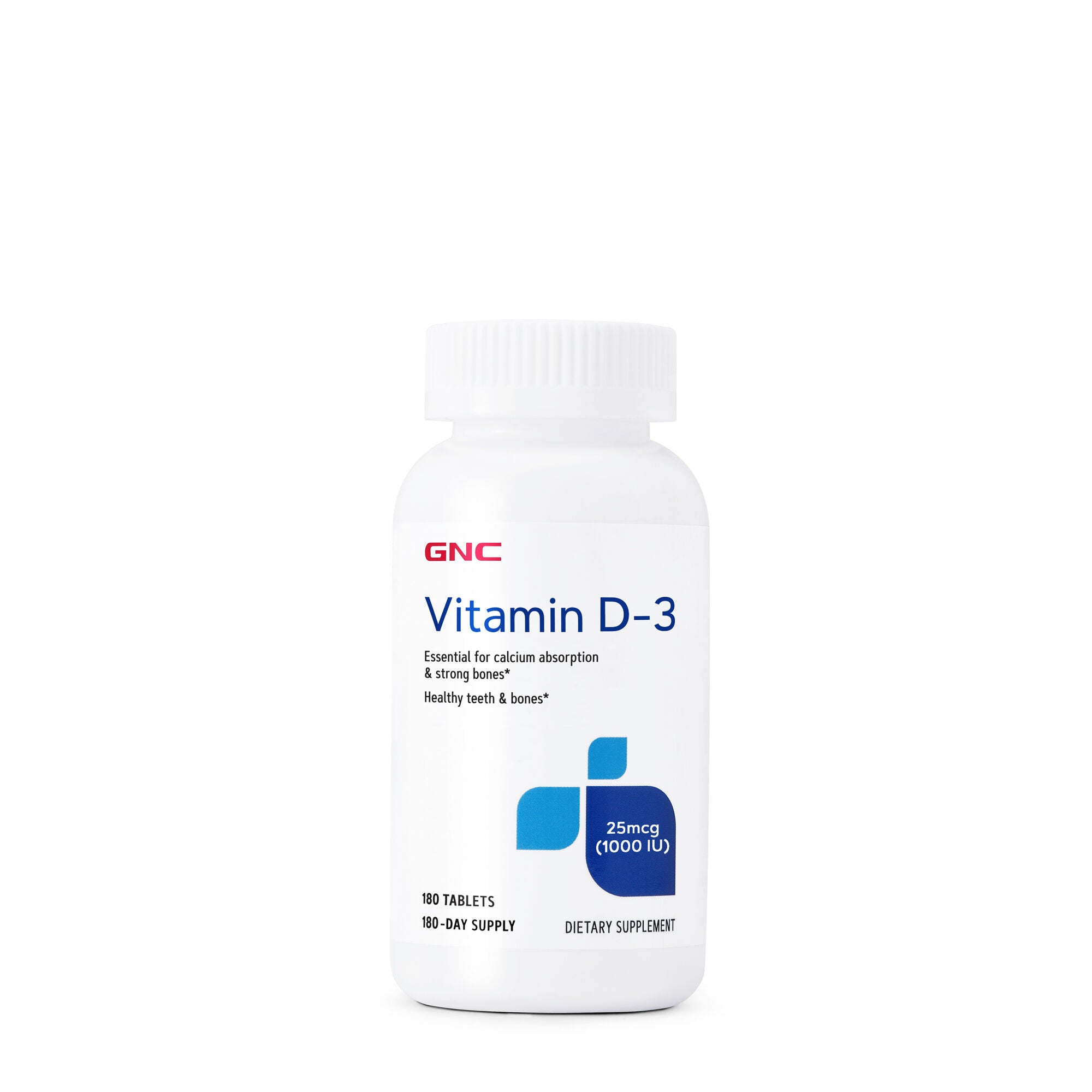
Soy Free Vitamin D3 Supplements
(0 Results)
Looking for a high-quality Vitamin D3 supplement that is soy-free? Our selection of Soy-Free Vitamin D3 products provides you with a convenient way to support your overall health and well-being without worrying about soy allergens. Vitamin D3 is essential for maintaining strong bones, supporting immune function, and promoting overall health. Browse our range of Soy-Free Vitamin D3 supplements to find one that fits your lifestyle and dietary preferences.


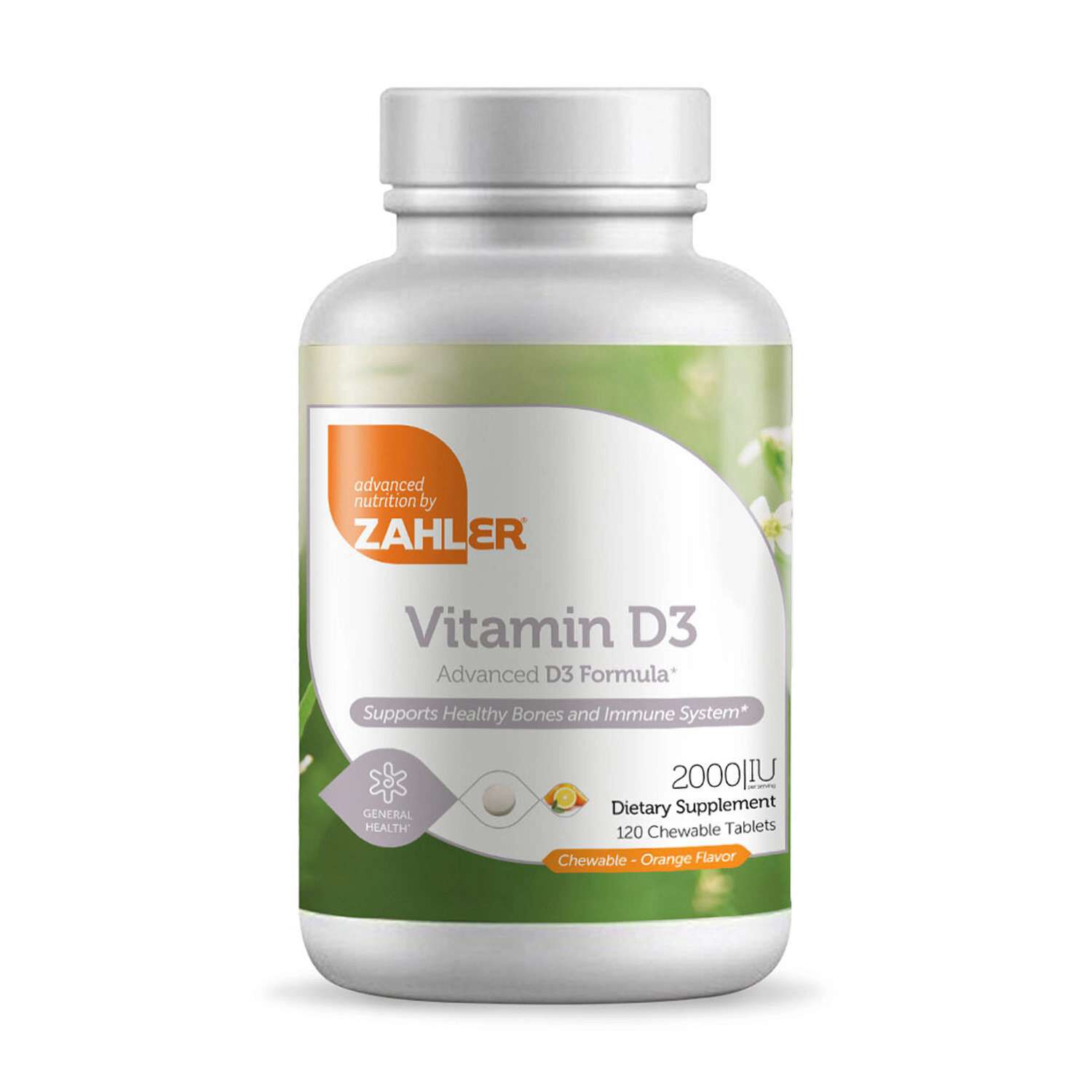


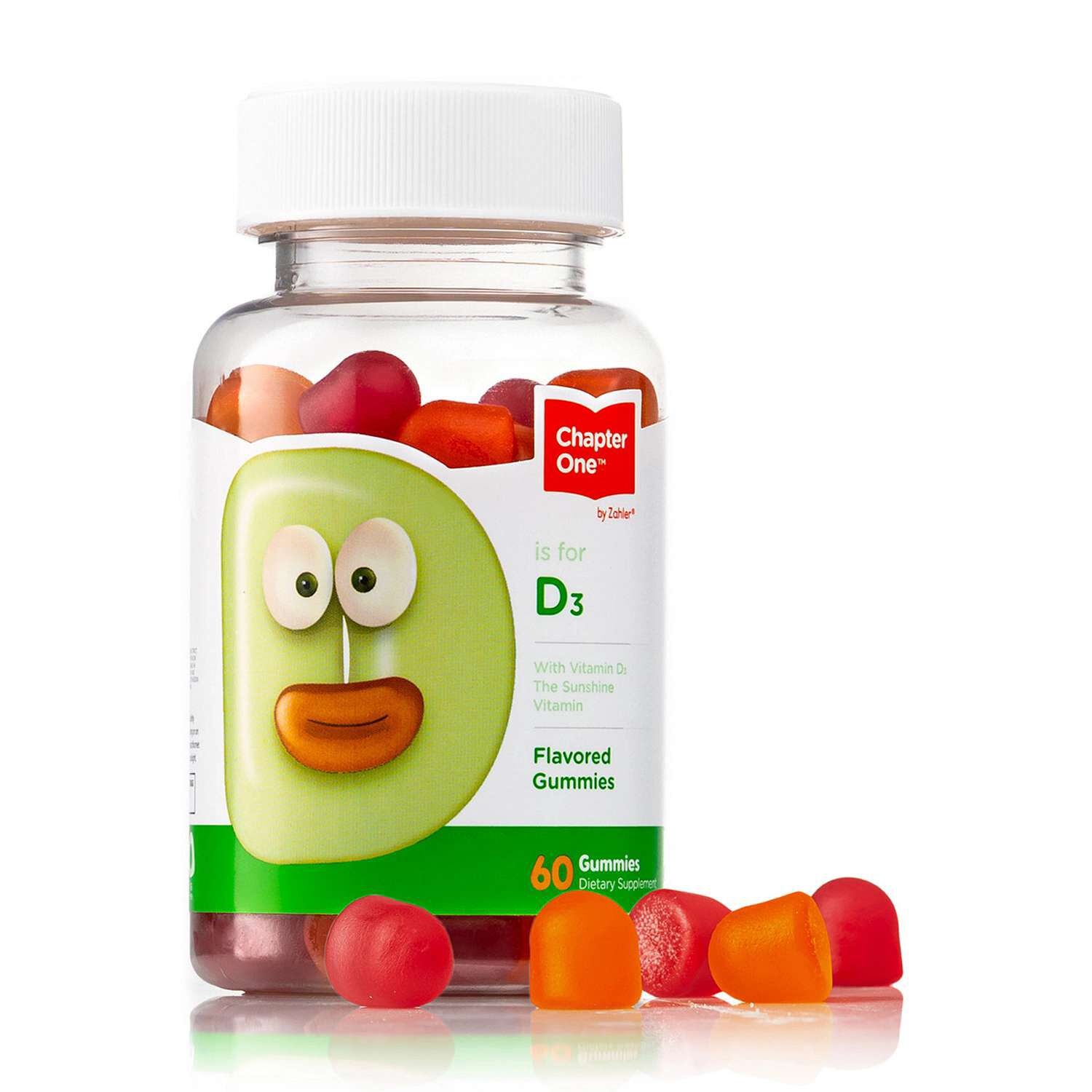
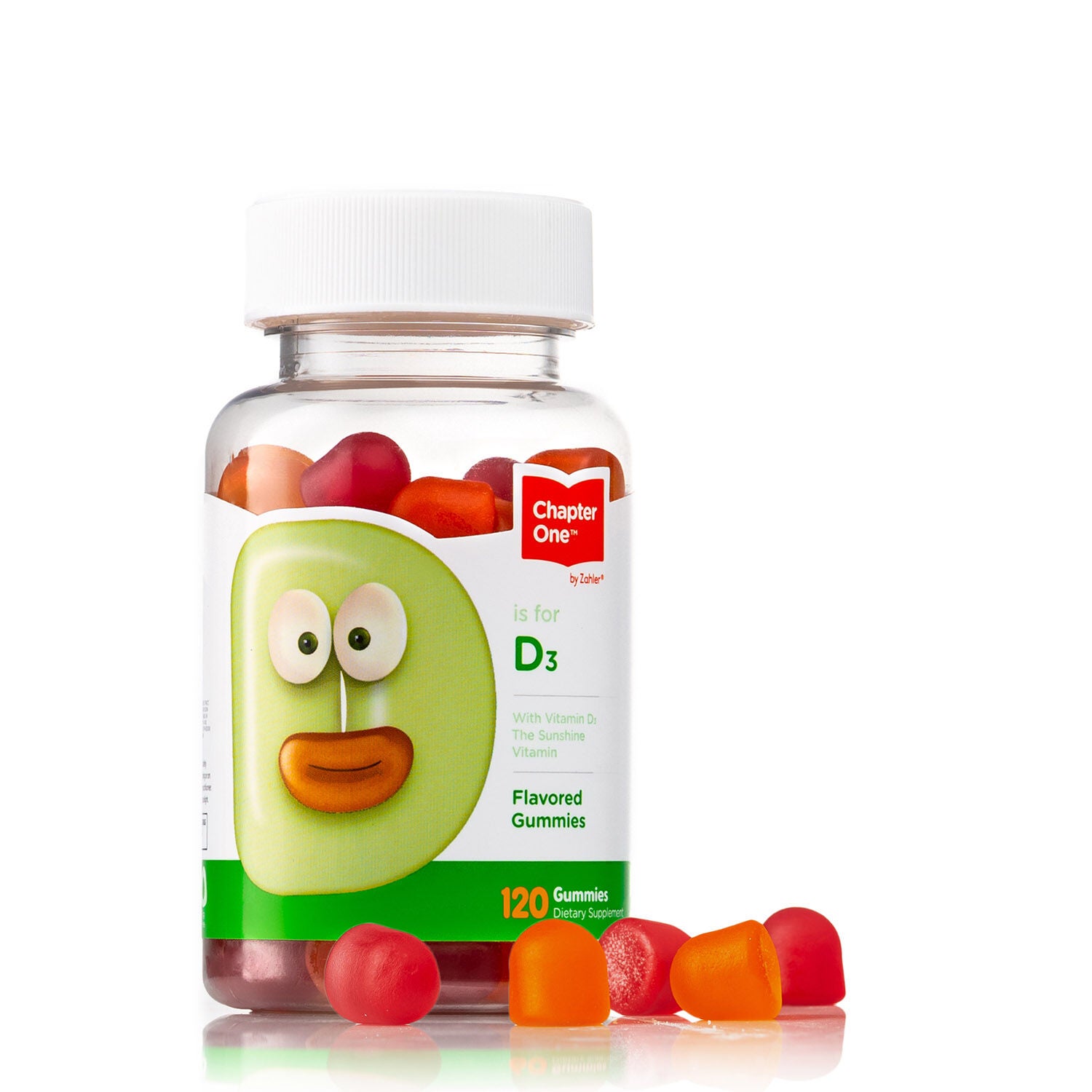

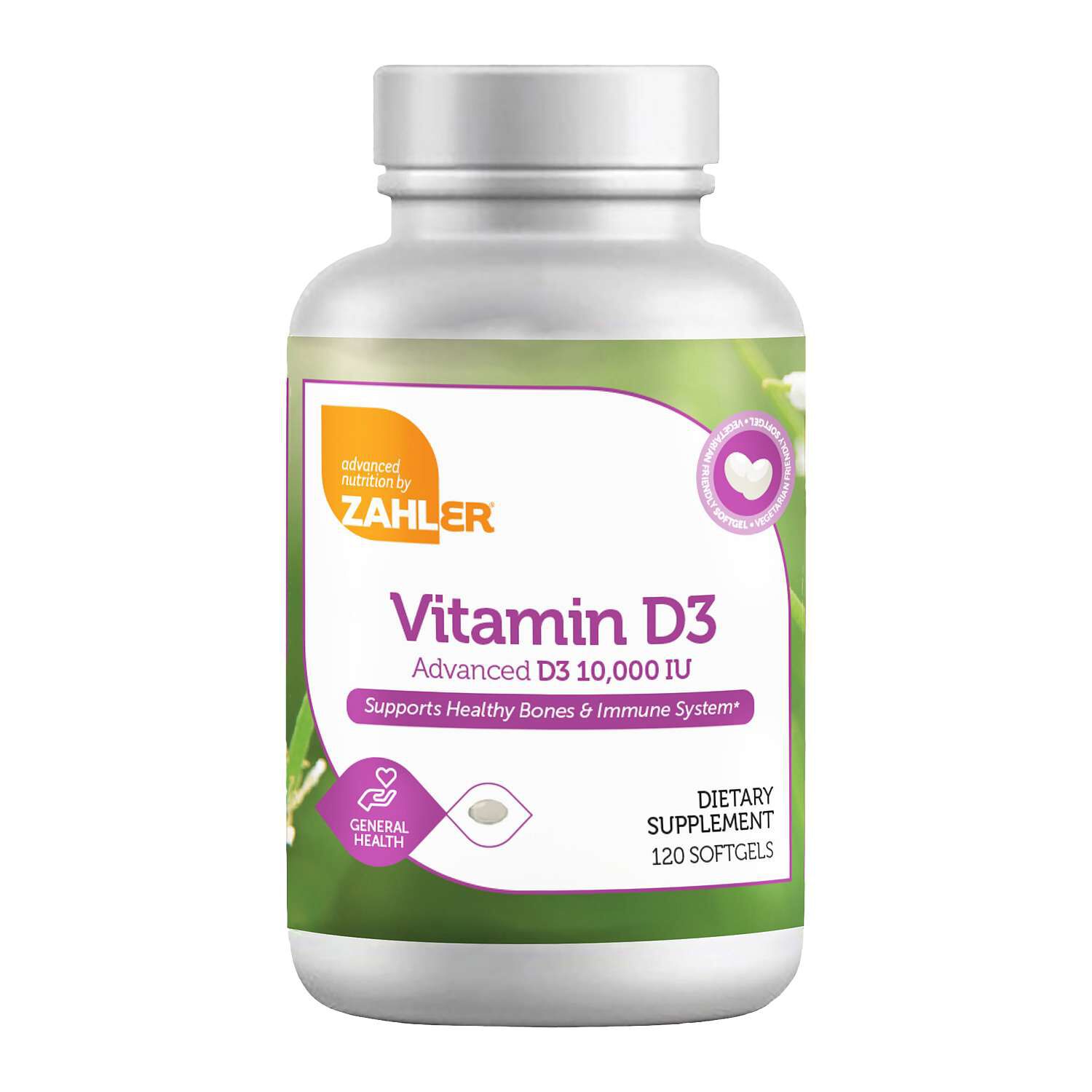


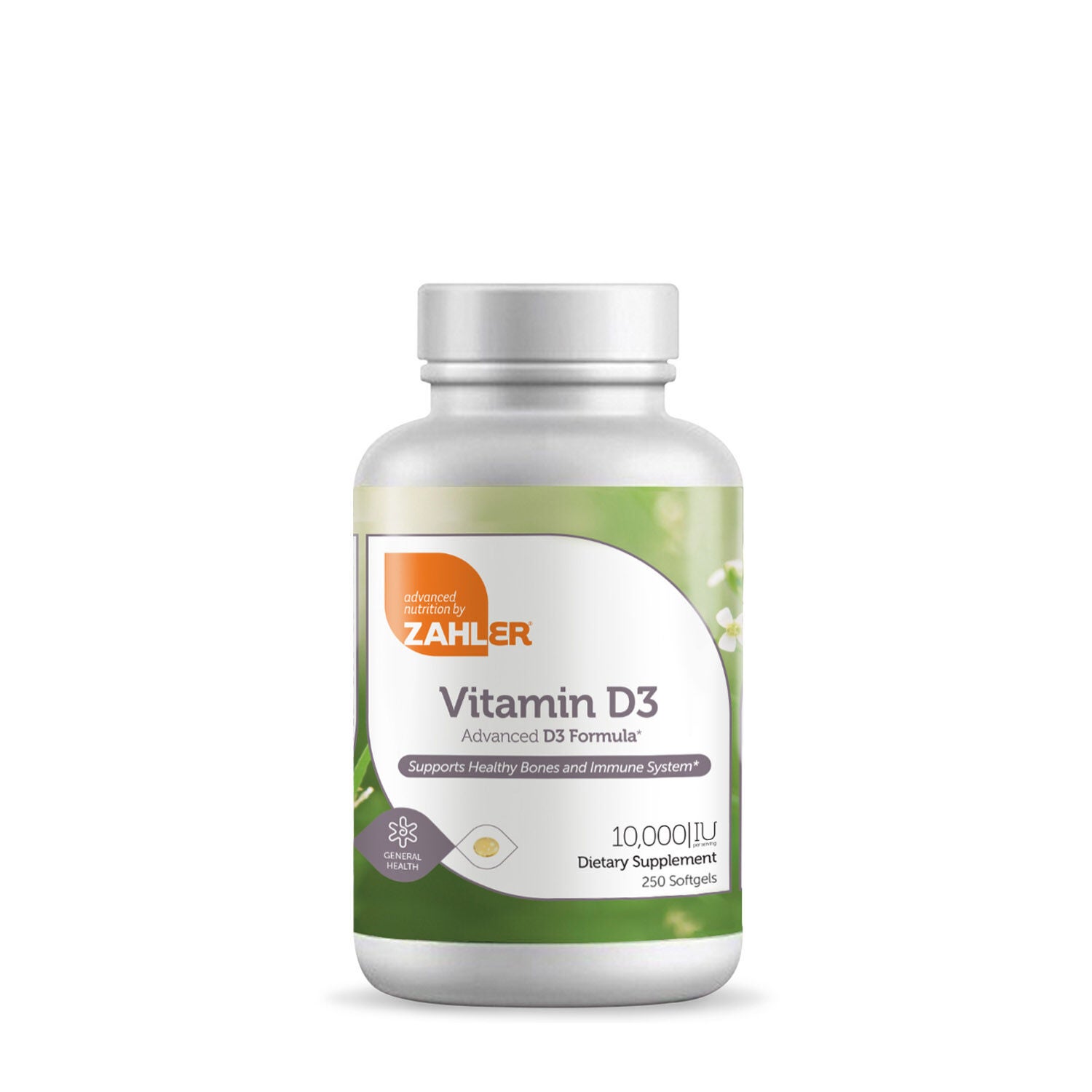


Vitamin D3 supplements made without soy can be a practical choice for shoppers who read ingredient panels closely, follow a soy-avoidant eating pattern, or prefer a formula built around a different carrier oil. Vitamin D3 is a fat-soluble vitamin, so many supplements pair it with an oil to help create a convenient softgel or liquid serving. Common alternatives to soybean oil include coconut MCT oil, olive oil, and rice bran oil. Some formulas may also use a dry powder, tablet, chewable, or other delivery format, making it useful to compare the entire Supplement Facts panel rather than focusing on the front label alone. When browsing, look for a clear statement about the absence of soy ingredients, then review the “Other Ingredients” section for the carrier oil, capsule materials, flavoring agents, and any added nutrients. Shoppers who prefer plant-based options may also want to check whether the softgel shell fits their dietary preferences, since a capsule can contain ingredients that differ from the vitamin itself. For a broader selection of plant-conscious formats, explore Vegetarian Vitamin D3 Softgels. A little label-reading can make the selection process feel more personal: one person may favor olive oil because it fits familiar pantry staples, while another may choose coconut MCT oil for its light texture and easy-to-carry softgel format. Liquid drops may suit someone who prefers flexible serving sizes, while tablets or softgels can fit neatly beside a morning beverage or evening routine.
These supplements may appeal to adults who already use a daily vitamin routine and want to select D3 in a formula that aligns with their ingredient preferences. They may also be considered by households that plan meals carefully, shoppers who avoid soy for dietary reasons, or anyone comparing formulas with simpler ingredient lists. Since individual nutrition needs vary, the serving information on the package deserves attention, along with guidance from a qualified healthcare professional when appropriate. A supplement should fit comfortably into a person’s broader routine, which could mean taking it with a meal that includes some dietary fat, following the label directions, and storing it in a cool, dry place away from direct sunlight. Product formats can make a difference in everyday use. A small bottle of softgels may travel well in a toiletry bag during a weekend away, while a larger container may work better for a shared household cabinet. Liquid D3 could be convenient for people who prefer not to swallow softgels, although flavor, dropper design, and storage instructions are worth reviewing before purchase. Those selecting a gift may appreciate the practical nature of a well-labeled vitamin, especially for a parent, partner, student, or friend who enjoys organized routines and thoughtful pantry additions. Because preferences differ, gift shoppers may want to choose a clearly labeled formula and include the receipt, rather than guessing about capsule materials, oil sources, serving size, or dietary needs.
As the weather warms and outdoor schedules become more active, a portable supplement may fit easily into travel plans, gym bags, desk drawers, or a kitchen shelf. During the cooler months, consistent routines can become especially appealing as mornings grow darker and schedules shift indoors. The best choice depends on details that are easy to overlook when shopping quickly: the amount of D3 per serving, the number of servings in the container, the form of the vitamin, the oil used as a carrier, the capsule or tablet ingredients, and the directions for use. Shoppers may also compare whether a formula contains only D3 or combines it with other vitamins and minerals, depending on what they already take. Checking for duplicate nutrients across products could help keep a routine organized, while reading storage instructions may help preserve product quality over time. Certifications, manufacturing information, and transparent ingredient language can provide additional context, but no single feature suits every shopper. Someone seeking a minimalist formula may prefer a short ingredient panel, while another person may value a vegetarian capsule, a liquid format, or a softgel made with olive, coconut MCT, or rice bran oil. With these considerations in mind, supplements made without soy can offer a straightforward way to shop according to personal preferences while keeping the focus on clear labeling, convenient use, and a routine that feels natural from one season to the next.