





Dairy Free Vitamins
(0 Results)
Dairy-free vitamins offer a great alternative for those with lactose intolerance or dairy allergies, ensuring that everyone can meet their nutritional needs without compromising their dietary restrictions. These specially formulated vitamins provide an excellent solution for individuals seeking to supplement their diet while avoiding dairy products. With a variety of options available, finding the right dairy-free vitamins may help support overall health and wellness. Explore our selection to discover how these supplements could fit into your lifestyle seamlessly.


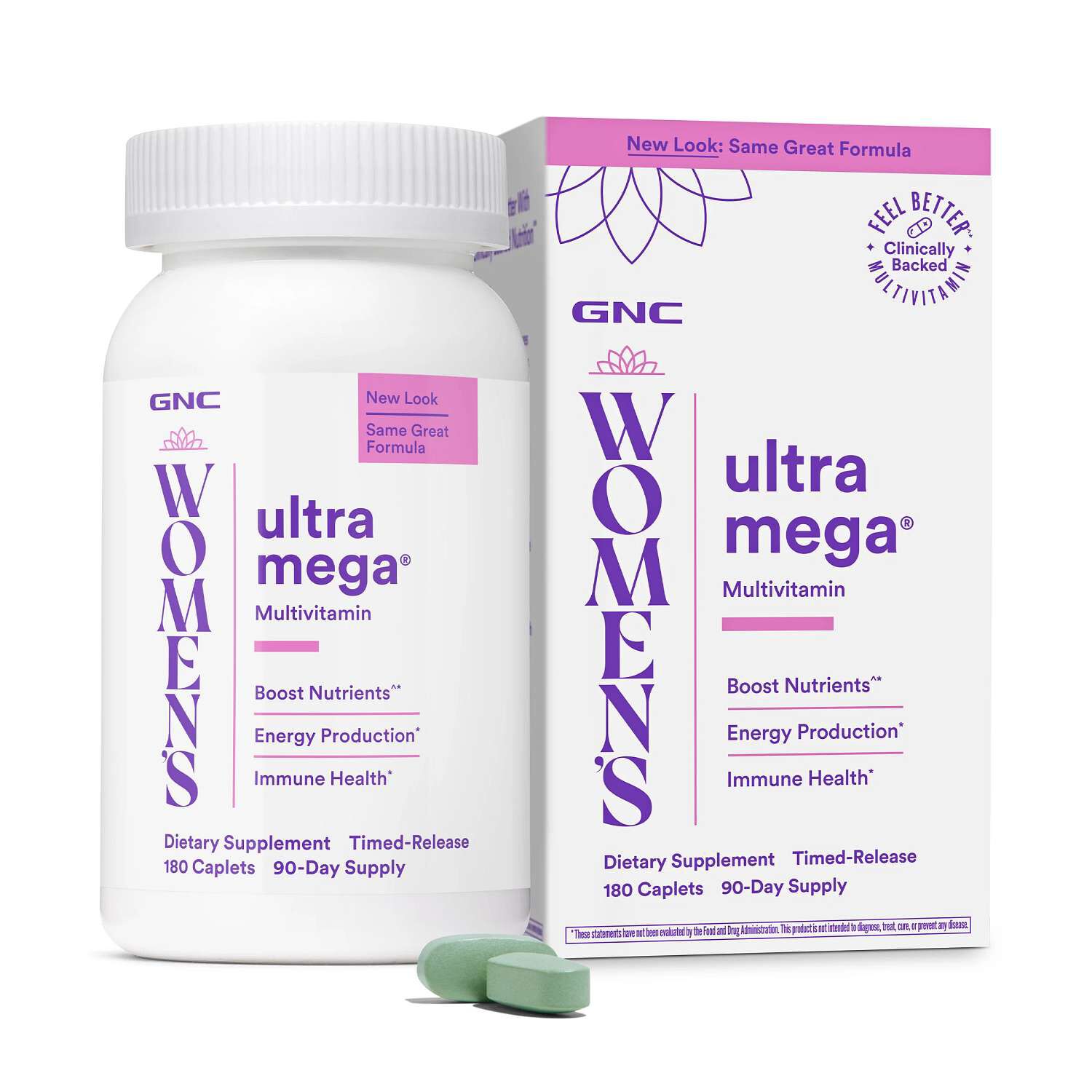
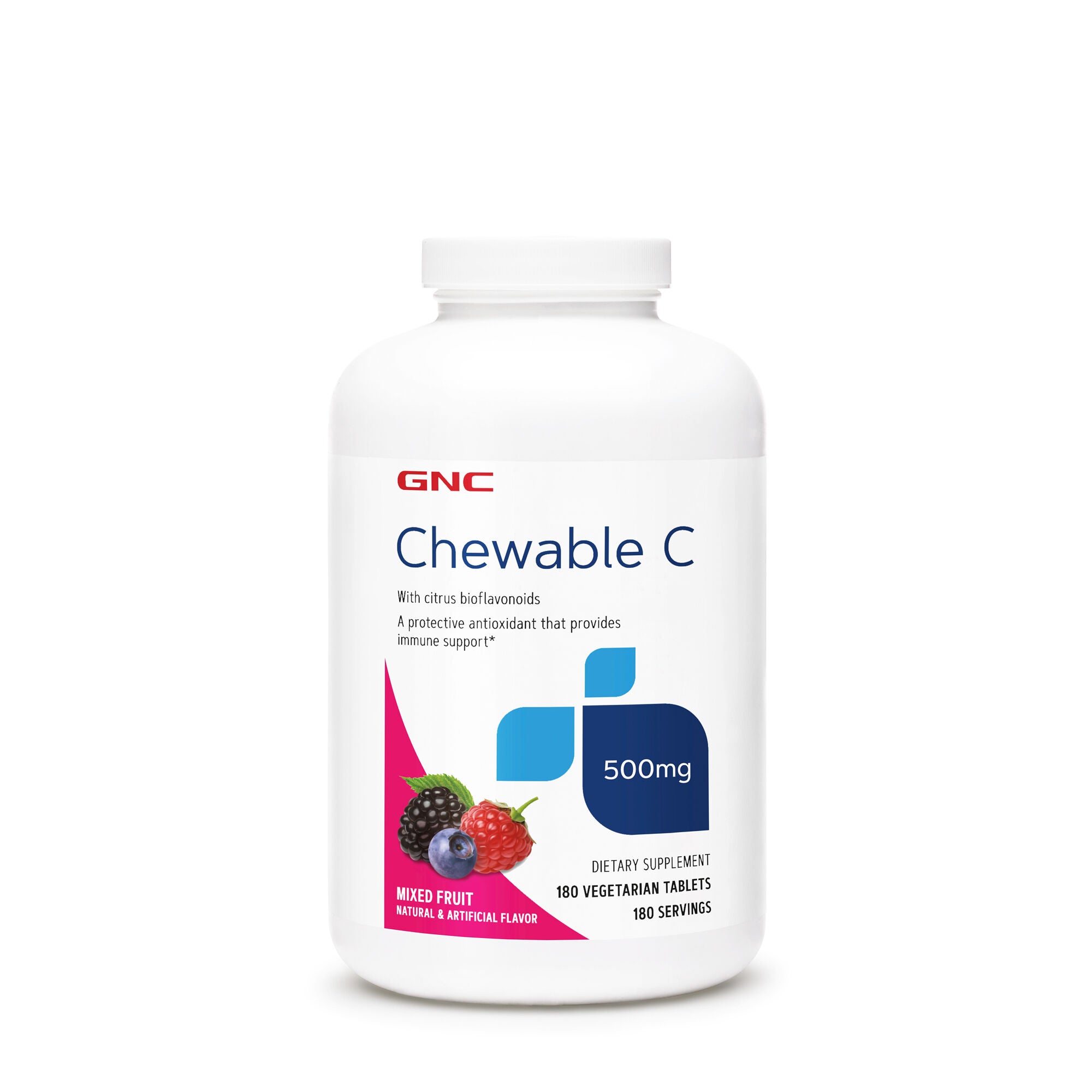
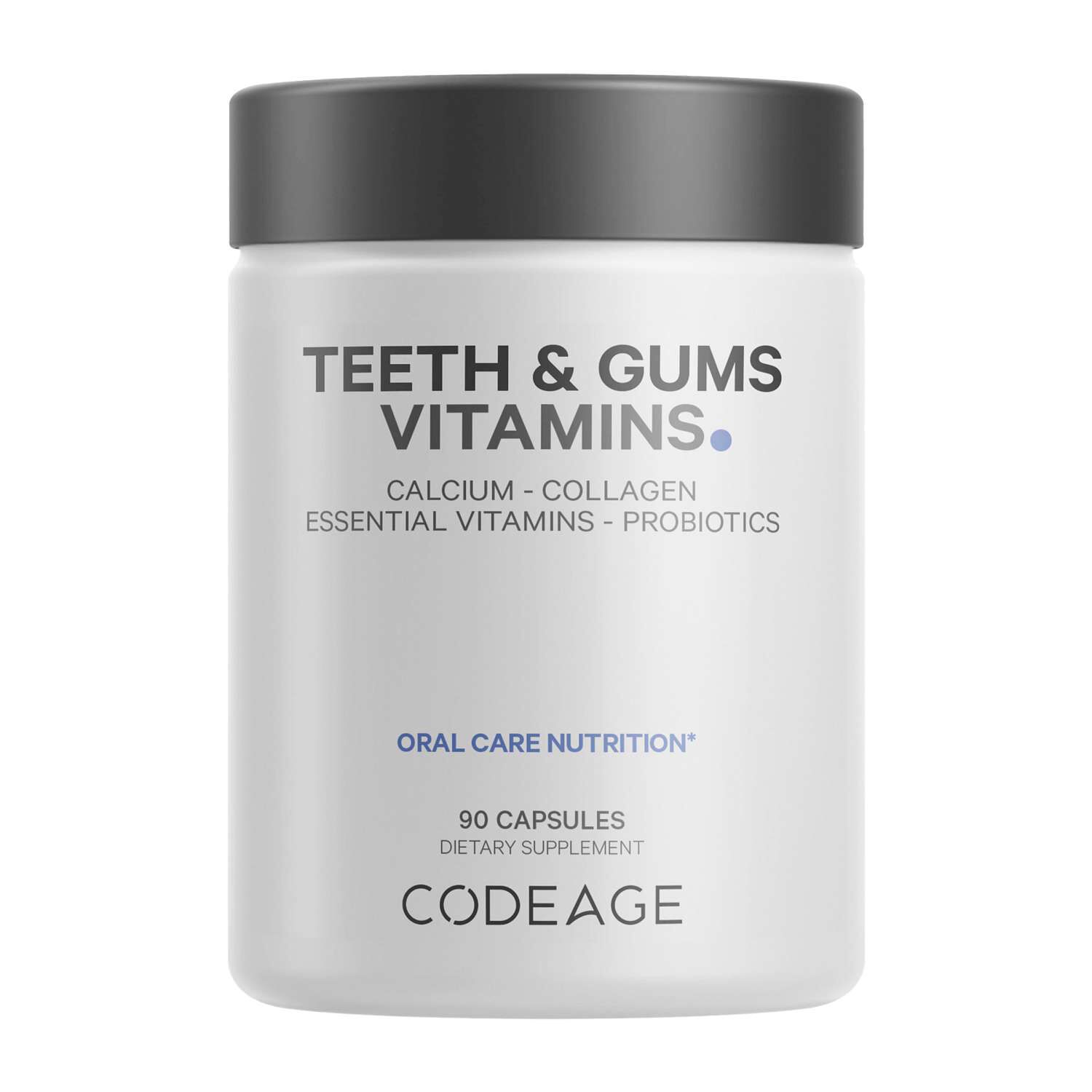
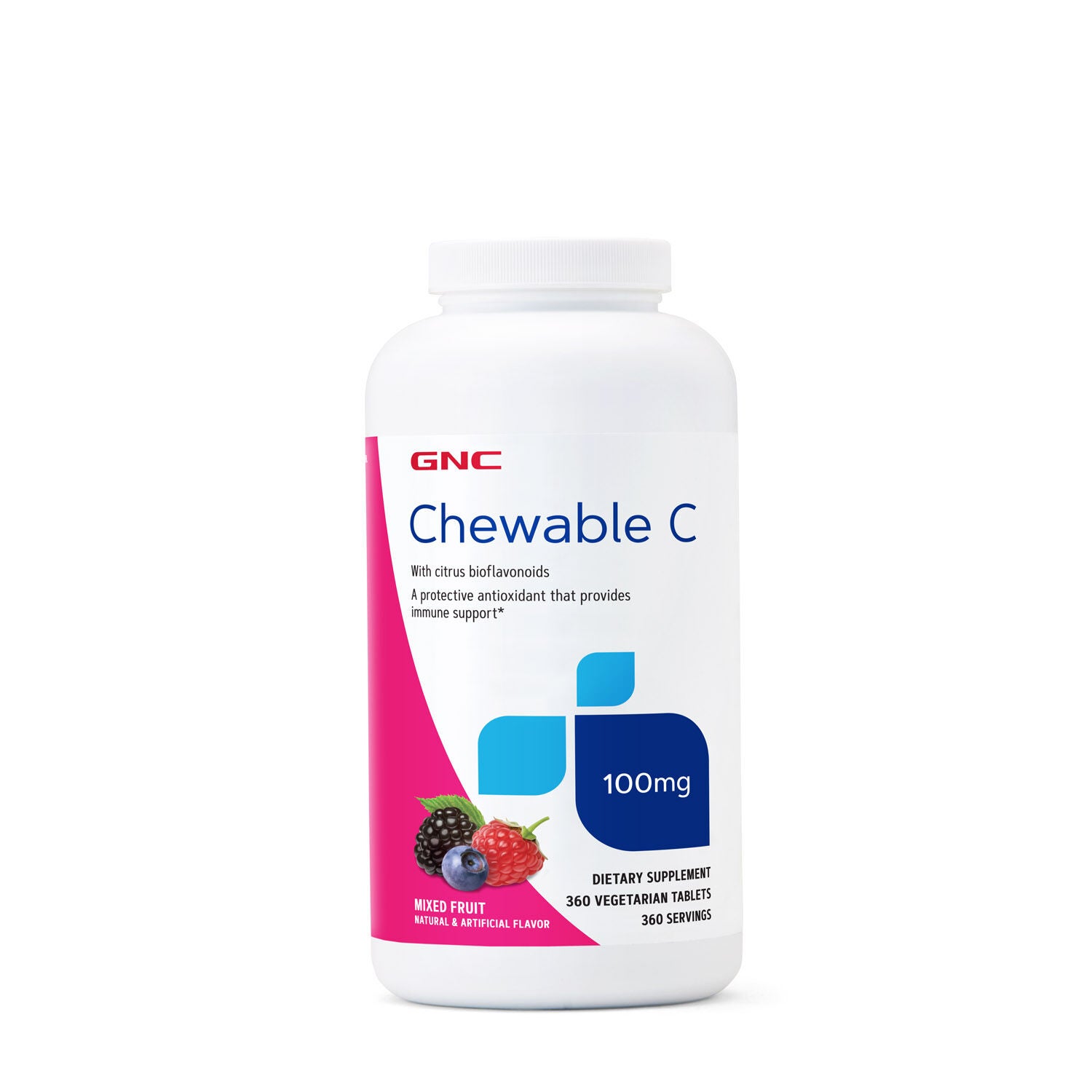


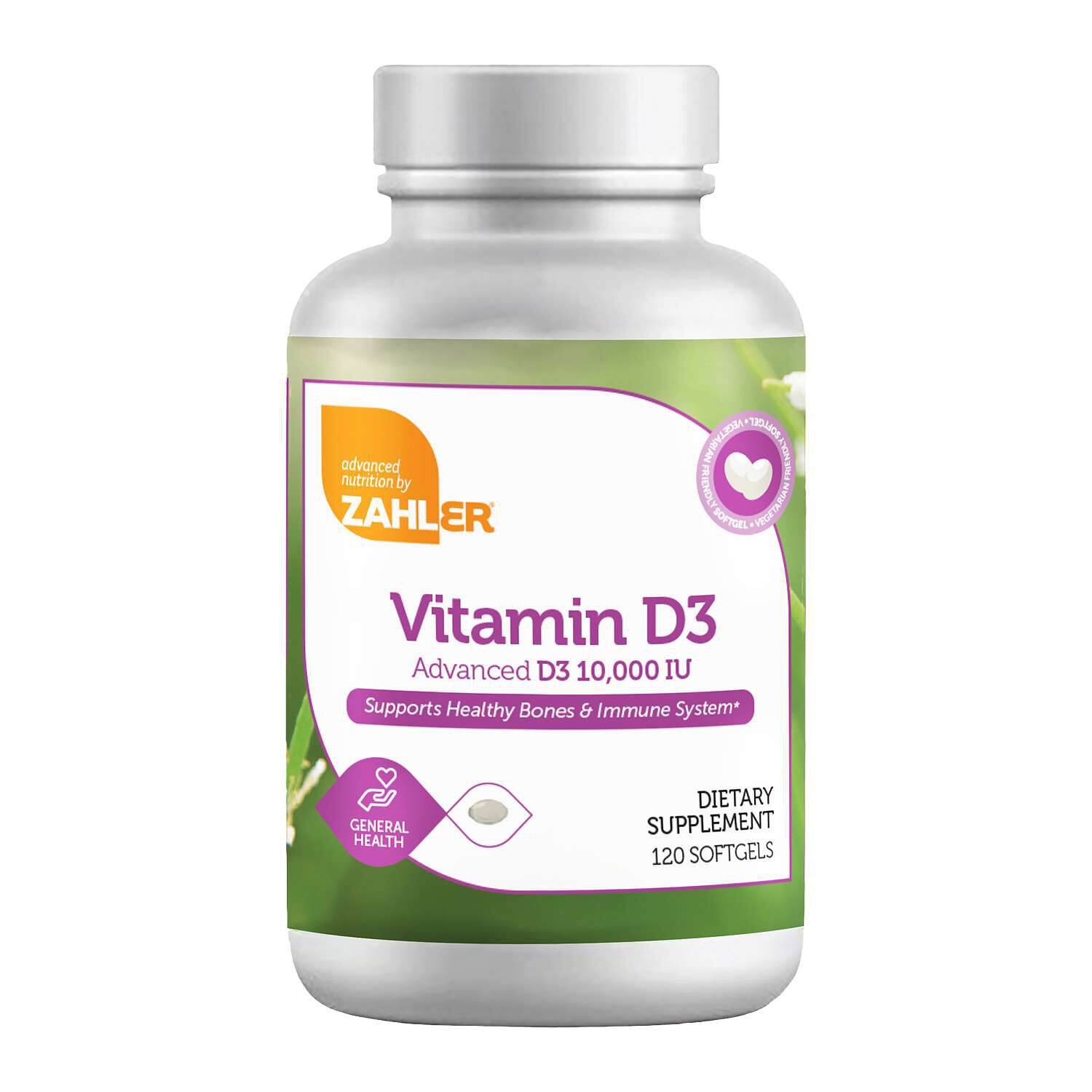

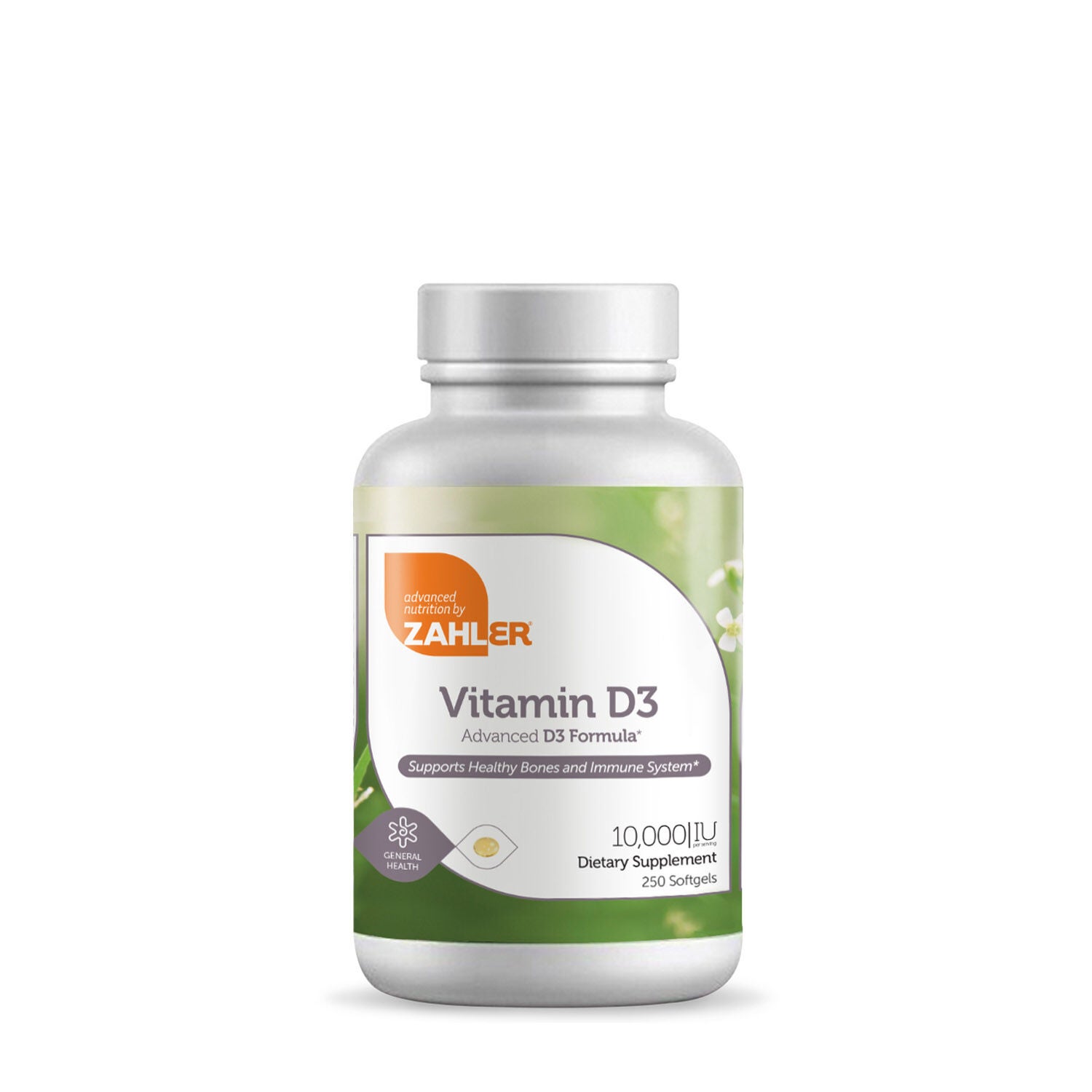


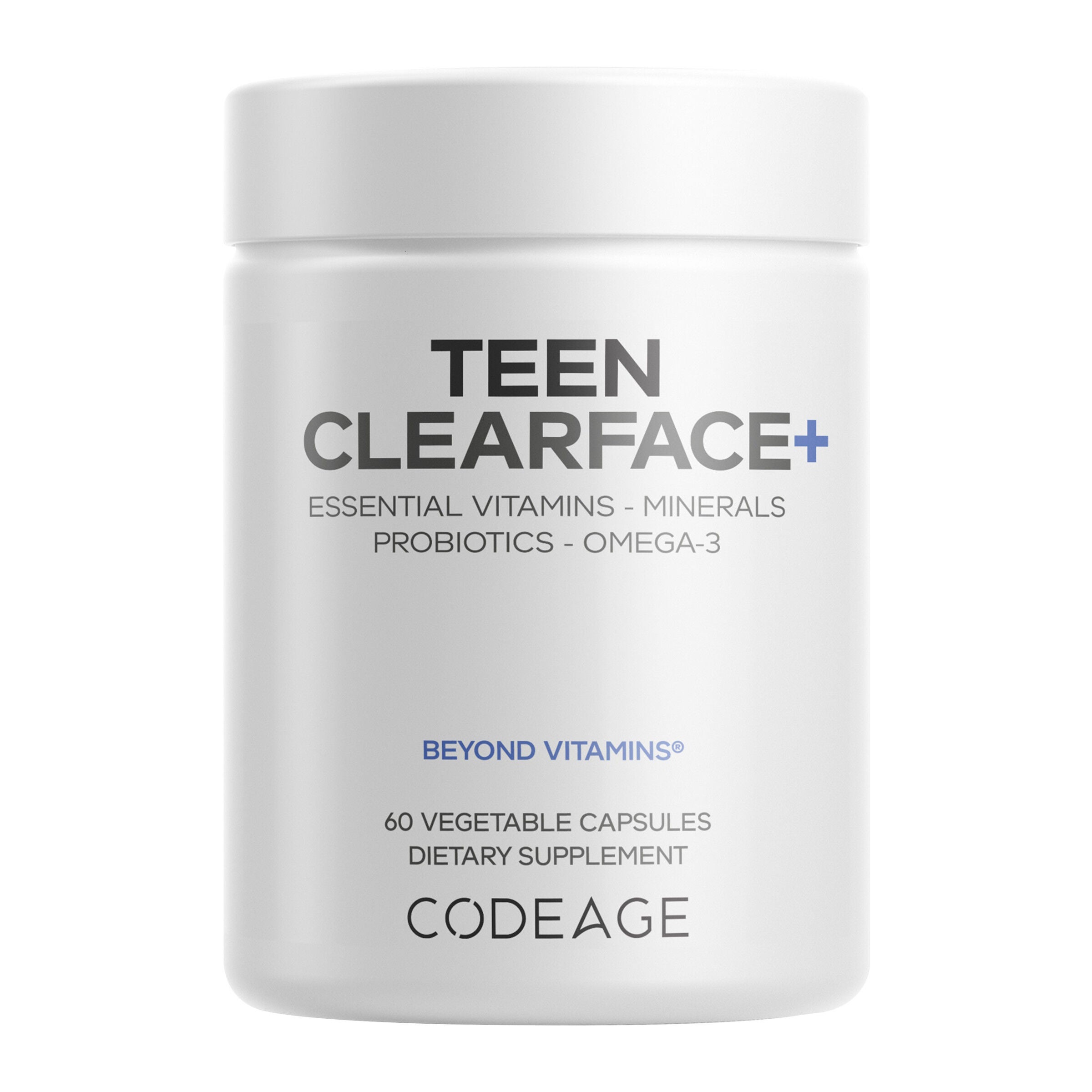


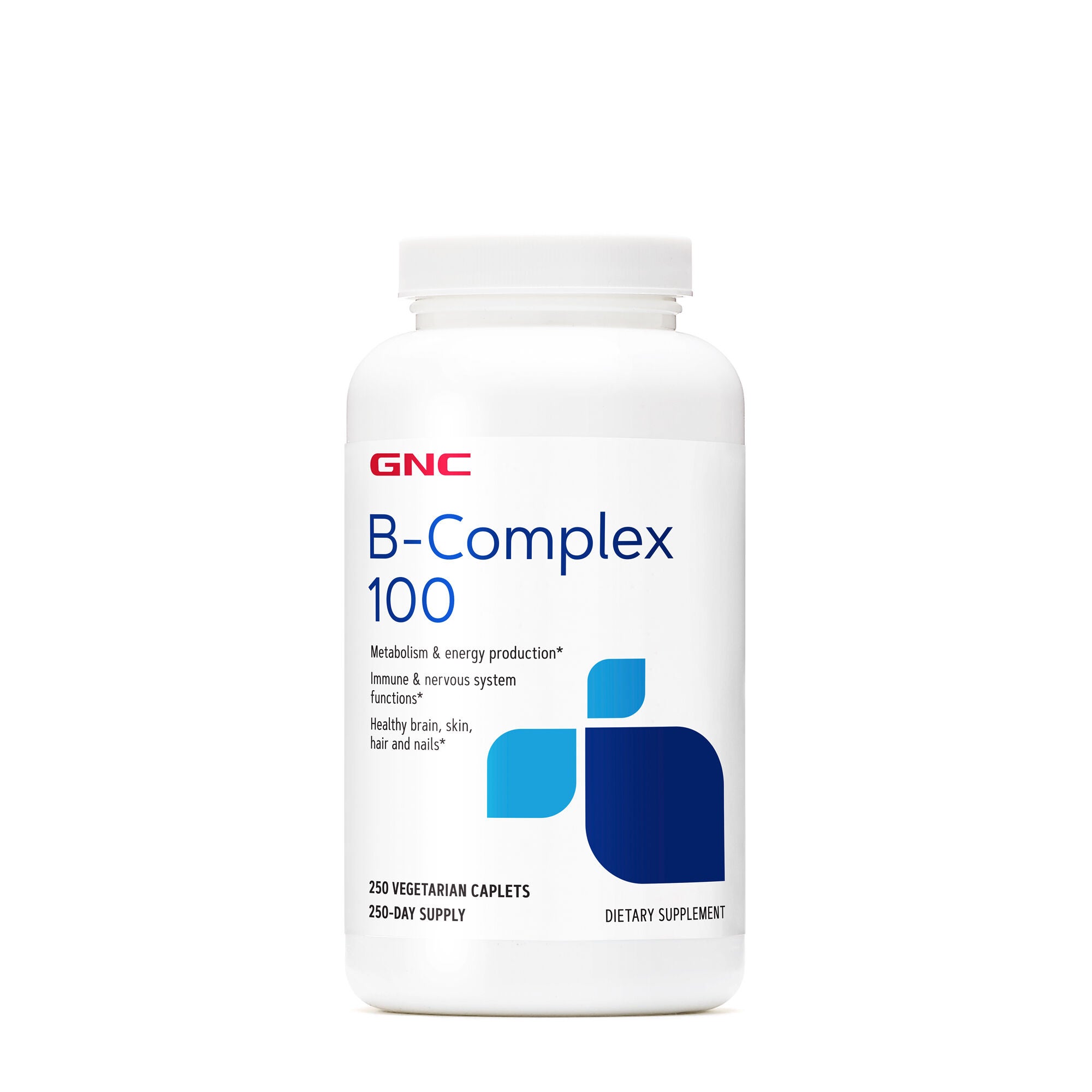

Vitamins made without dairy are formulated without milk-derived ingredients, including lactose, casein, and whey. The category includes multivitamins and single-nutrient formulas in several formats, giving shoppers ways to match an ingredient preference with an everyday routine. Someone who avoids milk, yogurt, and cheese may want the same ingredient approach reflected in a supplement bottle. Another shopper may be comparing formulas for a household where different people have different dietary requirements. In either case, the most useful distinctions appear in the ingredient list, the Supplement Facts panel, and any milk-related manufacturing statements. A statement that a formula contains no lactose does not necessarily establish that it contains no milk proteins: lactose is milk sugar, while casein and whey are proteins derived from milk. These terms describe different ingredients, so they are not interchangeable. A vegan designation addresses animal-derived ingredients more broadly, while a formula made without dairy may still contain ingredients from other animal sources. For example, a capsule shell may contain gelatin, and some vitamin D ingredients come from lanolin, a substance obtained from sheep’s wool. Neither example is a milk ingredient, but both may matter to someone comparing dairy avoidance with a vegan eating pattern. Other formulas use plant-derived capsule materials or vitamin D sourced from lichen. Ingredient sourcing is therefore a separate consideration from the name of the vitamin itself. The distinction also extends to production: a formula’s ingredient list and a statement about shared manufacturing equipment provide different information. The absence of milk in the listed ingredients does not describe every aspect of the facility where a supplement was made. Clear labeling makes these differences easier to understand without relying on a front-label phrase alone. Vitamins without dairy are best understood as an ingredient-defined category, rather than a particular nutrient combination, texture, flavor, or manufacturing method. A multivitamin, a vitamin B12 formula, and a vitamin D formula may all fit that description while having very different purposes and serving directions.
Format shapes much of the day-to-day experience of using vitamins without dairy. Capsules have a shell surrounding their contents, while tablets are compressed and may have an outer coating. Gummies and chewable tablets bring flavor and texture into the decision, and liquids involve measuring a serving rather than counting capsules or tablets. For someone who prefers to take a supplement alongside breakfast, a capsule or tablet may fit an established routine. Someone who prefers a chewable format may place more importance on sweetness, texture, and the number of pieces in a serving. Liquid formulas may suit shoppers who prefer a measured format, although the measuring device and any preparation directions are part of that choice. None of these formats automatically indicates whether a vitamin contains milk-derived ingredients. A gummy made with pectin, for instance, still has other ingredients to review, while a gelatin capsule is not necessarily made with dairy. Flavorings, coatings, carriers, and other ingredients also belong in the comparison. Taste descriptions such as berry or citrus describe the intended flavor, not the formula’s milk-related status. The same distinction applies to packaging that emphasizes botanical ingredients or a simple-looking ingredient list. Serving size deserves particular attention when comparing formats because one serving may consist of one capsule, several gummies, or a measured amount of liquid. The nutrient amounts shown on the Supplement Facts panel correspond to that stated serving, not necessarily to one piece. Adult formulas and children’s formulas also have different intended users and directions; a familiar flavor or smaller shape does not make them interchangeable. A household shopping for several people may therefore need different formats even when everyone shares the same preference for vitamins without dairy. The practical fit comes from the whole package: intended age group, ingredient sourcing, serving format, flavor, and labeled directions. A bottle that matches those preferences may be a more comfortable addition to an established routine than one chosen mainly for its front-label wording.
Nutrient selection adds another layer to the comparison. Multivitamins combine several vitamins and may also contain minerals, whereas single-nutrient formulas focus on one named nutrient. Two formulas described as multivitamins can differ in both their ingredient combinations and the amounts per serving. The Supplement Facts panel makes those differences visible through nutrient names, quantities, units, and percent Daily Value where one is established. Milligrams and micrograms are different units, so a larger printed number does not automatically indicate a larger quantity. The number of servings per container is also separate from the number of capsules, tablets, or gummies inside. These details matter when comparing bottles with similar names but different serving formats. For a shopper who already uses another supplement, the ingredient lists also show where nutrients overlap; a shared preference for avoiding dairy does not mean two formulas contain different nutrients. Related categories, including probiotic supplements made without dairy, have their own ingredient lists, serving directions, and manufacturing information. A milk-related statement on one bottle does not apply to another. Packaging and storage instructions round out the practical considerations. Original containers retain the ingredient information, lot details, and expiration date, while a securely closed lid helps protect the contents from moisture. Liquid formulas may have specific instructions after opening, and gummies or tablets may have handling requirements that differ from capsules. A bathroom cabinet beside a frequently used shower presents a different storage setting from a dry cupboard away from the sink, making the package directions worth keeping accessible. For travel, the labeled container also keeps the formula’s identity and serving information together. These everyday details are part of choosing vitamins without dairy, alongside the more visible decisions about nutrient combinations and flavor. The category accommodates many preferences, but the most meaningful comparison remains specific to each formula: what it contains, where its ingredients come from, who it is intended for, how a serving is measured, and how it fits the shopper’s existing food and supplement routine.
Best Sellers
Related Pages

Top Collections
- Joint Mobility Supplement Packs
- Daily Collagen Supplements | Top Brands & Deals | GNC
- Supplements For Yoga Joint Flexibility
- Zinc Supplements | Top Brands at Great Prices | GNC
- Supplements For Balance
- Capsule Supplements For Energy And Stamina
- Chronic Fatigue Supplements
- Adult Mobility Supplements
- Vitamins For Hair Loss
- Blood Pressure Support Supplements