

Dairy Free Probiotic Supplements
(0 Results)
Looking for a way to support your gut health without dairy? Our Dairy-Free Probiotics selection offers a range of options to help you maintain a healthy digestive system while accommodating dietary restrictions. Packed with beneficial bacteria strains, these probiotics are formulated to promote good gut flora balance and overall well-being. Whether you're lactose intolerant, vegan, or simply prefer dairy-free alternatives, our probiotic supplements provide a convenient and effective solution for your digestive health needs.
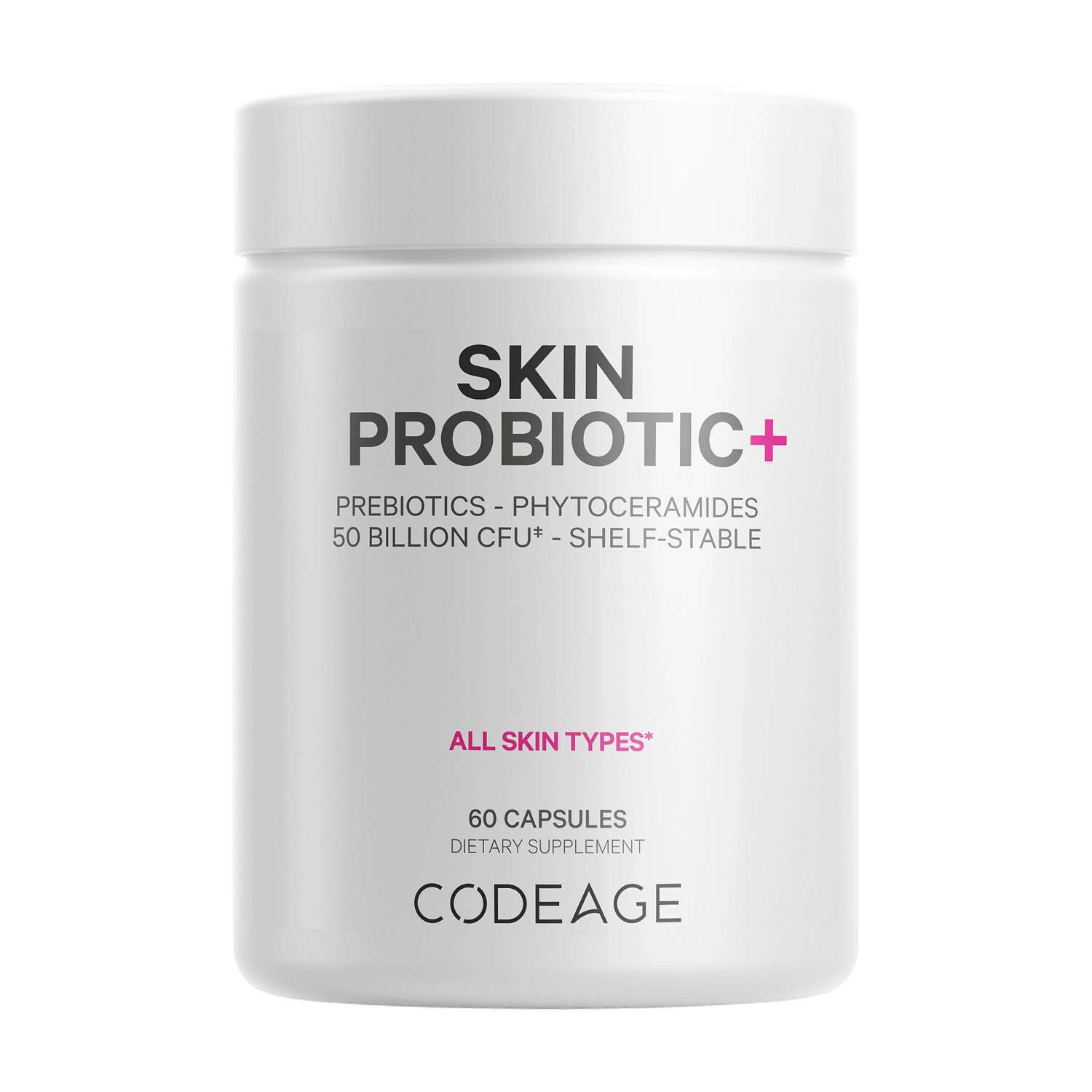
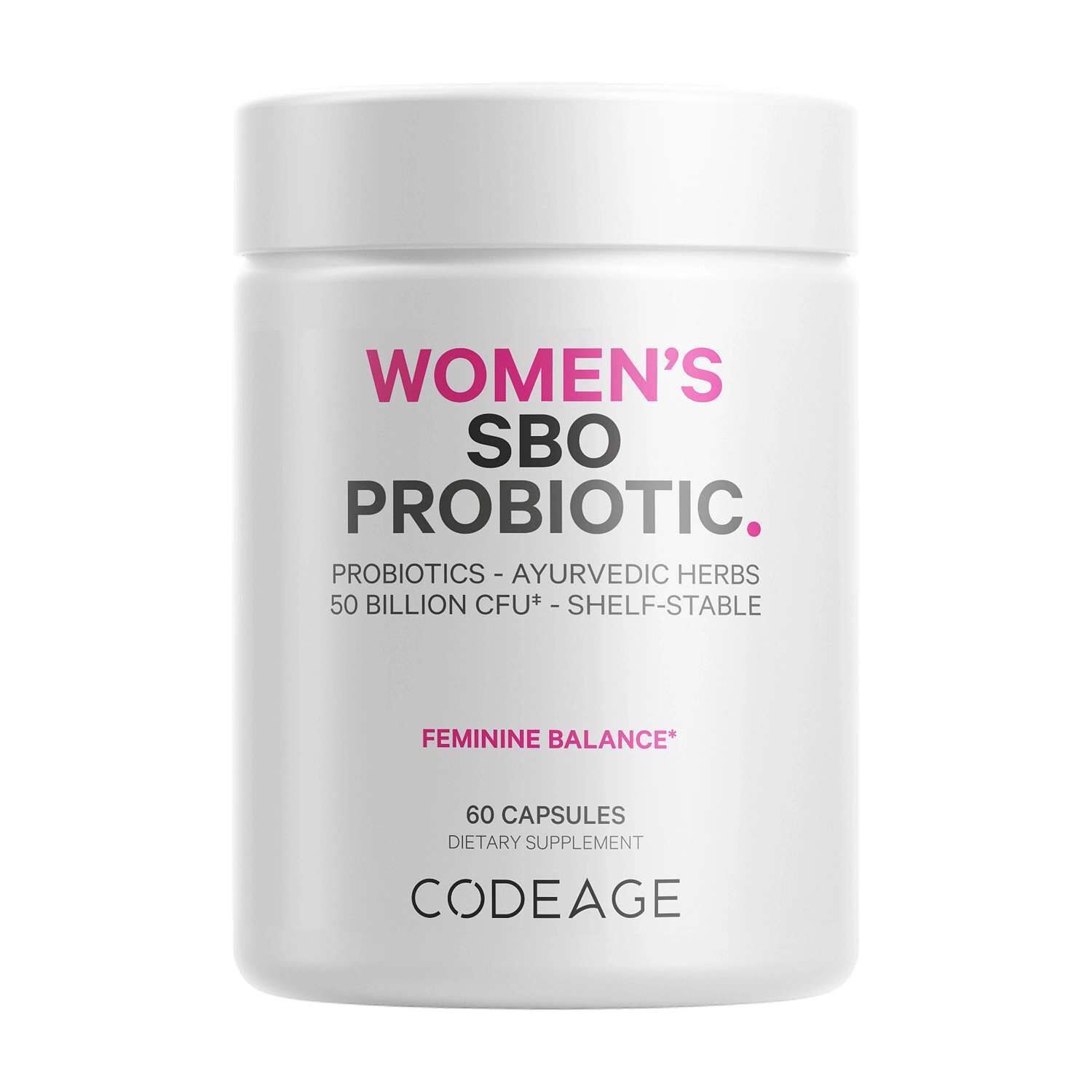

_Front.jpg?sw=305&sh=305&sm=fit "Kidophilus Plus - Berry - 90 Tablets (90 Servings) | GNC")
_Front.jpg?sw=305&sh=305&sm=fit "BioDophilus25 -120 Capsules (120 Servings) | GNC")
_Front.jpg?sw=305&sh=305&sm=fit "BioDophilus25 - 60 Capsules (60 Servings) | GNC")
_Front.jpg?sw=305&sh=305&sm=fit "BioDophilus60 - 60 Capsules (60 Servings) | GNC")
_Front.jpg?sw=305&sh=305&sm=fit "BioDophilus60 - 30 Capsules (30 Servings) | GNC")
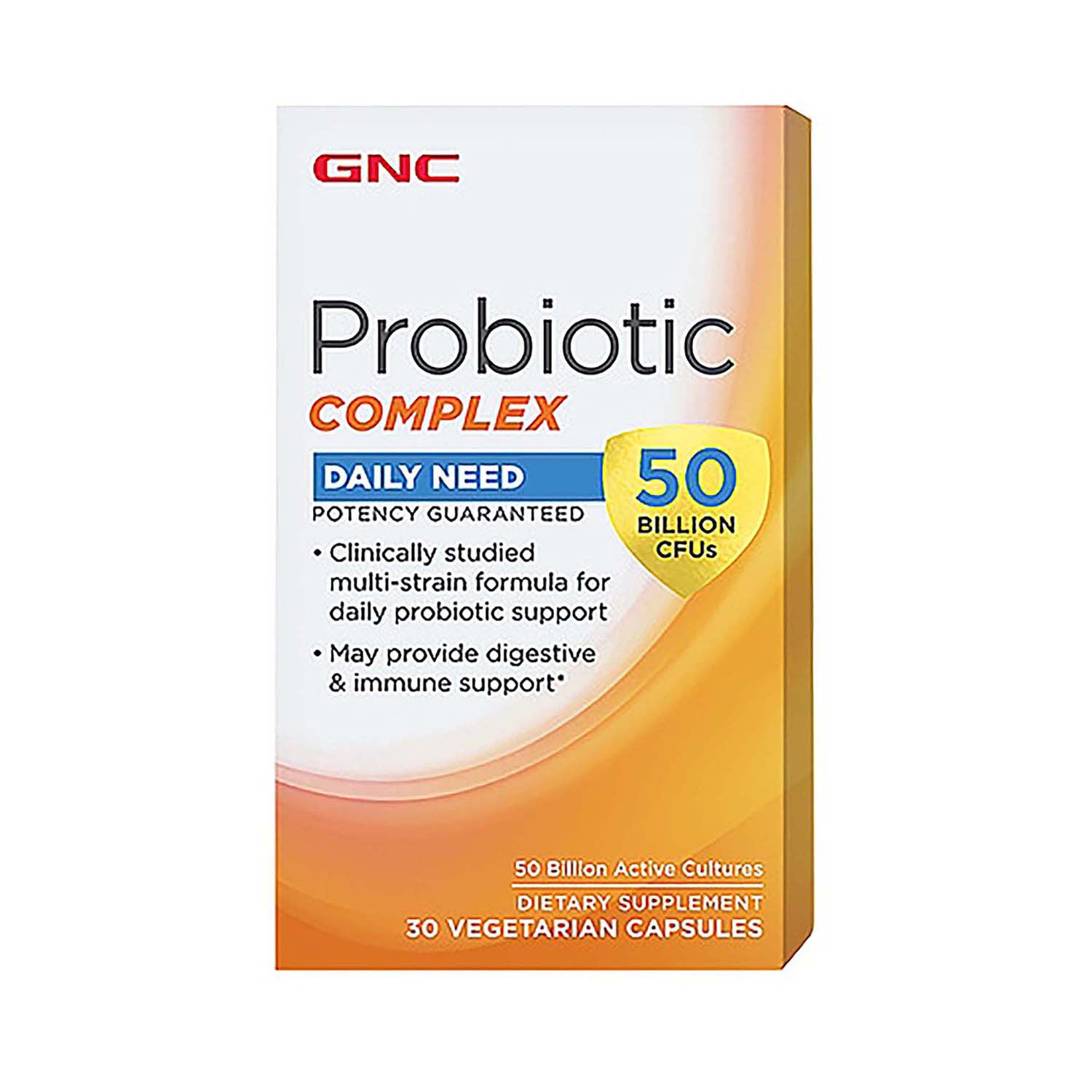
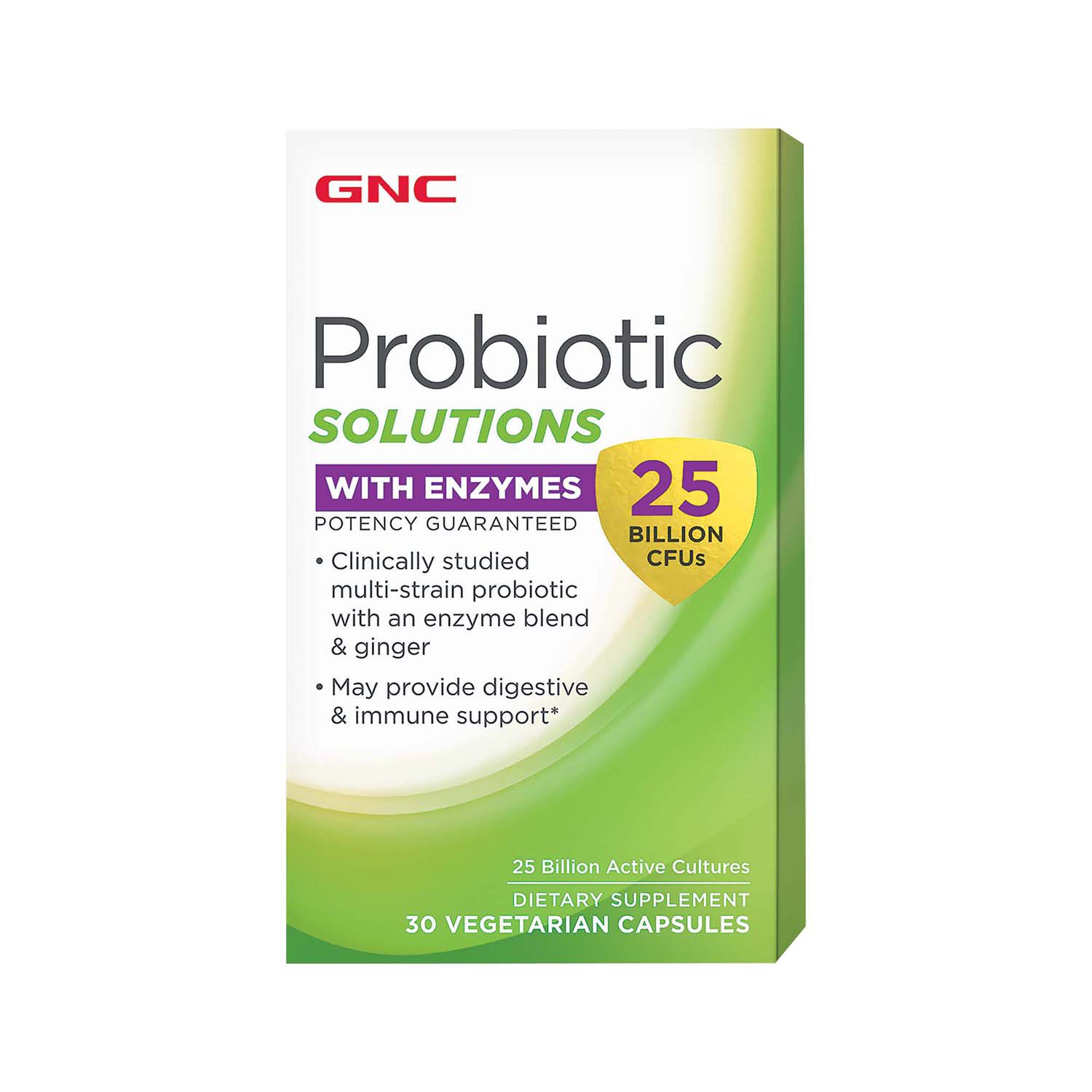


Probiotic supplements made without dairy offer a way to shop for live cultures while keeping milk-derived ingredients out of a daily supplement routine. This category centers on capsules, powders, chewables, and other formats formulated without ingredients such as milk powder, whey, or casein. For adults who avoid dairy by preference or follow a plant-based eating pattern, these supplements may provide an alternative to getting live cultures from yogurt and other cultured milk foods. The distinction between milk and lactose matters when comparing labels: lactose is a sugar found in milk, while whey and casein are milk proteins. A statement about the absence of lactose does not, by itself, establish that a formula contains no milk-derived ingredients. Similarly, a plant-based capsule shell describes one part of a supplement, not necessarily everything inside it. The ingredient list, allergen statement, and manufacturer’s dietary labeling each provide a different piece of the picture. Manufacturing details can also matter because microorganisms are grown on culture media before they become part of a finished supplement. A vegan designation and information about the growth medium address different questions; neither should be treated as a substitute for clear ingredient and manufacturing disclosures. Where avoiding milk is a firm dietary requirement, explicit documentation is more useful than assumptions based on packaging colors or botanical imagery. Probiotic names can create another point of confusion. Lactobacillus is a bacterial genus name, not an ingredient declaration for lactose or milk, so its presence on a label does not establish whether a supplement contains dairy. The finished formula and its accompanying disclosures remain the relevant details. This category is therefore about more than swapping one familiar food for a capsule. It brings together live-culture supplements with ingredient profiles that may suit a range of eating preferences, from a household that buys oat beverages instead of milk to an adult who wants a supplement routine without animal-derived components. Suitability depends on the individual formula rather than the category name alone.
The contents of a probiotic supplement are usually described through microorganism names, strain identifiers, and colony-forming unit counts, commonly abbreviated as CFUs. A CFU count is an estimate of viable microorganisms capable of forming colonies under testing conditions; it is not a ranking of product quality or a direct measure of what someone will experience. Some labels report that count at manufacture, while others specify a count through the expiration date when the product is stored as directed. Those statements are not interchangeable. Likewise, two formulas with the same CFU count can contain different organisms in different proportions. Labels may name Lactobacillus, Bifidobacterium, or Bacillus organisms, with more detailed identification extending to the species and a strain code. Those letters and numbers distinguish a particular strain from others within the same species. A longer strain list or a larger CFU number does not automatically make a supplement a better match for a shopper. Formula transparency, dietary compatibility, and a manageable serving format are more useful comparison points than the largest number on the front panel. Capsules often have a shell made from gelatin or plant-derived cellulose, so the shell material deserves attention alongside the cultures inside. Powders may include carriers, flavorings, or sweeteners, and chewable formats may contain additional ingredients that contribute texture and taste. Serving size also varies: one serving might consist of a single capsule, multiple capsules, or a measured portion of powder. The number of servings per container gives a clearer picture of how a package fits an established routine than the capsule count alone. Someone who prefers an unflavored format may favor a different composition than someone who wants a flavored chewable. A person who already mixes a daily beverage may find a powder convenient, provided that its labeled preparation directions suit that use. These practical differences help distinguish supplements that otherwise look similar, without assuming that one delivery format is inherently better than another.
Storage and handling are especially relevant to live-culture supplements because the product needs to retain its labeled characteristics throughout its intended shelf life. Some formulas call for refrigeration, while others are labeled for storage without refrigeration under specified conditions. Shelf-stable does not mean suitable for every environment: moisture, excessive heat, and a container left open can be inconsistent with the storage directions. The original bottle, blister pack, or individual sachet provides the packaging context for those directions, including any instructions about keeping a closure secure or leaving a desiccant packet in place. A bathroom cabinet beside a steamy shower or a bag left in a parked car may not match the labeled storage conditions. For someone who travels regularly or carries supplements between home and work, packaging size and storage requirements are practical considerations rather than minor details. Powder preparation deserves similar attention, since directions can specify suitable mixing methods and when to consume the prepared serving. Some formulas pair probiotic cultures with prebiotic ingredients, such as inulin or fructooligosaccharides, often abbreviated as FOS. Prebiotics are distinct from live microorganisms; they are substrates that certain microorganisms can use. Their presence adds another ingredient category to review, rather than simply adding more probiotic cultures. Shoppers comparing plant-based combination formulas can also explore Vegan Prebiotic Probiotic Supplements for that particular overlap of dietary preferences and formulation. The amounts and sources of added ingredients still matter, as do sweeteners, flavorings, capsule materials, and the labeled audience. Adult and children’s formulas should not be treated as interchangeable merely because their packaging uses similar language. For everyday shopping, the most meaningful distinctions are specific and visible: clear milk-related disclosures, identifiable cultures, an understandable serving size, and care instructions that fit the intended setting. Together, those details provide a grounded way to compare probiotic supplements made without dairy while keeping attention on the actual formula, its packaging, and how it may fit into an existing routine.
Best Sellers
-
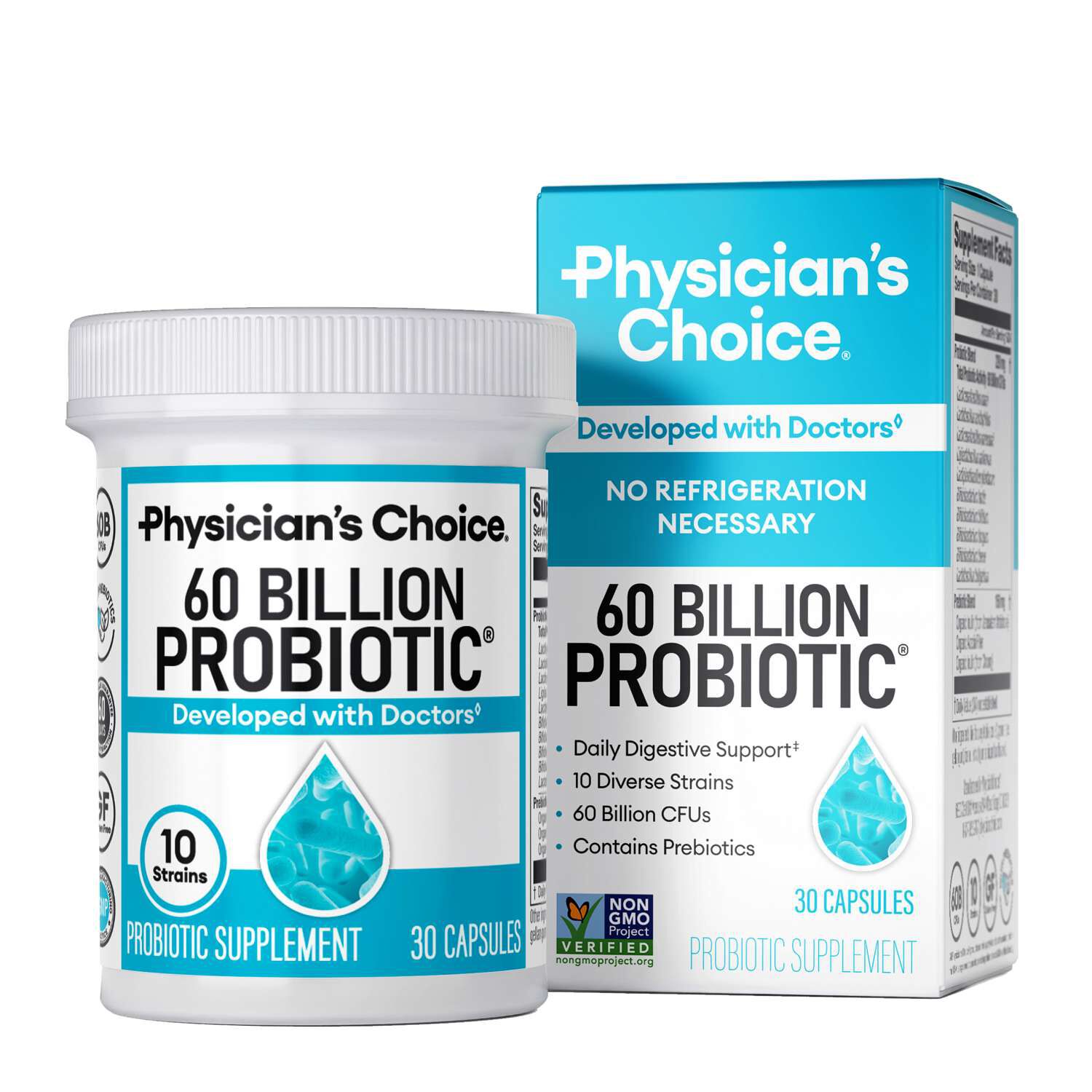 Physician's Choice