





Vitamin C Supplements Without Dairy
(0 Results)
Vitamin C supplements without dairy offer a convenient option for those looking to support their wellness routines while avoiding dairy ingredients. These formulas are designed for individuals with dietary preferences or sensitivities, making it easier to incorporate vitamin C into daily nutrition. Explore a variety of vitamin C supplements without dairy that may fit seamlessly into your lifestyle and help you meet your wellness goals.
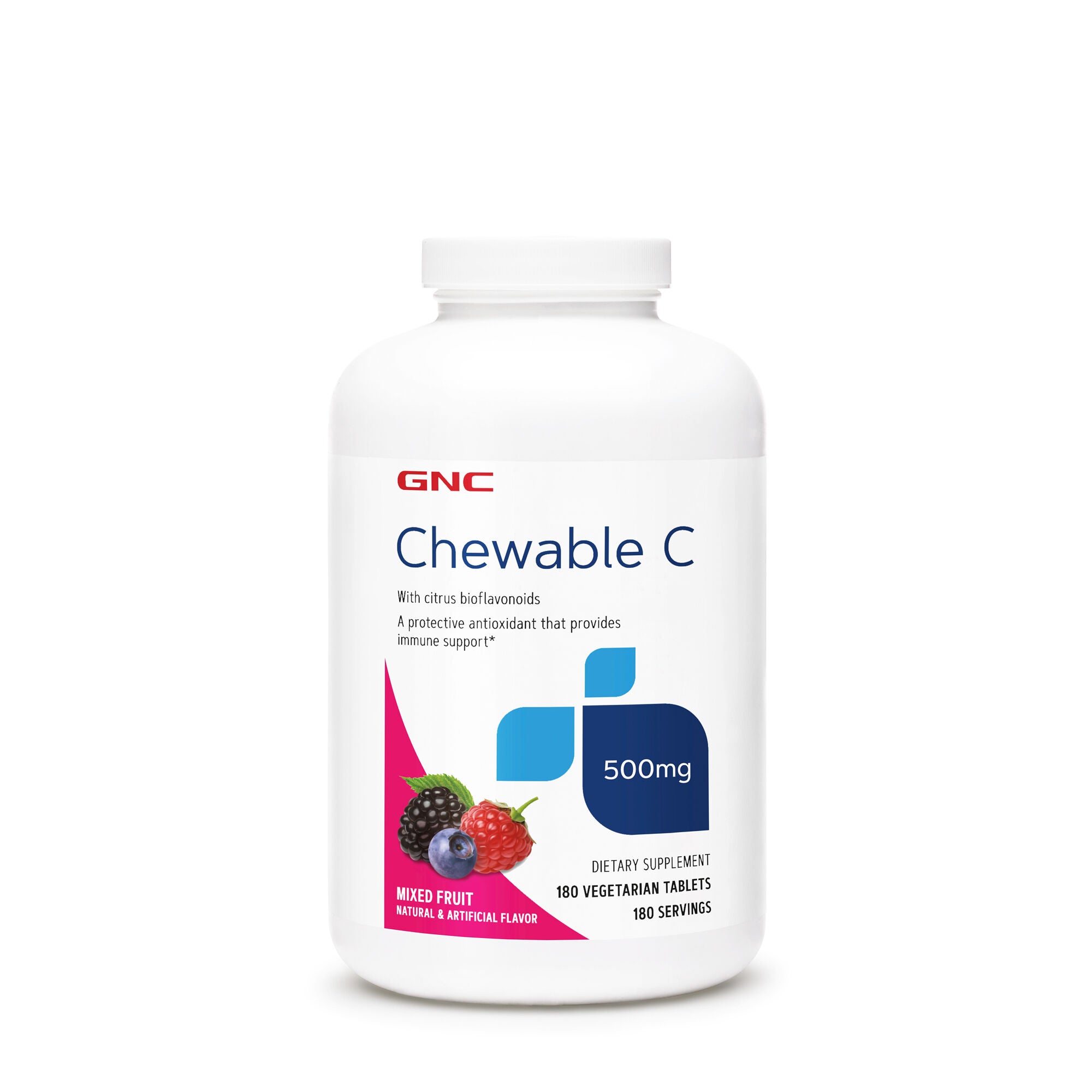

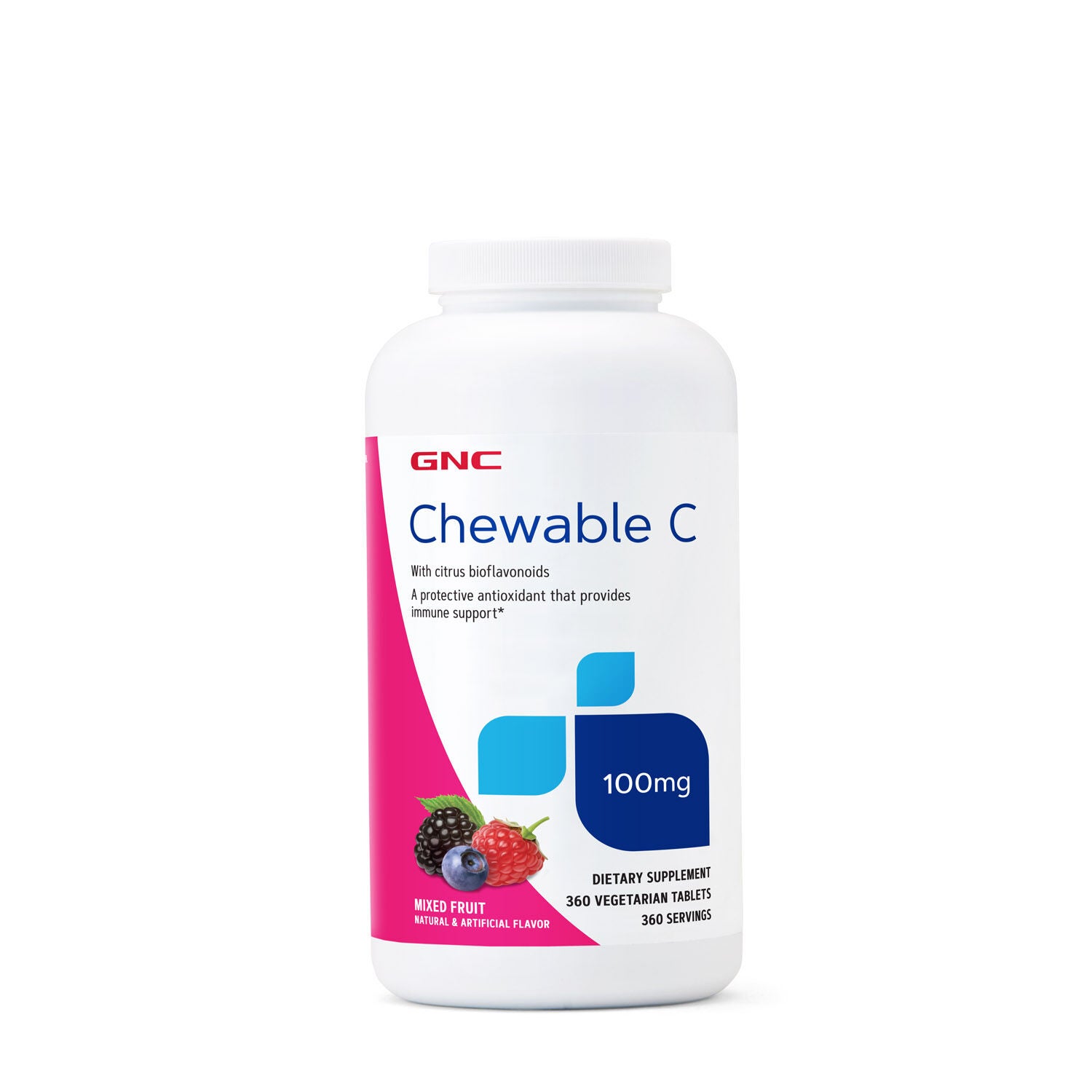

_Front.jpg?sw=305&sh=305&sm=fit "Pure Way-C Vitamin C and Bioflavonoids 1000+ mg - 90 Tablets (90 Servings) | GNC")


 Orange_Front.jpg?sw=305&sh=305&sm=fit "Junior C - 180 Tablets (180 Servings) | GNC")
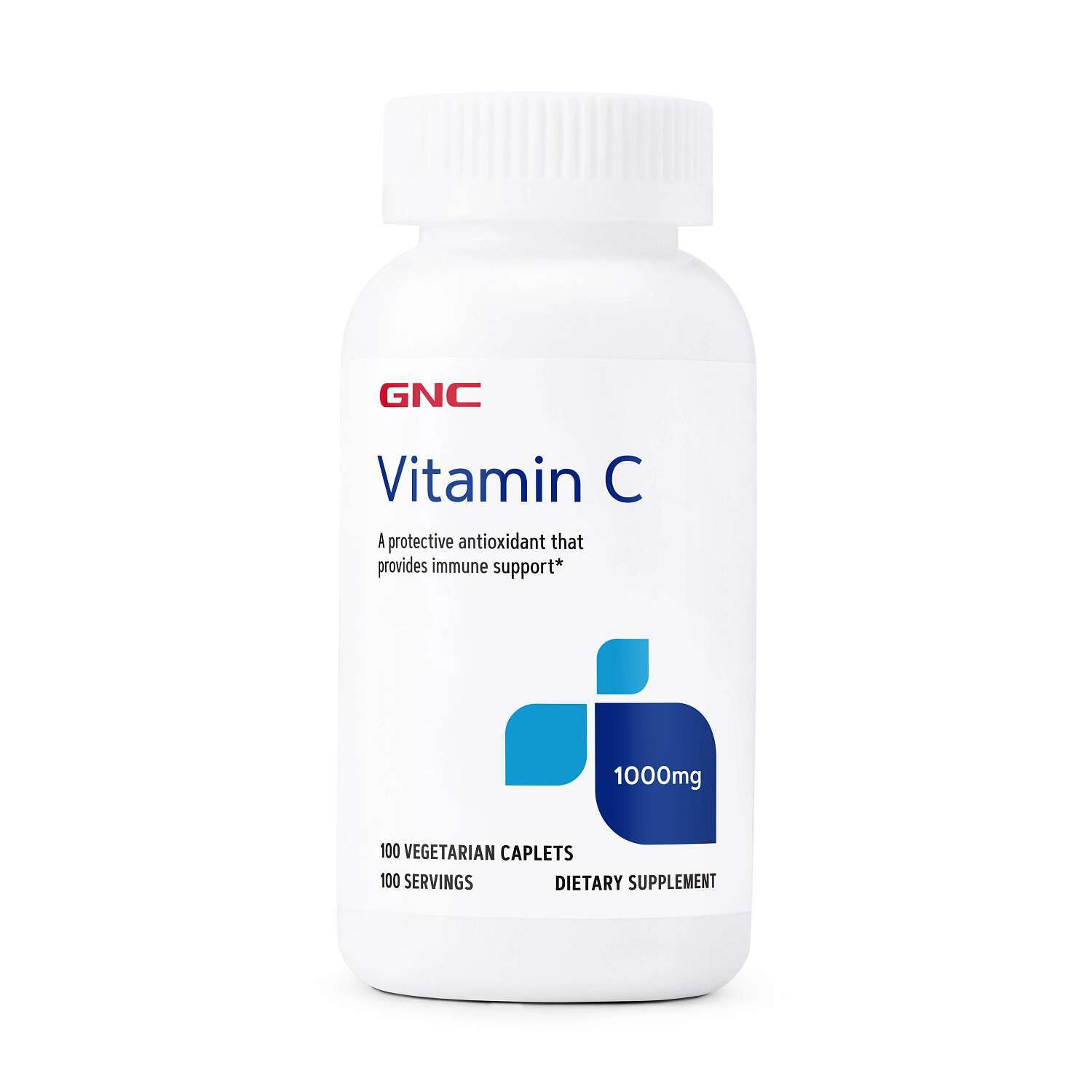
 Orange_Front.jpg?sw=305&sh=305&sm=fit "Junior C - 90 Tablets (90 Servings) | GNC")

 Orange_Front.jpg?sw=305&sh=305&sm=fit "Junior C - 500 Tablets (500 Servings) | GNC")


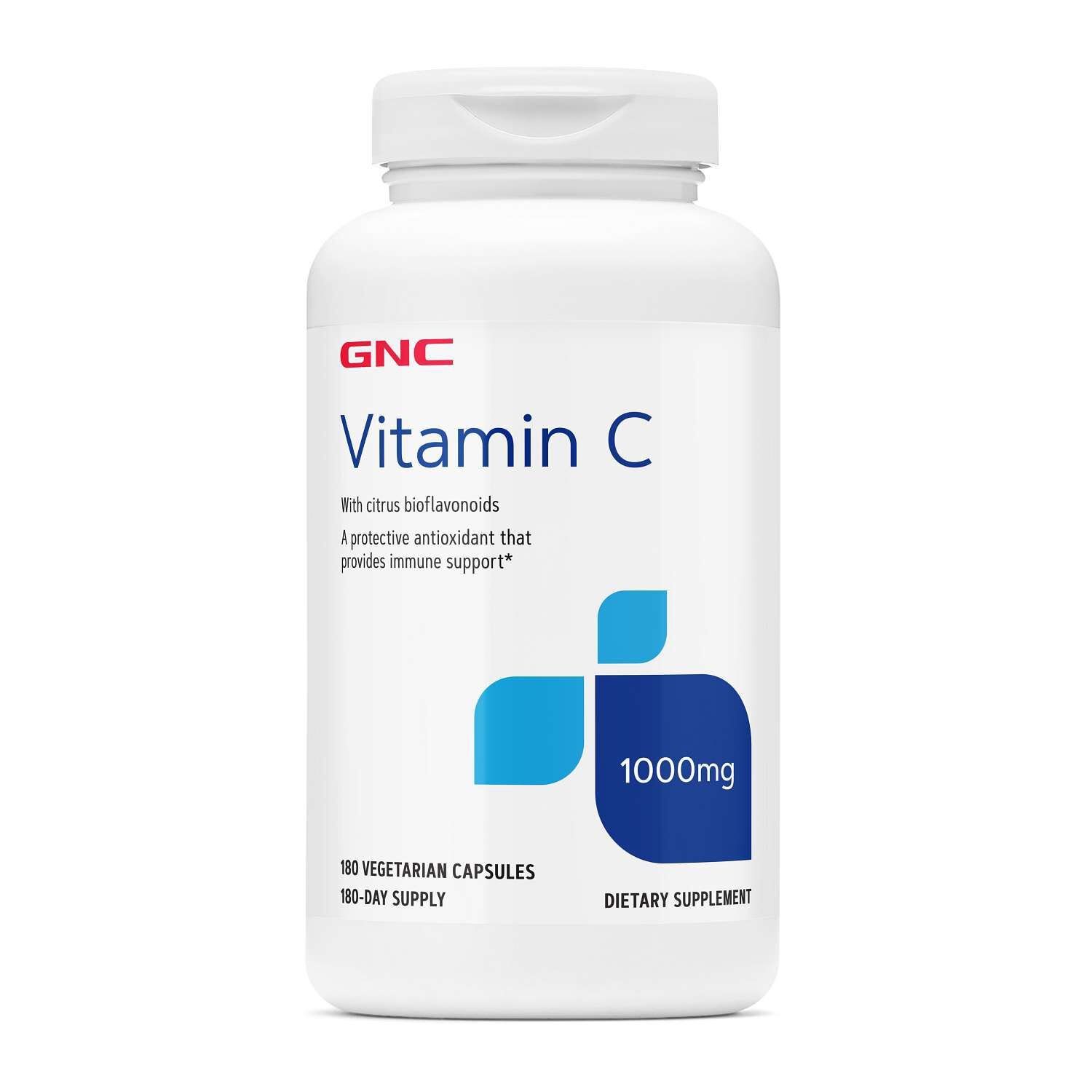

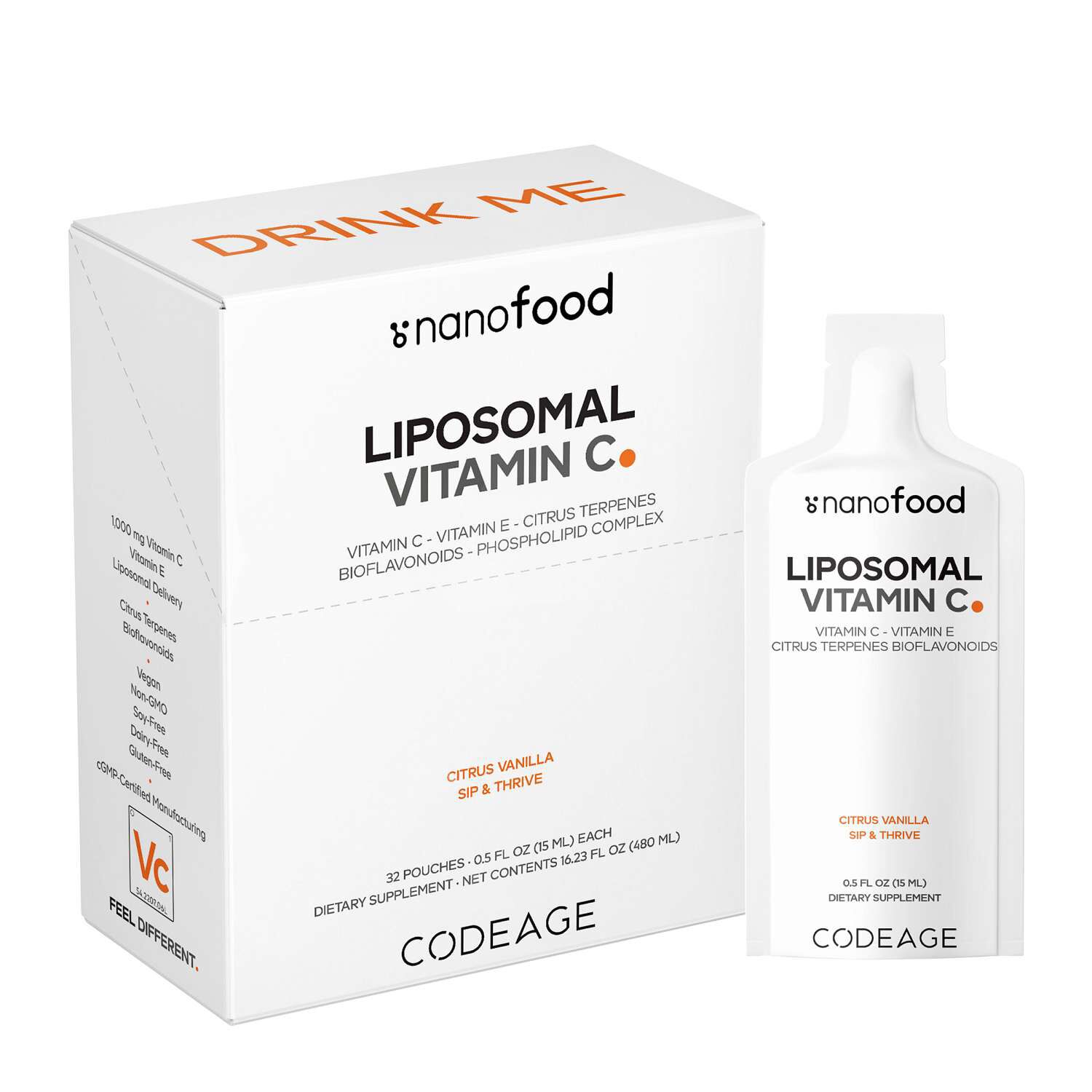
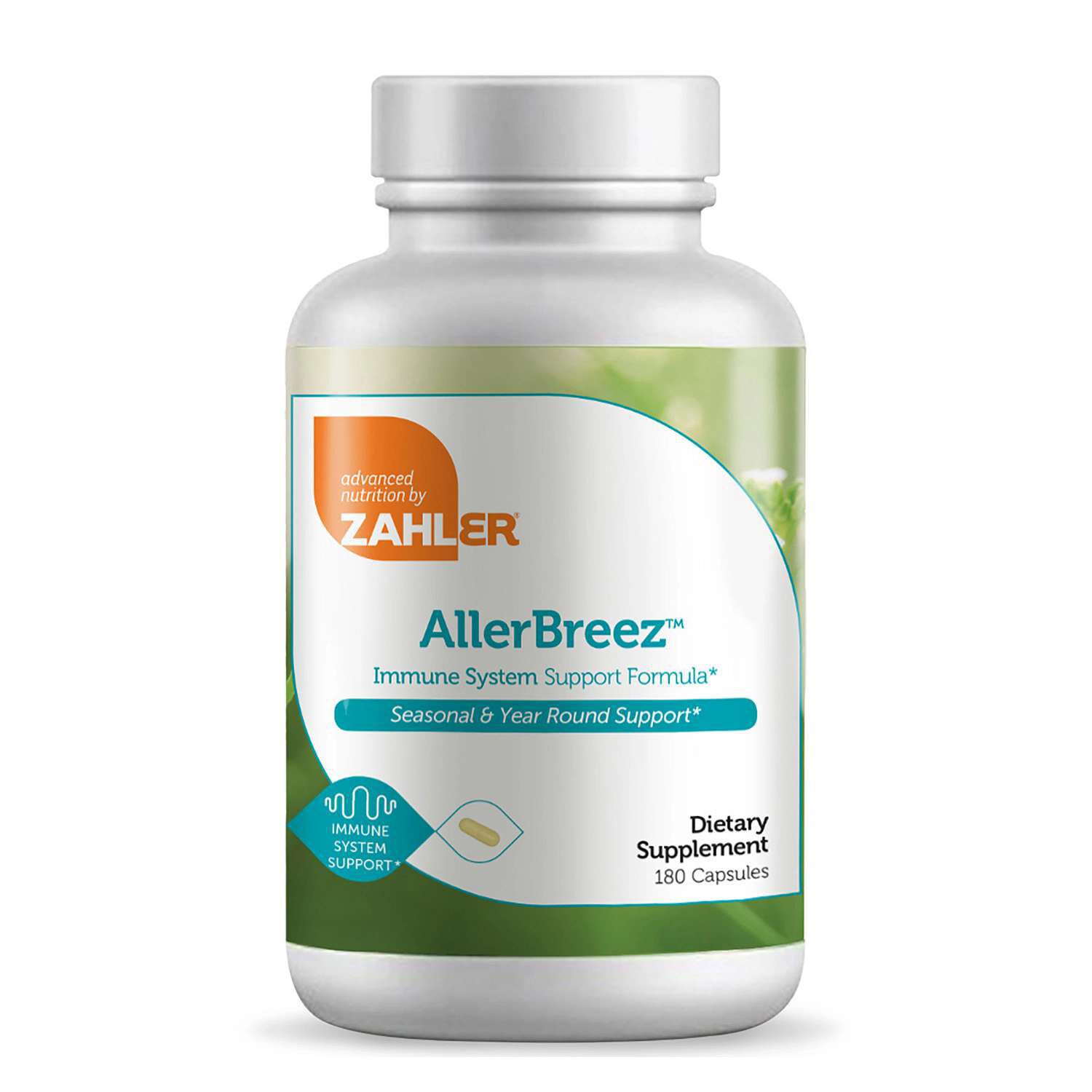


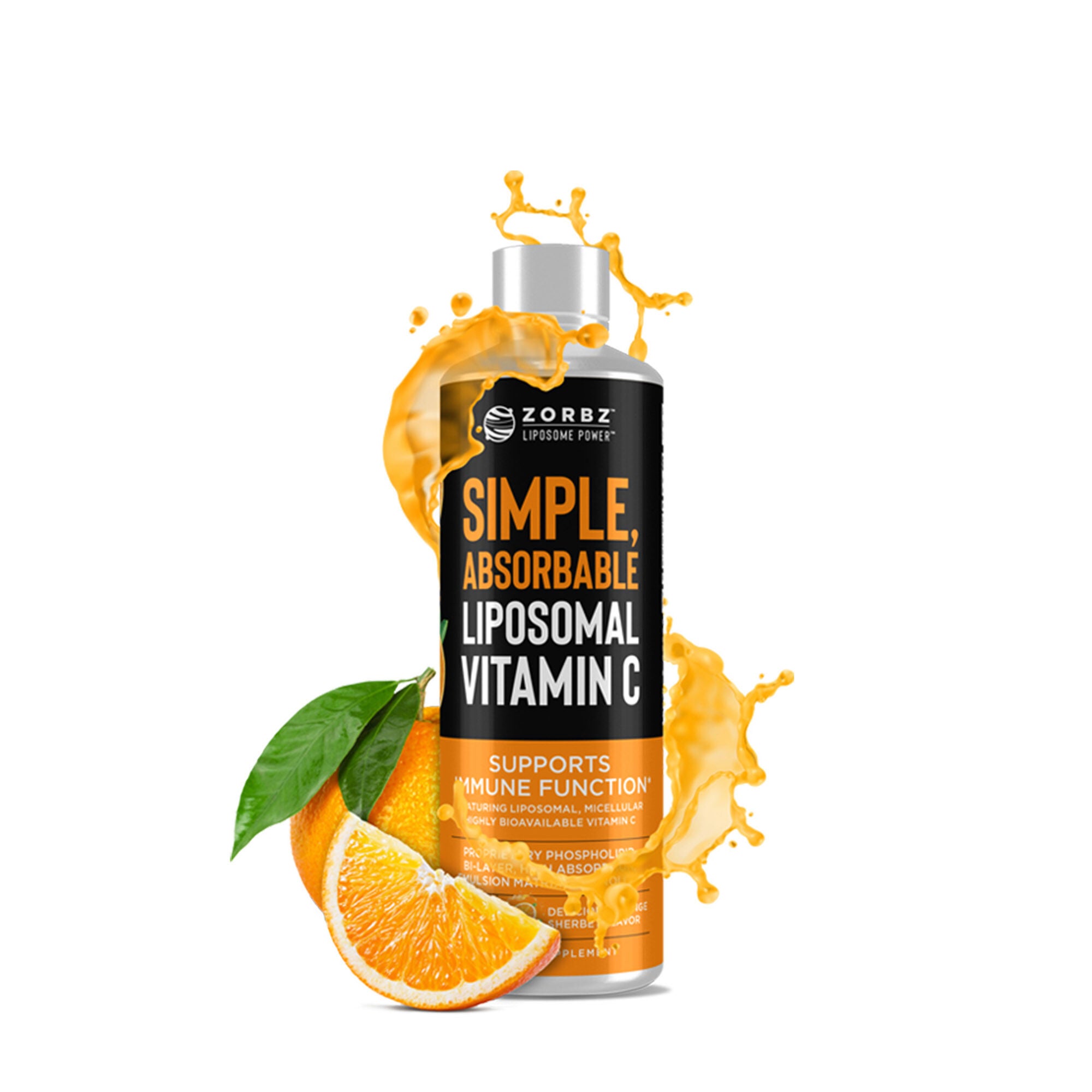
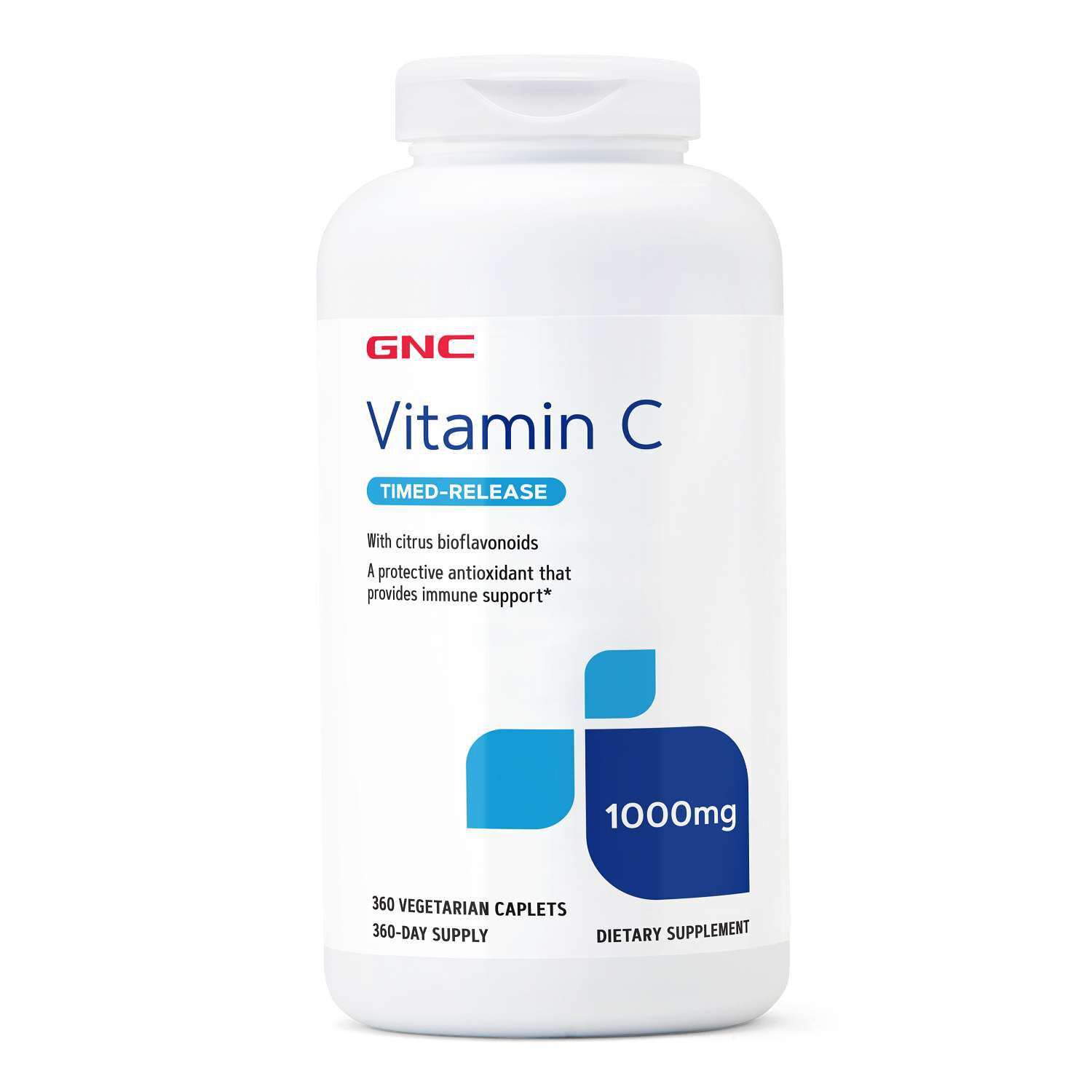
Vitamin C supplements without dairy are formulated without milk-derived ingredients such as lactose, whey, and casein. Vitamin C itself is not a dairy ingredient, but the rest of a supplement’s formula matters when milk avoidance is part of a daily routine. Labels commonly identify vitamin C as ascorbic acid or as a mineral ascorbate, including sodium ascorbate or calcium ascorbate. The presence of calcium in an ingredient name does not, by itself, mean that the ingredient comes from milk. Vitamin C is a water-soluble nutrient found in foods such as citrus fruit, strawberries, bell peppers, and broccoli; supplements present it in a measured amount per labeled serving. For shoppers who avoid dairy, the distinction is between the nutrient and everything used to turn it into a capsule, tablet, gummy, liquid, or powder. Capsule shells, coatings, sweeteners, flavor blends, and other supporting ingredients all contribute to the finished formula. The Supplement Facts panel describes the listed nutrients and serving size, while the other ingredients list provides additional details about the formulation. Milk-related statements elsewhere on the package add context that the front label alone may not convey. A statement about lactose addresses a different consideration from a statement about milk proteins, so those terms are not interchangeable. Likewise, plant-based or vegan wording describes a broader ingredient preference rather than every detail of how a supplement is manufactured. Shared-equipment and facility statements, when provided, are separate from the ingredient list. For a household that already checks bread, snacks, and pantry staples for milk ingredients, these distinctions carry over naturally to supplements. Dairy avoidance also does not describe every other dietary preference: a formula without milk ingredients may still contain soy, gelatin, added sugars, or other components a shopper chooses to limit. Clear labeling makes it easier to compare formulas on their actual ingredients rather than on a single phrase on the front of the bottle.
Format is another meaningful difference among vitamin C supplements without dairy, especially when a supplement needs to fit an established routine. Capsules and tablets are portioned into individual units, with the labeled serving sometimes consisting of more than one. Their dimensions, coating, and texture can matter just as much as the amount of vitamin C printed on the package. Someone accustomed to a small capsule may have a different preference from someone who already uses chewable tablets. Powders are intended for mixing according to package directions and introduce a different set of details, including scoop size, suggested liquid amount, flavor, and the number of scoops in a serving. An unflavored powder is not necessarily tasteless; ascorbic acid has a tart character that may be noticeable in a beverage. Flavored powders may include sweeteners and additional ingredients, making the full ingredient list relevant even when the main nutrient is familiar. Gummies and chewables bring flavor and texture into the comparison, along with the number needed for a labeled serving and any listed added sugars. Liquid formats have their own serving measurements and dispensing instructions. A bottle that stays beside breakfast dishes, a powder measured into a drink at home, and a container packed for an overnight visit each place different practical demands on the format. None of those preferences establishes whether a formula contains milk ingredients; that information comes from the labeling, not its appearance or texture. Packaging also matters after purchase. A securely closed container, a readable label, and storage consistent with the manufacturer’s directions are practical considerations for powders, tablets, capsules, and gummies alike. Original packaging keeps the ingredient list, serving directions, lot information, and expiration date together. During travel, keeping those details with the supplement preserves a useful reference, particularly when several household members use similar-looking containers. These everyday details make format a practical comparison point rather than simply a matter of taste.
The amount of vitamin C per serving is another useful point of distinction, but the number on the front of a package does not tell the whole story. Serving size establishes whether that amount applies to one capsule, several gummies, a measured scoop, or a specified quantity of liquid. The Supplement Facts panel also lists the amount as a percentage of the Daily Value, offering a consistent labeling reference across different formats. A larger printed milligram amount is not, on its own, a reason to prefer one formula over another. Some supplements center on vitamin C alone, while others pair it with nutrients or plant ingredients such as citrus bioflavonoids. Those combinations create different ingredient profiles, even when two packages display the same vitamin C amount. For someone comparing supplements already included in a household routine, the distinction between a single-nutrient formula and a blend is particularly relevant. Dairy-related preferences can extend across categories as well, and Magnesium Supplements Without Dairy offers a related category for shoppers comparing milk-ingredient information beyond vitamin C. Each category still calls for its own label review; similar packaging or matching dietary wording does not establish an identical formula. For shared households, clearly identified bottles also distinguish one person’s preferences from another’s, whether that means an unflavored powder, a capsule without gelatin, or a chewable with a particular sweetener. A familiar format may suit someone who values a simple morning routine, while another shopper may place more emphasis on a shorter ingredient list or a clearly stated milk-related declaration. The most meaningful comparison brings those details together: the vitamin C source, amount per labeled serving, supporting ingredients, format, and package directions. Vitamin C supplements without dairy are defined by their formulation, not by a particular flavor, shape, or nutrient amount, leaving room for different preferences within the same dietary theme.
Best Sellers

Related Pages

Top Collections
- Zinc Supplements | Top Brands at Great Prices | GNC
- Joint Mobility Supplement Packs
- Daily Collagen Supplements | Top Brands & Deals | GNC
- Cortisol Supplements
- Supplements For Yoga Joint Flexibility
- NAD+ Supplement Tablets
- Iron Supplements
- Best Brand of Magnesium Glycinate
- Chronic Fatigue Supplements
- Peptide Supplements