Vitamin C Supplements Without Sodium
(0 Results)
Vitamin C supplements without sodium offer a convenient way to support your daily wellness routine while fitting specific dietary preferences. With a variety of formats and strengths available, these options may align with your goals for maintaining balanced nutrition. Explore vitamin c supplements without sodium to find choices that suit your lifestyle and supplement regimen.
_Front.jpg?sw=305&sh=305&sm=fit "Pure Way-C Vitamin C and Bioflavonoids 1000+ mg - 90 Tablets (90 Servings) | GNC")


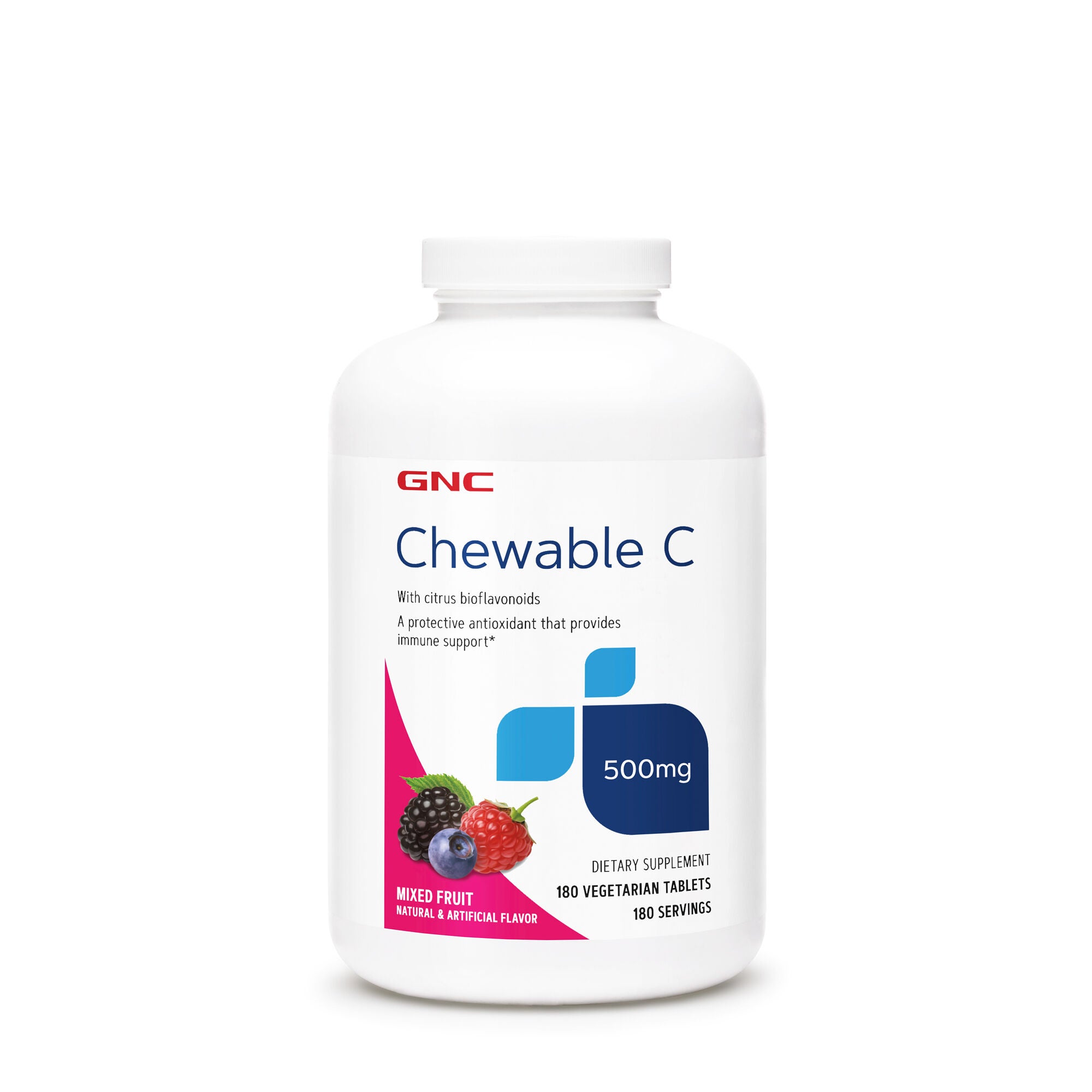
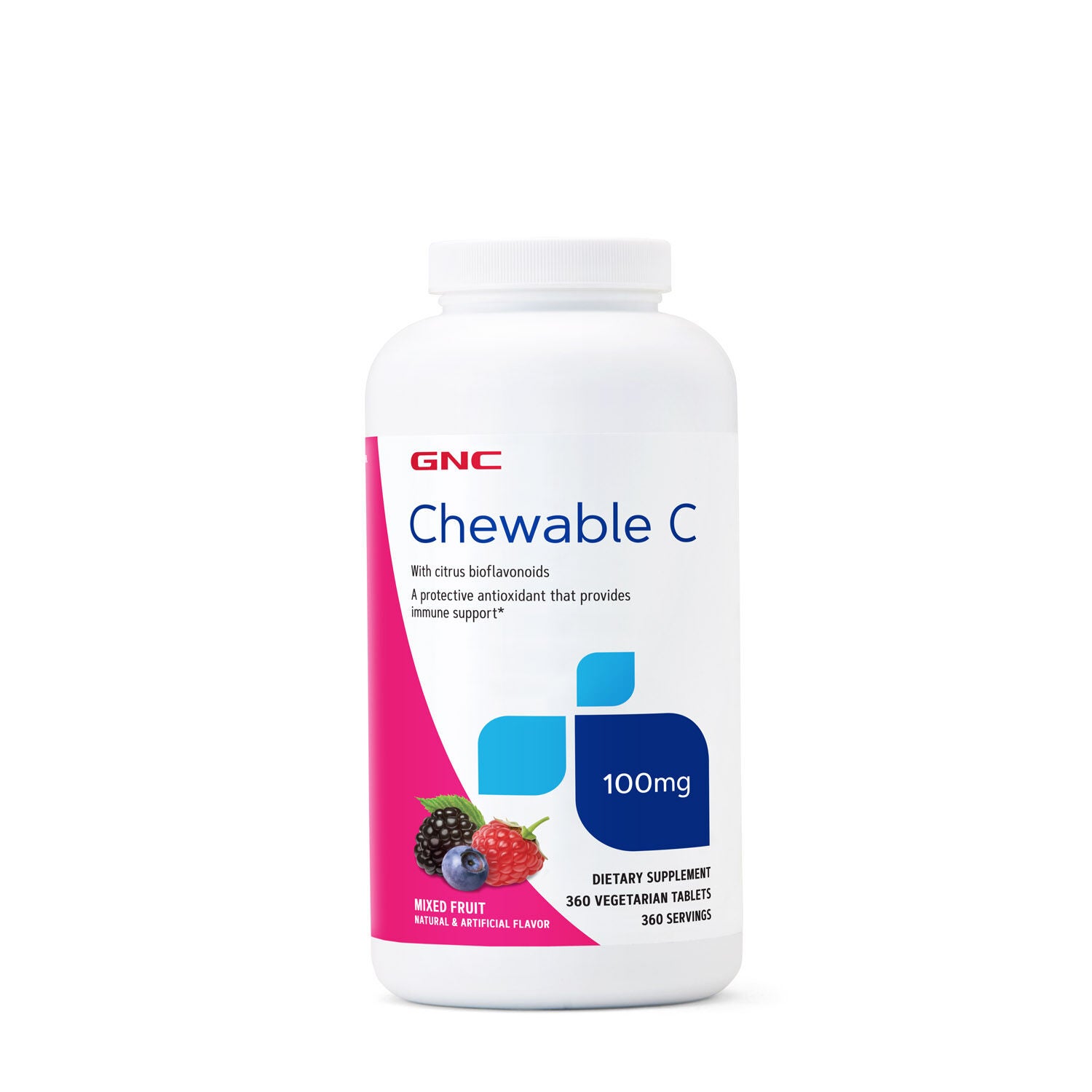


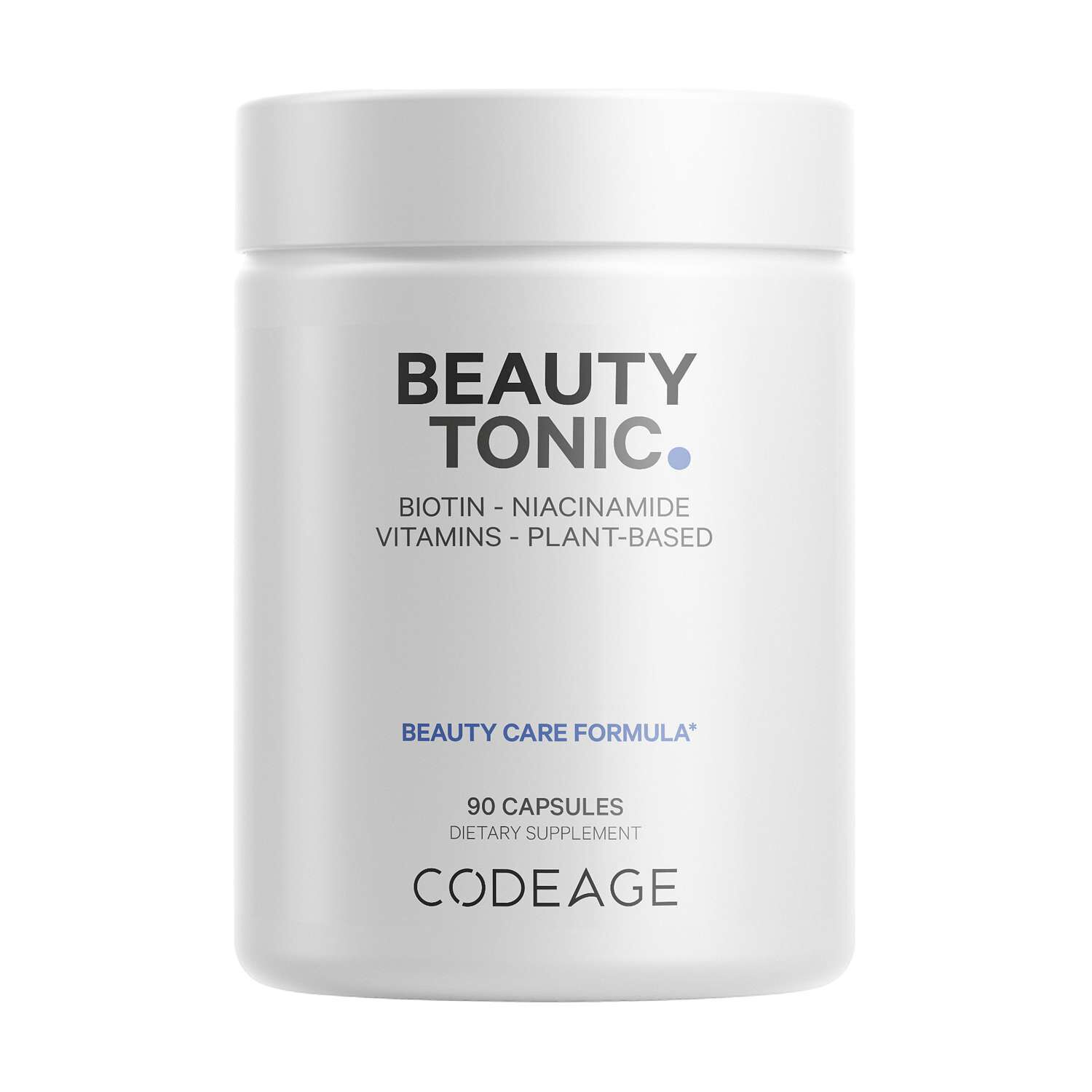


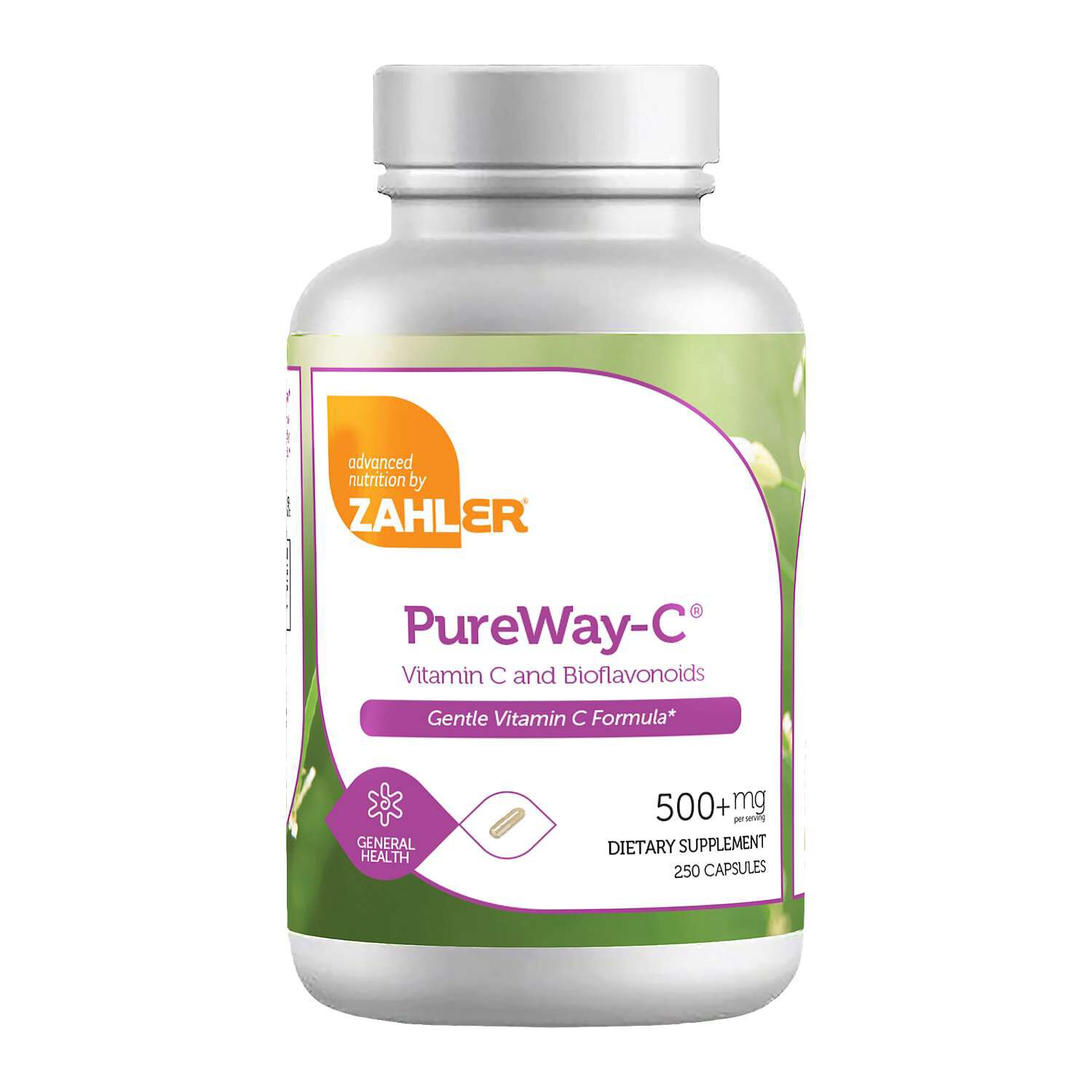
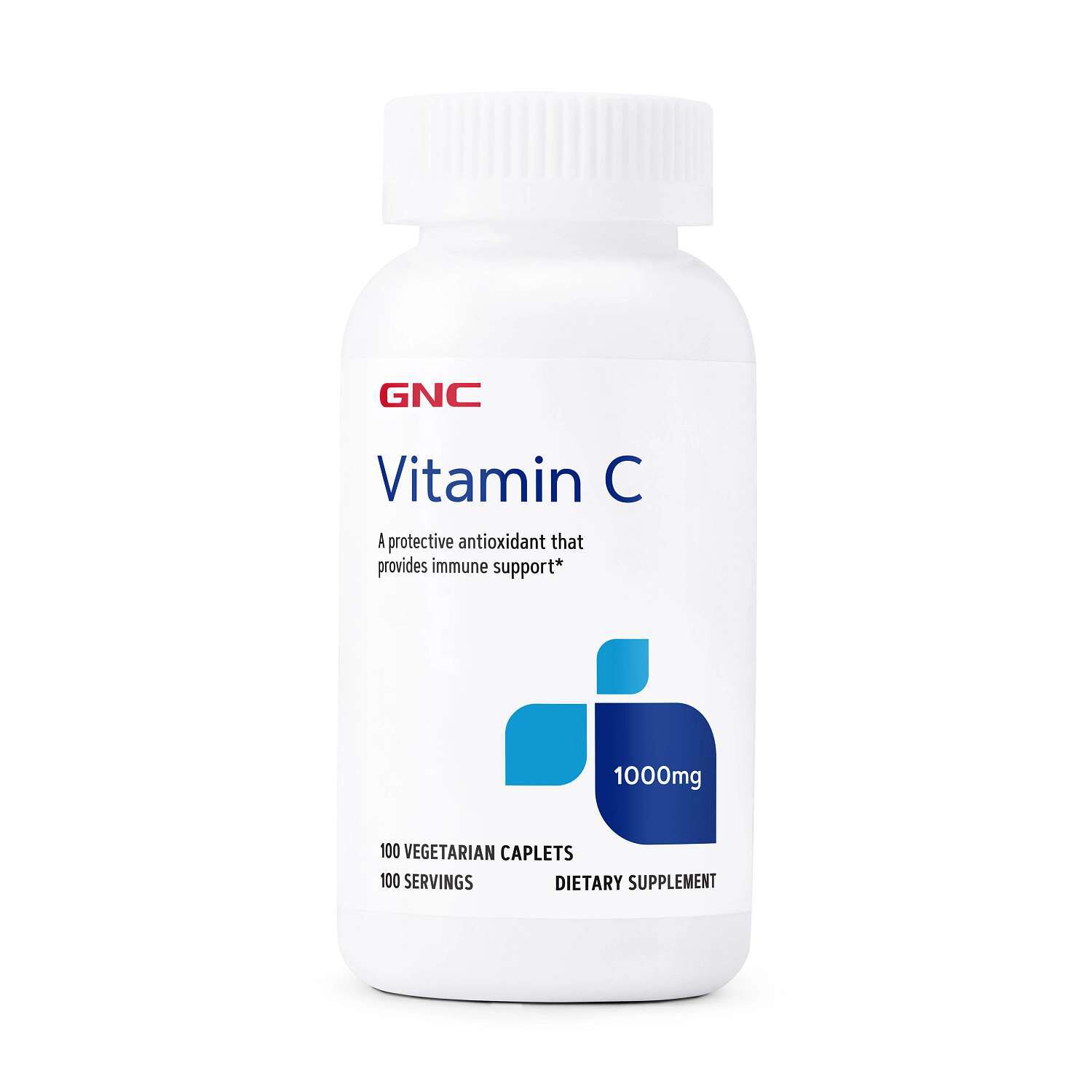


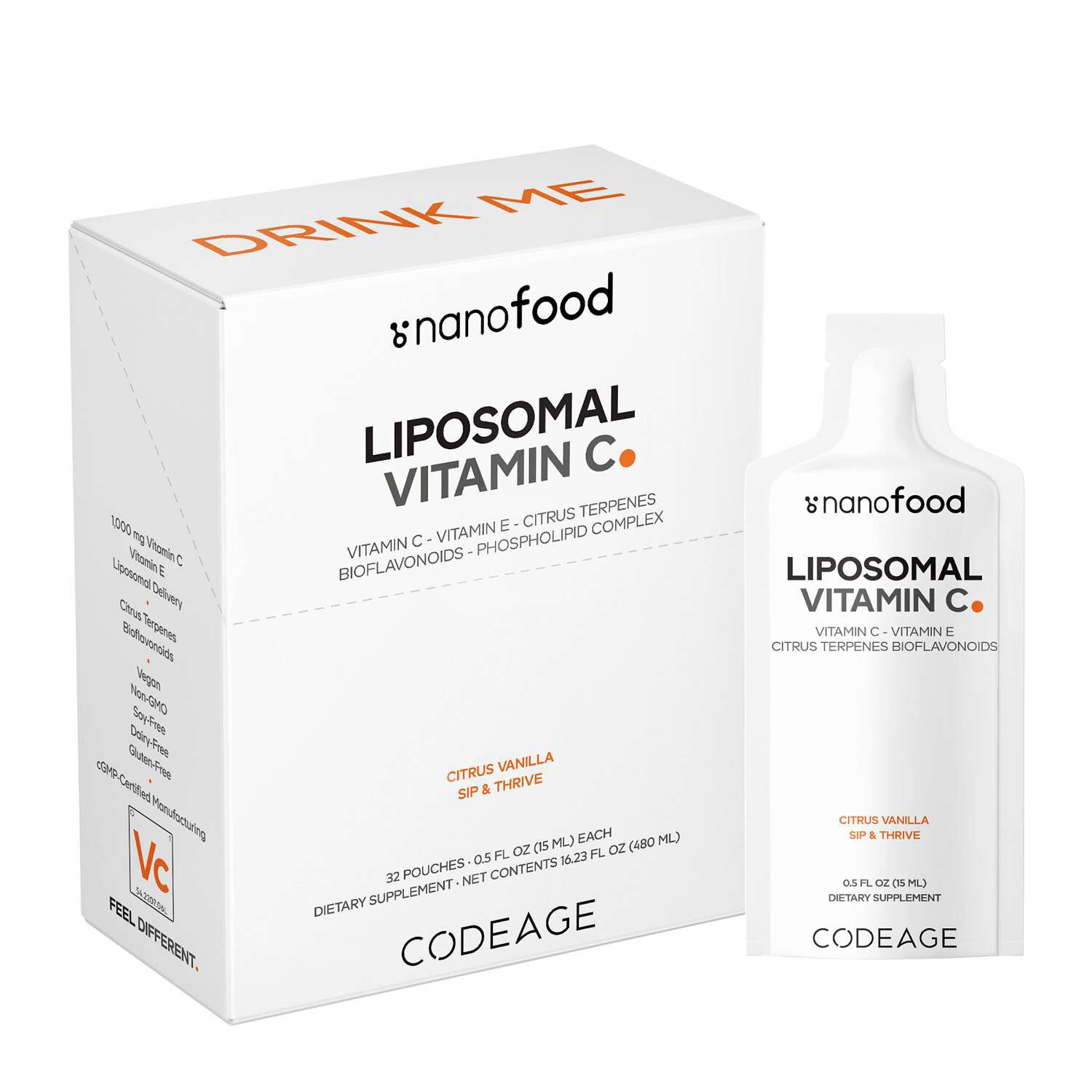


Vitamin C supplements without sodium can be a practical choice for shoppers who want to add vitamin C to an established routine while paying closer attention to the ingredients on a Supplement Facts panel. Pure ascorbic acid is the familiar form of vitamin C and is naturally made without sodium, appearing in capsules, tablets, chewables, and powders. Mineral-buffered options may use calcium ascorbate or magnesium ascorbate instead of sodium, creating another way to shop for a formula that fits a sodium-conscious household. Because each format has a different texture, serving size, and preparation style, the best match often comes down to everyday habits. Capsules and tablets can slip neatly into a travel pouch or desk drawer, while powder may suit someone who prefers stirring a supplement into water or another beverage. A shopper who dislikes large tablets might appreciate a powder, whereas someone with a busy morning routine may favor a pre-measured capsule. Labels are worth reading closely: look for the form of vitamin C, the amount per serving, the suggested use, and the full ingredient list. “Without sodium” should be confirmed by reviewing the product details rather than assumed from the front label, especially when comparing flavored powders, chewables, or combination formulas. Other ingredients can include sweeteners, flavoring agents, colors, binders, or minerals, and these details may matter to people organizing a carefully selected pantry. Some shoppers seek a plain ascorbic acid formula with a short ingredient list; others may prefer calcium ascorbate or magnesium ascorbate for a buffered mineral pairing. Pure ascorbic acid is typically recognized for its tart profile, which can be noticeable in powder or chewable formats, while buffered choices may offer a different taste and texture. Mixing powder into a cool drink can make it easier to use, though the package directions should guide serving and preparation. Vitamin C may support normal immune function and collagen formation, and it may also contribute antioxidant activity, but individual experiences can vary. Supplements are intended to complement meals and daily routines, not replace a varied eating pattern. Citrus fruit, berries, tomatoes, peppers, leafy greens, and other produce can all be part of a food-first approach, while a supplement may be selected for convenience, consistency, or personal preference. Anyone managing a health condition, following a sodium-restricted eating plan, taking prescription products, or considering a supplement for a child should review the label with a qualified healthcare professional before use.
When choosing vitamin C supplements without sodium, it can help to picture how the product will fit into real life rather than selecting by ingredient name alone. A person who keeps breakfast simple may place a capsule beside a coffee maker, while someone who spends cooler months moving between home, work, and travel may prefer a compact bottle that fits in a toiletry bag. Powder can be useful for shoppers who enjoy customizing a morning drink, but measuring tools and serving directions should be easy to follow. Tablets may be convenient for a shared household, and a well-presented bottle or pouch could make a thoughtful gift for a friend who enjoys organizing a wellness cabinet, preparing for travel, or trying new pantry staples. When giving supplements, it is considerate to include the unopened package and let the recipient decide whether the ingredients and serving format suit their preferences. This is especially important when a formula contains added minerals, sweeteners, or other components beyond vitamin C. Calcium ascorbate and magnesium ascorbate may appeal to shoppers looking for buffered forms, while pure ascorbic acid may suit those who want a straightforward vitamin C ingredient. The phrase “buffered” does not mean every formula will feel the same for every person, so the ingredient panel, serving information, and product directions remain useful points of comparison. Shoppers may also want to check whether the powder is intended to dissolve in water, whether a chewable contains flavoring or sweeteners, and whether a capsule uses a vegetarian shell or other material that matters to their preferences. Storage instructions can help preserve quality; many formulas are best kept in a cool, dry place with the container closed between uses. During the transition from warmer days to cooler months, a simple routine can be easier to maintain when the product is stored where it naturally belongs—near a breakfast shelf, packed with travel items, or placed beside other daily supplements. For people comparing related dietary needs, the collection of Vitamin C Supplements Without Dairy may offer another useful filter when reviewing ingredient preferences. As with any dietary supplement, label directions provide the starting point, and a healthcare professional can offer individualized guidance for pregnancy, breastfeeding, medical conditions, medication use, or questions about nutrient intake. By comparing the vitamin C form, sodium statement, serving format, additional ingredients, and intended use, shoppers can select an option that feels practical, transparent, and easy to work into the rhythm of everyday life.