

Vitamin C Supplements No Preservatives
(0 Results)
Discover a selection of vitamin C supplements no preservatives designed for those who prefer simple, straightforward options for their wellness routine. Explore a variety of formats and strengths to find the right fit for your needs. With vitamin C supplements no preservatives, you can choose from capsules, powders, or chewables that may suit your lifestyle and preferences. Find options that align with your goals as you support your daily nutrition.


_Front.jpg?sw=305&sh=305&sm=fit "Pure Way-C Vitamin C and Bioflavonoids 1000+ mg - 90 Tablets (90 Servings) | GNC")


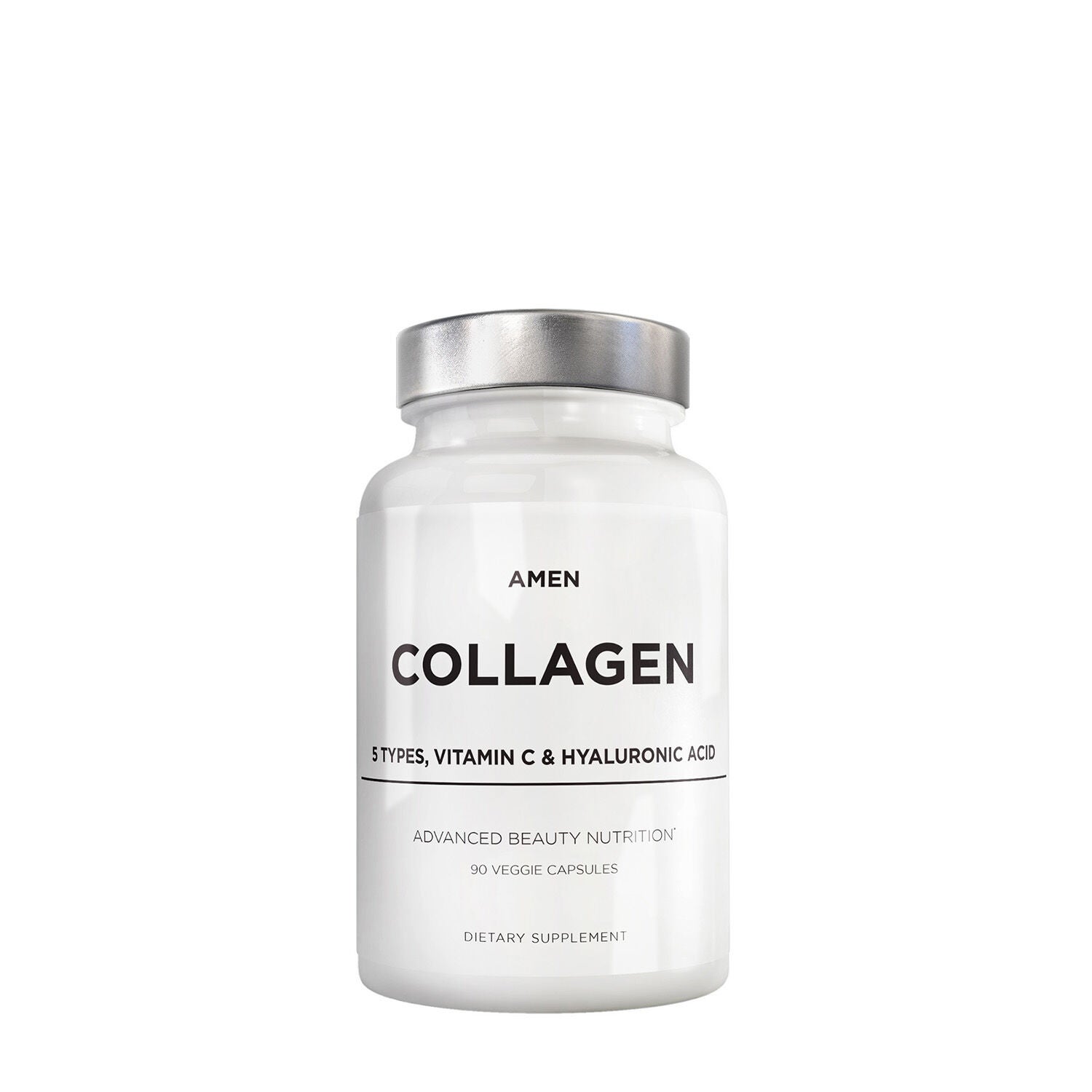

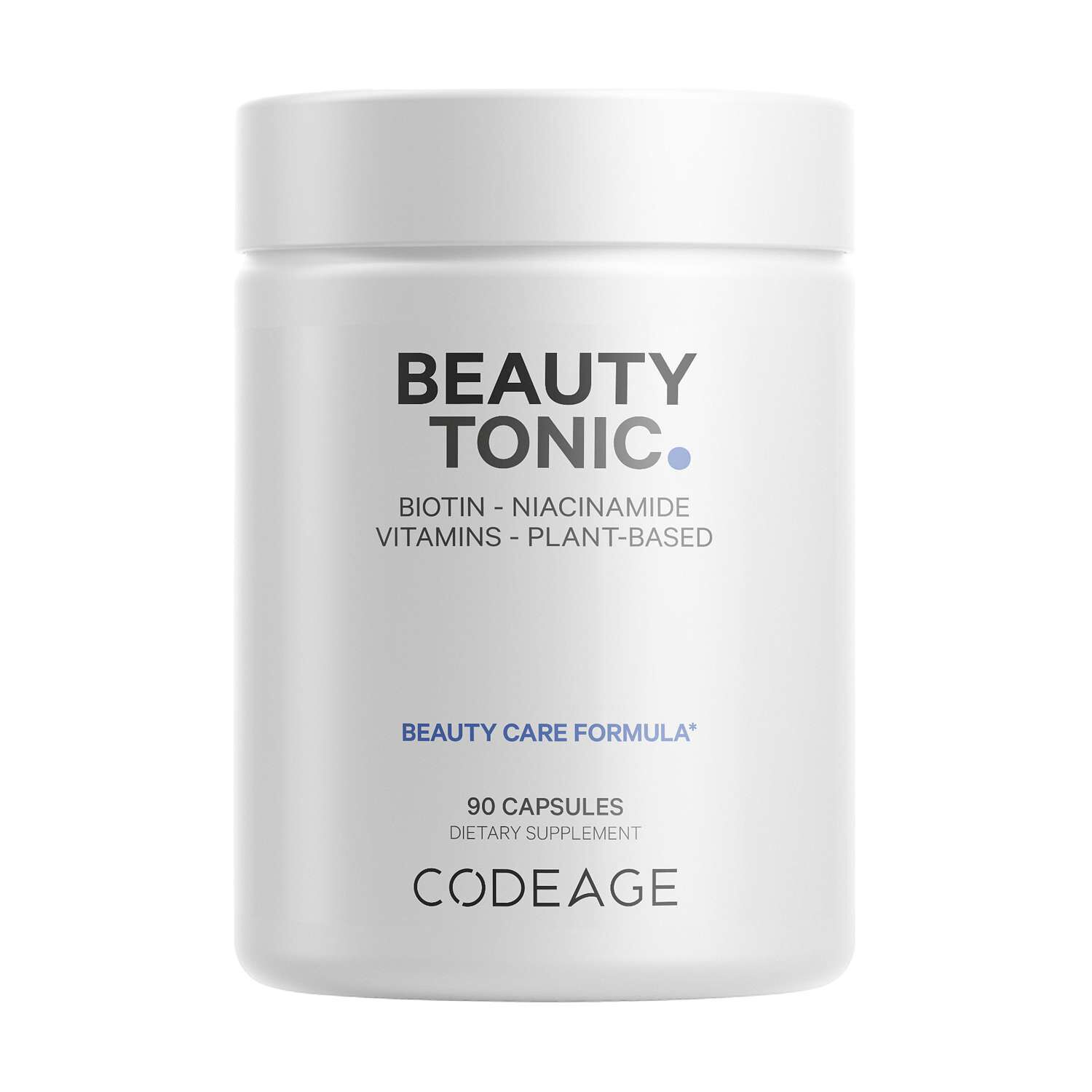


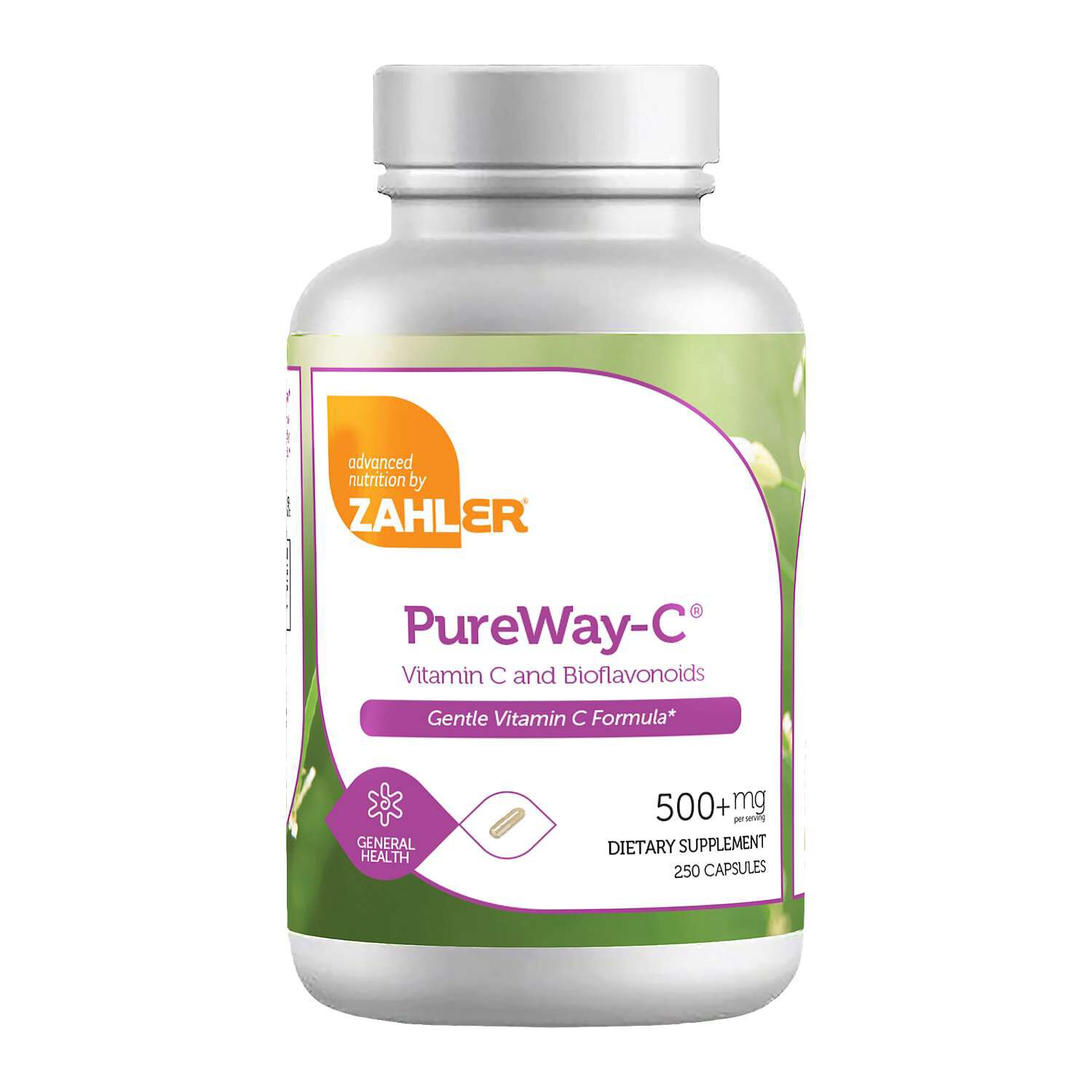
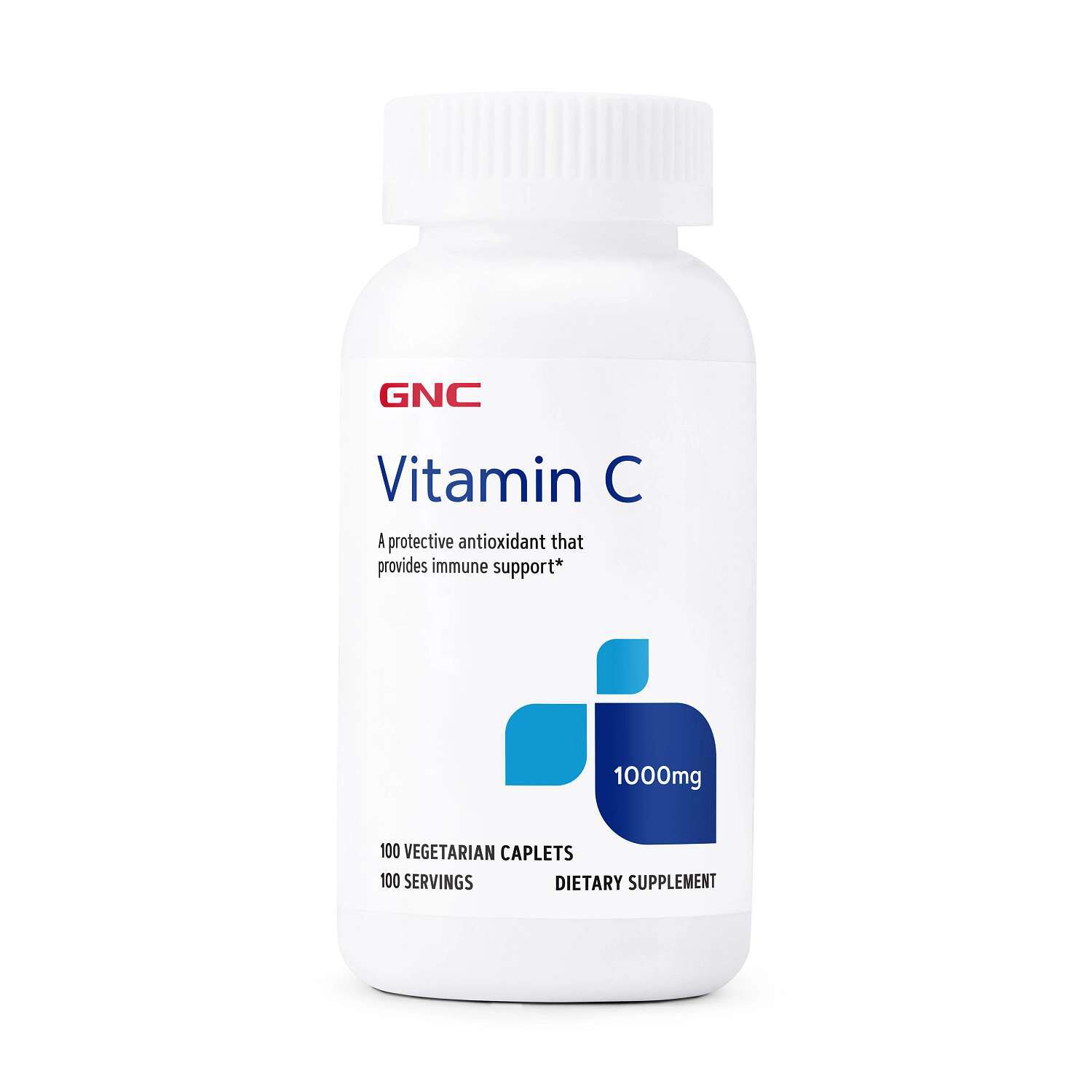


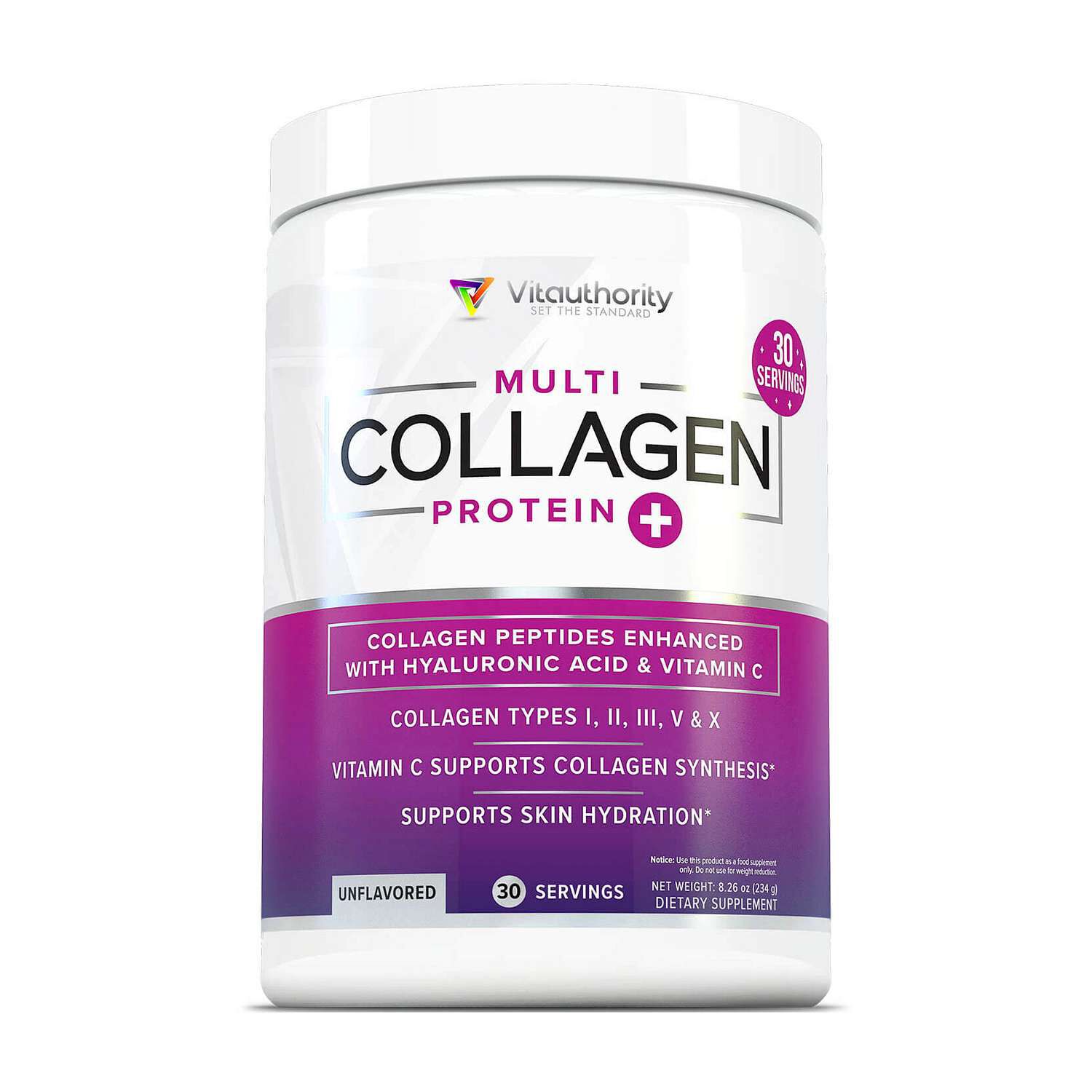
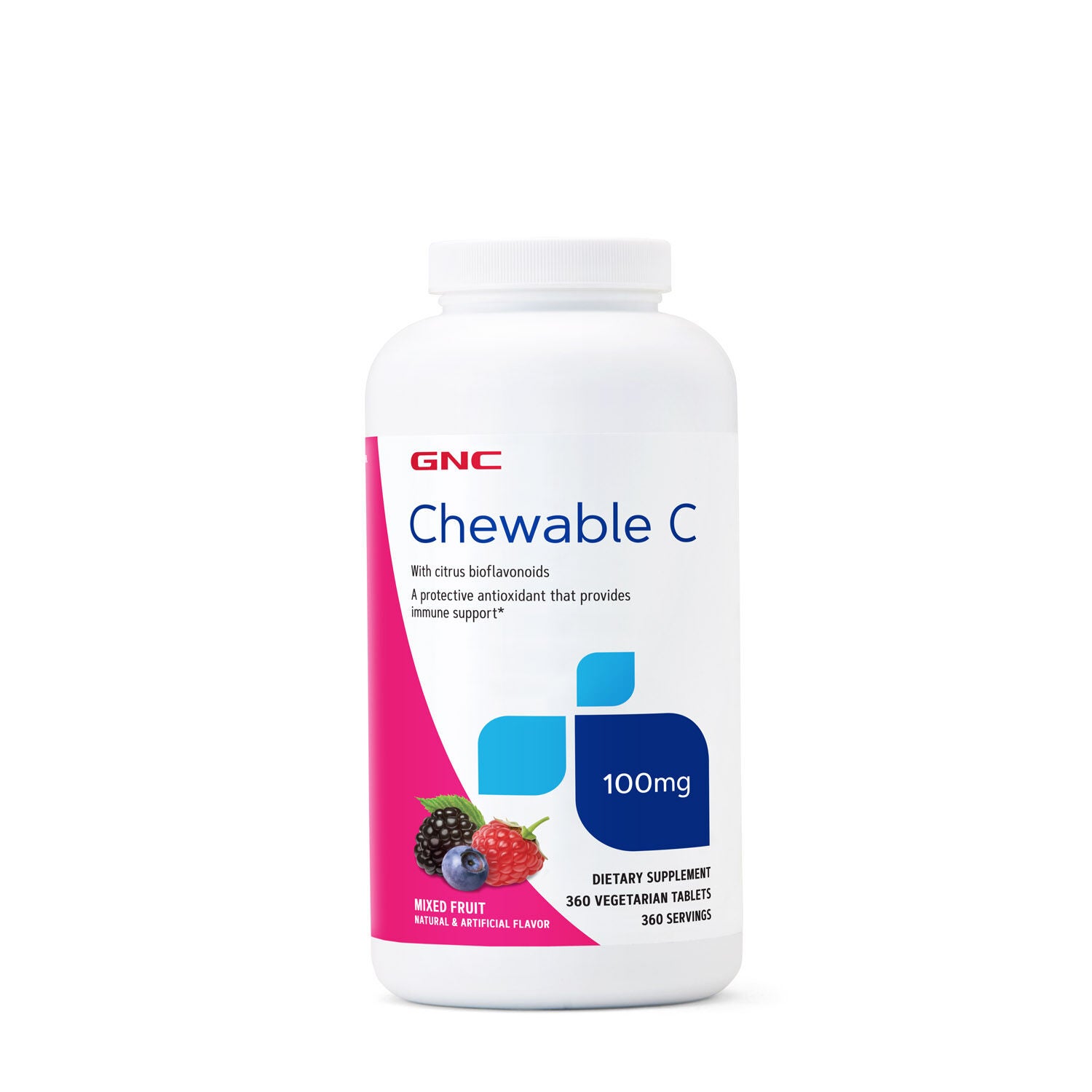
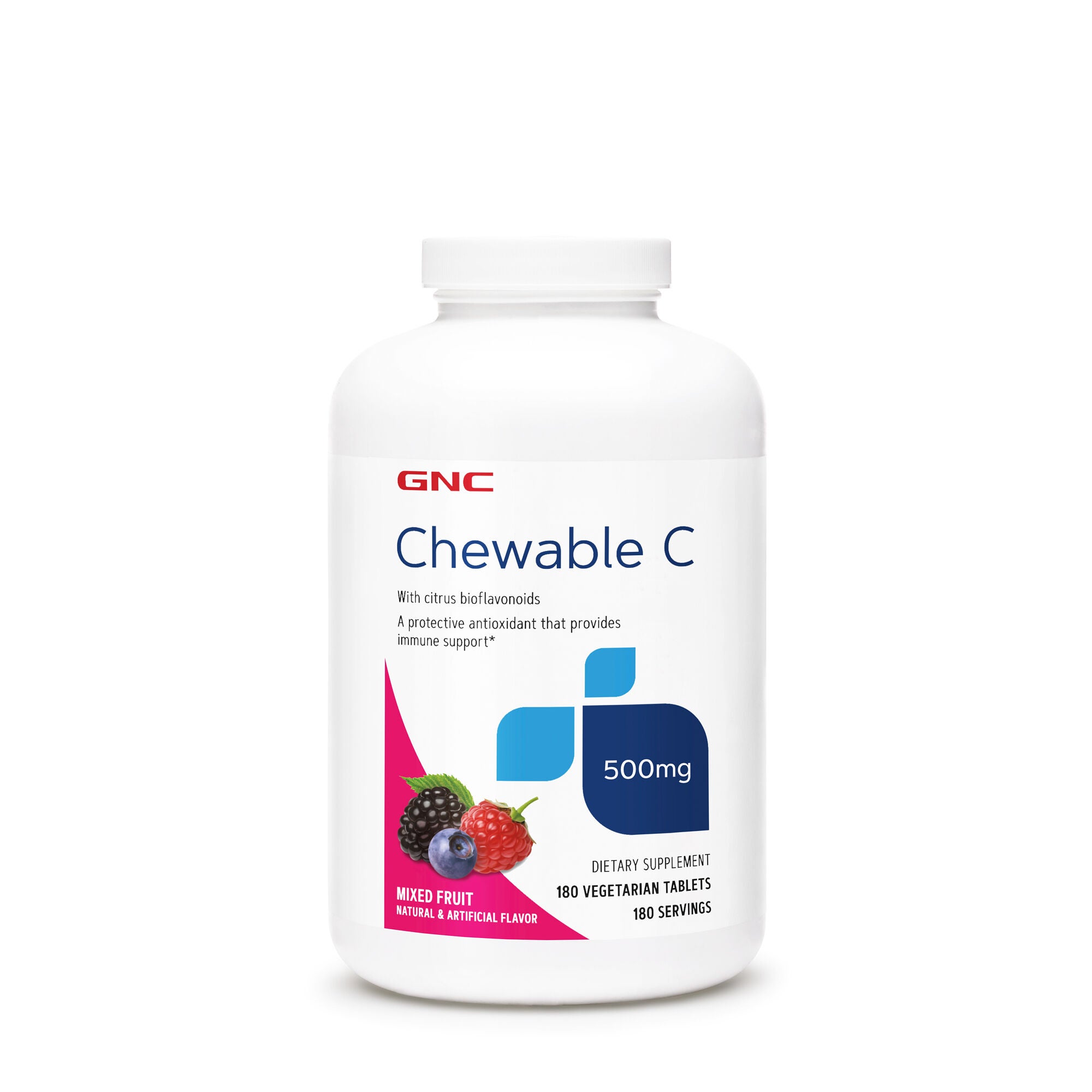
Vitamin C supplements made without preservatives offer a straightforward option for shoppers who prefer a shorter ingredient list and a simple approach to daily nutrition. Vitamin C, also known as ascorbic acid, is a water-soluble nutrient found in foods such as oranges, grapefruit, strawberries, kiwi, bell peppers and broccoli. In supplement form, it commonly appears as ascorbic acid, buffered vitamin C or a whole-food complex sourced from fruit ingredients. Ascorbic acid is the familiar standard form and may dissolve easily in water, making it a practical choice for capsules, tablets and unflavored powders. Buffered formulas pair vitamin C with minerals such as calcium or magnesium and may suit shoppers who prefer a less tart powder or a gentler-feeling format. Whole-food complexes may include fruit extracts alongside vitamin C for a more food-based profile. When browsing Vitamin C Supplements No Preservatives, read the Supplement Facts panel and the full ingredient list rather than relying only on the front label. Look for the form of vitamin C, the amount per serving, serving size, flavoring, sweeteners, capsule material and any additional ingredients. A product made without preservatives may still contain other functional ingredients, so shoppers who want a particularly simple formula may wish to compare each label carefully. Single-ingredient capsules and unflavored powders may appeal to people who prefer to decide how they take their supplement, while flavored powders, chewables or combination formulas may suit those who enjoy a more convenient routine. Product details can also identify whether a formula contains common allergens, plant-based capsule shells, minerals or fruit-derived ingredients.
Format can make a noticeable difference in how naturally a vitamin C supplement fits into a morning routine. Capsules may work well for someone who keeps a bottle beside a water glass, stores a few items in a desk drawer or prefers a measured serving with breakfast. Powder may appeal to shoppers who like mixing a scoop into water, a smoothie or another suitable beverage, although unflavored ascorbic acid can have a distinctly tart taste. A small measuring spoon, shaker cup or glass can make powder easier to use at home, while capsules may travel conveniently in a daily organizer. Follow the serving directions on the package and use the included scoop when one is provided, since powder density can differ from one formula to another. People who already take several supplements may appreciate a single-ingredient product that makes label reading more manageable. Others may prefer a whole-food complex when they enjoy fruit-inspired formulas and a broader ingredient profile. Those choosing a product for personal use may also consider capsule size, texture, flavor, dietary preferences, container size and storage instructions. Keeping powders dry and closing containers securely may preserve their intended texture, while storing any supplement in a cool, dry place away from direct sunlight may fit the package guidance. During cooler months, a simple vitamin C supplement may fit seasonal routines built around warm breakfasts, packed lunches and regular grocery planning, without requiring a major change to an established schedule. For shoppers comparing related categories, Vitamin C Capsules With No Artificial Colors may offer another label detail to consider alongside the absence of preservatives.
These supplements may also make a thoughtful gift for someone who enjoys practical wellness items, keeps a carefully organized kitchen or prefers uncomplicated pantry staples. A capsule formula could suit a parent who likes familiar routines, a busy coworker who prefers grab-and-go options or a traveler who appreciates compact packaging. A powder may be a pleasant choice for a smoothie enthusiast, home cook or tea-and-water drinker who enjoys customizing a daily beverage. Because taste, dietary preferences and preferred serving format vary, gifting is often easiest when the recipient’s habits are familiar. A simple package with ascorbic acid may suit someone who values a concise ingredient list, while a buffered or whole-food formula may appeal to someone looking for a different texture or source profile. Shoppers may also compare container size, serving count, freshness information, package instructions and whether the product is easy to store in a cupboard or take along during seasonal travel. No-preservative formulas can be especially appealing to people who read labels closely and prefer to avoid certain added ingredients, but “made without preservatives” does not mean every product has the same recipe. Some may include flavoring, sweeteners, anticaking agents, fruit concentrates or mineral compounds, while others may contain only vitamin C and the capsule material. The most suitable choice may come down to a balance of ingredient preferences, format, taste, routine and budget. Whether selected as a personal pantry staple or a useful seasonal gift, vitamin C supplements without preservatives provide several forms and serving styles to explore, with clear product information making comparison more comfortable.