





Vitamin C Capsules With No Artificial Colors
(0 Results)
Vitamin C capsules with no artificial colors offer a straightforward way to support your daily wellness routine. For those who prefer supplements without added dyes, these capsules may align with your lifestyle choices. Explore a range of vitamin C options that focus on simplicity, so you can find a formula that fits your preferences and nutritional goals.
-

-

-
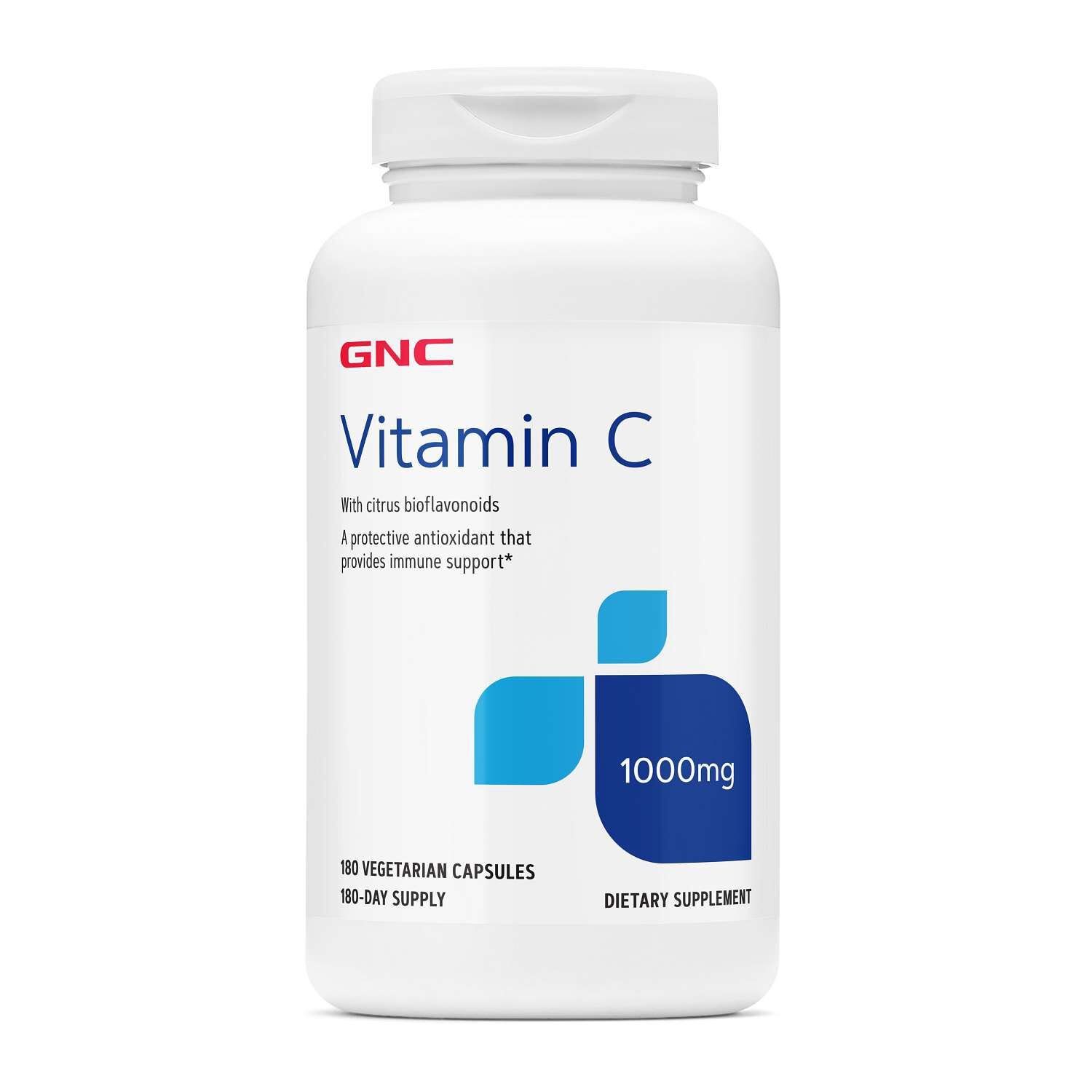
-
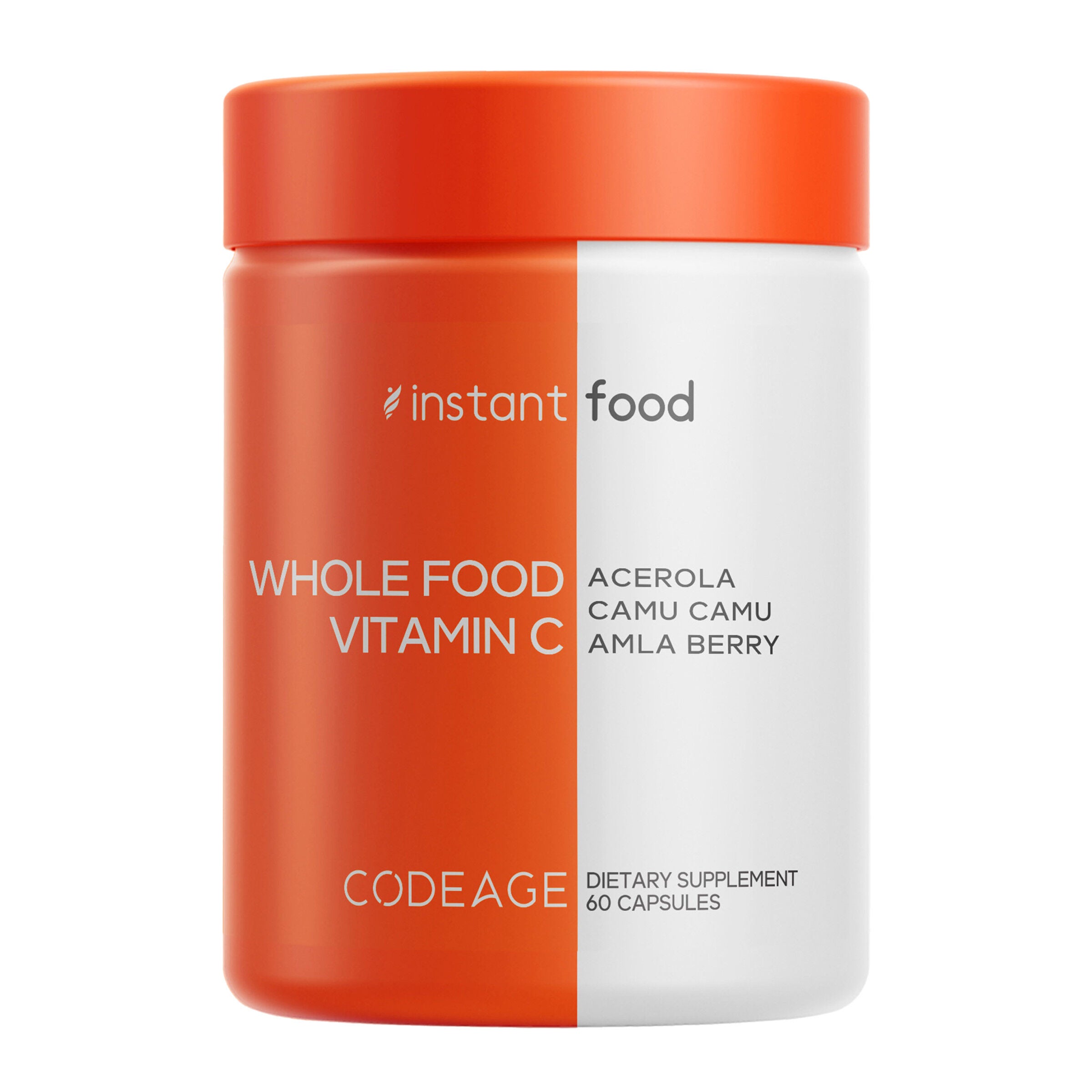 $34.99
-
 Nature's Lab$16.99
-
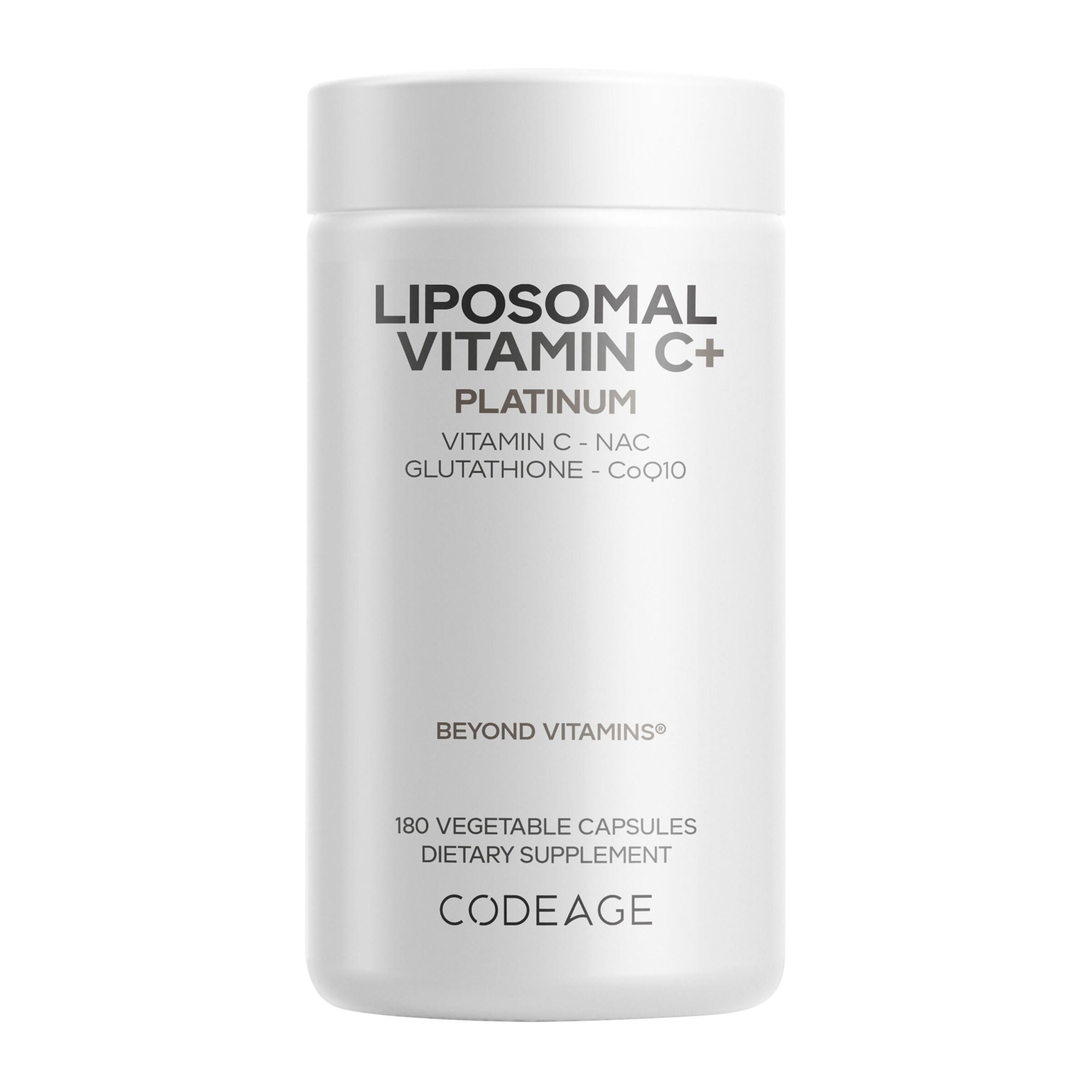 Codeage$69.99
-
 MRI Performance$29.99
-
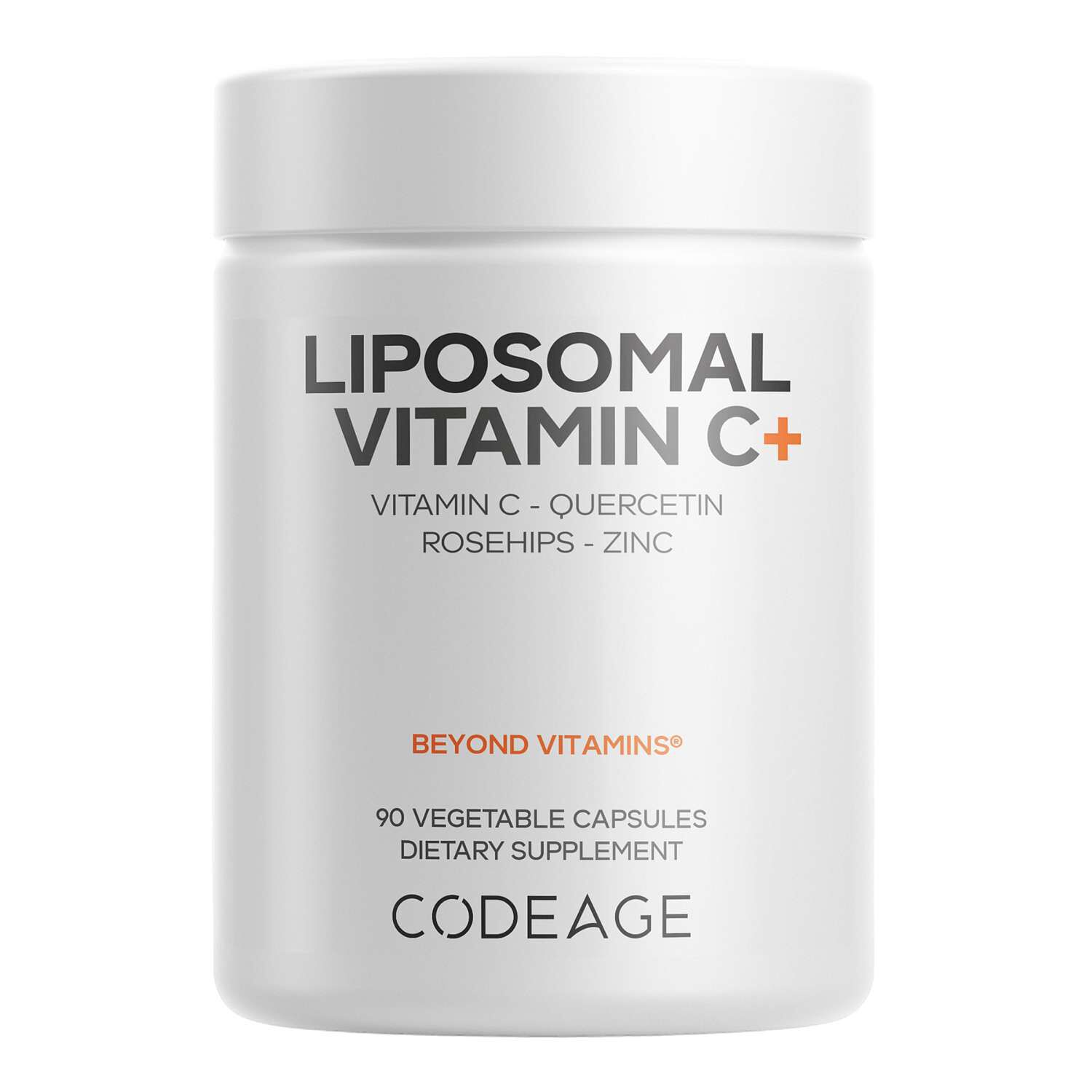 $29.99
-

-

-
-

-

-
-

-

-
-


Vitamin C capsules with no artificial colors are dietary supplements formulated without synthetic dyes added to the capsule shell or its contents. This description addresses a particular ingredient preference, not a requirement that every capsule look clear or white. The vitamin powder, accompanying ingredients, and shell material can contribute their own appearance, so an off-white or lightly tinted capsule does not automatically indicate an added artificial color. For shoppers who prefer capsules rather than chewable tablets or flavored drink mixes, this category combines a familiar supplement format with a clearly defined formulation choice. Vitamin C is a water-soluble vitamin found in foods such as oranges, strawberries, bell peppers, and broccoli. In supplements, it is commonly listed as ascorbic acid, although some formulas use mineral ascorbates, such as calcium ascorbate or sodium ascorbate. These names identify the nutrient form and are separate from statements about added color. Some formulas feature vitamin C as the only listed vitamin, while others pair it with ingredients such as citrus bioflavonoids or fruit-derived powders. Two bottles bearing similar color-related statements can therefore have different ingredient profiles. The Supplement Facts panel identifies the amount of vitamin C per serving, while the other ingredients list provides information about the capsule shell and additional components. Front-label descriptions offer a useful starting point, but the details elsewhere on the bottle distinguish one formulation from another. A shorter ingredient list is only one possible preference; shell material, nutrient form, serving size, and other dietary attributes also shape the selection. Vitamin C capsules without artificial colors are not limited to one strength or one style of formula. Their shared characteristic is the absence of added artificial coloring, with the remaining details determined by each formulation and its labeling.
Capsule construction is another meaningful distinction within this category. Two-piece capsules generally hold a measured portion of powdered ingredients inside a shell made from gelatin or a plant-derived material, often cellulose identified as hypromellose. Gelatin is animal-derived, while cellulose-based shells offer a different material choice. A plant-derived shell does not, by itself, describe the origin of every ingredient inside it, so vegetarian or vegan preferences involve the formula as a whole rather than the capsule material alone. Similarly, a statement about artificial colors does not establish whether a supplement contains particular allergens, has an organic designation, or meets another dietary preference. Each attribute needs its own supporting label information. Other ingredients may include materials used during manufacturing to help powders flow or maintain consistency within the capsule. Their presence serves a different purpose from added coloring, and a no-artificial-colors statement does not mean that the formula contains vitamin C alone. Physical format also matters in everyday use. Capsules differ in length, width, shell appearance, and the amount of powder they hold; the vitamin C amount on the front label does not reveal all of those characteristics. Product descriptions that include capsule dimensions or a clear serving-size statement offer more context than a bottle image alone. A serving may consist of one capsule or several, so capsule count and serving count are not interchangeable. The nutrient amount shown on the Supplement Facts panel should be read alongside the serving-size line to understand how the information is presented. For someone comparing bottles for a designated supplement drawer or a regularly packed travel bag, those details make the differences more tangible. A smaller bottle does not necessarily contain fewer servings, just as a larger capsule count does not necessarily represent a longer period of use. The labeled directions establish the intended use of each formula, while the packaging provides the practical details needed to understand its format.
Artificial colors and preservatives are separate formulation considerations. Color additives relate to appearance, while preservatives serve a preservation role; a statement excluding one does not establish the absence of the other. Shoppers interested in both attributes can also browse Vitamin C Supplements No Preservatives to compare that additional label preference. The distinction matters because phrases that sound similar on the front of a bottle may describe different aspects of its contents. Statements about artificial flavors, sweetening ingredients, and animal-derived materials likewise address their own characteristics rather than acting as substitutes for a full ingredient review. Clear, specific labeling makes these differences easier to understand without relying on capsule color, packaging style, or broad descriptive language. Care after purchase is another practical part of capsule ownership. The storage directions on the bottle provide the relevant instructions for that formulation, and the original container keeps the ingredient list, serving information, lot details, and date markings together. A dry cabinet away from splashes and direct sunlight offers a more suitable setting than the edge of a bathroom sink. Keeping the closure securely fastened and handling capsules with dry hands may help limit incidental moisture exposure. For travel, retaining access to the original labeling keeps the supplement identifiable and its directions close at hand. Packaging should also be assessed separately from the formula: a tinted bottle does not mean the capsules contain artificial colors, and a clear bottle does not establish that they do not. For adults who already prefer capsule-format supplements, the most relevant distinctions remain concrete ones: the stated vitamin C form, amount per labeled serving, capsule material, accompanying ingredients, and explicitly documented dietary attributes. This category centers on a specific preference without making every formula identical. The label provides the clearest picture of how that preference fits alongside the other characteristics of a vitamin C capsule.
Best Sellers

Related Pages


Top Collections
- Zinc Supplements | Top Brands at Great Prices | GNC
- Joint Mobility Supplement Packs
- Daily Collagen Supplements | Top Brands & Deals | GNC
- Cortisol Supplements
- Supplements For Yoga Joint Flexibility
- NAD+ Supplement Tablets
- Iron Supplements
- Best Brand of Magnesium Glycinate
- Chronic Fatigue Supplements
- Peptide Supplements