





No Artificial Colors Vitamins
(0 Results)
Explore a selection of no artificial colors vitamins designed to support your wellness journey. Prioritize clean, natural ingredients while ensuring you get the nutrients you need for optimal health. Whether you're looking to support immune function, energy metabolism, or overall well-being, these vitamins offer a great option for those who prefer products without synthetic additives. Embrace a healthier lifestyle with no artificial colors vitamins and enjoy peace of mind knowing you're making a conscious choice for your body.
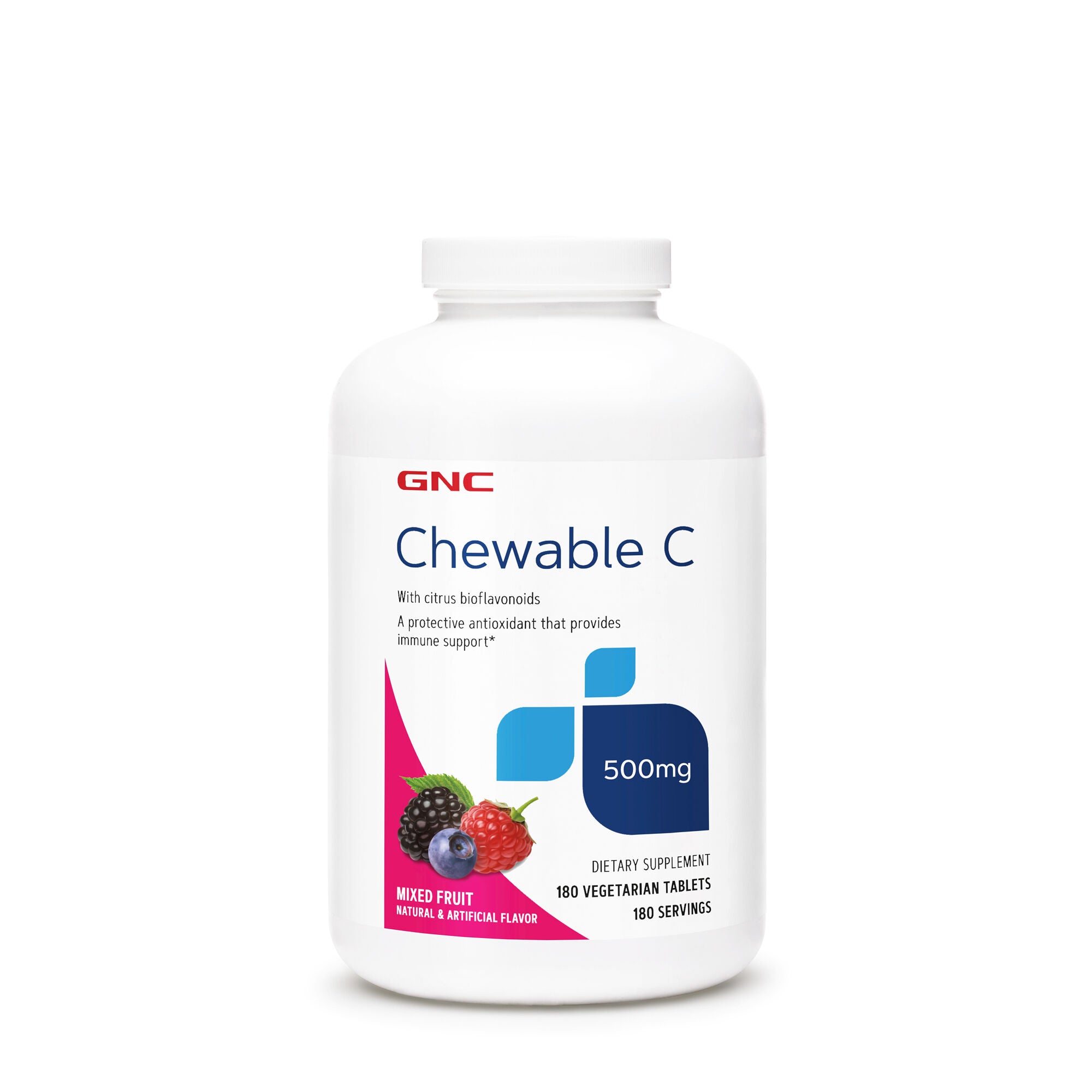

Vitamins with no artificial colors are dietary supplements formulated without added synthetic colorants. The category can include multivitamins and individual vitamins in tablets, capsules, gummies, chewables, liquids, and powders, giving shoppers several ways to match an ingredient preference with a familiar format. No artificial colors does not necessarily mean a vitamin will look white, clear, or colorless. Ingredients in a formula can have their own characteristic shades, and some formulas use coloring ingredients derived from sources such as beets, carrots, or turmeric. A pale tablet, amber liquid, and brightly colored gummy can therefore have quite different appearances while sharing the same stated preference about artificial colors. The distinction is about the coloring ingredients, not how vivid or muted the finished vitamin looks. Artificial colorants that shoppers may recognize on ingredient lists include FD&C Red No. 40, Yellow No. 5, and Yellow No. 6. The ingredient list provides detail beyond the front label, while the Supplement Facts panel identifies the vitamins, minerals, serving size, and amounts per serving. Both parts of the packaging matter when comparing formulas that otherwise look similar. A statement about artificial colors does not also establish whether a vitamin contains artificial flavors, added sugars, animal-derived ingredients, or particular allergens. Those are separate characteristics, each with its own labeling details. Likewise, a formula without artificial colors is not automatically vegan, vegetarian, organic, or made without genetically modified ingredients. For shoppers with several ingredient preferences, those distinctions keep the comparison grounded in what is actually in the container. Color is only one part of a vitamin’s composition, and its absence does not establish nutritional suitability or quality. This category centers on a particular formulation preference while leaving room for different nutrient combinations, textures, and serving styles. It suits a shopping approach in which the ingredient list matters just as much as the shape of the bottle or the flavor printed on its label.
Format often makes the biggest difference in how a vitamin fits into an everyday routine. Tablets range in dimensions and may have coatings that affect their surface texture, while capsules have shells that may be made from gelatin or plant-derived materials such as cellulose. The absence of artificial colors says nothing about those shell materials, so capsule composition remains a separate consideration for someone who avoids animal-derived ingredients. Gummies and chewables offer a different texture and usually include flavoring ingredients; their recipes may also contain sweeteners, fruit concentrates, pectin, or gelatin. A gummy’s softness, a chewable’s firmness, and the taste of a liquid are practical points of comparison, particularly for someone who has a strong preference about texture or aftertaste. Liquids and powders bring their own serving methods, with directions that may call for a measured amount or a specified way of mixing. Those instructions belong to the individual formula rather than the category as a whole. Serving size also deserves attention because one tablet, one capsule, and one gummy do not necessarily represent equivalent servings. A bottle’s piece count is different from its number of labeled servings, and formulas with similar names can contain different nutrient amounts. The most useful comparisons pair the stated serving size with the amounts listed in Supplement Facts, rather than relying on the container’s appearance. Packaging adds another layer of everyday practicality. A bottle kept near a breakfast setting, a container tucked into a work bag, and individually packaged portions each create different handling considerations. Secure closures, readable labels, and packaging that keeps directions close at hand matter more than decorative color. For someone who travels regularly or divides time between two homes, container dimensions and the original package format can be just as relevant as flavor. These details describe how the supplement is handled and used, without making assumptions about what a particular vitamin might do for the person taking it.
The audience for vitamins without artificial colors includes adults who prefer fewer added coloring ingredients, households comparing several dietary preferences, and shoppers who want consistency across the supplements they purchase. Adult multivitamins, age-labeled formulas, and individual vitamin categories serve different shopping purposes, even when they share the same color-related description. A more focused category, such as Multivitamins for Men With No Artificial Colors, brings that ingredient preference into a particular adult assortment. The audience named on a package is still distinct from its nutrient composition, serving directions, and other ingredient details. Children’s formulas likewise have their own age labeling and directions; a familiar fruit flavor or playful shape does not make an adult formula interchangeable with one labeled for children. Vitamins are intended to accompany an eating routine rather than replace varied meals, and a preference about coloring ingredients is separate from any individual nutrition consideration. In a shared household, keeping each container clearly identified preserves that distinction and keeps serving information attached to the correct formula. Care after purchase matters, too. Storage instructions vary, especially among liquids, gummies, powders, and solid tablets. Directions may specify refrigeration after opening or storage away from moisture and direct light. A bathroom shelf exposed to shower steam or a container left in a parked car may not match the conditions stated on the label. Keeping the closure secure and retaining the original packaging preserves access to the ingredient list, serving directions, and date information. Some containers include a moisture-control packet, which belongs in the packaging rather than with the serving. Appearance can vary between formulas, so the package description and storage directions provide more useful context than an expectation that every vitamin should look alike. Across the category, the meaningful differences extend beyond color to nutrient selection, serving format, ingredient sources, taste, and packaging. Together, those details make vitamins with no artificial colors a varied group of supplements connected by one clearly defined ingredient preference.
Best Sellers


Related Pages


Top Collections
- Zinc Supplements | Top Brands at Great Prices | GNC
- Joint Mobility Supplement Packs
- Daily Collagen Supplements | Top Brands & Deals | GNC
- Cortisol Supplements
- Supplements For Yoga Joint Flexibility
- NAD+ Supplement Tablets
- Iron Supplements
- Best Brand of Magnesium Glycinate
- Chronic Fatigue Supplements
- Peptide Supplements