





Magnesium Supplements Without Dairy
(0 Results)
Magnesium supplements without dairy offer a convenient option for those seeking to support their wellness routines while avoiding dairy ingredients. With a variety of formulations and strengths available, these supplements may fit seamlessly into different lifestyles and dietary preferences. Explore options that could help you find the right magnesium supplement to suit your needs, all without the inclusion of dairy.
-

-
-

-

-
 _Front.jpg?sw=305&sh=305&sm=fit "Magnesium: Bioactive Magensium Citrate - 120 Capsules (120 Servings) | GNC")
-

-

-
 _Front.jpg?sw=305&sh=305&sm=fit "Magnesium: Bioactive Magensium Citrate - 60 Capsules (60 Servings) | GNC")
-

-

-

-

-

-
 $25.99
-

-
-

-

-

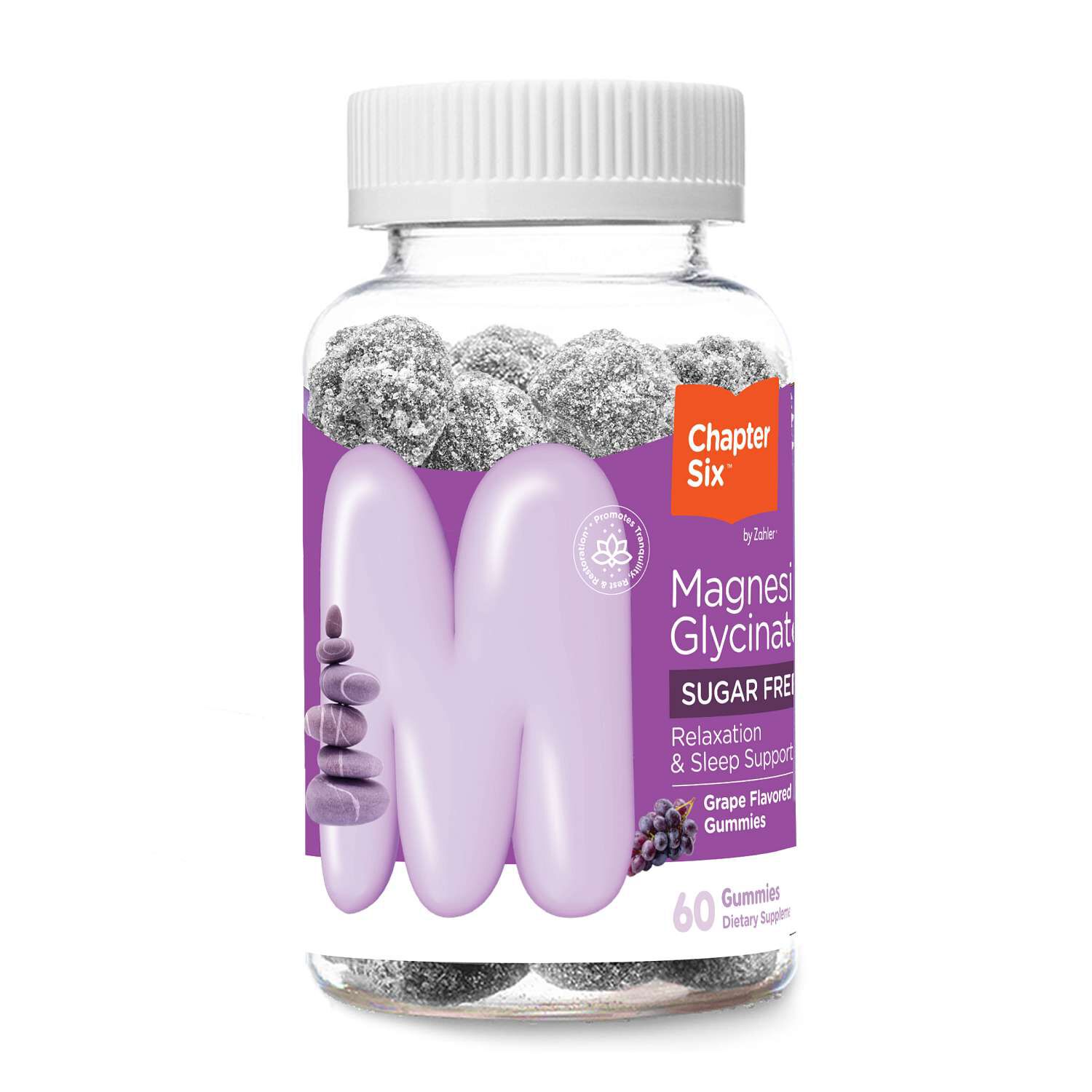
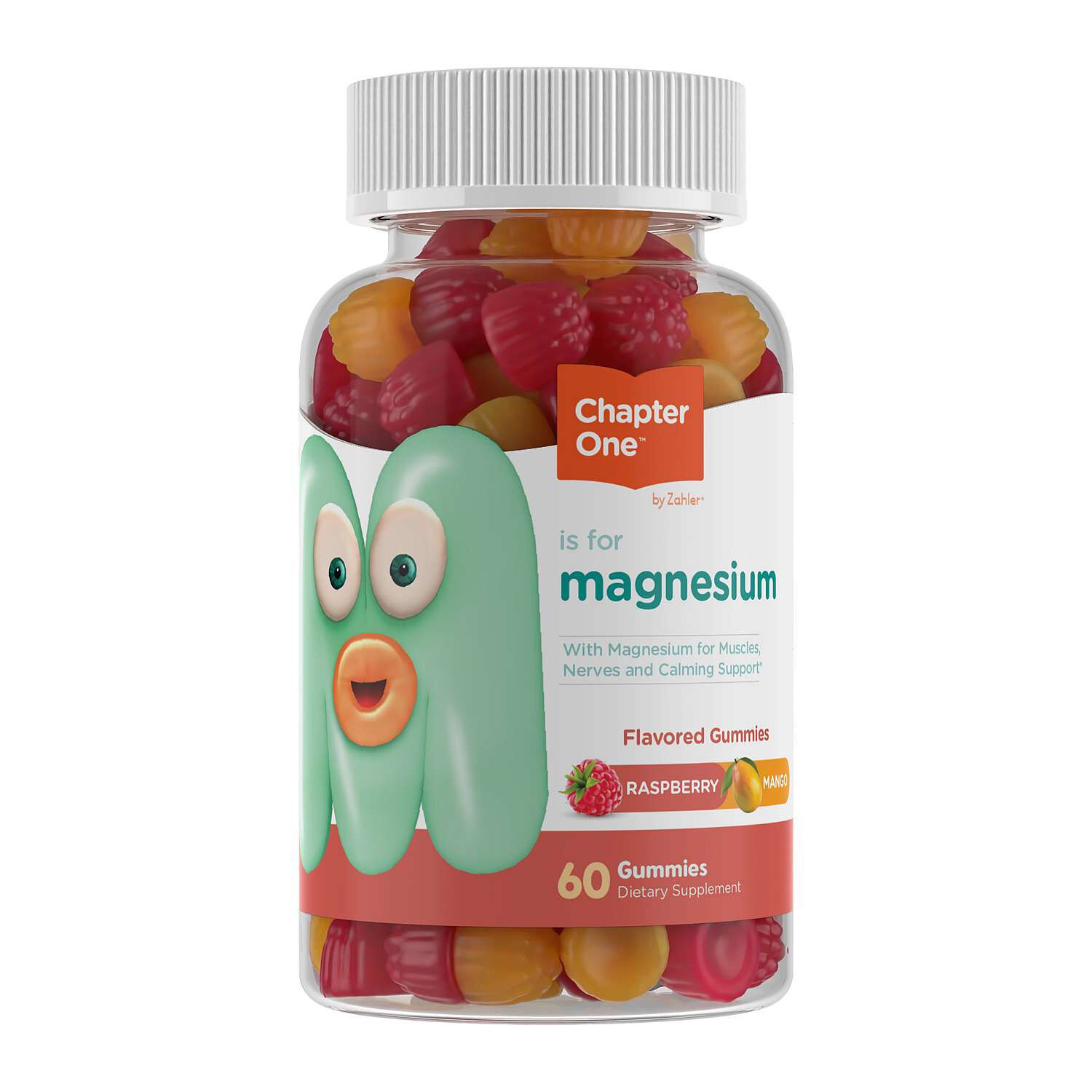


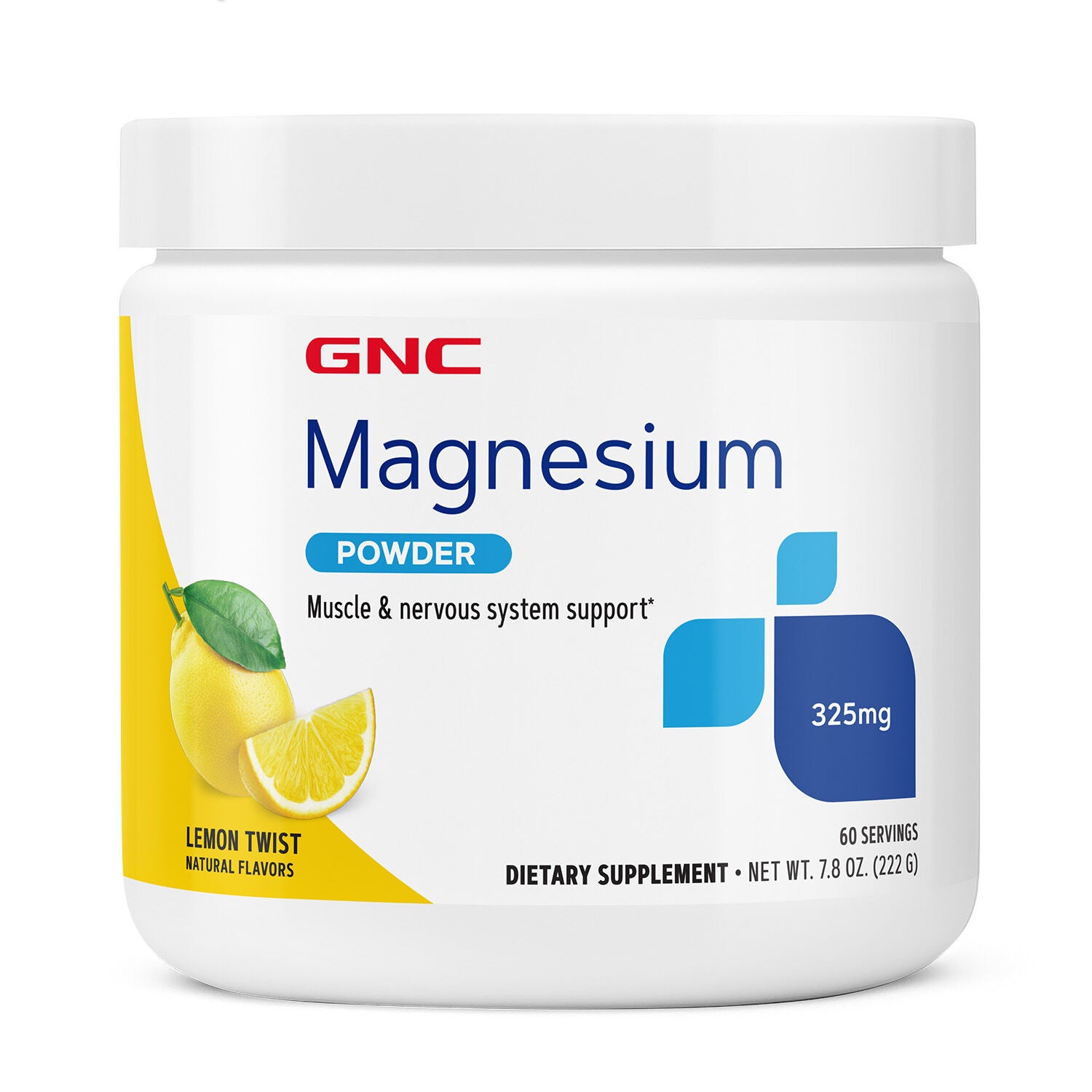
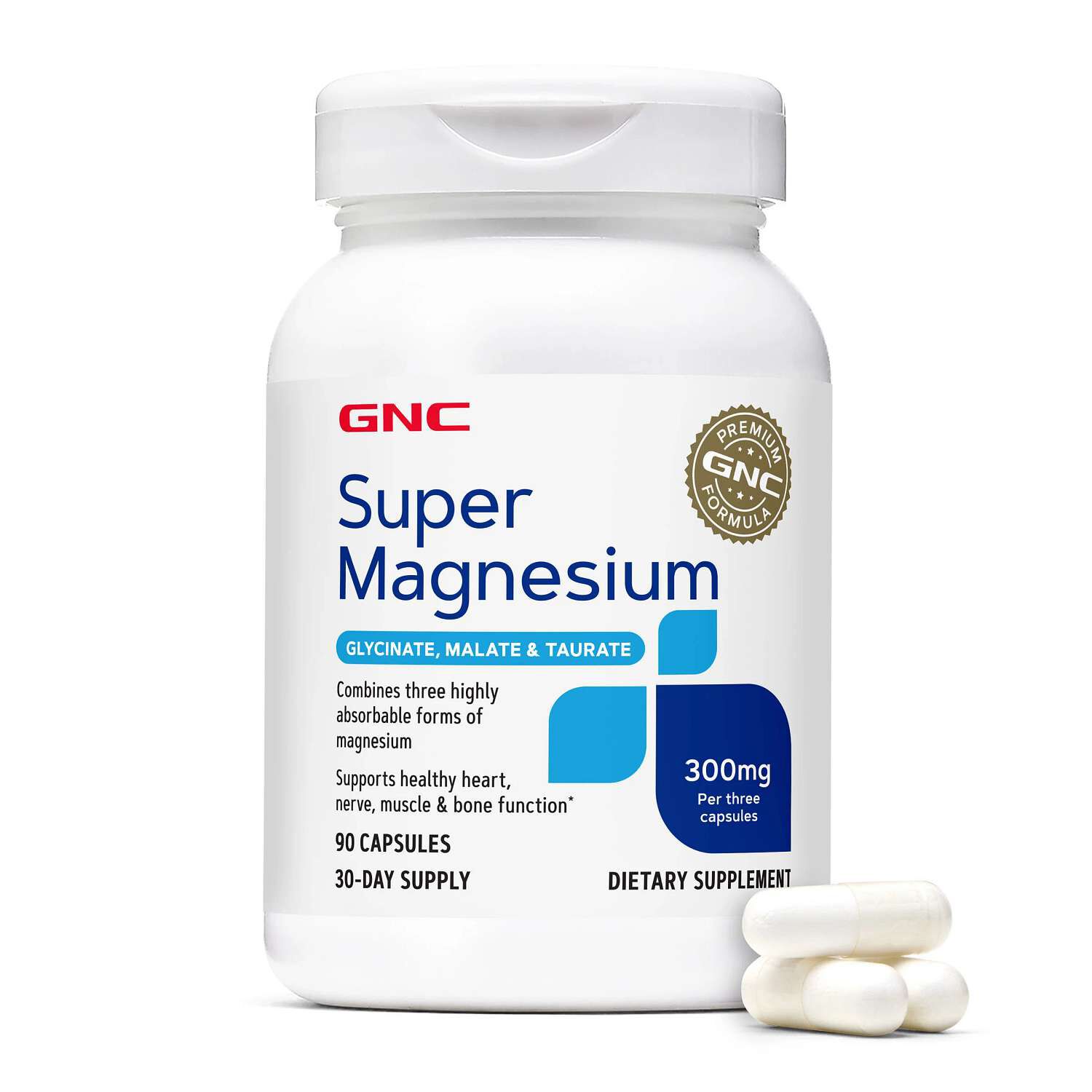
Magnesium itself is a mineral, not a dairy ingredient, but a finished magnesium supplement can contain milk-derived ingredients. Magnesium supplements without dairy are formulated without those ingredients; the mineral name alone does not establish whether a particular formula fits that description. The ingredient list, allergen statement, and any manufacturing information provide the most useful context. Milk, whey, casein, milk powder, and lactose are examples of ingredients to look for when evaluating a formula for a diet without dairy. The Supplement Facts panel identifies the magnesium amount and other declared nutrients, while the other ingredients section describes components such as capsule materials, binders, coatings, flavors, and sweeteners. Those details matter because a supplement contains more than the mineral named on the front of the package. A simple-looking tablet and a flavored chewable can have very different ingredient lists, even when both contain magnesium. Manufacturing information deserves separate attention: a formula made without milk ingredients is not necessarily produced on equipment reserved for that purpose. Shared-equipment and shared-facility statements describe a different consideration from the recipe itself, and the absence of an advisory statement does not establish that milk is absent from the manufacturing environment. When strict milk avoidance matters, a clear statement from the manufacturer can provide context that the front label does not. Magnesium occurs naturally in foods such as beans, nuts, seeds, and leafy greens, and its presence in a supplement does not require a dairy-based formula. That distinction makes it useful to evaluate the mineral source and the surrounding ingredients separately. Packaging descriptions can help identify the intended dietary fit, but the full label remains the better reference for understanding what is inside. Formulas can also change, so details remembered from an earlier bottle may not describe a later purchase.
The form of magnesium and the format of the supplement are two separate features to compare. Names such as magnesium citrate, magnesium glycinate, magnesium malate, and magnesium oxide identify different magnesium compounds; none of those names, by itself, confirms that the finished formula contains no dairy. Capsules, tablets, powders, liquids, and chewables each bring their own ingredient and handling considerations. Capsules may suit someone who prefers a format without a flavored drink, while powders might fit a routine that already includes measuring and mixing. A flavored chewable may appeal to someone who prefers not to use a capsule, although its sweeteners, texture ingredients, and serving size still warrant a closer look. Capsule shells can be made from different materials, including gelatin or plant-derived ingredients. A plant-derived shell describes the shell, not necessarily the rest of the formula, and a supplement without dairy is not automatically vegan. Tablet coatings and binding ingredients also belong in the comparison rather than being overlooked as minor details. For powders and liquids, the flavor description may be less informative than the actual ingredient list, especially when creamy textures or dessert-style flavors are involved. The magnesium amount listed in Supplement Facts refers to elemental magnesium, rather than the entire weight of the magnesium compound. Serving size is equally important: one labeled serving may consist of more than one capsule, tablet, or chewable, or a specified measure of powder or liquid. Comparing the amount per serving alongside the number of units per serving gives a clearer picture of the format. Container size alone does not show how many servings a package contains. For someone packing a work bag or keeping supplements in a kitchen cabinet, the practical differences may come down to container dimensions, measuring requirements, flavor preferences, and the package’s labeled directions. Those everyday details can matter as much to the shopping decision as the name of the magnesium compound.
Dietary preferences often overlap, but each needs its own label check. Without dairy does not automatically mean without wheat, without soy, vegan, or unsweetened. A lactose-related statement also addresses a narrower characteristic than the absence of all milk-derived ingredients. For shoppers comparing more than one ingredient restriction, Magnesium Supplements Without Wheat offers a related category to explore, with milk ingredients still requiring their own review. Keeping those distinctions separate may make comparisons less confusing, particularly when two packages use similar language on the front. Preparation matters, too. A magnesium powder formulated without dairy can still become part of a dairy-containing drink if mixed with milk or a milk-based shake. The suggested mixing liquid, preparation directions, and ingredients in anything added to the serving all contribute to whether the finished drink matches a person’s preferences. An unflavored powder may suit someone who wants less added flavor, while a flavored format could be preferable for someone who wants a distinct taste; neither description establishes the dairy status of the formula. After purchase, storage and handling remain part of the product’s intended use. Follow the package’s storage instructions, keep the original label accessible, and close the container as directed. Moisture can affect powders, tablets, and capsules, so a damp counter or a wet measuring utensil is worth avoiding. The original container also keeps the ingredient list, serving information, lot details, and date markings together for later reference. For travel or a shared household, readable packaging may make it easier to distinguish one person’s supplement from another without relying on appearance alone. Package condition and date markings provide additional details to review before use. A well-matched magnesium supplement without dairy brings together clearly described ingredients, an understandable serving format, and packaging that fits the intended routine. The most useful comparison is therefore specific: what the formula contains, what the label says about milk, how a serving is measured, and how the product is meant to be stored and used.
Best Sellers
-
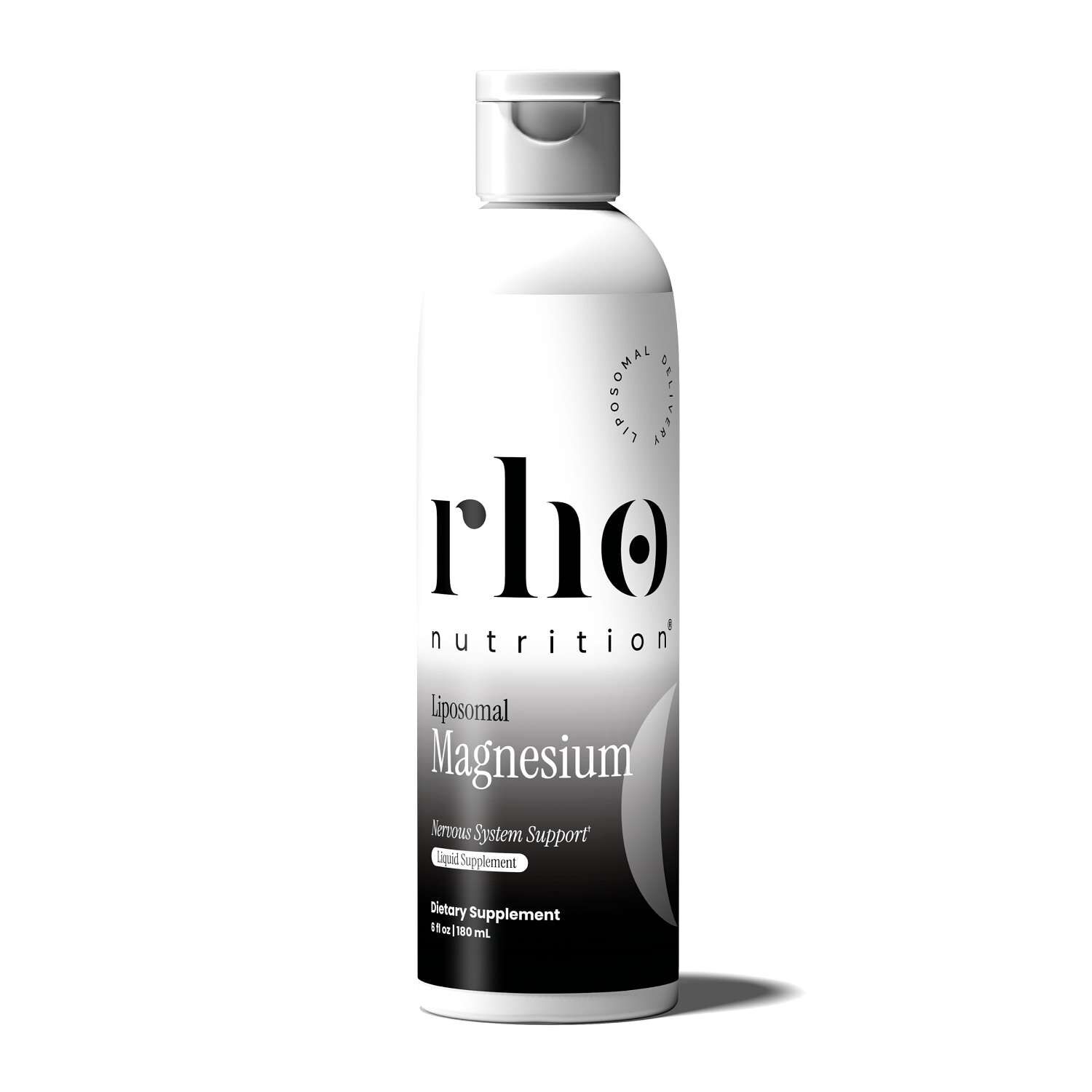 Rho Nutrition
-
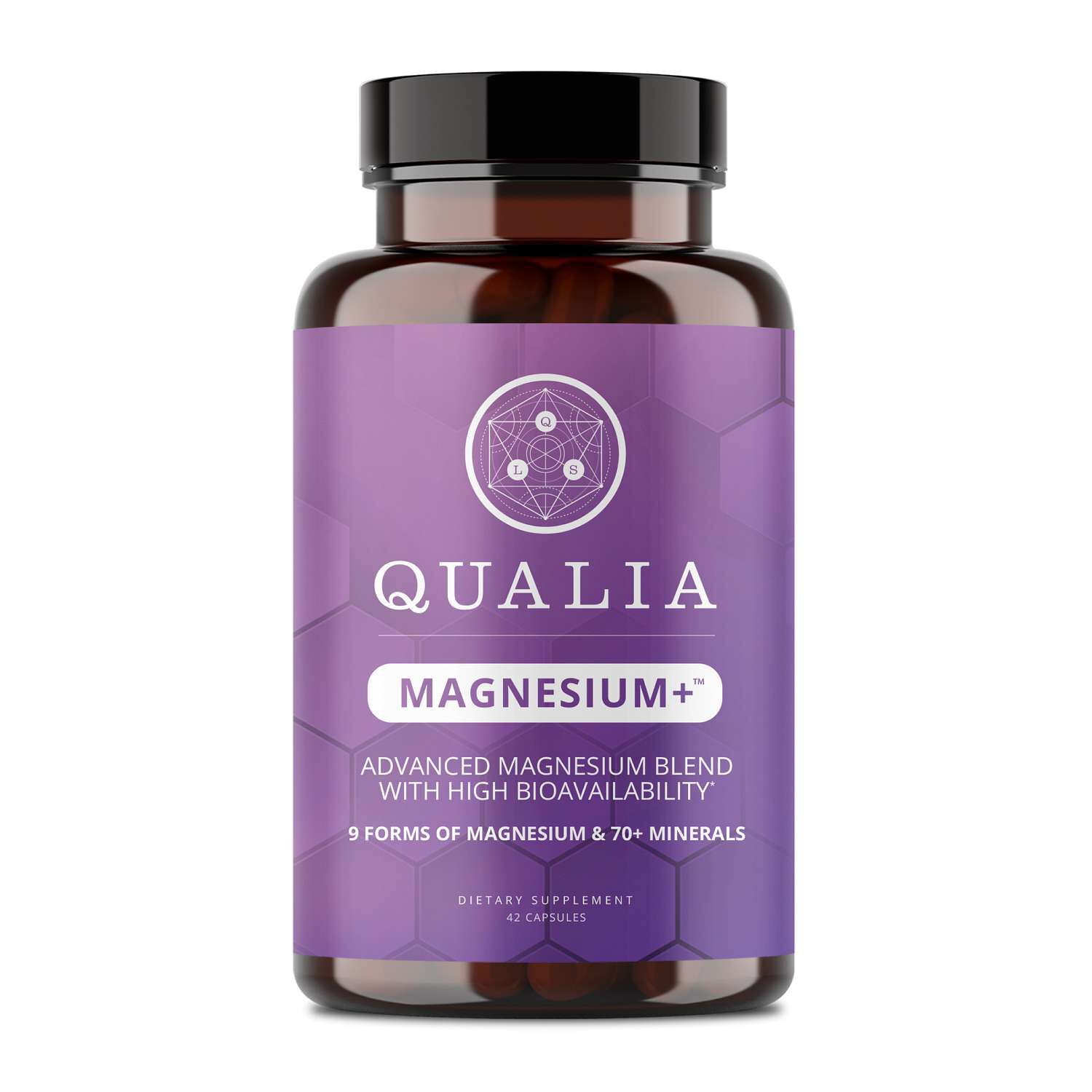 Qualia Life Sciences
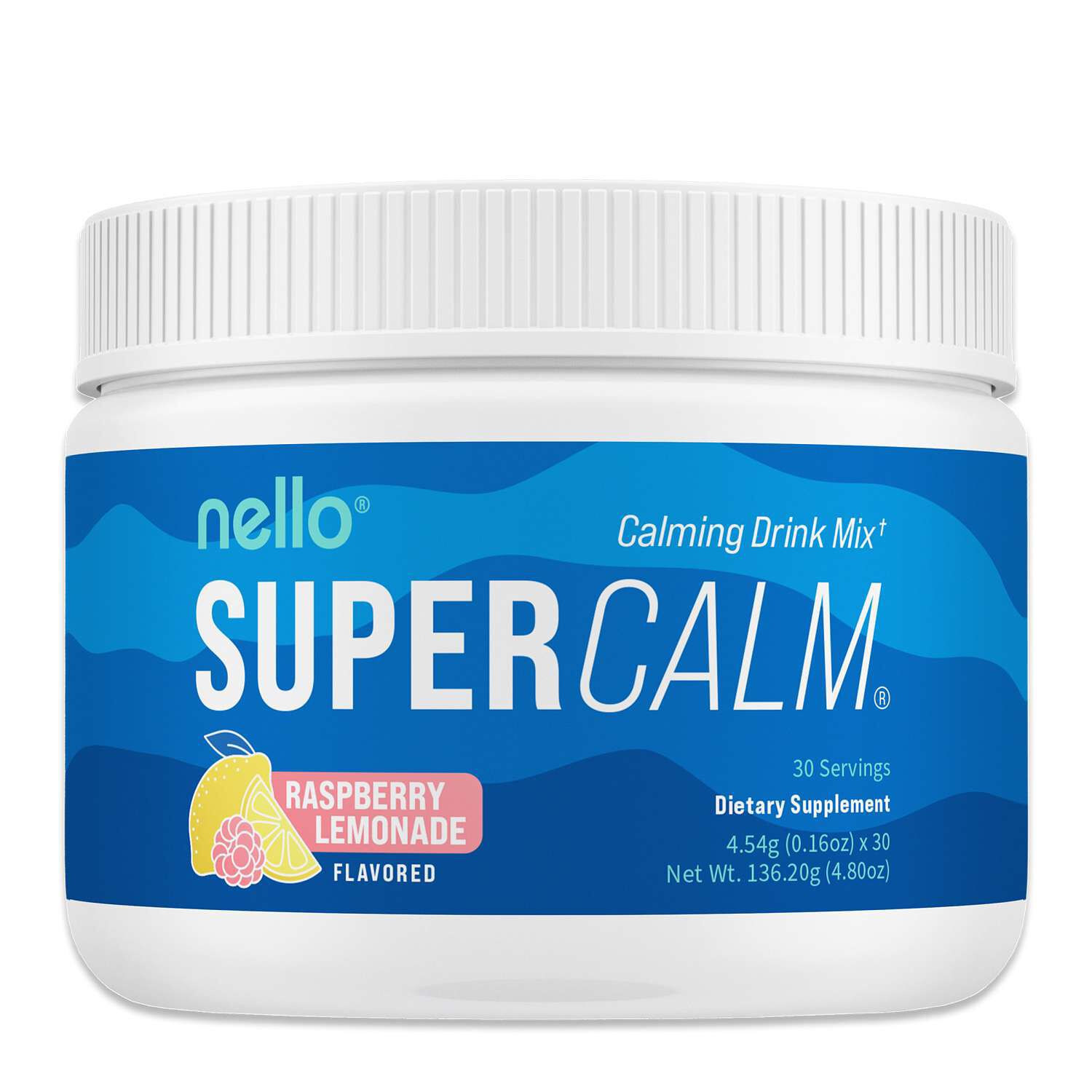
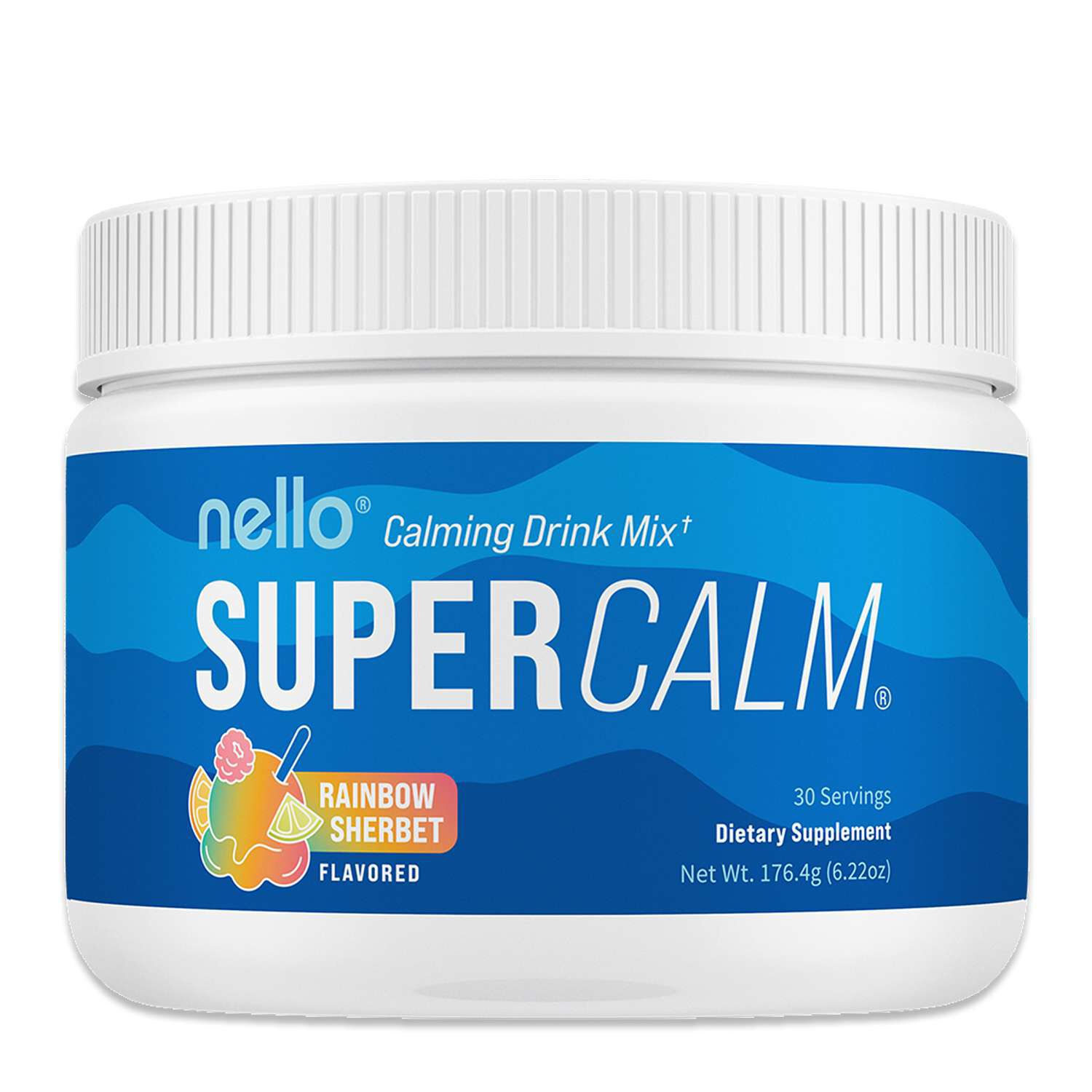
Related Pages
Top Collections
- Zinc Supplements | Top Brands at Great Prices | GNC
- Cortisol Supplements
- Joint Mobility Supplement Packs
- NAD+ Supplement Tablets
- Best Brand of Magnesium Glycinate
- Top Rated Collagen | Shop Customer Favorites | GNC
- Iron Supplements
- Peptide Supplements
- Protein Powders For Muscle Growth Support
- Vitamins That Help Support Weight Gain