





Magnesium Supplements Without Wheat
(0 Results)
Magnesium supplements without wheat offer an option for those seeking to support their wellness routines while avoiding wheat-based ingredients. Whether you follow a specific dietary plan or have sensitivities, these supplements may fit seamlessly into your daily regimen. Explore magnesium supplements without wheat that could help you meet your nutritional goals and complement a balanced lifestyle.
-

-

-

-
-

-
 _Front.jpg?sw=305&sh=305&sm=fit "Magnesium: Bioactive Magensium Citrate - 120 Capsules (120 Servings) | GNC")
-

-
 _Front.jpg?sw=305&sh=305&sm=fit "Magnesium: Bioactive Magensium Citrate - 60 Capsules (60 Servings) | GNC")
-

-
-

-

-
-
 $27.99
-
 Trace Minerals$14.99
-

-

-

-

-

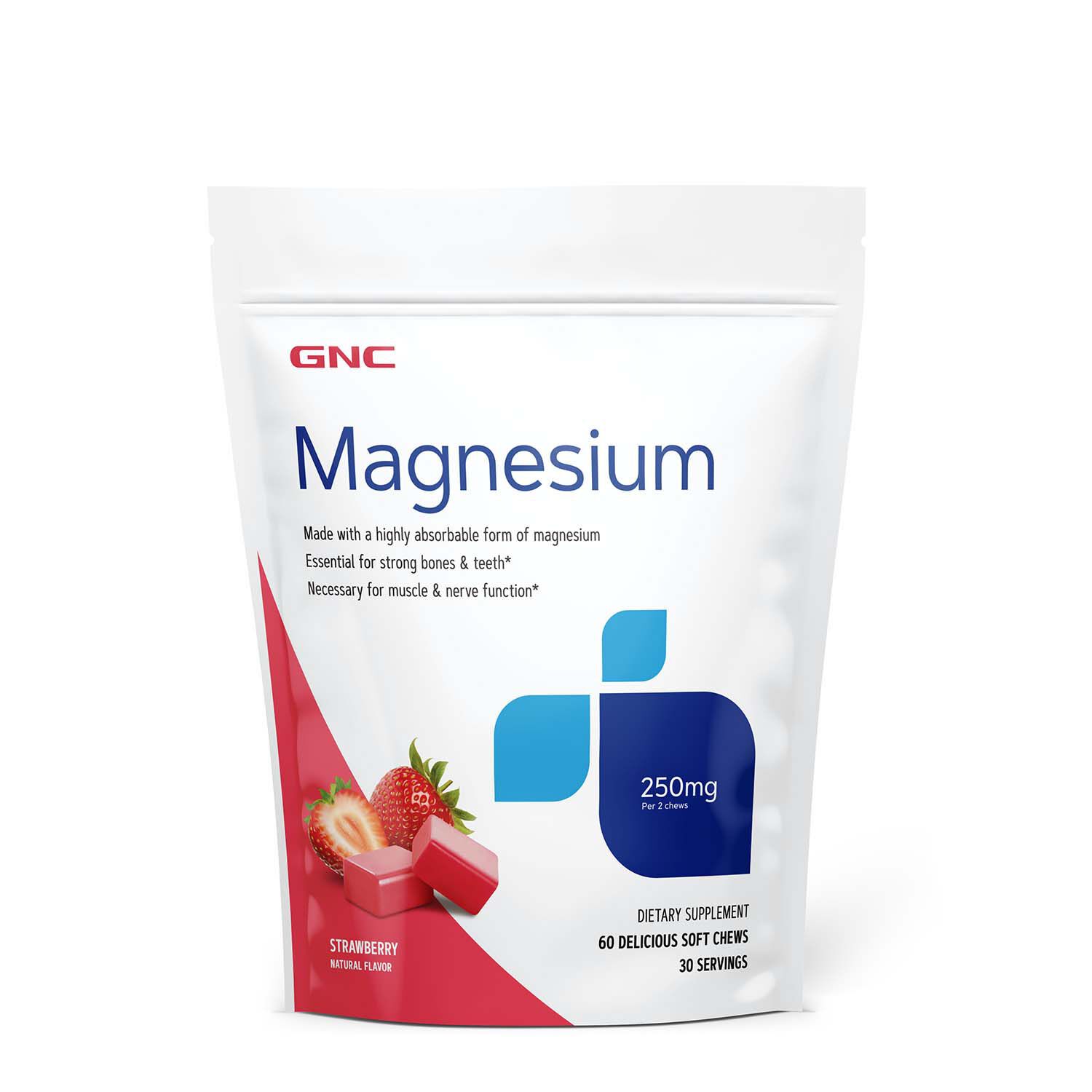
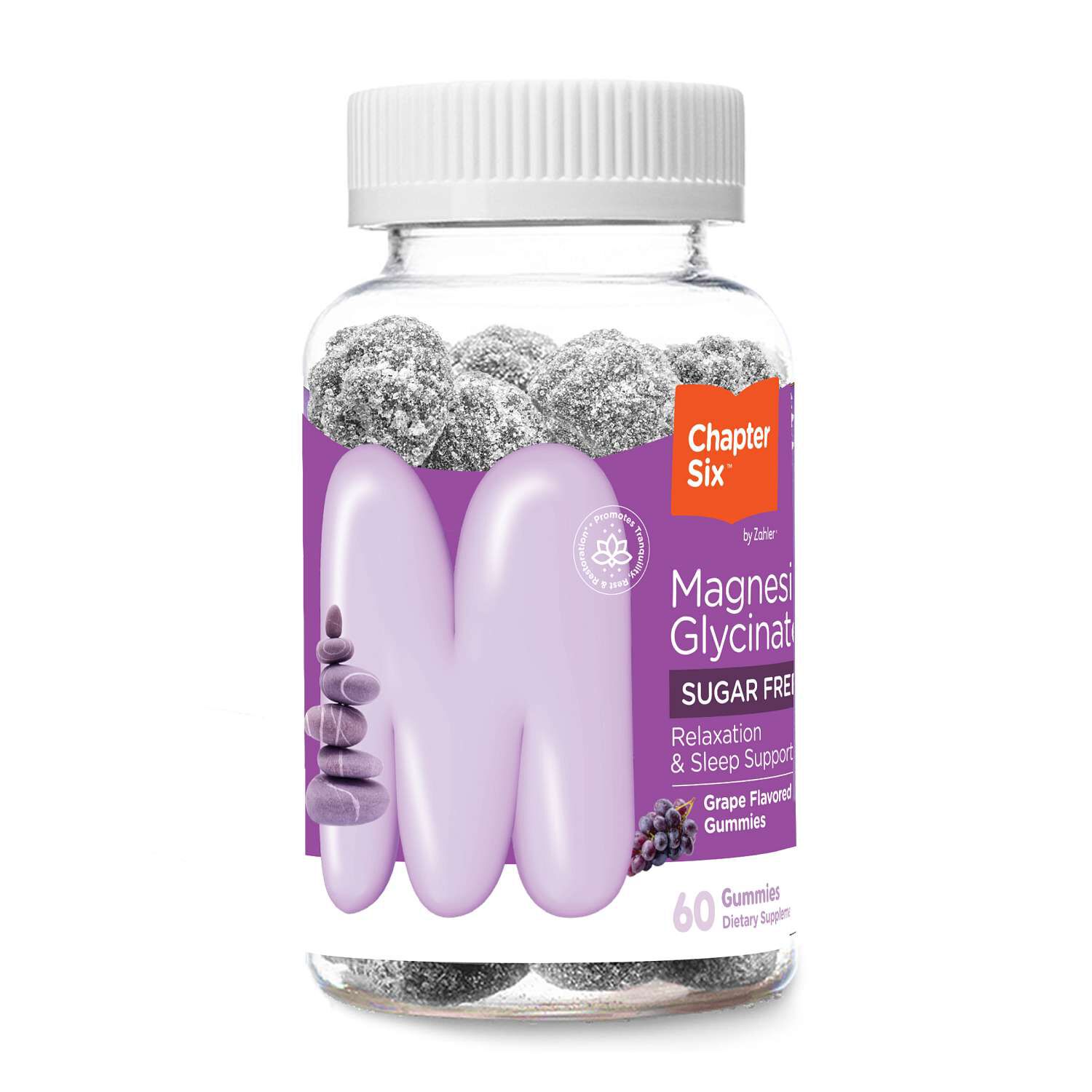
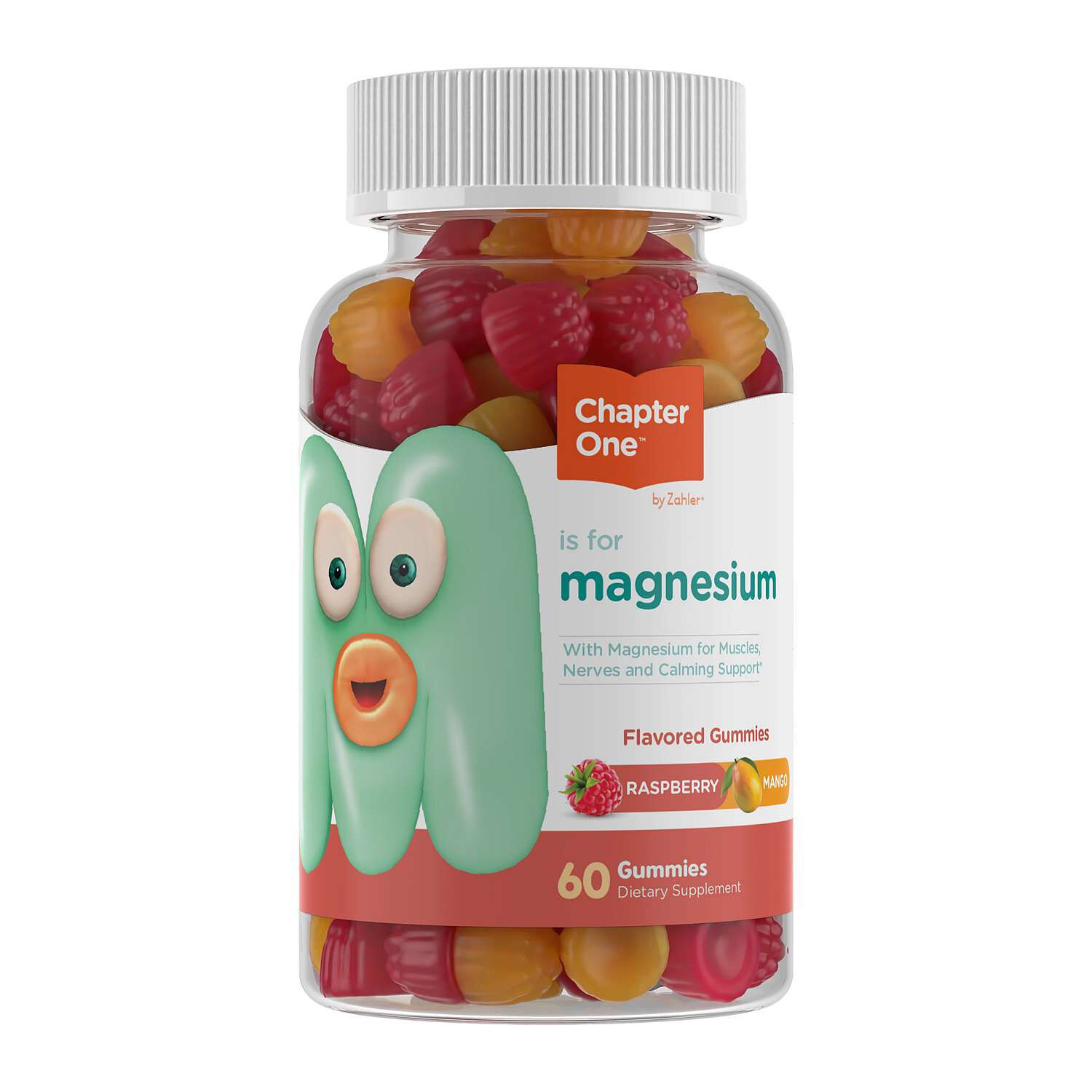

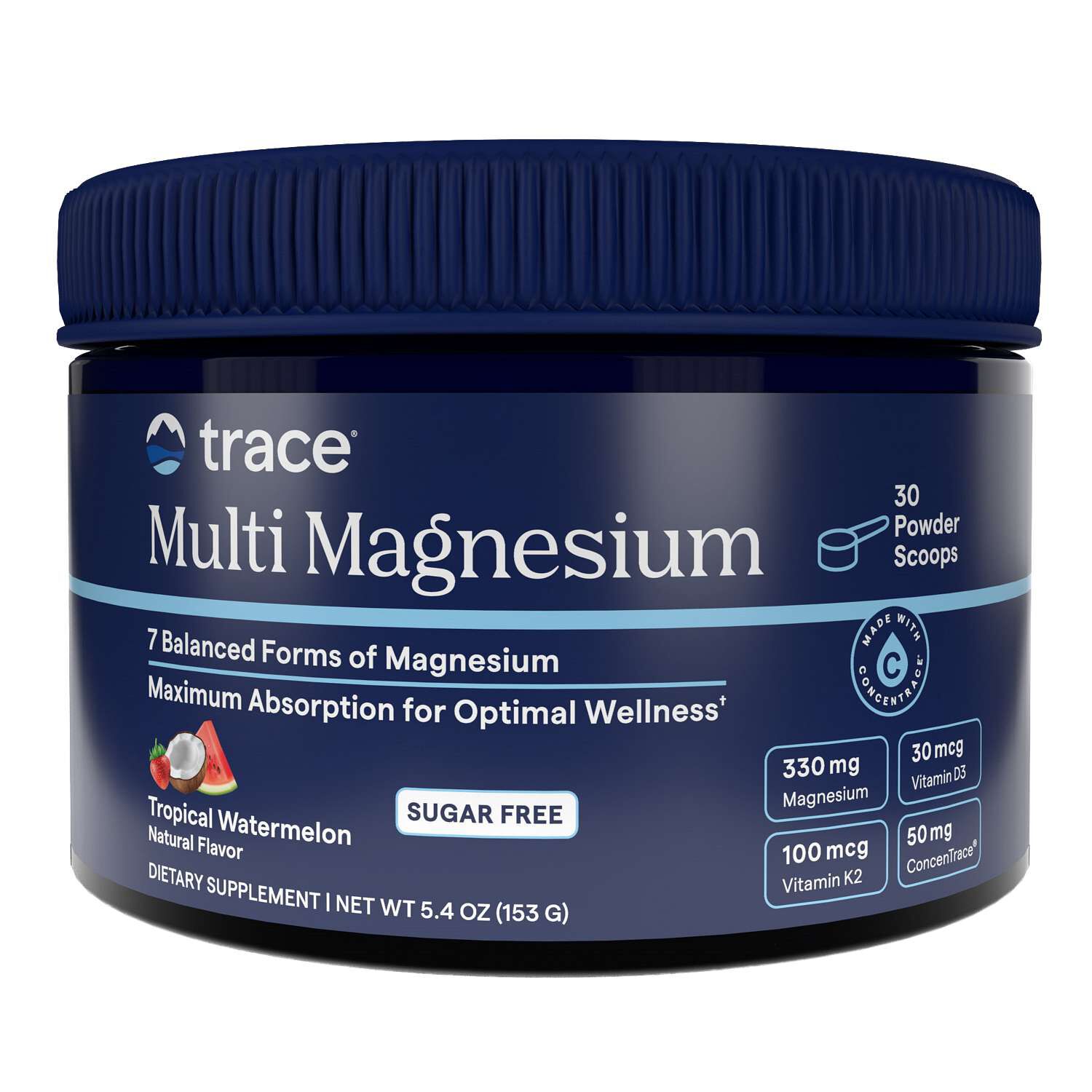
Magnesium supplements without wheat bring a specific ingredient preference into focus: the magnesium source and the rest of the formula both deserve attention. Magnesium is a mineral, not a wheat-derived ingredient, but a finished supplement contains more than its named nutrient. Depending on the format, that formula may include capsule materials, tablet binders, coatings, sweeteners, flavors, or ingredients added to support manufacturing. Those additional ingredients make the package label more useful than assumptions based on the mineral alone. A clearly stated wheat exclusion, an ingredient list, and any allergen information together provide a more detailed picture of how a supplement is formulated. Wheat and gluten are also different labeling considerations. Wheat contains gluten, but barley and rye contain gluten as well, so a statement about wheat alone does not establish whether a formula meets a separate gluten-related standard. For shoppers comparing supplements around more than one dietary preference, each exclusion deserves its own review. An unfamiliar starch, flavor, or coating should not automatically be treated as wheat-derived; its name may not reveal its source. Manufacturer information may help clarify ingredient origins or shared-equipment practices when the package leaves a question unanswered. A formula’s ingredient list and its manufacturing environment are related but distinct considerations, and a claim about ingredients does not necessarily describe every handling practice. This attention to the finished formula applies whether the magnesium comes as citrate, glycinate, oxide, or another form. No single magnesium compound establishes the wheat status of everything else in the container. Magnesium also occurs naturally in foods such as pumpkin seeds, almonds, black beans, and leafy greens, while a supplement may provide another source within an existing nutrition routine. The category is therefore about more than finding a mineral name on a bottle: it is about comparing that nutrient’s form, the surrounding ingredients, and the clarity of the information provided.
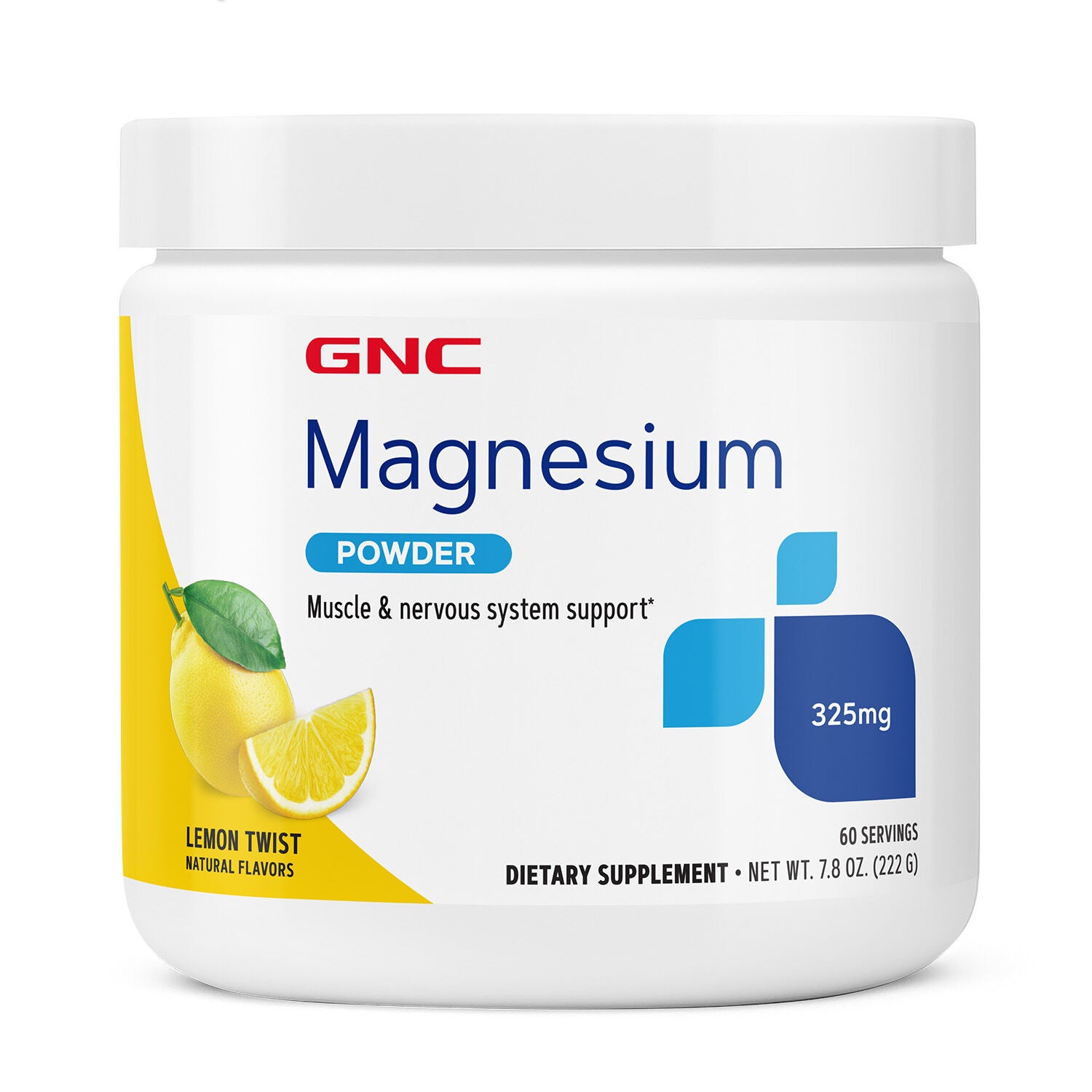
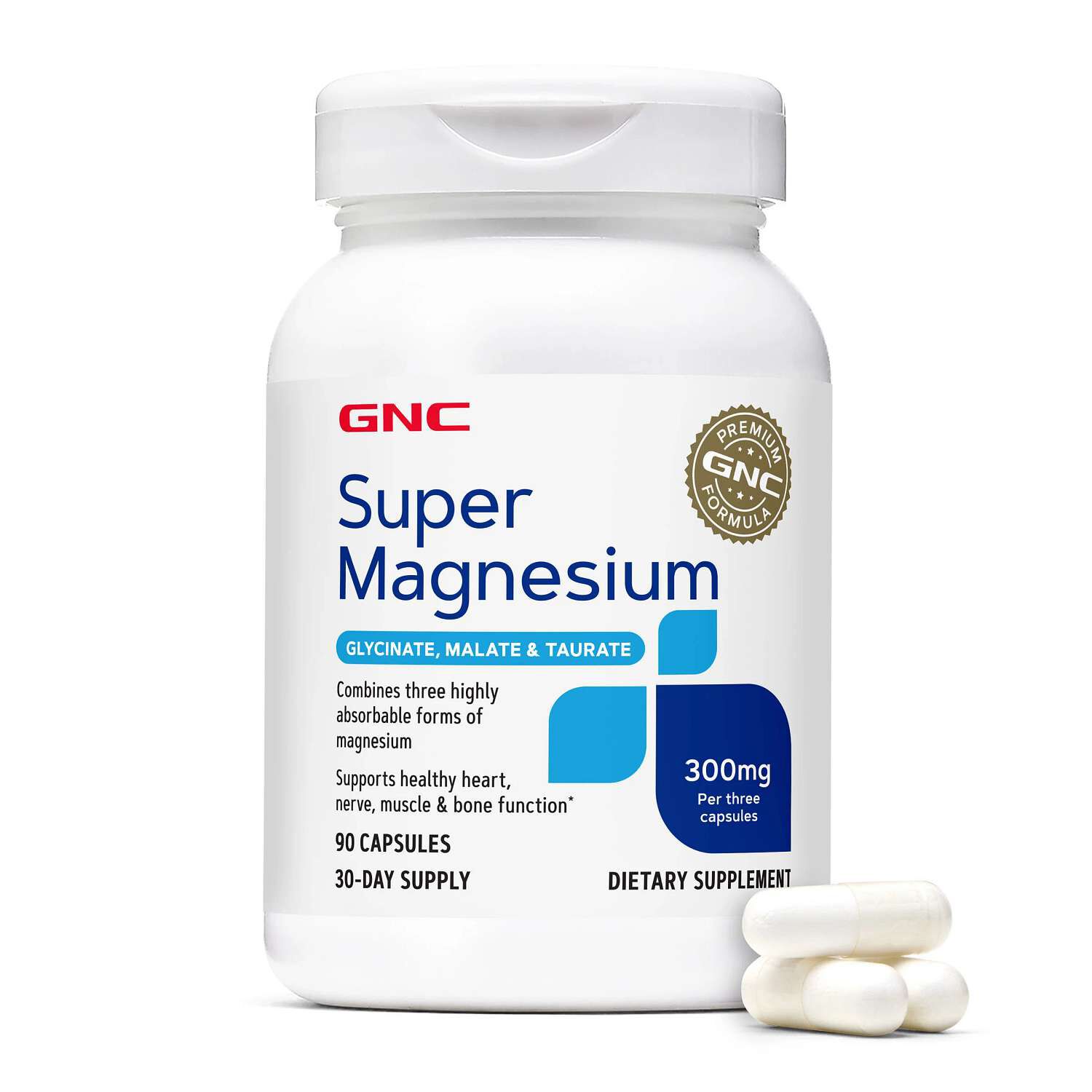
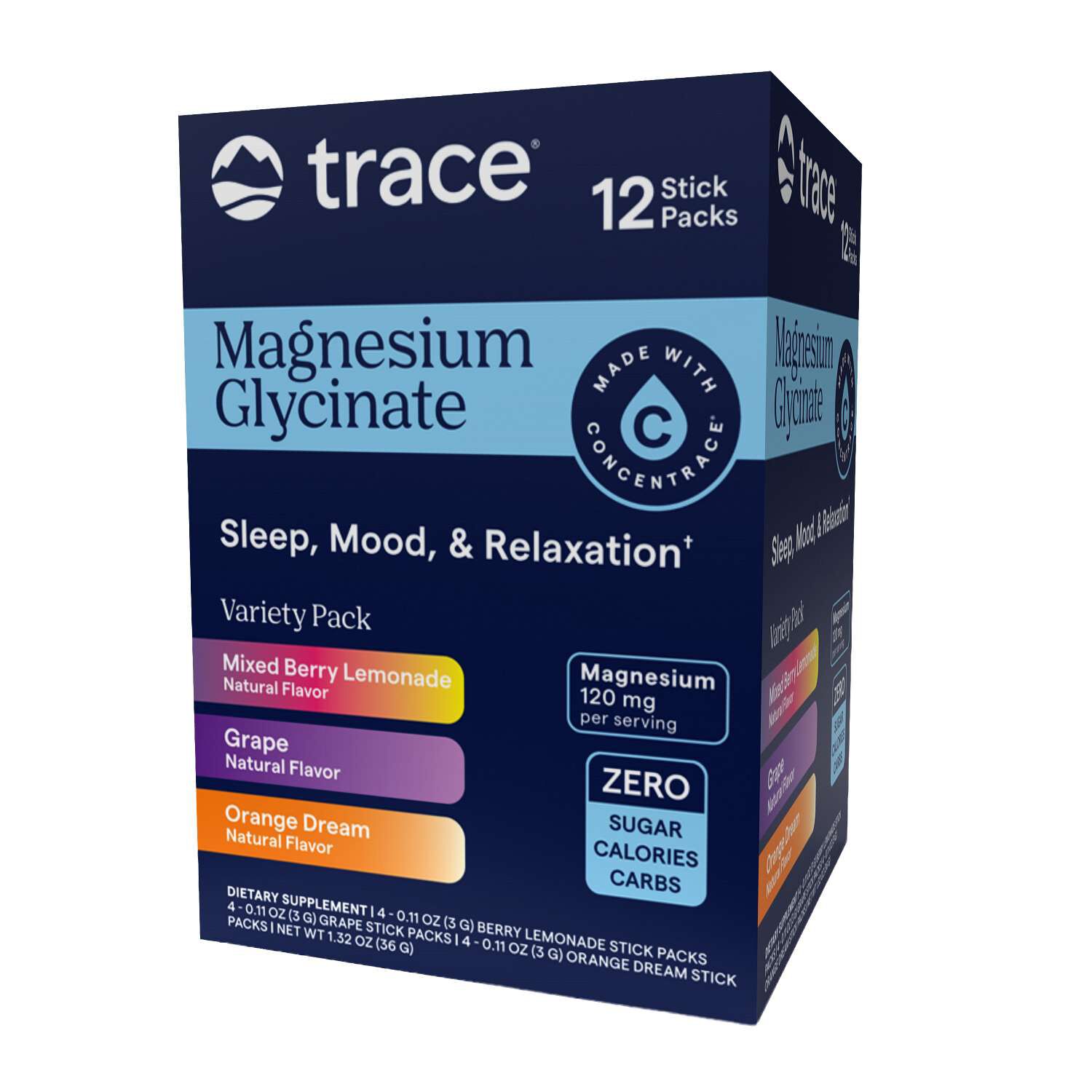
Format is another practical distinction among magnesium supplements made without wheat. Capsules, tablets, powders, and chewable formats each have a different place in an everyday routine, and the most suitable choice depends on personal preferences as well as package directions. Someone who carries a small bag to work may prefer a compact bottle, while someone with an established beverage routine may prefer a powder intended for mixing. A tablet may appeal to a shopper who wants no flavored drink to prepare; a chewable format may appeal to someone who prefers that texture. These are practical differences rather than evidence that one format is universally better. Powder labels deserve attention to serving measurements, mixing directions, flavor ingredients, and sweeteners. Chewable labels deserve the same attention to their ingredient lists, including sugars, colors, and texture-related ingredients. Capsules and tablets also vary in size, coating, and the number included in a serving. One capsule is not necessarily one serving, and a larger tablet does not, by itself, communicate the magnesium amount. The Supplement Facts panel lists elemental magnesium per serving, while names such as magnesium citrate or magnesium bisglycinate identify the compound supplying it. The amount of the full compound and the amount of elemental magnesium are not interchangeable figures. Comparing the same information across labels creates a clearer picture than relying on a prominent number on the front of a package. A formula containing several magnesium forms is not automatically a better match than one containing a single form, either. Some formulas include other vitamins or minerals, which adds another layer to the comparison for shoppers who already use nutritional supplements. Intended audience, serving size, ingredient preferences, and labeled directions all belong in that review. For someone organizing a breakfast counter or packing for an overnight stay, a manageable format and clearly understood serving information may matter more than an elaborate formula name.
Dietary preferences often overlap, but they should not be treated as interchangeable. A magnesium supplement made without wheat is not automatically made without milk ingredients, soy ingredients, gelatin, or animal-derived capsule materials. Likewise, a plant-based description does not establish the wheat status of a formula. Someone shopping for both wheat and dairy exclusions may also explore related magnesium supplements, while checking each formula’s wheat information separately. Capsule shells, flavor systems, and other ingredients remain relevant even when the main mineral is the same. For households where different people follow different ingredient preferences, keeping the original container makes its ingredient list, allergen information, directions, and serving details easier to distinguish. That is especially useful when similar-looking bottles share a cabinet. Packaging and storage also deserve consideration because supplements are consumable products with labeled storage requirements and expiration dates. A tightly closed original container, a dry storage location away from a splashing sink, and the handling instructions on the package are practical parts of product care. Powders require particular attention to keeping the measuring utensil dry and replacing the lid after use. For travel, the original labeled container preserves access to the information needed to identify the contents, rather than leaving loose tablets or an unmarked portion of powder to guesswork. Any included measuring scoop belongs with its own formula, since scoop sizes and serving measurements differ. Package seals and expiration information are worth reviewing before use, and storage should remain out of children’s reach. The strongest comparison ultimately brings these details together: a clearly described wheat exclusion, readable ingredient information, an appropriate format, and serving directions that are straightforward to follow. For adults whose dietary preferences include avoiding wheat, those concrete details may make it easier to choose a magnesium supplement that fits an established routine without relying on broad assumptions about the category.
Best Sellers
-
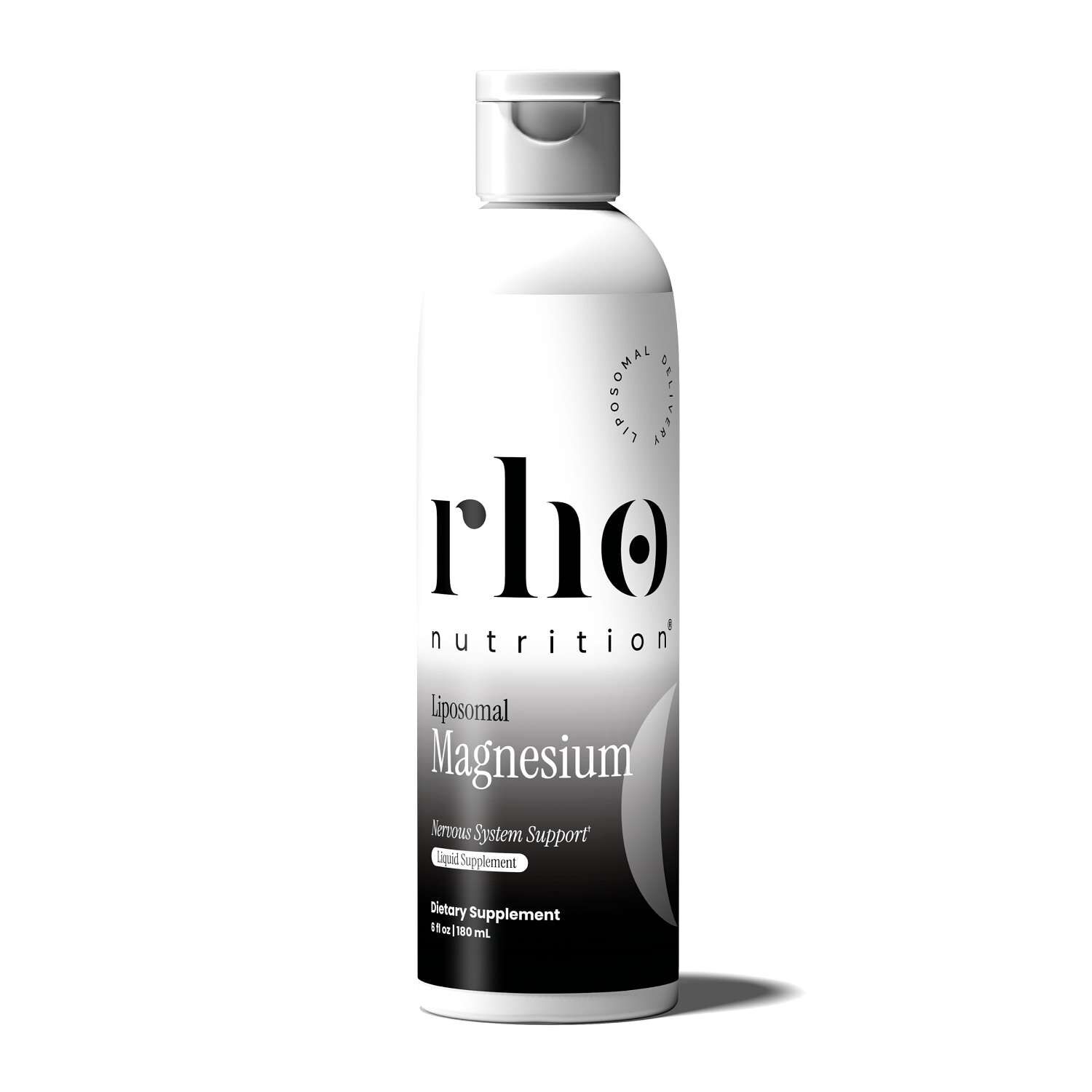 Rho Nutrition
-
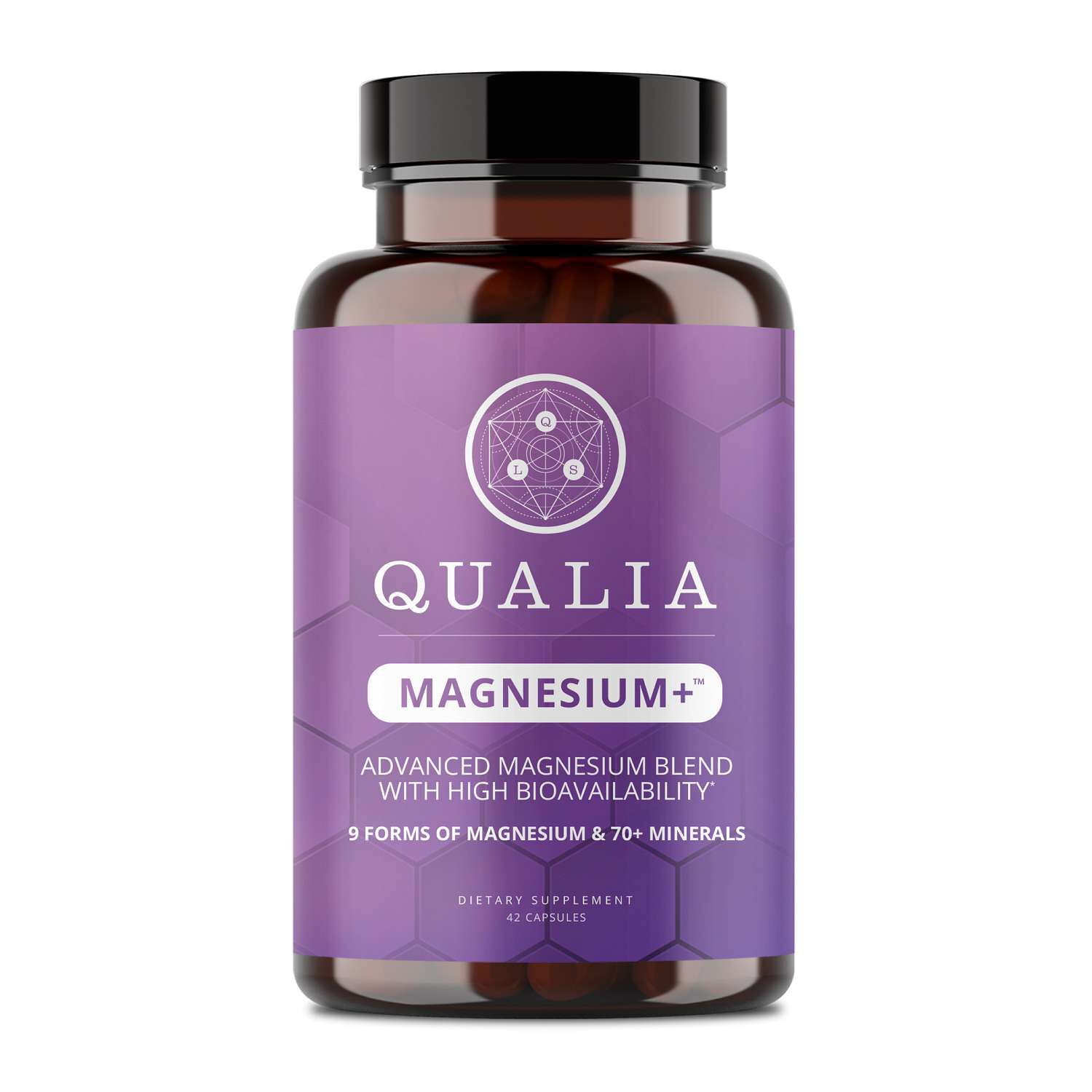 Qualia Life Sciences
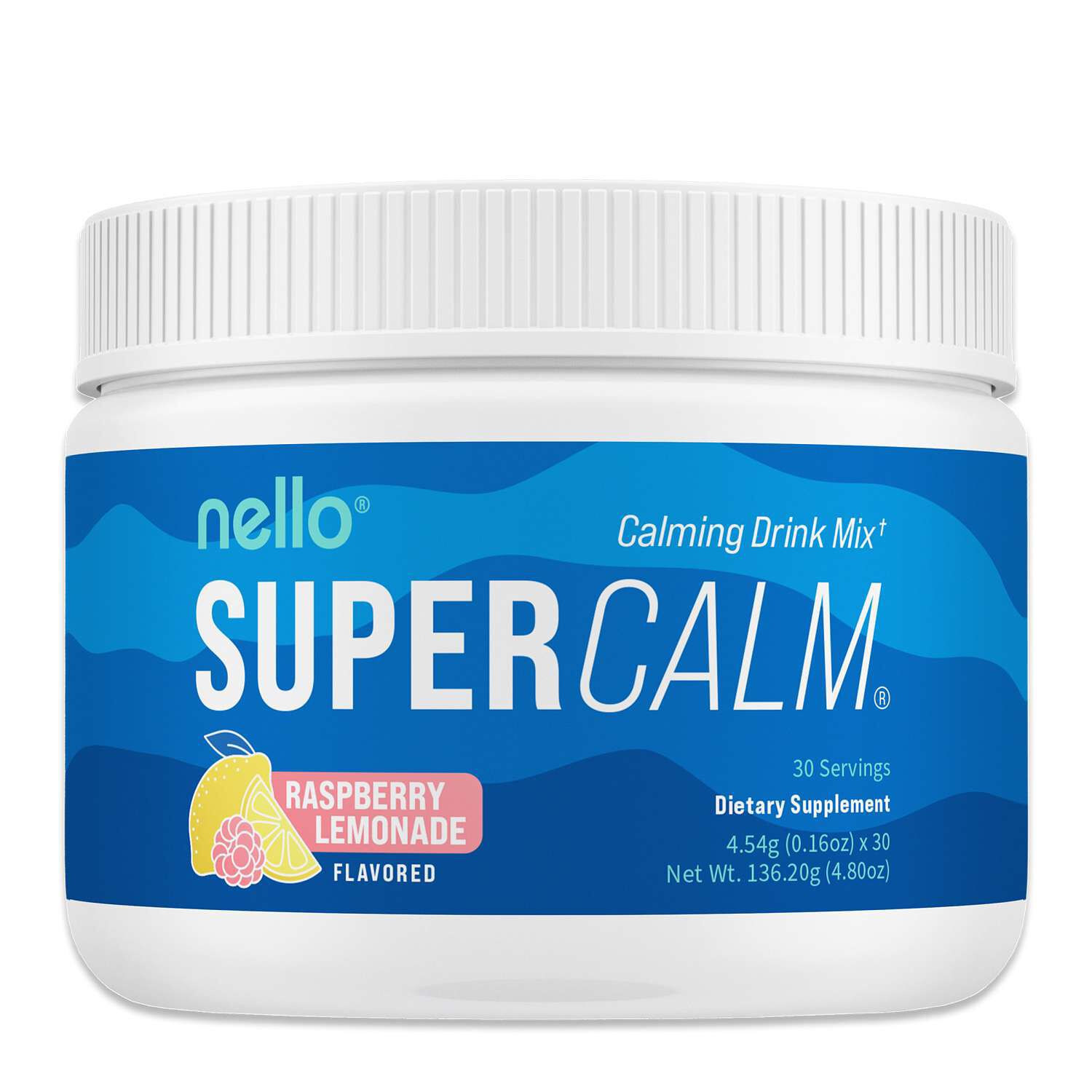
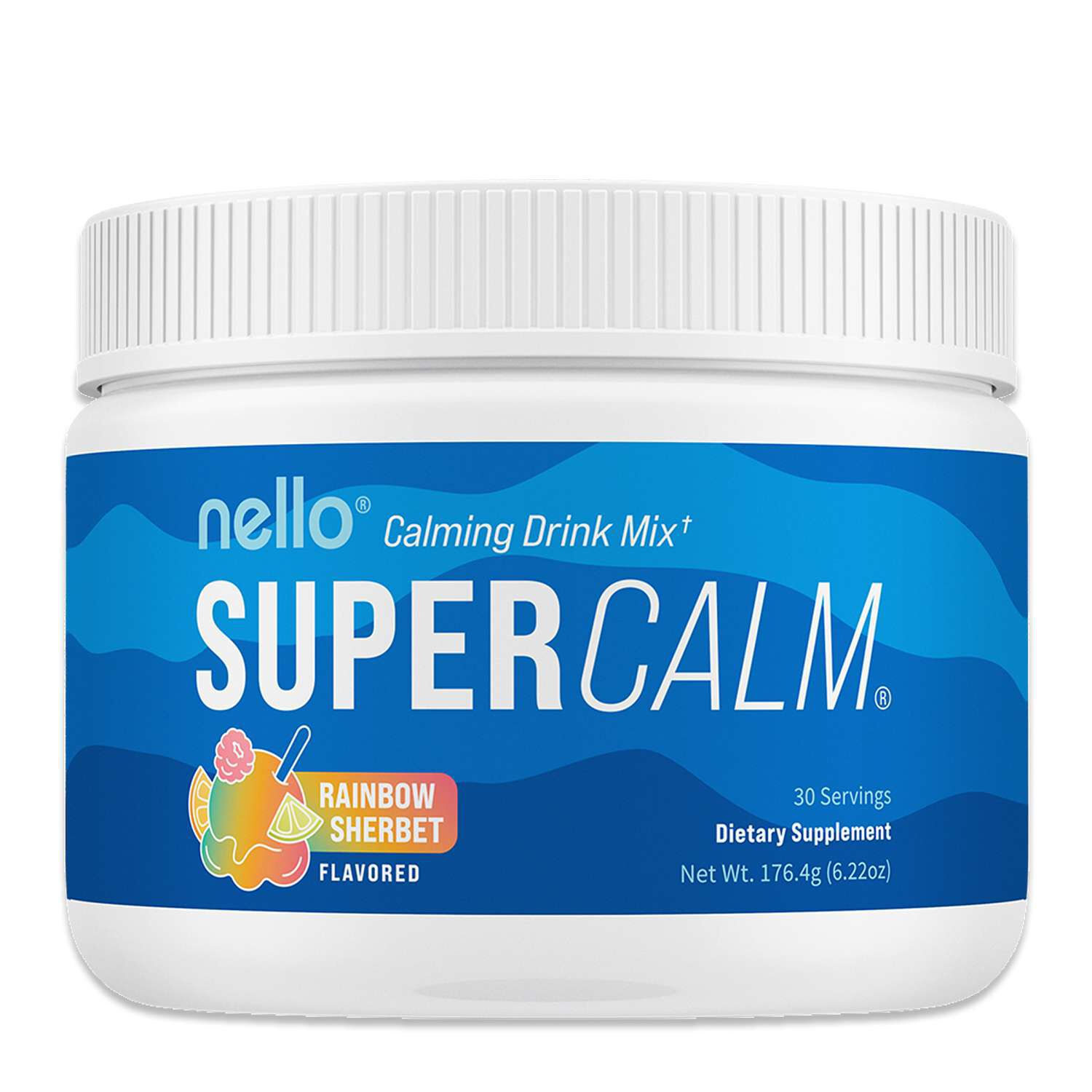
Related Pages
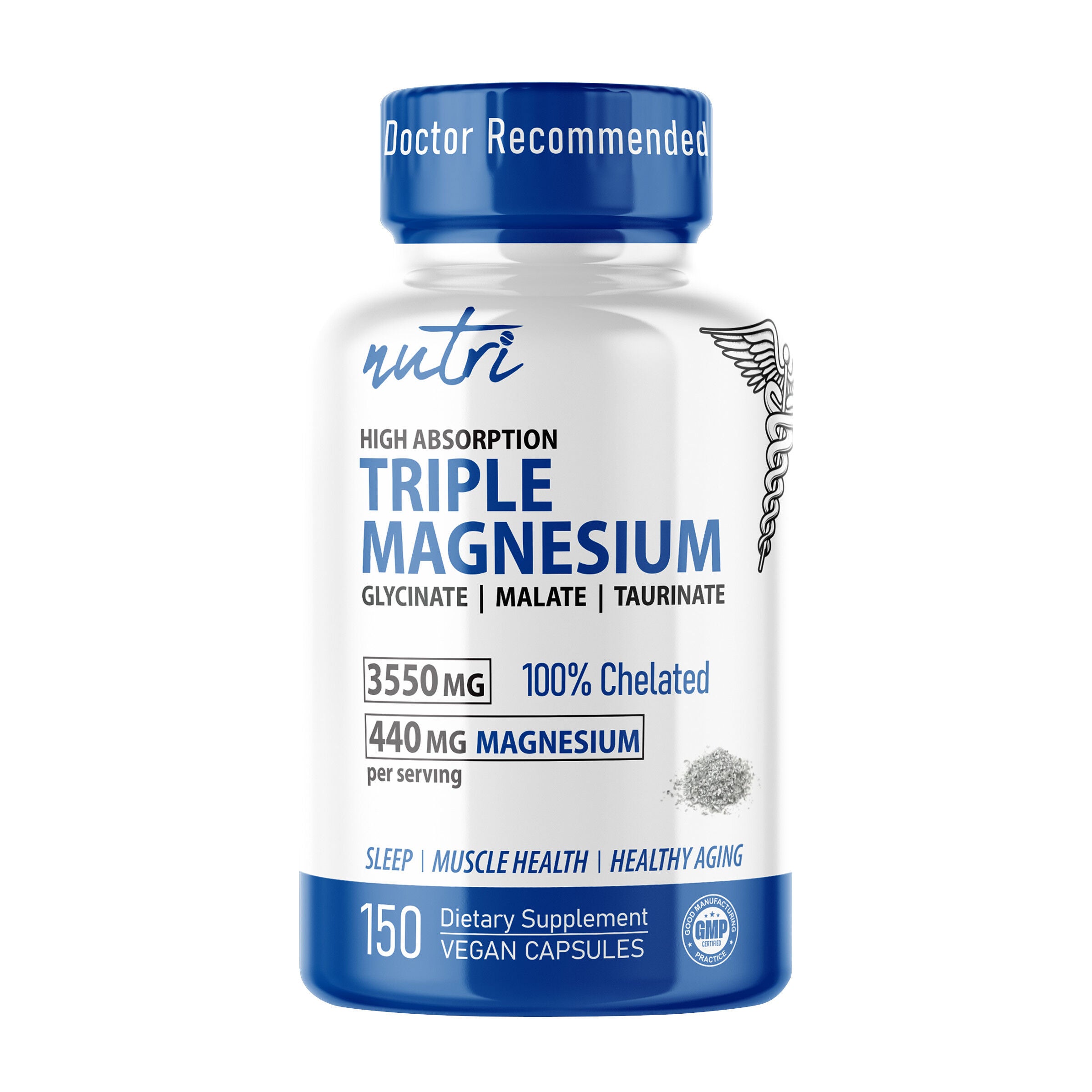
Top Collections
- Chronic Fatigue Supplements
- Vitamins For Hair Loss
- Capsule Supplements For Energy And Stamina
- Supplements For Yoga Joint Flexibility
- Zinc Supplements For Men
- Best Brand of Magnesium Glycinate
- Cortisol Supplements
- Supplements For Energy And Wellness
- Joint Mobility Supplement Packs
- Peptide Supplements