





Magnesium Supplements Without Sugar
(0 Results)
Magnesium supplements without sugar offer a convenient option for those seeking to support their wellness routine while avoiding added sugars. With a variety of formats and strengths available, these supplements may fit seamlessly into different dietary preferences and lifestyles. Explore magnesium supplements without sugar to discover options that could help you meet your nutritional goals.
-
-

-
-
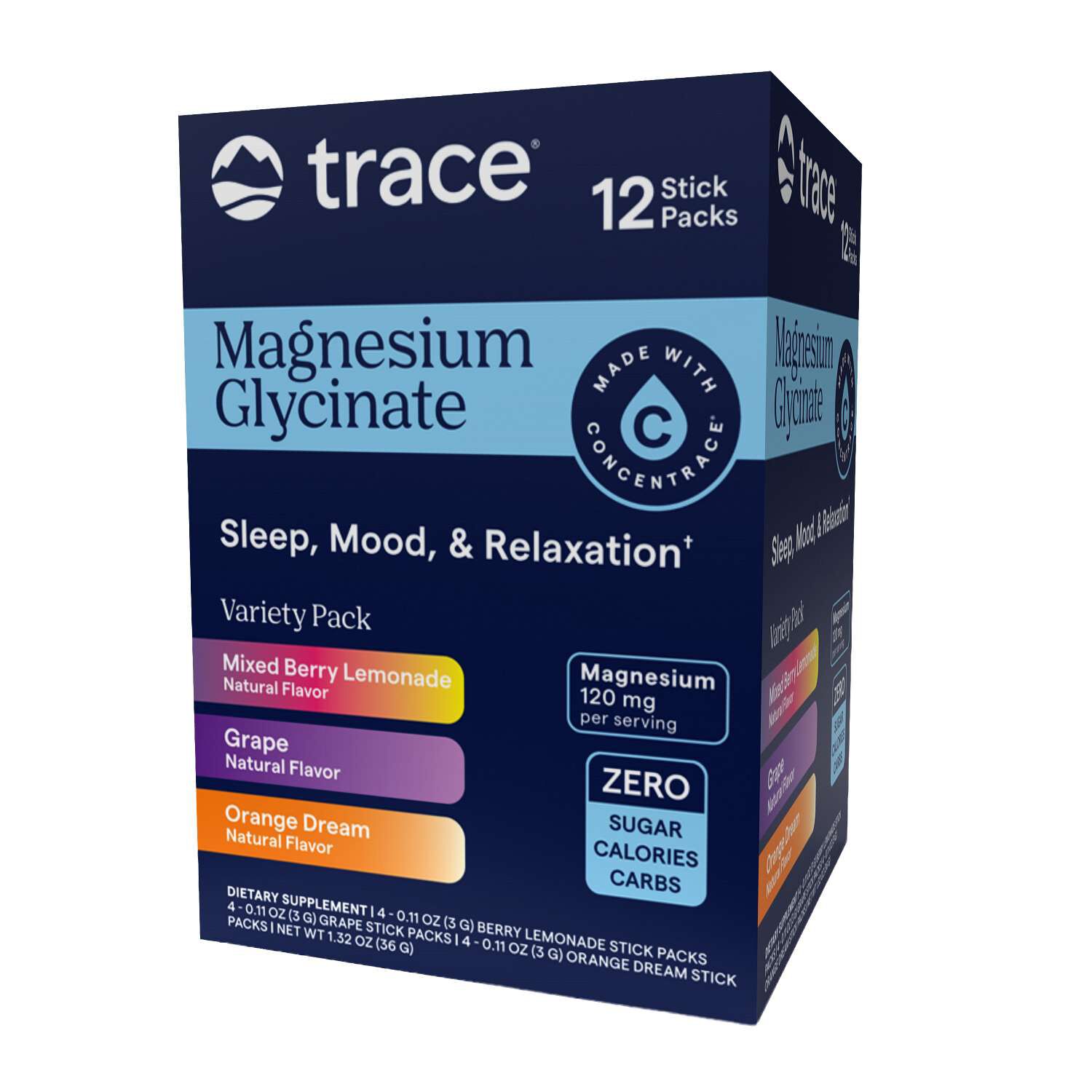 Trace Minerals$14.99
-

-
-
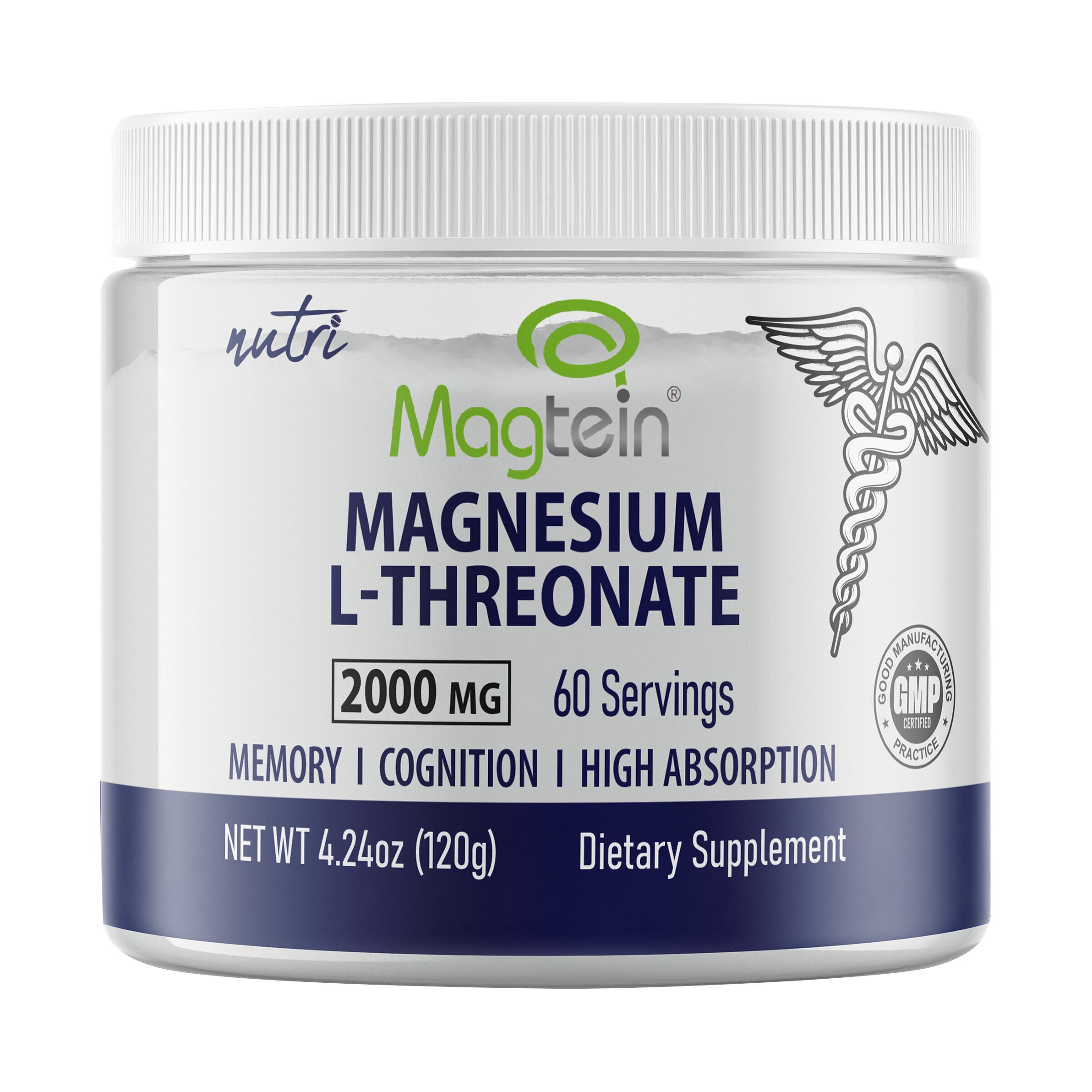
-
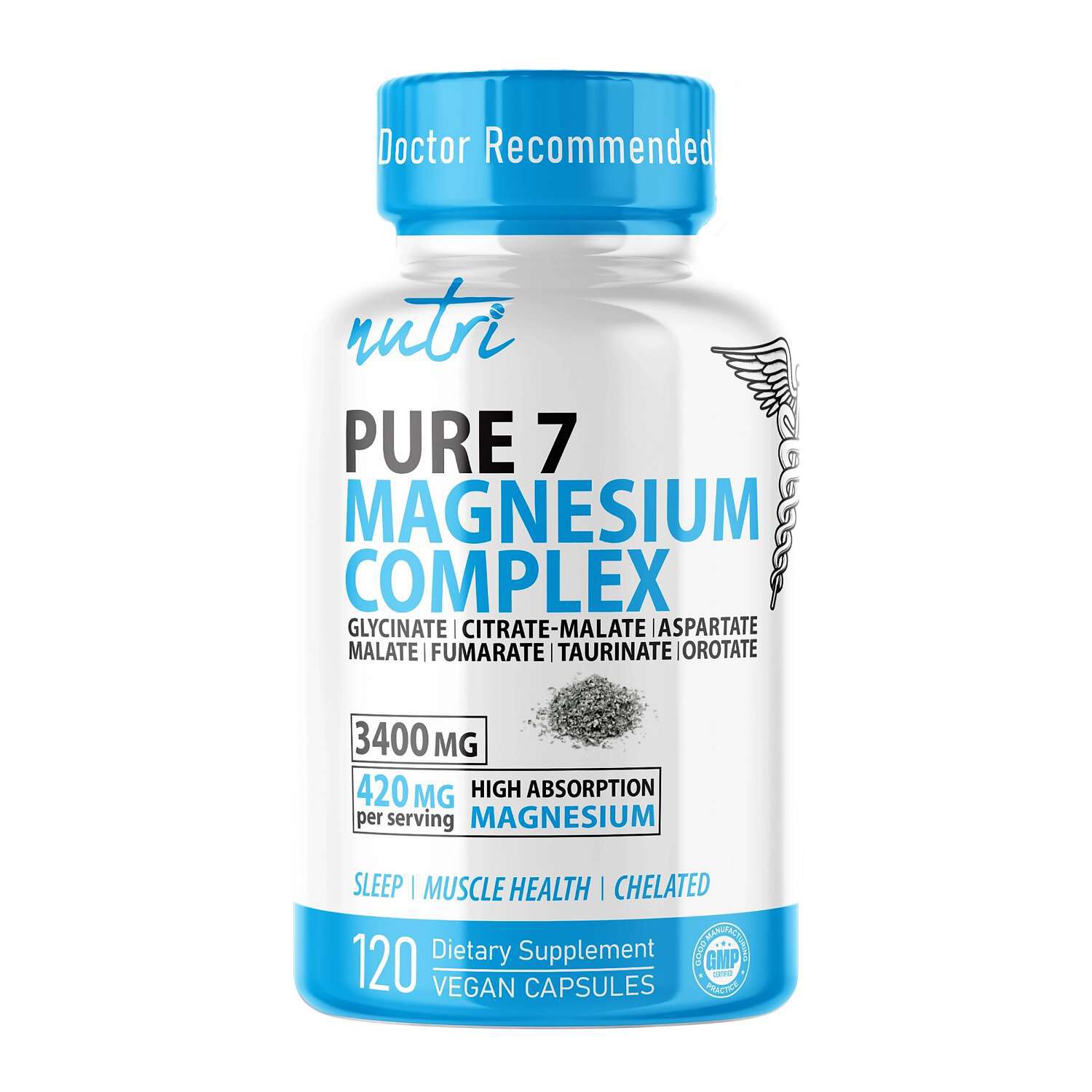 Nature's Fusions$29.99
-

-
 $27.99
-
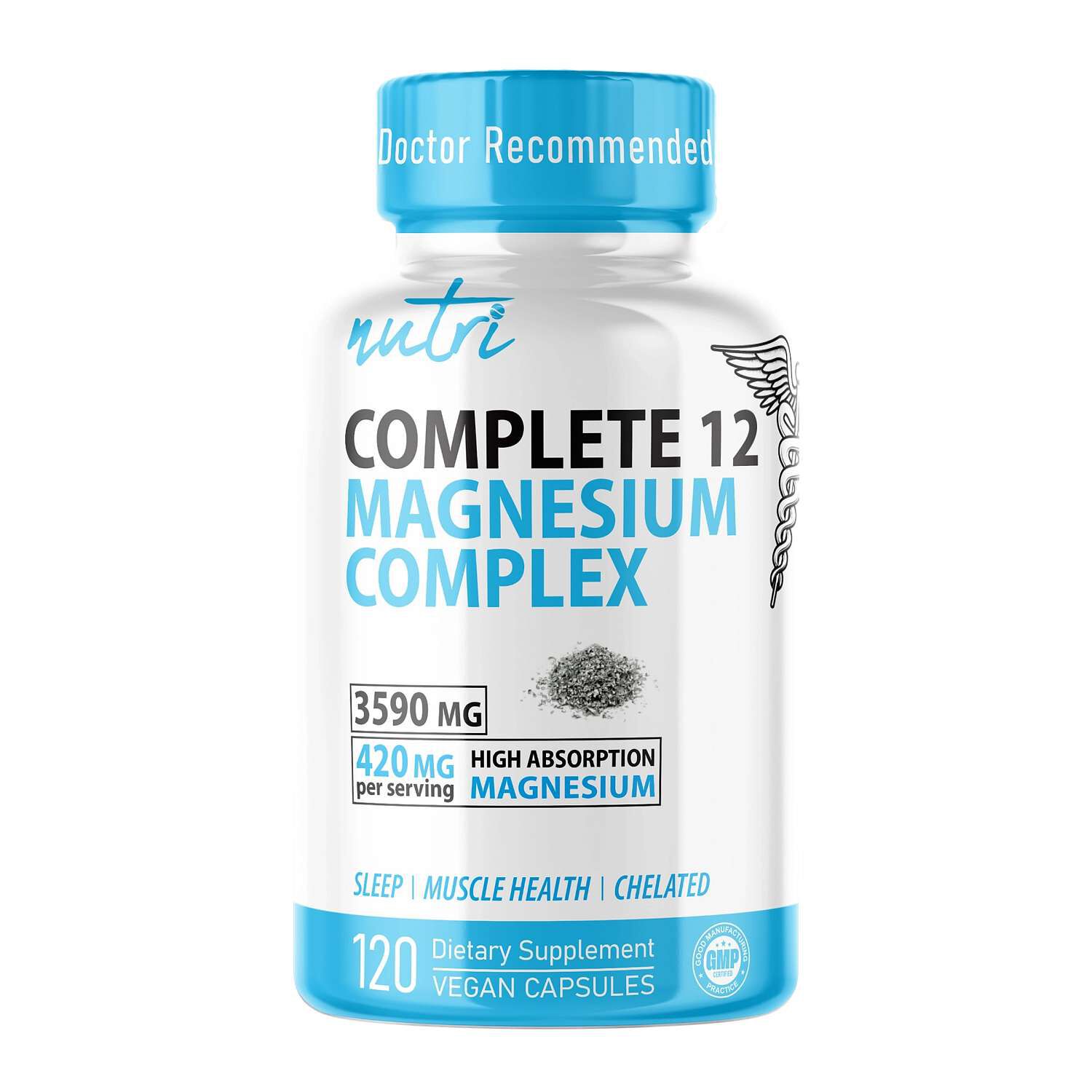 Nature's Fusions$31.99
-

-
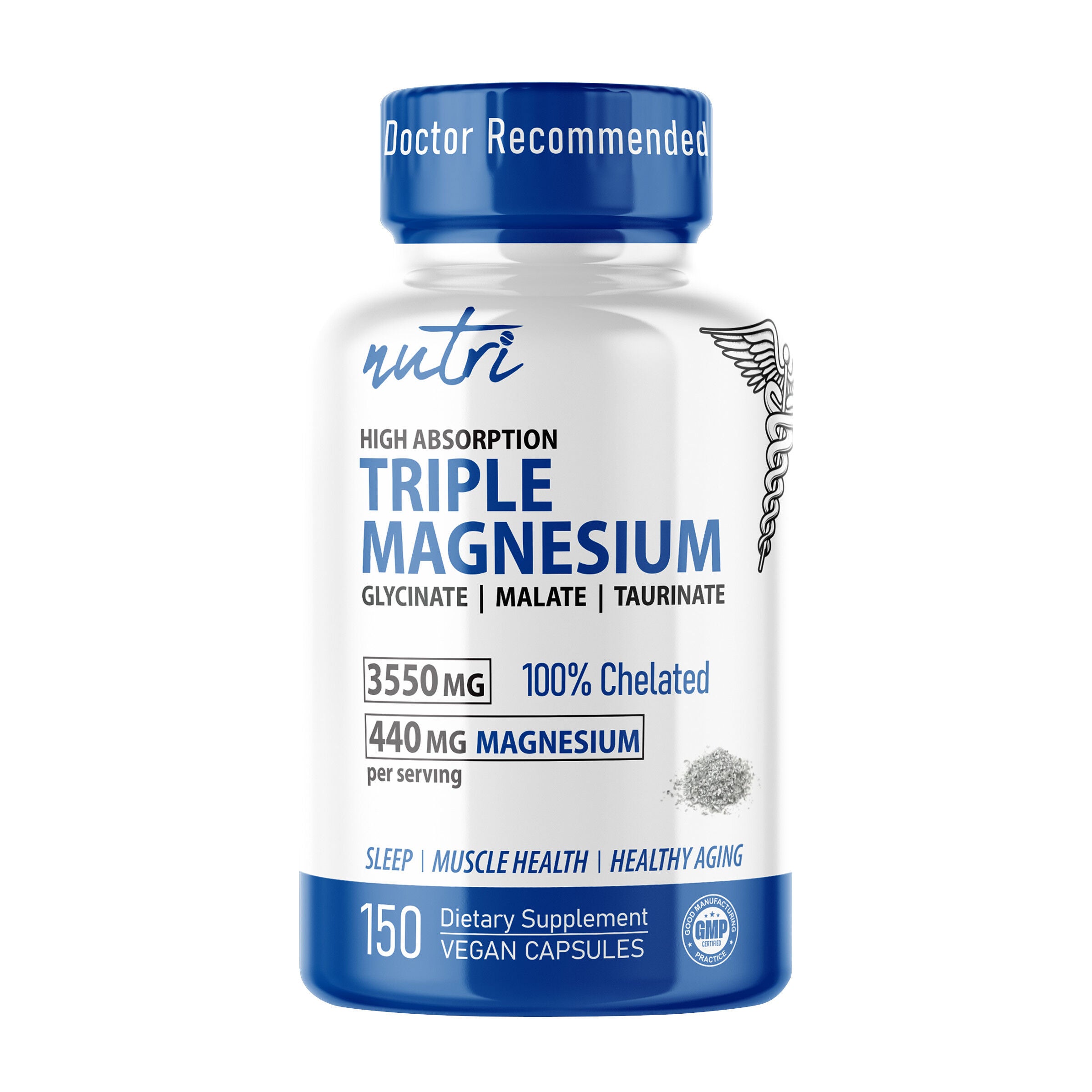
-
-
-

-

-

-

-

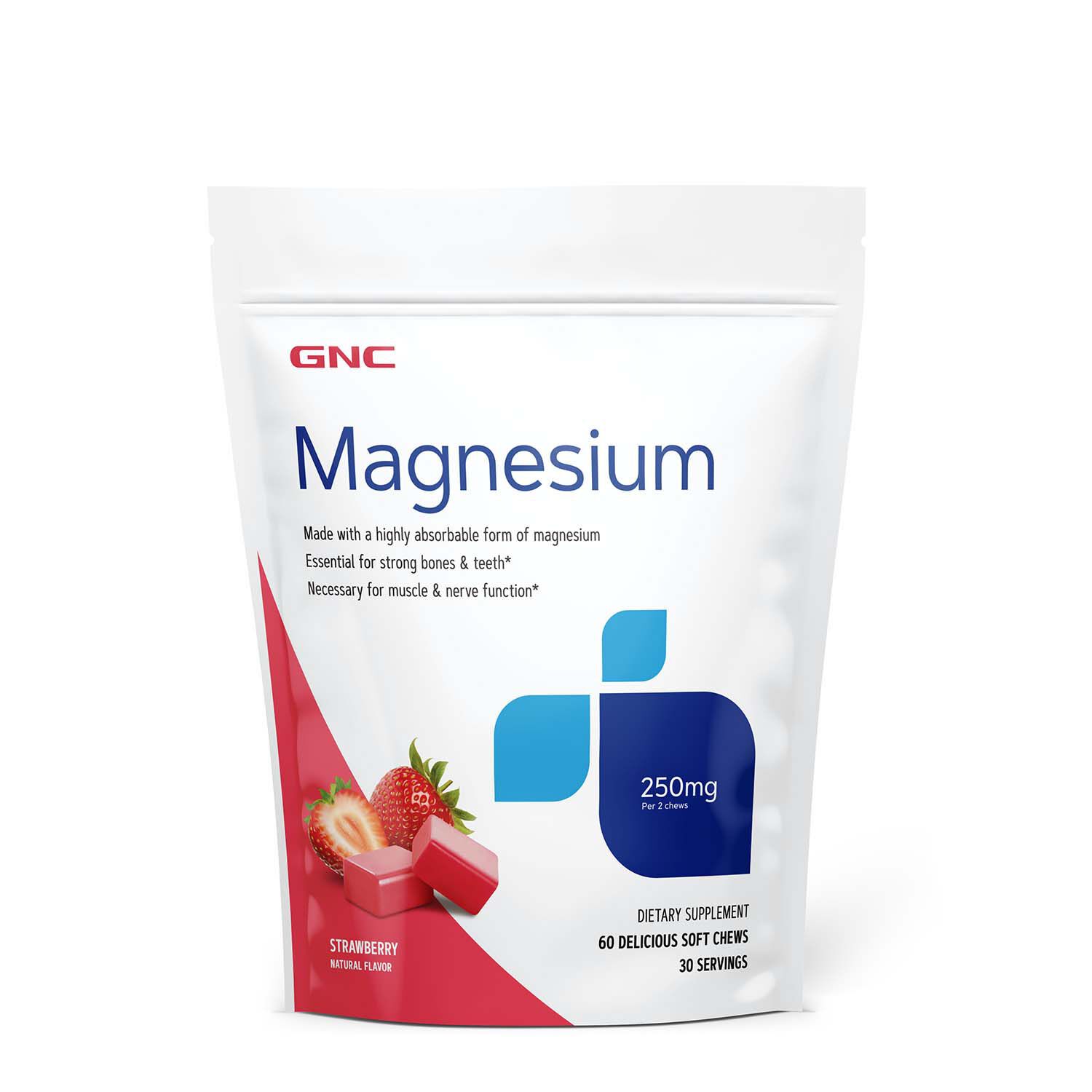
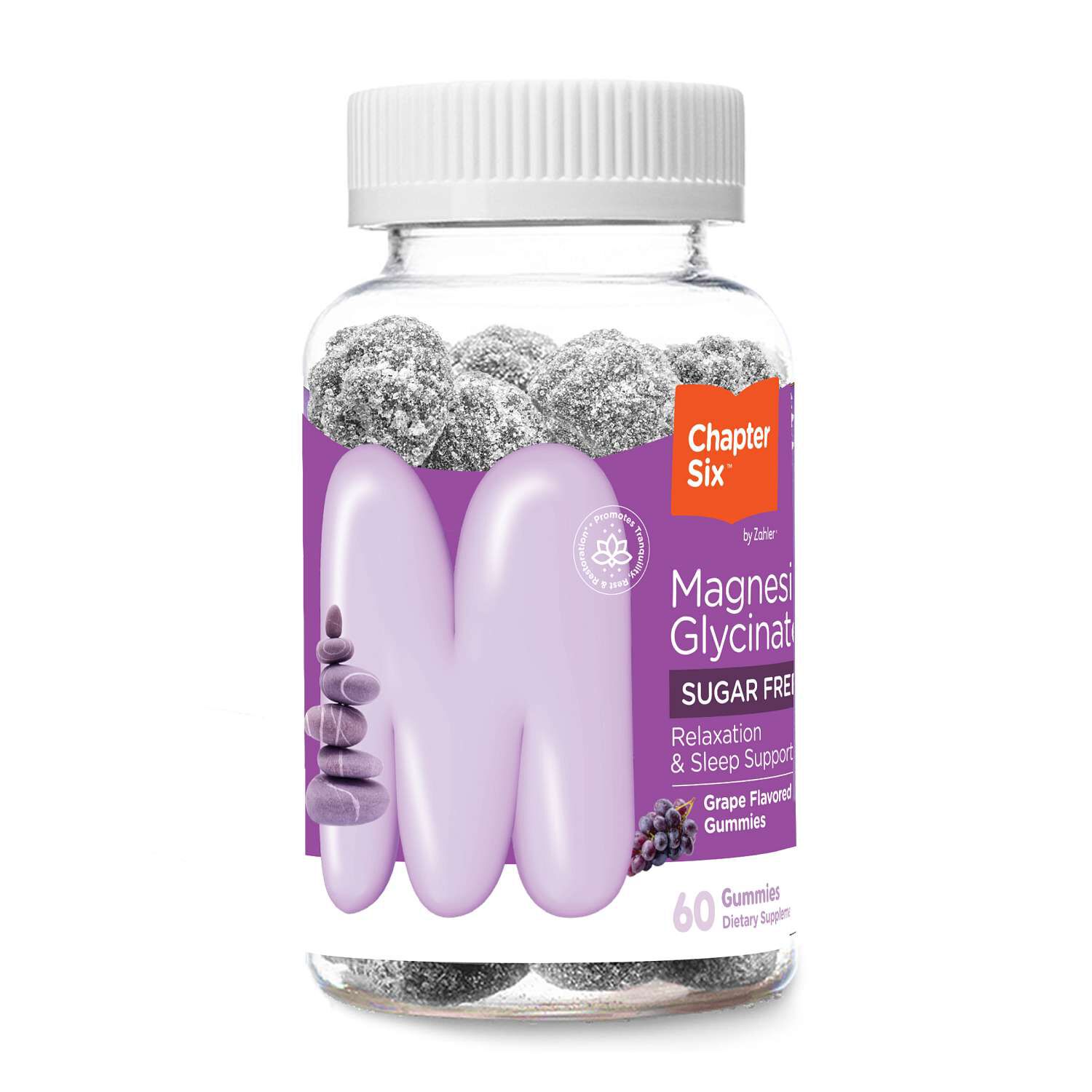
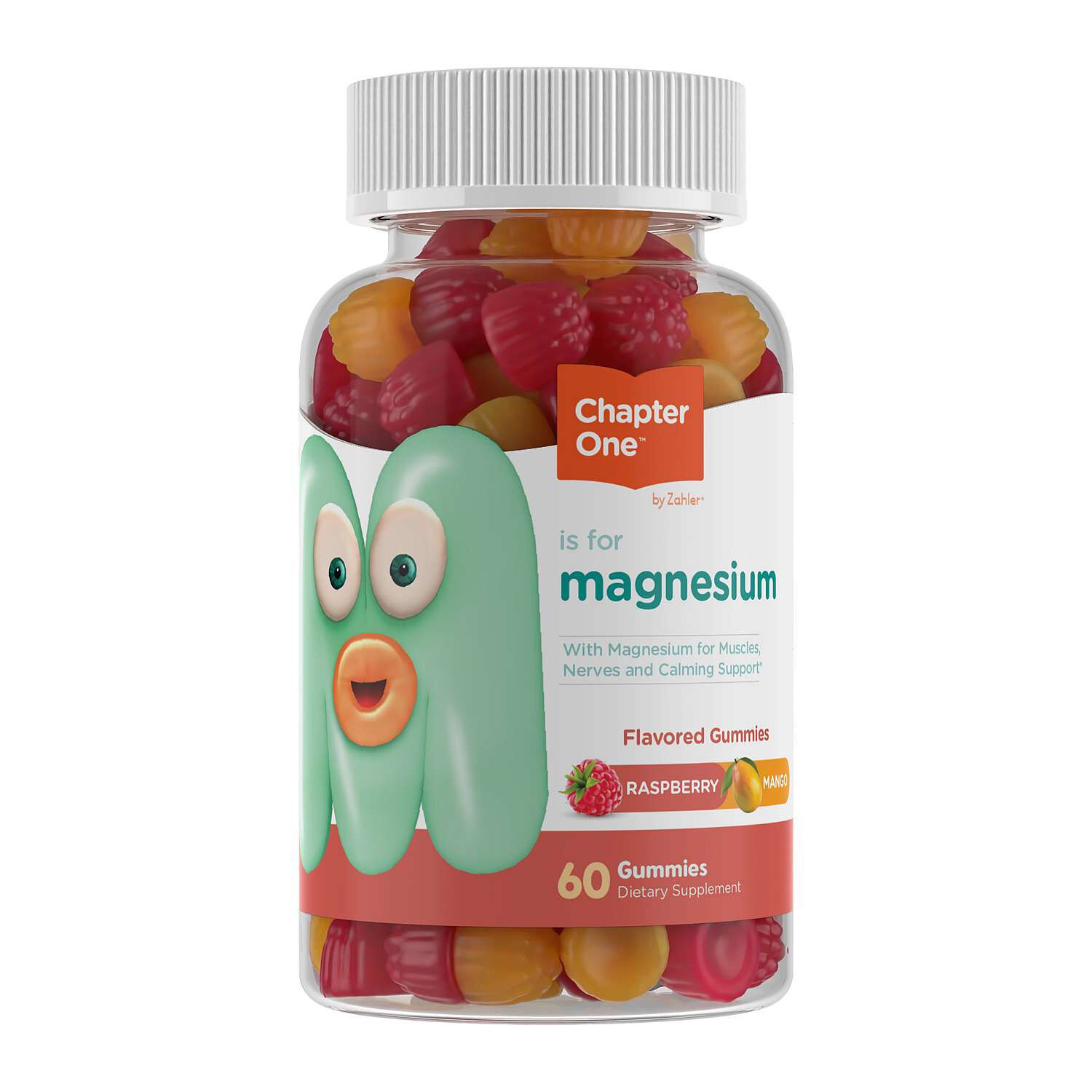

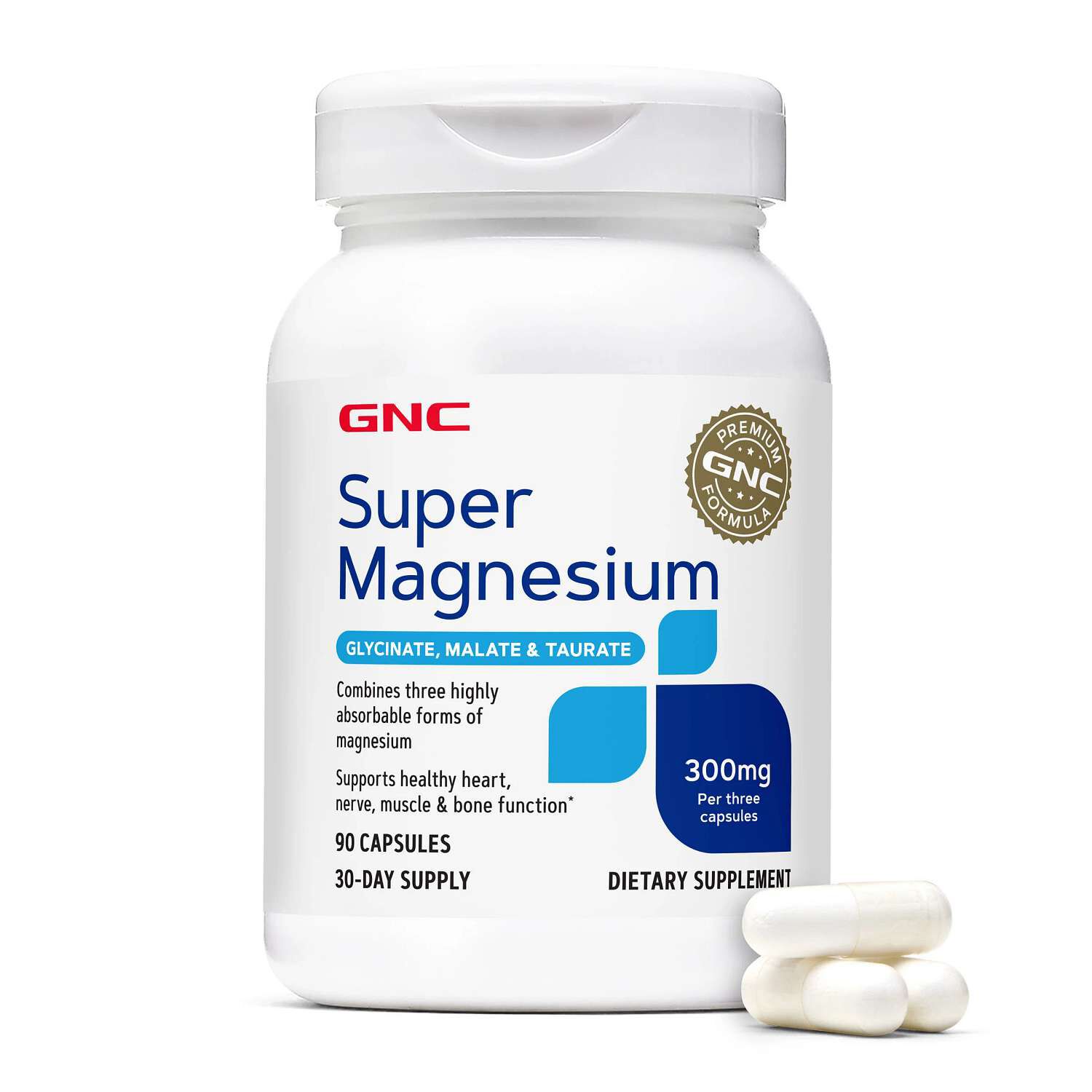
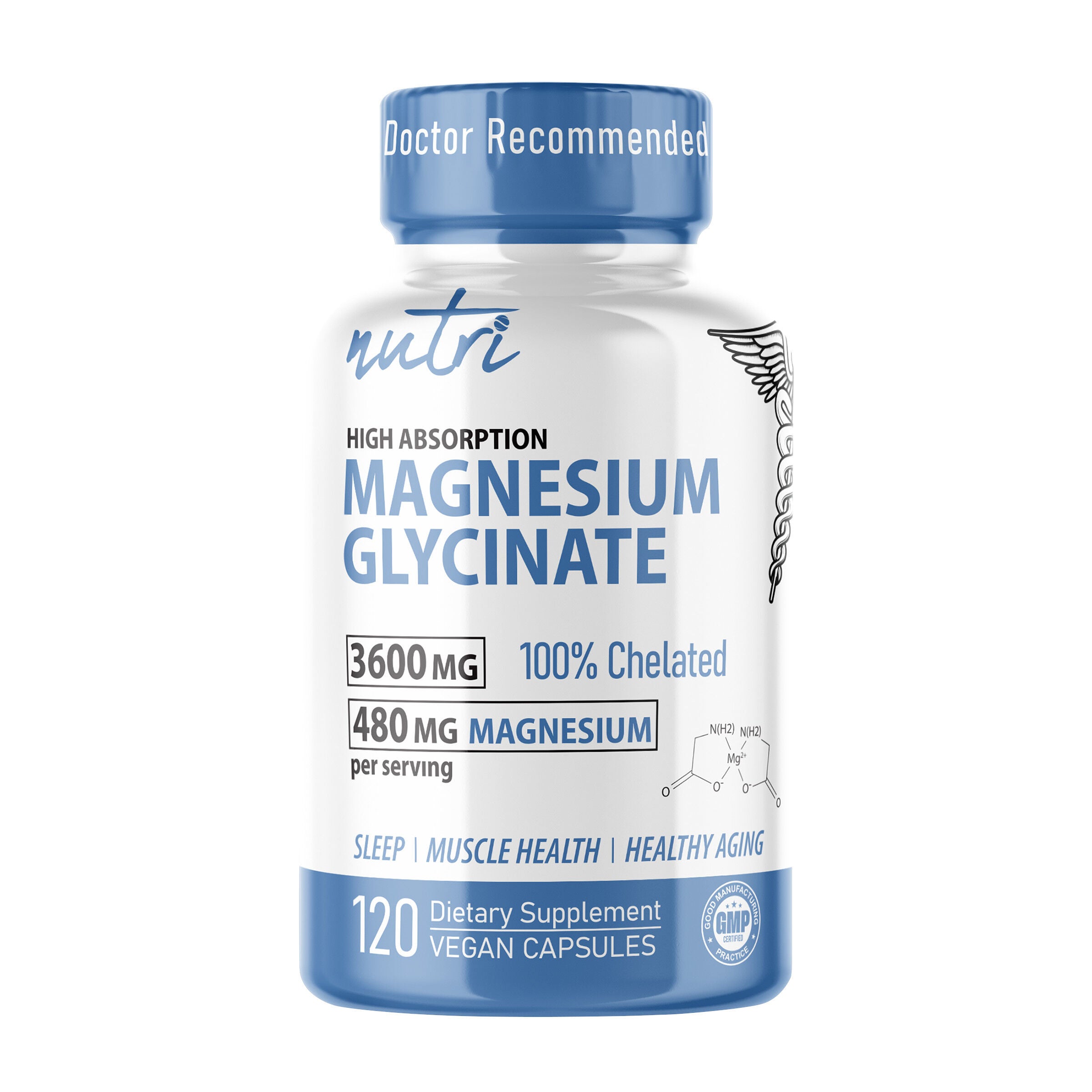
Magnesium supplements without sugar bring together a familiar mineral and a formulation preference that matters to many everyday routines. Magnesium occurs naturally in foods such as nuts, seeds, beans, whole grains, and leafy greens, and supplements offer another source in a measured serving. For adults who prefer supplements without sugar, the category can include capsules, tablets, powders, and chewable formats, with important differences in ingredients, preparation, and serving size. The magnesium source and the ingredients surrounding it are separate parts of the formula. Names such as magnesium citrate, magnesium glycinate, and magnesium oxide identify different magnesium compounds; they do not describe the sweeteners, flavors, or other ingredients in the finished supplement. A capsule shell, tablet coating, or flavored powder base adds another layer to the ingredient list. That distinction makes the Supplement Facts panel and ingredient statement more informative than the front label alone. On the Supplement Facts panel, the magnesium amount refers to elemental magnesium rather than the weight of the entire magnesium-containing compound. Serving size provides the context for that amount: one capsule, several tablets, or a measured portion of powder can represent different labeled servings. Comparing the same unit of information makes those differences easier to understand without assuming that a larger capsule or scoop contains more magnesium. Sugar labeling deserves the same attention to detail. “No added sugar” describes a different characteristic from the amount of sugar declared per serving, and neither phrase describes every carbohydrate or sweetening ingredient in a formula. A supplement without sugar may still contain sugar alcohols, other sweeteners, flavoring ingredients, or carbohydrates from other sources. For someone comparing several formats, the most useful distinction is often not simply sweetened versus unsweetened, but how the full formula fits personal ingredient preferences. Magnesium source, elemental amount, serving size, and sugar information each answer a different question about the product, creating a fuller picture than any single front-label statement.
Format shapes the everyday experience of using magnesium supplements without sugar. Capsules and swallowable tablets do not require a mixing container, while powders involve a measured portion and the preparation described on the package. For an adult who keeps supplements beside a breakfast plate, a capsule bottle may fit an established routine; someone who already measures a drink mix may prefer the preparation involved with a powder. Capsule dimensions and tablet shape are practical considerations, especially when comparing a single larger unit with a serving made up of several smaller ones. A powder has its own physical characteristics, including particle texture, flavor, and how it mixes with the specified liquid. Unflavored does not necessarily mean tasteless, and a formula without sugar does not necessarily have a neutral flavor. Mineral ingredients can contribute their own taste, while acids, fruit flavors, and sweeteners may shape the finished drink. Preparation directions provide context for the intended amount of liquid and method of mixing rather than leaving those details to guesswork. Chewable tablets and gummies introduce another set of considerations because sweetness and texture are part of the format. Formulas without sugar may use ingredients such as erythritol, xylitol, stevia-derived sweeteners, or monk fruit extract, depending on the formulation. Sugar alcohols and other sweeteners have different identities, so a preference for one does not automatically extend to another. Gummies may also contain gelatin or pectin, while capsules may use gelatin or plant-derived shell materials. Those details matter to shoppers with vegetarian preferences or particular ingredient exclusions, even when sugar content is the starting point. The number of pieces in a labeled serving matters as well: a serving of multiple gummies is not directly comparable to one tablet simply because both formats contain magnesium. Taste, texture, preparation, and the number of units per serving all contribute to how a supplement may fit into an established routine, without changing the importance of reading the formula as a whole.
Ingredient preferences often overlap, and avoiding sugar may be only one part of a shopper’s selection process. Someone comparing magnesium supplements without sugar may also be looking closely at wheat, milk-derived ingredients, soy, gelatin, artificial colors, or particular sweeteners. Each preference calls for its own label review because the absence of one ingredient does not establish the absence of another. Shoppers considering wheat as a separate factor can also explore magnesium supplements, while checking the sugar information and other details of each formula independently. Wheat-related statements and gluten-related statements are not interchangeable, since gluten can also come from other grains. Ingredient lists, allergen statements, and any manufacturing disclosures provide different kinds of information rather than serving as substitutes for one another. Packaging is another practical part of the comparison, particularly for a supplement that will be opened repeatedly. Bottle dimensions, closure style, powder-container openings, and the presence of a measuring scoop all affect handling and storage. A wide container may accommodate a scoop differently from a narrow opening, while an individually portioned format involves a different preparation routine from a tub. The package directions establish the intended storage conditions, and keeping the original container preserves access to the serving information, ingredient list, and printed date. Closures and seals deserve attention during ordinary use, especially with powders and chewable formats that are handled often. Labeled storage directions also matter when choosing a place in a cabinet or deciding whether a container belongs in a bag carried throughout the day. For a shared household, a clearly labeled package may make it easier to distinguish one person’s supplement from another without relying on tablet color or bottle shape. Across these considerations, the defining feature remains straightforward: magnesium supplements without sugar pair a magnesium source with a formula chosen around sugar preferences. The meaningful differences lie in the details of that formula and the format surrounding it, from the elemental amount per serving to the capsule material, sweetening ingredients, preparation method, and package instructions.
Best Sellers
-
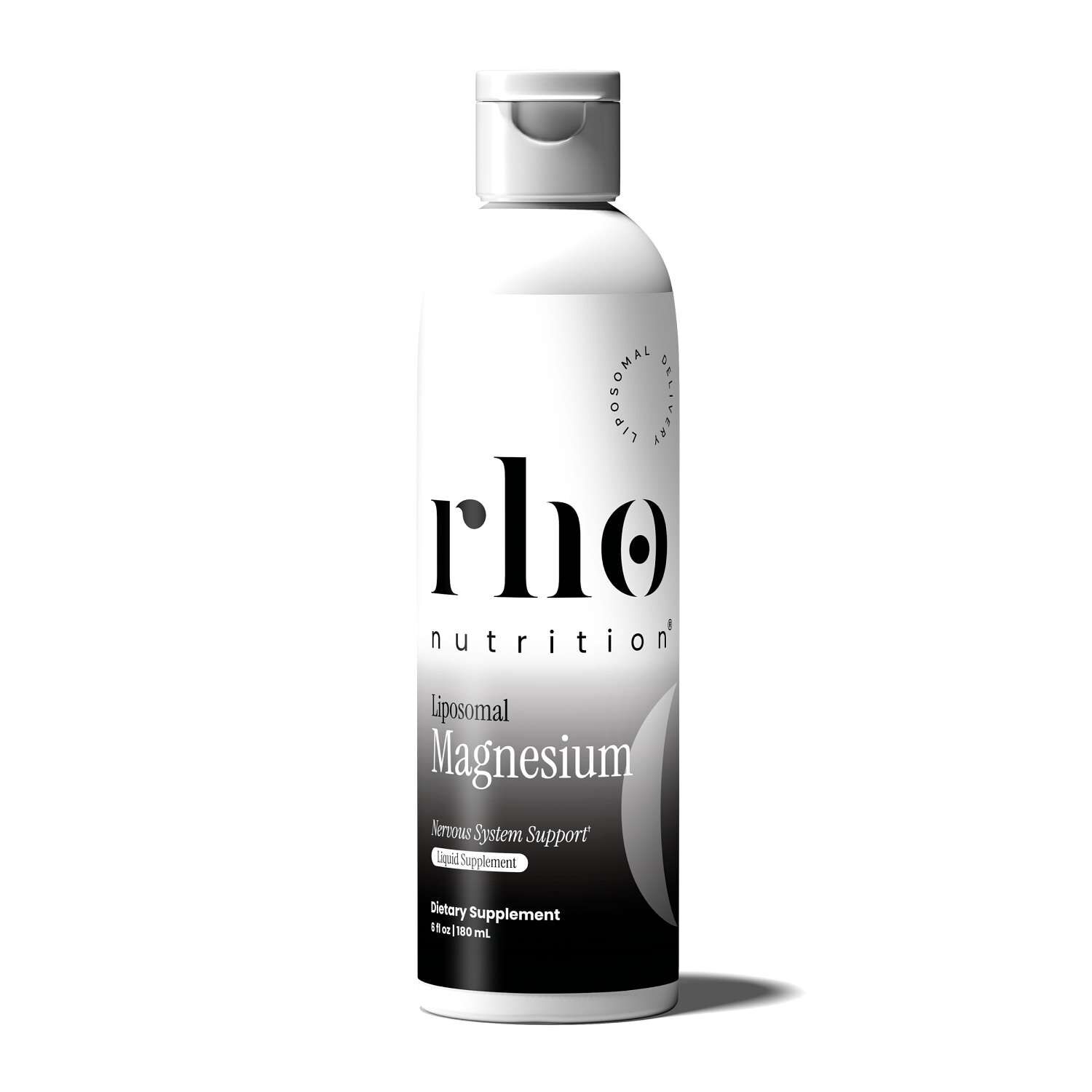 Rho Nutrition
-
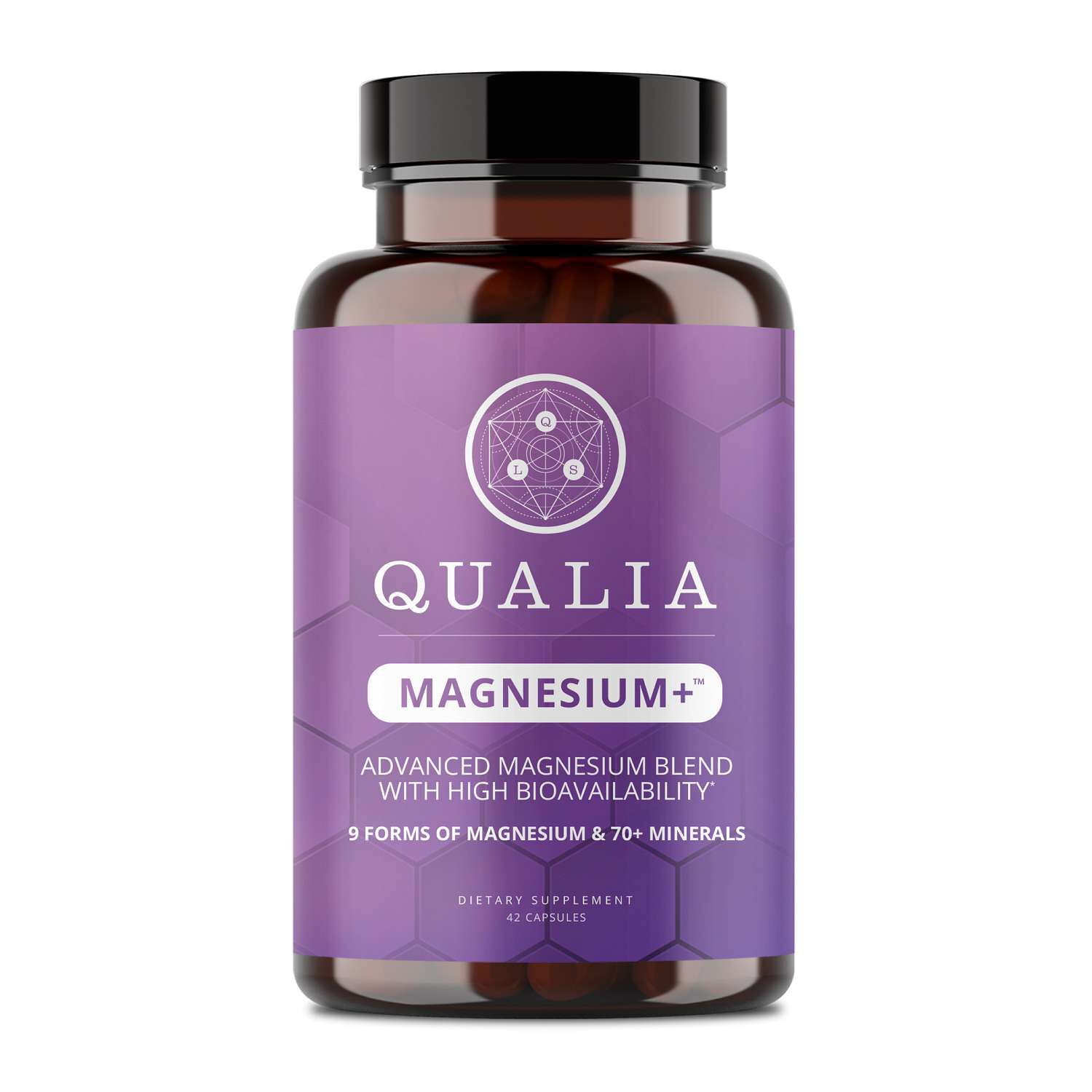 Qualia Life Sciences
Related Pages
Top Collections
- Chronic Fatigue Supplements
- Vitamins For Hair Loss
- Capsule Supplements For Energy And Stamina
- Supplements For Yoga Joint Flexibility
- Zinc Supplements For Men
- Best Brand of Magnesium Glycinate
- Cortisol Supplements
- Supplements For Energy And Wellness
- Joint Mobility Supplement Packs
- Peptide Supplements