Soy Free Prenatal Vitamins
(0 Results)
Expecting mothers seeking optimal nutrition without soy ingredients may find an excellent solution in soy-free prenatal vitamins. These specialized supplements could provide essential nutrients like folic acid, iron, and calcium, which might support a healthy pregnancy. Designed to cater to those with soy allergies or sensitivities, these vitamins may offer peace of mind while promoting the well-being of both mother and baby. Explore a range of options that might help fulfill your dietary needs during this crucial time.
-
-

-
-

-
 Portions Master$24.99
 -

Prenatal vitamins made without soy bring together two distinct shopping considerations: a formula intended for pregnancy-related nutritional routines and an ingredient profile that excludes soy. This category is relevant to people comparing prenatal supplements before pregnancy, during pregnancy, or for another stage identified on the product label. The defining detail is not the color of the bottle or the number of nutrients listed on the front; it is the manufacturer’s statement about soy and the ingredient information behind that statement. Prenatal formulas vary considerably, even when their packaging uses similar language. Some contain a broad assortment of vitamins and minerals, while others feature a shorter nutrient list or pair a multivitamin with a separate softgel. Folate, iron, iodine, vitamin D, vitamin B12, and choline are examples of nutrients that may appear on a prenatal label, but their presence and amounts are not uniform across the category. DHA, an omega-3 fatty acid, may be included in the same serving, packaged as a companion supplement, or absent from the formula. A prenatal designation alone does not establish which ingredients a bottle contains. The Supplement Facts panel provides the serving size, nutrient amounts, and forms used, making it more informative than a front-label nutrient count. A bottle with a larger number of capsules does not necessarily provide more servings, either: the listed serving may consist of one capsule, several tablets, or multiple gummies. For someone comparing bottles alongside a grocery list or organizing a morning routine, those distinctions make the category easier to understand. Prenatal vitamins without soy are not a single standardized formulation. They are a group of products connected by an ingredient exclusion, with meaningful differences in composition, format, and intended use. That makes accurate labeling central to comparisons, whether soy avoidance is the main consideration or one of several dietary preferences reflected in the shopping process.
The soy designation deserves attention beyond the most prominent wording on the package. Soy-derived ingredients can appear in different parts of a supplement, including oils, lecithin, and components used in the capsule or softgel. The Other Ingredients section describes components outside the nutrient panel, such as capsule materials, carriers, colors, flavors, and sweeteners. A formula described as made without soy is also distinct from a statement about the facility or equipment used to manufacture it. Manufacturing disclosures provide additional context, but their wording varies, and the absence of a facility statement does not establish how a supplement was produced. Product packaging and manufacturer documentation are the most direct places to find these details, particularly because ingredient lists and manufacturing information can change. Dietary descriptions also have separate meanings. A vegetarian formula is not automatically made without soy, and an organic designation does not establish the absence of soy ingredients. Likewise, a product made without soy is not necessarily made without milk, wheat, eggs, or other ingredients a shopper may be comparing. Capsule composition is another distinction: gelatin and plant-derived capsule materials represent different ingredient choices, independent of the vitamins and minerals inside. For formulas containing DHA, the stated source may be fish oil or algae, which is relevant when comparing animal-derived and plant-derived ingredients. Testing language requires the same attention to detail. A third-party certification or testing statement is most informative when it identifies what was evaluated and by whom; a general testing reference does not explain every aspect of the formula. Clear ingredient sourcing, readable nutrient amounts, and specific dietary statements provide a more useful picture than broad descriptions such as “clean.” For households where several people use different supplements, recognizable packaging and an easy-to-read label also make individual bottles easier to distinguish. These practical details give prenatal supplements without soy their context as everyday packaged products, rather than interchangeable bottles defined only by a category name.
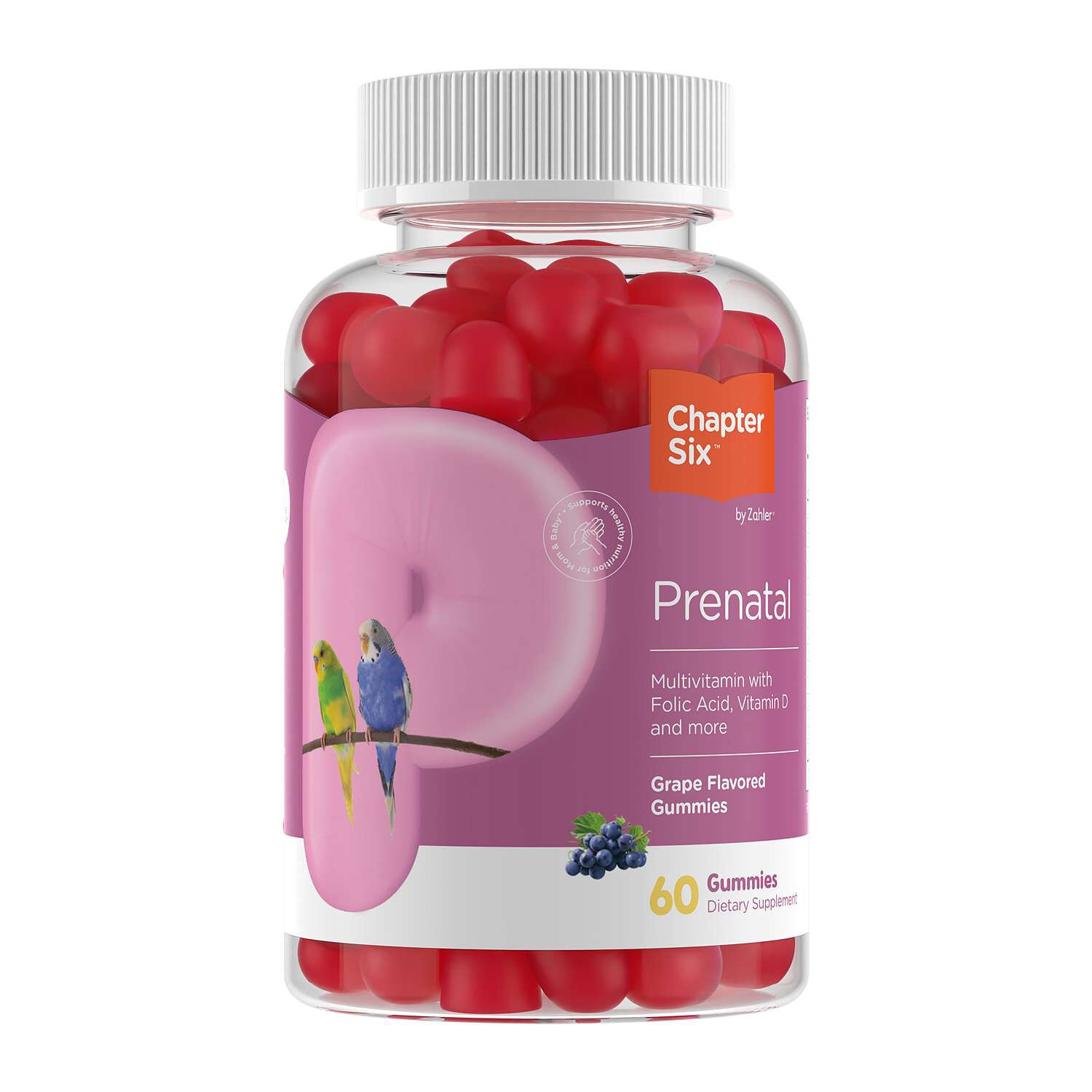
Format is often the most visible difference among prenatal vitamins made without soy, and it affects how a product fits into a daily routine. Tablets, capsules, softgels, and gummies differ in size, texture, ingredient composition, and serving count. A compact capsule and a larger tablet can contain different nutrient combinations, so physical size alone says little about the formula. Softgels commonly have a smooth outer shell and may contain oil-based ingredients, while gummies bring flavor, sweetness, and a chewable texture into the comparison. Gummy formulas do not necessarily mirror tablet formulas nutrient for nutrient; iron, for example, may be absent. Flavored formats also introduce details such as added sugars, sugar alcohols, pectin, or gelatin, depending on the recipe. Someone who prefers an unflavored capsule may place less emphasis on taste, while someone comparing chewable options may look closely at both texture and the number of pieces per serving. Packaging contributes another layer of convenience. A bottle, individually packaged serving, or multipiece daily packet takes up a different amount of space in a cabinet or travel bag, and a packet may contain more than one supplement format. For any of these presentations, storage directions, package integrity, and the expiration date are more relevant than durability in the sense used for reusable goods. The original container keeps the ingredient list, lot information, and use directions together, while a securely closed package helps limit exposure to moisture. Child-resistant closures do not replace storage out of children’s reach, especially for products resembling candy. Beyond the prenatal category, vitamin D3 supplements without soy offer a separate place to compare ingredient statements and formats for that individual nutrient; their labeling and intended use differ from those of a prenatal multivitamin. A related category is a comparison resource, not an indication that separate supplements belong in the same routine. Across prenatal options, the most meaningful distinctions remain concrete: what the formula contains, how soy exclusion is described, how much constitutes a serving, and how the packaging supports ordinary use. Together, those details create a clear basis for comparing products beyond the wording on the front of the bottle.