





Cordyceps Supplements
(0 Results)
Discover nature's powerhouse with our selection of Cordyceps supplements, known for their potential to support energy levels, endurance, and overall vitality. Sourced from high-quality ingredients, these supplements are designed to help you achieve your wellness goals and lead an active lifestyle. Whether you're an athlete looking to enhance your performance or simply seeking a natural way to boost your well-being, Cordyceps supplements offer a convenient and effective solution to support your health journey.
-
-

-

-
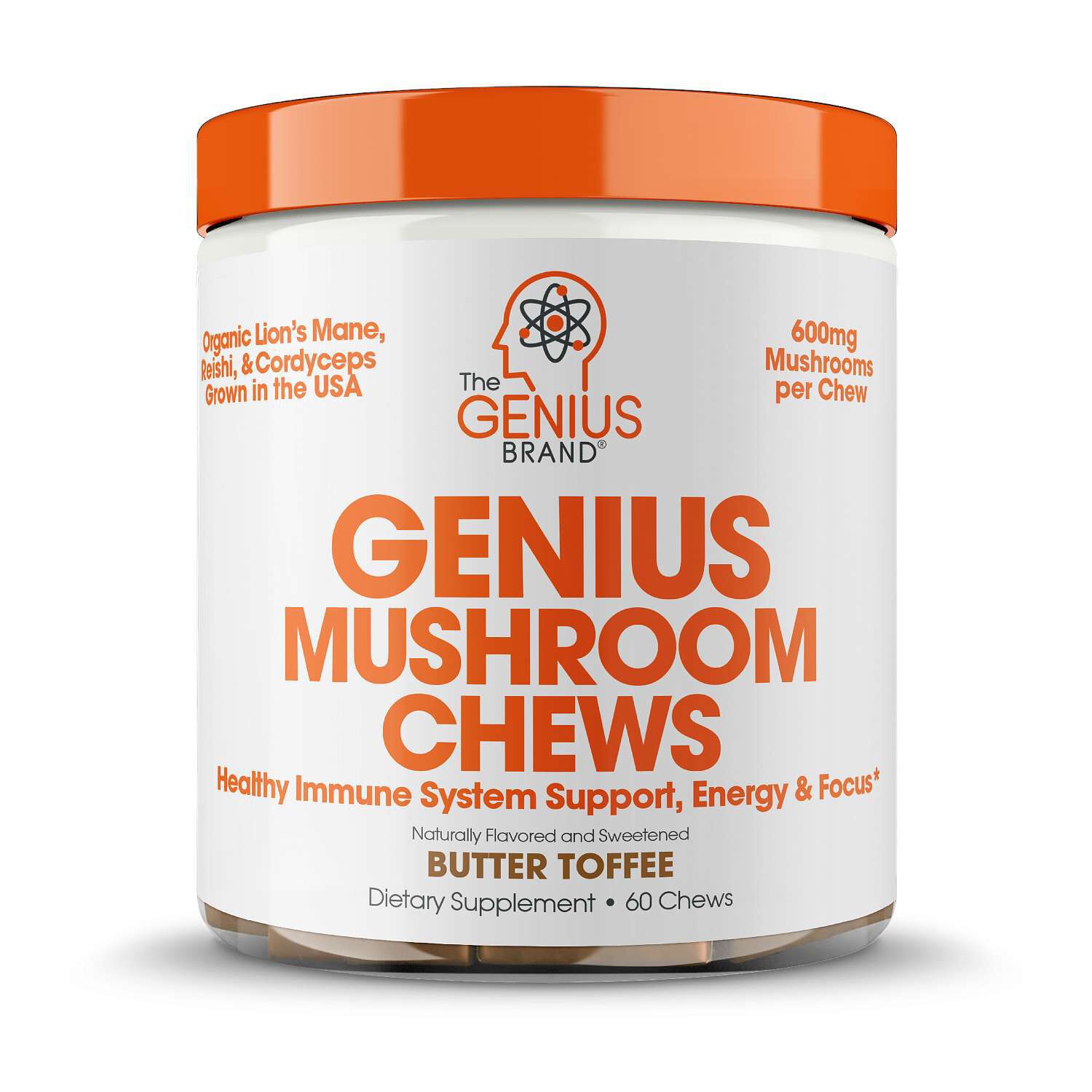 The Genius Brand$29.99
 -

Cordyceps supplements are dietary supplements made with material from cordyceps fungi, typically offered as capsules, powders, extracts, or mushroom blends. Although often grouped with mushroom supplements, cordyceps has its own cultivation history, ingredient terminology, and preparation methods. Its background includes traditional use in parts of Asia, while modern supplements commonly use cultivated fungal material rather than wild-harvested sources. Two names that may appear in ingredient descriptions are Cordyceps militaris and Ophiocordyceps sinensis, the latter also known by its older name, Cordyceps sinensis. These names identify different organisms, so the word “cordyceps” on the front of a package does not tell the whole ingredient story. The species, source material, preparation, and amount per serving give a more useful picture of what a formula contains. Shoppers often explore this category as part of an active lifestyle or an established daily supplement routine, but those interests should not be confused with evidence of a particular outcome. Traditional use also does not establish what a modern capsule or powder will do. For a straightforward comparison, the Supplement Facts panel is a practical starting point: it identifies the serving size, declared dietary ingredients, and listed amounts. The other ingredients section provides additional details about capsule shells, fillers, flavors, and sweeteners where applicable. A cordyceps-only formula keeps the ingredient focus narrow, while a mushroom blend combines cordyceps with other named fungi. Neither format is inherently the better match for every shopper. Someone who already uses several supplements may prefer a short ingredient list that is easy to compare with an existing routine. Another shopper may prefer a blended format, provided the label makes its contents clear. Thinking of cordyceps supplements as a category with meaningful differences in composition, rather than as interchangeable bottles, makes the details on each label more valuable.
The source material and processing method are important distinctions within the category. Labels may identify fruiting bodies, mycelium, or a combination of fungal materials. Mycelium is the network of fine, branching structures through which a fungus grows; a fruiting body is a reproductive structure produced during its life cycle. These terms describe different parts of the organism, not a simple ranking of quality. Cultivation details can add context, particularly when mycelium is grown on a grain-based substrate. Where a manufacturer discloses that information, it helps explain the material used in the finished supplement. Whole-material powders and extracts also differ. A powder may consist of dried, milled fungal material, while an extract involves processing that separates selected constituents from the starting material. Extraction descriptions sometimes identify water, alcohol, or a combination of the two. An extract ratio describes a relationship between starting material and extract, but it does not, by itself, establish the amount of any particular constituent in a serving. Likewise, a larger milligram number does not automatically make one preparation equivalent to another. Comparing the same type of ingredient and the same serving basis offers a clearer view. Some labels provide information about beta-glucans, a group of polysaccharides found in fungal cell walls, or cordycepin, a compound associated with certain cordyceps preparations. A stated measurement is more informative than assuming that every cordyceps supplement contains the same composition. Testing disclosures may also describe checks for ingredient identity and selected contaminants. Their value depends on what was tested, which methods were used, and whether the information applies to the finished formula. Certifications have similarly specific meanings: a dietary designation, a manufacturing designation, and a testing designation address different considerations. For shoppers comparing mushroom supplements closely, these details offer a grounded way to assess label transparency without relying on dramatic package language or treating a single number as the deciding factor.
Format brings those ingredient details into everyday use. Capsules offer a measured portion without requiring a scoop or a beverage, although the serving may consist of more than one capsule. Capsule shells can be made from gelatin or plant-derived materials, making the other ingredients list relevant for shoppers with dietary preferences. Powders allow preparation according to the package directions and may suit someone who already has a regular drink-making routine. Their earthy flavor, texture, and mixing characteristics vary with the ingredient and processing method; a powder stirred into a warm drink may leave a different impression than one blended into a thick smoothie. A kitchen counter with a designated scoop and a tightly closed container presents a different practical fit than a small cabinet where a capsule bottle is easier to organize. Gummies and other chewable formats bring another set of considerations, including flavorings, sweeteners, texture, and the number of pieces in a serving. In any format, the amount of cordyceps per serving matters more than the apparent size of the capsule, scoop, or chewable. Blends deserve a closer look when they also contain other mushrooms, botanical ingredients, vitamins, or caffeine, particularly for someone who prefers to keep a routine simple. Shoppers browsing neighboring wellness categories may also encounter Cortisol Supplements, but a category name is not a substitute for checking the ingredients and intended use of an individual formula. Storage is another practical part of the choice. Follow the package’s temperature and moisture directions, keep closures secure, and use a dry utensil when handling powders. A steamy bathroom or a container left open beside a kettle can expose the contents to unnecessary moisture. Original packaging keeps the ingredient list, suggested use, lot information, and date markings together for later reference. For travel or a busy schedule, packaging dimensions and preparation requirements can matter just as much as flavor preferences. The most useful comparison brings all of these details together: clearly identified fungal material, understandable serving information, a suitable format, and storage requirements that fit the space where the supplement will be kept.
Best Sellers

Related Pages

Top Collections
- Daily Collagen Supplements | Top Brands & Deals | GNC
- Cortisol Supplements
- Top Rated Collagen | Shop Customer Favorites | GNC
- Vitamins For Hair Loss
- NAD+ Supplement Tablets
- Peptide Supplements
- Best Brand of Magnesium Glycinate
- Protein Powders For Muscle Growth Support
- Vitamins That Help Support Weight Gain
- Peptide Supplements for Muscle Growth