





Paleo Friendly Cordyceps Supplements
(0 Results)
Paleo friendly cordyceps supplements offer a convenient way to support your wellness journey while aligning with paleo lifestyle choices. Sourced from mushroom varieties that have been valued for centuries, these supplements may fit seamlessly into your daily routine. Whether you’re looking for options to complement your active lifestyle or simply seeking new additions to your supplement regimen, paleo friendly cordyceps supplements could be a versatile choice for those interested in mindful nutrition. Explore a curated selection designed for individuals who prioritize clean ingredient lists and natural origins.
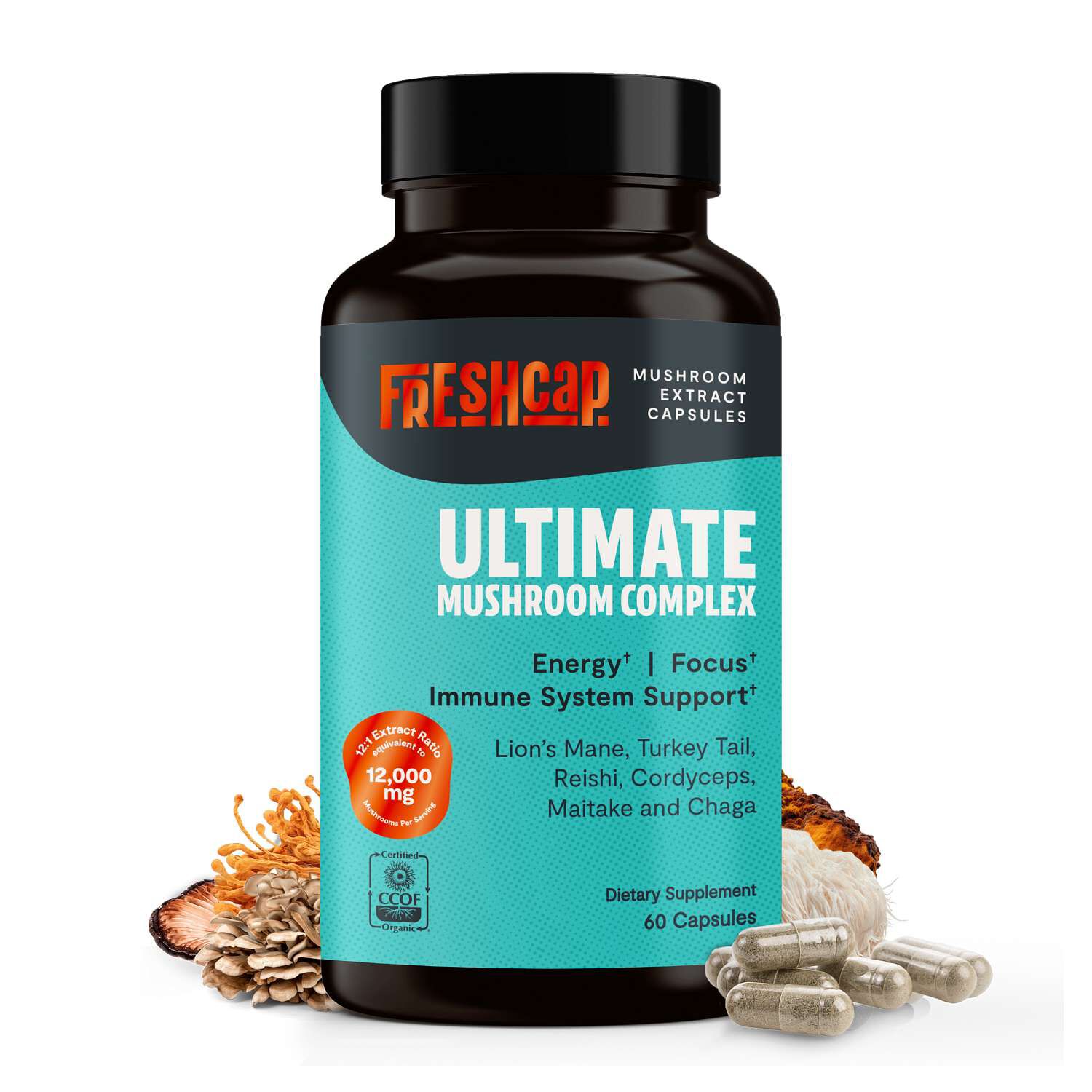


Paleo-friendly cordyceps supplements bring mushroom-derived ingredients into a supplement routine shaped by paleo eating preferences. Cordyceps is a group of fungi, and Cordyceps militaris is one species commonly used in cultivated mushroom supplements. These products may contain dried mushroom powder, an extract, or a blend with other ingredients, so the word “cordyceps” alone does not describe everything inside the container. For shoppers following a paleo-style diet, the distinction often comes down to the mushroom source, processing methods, capsule materials, and additional ingredients. Paleo eating generally emphasizes foods such as vegetables, fruit, meat, fish, eggs, nuts, and seeds while excluding grains, legumes, and dairy, although individual interpretations vary. Mushrooms generally fit within that approach, but a finished mushroom supplement deserves consideration beyond its main ingredient. A capsule shell, powder carrier, sweetener, or added flavor can matter just as much to someone with specific dietary preferences. Paleo-friendly cordyceps capsules and powders are therefore best understood as products whose full formulas align with those preferences, rather than a single standardized type of supplement. There is no universal paleo formulation shared by every manufacturer. An organic designation describes a separate set of production requirements and does not, by itself, establish that a formula matches a paleo eating pattern. Similarly, a short ingredient list can make a formula easier to evaluate, but it does not explain every detail about cultivation or extraction. Shoppers who value straightforward formulations often look for clearly identified mushroom species, an understandable description of the ingredient, and transparent information about the finished product. Those details provide more useful context than broad language about purity or natural origins. Whether the format is a bottle of capsules or a container of powder, the central consideration is the relationship between the cordyceps ingredient and everything added around it. That makes this category relevant to adults who already follow paleo eating preferences and want the same attention to ingredients reflected in their supplement choices.
The source of the mushroom material is an important distinction within paleo-friendly cordyceps supplements. Labels may identify fruiting bodies, mycelium, or a combination of fungal material and its growing substrate. Fruiting bodies are the reproductive structures of a fungus; mycelium is the network of branching filaments involved in its growth. Both terms describe fungal material, but they are not interchangeable descriptions of an ingredient. Cultivated cordyceps can be grown using different substrates, including grain-based media. A product described as myceliated grain can include the grain on which the mycelium developed, making that wording particularly relevant to shoppers who avoid rice, oats, or other grains. At the same time, a grain-based cultivation substrate does not automatically mean that a separated fruiting body or finished extract contains grain ingredients. The ingredient declaration and manufacturer’s sourcing information offer a clearer picture than assumptions based on cultivation alone. A fruiting-body statement also does not establish that the finished formula contains only mushroom material; extracts and capsules can include additional ingredients. Powder and extract are another useful distinction. A whole-mushroom powder consists of dried material that has been milled, while an extract undergoes processing intended to separate selected constituents from the starting material. Some extracts use carriers to create a consistent finished powder, and those carriers belong in the ingredient review alongside flavors and other additions. An extraction ratio describes a relationship between starting material and extract, but it is not a simple ranking of quality across formulas. Serving size, ingredient identity, and the manufacturer’s explanation of processing all contribute context. Capsule shells also differ: some are made with gelatin, while others use plant-derived materials such as cellulose. Shoppers may have preferences about either option based on how they interpret paleo eating or other dietary choices. Clearly listed ingredients and accessible sourcing details make these differences easier to understand without relying on a single front-label claim. For those comparing cordyceps with other supplement categories that share this dietary focus, Paleo Supplements provides a broader point of reference.
Format determines much of the everyday experience of using a cordyceps supplement. Capsules contain a measured amount per capsule and keep mushroom powder separate from food and drinks, which may appeal to someone who prefers not to change the flavor of a familiar breakfast. The labeled serving can include more than one capsule, so capsule count and number of servings are different measurements. Powders offer another approach, particularly for adults who already prepare blended drinks or other foods suited to a measured addition, when that use is consistent with the package directions. An unflavored mushroom powder can have an earthy taste, and its texture and dispersibility depend on how it was processed. Finely milled material is not necessarily fully soluble; some powders leave visible particles or sediment after stirring. Extract powders can behave differently, but the word “extract” alone does not establish how smoothly a formula will mix. For a shopper who enjoys the familiar texture of a morning smoothie, those practical details may matter more than an elaborate flavor description. Flavored blends introduce another set of considerations, including sweeteners, flavor ingredients, and whether the blend still fits personal paleo preferences. Packaging and storage are also part of the product’s suitability for everyday use. A secure lid, an intact inner seal, and clear serving information are practical features for a container opened regularly. Dry handling matters for powders because moisture introduced by a damp scoop can affect texture and encourage clumping. Keeping the product in its original container preserves access to its ingredient list, lot information, storage directions, and best-by date. Capsules and powders have different handling needs, and the package instructions remain the reference for each formula. For households with several supplements on the same shelf, readable labels and distinct containers can make a routine less cumbersome. The most relevant comparison is not simply capsule versus powder, or fruiting body versus extract, but how ingredient transparency, dietary compatibility, serving format, flavor, and storage needs fit together. Those concrete distinctions help define a paleo-friendly cordyceps supplement that suits an established routine without asking the shopper to overlook the details that matter to them.
- Q: What makes a cordyceps supplement paleo friendly?
A: A cordyceps supplement is considered paleo friendly if it contains natural, minimally processed ingredients without artificial additives, sweeteners, or grains. Paleo-friendly supplements typically avoid dairy, soy, and gluten as well. - Q: Are cordyceps mushrooms naturally compatible with the paleo diet?
A: Yes, cordyceps mushrooms are naturally compatible with the paleo diet because they are whole foods that have been consumed for centuries and do not contain grains, legumes, or processed ingredients restricted by paleo guidelines. - Q: Can I take paleo friendly cordyceps supplements if I follow a strict paleo lifestyle?
A: Absolutely. Paleo friendly cordyceps supplements are formulated to align with strict paleo principles, using clean and simple ingredient lists that fit within the diet's framework. - Q: Do paleo friendly cordyceps supplements contain any common allergens?
A: Most paleo friendly cordyceps supplements are made without common allergens like gluten, dairy, and soy. However, it's always important to check the ingredient list for any specific sensitivities. - Q: How can I identify if a cordyceps supplement is truly paleo friendly?
A: Look for labels or certifications indicating 'paleo friendly' or 'paleo approved.' Additionally, review the ingredient list to ensure there are no grains, artificial additives, or non-paleo ingredients included.
Best Sellers

Related Pages

Top Collections
- Daily Collagen Supplements | Top Brands & Deals | GNC
- Cortisol Supplements
- Top Rated Collagen | Shop Customer Favorites | GNC
- Vitamins For Hair Loss
- NAD+ Supplement Tablets
- Peptide Supplements
- Best Brand of Magnesium Glycinate
- Protein Powders For Muscle Growth Support
- Vitamins That Help Support Weight Gain
- Peptide Supplements for Muscle Growth