Paleo Friendly Collagen Supplements Capsules
(0 Results)
Paleo friendly collagen supplements capsules may offer a convenient option for those seeking to support their wellness routines while following a paleo lifestyle. These capsules are designed to fit into paleo-inspired dietary choices, making them a popular addition for individuals interested in collagen as part of their daily regimen. Explore a variety of paleo friendly collagen supplements capsules that could align with your nutritional goals and preferences.

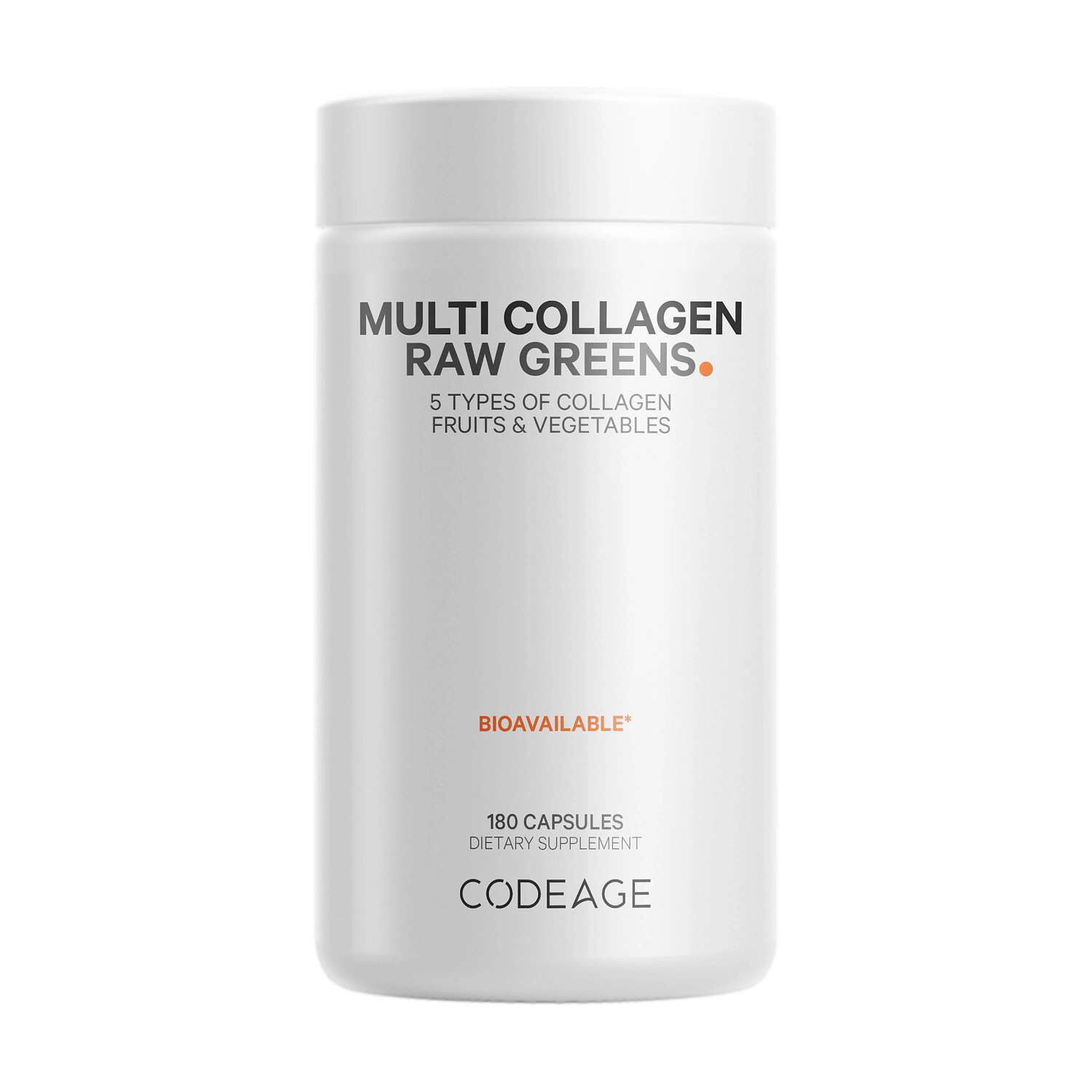
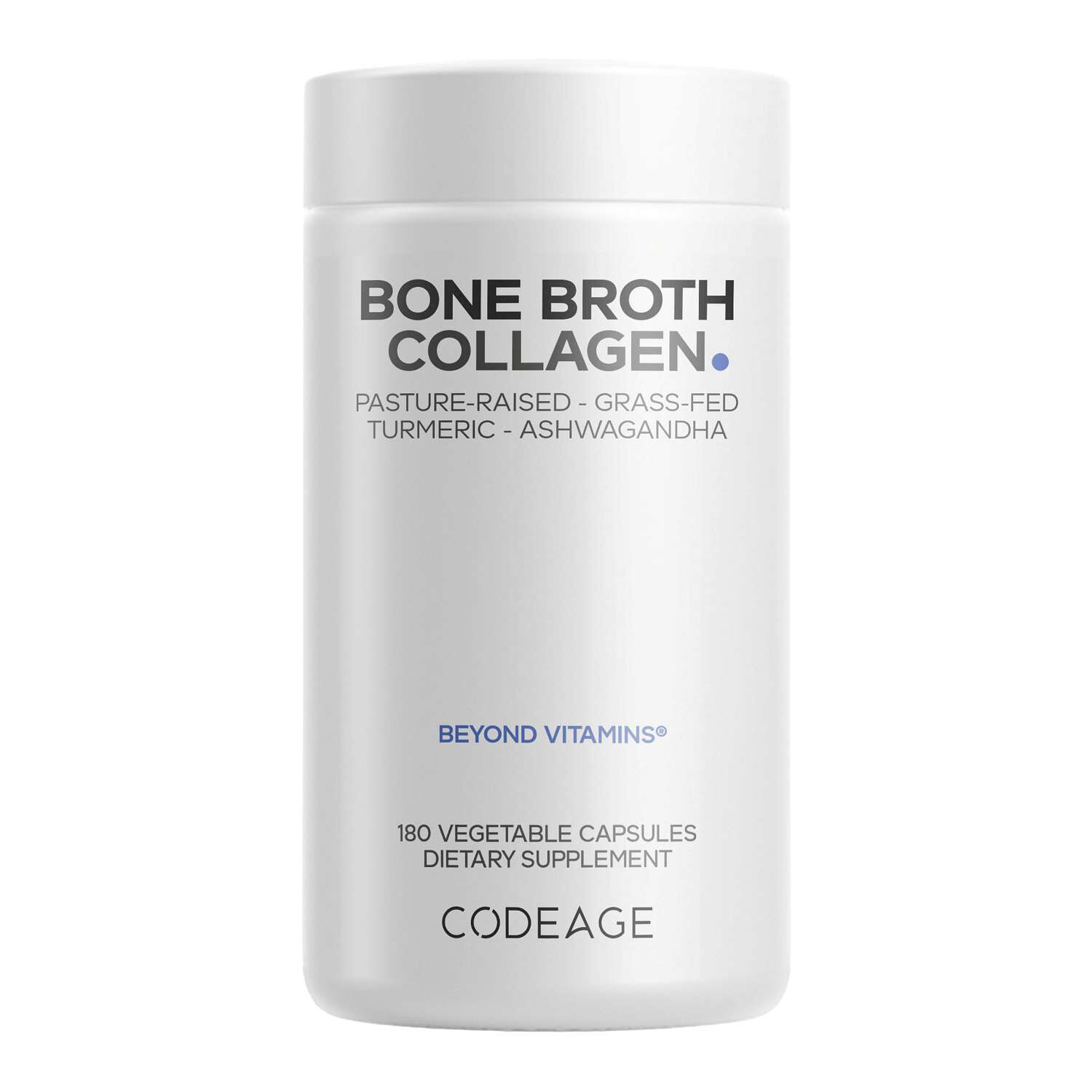


Paleo-friendly collagen supplement capsules pair animal-derived collagen with a capsule format for shoppers who prefer supplements that do not need stirring, blending, or measuring into a drink. Collagen is a protein found in animal connective tissues, and supplemental collagen can come from bovine, marine, porcine, or poultry sources. Bovine collagen commonly comes from cattle hides, while marine collagen often comes from fish skin or other fish tissues. The source matters when matching a supplement to personal food preferences, and the term “paleo-friendly” does not describe one universal ingredient standard. Paleo eating patterns generally emphasize animal foods, vegetables, fruit, nuts, and seeds while excluding grains, legumes, and dairy, although individual approaches differ. A collagen capsule’s suitability therefore depends on more than the collagen itself: the capsule shell, added ingredients, and processing aids listed on the label also deserve attention. Grass-fed or pasture-raised sourcing may be a priority for some shoppers, but neither description should be assumed simply because a formula contains bovine collagen or uses paleo-oriented language. Those details need to appear in the product’s sourcing information. Likewise, marine collagen is not automatically a match for every paleo preference, especially when other ingredients are included. Capsules suit a different routine than powders: there is no scoop to keep track of and no need to change the texture of coffee, a smoothie, or a glass of water. Someone who enjoys a familiar breakfast without extra mixing may prefer that separation between food and supplements. Others may value a bottle that fits alongside their existing pantry or personal-care routine. The most useful comparison starts with clearly identified animal sources, an ingredient list that matches the shopper’s eating preferences, and a serving format that feels practical for regular use. Paleo-friendly collagen capsules are a category defined by both their contents and their presentation, rather than by any single sourcing phrase on the front of a bottle.
The details on the Supplement Facts panel help distinguish collagen capsules that otherwise look similar. Collagen quantity is listed by serving, and a serving may contain several capsules rather than just one. Comparing the amount per serving alongside the capsule count gives a more accurate picture of how a bottle fits into a routine. A bottle with more capsules does not necessarily provide more servings, and a larger amount of collagen per serving may come with a larger number of capsules to take according to the label. Capsule dimensions also matter to shoppers who have a strong preference for smaller formats; photographs alone are not a dependable way to judge size. The collagen’s form is another useful distinction. Hydrolyzed collagen has been processed into smaller protein fragments, often called collagen peptides. Gelatin is a different processed form of collagen and can also be used to make the capsule shell. These terms describe ingredients and manufacturing, not interchangeable amounts or identical formulas. Some labels identify collagen types, such as type I, type II, or type III, while others emphasize the animal source or peptide content. A type designation describes the collagen and should not be treated as a reason to expect a particular personal result. Beyond the main ingredient, a formula may contain vitamins, minerals, botanical ingredients, or materials used to help manufacture the capsule. A shorter ingredient list can be easier to review, but the purpose and source of each ingredient are more informative than length alone. Gelatin shells are animal-derived; cellulose-based shells use a different material, but neither shell changes the animal origin of the collagen inside. Collagen capsules therefore are not a match for a vegan eating pattern. For shoppers avoiding particular foods, the ingredient list, allergen statement, and any manufacturing disclosures provide separate pieces of information. A paleo description does not replace those details, especially for fish-derived formulas or capsules containing ingredients from several sources.
A practical match also depends on how the capsules will be stored, carried, and used within everyday life. Someone with an established morning routine may prefer a straightforward collagen formula that stays in its original bottle, while a frequent traveler may pay closer attention to container dimensions and a secure closure. The package’s storage directions should govern where the bottle is kept. A tightly closed container, protection from moisture, and storage away from direct sunlight help preserve the capsules’ condition; a steamy bathroom or a loose pocket in a gym bag is less suitable than a location that meets the label’s instructions. Keeping the original packaging also keeps the ingredient information, serving directions, lot details, and date markings close at hand. Capsules do not require the shaker bottle, spoon, or countertop cleanup associated with mixing a powder, but their fixed portions offer less flexibility than a scoopable format. That difference is worth considering for anyone choosing between presentations of the same general ingredient. Collagen is also distinct from a varied dietary protein routine, so capsule shopping is best framed around the labeled serving and intended supplemental use rather than as a substitute for meals. For a household in which people follow different eating patterns, a clearly identified source and readable label can make it easier to keep personal choices organized. When purchasing for another person, familiar dietary preferences and an already expressed interest in collagen are more useful than assumptions about what that person needs. Shoppers browsing across paleo-oriented categories can also explore Paleo Friendly Gut Health Supplements as a separate category, evaluating each formula on its own ingredients and intended use rather than treating different supplements as interchangeable. Across paleo-friendly collagen supplement capsules, the strongest points of comparison remain tangible: the animal source, documented sourcing attributes, collagen form, capsule material, additional ingredients, amount per serving, and number of capsules in that serving. Together, those details help clarify which format and formulation align with a shopper’s preferences without relying on broad front-label descriptions alone.
- Q: What makes a collagen supplement paleo friendly?
A: A collagen supplement is considered paleo friendly if it contains ingredients that align with the paleo diet, typically without grains, dairy, soy, artificial additives, or sweeteners. Paleo friendly collagen capsules usually source their collagen from grass-fed or pasture-raised animals and avoid non-paleo fillers. - Q: Can I take paleo friendly collagen capsules if I follow a strict paleo diet?
A: Yes, paleo friendly collagen capsules are specifically formulated to fit within the guidelines of a strict paleo diet. Always check the ingredient list to ensure there are no non-paleo additives or fillers. - Q: Are there any common allergens in paleo friendly collagen supplements?
A: Most paleo friendly collagen supplements do not contain common allergens like gluten, dairy, and soy. However, it's important to review the label for any potential allergens before use. - Q: How do I incorporate paleo friendly collagen capsules into my daily routine?
A: Paleo friendly collagen capsules can be taken with water or your favorite beverage as part of your daily supplement regimen. They are convenient for on-the-go use and do not require mixing or preparation. - Q: What types of collagen are typically found in paleo friendly supplements?
A: Paleo friendly collagen supplements often contain Type I and Type III collagen, which are commonly sourced from bovine (cow) or marine (fish) origins. These types support various aspects of health and align with the principles of the paleo diet.
Best Sellers
-
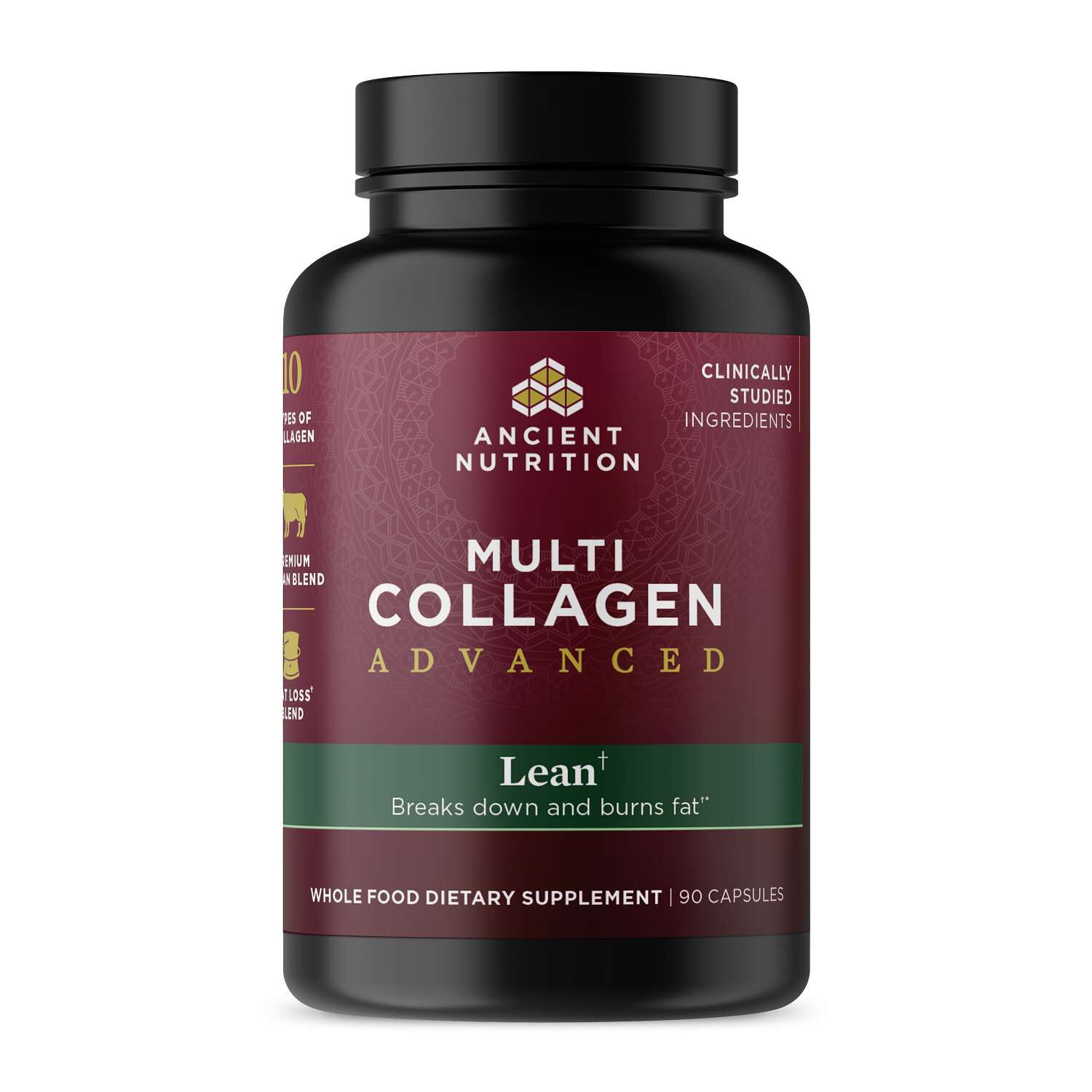 Ancient Nutrition
-
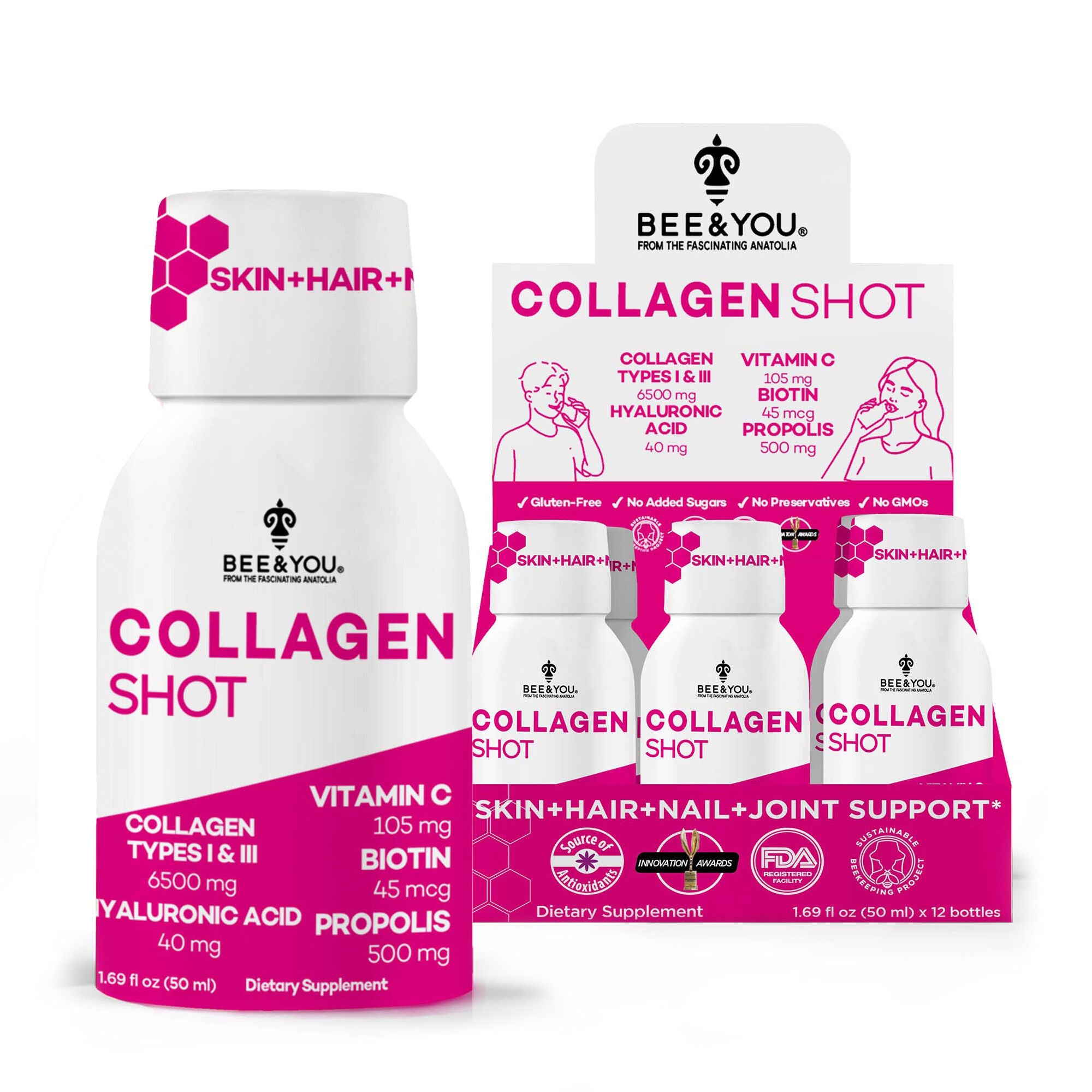 Bee And You