Single Ingredient Collagen Supplements
(0 Results)
Explore a curated selection of single ingredient collagen supplements designed for those seeking simplicity in their wellness routines. These options may fit seamlessly into daily habits, offering a straightforward approach for anyone interested in incorporating collagen into their lifestyle. Whether adding to a favorite beverage or taking as part of a supplement regimen, single ingredient collagen supplements could be an easy way to support your personal wellness goals.
-

-

-

-
-
-

-

-

-
-
-
-
-
-
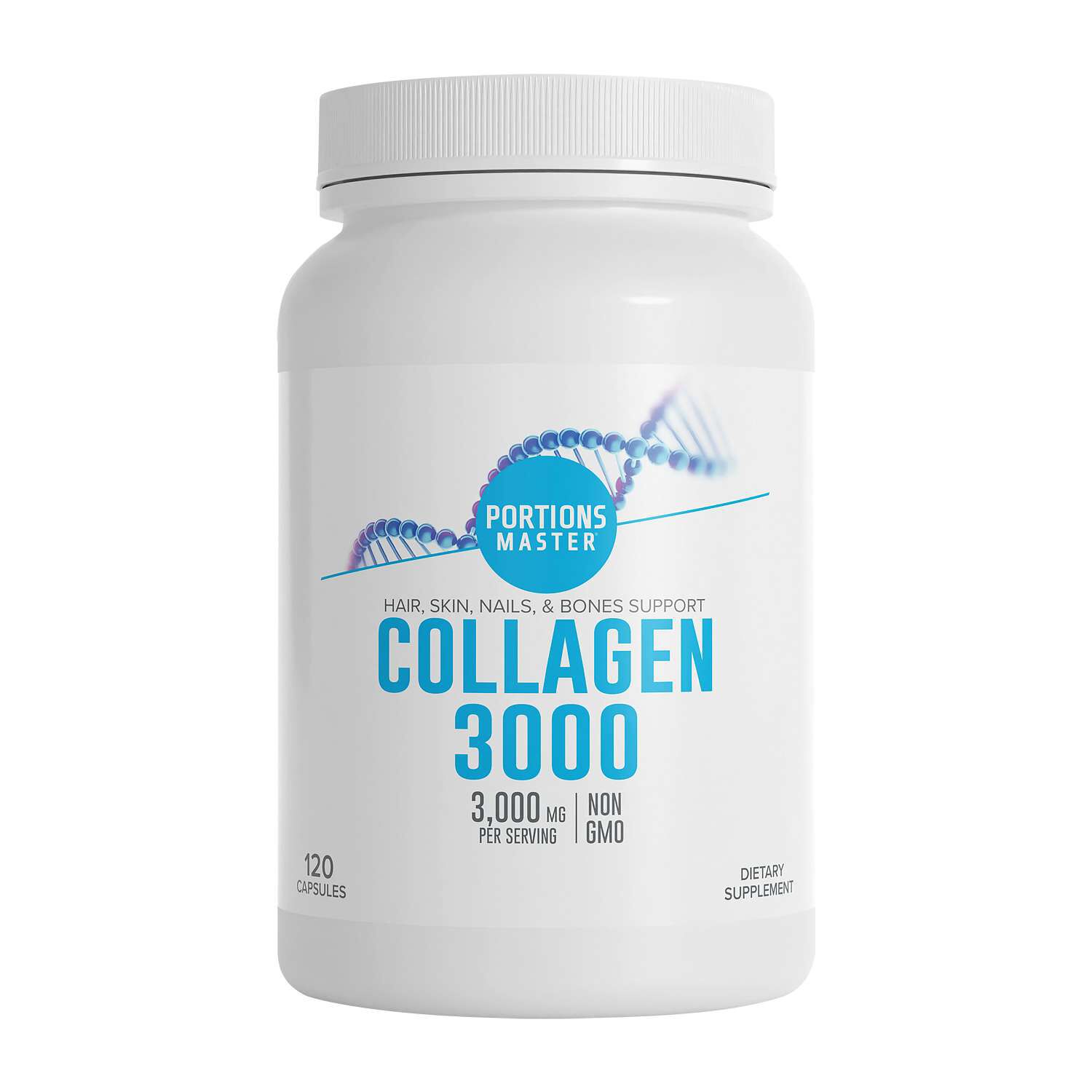 Portions Master$29.99
-
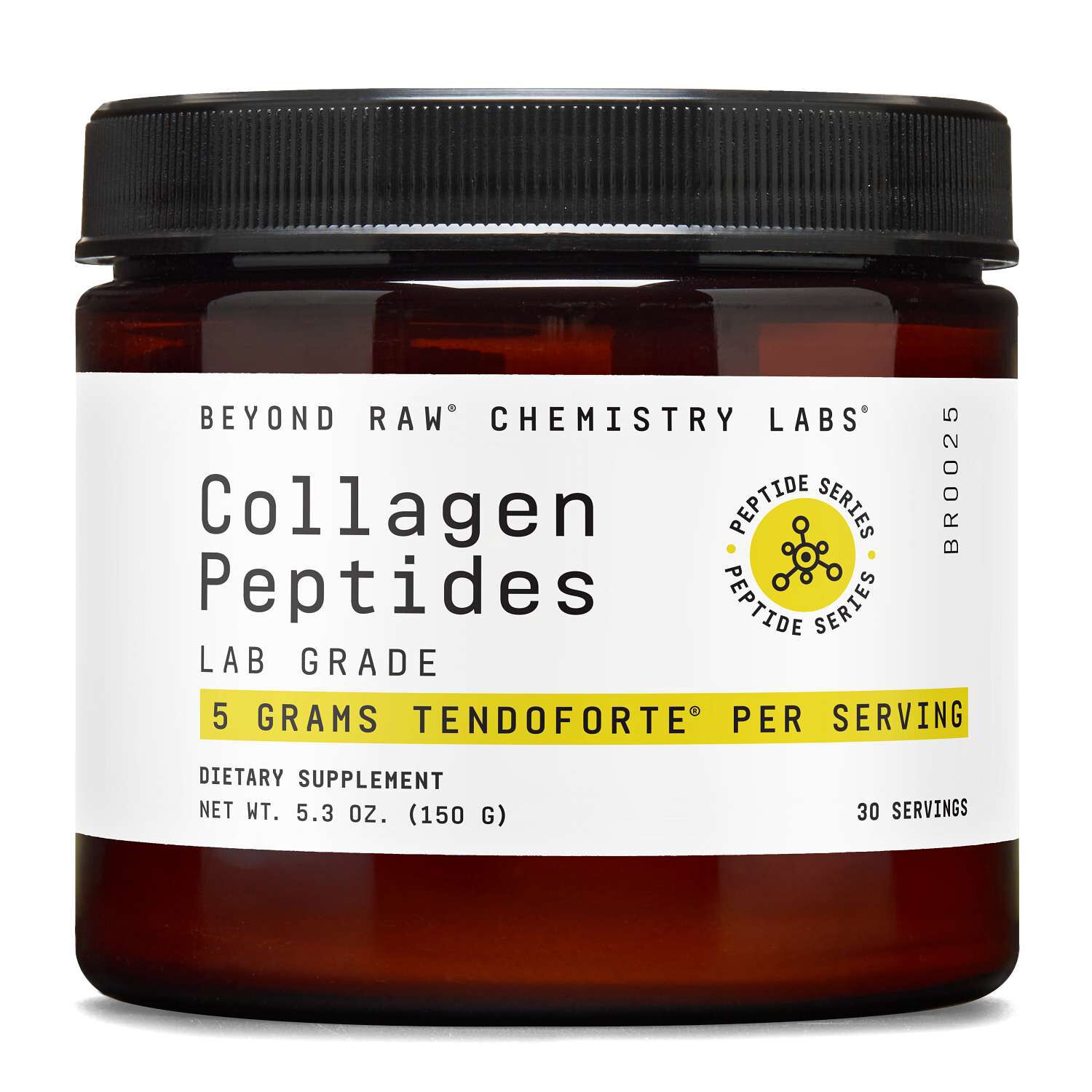 $24.99
-
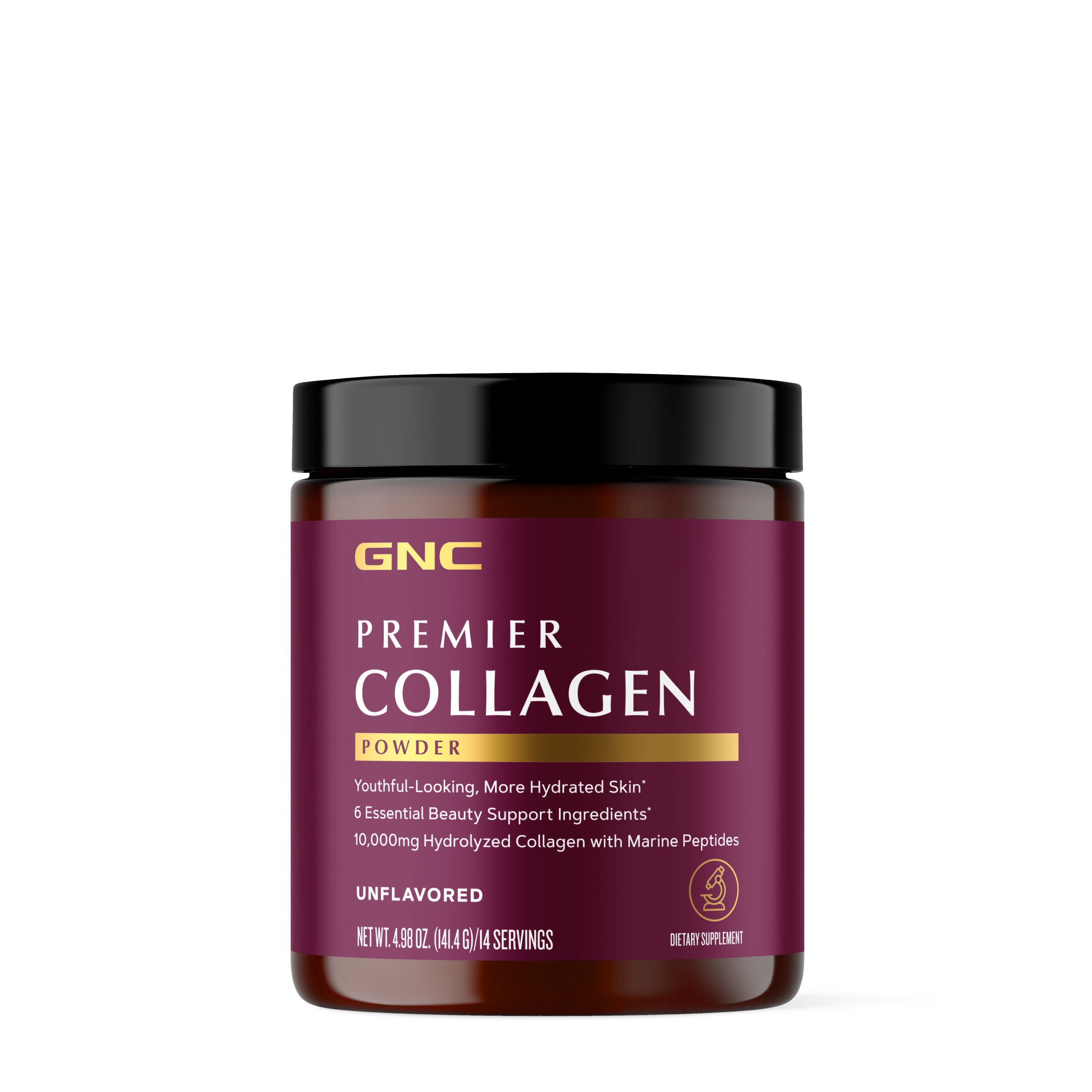
-
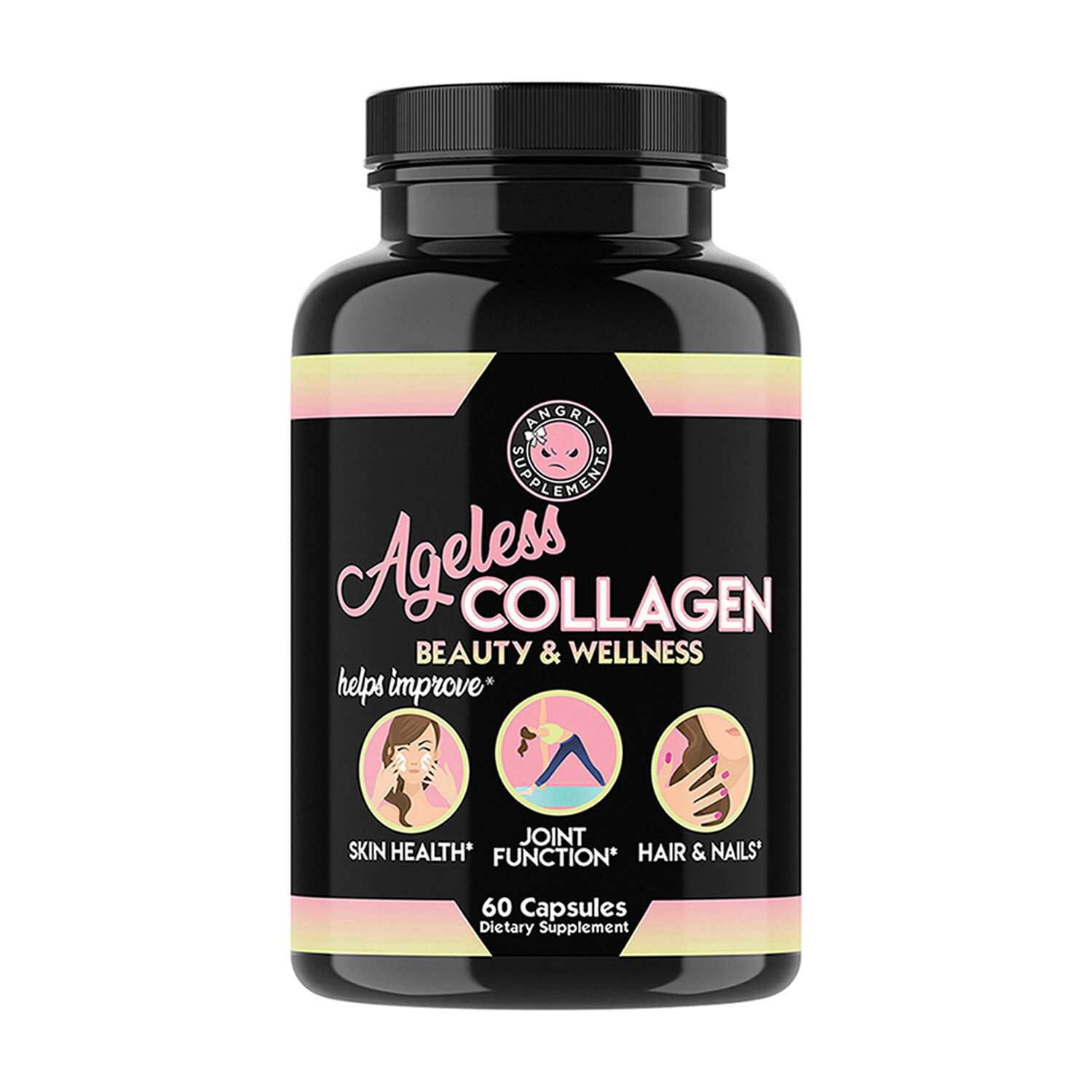 Angry Supplements$14.99
-
 $34.99
-
-
-

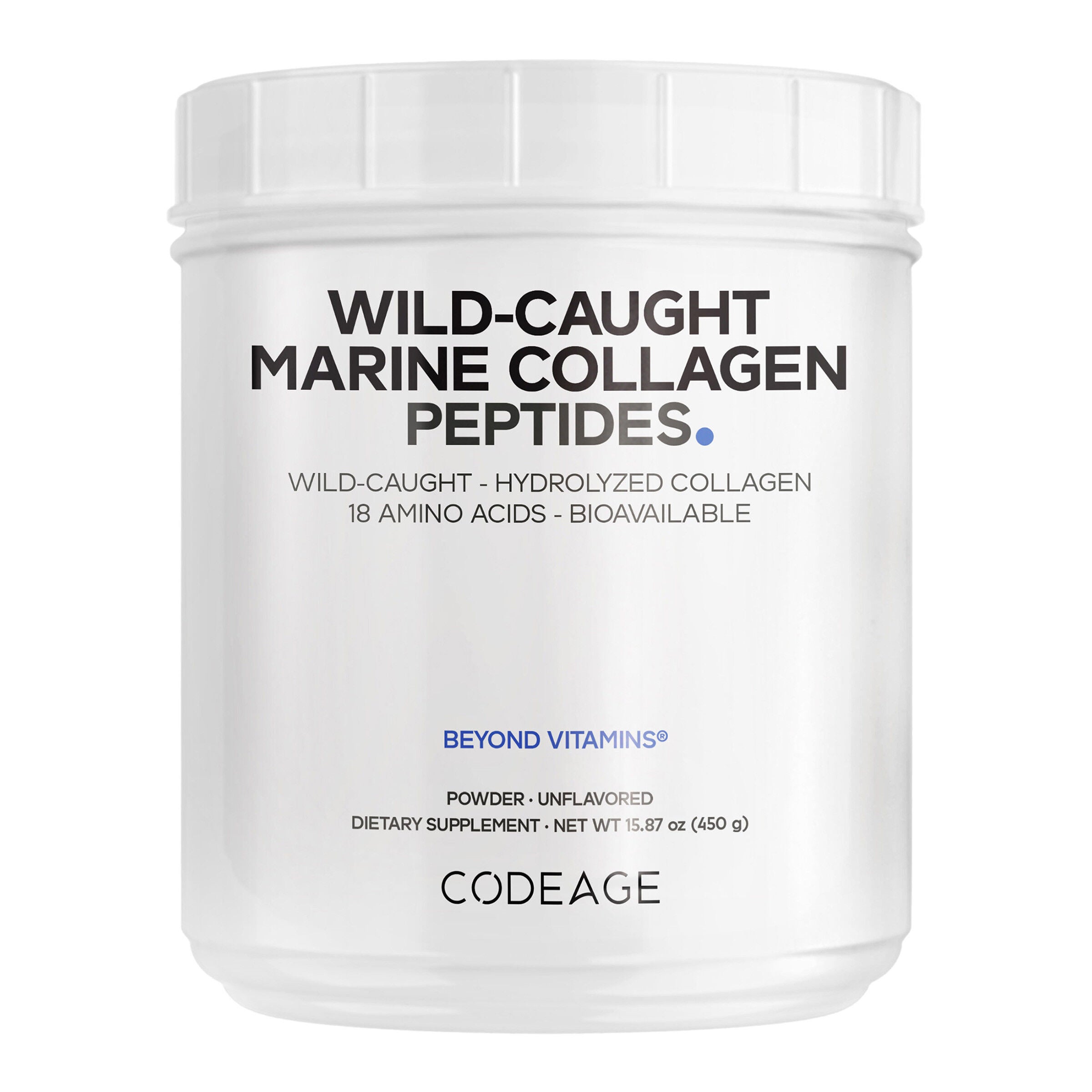
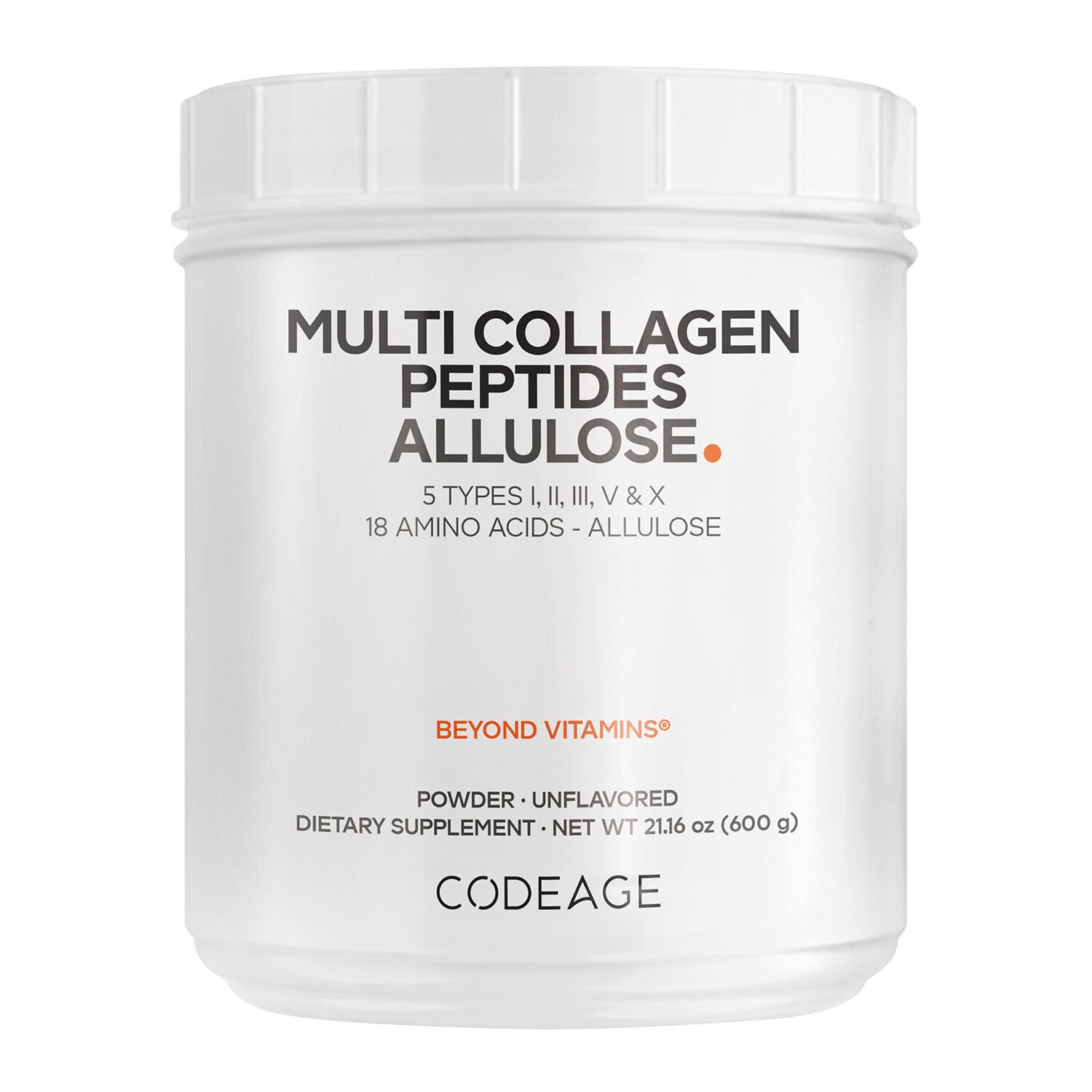
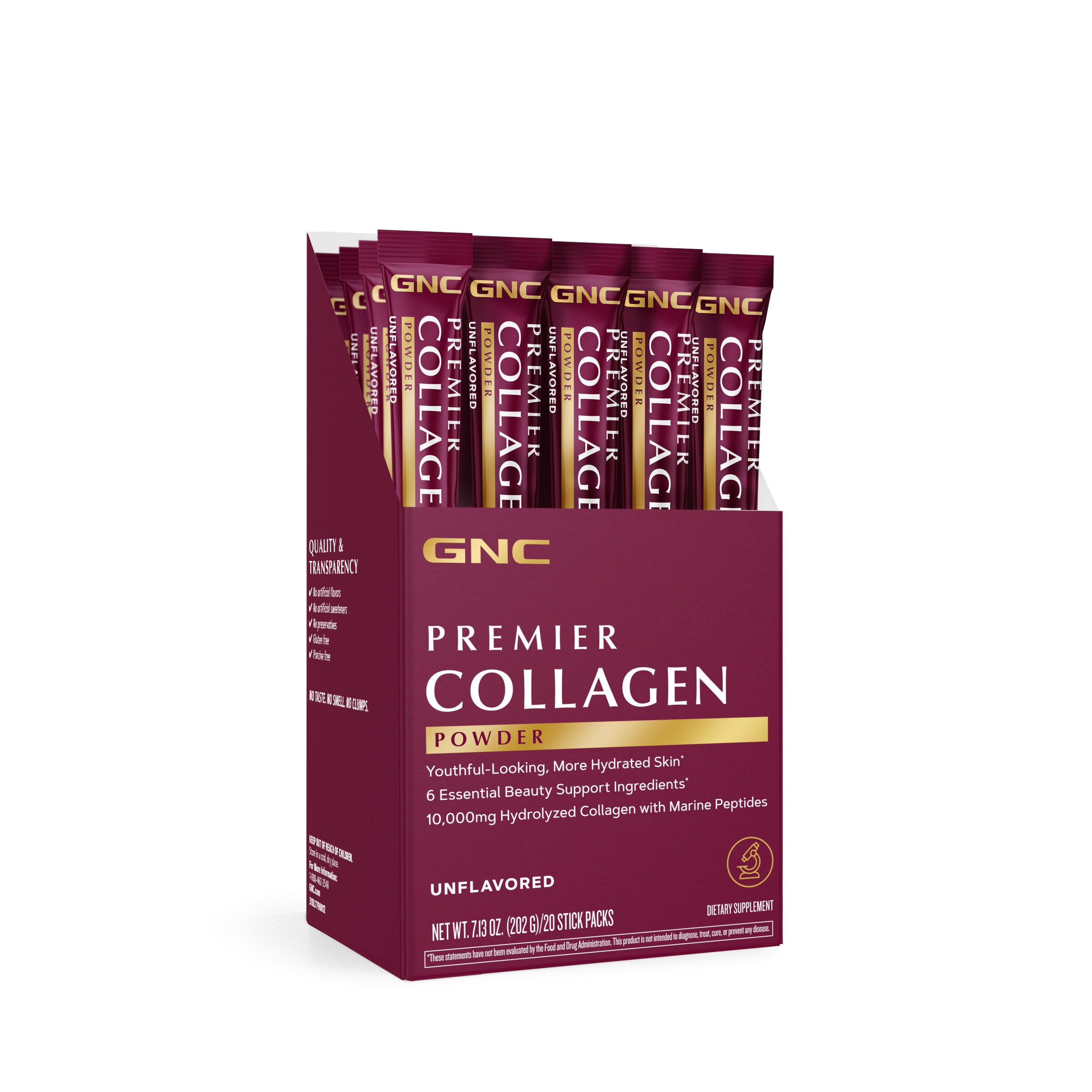
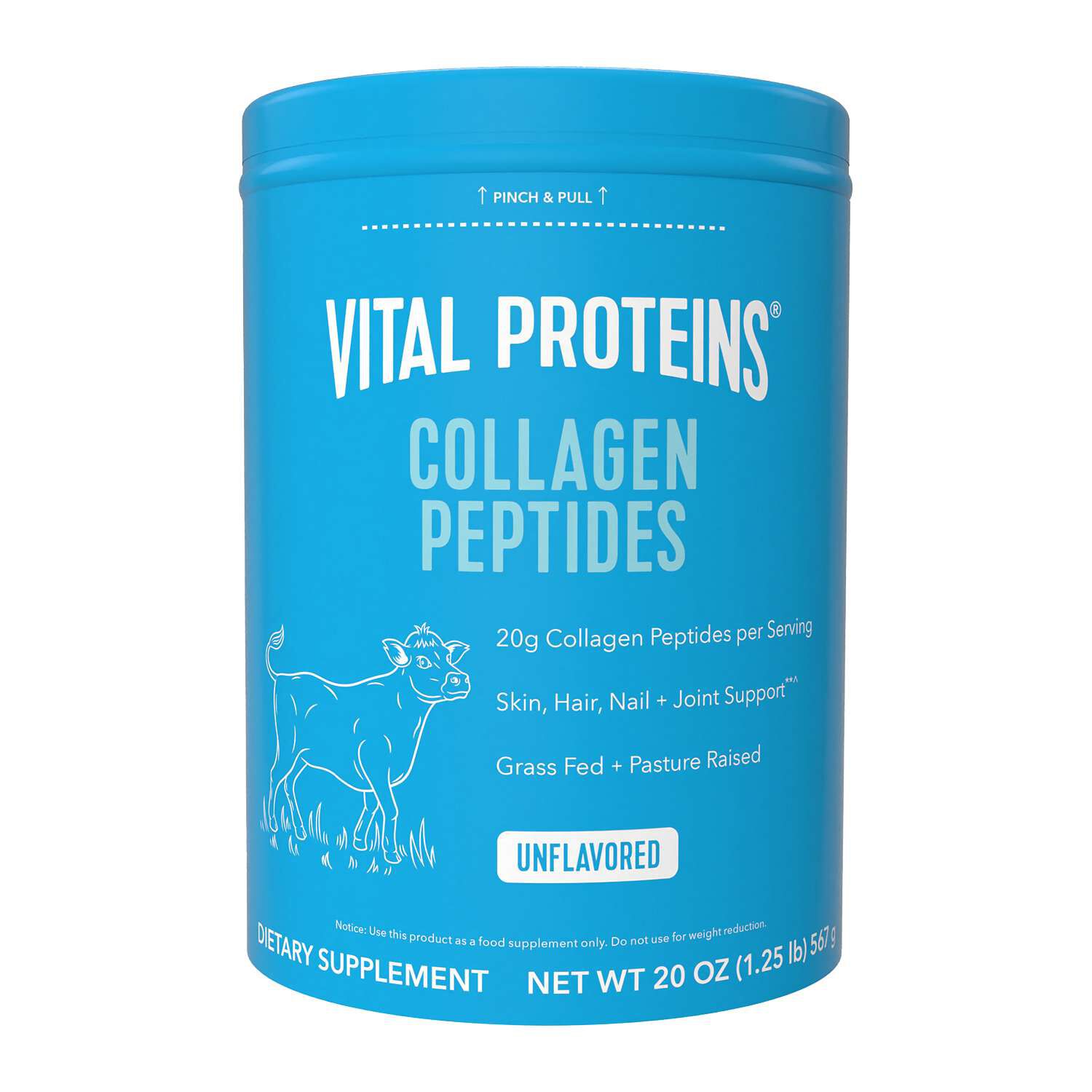
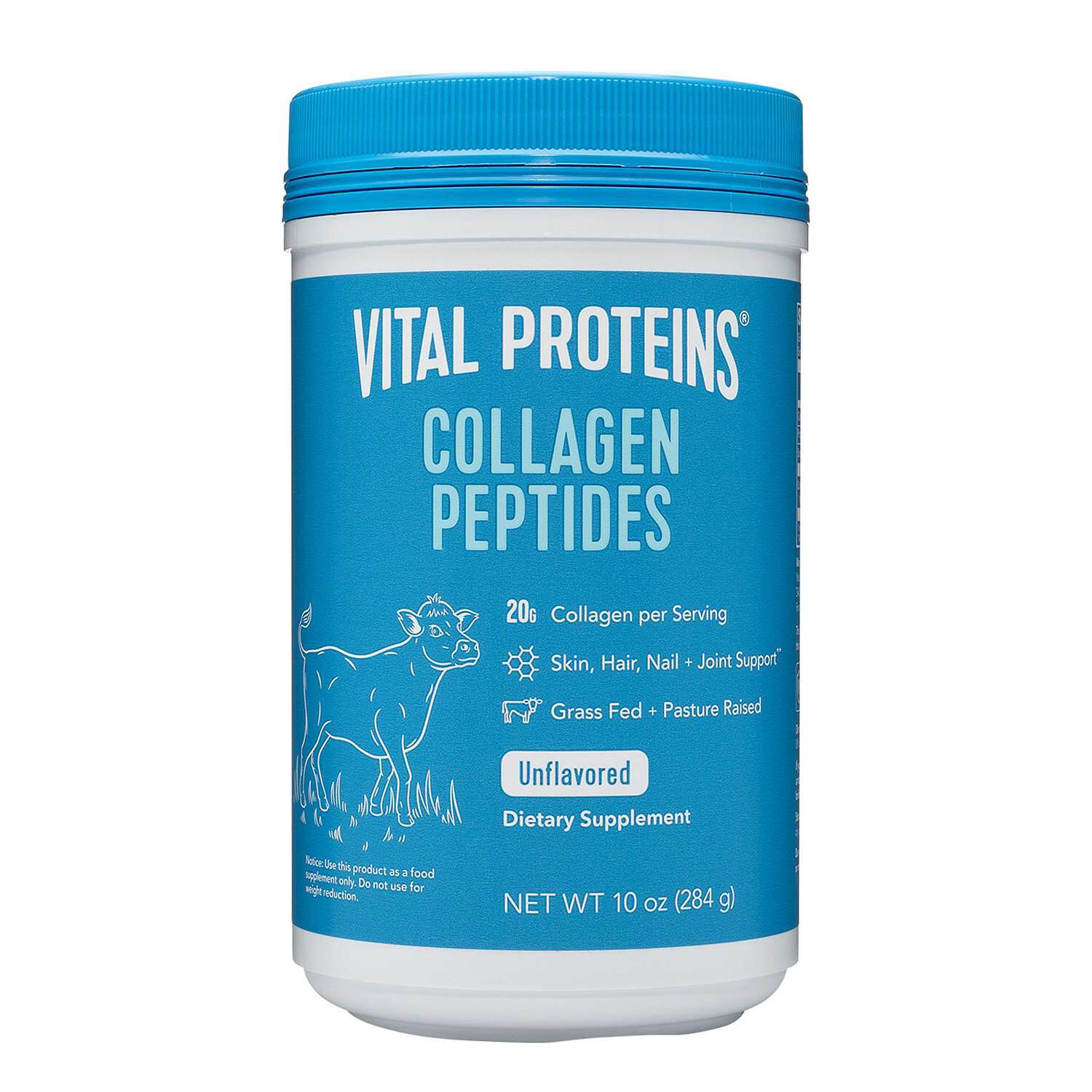
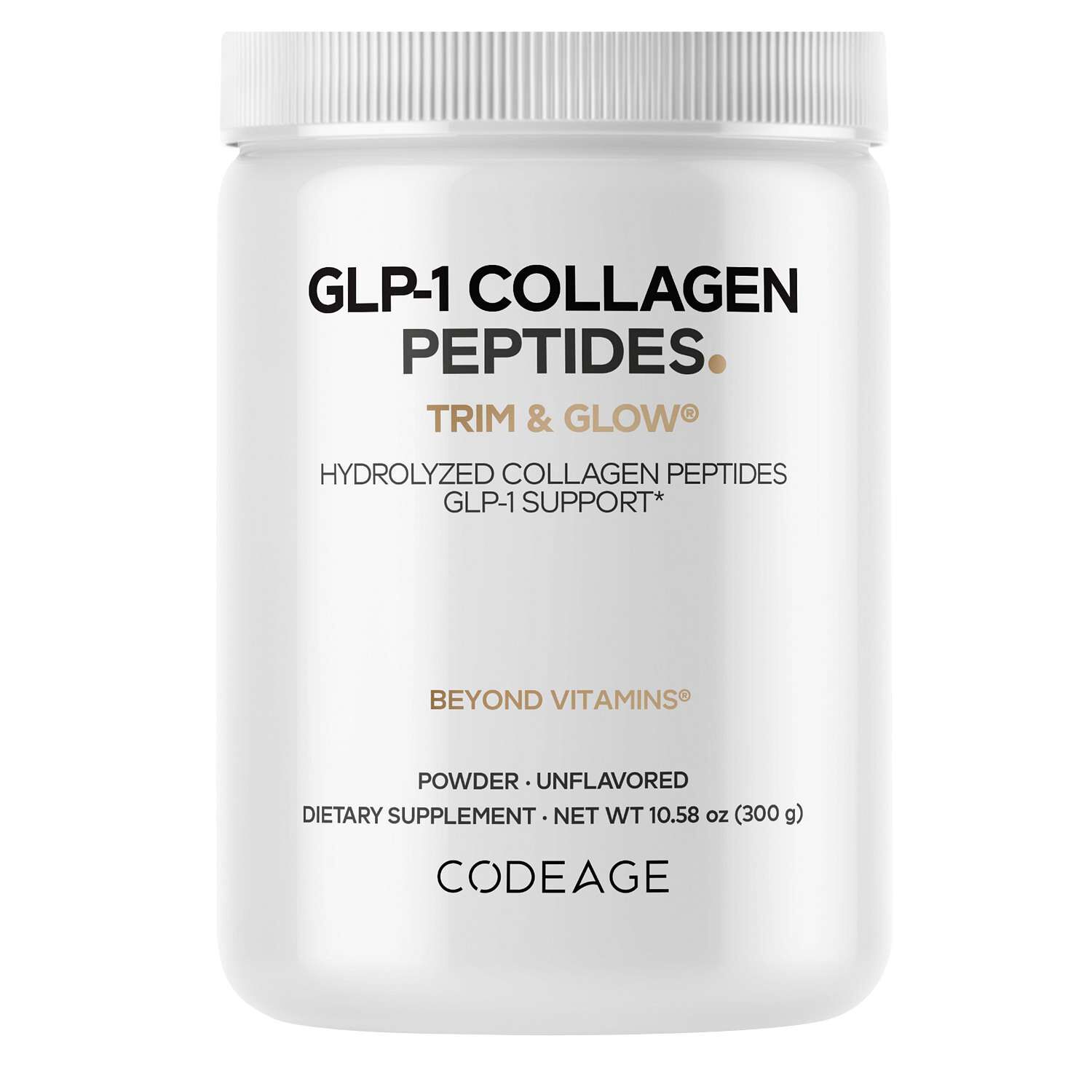
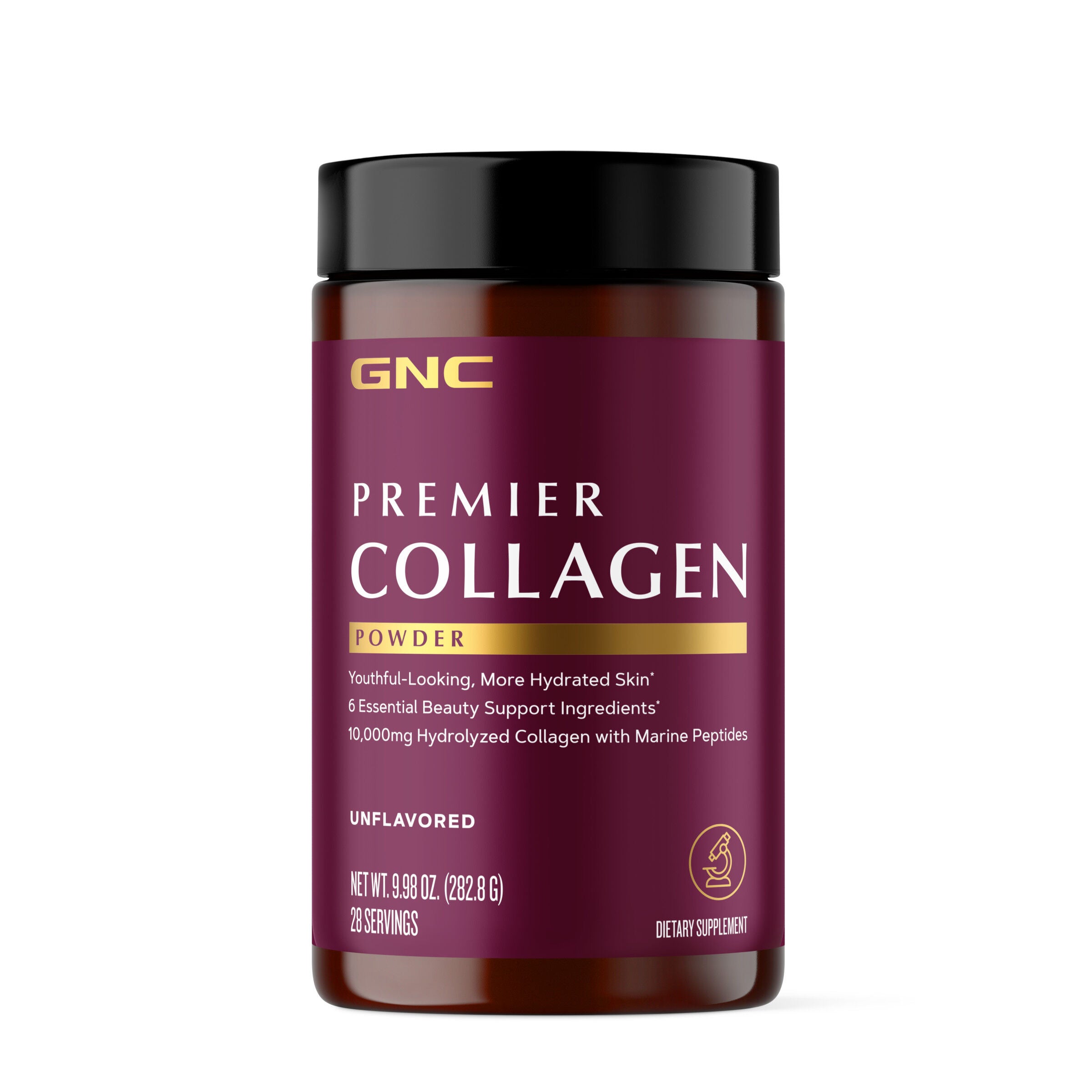
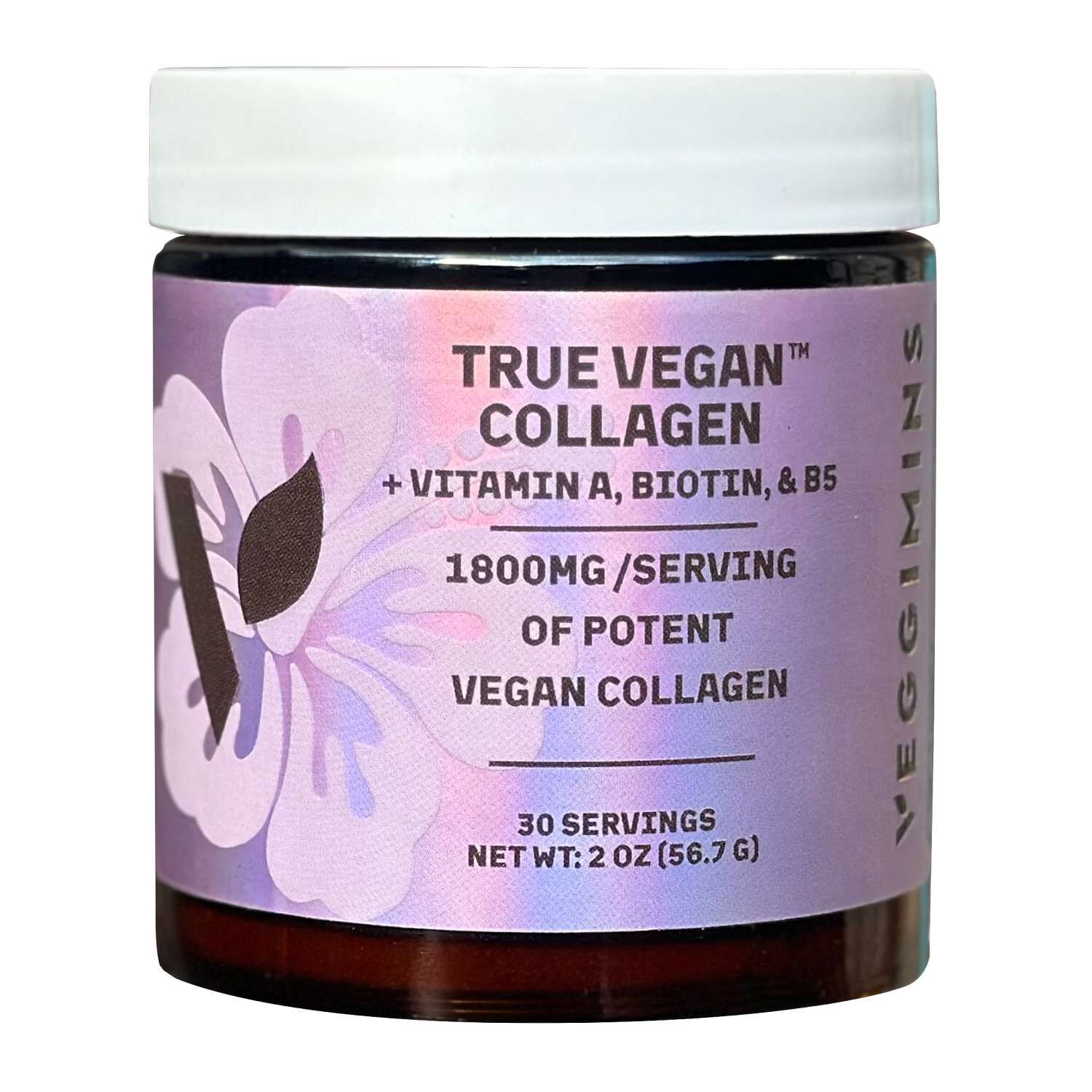
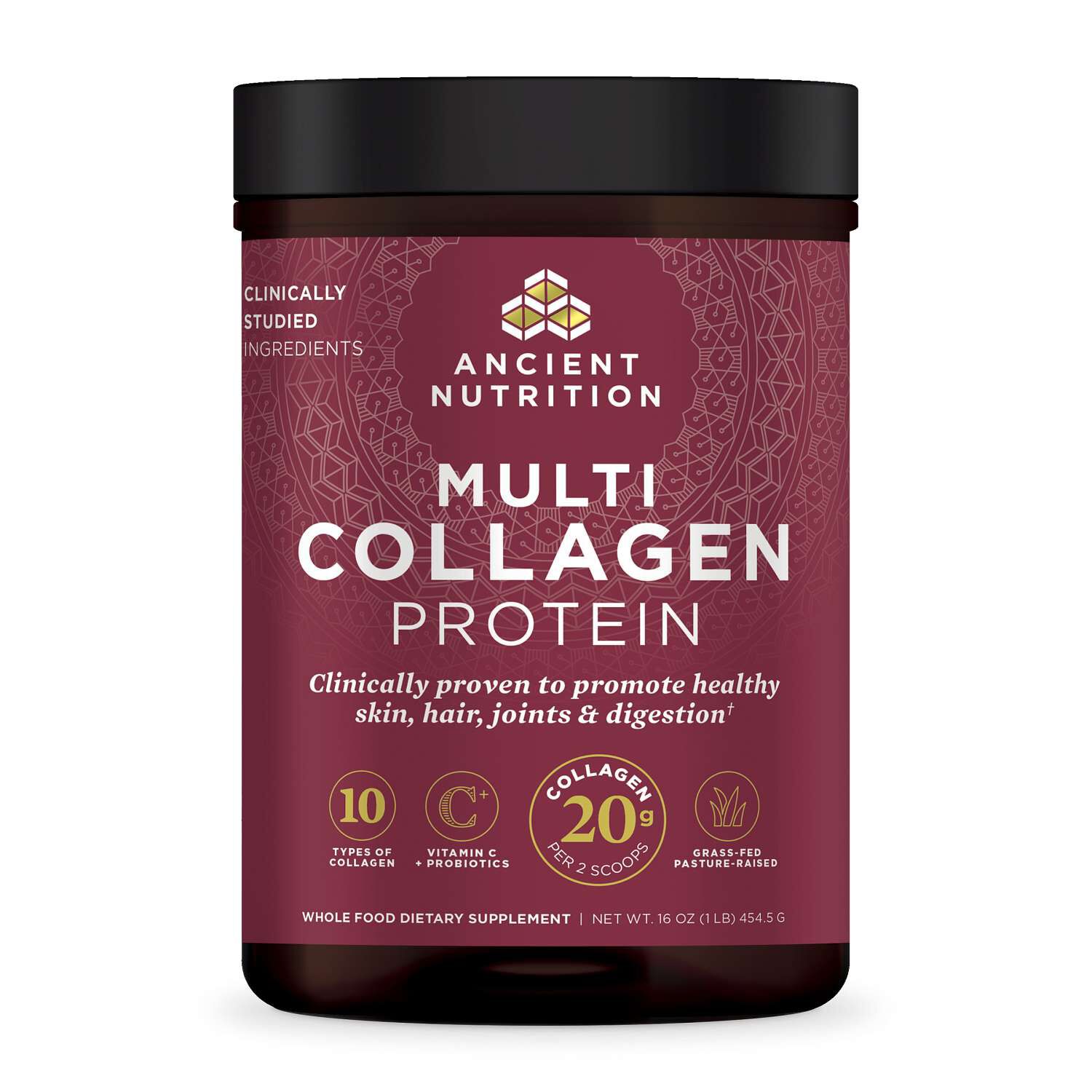
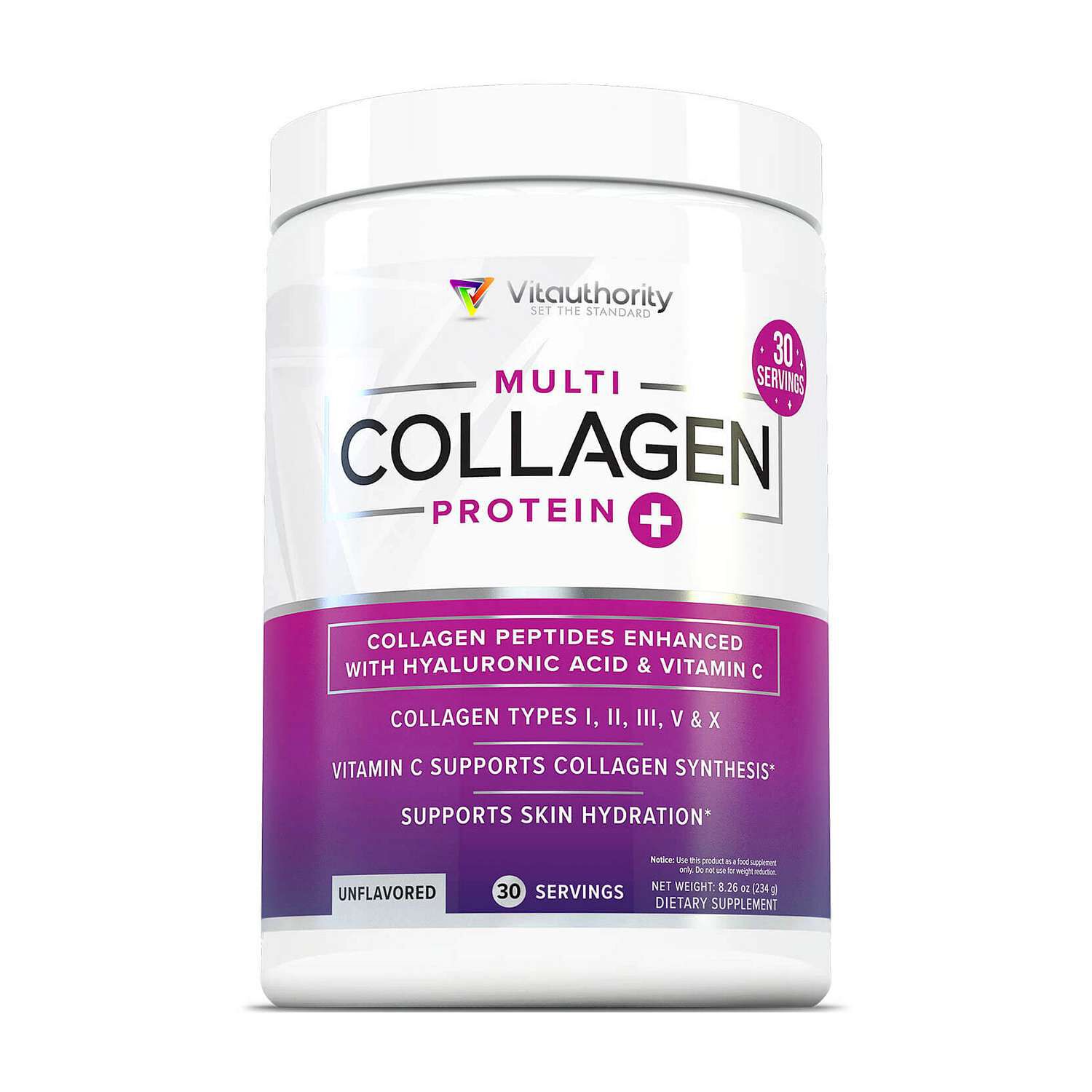
Single-ingredient collagen supplements contain collagen as the sole listed ingredient, typically in the form of hydrolyzed collagen peptides, rather than a blend with added vitamins, minerals, flavors, or sweeteners. Hydrolyzed collagen is collagen that has been processed into smaller protein fragments called peptides. For shoppers who prefer a short ingredient list, that distinction offers a straightforward starting point: the ingredient statement should identify collagen without additional components. An unflavored label alone does not establish that a supplement has only one ingredient, so the Supplement Facts panel and any Other Ingredients statement deserve a closer look. Source information matters, too. Bovine collagen commonly comes from cattle hides, while fish-derived collagen often comes from fish skin. Both are animal-derived ingredients, so neither fits a vegan eating pattern. Shoppers with particular dietary preferences or food allergies should pay attention to the named source and allergen disclosures rather than relying on the word collagen by itself. Some labels also identify collagen types, such as types I and III associated with bovine sources or type I associated with fish sources. Those descriptions are different from an ingredient count: a reference to more than one collagen type does not necessarily mean a formula contains several added ingredients. Likewise, a single collagen ingredient does not establish a particular sourcing standard, certification, or manufacturing practice. Claims about animal feeding practices, origin, or testing need their own supporting label information. The appeal of this category is its focused composition, not a long list of added components. It may suit someone who already has a preferred smoothie recipe, wants to keep flavor choices separate from supplement choices, or simply prefers knowing exactly which ingredient is being added to a daily routine. For those shoppers, clear labeling is more useful than a complicated front-of-package description, especially when comparing otherwise similar-looking containers.
Powder is a practical format to consider when looking for a collagen-only ingredient statement, since capsules and prepared drinks often involve additional materials or ingredients. A plain collagen powder may fit into familiar food and beverage routines without introducing a named flavor such as chocolate or vanilla. Unflavored, however, does not always mean undetectable. Depending on the source, preparation, and individual preference, a powder might have a mild aroma, taste, or mouthfeel. Someone who enjoys delicate tea may notice those characteristics differently from someone who prepares a smoothie with banana, oats, and peanut butter. Mixing directions are another useful point of comparison. Some labels describe preparation with hot or cold liquids, while others provide more specific instructions about stirring, shaking, or blending. Following those directions may help with dispersion and texture. For a morning coffee routine, the relevant details include the suggested liquid amount and whether the powder is intended for that preparation. For overnight oats or yogurt, the amount of moisture and the thickness of the finished food may matter more. A shaker bottle at a desk, a blender on a kitchen counter, and a spoon beside a mug are different preparation setups; the right fit depends partly on which one is already part of the day. Collagen peptides also differ from gelatin, another collagen-derived ingredient, so they should not automatically be substituted for one another in recipes that depend on setting or thickening. Serving information deserves the same attention as mixing instructions. A scoop is a measuring tool, not a uniform serving across every container, and scoop size alone does not establish the amount of collagen. Compare the serving weight, the stated collagen amount where provided, and the grams of protein on the nutrition panel. Those details offer a clearer comparison than package size or the appearance of a heaping scoop.
Choosing among single-ingredient collagen supplements also involves everyday details that are easy to overlook until the container reaches the kitchen. A wide opening may make measuring more convenient, while a resealable pouch might fit more easily into a narrow cabinet. Check the package dimensions and closure style against the space where the supplement will be stored. Storage instructions matter because the container needs to suit the way it will be handled over time. Keep the package closed as directed, use a clean, dry measuring utensil, and follow the stated storage conditions rather than transferring the powder into an unlabeled container. If a separate storage jar is preferred, retaining the original label preserves the ingredient statement, serving instructions, lot information, and date markings for later reference. For a shared household, keeping the source and allergen information visible is particularly useful. Someone buying for another person should know that recipient’s ingredient preferences and usual routine instead of assuming that all collagen powders are interchangeable. A person who prefers fish-derived ingredients may evaluate the selection differently from someone who specifically wants bovine collagen, even when both favor an otherwise minimal formula. Testing information can provide another comparison point when the label or manufacturer identifies what was evaluated and by whom; a general quality statement is not the same as a named certification with a defined scope. Shoppers comparing this focused category with a broader selection can also explore Natural Collagen Supplements | Top Brands & Deals | GNC, while continuing to check each ingredient statement for the composition they want. The most useful match may be the one with a clearly identified source, understandable serving information, suitable preparation directions, and packaging that fits an established routine. A concise ingredient list is the defining feature, but those practical details help distinguish one collagen-only option from another without relying on flavor names or elaborate blends.
Best Sellers
-
Ancient Nutrition
-
Vital Proteins