





Cranberry Capsules For Urinary Tract Defense
(0 Results)
Cranberry capsules for urinary tract defense are a popular addition to many wellness routines. These convenient supplements may offer a simple way to support your daily self-care goals. With their easy-to-take format, cranberry capsules could be a great choice for those looking to incorporate the potential benefits of cranberries into their lifestyle. Explore a variety of options and find the right cranberry capsules for urinary tract defense that fit your needs.
-

-

-
-
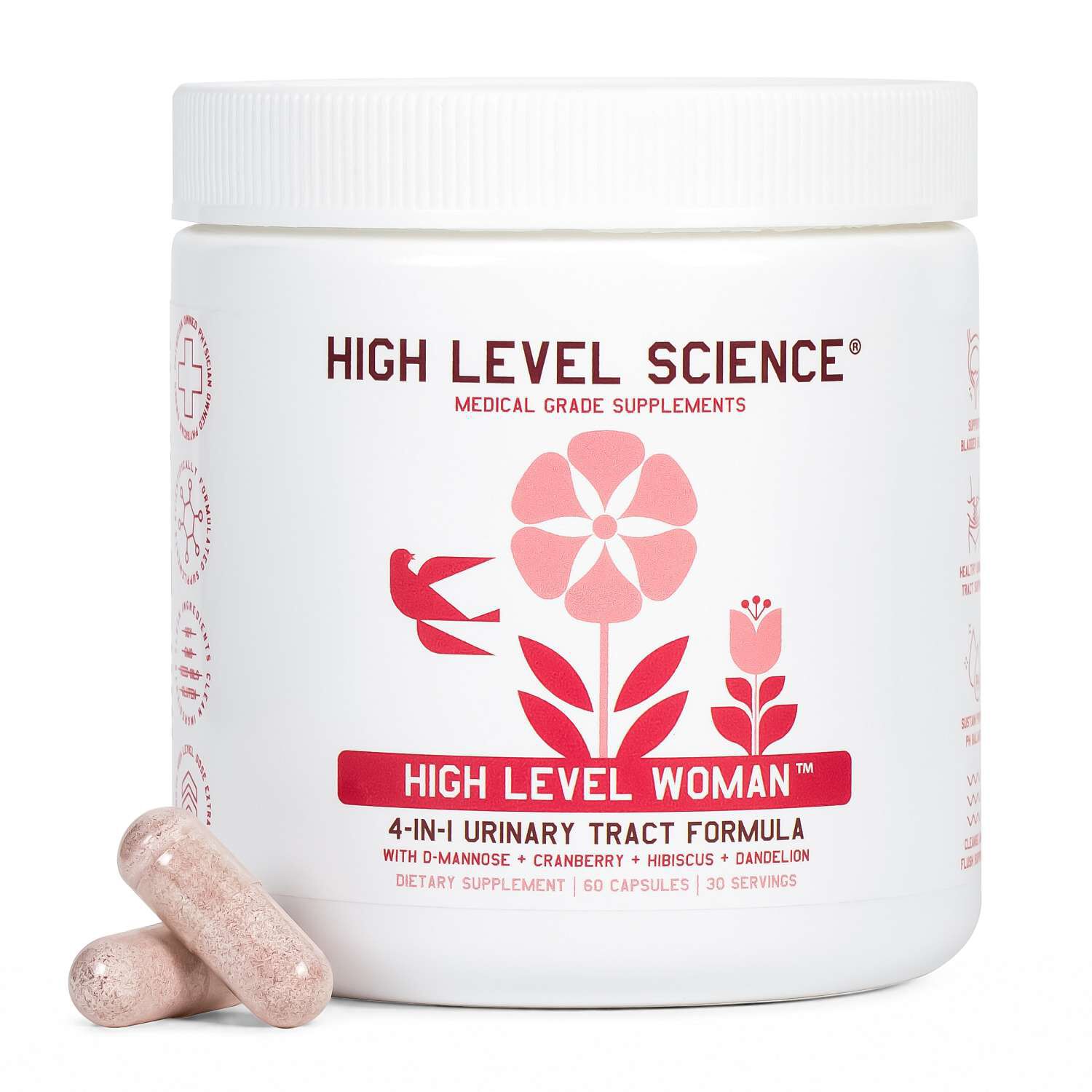
 Angry Supplements$13.99
-
-
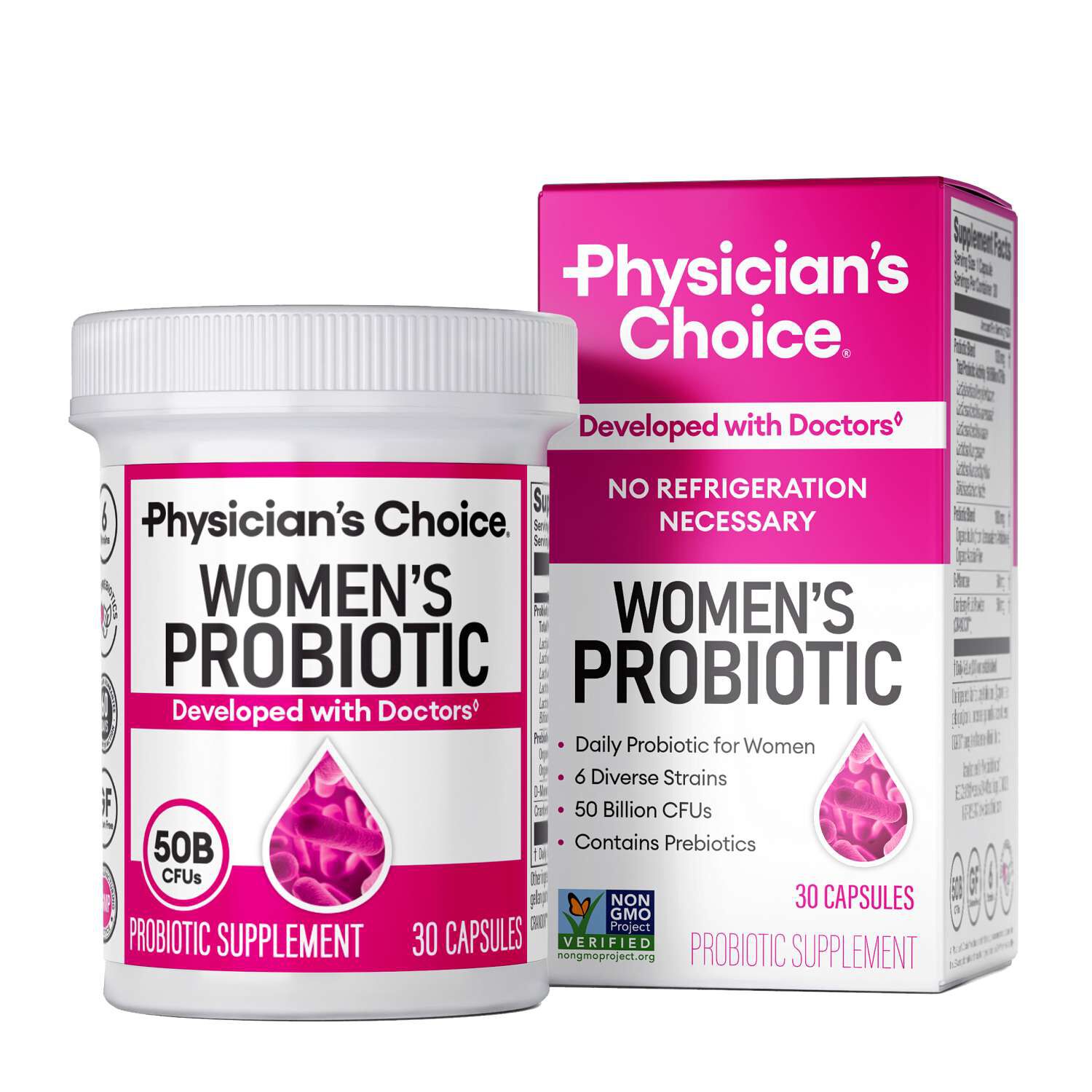
$56.99
-

-
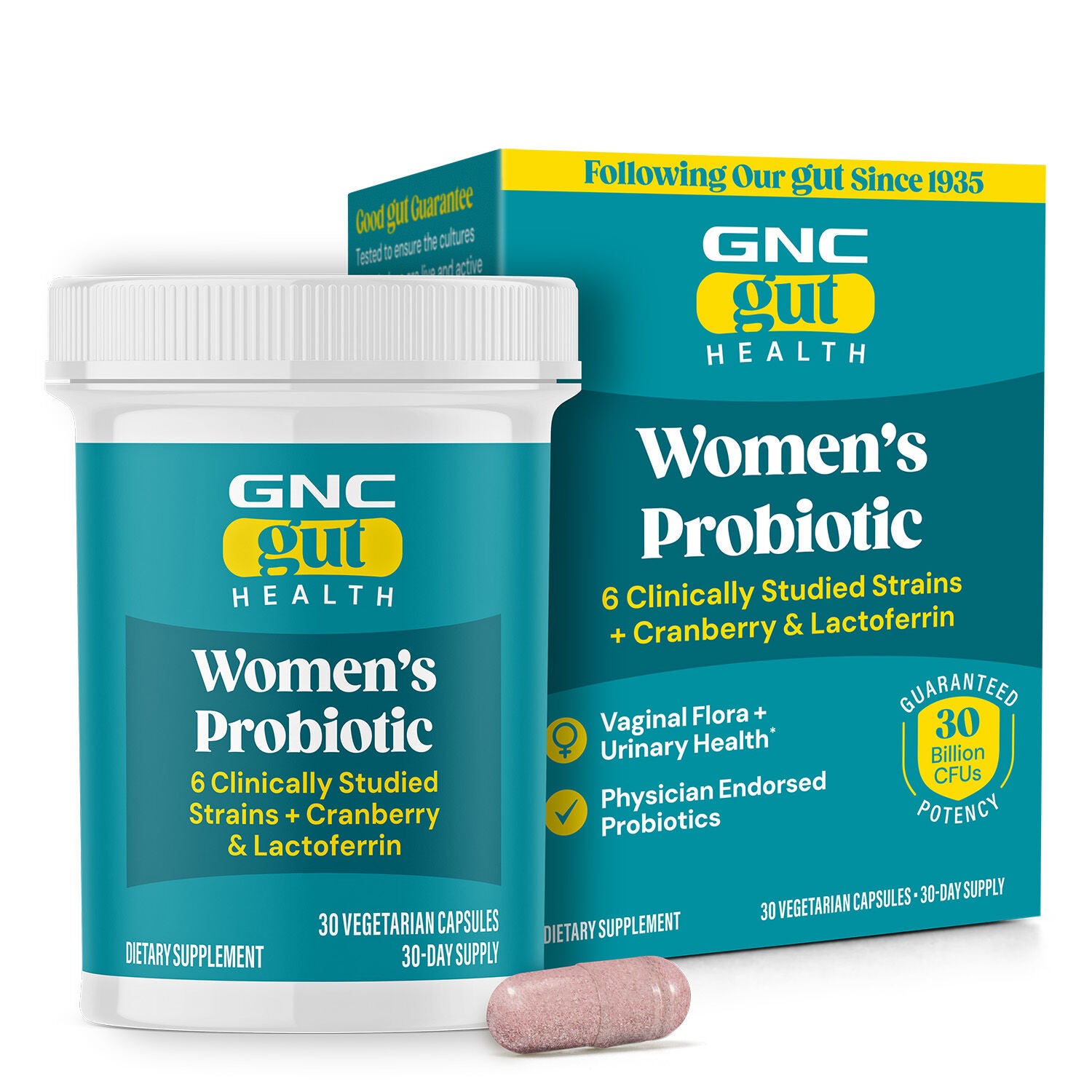 $36.99
-
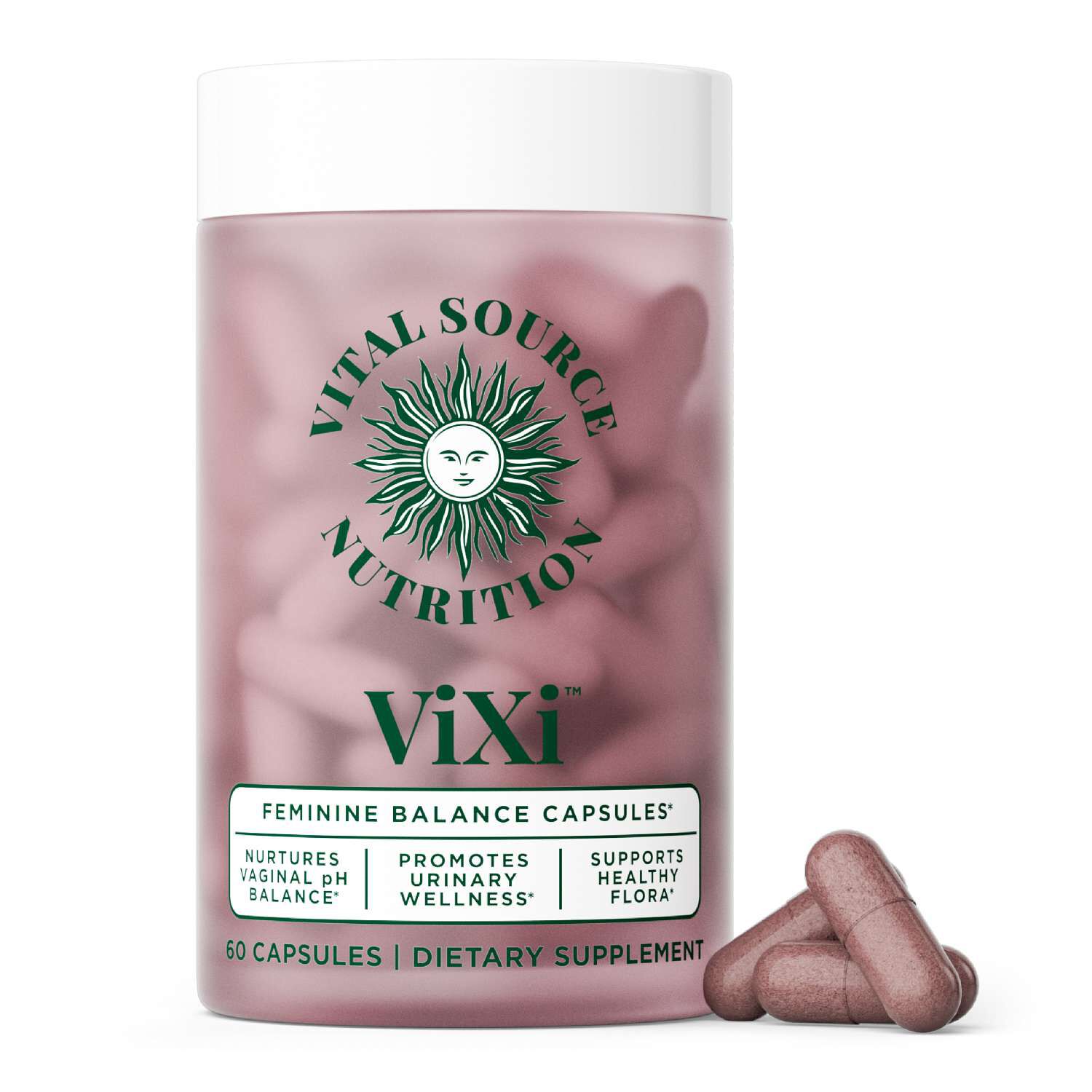 Vital Source$29.99


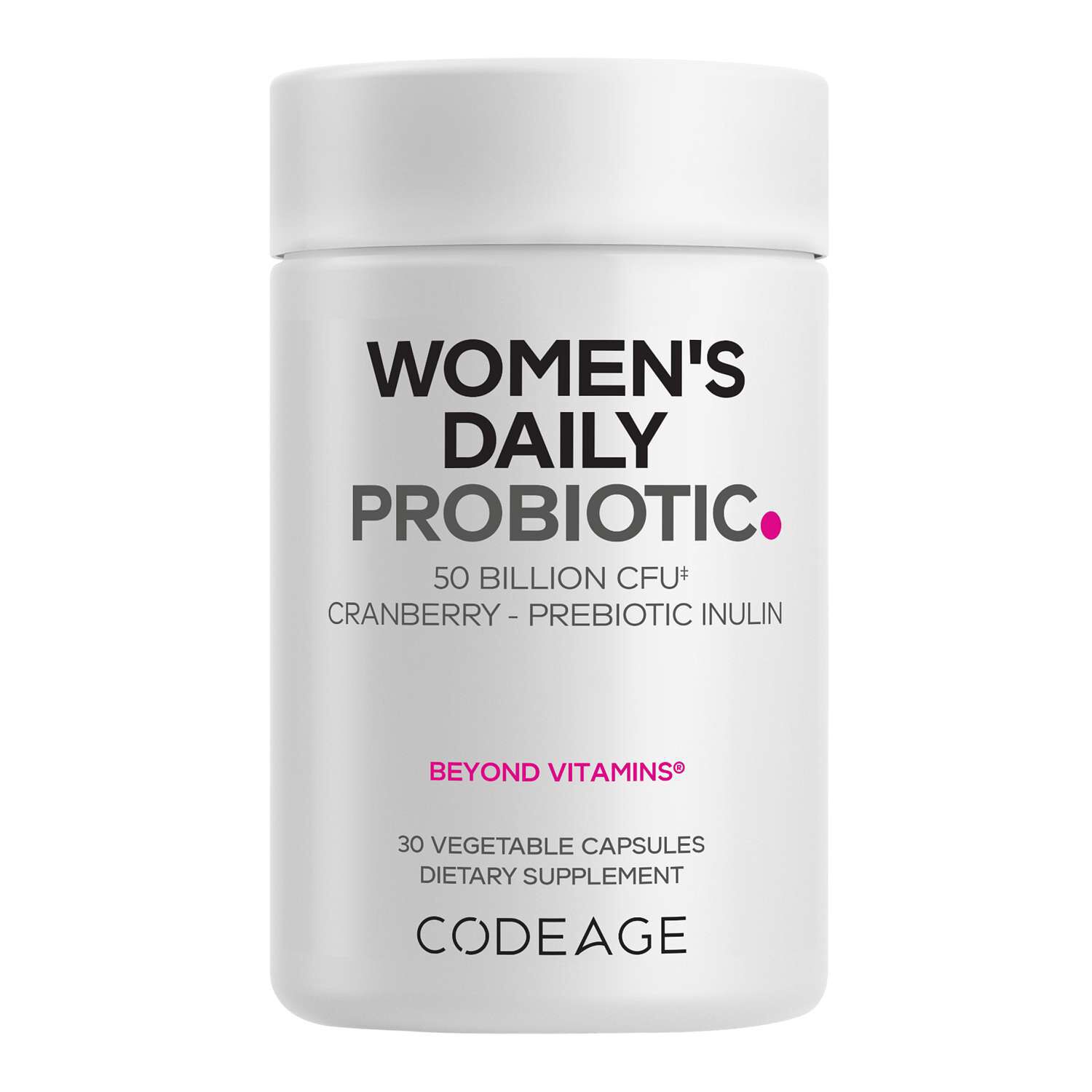
Cranberry capsules are dietary supplements made with cranberry fruit powder, concentrated cranberry extract, or a combination of cranberry-derived ingredients. Often grouped under urinary tract defense or urinary wellness, this category may appeal to adults who prefer a capsule format over cranberry juice, chewables, or powdered drink mixes. The small red cranberry is the starting point, but the finished formulas are not all alike. Some emphasize whole-fruit ingredients, while others feature extracts with more detailed information about naturally occurring plant compounds. Cranberries contain proanthocyanidins, often abbreviated as PACs, and that abbreviation is worth recognizing when comparing labels. A listed weight for cranberry powder or extract is not necessarily the same as a listed amount of PACs. For example, two formulas with similar cranberry extract weights may provide different information about their composition. An extract ratio describes the relationship between the starting botanical material and the resulting extract; it does not, by itself, establish a PAC amount. When a label identifies a standardized constituent, the amount per serving and any accompanying testing information provide additional context. These distinctions make ingredient transparency more meaningful than a large number on the front of a bottle alone. The Supplement Facts panel, serving size, ingredient source, and formulation details together offer a clearer picture of what is inside. Cranberry capsules are intended for dietary supplementation, not for diagnosing, treating, curing, or preventing disease. Their place in a personal routine is separate from medical treatment, and the phrase urinary tract defense does not establish a particular outcome. For shoppers comparing this category, the most useful starting point is the actual formula: what form of cranberry it contains, how the amount is described, and whether the label explains the compounds being measured. That information keeps the focus on the supplement’s contents rather than assumptions based on fruit imagery, bottle size, or prominent front-label wording.
Capsule construction and serving format also shape the shopping experience. Shell materials commonly include gelatin or plant-derived cellulose, so a cranberry formula’s botanical source does not automatically mean its capsule shell matches a vegetarian eating preference. The Other Ingredients section identifies shell materials and ingredients used during manufacturing, such as those that help powders move through filling equipment. For someone comparing ingredient lists closely, these details belong alongside the cranberry amount rather than being treated as an afterthought. Capsule size is another practical consideration, especially for adults who already have a strong preference for smaller formats. A photograph of a bottle rarely establishes the size of the capsule inside; dimensions or an actual-size illustration provide more useful context when included. Serving size deserves similar attention. One capsule and one serving are not always interchangeable, and a bottle’s capsule count is different from its number of servings. Comparing the listed amounts on the same per-serving basis keeps those differences clear. A single-ingredient cranberry formula may appeal to someone who prefers a straightforward botanical supplement, while a combination formula may suit someone comparing cranberry alongside additional nutrients or other ingredients. In either case, the full ingredient list matters more than the name of the primary ingredient alone. Added vitamins, minerals, botanicals, or other components change the formula’s composition, even when the front label places cranberry first. Dietary preferences and declared allergens are also part of the comparison, with explicit label statements providing firmer information than assumptions about fruit-based supplements. Capsule formats may offer a more neutral taste experience than cranberry beverages, although individual preferences differ. For an adult who enjoys keeping beverage choices separate from supplements, that distinction may be particularly relevant. For another shopper, a clearly described shell material or a shorter ingredient list may matter more. These are differences in format, composition, and personal preference—not evidence that one cranberry capsule will produce the same experience for everyone.
Packaging, storage information, and everyday handling round out the comparison. A cranberry supplement bottle holds more than capsules: it also carries the serving directions, ingredient details, lot information, and expiration date associated with its contents. Keeping that information accessible makes later reference more straightforward, particularly when several supplement bottles share the same cabinet. Packaging that closes securely may be a practical consideration for a household where bottles are handled regularly or moved between storage spaces. Label storage directions are the relevant reference for each formula, since packaging and ingredients vary. A bathroom shelf exposed to shower steam, a kitchen ledge beside a stove, and a cabinet away from heat and moisture present different storage conditions. The condition of the closure, the readability of the label, and the printed expiration date are concrete details that belong in any assessment of the package. Unlike a reusable household item, a dietary supplement is not evaluated by years of wear; its packaging integrity and stated storage requirements are more relevant considerations. The same attention to detail applies when comparing formats for a personal routine. A compact bottle may occupy less cabinet space, but bottle dimensions do not establish capsule size, serving count, or ingredient concentration. A familiar-looking label does not establish that two formulas contain identical ingredients, either. Consistent comparisons come from matching serving information, cranberry form, PAC disclosures when provided, shell composition, and other listed ingredients. The related collection, Cranberry Supplements For Urinary Tract Wellness Support, provides another way to browse this supplement category with those distinctions in mind. Whether the preference is for a narrowly focused cranberry formula or a blend with additional ingredients, the selection process remains grounded in the label and the intended dietary use. Clear ingredient descriptions, a suitable capsule format, and understandable serving information may make a cranberry supplement a more practical match for individual preferences. Those tangible details give shoppers useful context without turning a category name into an expectation of a specific result.
Best Sellers
-
Physician's Choice
-
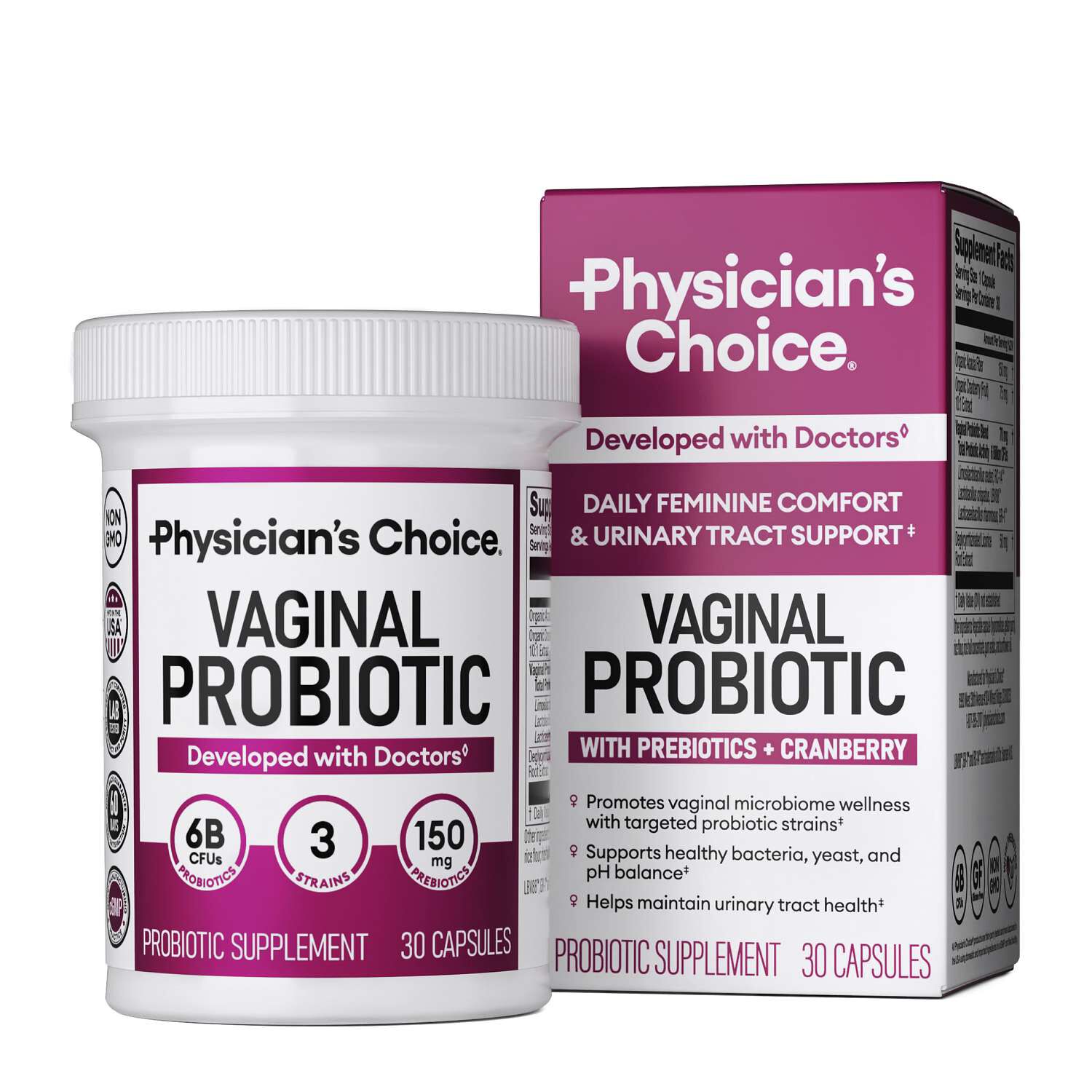 Physician's Choice

Related Pages
Top Collections
- Zinc Supplements For Men
- Chronic Fatigue Supplements
- Metabolism Boost For Weight Loss
- Daily Collagen Supplements | Top Brands & Deals | GNC
- Supplements For Yoga Joint Flexibility
- Capsule Supplements For Energy And Stamina
- Adult Vitamins
- Vitamins For Hair Loss
- Burnout Support Supplements
- Best Brand of Magnesium Glycinate