





Cranberry Fruit Capsules For Urinary Wellness
(0 Results)
Cranberry fruit capsules for urinary wellness are a convenient option for those looking to support their daily routine. Known for their natural origins, these capsules are a popular choice among individuals seeking to maintain wellness and balance. With easy-to-take servings and no need for preparation, cranberry fruit capsules for urinary wellness could be a simple addition to your everyday regimen. Explore available options and discover how adding this supplement may fit into your lifestyle.
-

-

-

-
 Angry Supplements$13.99
-
$56.99
-
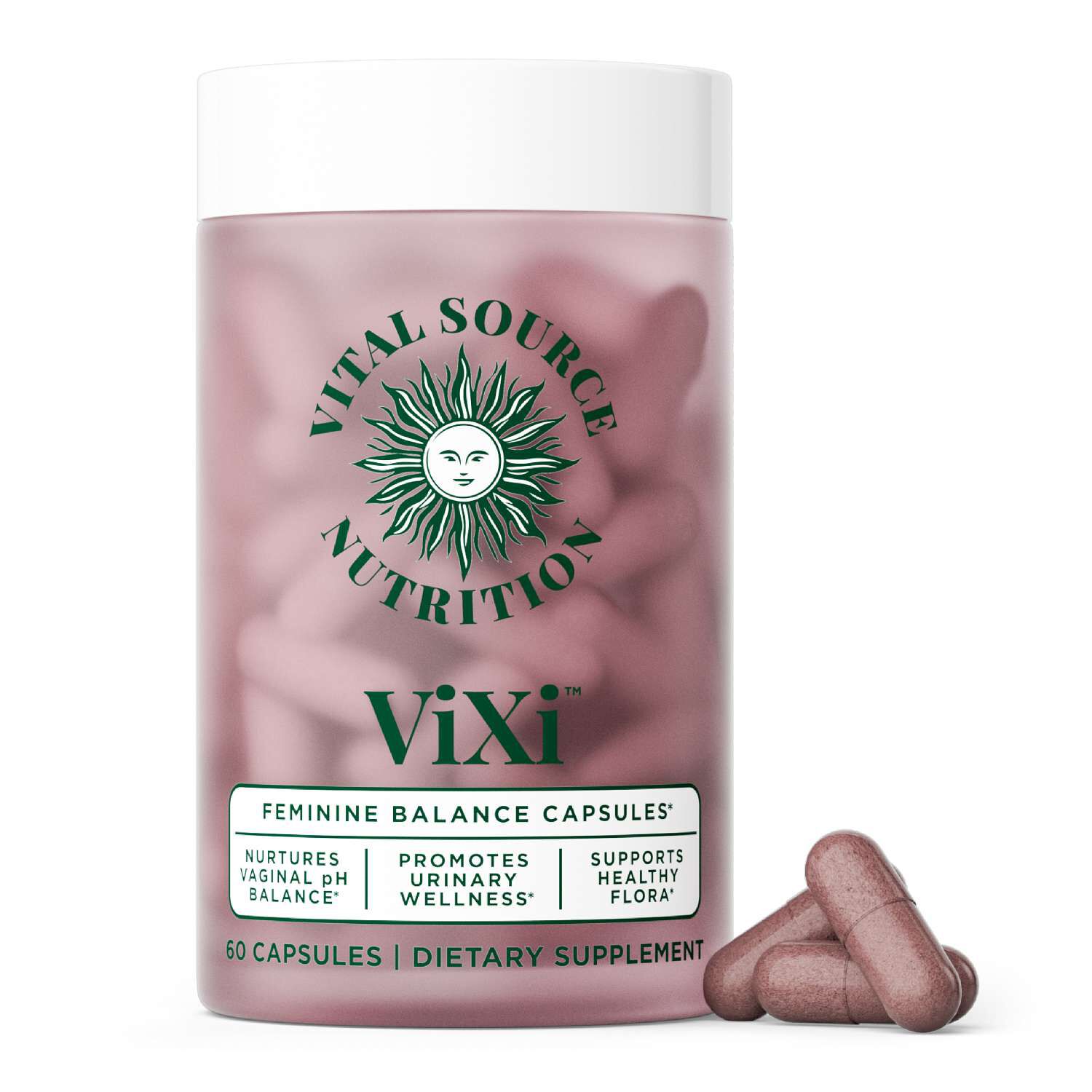 Vital Source$29.99
-
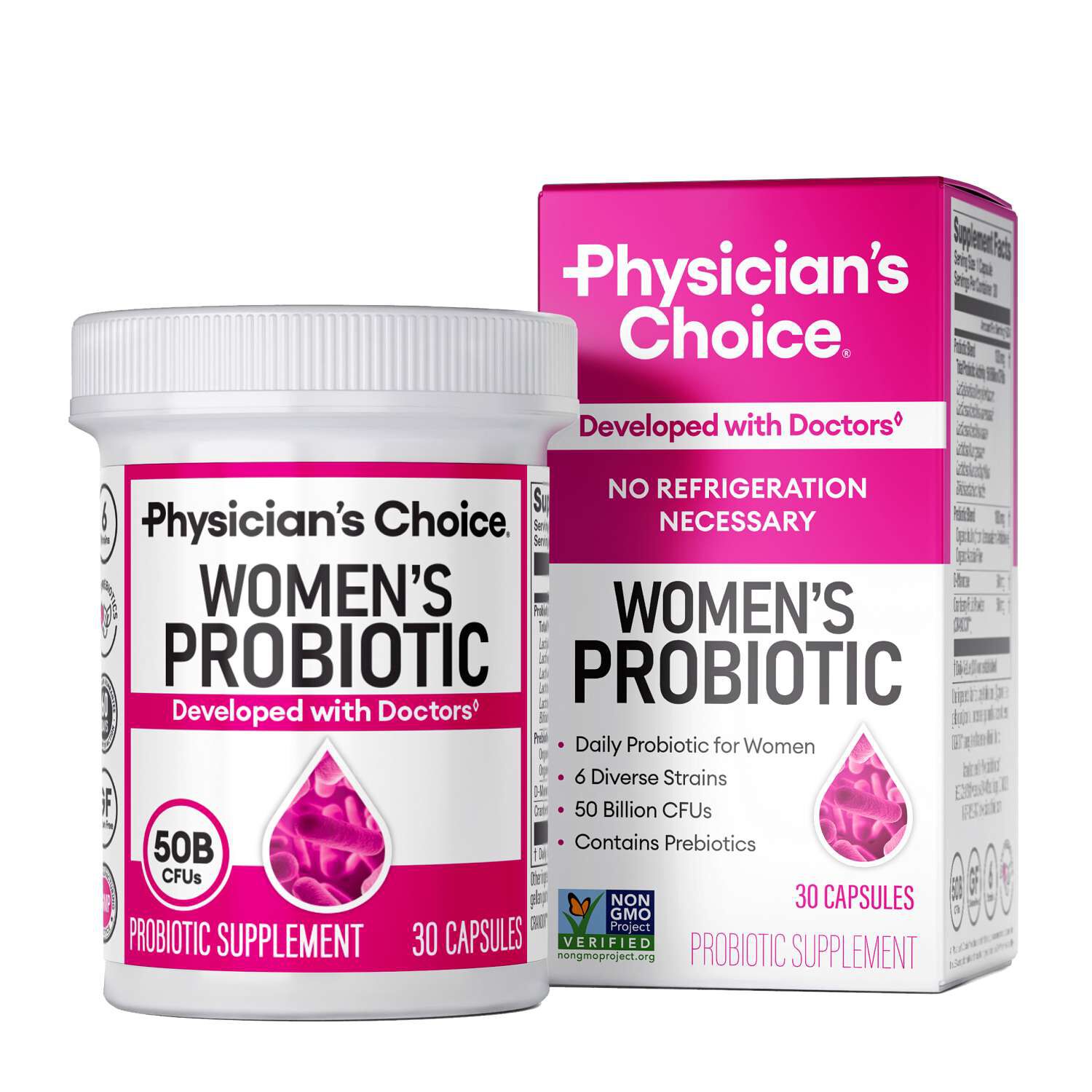
-
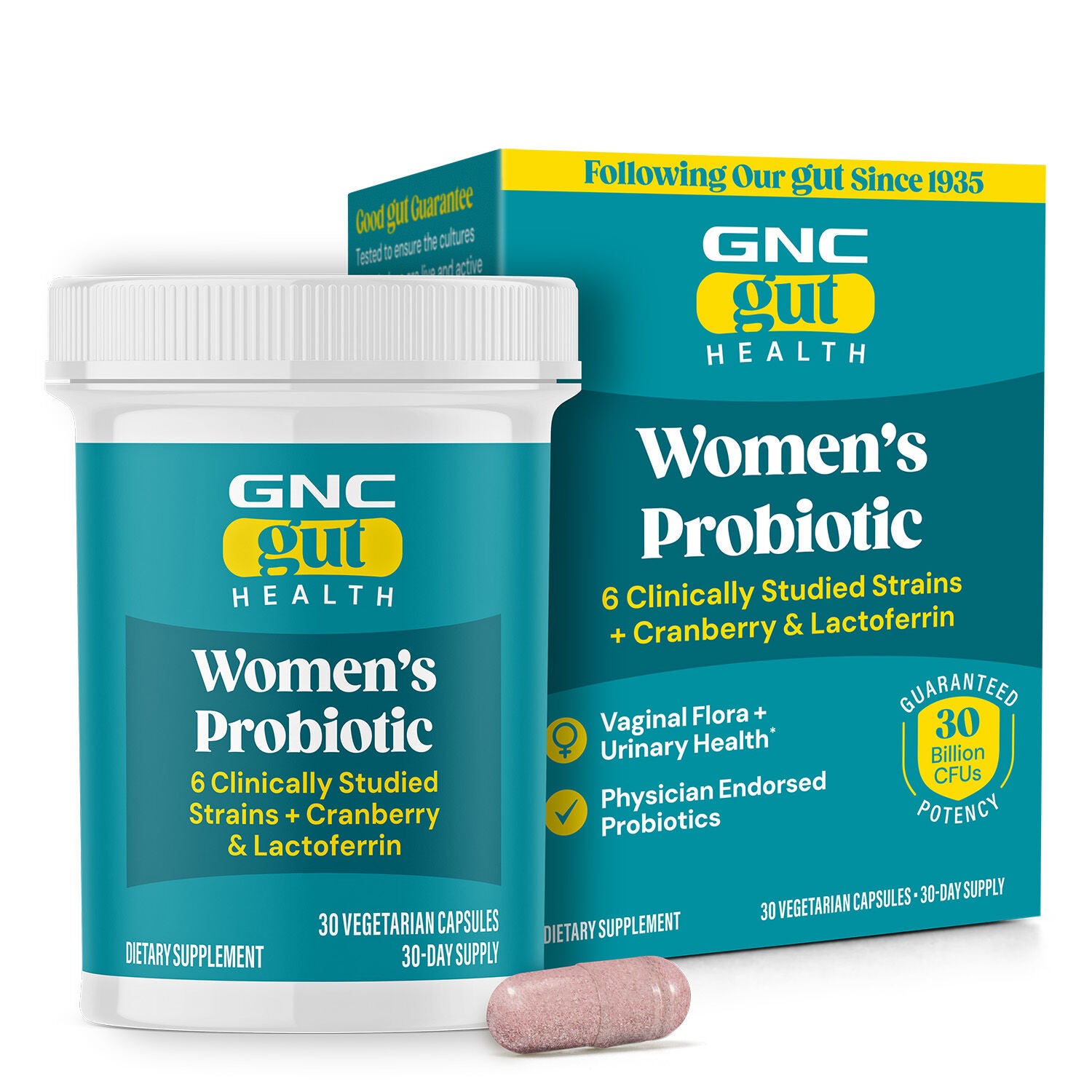 $36.99
-

-



Cranberry fruit capsules for urinary wellness are dietary supplements made with cranberry fruit powder, cranberry extract, or a combination of these ingredients. They place a familiar fruit ingredient into a measured capsule format rather than a juice or other beverage. Cranberries naturally contain proanthocyanidins, often abbreviated as PACs, which are a group of plant compounds. The amount of cranberry material in a capsule and the amount of PACs are different measurements, so a cranberry milligram figure should not be read as a PAC amount. Not every label lists PAC content separately, and formulas can differ in how their cranberry ingredients are prepared and described. Fruit powder generally refers to dried cranberry material, while an extract involves processing that concentrates selected constituents of the starting material. Some labels identify the plant by its botanical name, Vaccinium macrocarpon, and specify the fruit as the plant part used. Others also include an extract ratio or a fruit-equivalent amount. An extract ratio describes a relationship between the starting material and the resulting extract; it is not the same measurement as the weight of extract in a serving. A fruit-equivalent statement likewise describes something different from the amount of material physically contained in the capsules. These distinctions matter when two bottles display very different numbers on the front. A larger number alone does not establish that the formulas have comparable compositions or that one is a better match for a particular shopping preference. The Supplement Facts panel provides a clearer starting point, especially when read alongside the ingredient description and serving size. Where PAC content is stated, information about the measurement method adds useful context for comparing labels. For adults browsing supplements with urinary wellness in mind, these details distinguish straightforward cranberry formulas from blends with several ingredients. They also explain why two cranberry capsule formulas can look similar on the shelf yet present different serving amounts and ingredient profiles. Reading the front and back of the package together gives the numbers their proper context without treating every cranberry measurement as interchangeable.
Capsule construction is another practical part of comparing cranberry supplements. The shell may be made with gelatin or a cellulose-derived material, and that distinction matters to shoppers looking for a format that fits vegetarian preferences. A plant-derived shell does not, by itself, describe everything inside the capsule, so the full ingredient list remains relevant. Along with the cranberry ingredient, a formula may contain materials used in manufacturing to help powders flow or keep the contents consistent. These appear separately from the dietary ingredients and can explain differences between otherwise similar-looking formulas. Some cranberry capsules contain cranberry as the only featured dietary ingredient, while others combine it with ingredients such as vitamin C or D-mannose. Those combinations represent different formulations, not simply different names for the same capsule. Someone who already uses a multivitamin, for example, has a reason to notice added vitamins rather than looking only at the cranberry amount. Shoppers with dietary restrictions can also look for explicit package statements about ingredients they avoid instead of making assumptions based on the capsule’s appearance. Capsule size, shell material, serving size, and bottle count each describe a different aspect of the purchase. A serving may consist of one capsule or several, so the amount listed per serving is not always the amount in each capsule. Similarly, a bottle’s capsule count does not necessarily equal its number of servings. A comparison between a one-capsule serving and a two-capsule serving becomes clearer when both the ingredient amounts and the number of servings are considered together. Photographs can show the general format, but an actual size description, when provided, offers more useful context than a close-up image alone. For adults who prefer capsules to drinks, the format may fit an existing supplement routine without requiring a beverage to be mixed or measured. Flavor, sweetener content, and other formulation details still come from the label; capsule format alone does not establish them. These everyday considerations give a more grounded picture of the formula than front-label wording by itself.
Intended use and handling deserve the same attention as the ingredient panel. Cranberry fruit capsules belong to the dietary supplement category, and the package directions describe the intended audience, serving amount, and any instructions about taking the formula with food. Those details can vary, even among supplements centered on the same fruit ingredient. For shoppers browsing by intended audience, Cranberry Fruit Capsules for Women offers a related selection, with individual labels providing the details needed to distinguish one formulation from another. Audience-focused wording is useful for browsing, but it does not replace checking capsule materials, ingredient amounts, and directions. Storage is another consideration, particularly when a bottle will sit on a bathroom shelf, travel in a bag, or share cabinet space with cooking supplies. The package’s storage instructions take priority, and locations exposed to steam, moisture, or direct sunlight may not match those instructions. Keeping the container tightly closed may help limit exposure to humidity. Retaining the original bottle also preserves access to the Supplement Facts panel, directions, lot information, and printed date markings. If capsules are placed in an organizer, keeping the labeled container provides a reference that a small compartment cannot. For travel, secure packaging and a readable label are practical details worth considering alongside the number of capsules needed for the trip. At home, a designated storage spot away from children keeps adult supplements separate from everyday snacks and pantry foods. Package condition also matters: seals, closures, and any included storage components should be handled according to the manufacturer’s directions. A cranberry capsule selection ultimately involves more than choosing a familiar fruit name. The form of cranberry, the meaning of its stated amount, the capsule shell, any additional ingredients, and the directions together describe what is in the bottle and how it is intended to fit an adult supplement routine. Clear labeling makes those distinctions easier to recognize, whether the preference is a simple cranberry formula or a blend with several listed ingredients.
Best Sellers
-
Physician's Choice
-
Physician's Choice


Related Pages

Top Collections
- Supplements For Yoga Joint Flexibility
- GLP 1 Support For Adults
- Joint Mobility Supplement Packs
- Chronic Fatigue Supplements
- Adult Mobility Supplements
- Supplements For Balance
- Supplements For Anxiety Relief Support
- Capsule Supplements For Energy And Stamina
- Zinc Supplements | Top Brands at Great Prices | GNC
- Anti Aging Supplements For Women